




Top 20 Most Common Insects in Jordan
Insects, those tiny creatures with jointed legs, segmented bodies and exoskeletons are all around us. Jordan, a land graced by a mix of diverse climates and habitats, teems with a variety of these little beings. From arid desert regions to verdant woodlands, these differing terrains influence the diversity in the local insect life. These critters, both pests and beneficial ones, reflect the country's environment and ecosystem health. So, join us as we unveil the 'Top 20 most common insects in Jordan'.

Most Common Insects
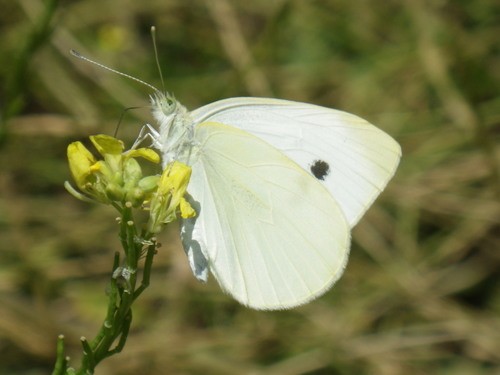
1. Cabbage white
Cabbage white (Pieris rapae) derives its common name from its habits as a caterpillar, which is a ferocious pest for cabbage, kale and broccoli farmers. In North America, it is one of the first butterflies to emerge in spring, heralding the beginning of the season.
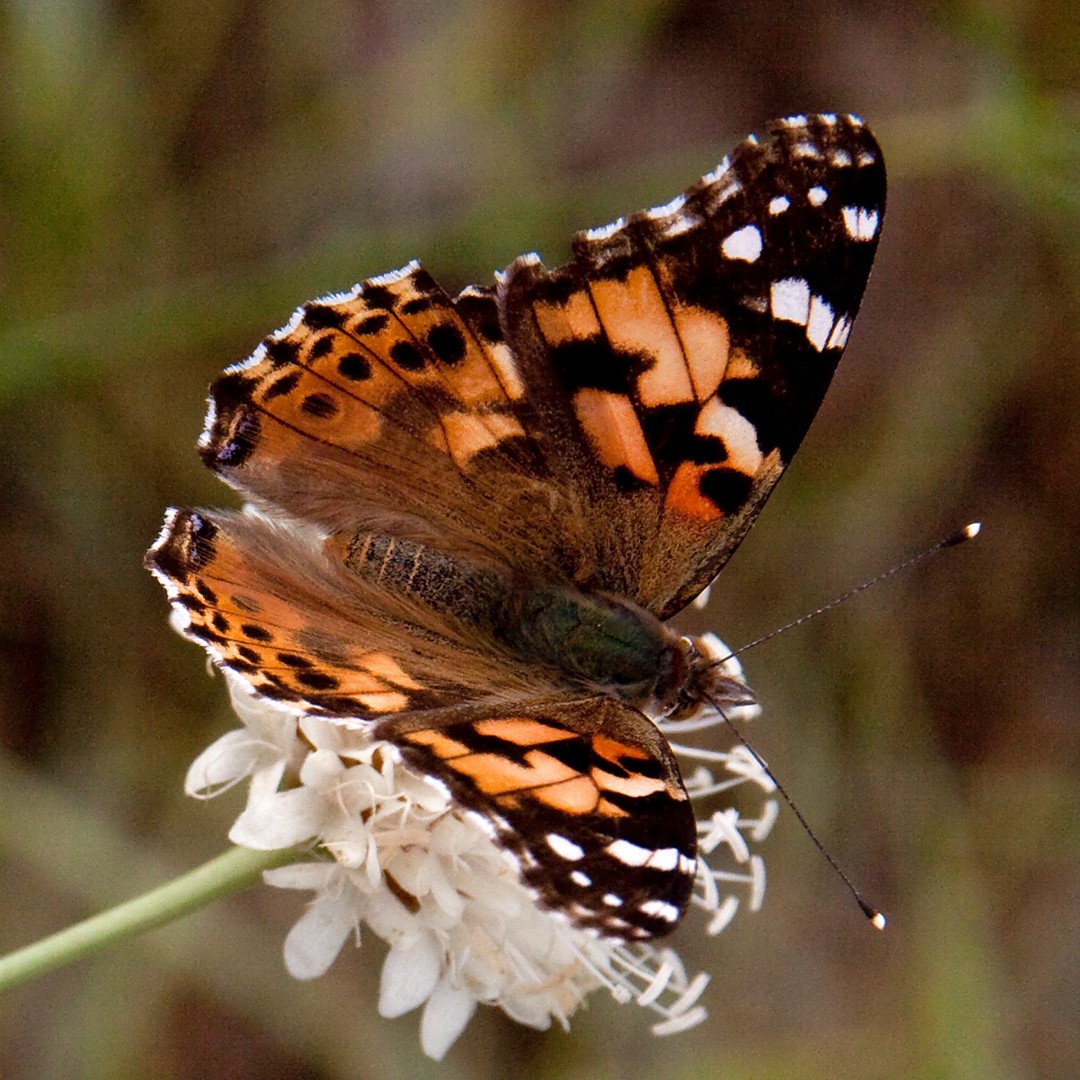
2. Painted lady
The painted lady is a migratory butterfly that spends part of the year in Northern Africa and then migrates to Europe during the warmer months. Although the adults feed on nectar from flowers, the larvae feed on the leaves of nettles and thistles.
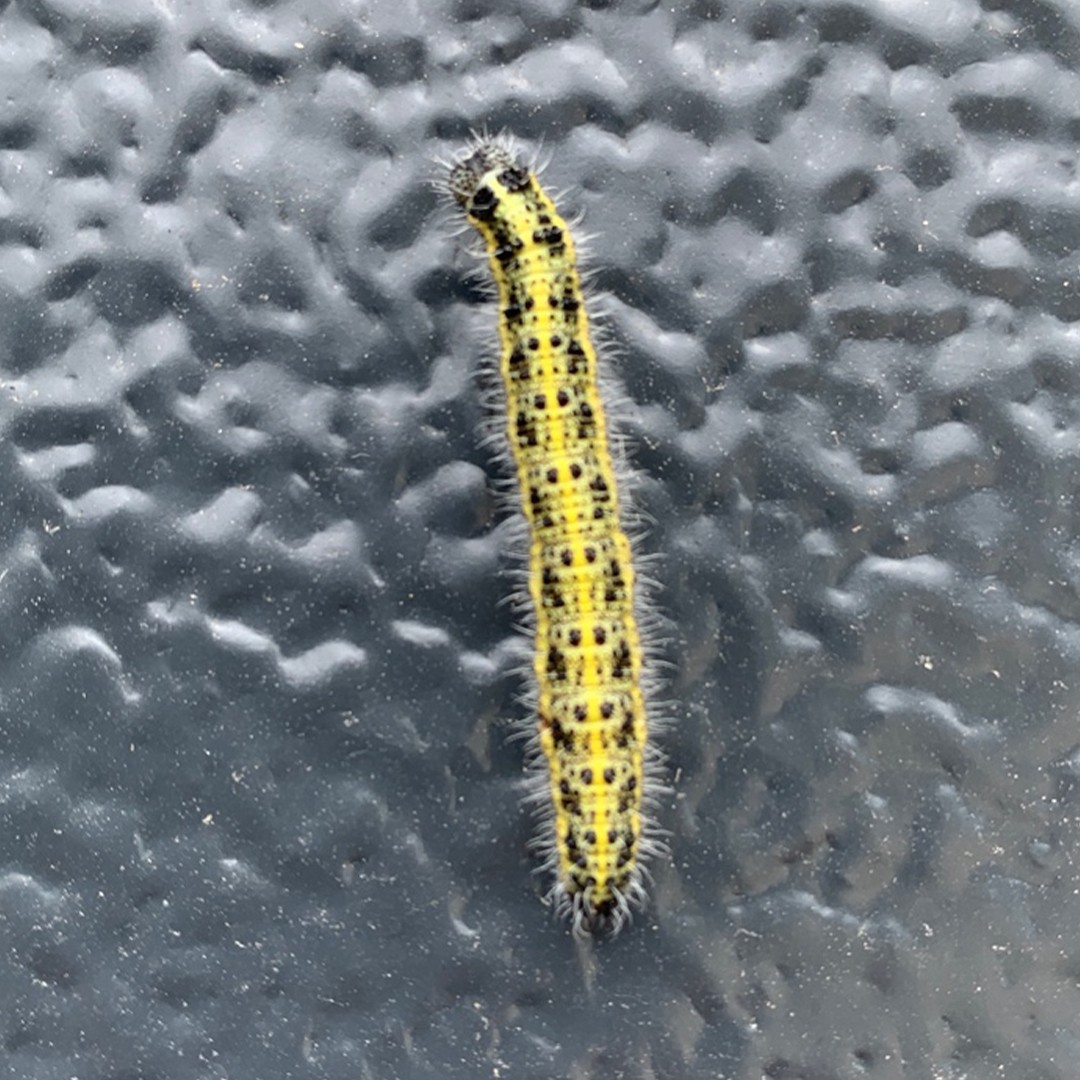
3. Large white
Large white (Pieris brassicae) is visually similar but quite larger than its close relative P. rapae. It lays its eggs on food plants such as cabbages – the origin of its common name – leading to many farmers' classifying this species as a pest.
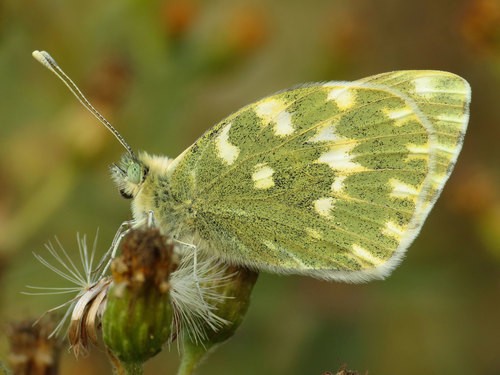
4. Bath white
The bath white is a small white butterfly with a wingspan of 45 to 50 mm. The underside of the hindwing has a pattern of greenish blotches, which is characteristic of the Bath whites and easily identifies it fromThe Bath white is a small white butterfly with a wingspan of 4.5 - 5 cm. The underside of the hindwing has a pattern of greenish blotches, which is characteristic of the Bath whites and easily identifies it from other pierids. Sexes can be differentiated by markings on the forewing. The male is differentiated from the female by the markings on the upperside of the forewing. The apex of the forewing is black with white spots and lines. There is a black spot at the end of the cell. In the case of the female, there is an additional discal spot in 1b. The female also has an obscure row of terminal and marginal spots on the upper hindwing. Male: Upperside: white. Forewing: basal half of costa narrowly irrorated with black scales, a broad irregular quadrate black spot over the discocellulars; apex and termen anteriorly, above vein 3 broadly black, with a subterminal series of spots of the ground colour, prolonged as fine lines to the terminal margin. Hindwing: uniform, the markings on the underside showing faintly through; a costal spot before the apex, and in some specimens, some obscure, anterior terminal markings indicated by irrorated black scaling. Underside: white. Forewing: the form of the markings as on the upperside but the base of the cell with an irroration of green scales, the black discocellular spot extended to the costa, often washed with green or with a green centre to the black; the apical patch green not black, with the spots of the ground colour on it ill-defined and obscure; a black or greenish-black spot in the outer half of interspace 1. Hindwing: green; costal margin at base yellow; dorsal margin white; a spot in middle of cell, another above it in interspace 7, a curved irregular discal series of conjoined spots beyond the cell, of which the upper two spots in interspaces 1 to 6, white; the veins sometimes faintly yellow. Antennae dusky-black; head, thorax and abdomen fuscous black; beneath; head, thorax and abdomen white. Female: Upperside: differs as follows: Forewing: a dusky-black streak extends from the base along costa and terminates at the black spot on the discocellulars; a transverse, somewhat quadrate black spot in the outer half of interspace 1, with sometimes a short ill-defined black streak below it; the black area on apex and anterior portion of termen broader, the white spots on it blurred and obscure. Hindwing: a large costal black spot before apex; a broad, black, subterminal, inwardly diffuse, curved band in continuation of the same, and a terminal series of clavate black marks that start from the outer margin of the black subterminal band. Underside: markings much as in the male but broader. Antennae, head, thorax and abdomen as in the male. Wingspan: 5 - 6 cm 

5. Cleopatra
The Cleopatra butterfly (Gonepteryx cleopatra), also called Mediterranean brimstone butterfly, is a butterfly (butterfly) of the family White Whites (Pieridae). The specific epithet derives from Cleopatra, the beauty of the famous Egyptian queen.
6. Old World swallowtail
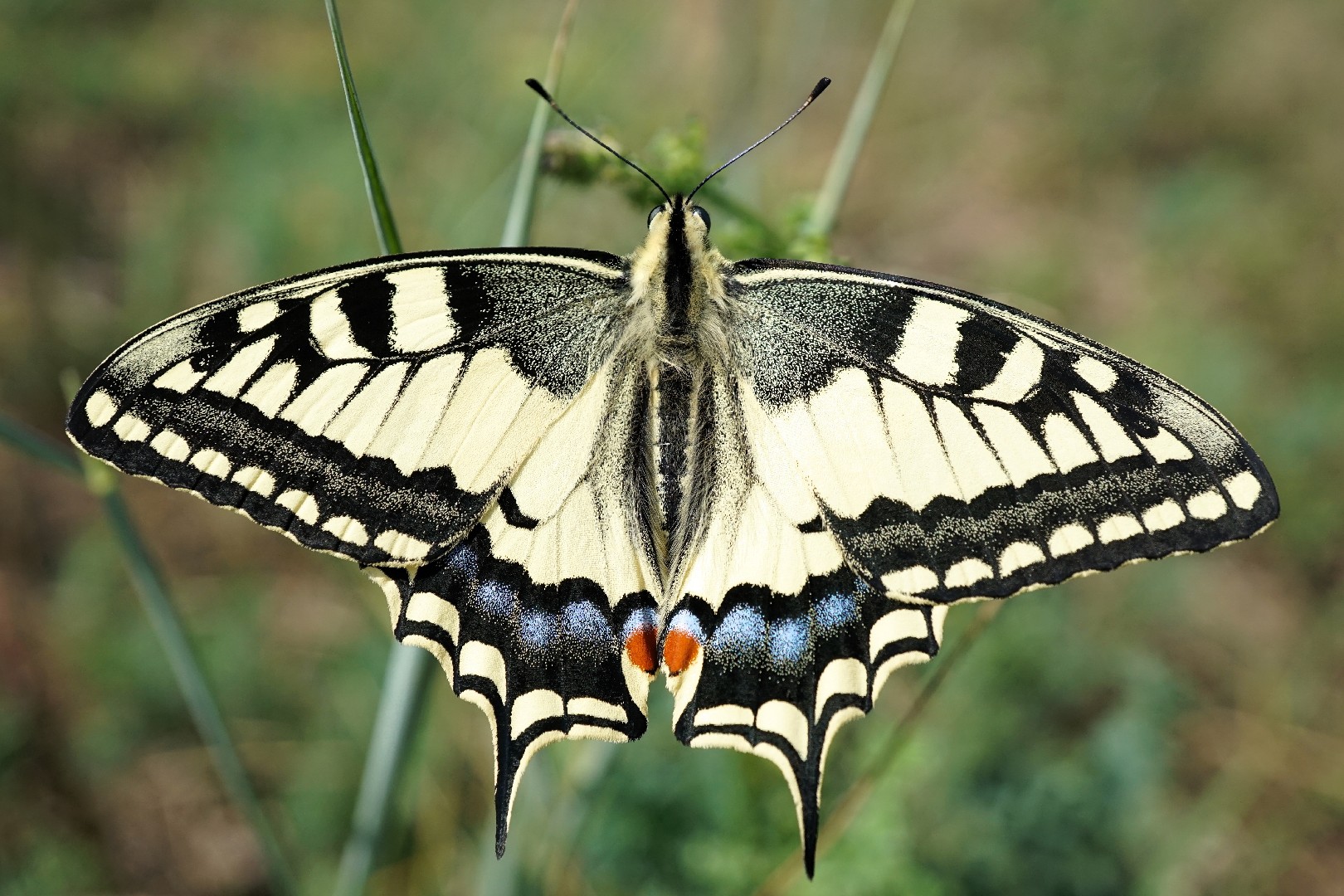
The old World swallowtail (Papilio machaon) is commonly just called the "swallowtail," giving it the added title of "old world" to distinguish it and remind us that it comes from the "old world" (Asia, Africa, Europe). The upper side of them is a beautiful combination of pure white with black striping, the underside being a brownish version of the same thing. There is blue and two red dots on its back side.
7. Clouded yellow
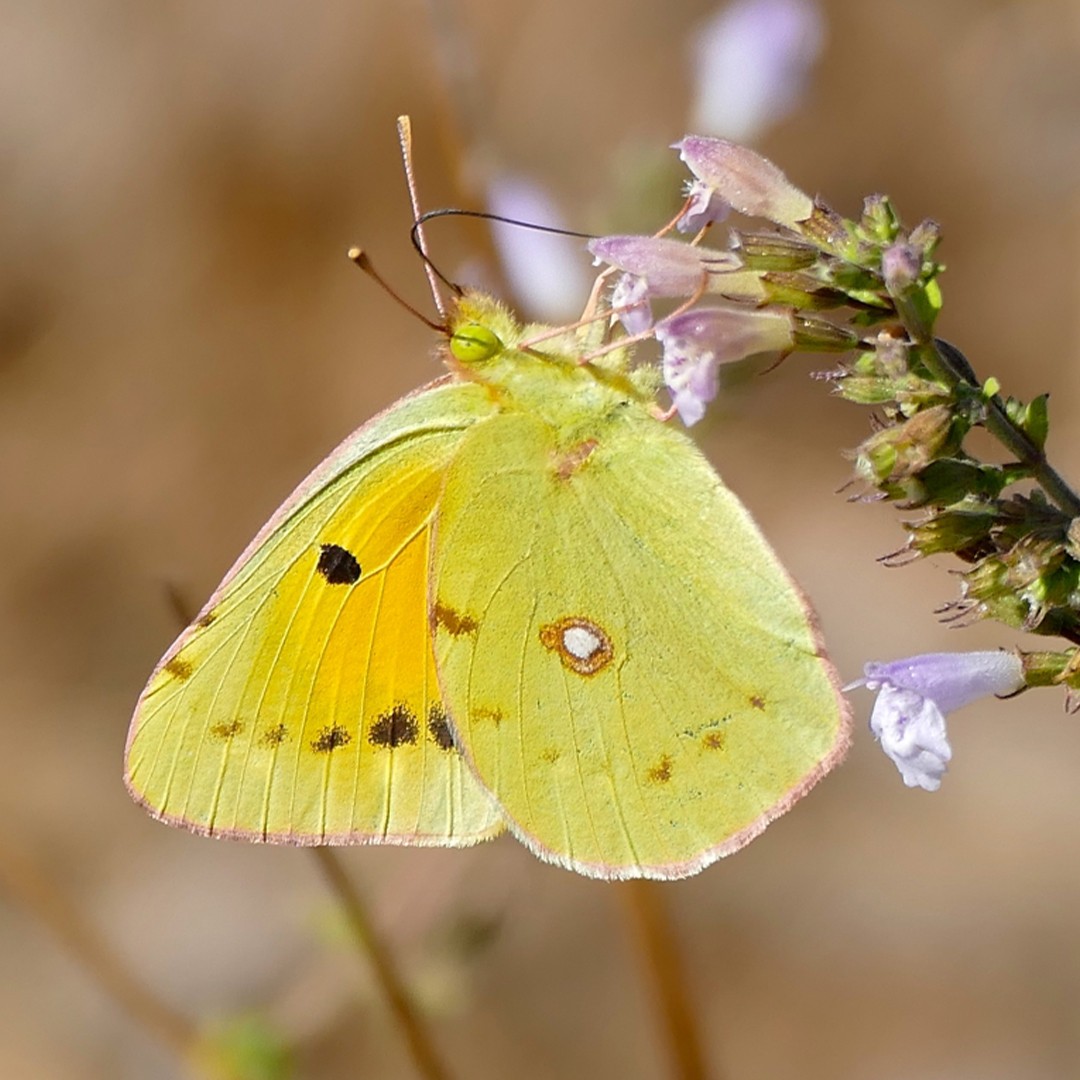
Colias croceus has a wingspan of 46–54 millimetres (1.8–2.1 in). The upperside of the wings is golden to orange yellow with a broad black margin on all four wings and a black spot near the centre forewing. Usually these butterflies settles with its wings closed, consequently the black margin of the uppersides of the wings is difficultly visible. The underside lacks the black borders and is lighter, with a more greenish tint, particularly on the forewings. In the forewing underside is the same dark spot as on the upperside, but often with a light centre; the hindwing underside has a white centre spot, often with a smaller white or dark dot immediately above it. Sometimes, a row of black dots occurs on the underwings' outer margins, corresponding to where the black border ends on the upperside. Females differ from the males in having yellow spots along the black borders on the upperside. In flight, Colias croceus is easily identifiable by the intense yellow colouring, much brighter than that of the lemon-yellow male common brimstone which also lacks black markings. Like all Colias species they never open their wings at rest. In a small proportion of females (about 5%) the golden upperside colouration is replaced by a pale cream colour. These females have been distinguished as form helice. The pale form helice does not seem to be that distinct as intermediates exist and the variation is to some extent related to humidity during development, with dryer conditions producing paler colouration. These pale forms helice can be confused with Berger's clouded yellow (Colias alfacariensis) and the rarer Pale clouded yellow (Colias hyale). Even the palest C. croceus tends to have more black on the upperside however, in particular on the hindwings. Young caterpillars are yellow-green, with a black head. Later they become completely dark green, with a white red spotted lateral line after the third moult. The pupae are green and have a yellow side stripe. This species is rather similar to Colias myrmidone, Colias chrysotheme, Colias erate, Colias hyale, Colias alfacariensis, Colias caucasica, Colias aurorina.
8. Lesser Fiery Copper
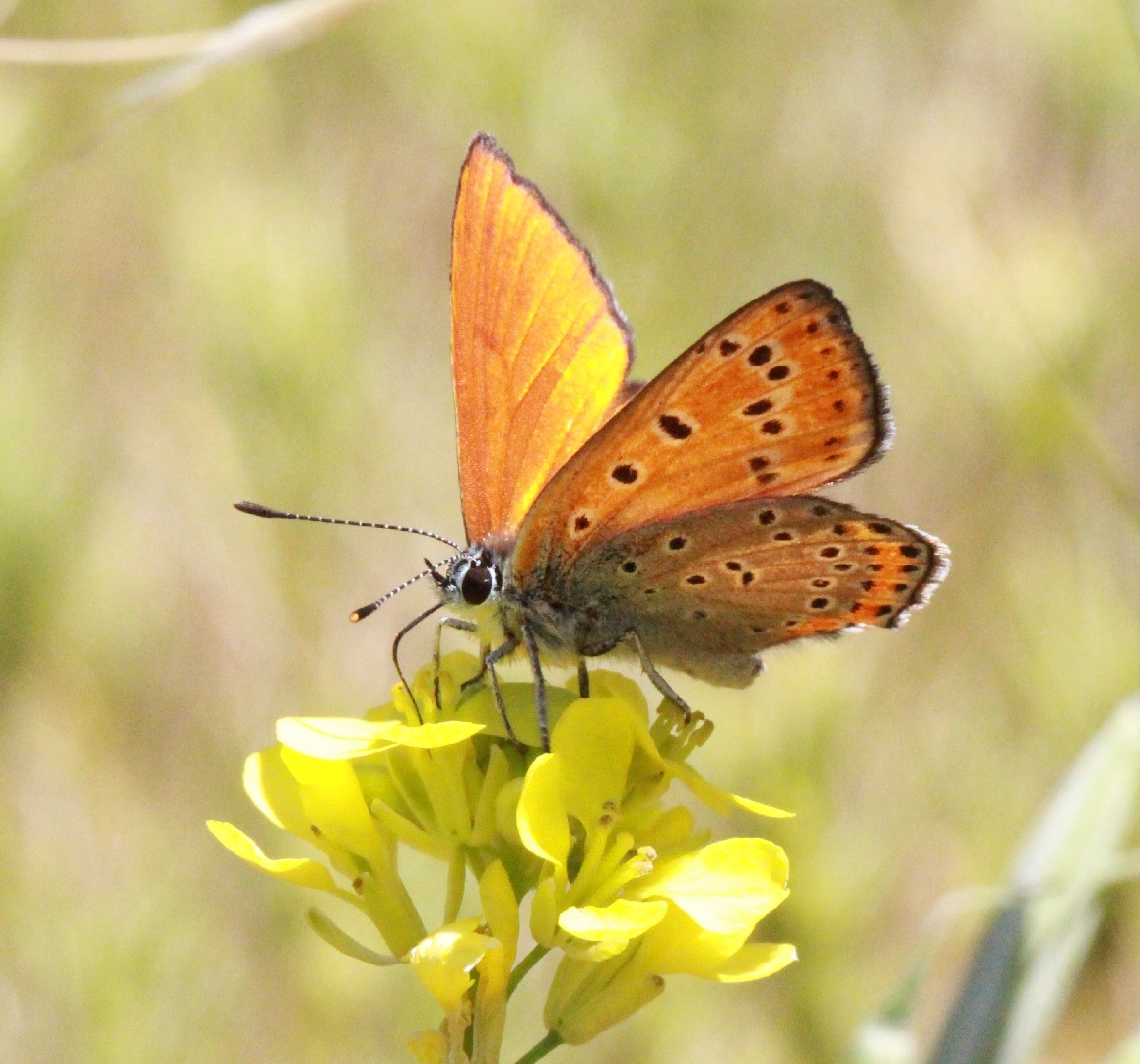
C. thersamon Esp. (= xanthe Hhn.) (76 e). Bright golden red; but the hindwing, also in the male, so much dusted with dark scaling that a light submarginal band contrasts with the ground. On the underside the disc of the forewing and the submarginal band of the hindwing both cinnabar-red, contrasting with the grey ground. South-east Europe, the eastern districts of Italy opposite the Balkan Peninsula, Asia Minor and Turkestan, extending north-westwards to Hungary, Bohemia and Saxony. — omphale Klug (76 e) is the short-tailed summer-form, which flies from July until September. — In persica Bien. the upperside is very fiery and the dots of the median row on the hindwing beneath are larger; in the sub-alpine region of the mountains north-west of El Meshed (Persia). — alaica Gr.-Grsh. is washed with dark on the upperside, and has the underside more yellowish with larger dots. Ferghana. — Larva green, with swollen segments, the dorsal line yellow, thinly divided, the side-line likewise yellow, between the two lines darker oblique smears; head and legs brown; adult in June and again in the autumn on Sarothamnus and Rumex. The pupa evenly rounded, dark brown. The butterflies occur as tailless form in April and May, and again as omphale from July onward, flying on dry sunny hillsides, not being rare at their flight-places.
9. Large salmon arab
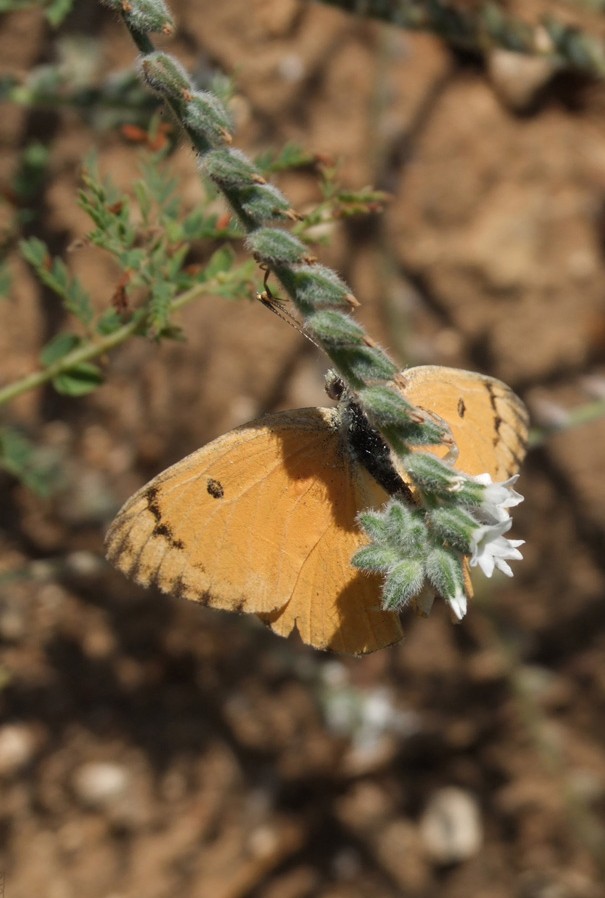
The ground colour on the upperside of males is pale salmon buff, paler in specimens from desert areas, darker in those procured in regions where there is a regular though not heavy rainfall. Forewing: base and costal margin irrorated (speckled) in varying degree with dusky scales; an oval annular discocellular spot that varies in size; a black, festooned, postdiscal band that extends from costa to vein 4, beyond which the veins are margined with black; this colour broadened sub-terminally into a second transverse fascia, that is followed by a very fine black line on the extreme terminal margin. In specimens from desert regions the transverse bands and the black edging to the veins are narrow, but in moister areas the two transverse bands unite posteriorly and with the slender black terminal line give an appearance as of a double series of spots of the ground colour enclosed between them. Hindwing: more uniform, the veins with terminal black spots; costa broadly pale, fading to white. Underside: pale yellowish white, in many specimens from moist localities suffused with a beautiful rosy flush; the markings in such specimens prominent, in those from dry localities more or less obsolescent. Forewing: discocellular spot as on the upperside, but complete, and not an oval ring; in some specimens a postdiscal, dark ochraceous brown, narrow, curved band from costa to middle of interspace 2. Hindwing: a small discocellular spot in the form of an oval light brown ring always much smaller than the similar spot on the forewing; a postdiscal, curved, more or less sinuate band similar to and in continuation of the band on the forewing from the costa to vein 1. Antennae, head, thorax and abdomen dusky black, the club of the antennae on the underside, the hairs that cover the head and thorax and the scaling of the abdomen salmon buff; beneath: much paler, fading to white in specimens from dry localities. Sex-mark: a small patch of brown specialized scales on the underside of the forewing above vein 1, closer to the base than to the termen. On the upperside this is more or less prominent as a small raised spot. Females are dimorphic. Form 1: ground colour and markings as in the male; the costa of the hindwing on the upperside concolorous with the rest of the wing; the sex-mark of course absent. Form 2. Upperside: ground colour white, often more or less irregularly suffused on parts of the wing with salmon buff; markings similar to those in the male, but very much broader. Forewing: base and costal area heavily irrorated with greyish-blue scales. Hindwing: the terminal spots at apices of the veins large and quadrate, often united into a continuous band which then encloses an anteciliary series of spots of the ground colour. In a few specimens there are traces of a postdiscal macular black band, in a very few this band is almost complete and very prominent. Underside: ground colour white; markings as in the male, but broader, darker and more prominent. It is found in Baluchistan, Sind, the Punjab, Rajasthan and Bombay. The species is also found in Asia Minor, Arabia, Persia and Afghanistan. Race tripuncta, Butler. Very closely resembles the typical from, but this the southern form or race can be distinguished as follows: Male upperside has the ground colour of a much deeper tint of salmon buff, almost orange yellow. Forewing: costa heavily irrorated with black scales; discocellular spot larger, not annular; postdiscal black fascia at all seasons united to the subterminal fascia and black anteciliary line so that the whole apex and termen of the wing are black, broadly at the costa and gradually narrowed towards the tornal angle. This black area encloses never more than three preapical moderately large spots and a complete series of minute anteciliary specks of the ground colour. Hindwing: as in C. fausta, but the terminal black spots very large. Underside: ground colour of a richer yellower tint than in the typical form; markings similar, those on the forewing dusky black, on the hindwing rose pink. Antennae, head, thorax, abdomen and sex-mark as in male of the typical form. Female upperside closely resembles the female of form 2 of C. fausta, but all the markings are darker and conspicuously broader, while the number of the preapical spots of the ground colour enclosed within the black area on the forewing is never more than three, the same as in the male. Underside, forewing: white sometimes faintly suffused with yellow; apical and terminal areas anteriorly light to dark ochraceous yellow; discocellular spot very large; transverse, postdiscal, macular dark reddish-brown band very broad. Hindwing: pale ochraceous yellow, sparsely powdered with black scales; transverse postdiscal macular band reddish brown and broad as in the forewing. Antennae, head, thorax and abdomen as in female form 2 of C. fausta. Western and southern India: Bombay, Poona, the Nilgiris up to 6,000 feet (1,800 m), the Anaimalai Hills; eastern India: Orissa in Bengal, Ganjam; Ceylon.
10. Lang's short-tailed blue
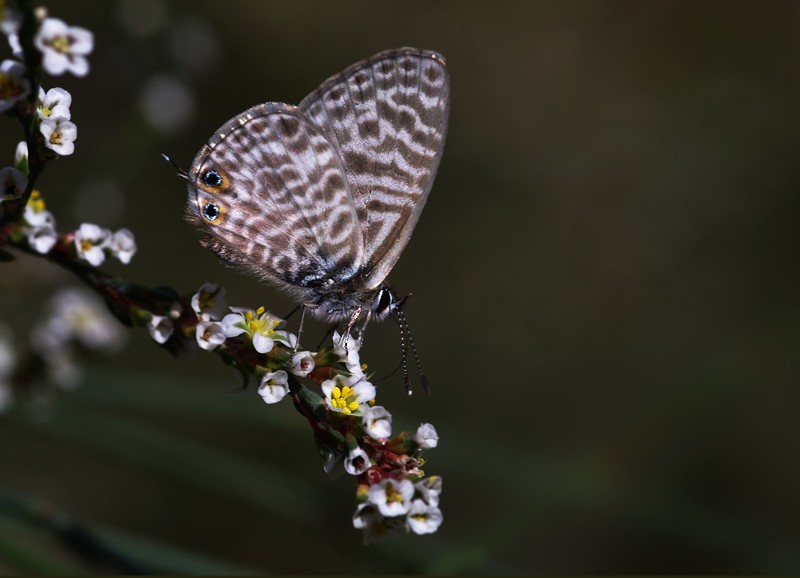
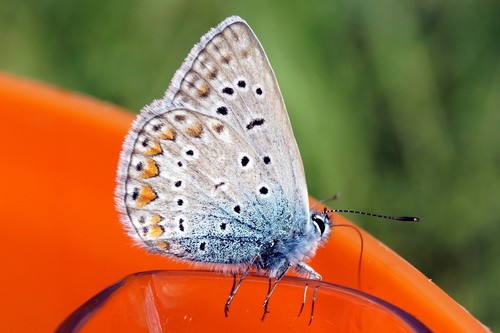
Leptotes pirithous is a small butterfly with a wingspan of 21–29 mm in males and 24–30 mm in females. The uppersides of the wings are purple bluish in males, bluish brown in female. The undersides are dark beige striped with white lines. The hindwings show marginal orange and black spots and two small tails.

More







