




Top 18 Most Common Insects in Almaty
Unveiling the fascinating world of insects, unique for their ability to adapt to diverse habitats within Almaty. The region's geographical variations influence insect diversity, establishing a vibrant microcosm with both pests and beneficial insects that play pivotal roles in the ecosystem. Our list explores the top 18 insects common in Almaty, shedding light on their intriguing lifestyles and ecological significance.

Most Common Insects
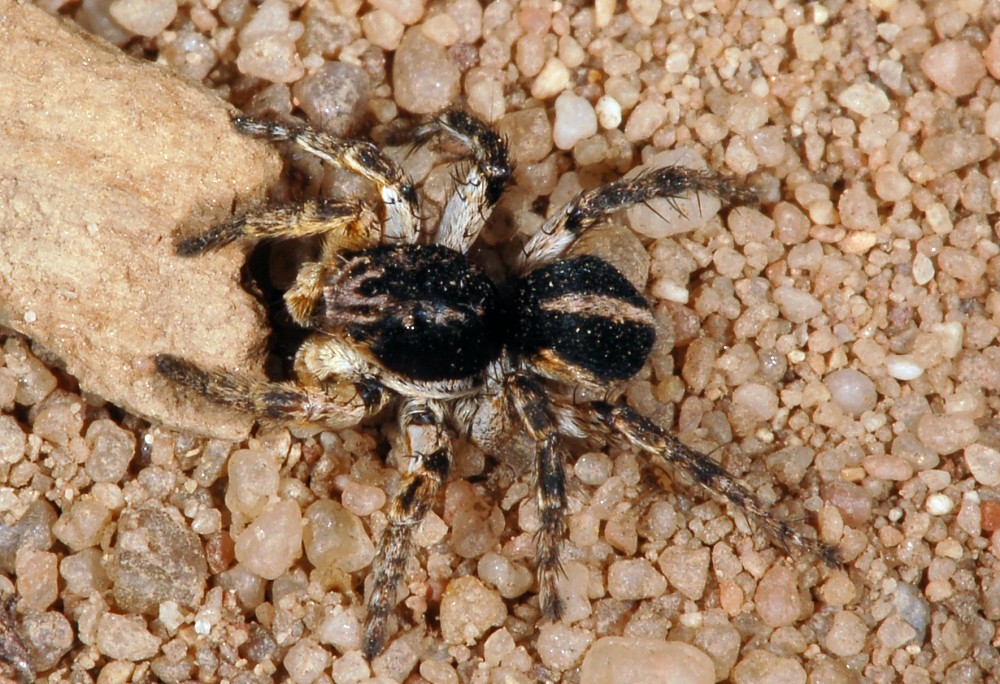
1. Aelurillus v-insignitus
Aelurillus v-insignitus is a species of spider from the family of jumping spiders (Salticidae).
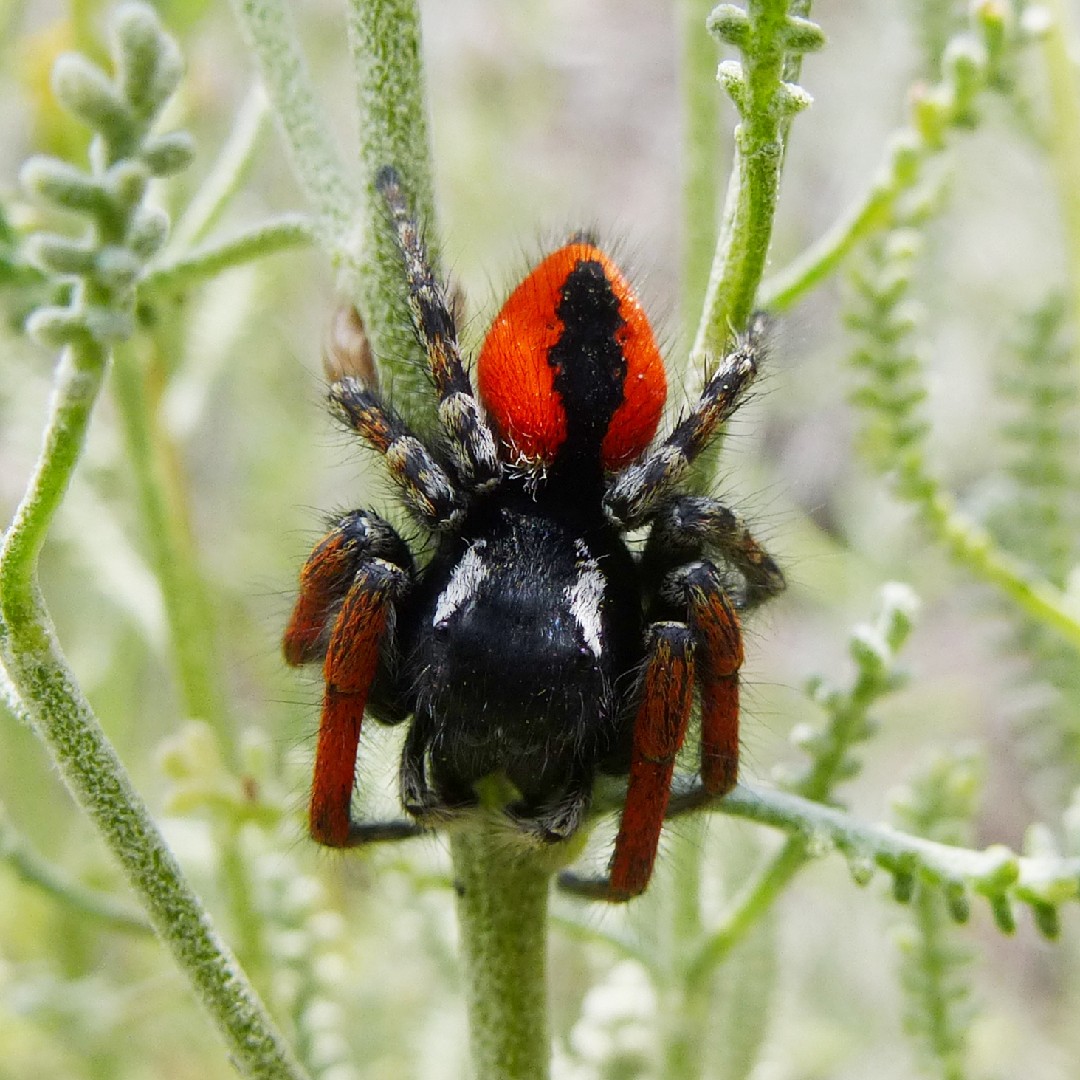
2. Red-bellied jumping spider
Normal body length is 7 - 12 mm, but 5 mm small males do occur. Unusual for spiders, the males are often bigger. The sexes differ extremely Sexual dimorphism: males are very colorful with a glaringly red opisthosoma (chrysops means "golden eye" in Greek). The males have a dark brown or blackish cephalothorax, usually with two broad longitudinal white stripes behind the rear eyes. The abdomen is bright orange-red on the back and the sides, with a longitudinal black stripe in the center and black shoulders. The long, slender legs are dark with the patellae and most of the tibiae of the first two pairs bright orange-red. The cephalothorax of the female is similar to the male, but with much smaller white stripes. The back of her abdomen is largely covered with a very broad rather irregular brown band with two longitudinal whitish stripes and a few whitish marks near the sides. The remainder of the abdomen and the sides may be orange-brown or pale brown, the legs light brown with dark brown rings. 
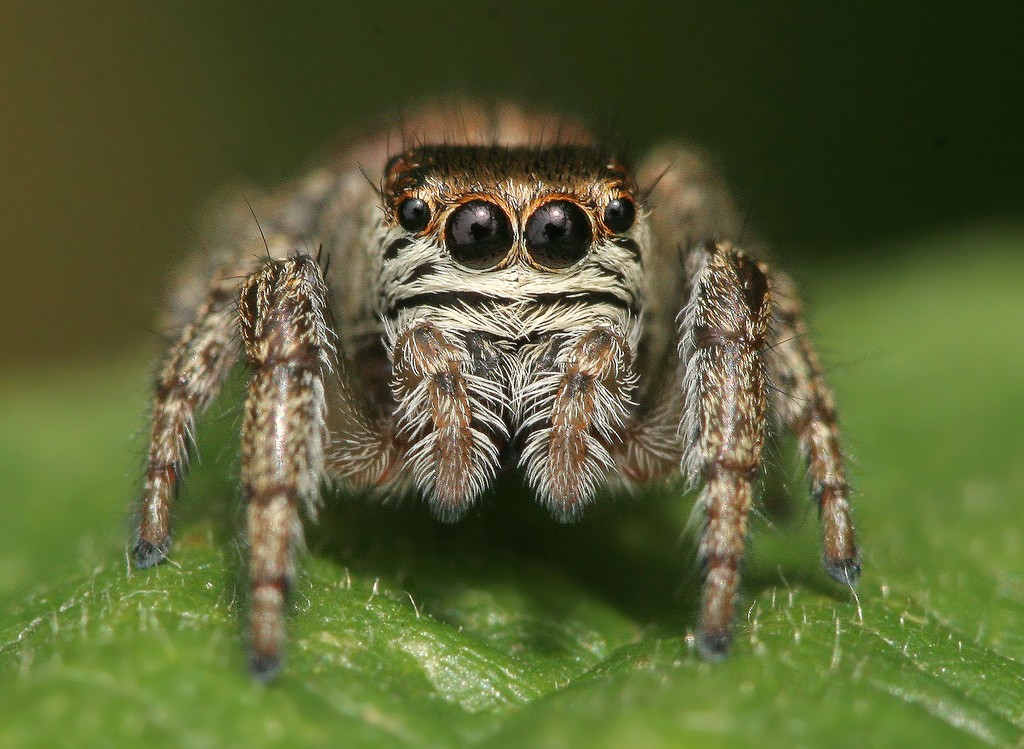
3. Metallic jumping spider
Males reach a body length of about 5 mm, females up to 8 mm. The female has a brown and whitish cephalothorax, and an opisthosoma with a distinct pattern of black diagonal spots, sometimes with a white outline. The male is in contrast almost black with a copper-like gloss. His face features a horizontal pattern of black and white stripes.
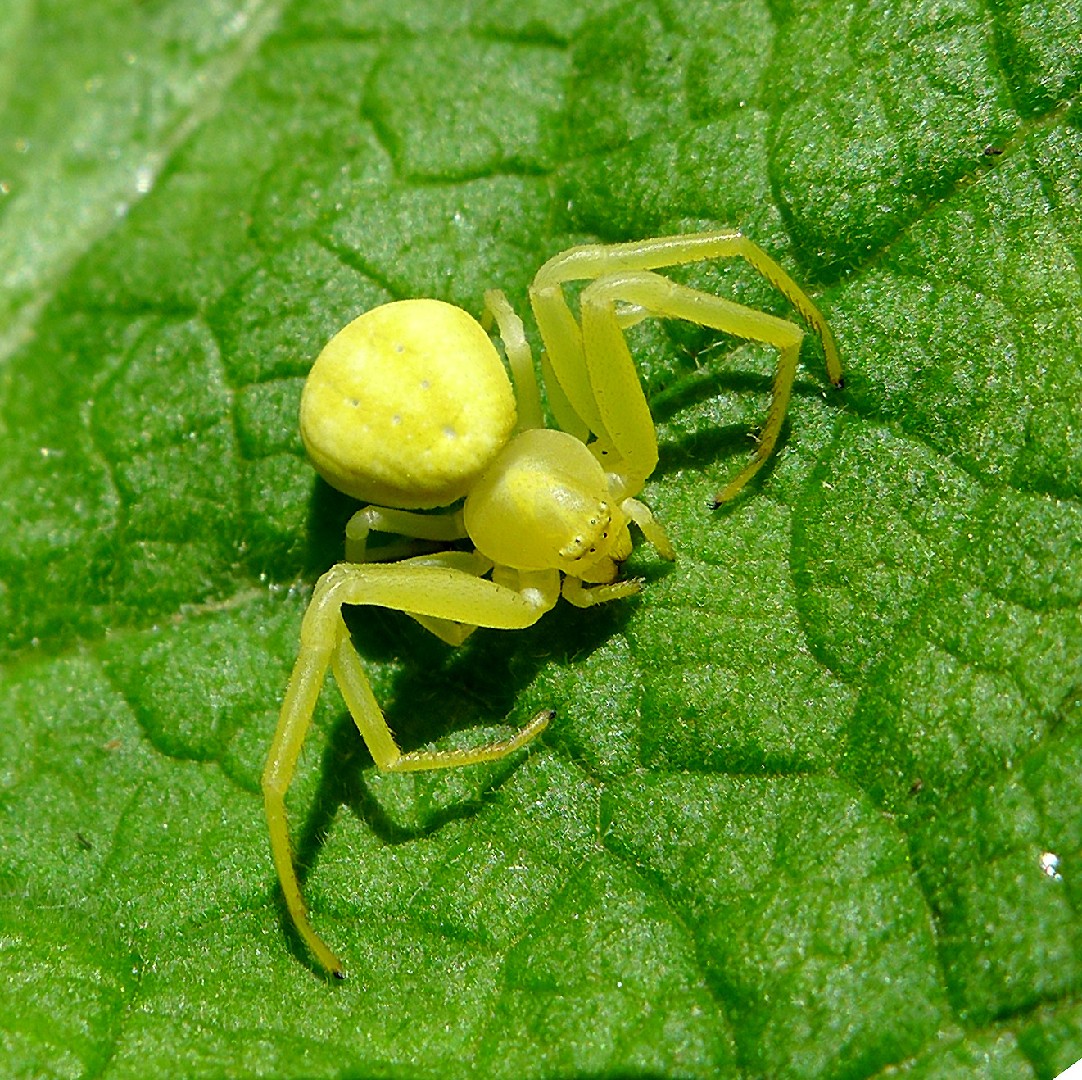
4. Goldenrod crab spider
Rather than for its coloring, goldenrod crab spider (Misumena vatia) is named for its tendency to hunt within sprays of goldenrod. This species is capable of catching and consuming prey several times larger than itself, such as dragonflies or grasshoppers. Loyal parents, the females will guard their eggs until they hatch and the tiny spiders disperse, after which the female will die.
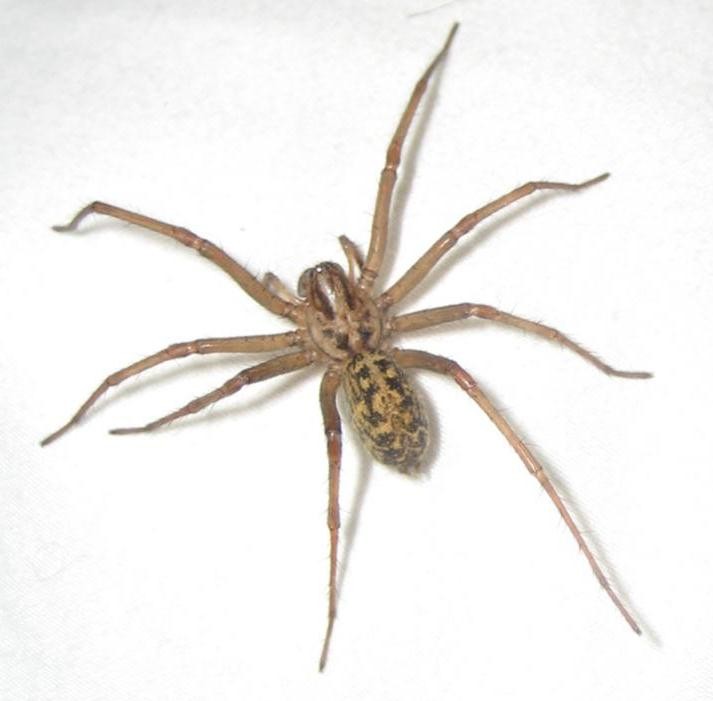
5. Hobo spider
Contrary to what you might believe, the hobo spider (Eratigena agrestis) did not reach its current hails while hoisting a bindle staff. However, they did reach us by being shipped from Europe to the Pacific Northwest. Hobo spiders are known for being incredibly difficult to identify, you will likely need to contact an expert to do so. It is easier to identify these as not being hobo spiders.

6. Dark spreadwing
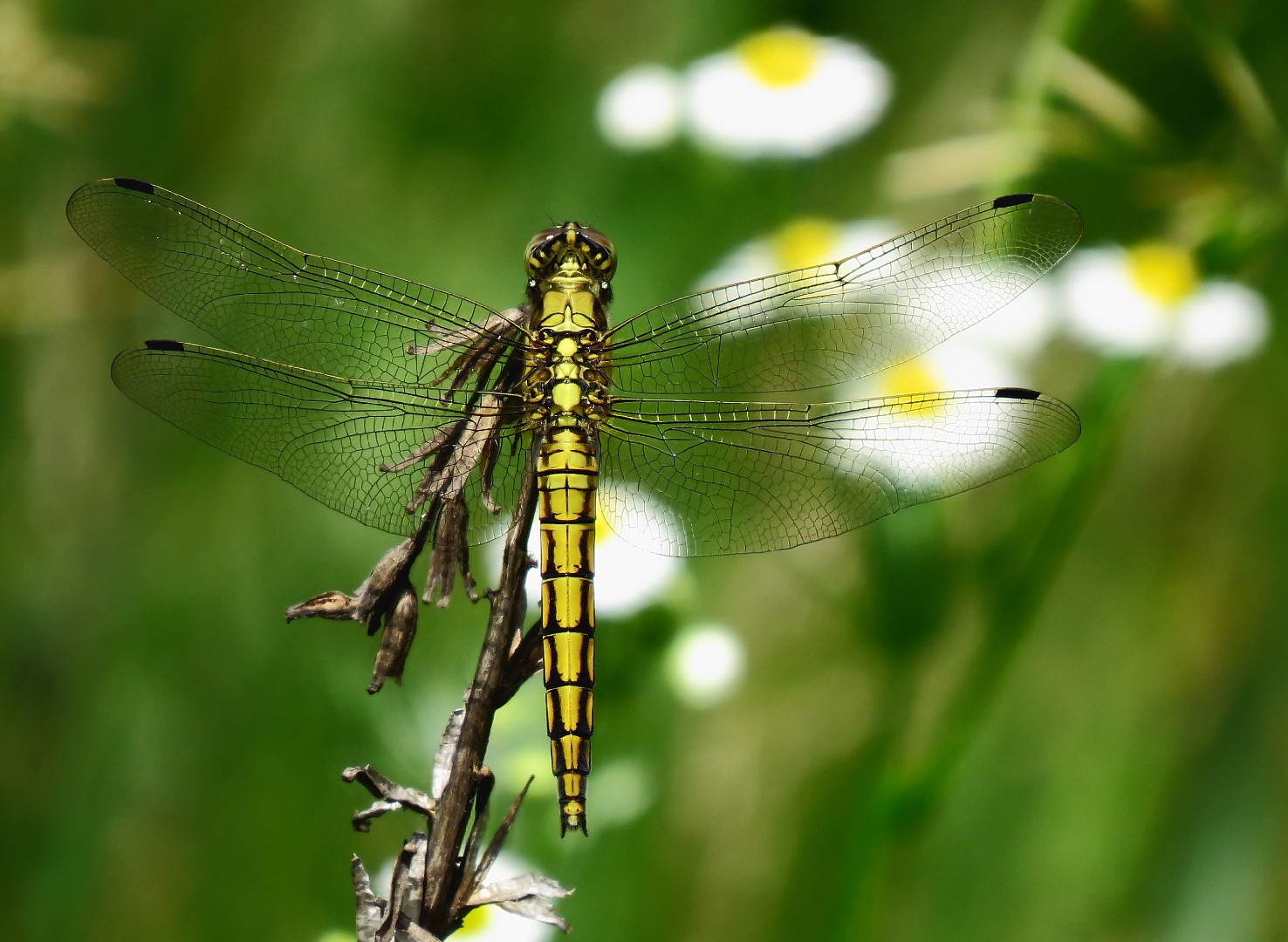
This species is up to 48 millimeters long. It is similar to other common Lestes species but it is darker in color with more blue pruinescence. The pterostigmata are large and black.
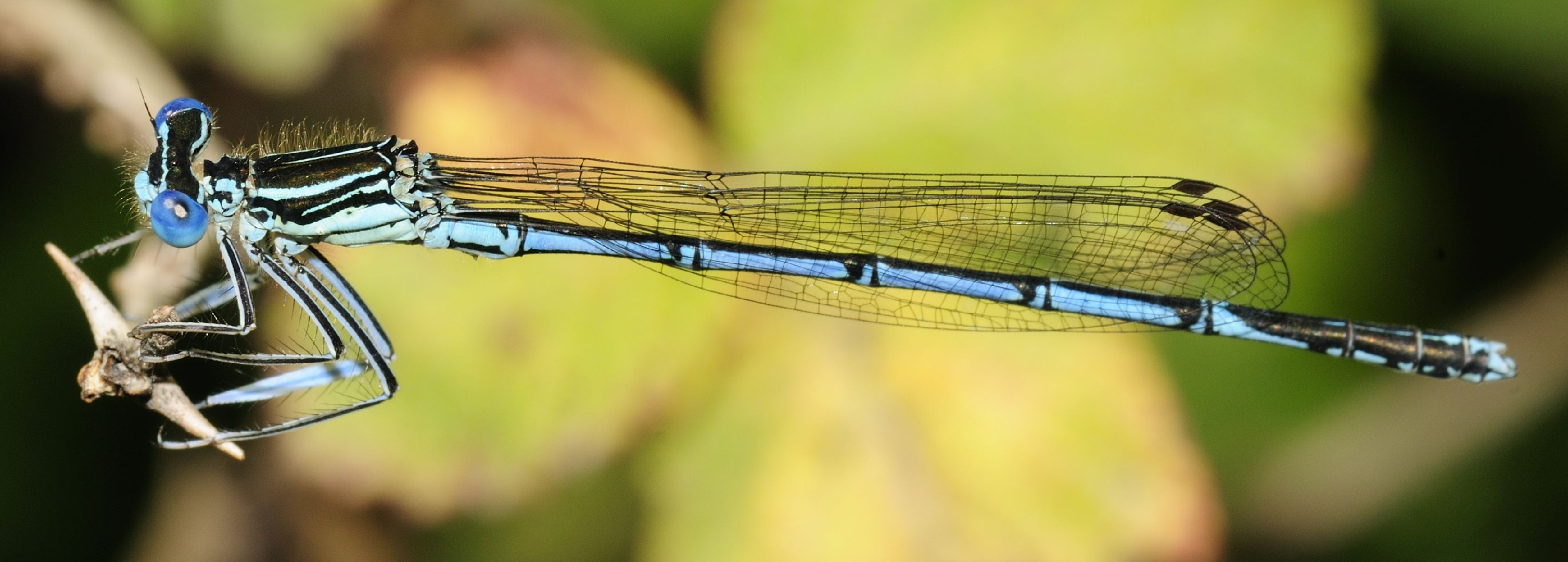
7. White-legged damselfly
The white-legged damselfly or blue featherleg (Platycnemis pennipes) is a damselfly of slow-flowing, muddy waters. It occurs from the Atlantic to Siberia and is often abundant throughout its range.
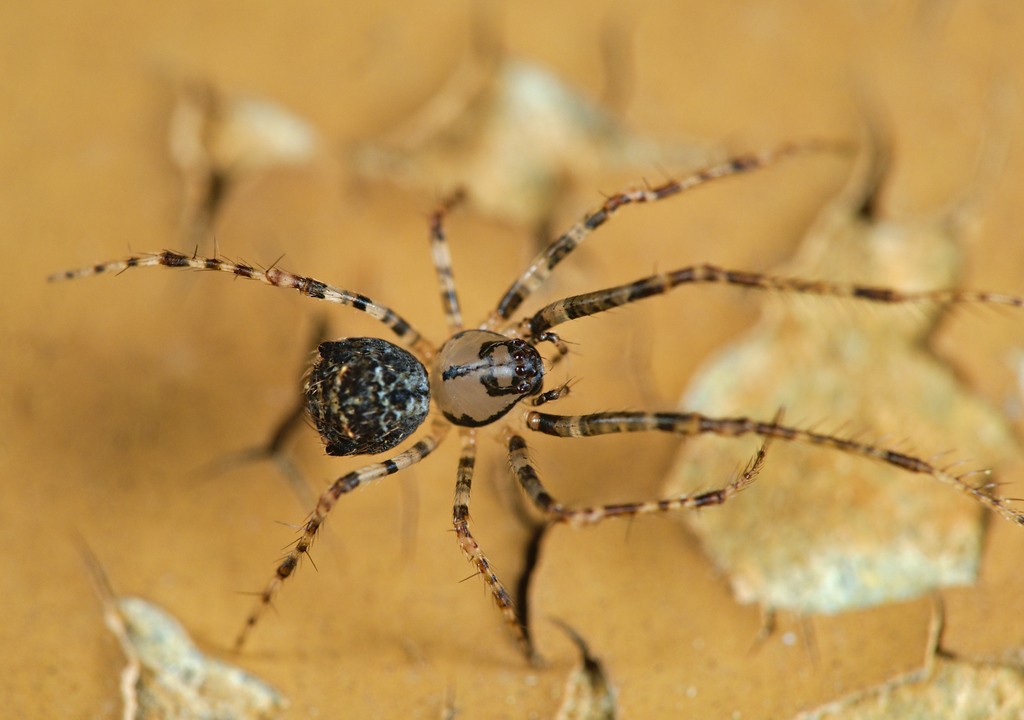
8. Ero aphana
Ero aphana grows to about three millimetres long, the females being slightly larger than the males. The sternum is dark coloured with radiating pale markings in the posterior half and a larger, irregular pale blotch in the anterior half. The abdomen is broad and globular, light grey with darker brownish grey patches, craggy tubercles and sparse hairs growing out of orange spots. The legs are hairy and pale coloured with dark bands and one thin orange band. The front two pairs of legs bear a marginal row of long, curved spines.
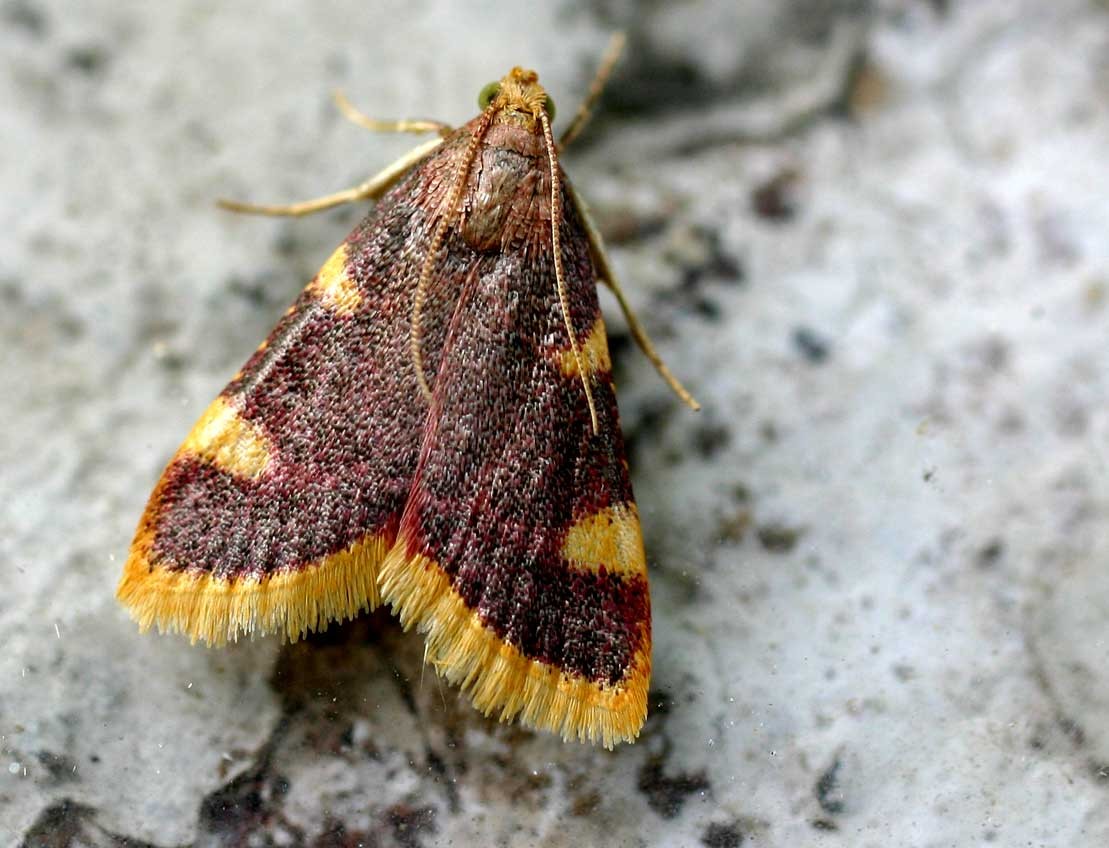
9. Clover hayworm moth
The wingspan is 1.6 - 2.5 cm.
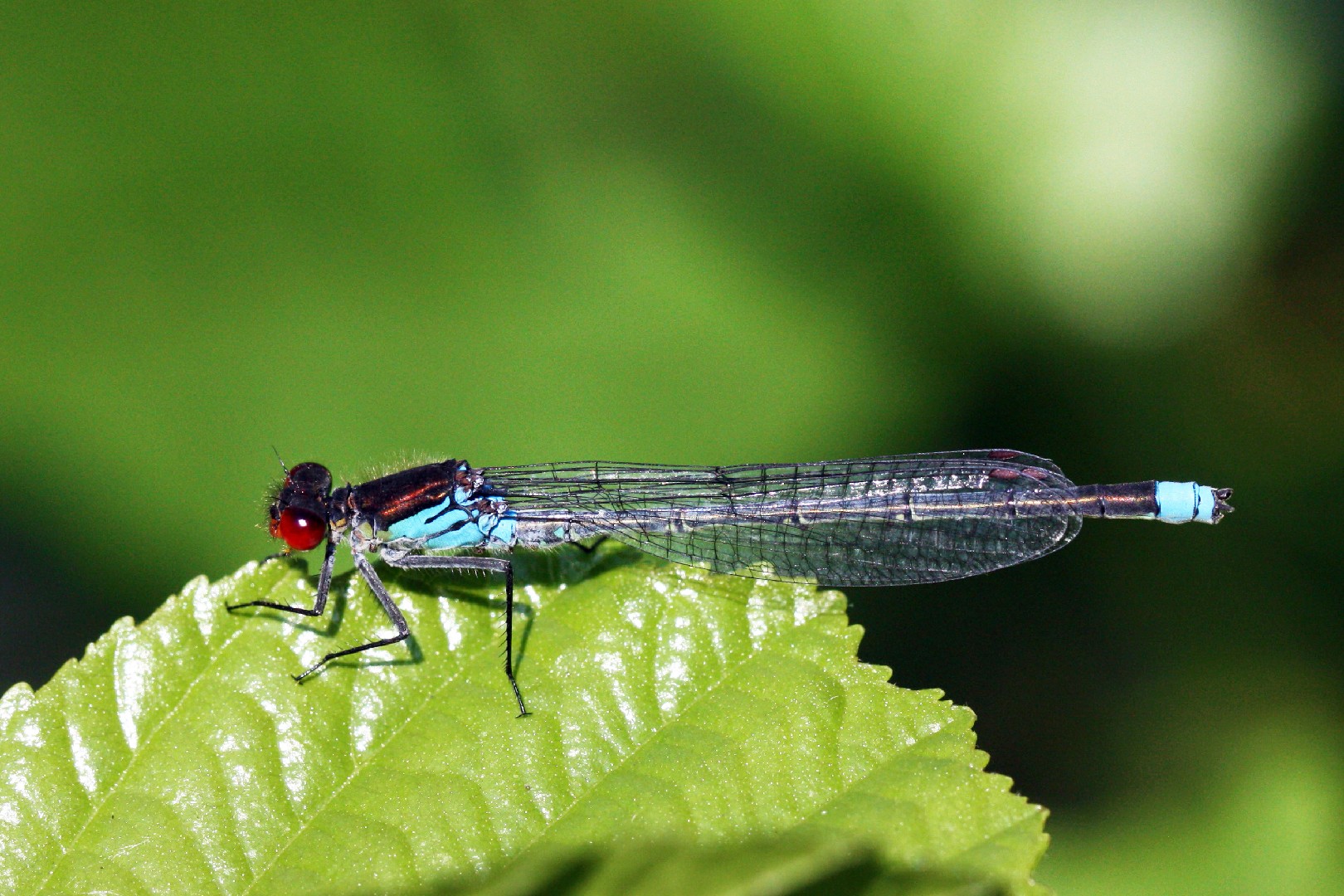
10. Red-eyed damselfly
The Great Pomegranate (Erythromma najas) is a dragonfly of the family of the Slate (Coenagrionidae). From its distribution, it is considered as a Euro-Siberian Faunenelement.

More







