




Top 20 Most Common Insects in Sarawak
Welcome to the mesmerizing world of insects in Sarawak. Not only is this land with diverse landscapes teeming with unique bugs, but its very geography contributes to the richness of insect diversity. Insects here play multifaceted roles, especially in shaping ecosystems while balancing beneficial and pestilent species. This intriguing dynamic is what makes our '20 most common insects in Sarawak' such an exciting list to unfold.

Most Common Insects
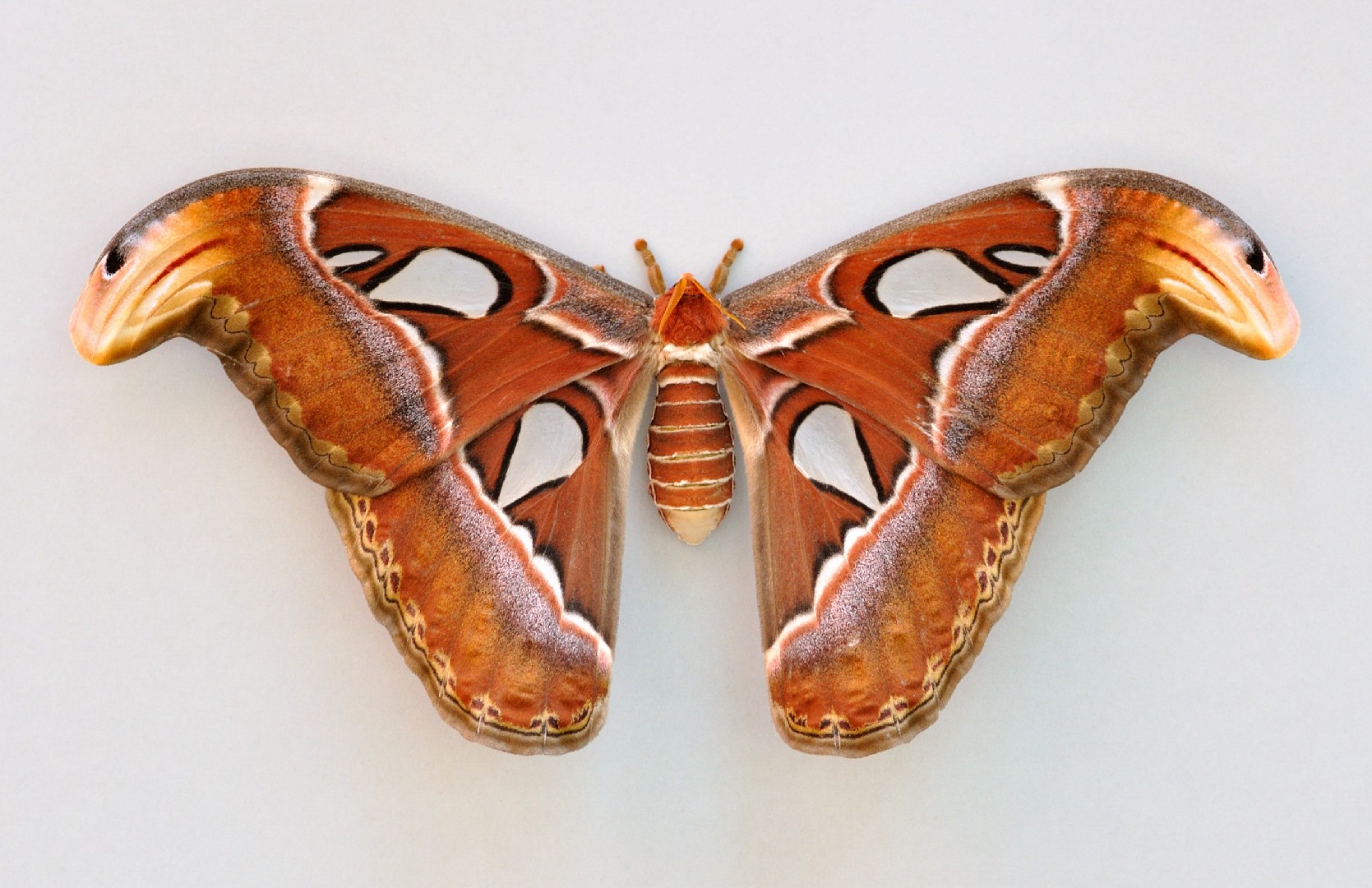
1. Atlas moth
While the atlas moth (Attacus atlas) can't tell you where to find your country on the map, it does earn its name through other means. It is one of the largest moths in the world, with a wingspan that is far larger than its body, creating an abnormal comparison. In India, their silk is gathered in a non-commercial capacity and is considered to be more durable than the domestic silkworm.
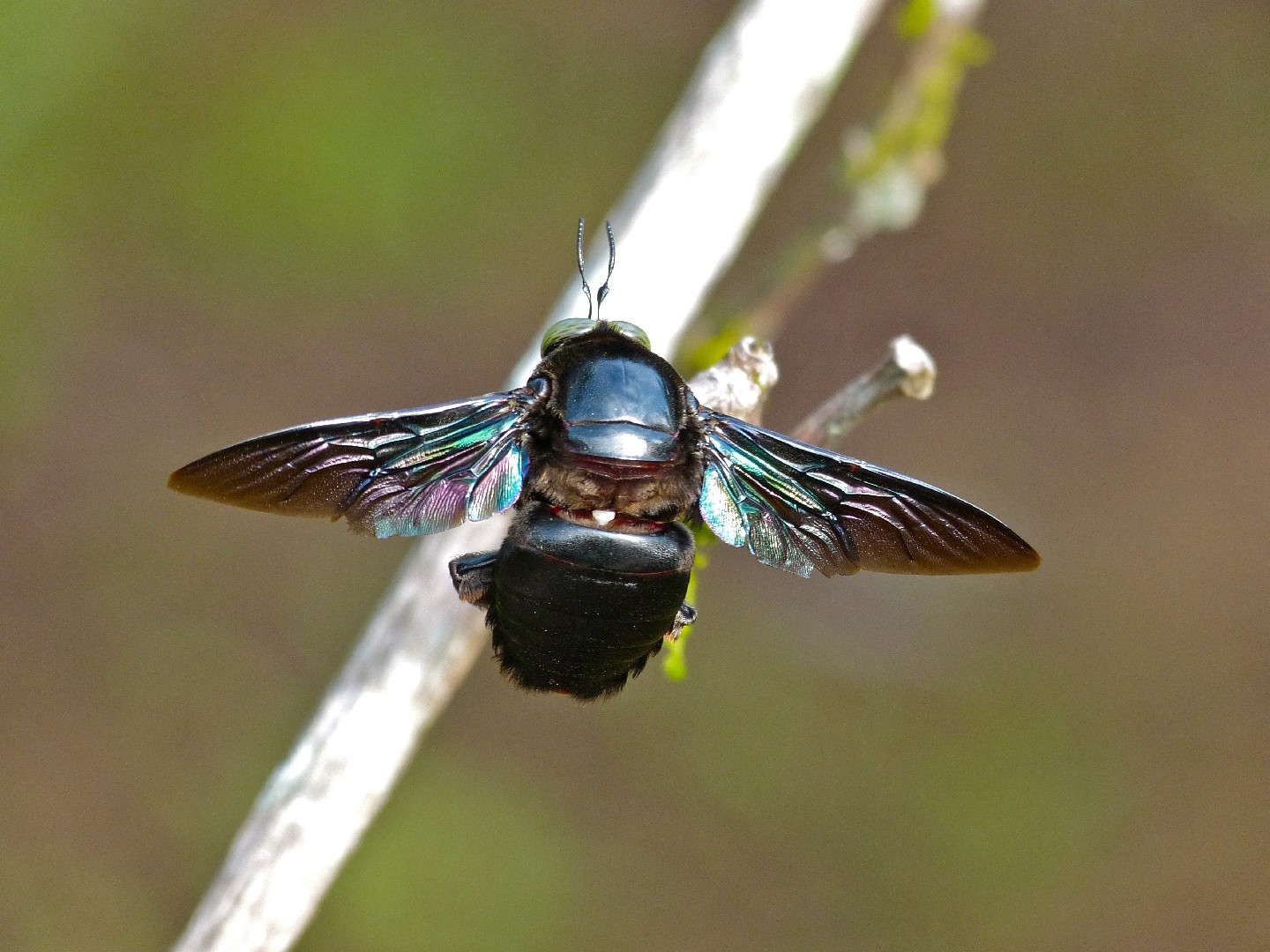
2. Tropical carpenter bee
The tropical carpenter bee is a very large, robust, solitary bee. It is shiny, fully black in colour with fuscous metallic blue-green or purple wings in sunlight. 

3. Chocolate argus
Junonia hedonia is a butterfly from the Nymphalidae family. The scientific name of the species was first validly published in 1764 by Carl Linnaeus.

4. Blue moon butterfly
Hypolimnas bolina, the great eggfly, common eggfly or in New Zealand the blue moon butterfly is a species of nymphalid butterfly found from Madagascar to Asia and Australia.
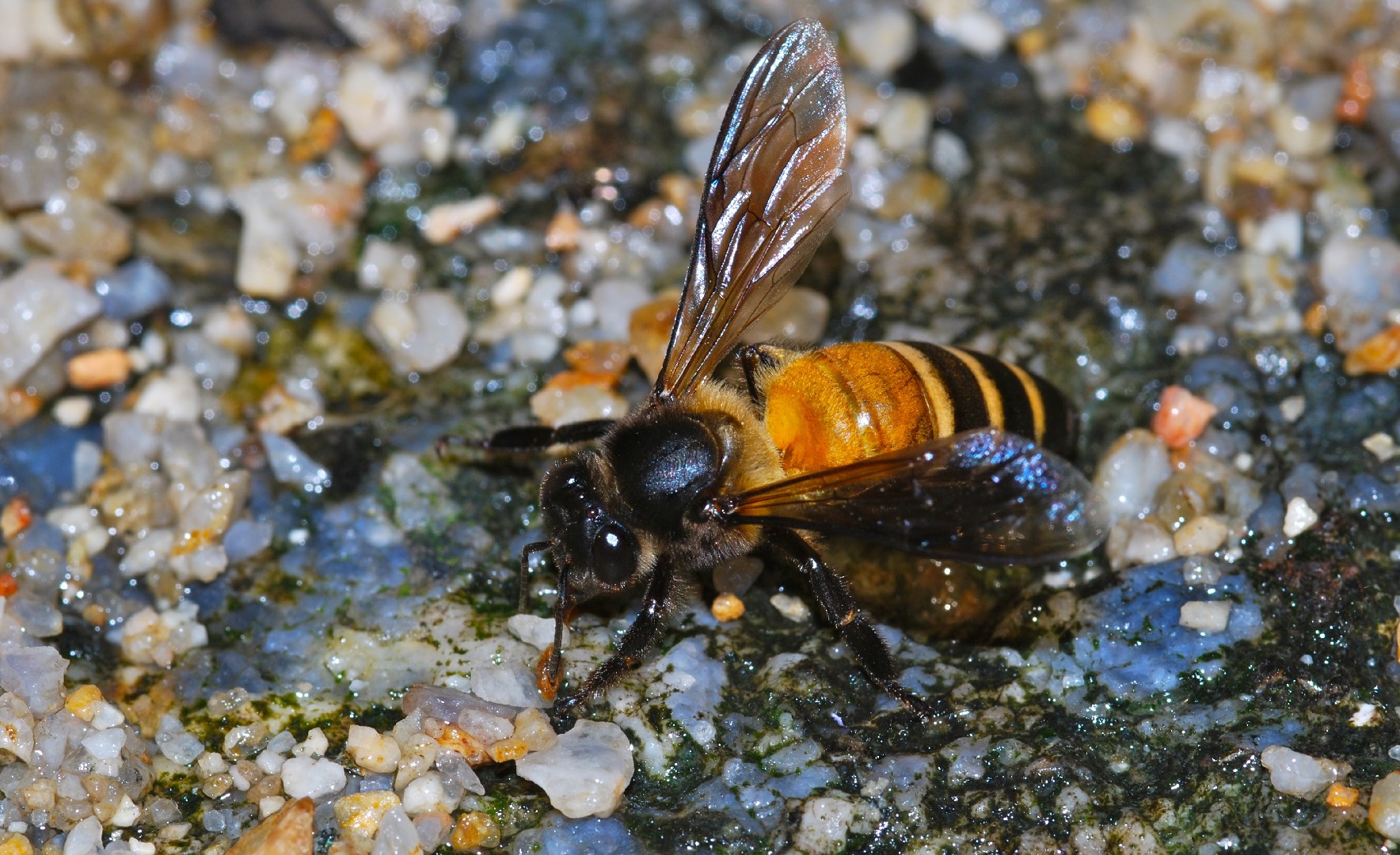
5. Giant honey bee
The giant honey bee (Apis dorsata) is incredibly defensive of their territory. This may be related to humans' honey hunting, where honey is stolen from wild bees. Their nests are built from high, overhanging locations. Much like humans, they are unlikely to build onto an old building due to safety issues. Their nests need to be sturdy, as a colony can reach up to 100 thousand workers.
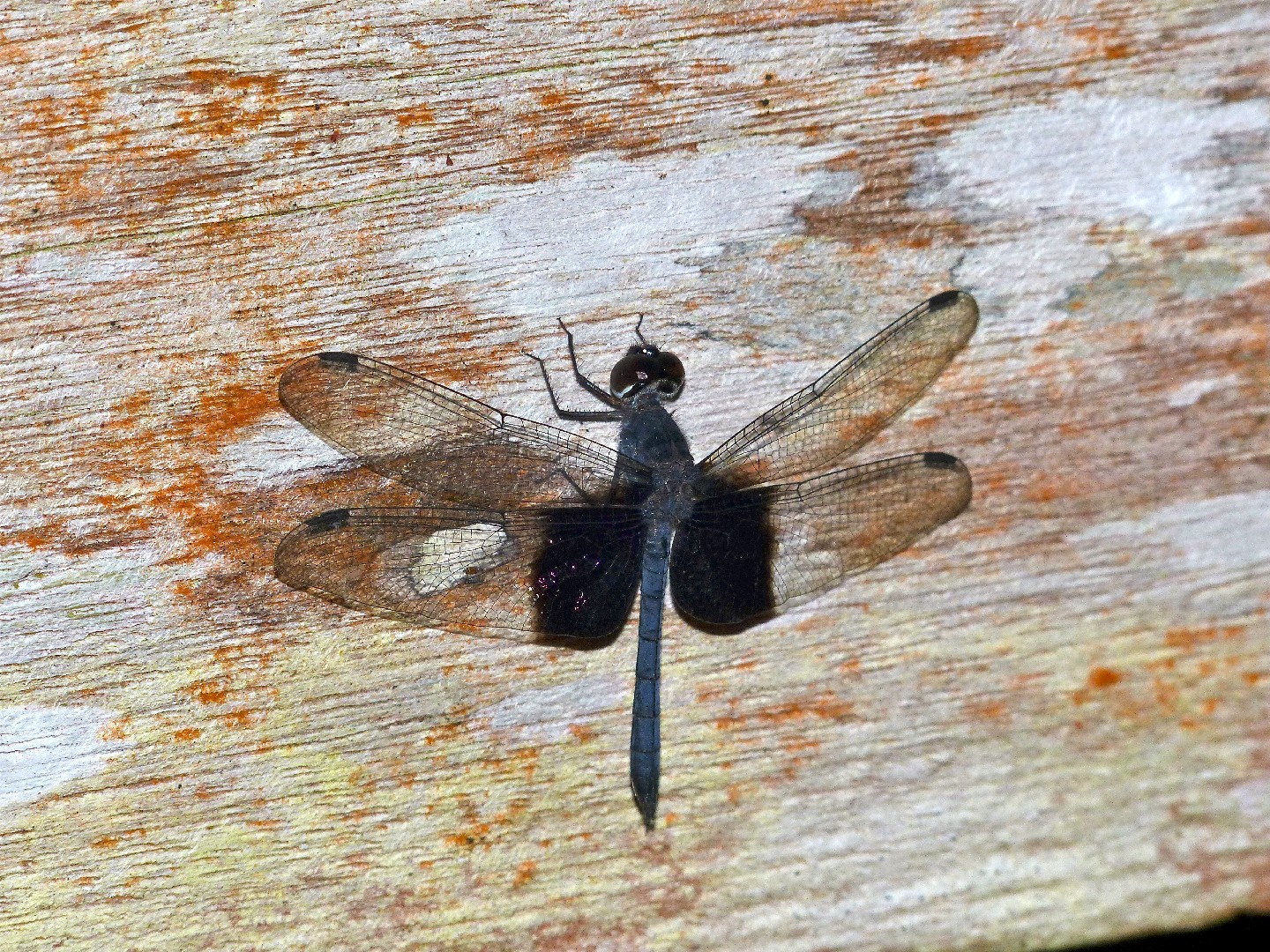
6. Treehugger
The scientific name Tyriobapta torrida was first validly published in 1889 by Kirby.
7. Rajah Brooke's birdwing
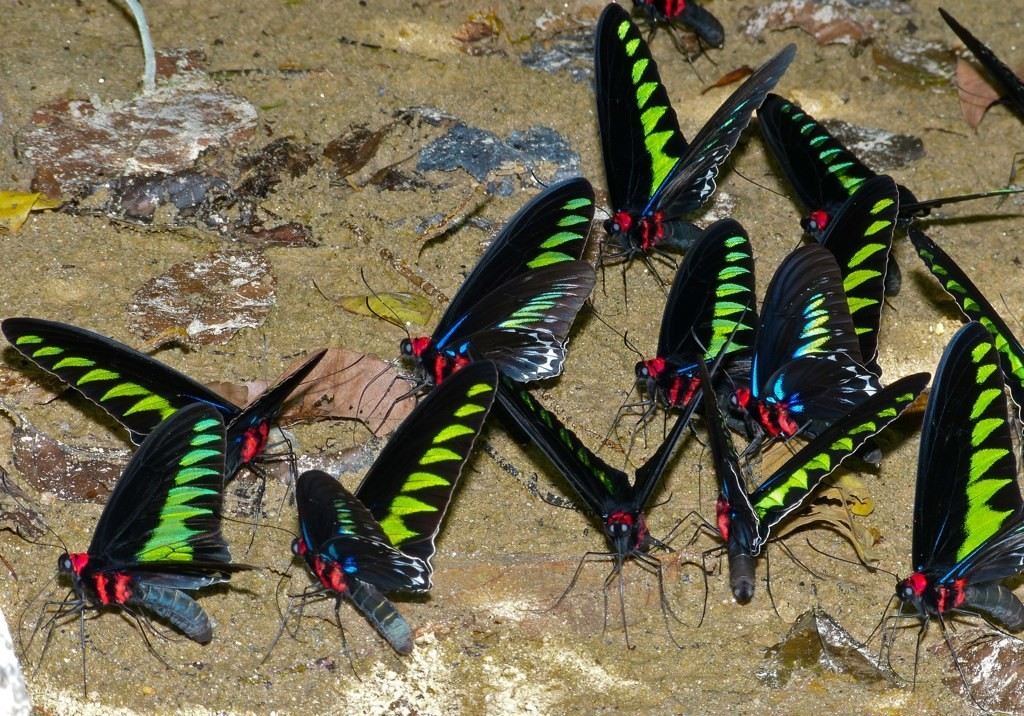
The rajah Brooke's birdwing is not very common to come across but can be spotted throughout Borneo, Sumatra, Palawan, and parts of Malaysia. These butterflies flutter through rainforests where the green leaf-shaped patterns on their wings help them camouflage with their environment.

8. Common parasol
The common parasol (Neurothemis fluctuans) is called that due to the red color and the shape of its body being vaguely resemblant of a red parasol. Despite red being associated with passion, these skimmers are shy creatures. If you approach it, you can expect it to run away.
9. Five-bar swordtail
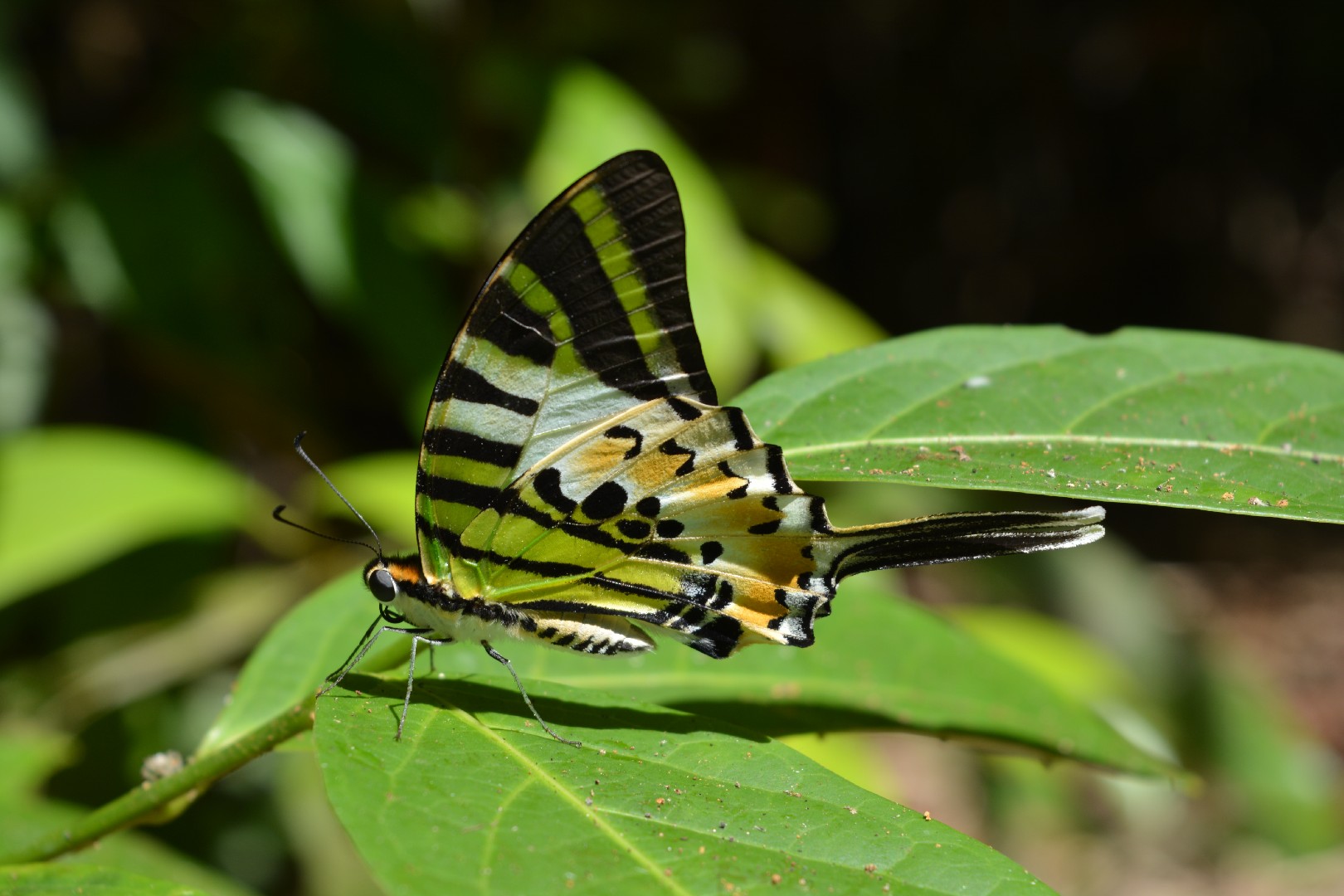
The ground colour of the upperside of both males and females is white. The forewing has the cell crossed by five short black bands, of which the basal extends to the dorsum, the sub-basal into interspace 1, the medial and pre-apical up to the median vein, and the apical or fifth along the discocellulars; this last band extends broadly on both sides of the veinlets and terminates at the lower apex of the cell; beyond these are broad postdiscal and terminal black transverse bands from costa to tornal angle; the two bands coalesce below vein 4 and terminate in a point at the tornus; the white portions of the cell anteriorly overlaid with pale green; short broken glossy green bands between the black cellular apical band and the discal band and anteriorly between the latter and the terminal band. The upperside of the hindwing has the basal three-fourths uniformly white, with black markings on the underside that show through; the terminal fourth dark grey traversed by a curved irregular subterminal series of black crescent shaped marks that ends in a black tornal spot and a terminal black band that follows the indentations of the wing; the emargination (notches in a margin) below the black tornal spot are edged with ochraceous; the tail blackish grey, edged and tipped with white. The underside of the forewing is similar to the upperside in markings but the green shading over the white portions in the basal half of the cell more decided; the discal and terminal transverse black bands are separate, and are not joined posteriorly, the former edged posteriorly on both sides by dark grey due to the black on the upperside that shows through by transparency. The underside of the hindwing is half green on the basal part while the outer half white; a large black tornal spot; a black line along the dorsum that curves above the tornal spot outwards to vein 2; a straight subbasal black band from costa across cell that terminates on vein 2, where it joins the dorsal black line; a broader black band from costa across apex of cell extended into base of interspace 3; an irregular discal series of black markings curved inwards posteriorly towards the tornal spot; a subterminal series of very small slender black lunules in pairs, the ground colour on the inner side of these darkened to rich ochreous yellow; lastly, a series of short terminal black bars in the interspaces so arranged as to follow indentations of the termen; tail dusky black edged with white. Antenna black; head and thorax anteriorly with a broad black medial band, rest of thorax bluish; abdomen white, marked beneath on each side by a black stripe.
10. Three-horned rhinoceros beetle
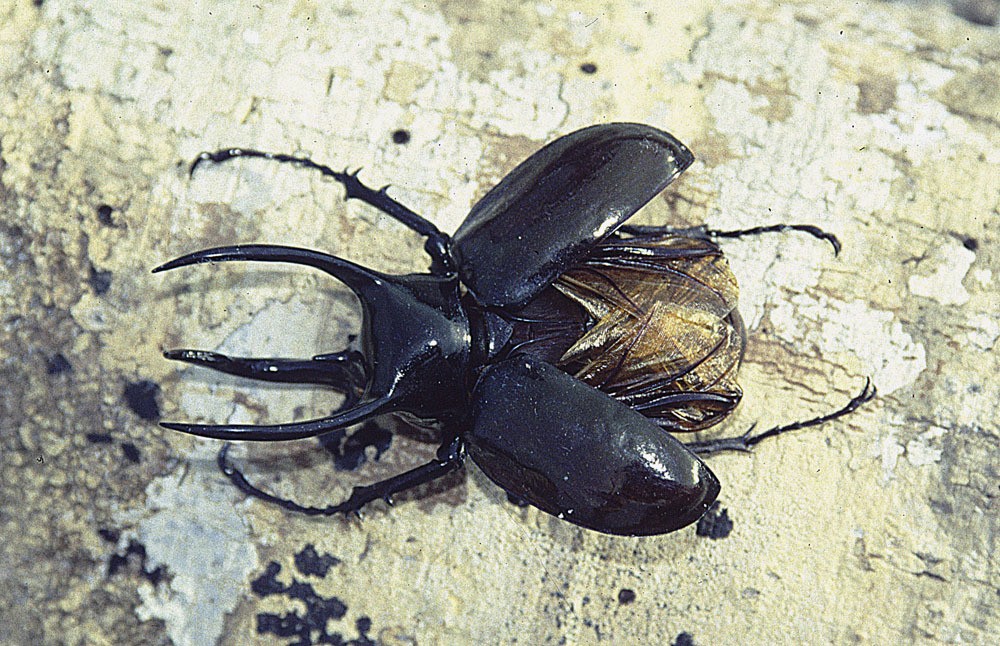
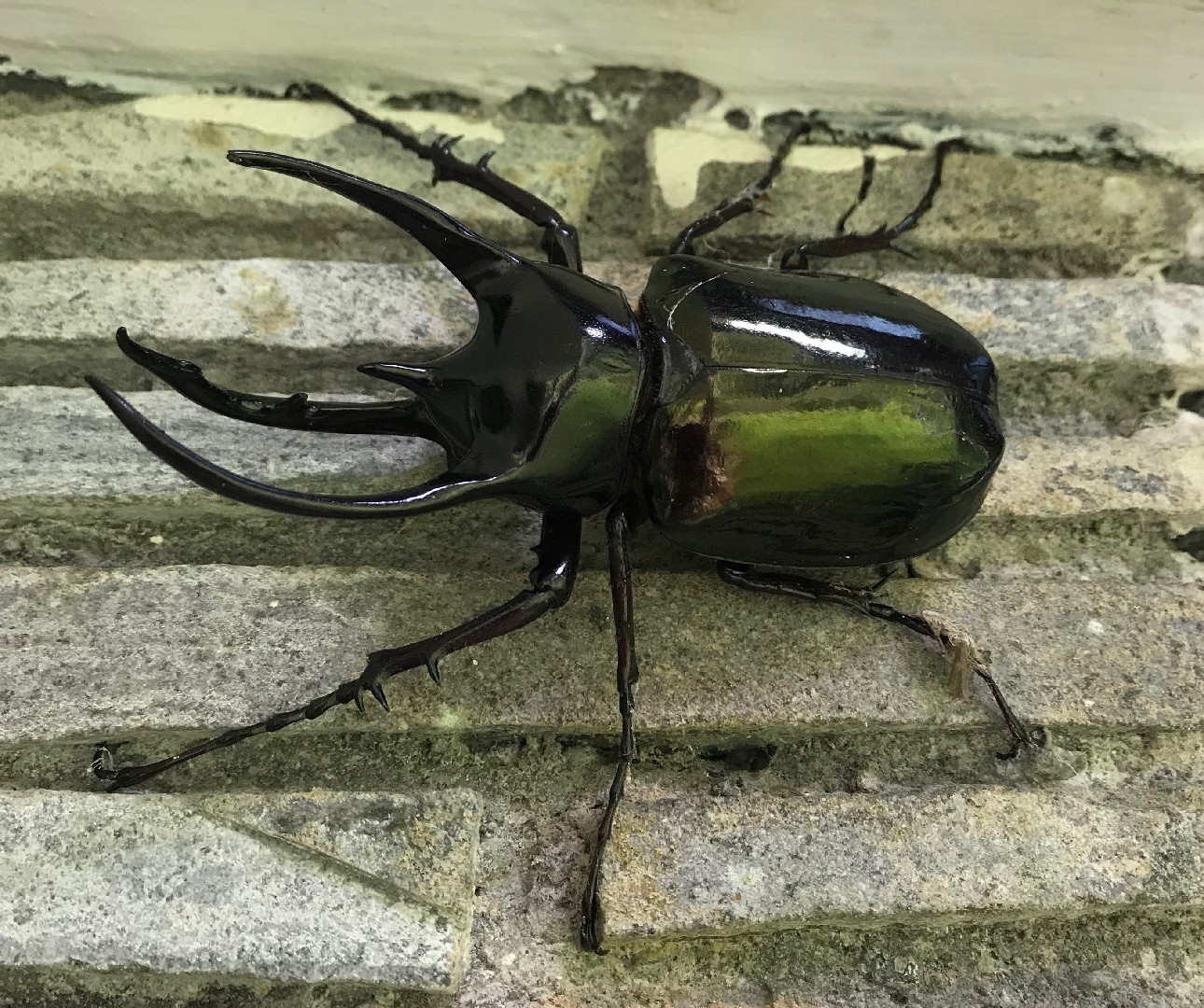
The three-horned rhinoceros beetle is very recognizable due to the three prominent horns on its body. It actually has a very small geographic distribution, only being found on the island of Borneo. There, they live in rainforests and feed on the sap of trees, where males and females often meet. Males are very aggressive towards each other and use their horns to assert dominance.


More







