




Top 14 Most Common Insects in Mauritius
Insects, gifted with adaptations like wings and exoskeletons, grace every corner of Mauritius, adding to its rich biodiversity. This diversity is influenced by Mauritius's diverse geography, from sun-drenched coasts to verdant forests. Each geographical location, influenced by factors like climate and human intervention, showcases certain species more prominently. Their significant roles, whether as pesky intruders or beneficial pollinators, makes them vital to Mauritius's ecological equilibrium. Dive with us as we unveil the 'Top 14 most common insects' in Mauritius.

Most Common Insects
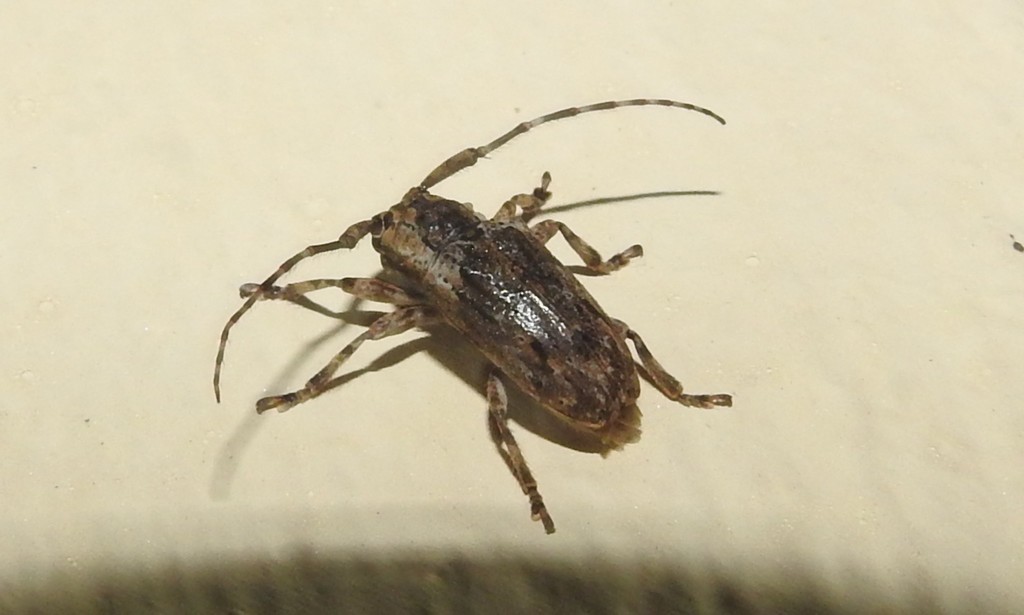
1. Long-horned beetle
Coptops aedificator (Albizia long-horned beetle) is a species of beetle in the family Cerambycidae. It was described by Johan Christian Fabricius in 1792, originally under the genus Lamia. It is known from Djibouti, Tanzania, the Democratic Republic of the Congo, Ethiopia, Oman, Gabon, India, Madagascar, Malawi, Namibia, Nigeria, Saudi Arabia, the Ivory Coast, Cameroon, Senegal, South Africa, Seychelles, Mauritius, Sri Lanka, and Zambia. It was also introduced into Cape Verde, Hawaii, and Taiwan. It feeds on Theobroma cacao and several Coffea species, including C. arabica, C. canephora, and C. liberica var. dewevrei. 
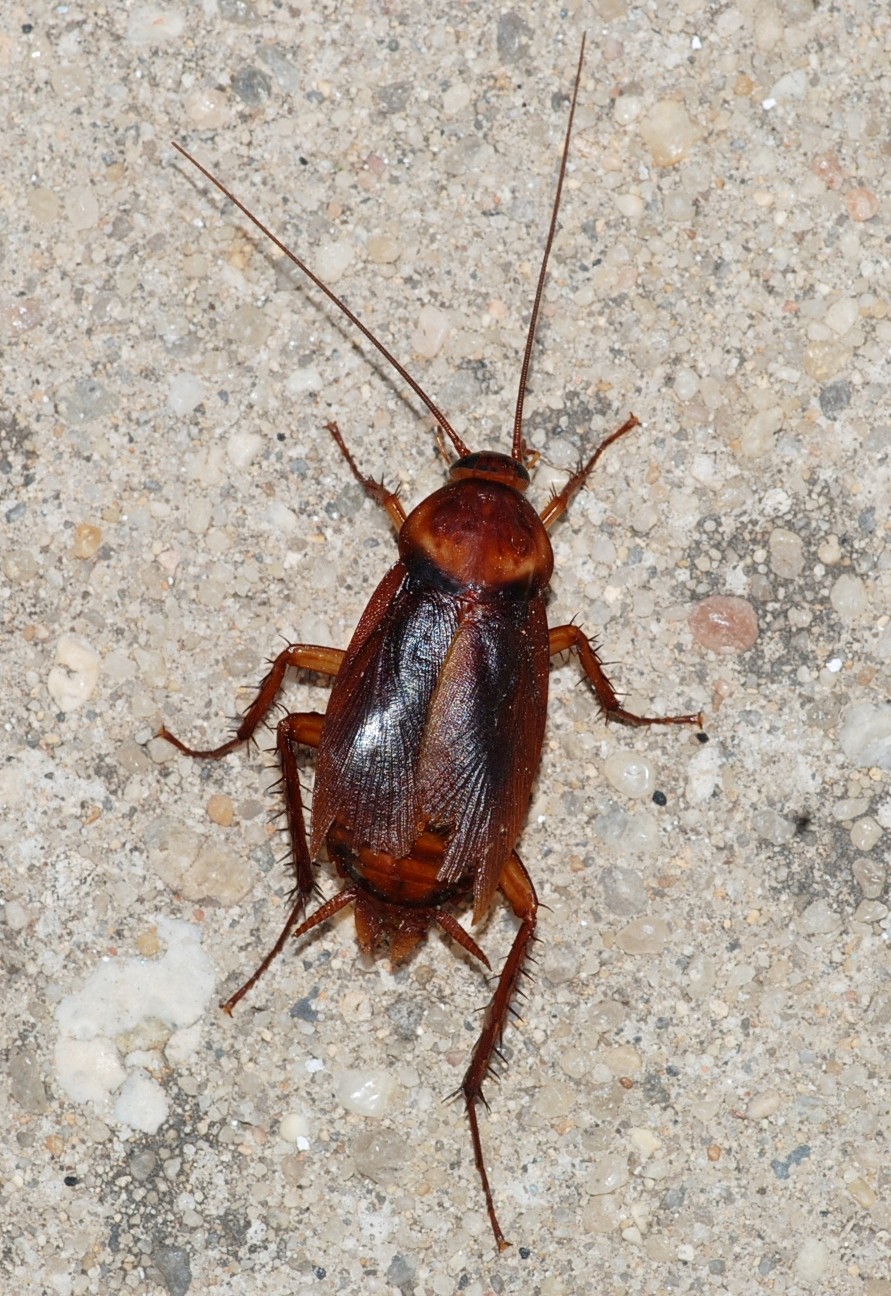
2. American cockroach
Despite its name, american cockroach (Periplaneta americana) is not native to the Americas but rather to Africa and the Middle East, from which it arrived as a result of human commercial patterns. Notably quick and rather resilient, this species is capable of limb regeneration. It requires a certain level of moisture to thrive, and it will avoid drier areas unless it has access to the required level of water.

3. Citrus swallowtail
Papilio demodocus , also known under the English name Citrus Swallowtail ("Citrus Swallowtail"), is a butterfly from the family of the knight butterflies (Papilionidae).
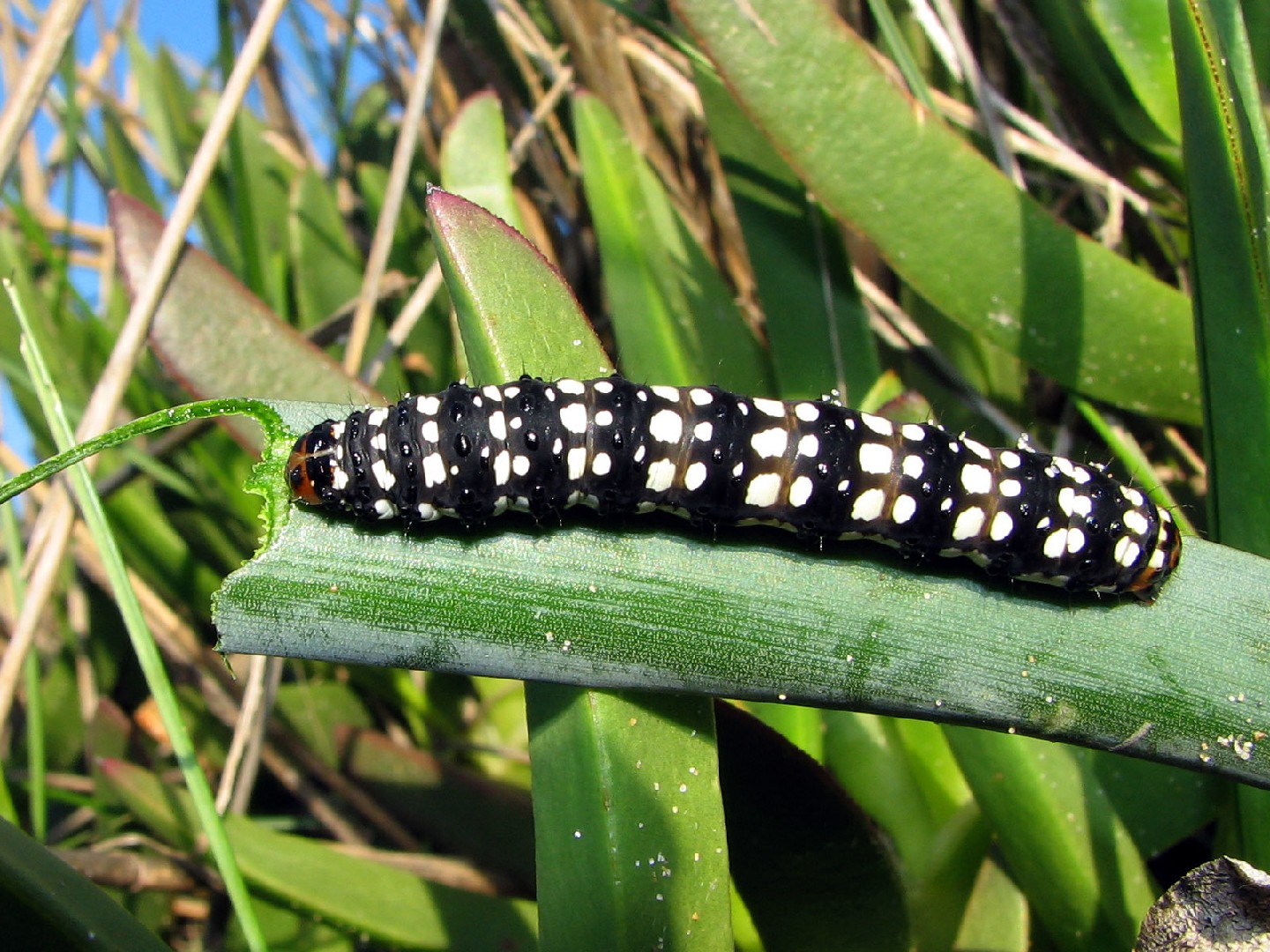
4. Lily borer
The wingspan of the moth is about 4 cm. Its head, thorax and forewings are very dark brown, but paler toward the wingtips. Sub-basal, median and postmedial indistinct waved lines are black. A curved submarginal ochreous line with ferrous colored lunuled found on each side of it. There is a marginal black lunule series. The hindwings are practically white. Tarsi bear black and white stripes.
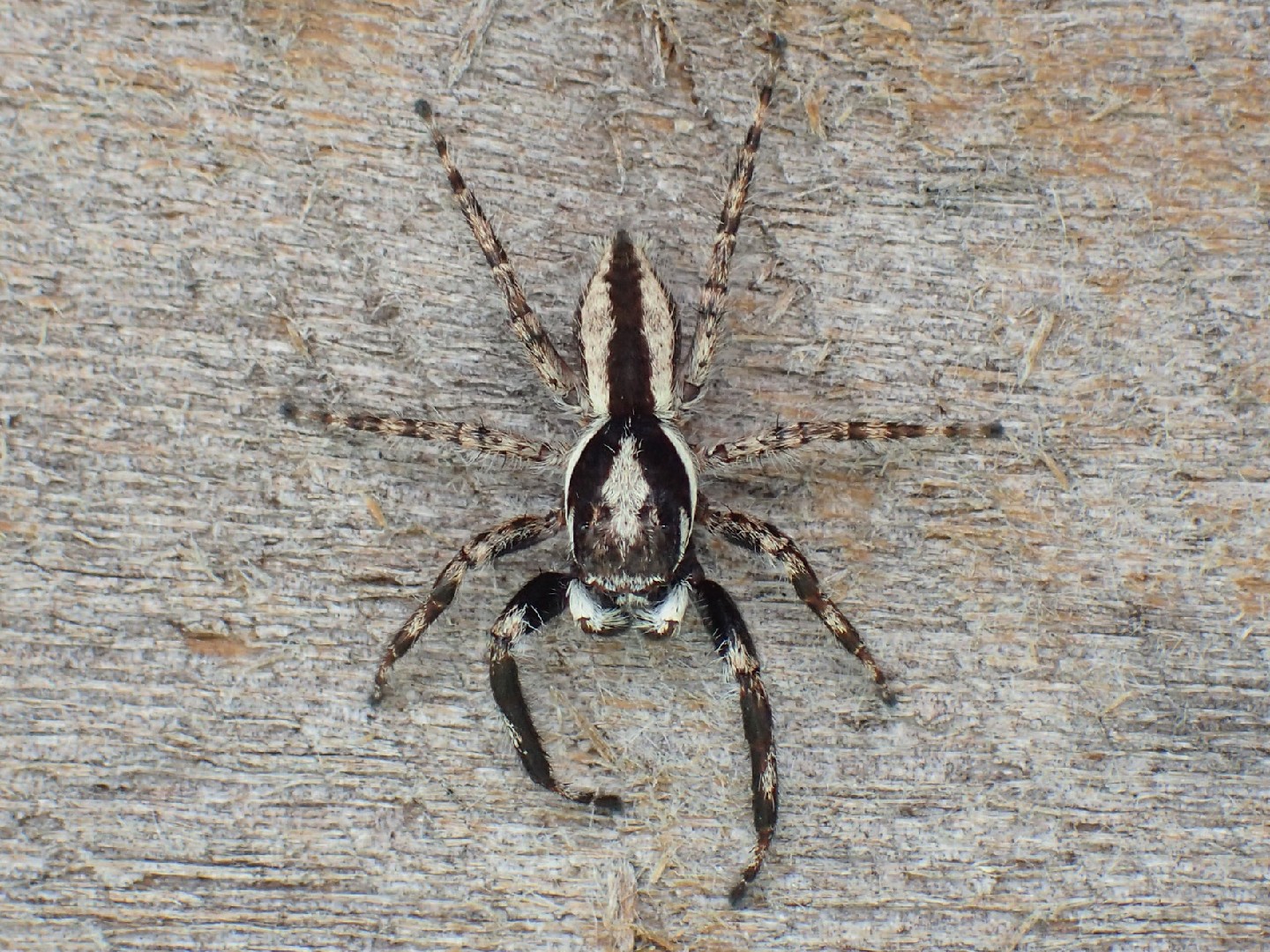
5. Gray wall jumper
The female gray wall jumper lays her eggs in cracks or other hidden areas. The young and mature spiders feed on flies, making them useful residents in a household. They do not make webs, but carefully hunt and jump on their prey.
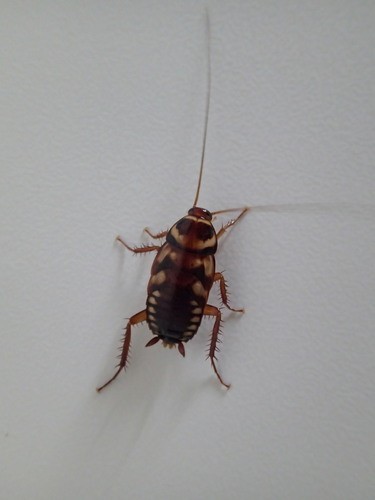
6. Australian cockroach
The australian cockroach is a tropical species of cockroach that is not cold-tolerant. Like most cockroaches, it feeds on decomposing organic matter. However, it also feeds on plant matter more than most cockroaches. It tends to get accidentally transported around the world through commerce and shipping.
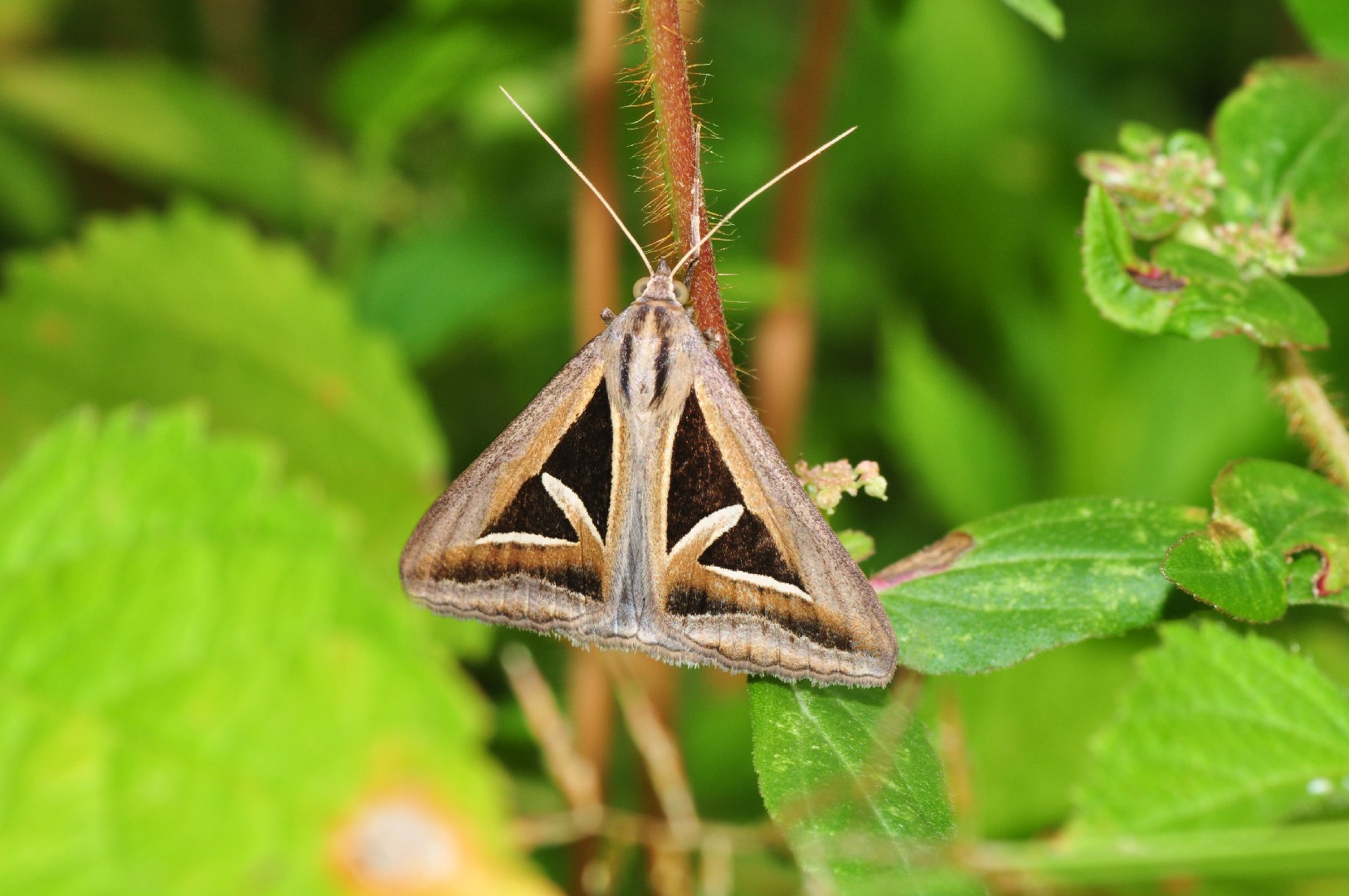
7. Triangles
The wingspan is about 3 - 4.5 cm. Antennae of male ciliated. Mid and hind tibia hairy. Body pale ochreous brown, slightly suffused with fuscous or dark grey brown. Forewings with a large black white-edged triangular patch easily distinguished below the cell from near base to towards outer angle. A similar smaller patch found beyond the cell on vein 5, with some pale fulvous behind it. A slightly sinuous submarginal pale line with patches of black suffusion found inside it and a series of black specks beyond it. A dark marginal line can be seen as well. Hindwings with indistinct medial line and fuscous suffused outer area. Larva has yellow upper half and brown ventral part. The yellow part is broken by longitudinal brown bands, which faints towards posterior and becomes intensive again in prolegs. Eggs olive green and speckled rusty red. First few instars are green with three lateral purple brown lines. Late instars are yellowish. Pupa within a slight cocoon of white silk, which spun amongst leaves.
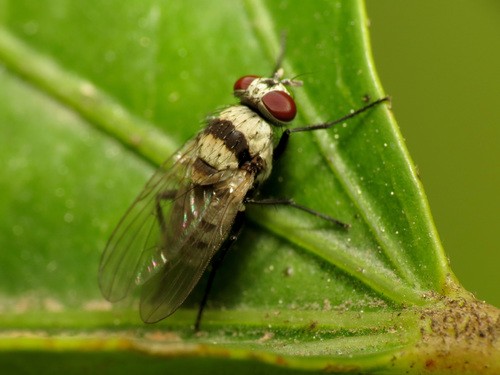
8. Anthomyia illocata
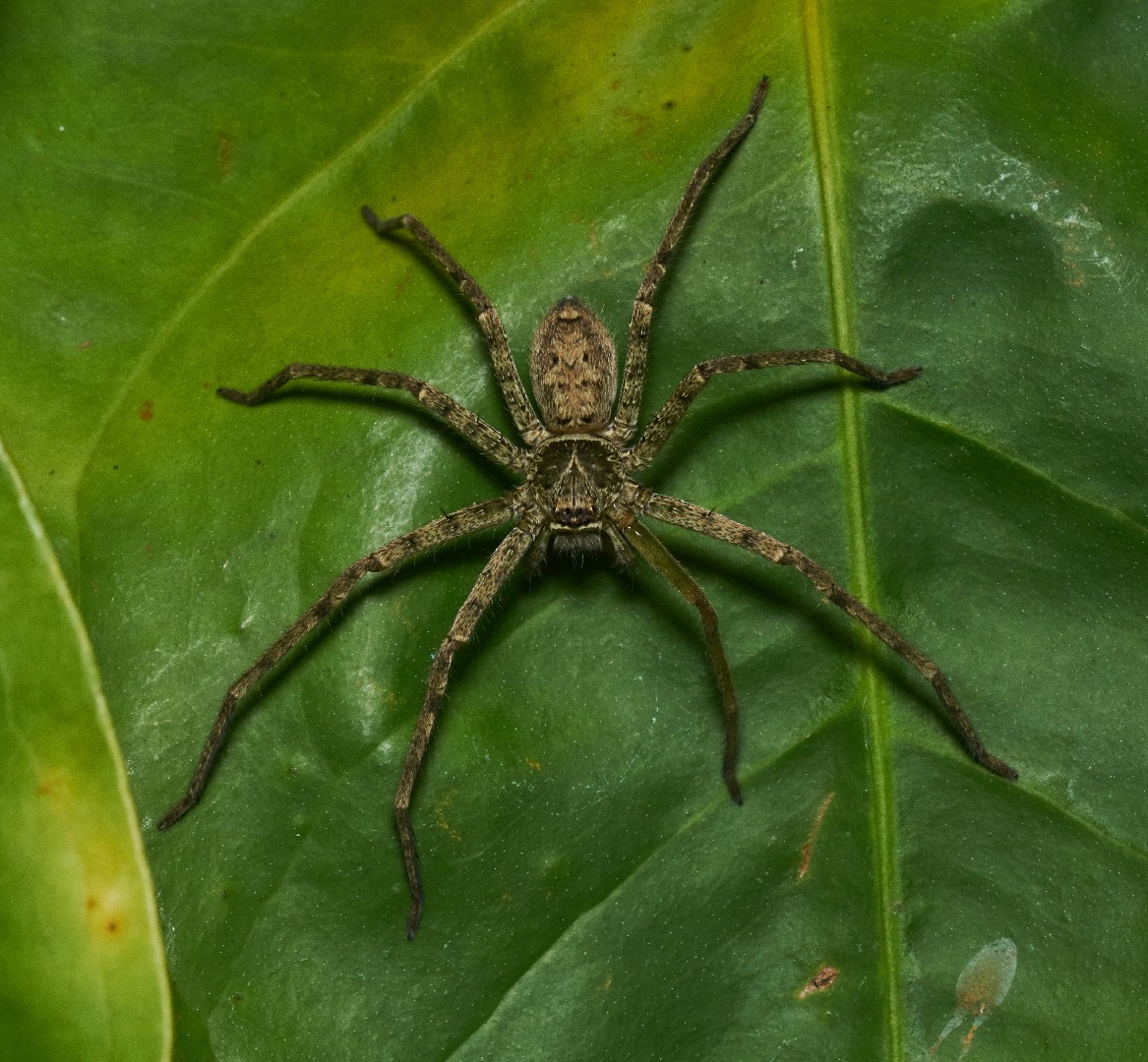
9. Giant Crab Spider
The giant Crab Spider is a large spider native to the tropics; the largest reported individual had a leg span of 30 cm. This cosmopolitan spider is highly valued in some areas, as it's able to catch cockroaches and other indoor pests. Reportedly, it hunts even scorpions and bats. This spider is venomous and sometimes bites humans, but it's considered harmless.
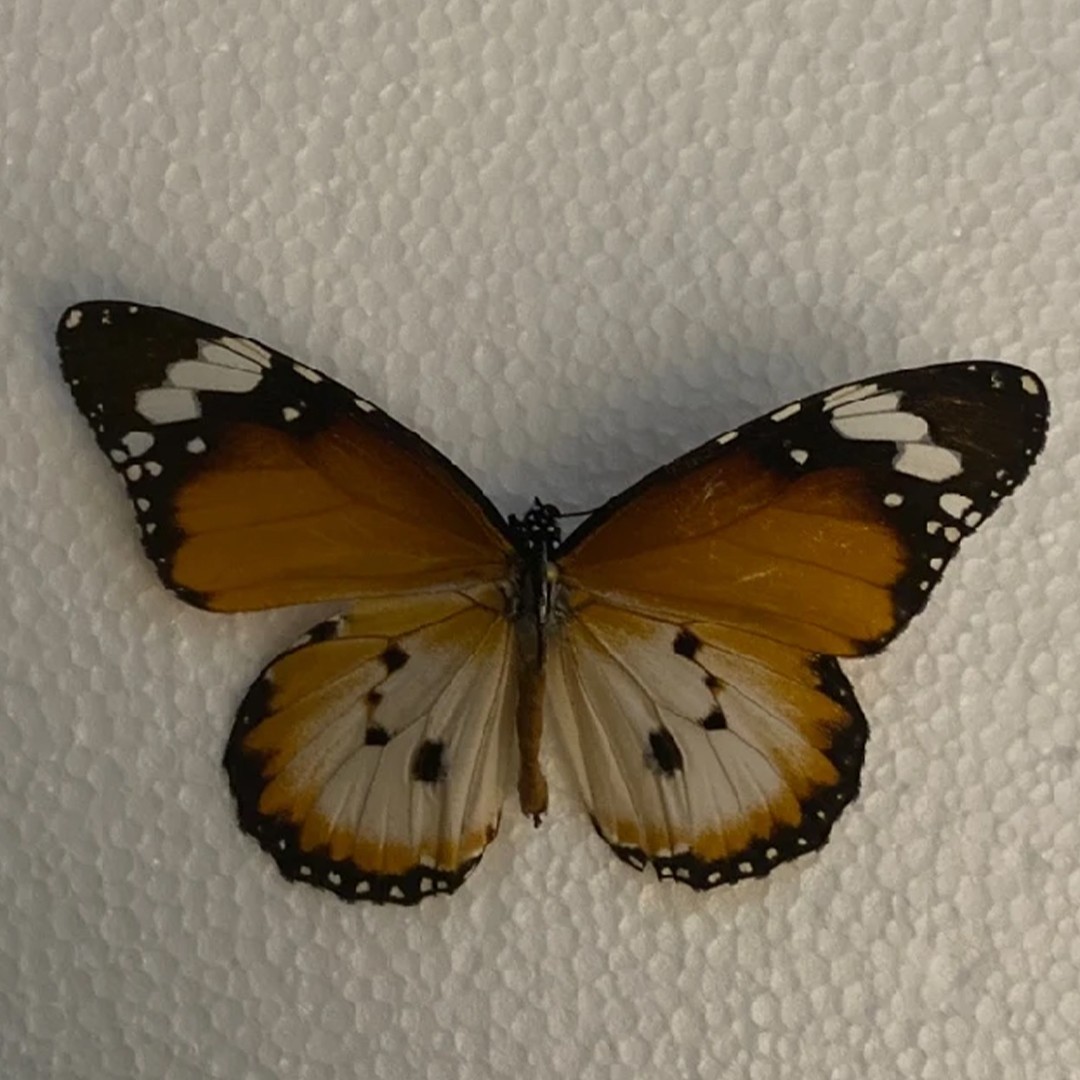
10. Plain tiger butterfly
D. chrysippus is a medium-sized butterfly with a wingspan of about 7–8 cm (2.8–3.1 in). The body is black with many white spots. The wings are orange, the upperside brighter and richer than the underside. The apical half of the forewing is black with a white band. The hindwing has three black spots in the center. The wings are bordered in black and outlined with semicircular white spots. This species exhibits slight sexual dimorphism, as the Male has large scent glands on his hindwings, which the female lacks. They appear as a large black spot with a white centre if viewed from the underside D. chrysippus is a polymorphic species, so the exact coloring and patterning vary within and between populations. It is similar in appearance to the Indian fritillary (Argynnis hyperbius), which may coexist with it.
More







