




Top 20 Most Common Insects in Playas de Rosarito
Insects, home to a fascinating landscape of diversity and adaptation, thrive in various habitats within Playas de Rosarito. The geographical diversity of Playas de Rosarito, from its sandy deserts to coastal areas, impacts insect population dynamics and diversity. As vital forces in the ecosystem, insects play roles ranging from pollinators to pests. This insightful list of 20 common insects in Playas de Rosarito explores these diverse creatures and their intricate association with the environment, welcoming you to appreciate both the welcomed and feared residents of Playas de Rosarito.

Most Common Insects
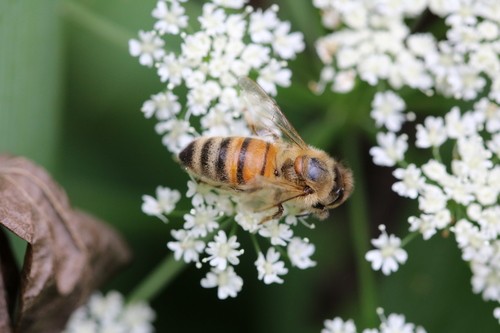
1. Western honey bee
Western honey bee(Apis mellifera) is the most common species of honeybee in the world. Among the first domesticated insects, its cultural and economic impact on humanity has been vast and far-reaching, providing honey, wax and its services as a pollinator. Western honey bee faces challenges worldwide, such as colony collapse disorder, and populations are thought to be decreasing.
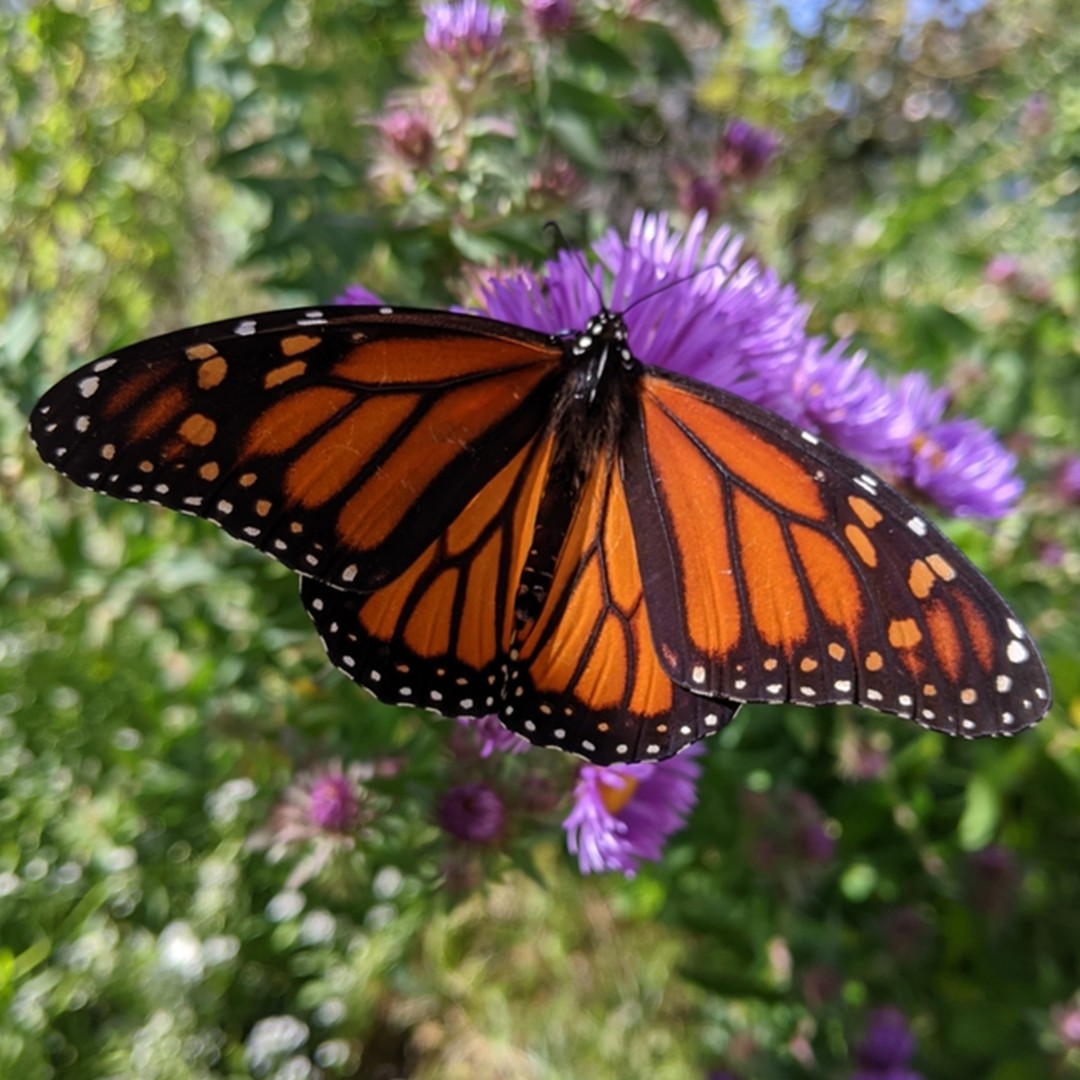
2. Monarch butterfly
The monarch butterfly (Danaus plexippus) is the most recognizable butterfly in North America. It is best known for its appearance, but should be better known for the fact that it has a 3000-mile migration that takes the butterfly 4 generations to complete. Their diet is also a natural deterrent for predators, as they eat milkweed, a poison that induces vomiting.
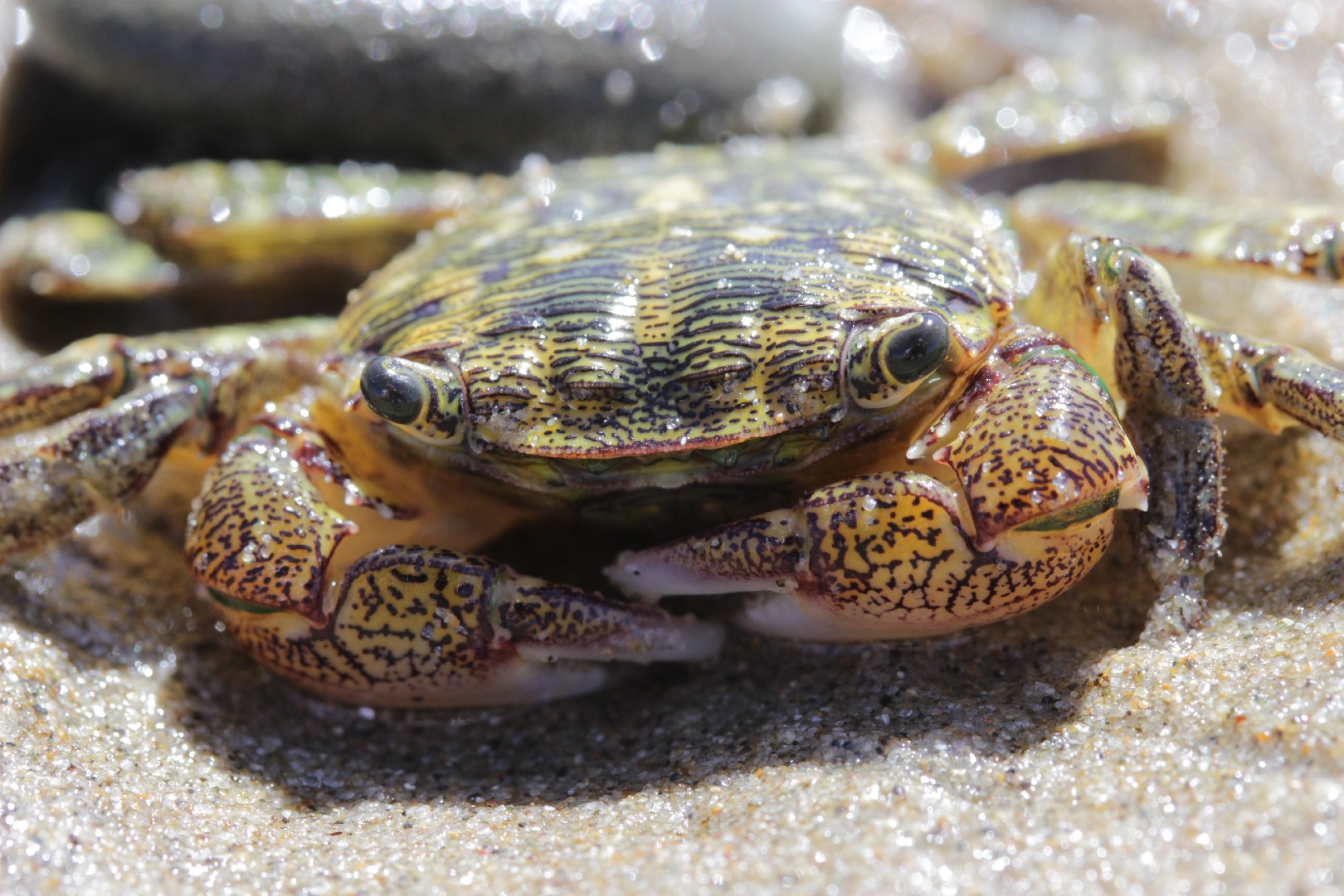
3. The striped shore crab
The striped shore crab spends half of its time out of the water, usually hiding in small cracks among rocks. It is well adapted to semi-terrestrial life and said to be able to thrive on land for up to 70 hours. When night falls and its predators are not active, the the striped shore crab emerges out from rock cervices, seeking food.
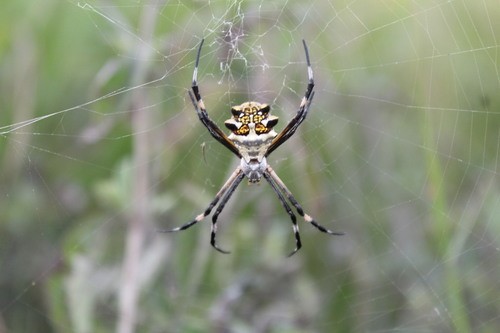
4. Silver argiope
The silver argiope (Argiope argentata) often creates unique zigzag patterns on its webs. It's usually found in warm, dry areas, especially on cacti and aloe vera plants. The females are much larger than males. They can bite and cause irritation to the skin, but the damage won't be life-threatening.
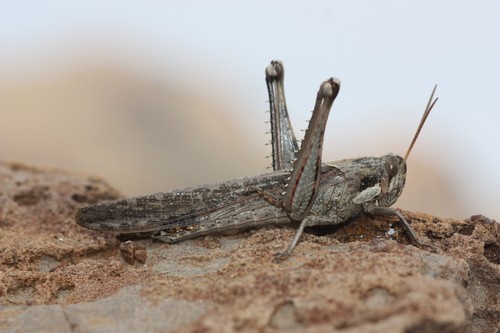
5. Gray bird grasshopper
The gray bird grasshopper (Schistocerca nitens) is a gray or brown grasshopper with jagged edges on its back legs. It can fly long distances, but it flies in a clumsy pattern low to the ground. It's often found among a variety of trees and shrubbery, and it will often fly in large groups toward lights during nighttime.
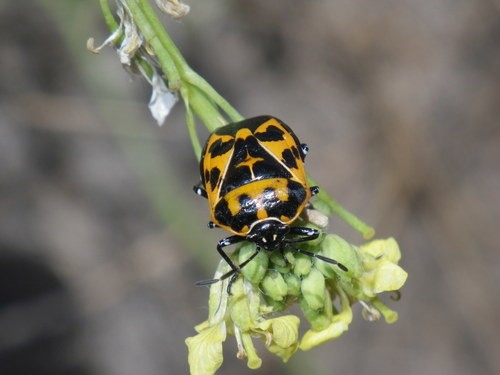
6. Harlequin Bug
The harlequin Bug (Murgantia histrionica) is a pitch-black bug that is marked with yellow, red, or orange markings. Despite its pretty appearance, don't let it fool you. It is considered a major pest of cabbage crops. The "stink" part of its name comes from the defensive chemical it produces. To us and other predators, this ability is signaled by its brilliant appearance.
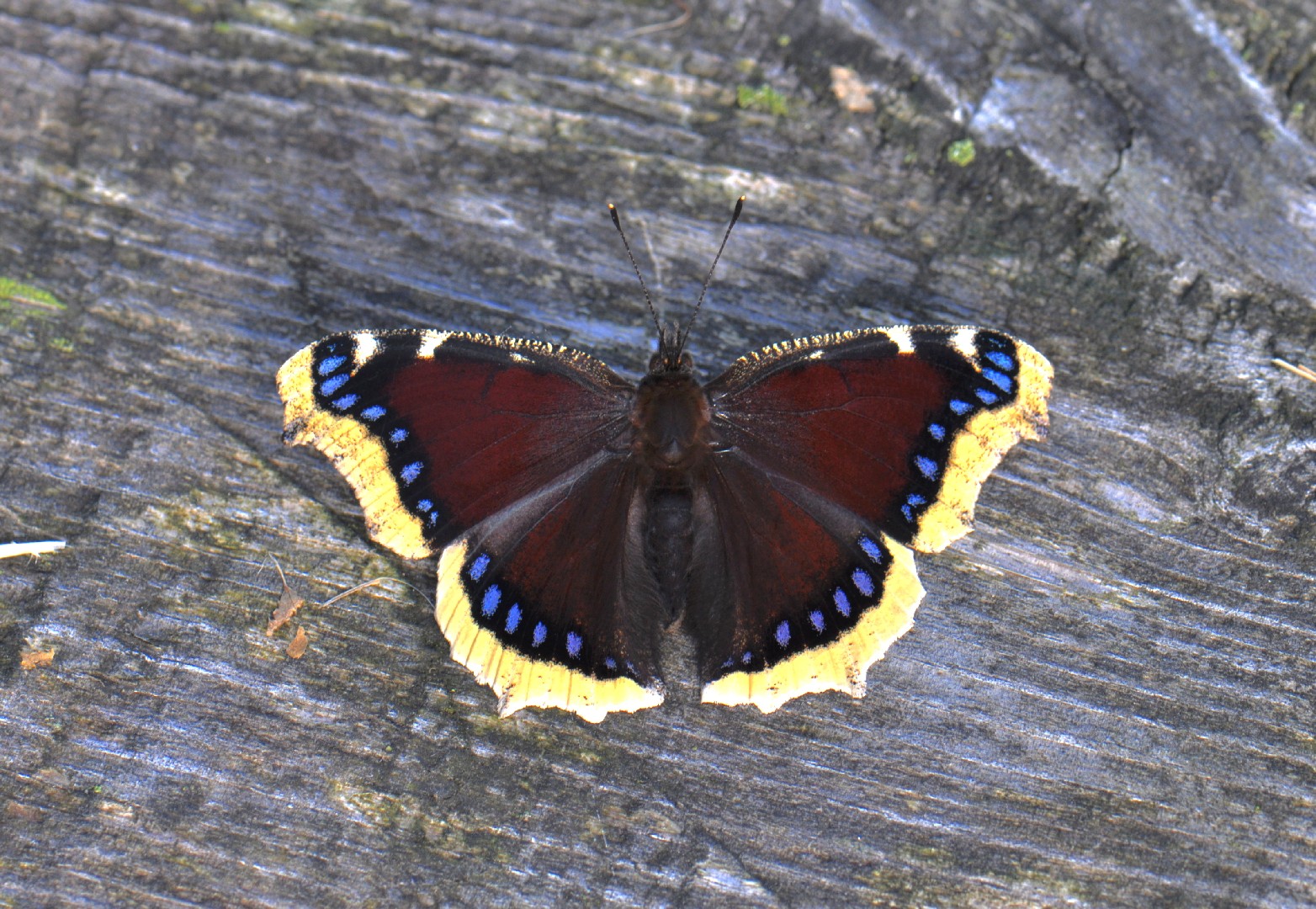
7. Mourning cloak
The state insect of Montana, mourning cloak (Nymphalis antiopa) owes its name to a visual comparison with a girl who, disliking mourning, allows a few inches of color to show from under her mourning garb. Among the longest-lived butterflies, individuals may persist for as long as eleven to twelve months. It is a powerful flier, with vagrants often found many miles from the usual migration paths.
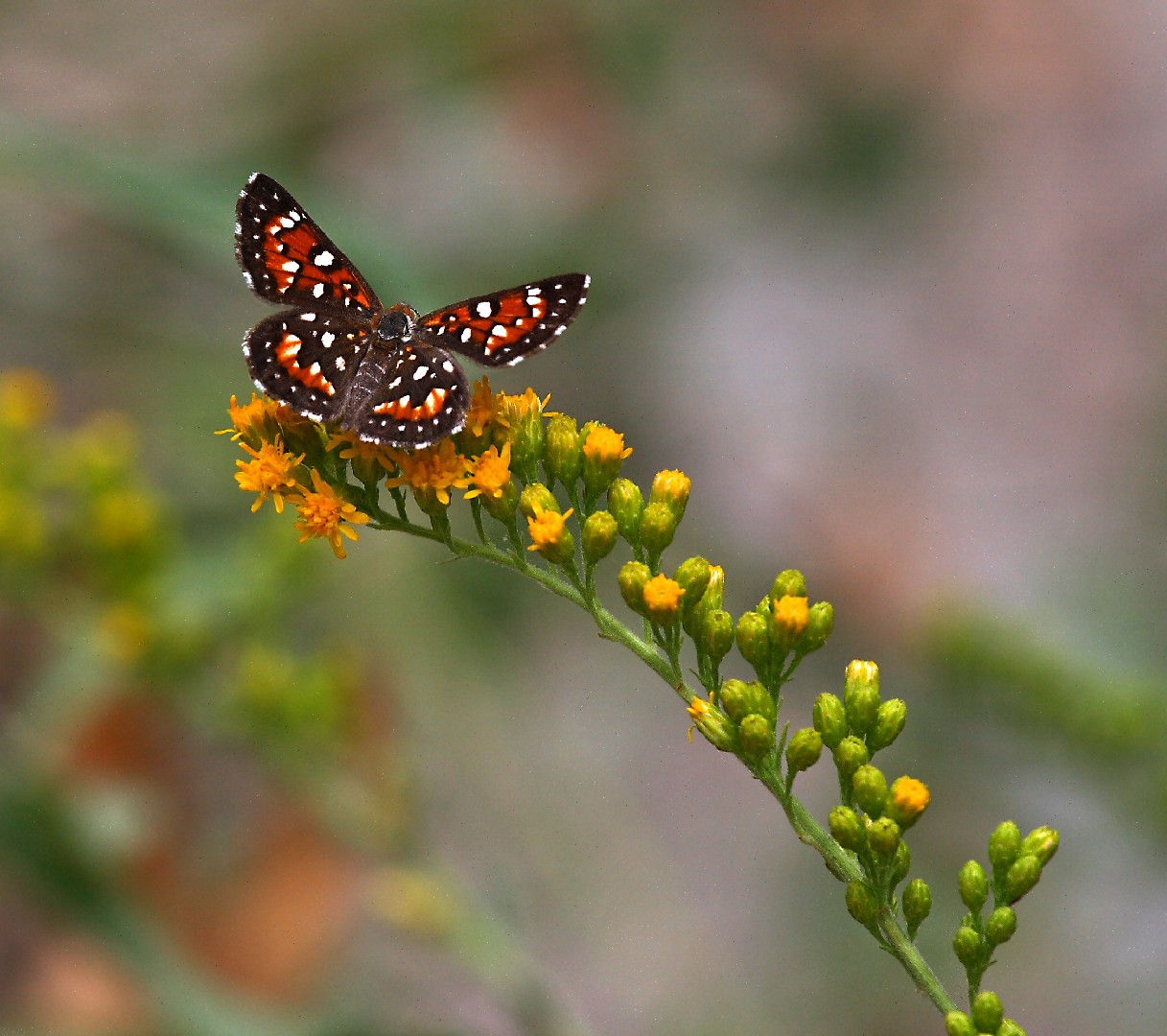
8. Mormon metalmark
In general, the butterfly has a wingspan of 2.5 - 3.5 cm, with males being slightly smaller than females. Females are further differentiated from males by their number of functional legs; females possess three pairs, while males do not utilize their shortened forelegs and thus only have two. The Canadian populations have been described as having white checked dark brown wings, a gray body, green eyes, and black and white banded antennae. There is a reddish tint towards the base of the forewings, and the ventral side of the wings are gray. 
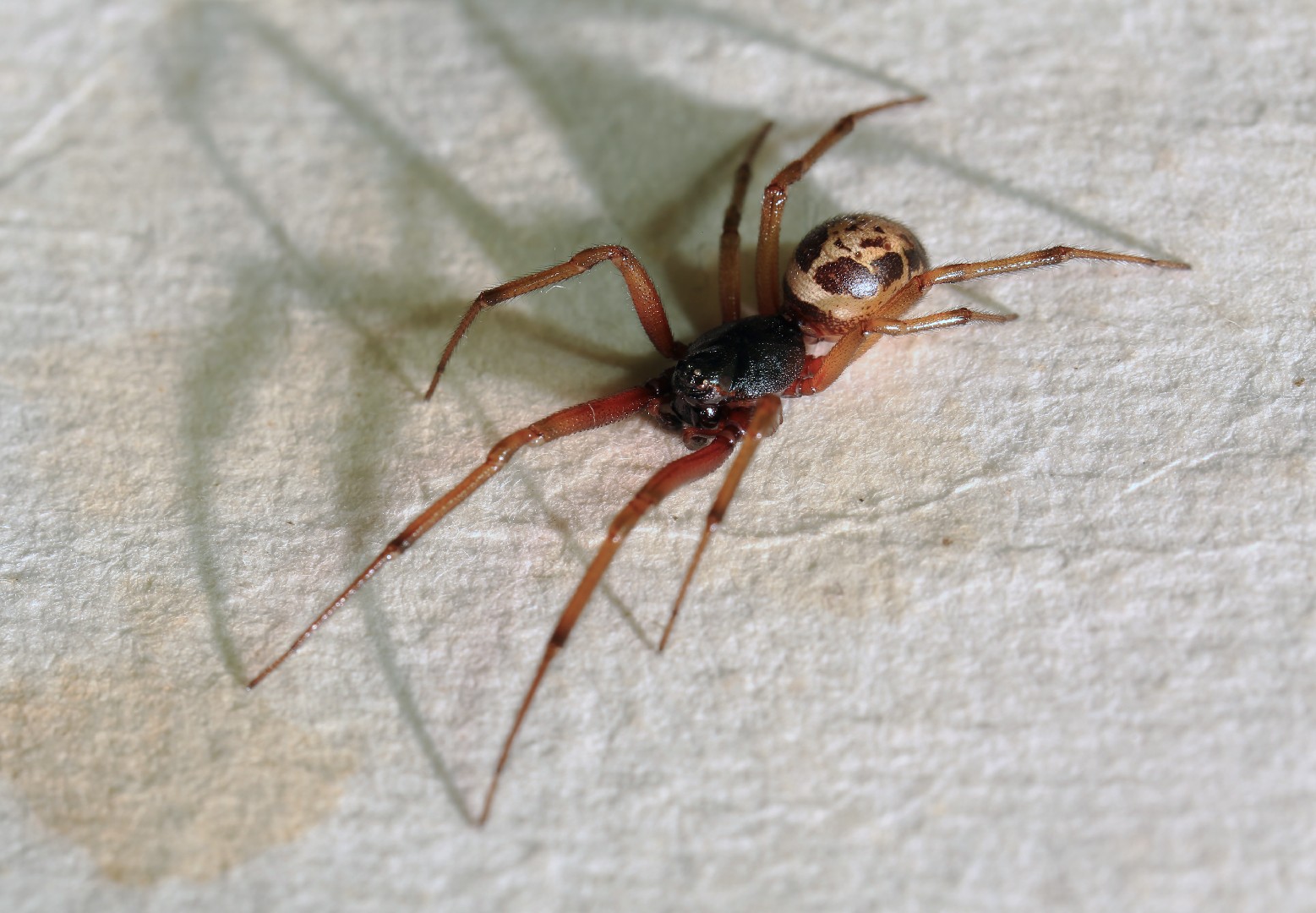
9. Noble false widow
The noble false widow (Steatoda nobilis) is named because it tends to be confused with the black widow spider (Latrodectus mactans). Despite its natural acting abilities, the venom it has can still cause a painful, but not harmful, bite. Despite the venom's non-lethal nature, people in the UK have still taken the time to post about it in the news.
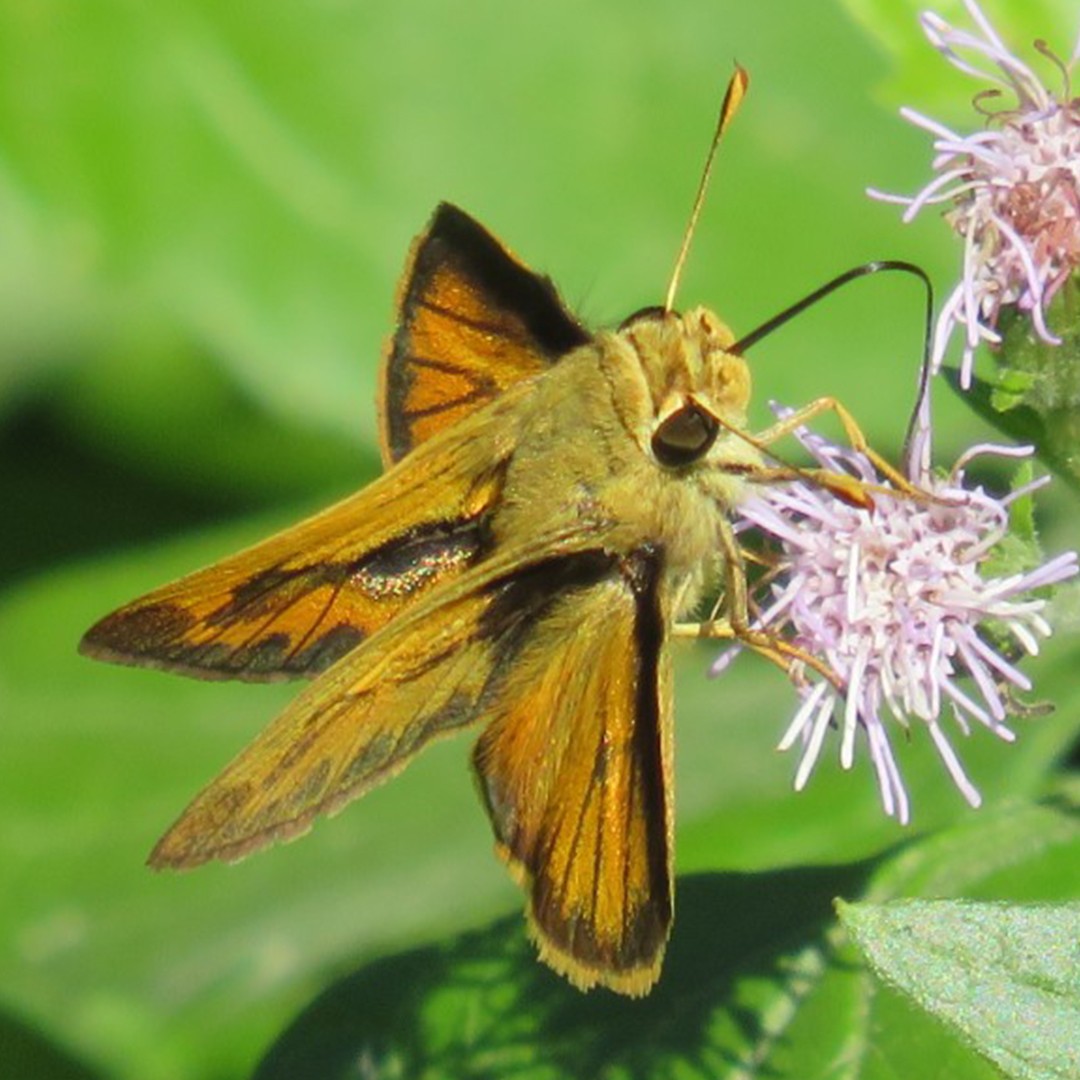
10. Fiery skipper
The fiery skipper (Hylephila phyleus) is a butterfly of the family Hesperiidae and is approximately 1 inch (2.5 cm) long. The males are orange or yellow with black spots while the females are dark brown with orange or yellow spots. The caterpillars are greenish pink with a black head. The caterpillars are often considered pests and can feed on Bermudagrass, creeping bentgrass, and St. Augustine grass. Fiery skippers, along with all other species of skippers and skipperlings, can hold their wings in a "triangle" shape. The forewings are held upright, and the hindwings are folded flat. This position is thought to better absorb the sun's rays. The fiery skipper lives in North and South America, from Canada to Argentina. It is a migratory species.

More







