




Top 20 Most Common Insects in Chiapas
Insects, an intriguing kingdom marked by diversity and adaptability, thrive uniquely within Chiapas's varied landscapes. These creatures, acting as pests or beneficial collaborators, shape our ecosystem. Chiapas’s insect population, coloured by its geographical variation, contributes significantly to environmental balance. In this context, we unravel the 20 most common insects within this vibrant state, exploring roles and relationships in a dynamic web of life. Stick around to learn more!

Most Common Insects
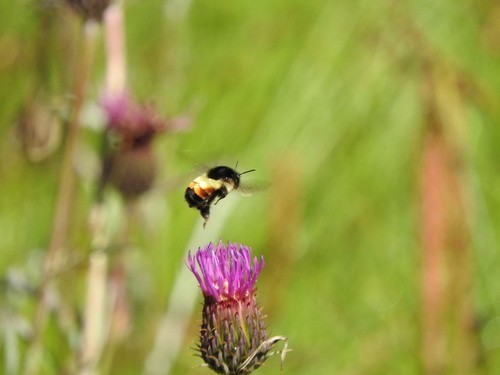
1. Bombus ephippiatus
This is a variable species. There are a number of color polymorphisms, with body hairs in shades of white, yellow, orange, red, brown, and black. Its species boundaries are not entirely clear. Some forms are similar to Bombus wilmattae, which may actually be the same species. 
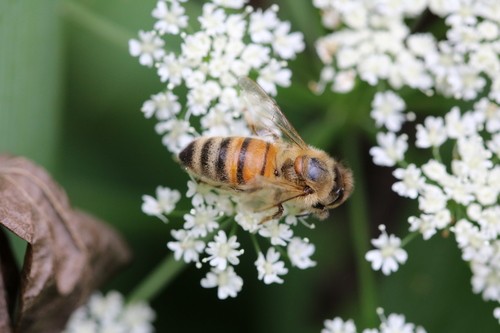
2. Western honey bee
Western honey bee(Apis mellifera) is the most common species of honeybee in the world. Among the first domesticated insects, its cultural and economic impact on humanity has been vast and far-reaching, providing honey, wax and its services as a pollinator. Western honey bee faces challenges worldwide, such as colony collapse disorder, and populations are thought to be decreasing.
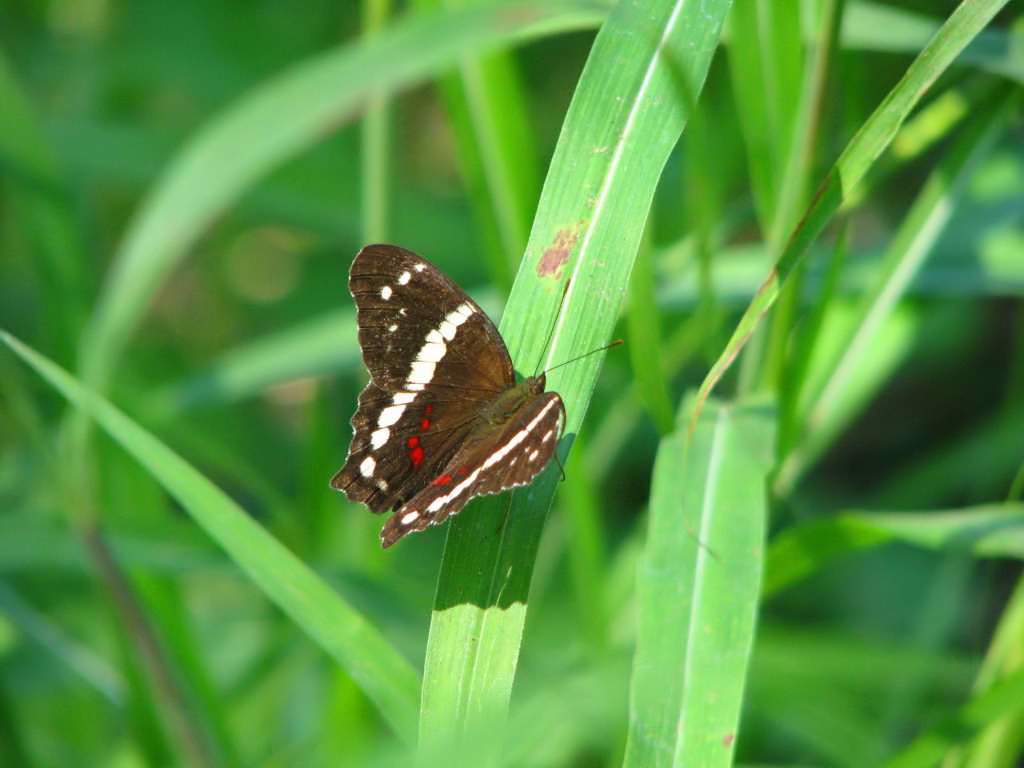
3. Banded peacock
The wingspan of the moths is 60 to 70 millimeters. The basic color of the wings is black-brown to black. On the front wing top, a white, sometimes yellowish bandage extends through the Diskalregion, which continues on the hind wings. Near the apex, some small whitish spots are highlighted. The hind wings show some striking red, sometimes orange spots. The tail at the Analwinkel are very short. All wing bottoms show similar drawing elements as the tops, but these are paler and weaker.
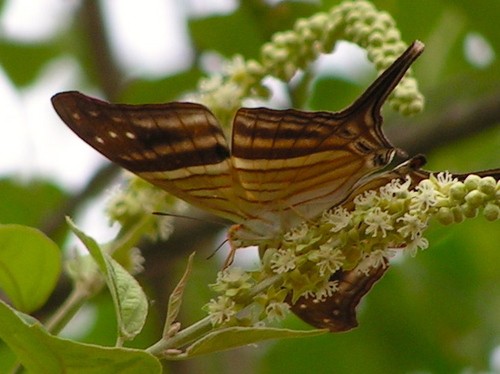
4. Many-banded daggerwing
Marpesia chiron, the many-banded daggerwing, is a species of daggerwings, map butterflies in the family Nymphalidae. It is found in Central America, North America, and South America. The MONA or Hodges number for Marpesia chiron is 4549.
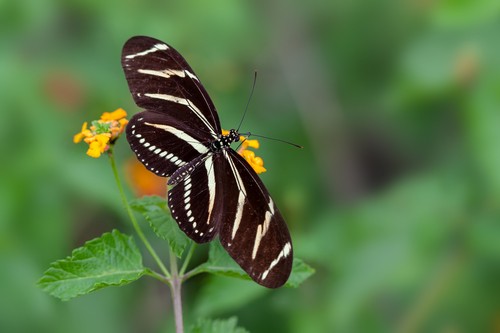
5. Zebra longwing
The zebra longwing (Heliconius charithonia) is a beautiful butterfly that has a texture resembling a zebra. They feast and pollen and nectar, using the pollen to produce chemicals that poison predators if they are eaten, deterring most predators from attack. Unfortunately, their populations have been decimated after being caught in the crossfire of sprays meant to control mosquitos.
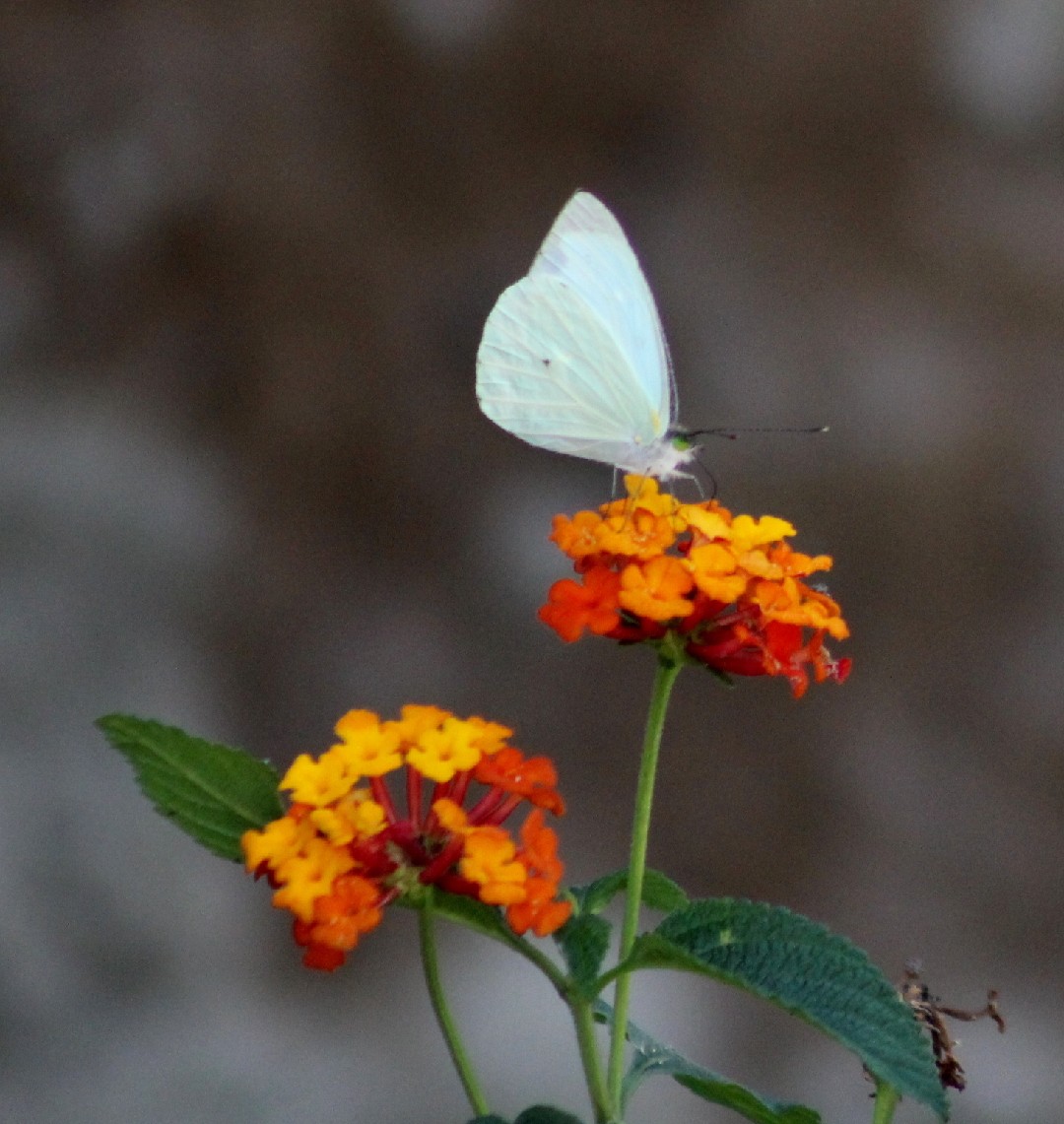
6. Green-eyed white
Leptophobia aripa was described in 1836 by Boisduval.
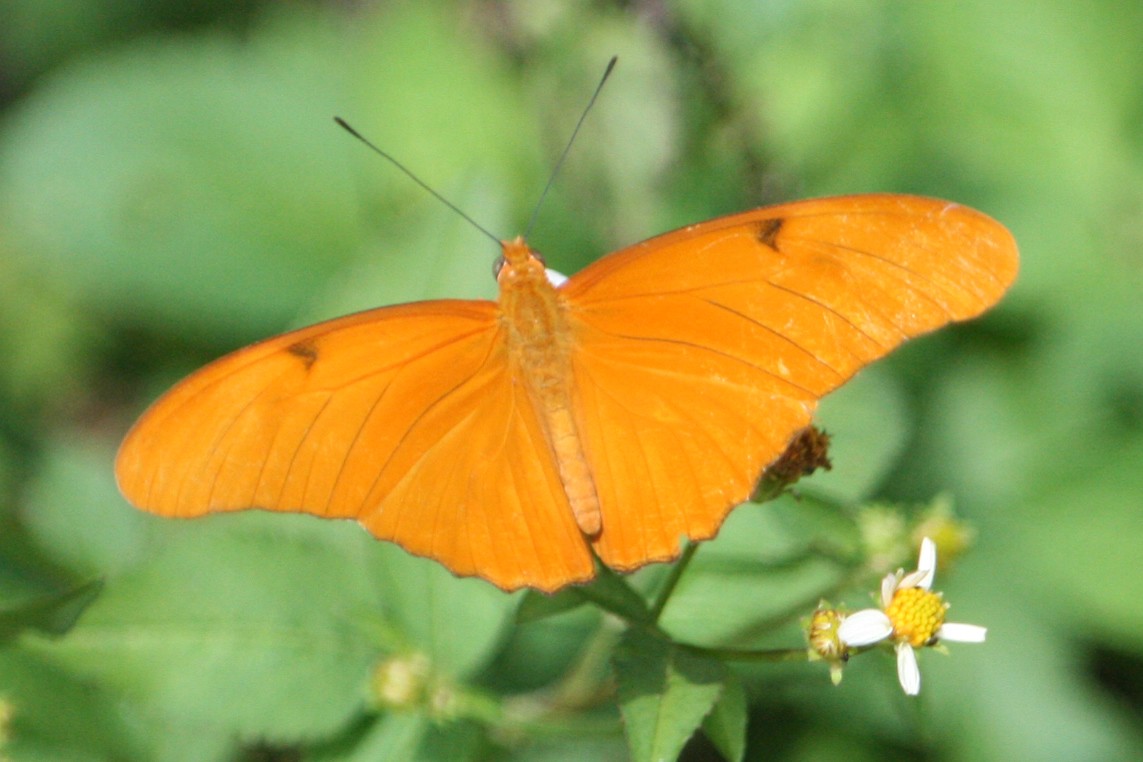
7. Julia heliconian
The julia heliconian feeds on nectar, with the passionfruit vine being a common host plant. The males will suck fluid from mud and decomposing plant matter to gain essential minerals, and they sometimes irritate the eyes of caimans and turtles in order to suck the tears they produce.
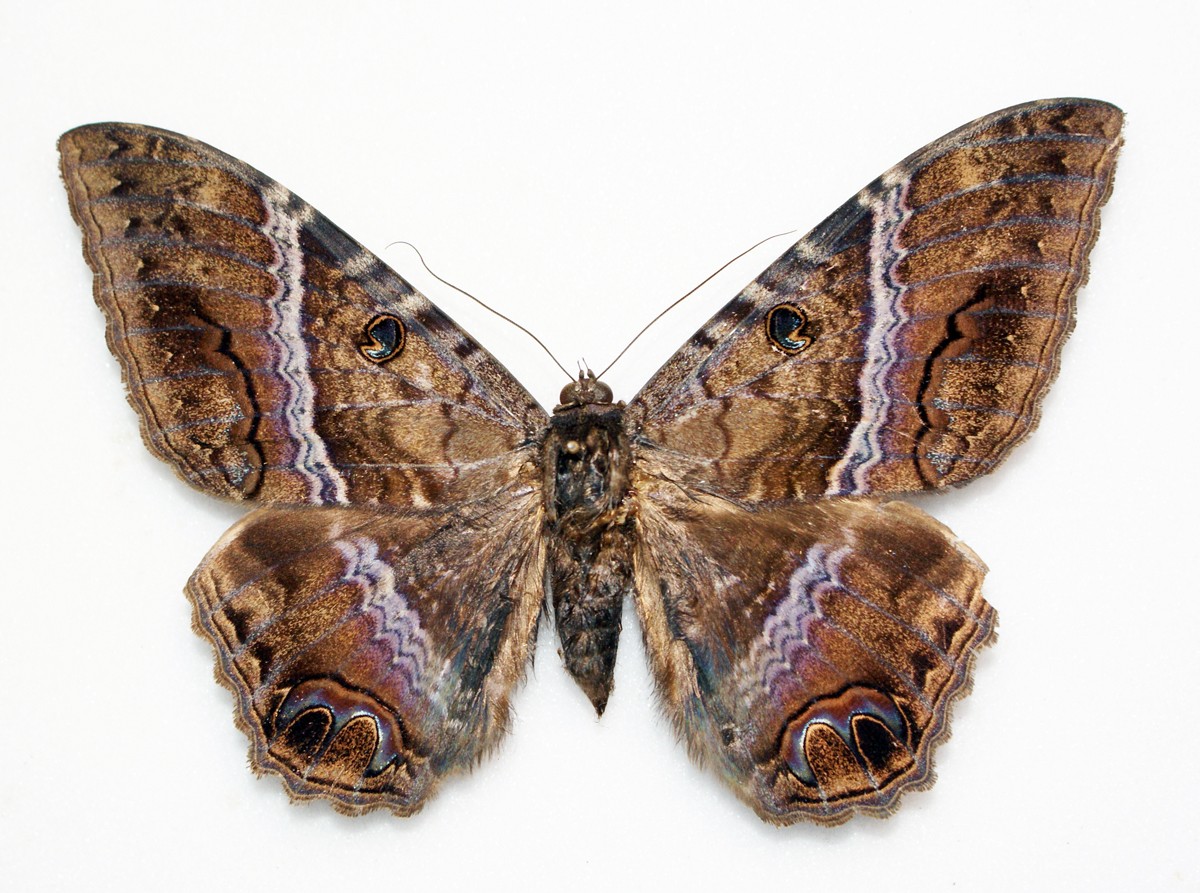
8. Black Witch
The black Witch (Ascalapha odorata) is given this spooky name because its part in folklore being associated with misfortune or death. In the novel, The Silence of the Lambs, they were placed in the mouths of the victims of Buffalo Bill. They can be identified with darker colorings and undertones of purple and pink.
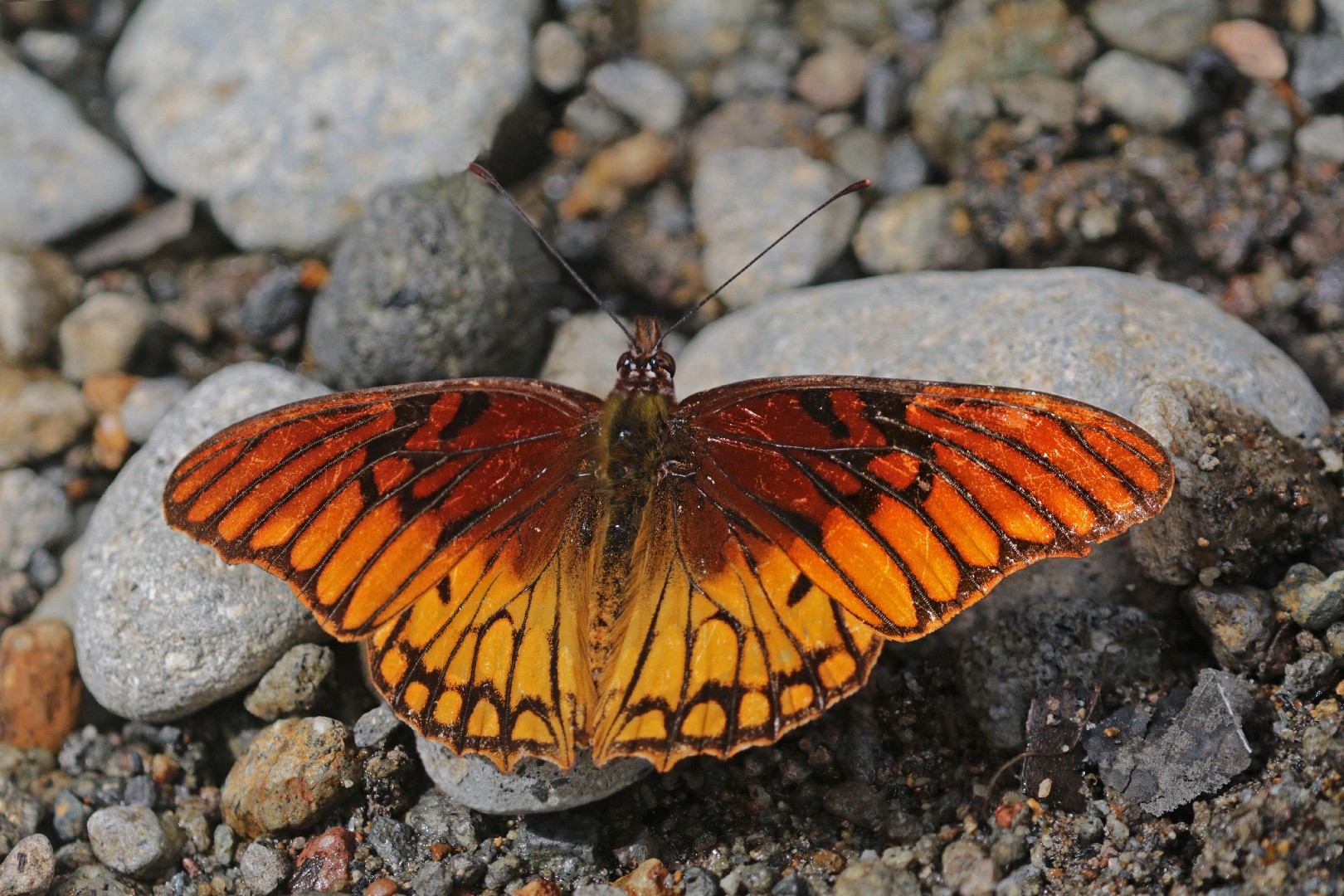
9. Mexican silverspot
Dione moneta is a butterfly from the Nymphalidae family. The scientific name of the species was first validly published in 1819 by Jacob Hübner.
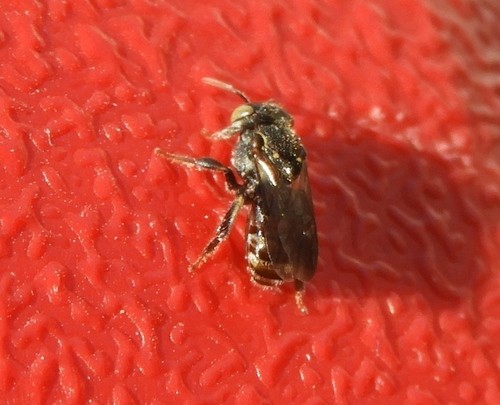
10. Mexican pitted-stingless bee
The Nannotrigona perilampoides is a type of stingless bee that is in the same family as other common honey bees (Apidae). They are most notably known for being involved in an experiment for pollination efficiency for tomato plants in greenhouses. There is still more research needed before they can be considered for this greenhouse pollination. Here's hoping this will eventually result in fewer greenhouse workers being stung.
More







