




Top 20 Most Common Insects in Apan
Insects, with their unique structures and diverse habitats, form a significant subset of Apan's ecosystem. Their abundance varies across geographical areas of Apan, showcasing nature's stunning diversity. These tiny creatures play essential roles, from troublesome pests to beneficial pollinators. Understanding the intricate bond between Apan's environment and its insects is crucial. Stay tuned as we unveil the top 20 most common insects found here!

Most Common Insects
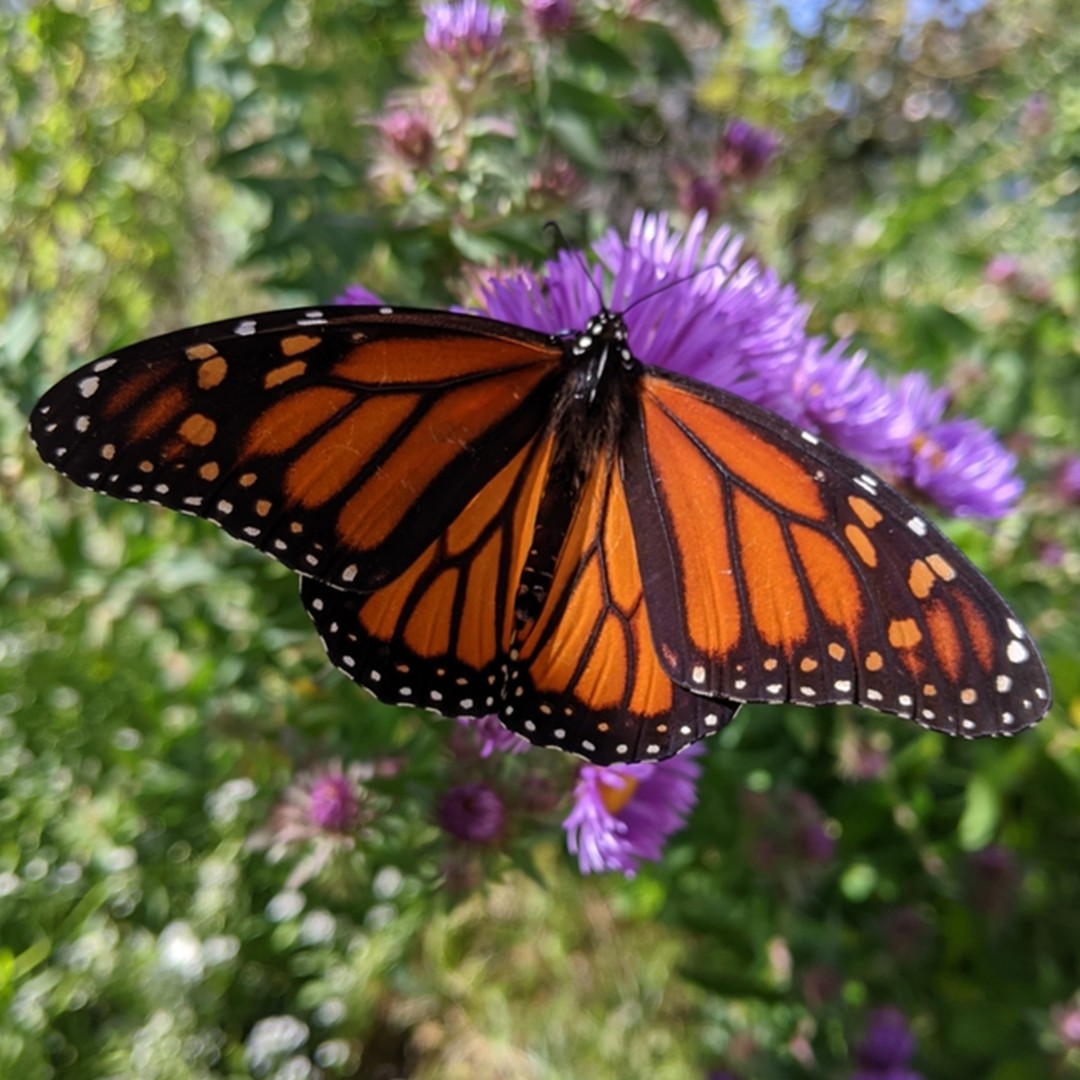
1. Monarch butterfly
The monarch butterfly (Danaus plexippus) is the most recognizable butterfly in North America. It is best known for its appearance, but should be better known for the fact that it has a 3000-mile migration that takes the butterfly 4 generations to complete. Their diet is also a natural deterrent for predators, as they eat milkweed, a poison that induces vomiting.
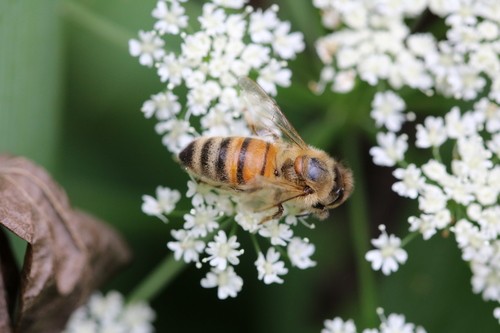
2. Western honey bee
Western honey bee(Apis mellifera) is the most common species of honeybee in the world. Among the first domesticated insects, its cultural and economic impact on humanity has been vast and far-reaching, providing honey, wax and its services as a pollinator. Western honey bee faces challenges worldwide, such as colony collapse disorder, and populations are thought to be decreasing.
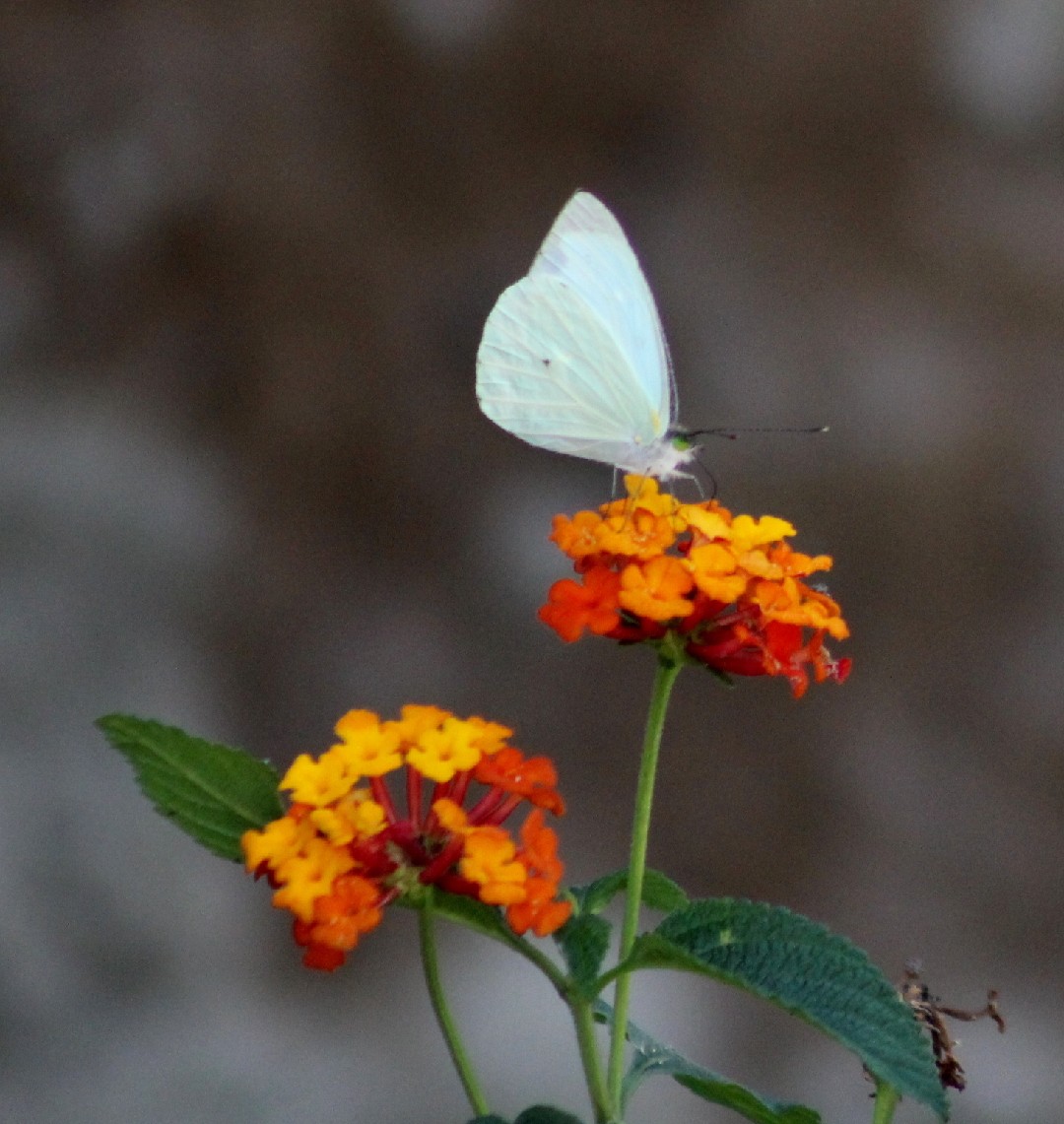
3. Green-eyed white
Leptophobia aripa was described in 1836 by Boisduval.
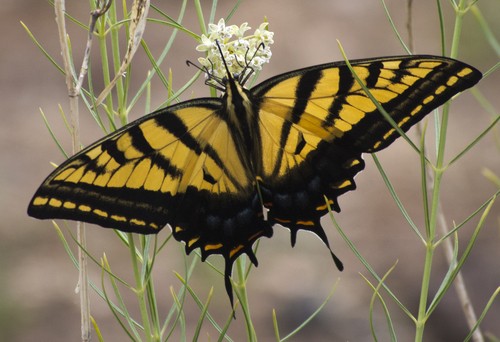
4. Two-tailed swallowtail
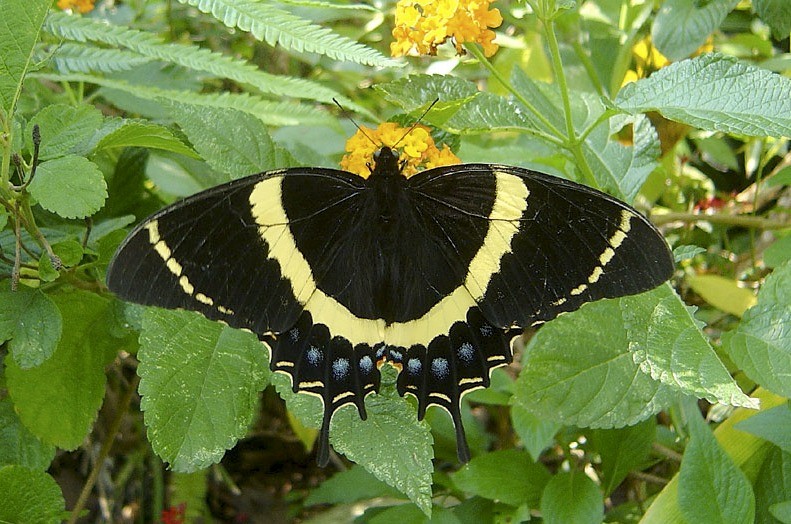
The two-tailed swallowtail (Papilio multicaudata) is easily identified with its yellow body and tiger-like stripes. It also has two tails, or spikes, coming off the back of its wings. Also, females are commonly larger and more brightly colored than males. They also have eyespots near the rear of their wings, which fool predators and give them a chance to escape.
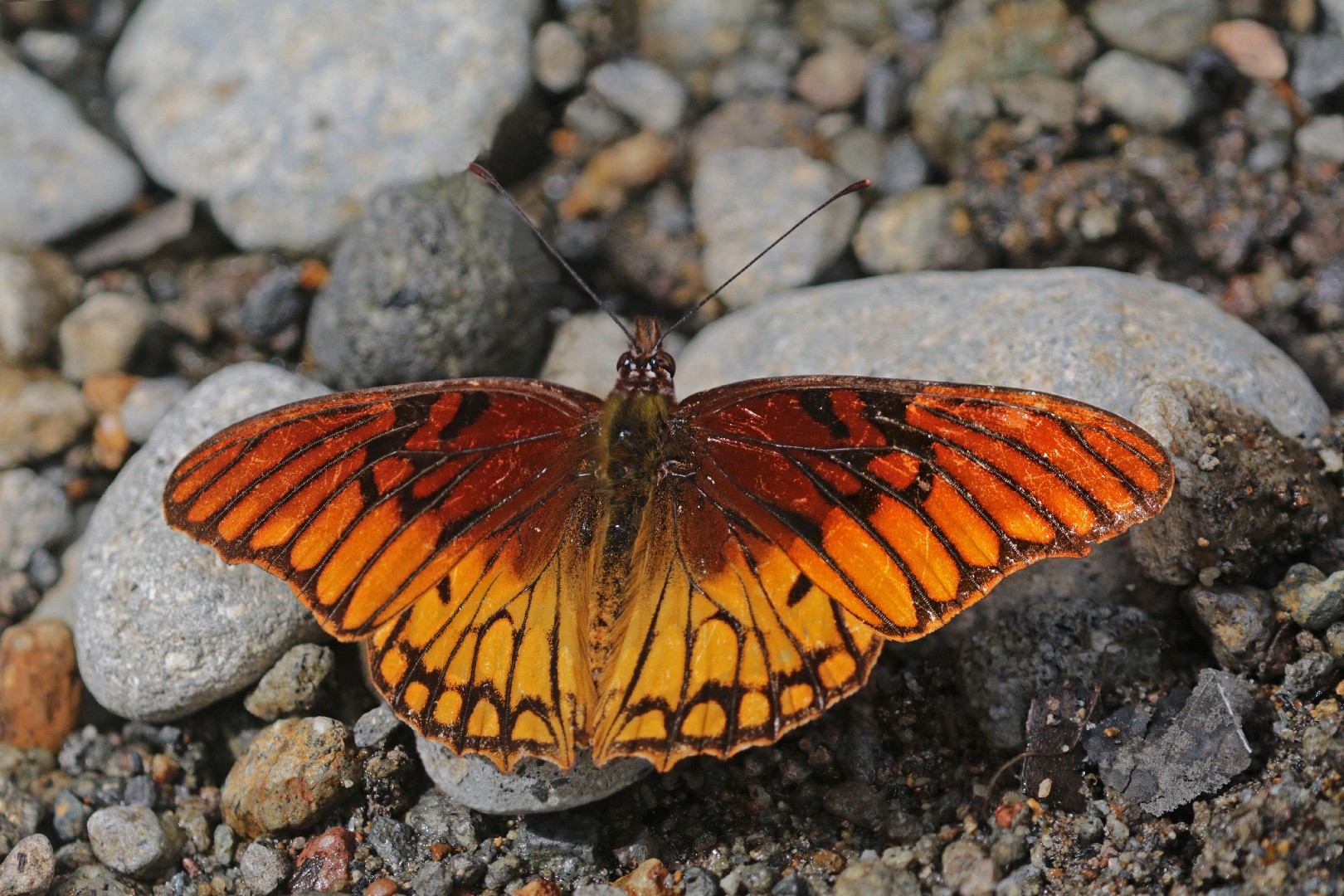
5. Mexican silverspot
Dione moneta is a butterfly from the Nymphalidae family. The scientific name of the species was first validly published in 1819 by Jacob Hübner.
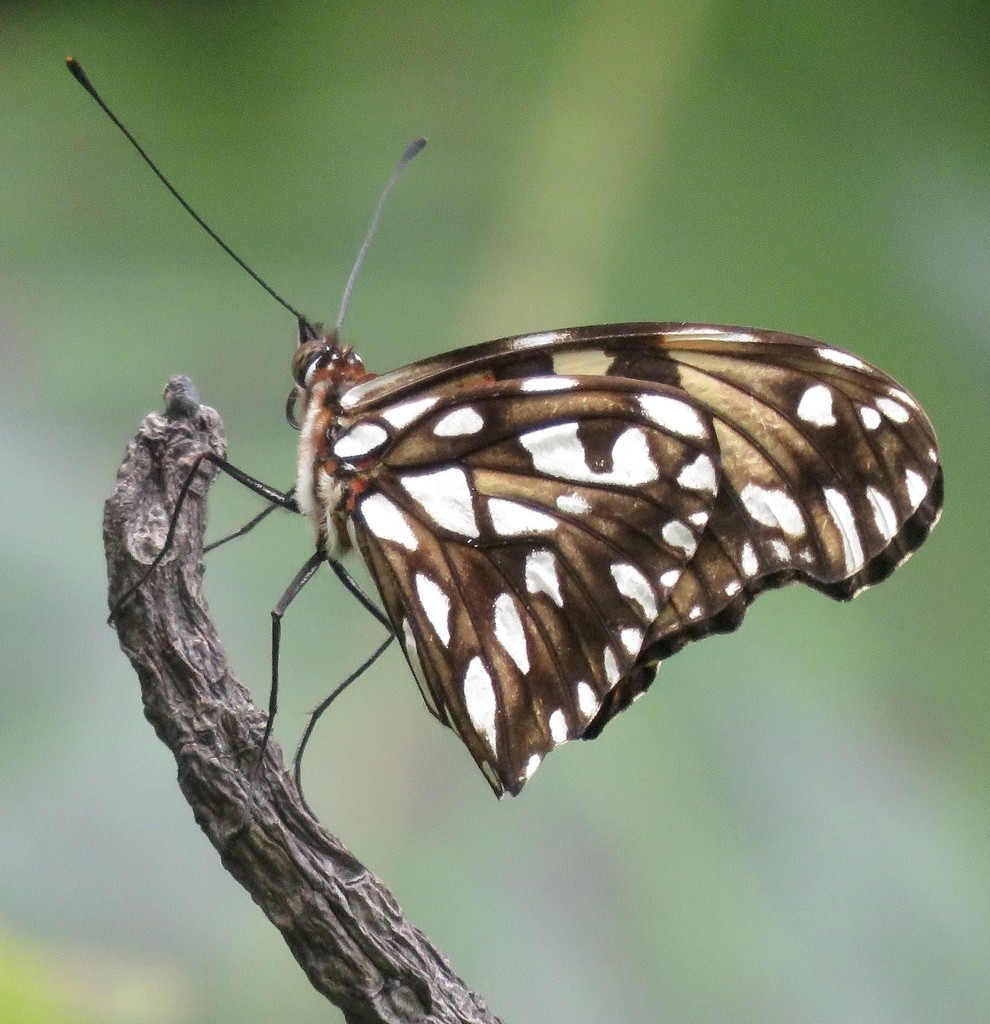
6. Juno longwing
Dione juno, the Juno silverspot, juno longwing, or Juno heliconian, is a species of butterfly of the subfamily Heliconiinae in the family Nymphalidae found from southern United States to South America. 
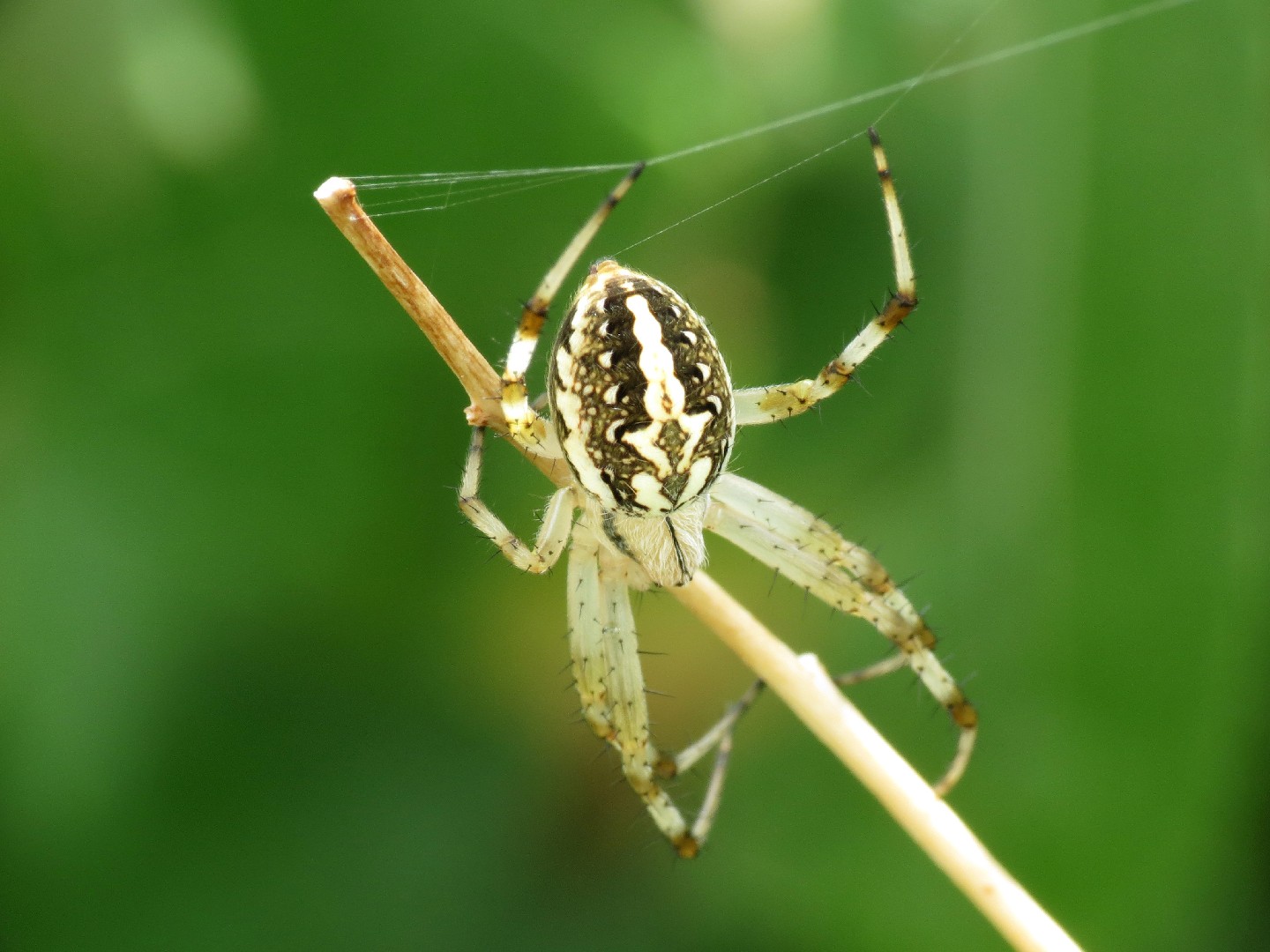
7. Western spotted orbweaver
The western spotted orbweaver (Neoscona oaxacensis) has a large, round abdomen that's brown with white spots. It builds its webs in open areas, making it easy to spot. Its webs are circular like other spiders, but instead of making a stabilimentum web like other orb weavers, its webs are more sporadic and spaced out.
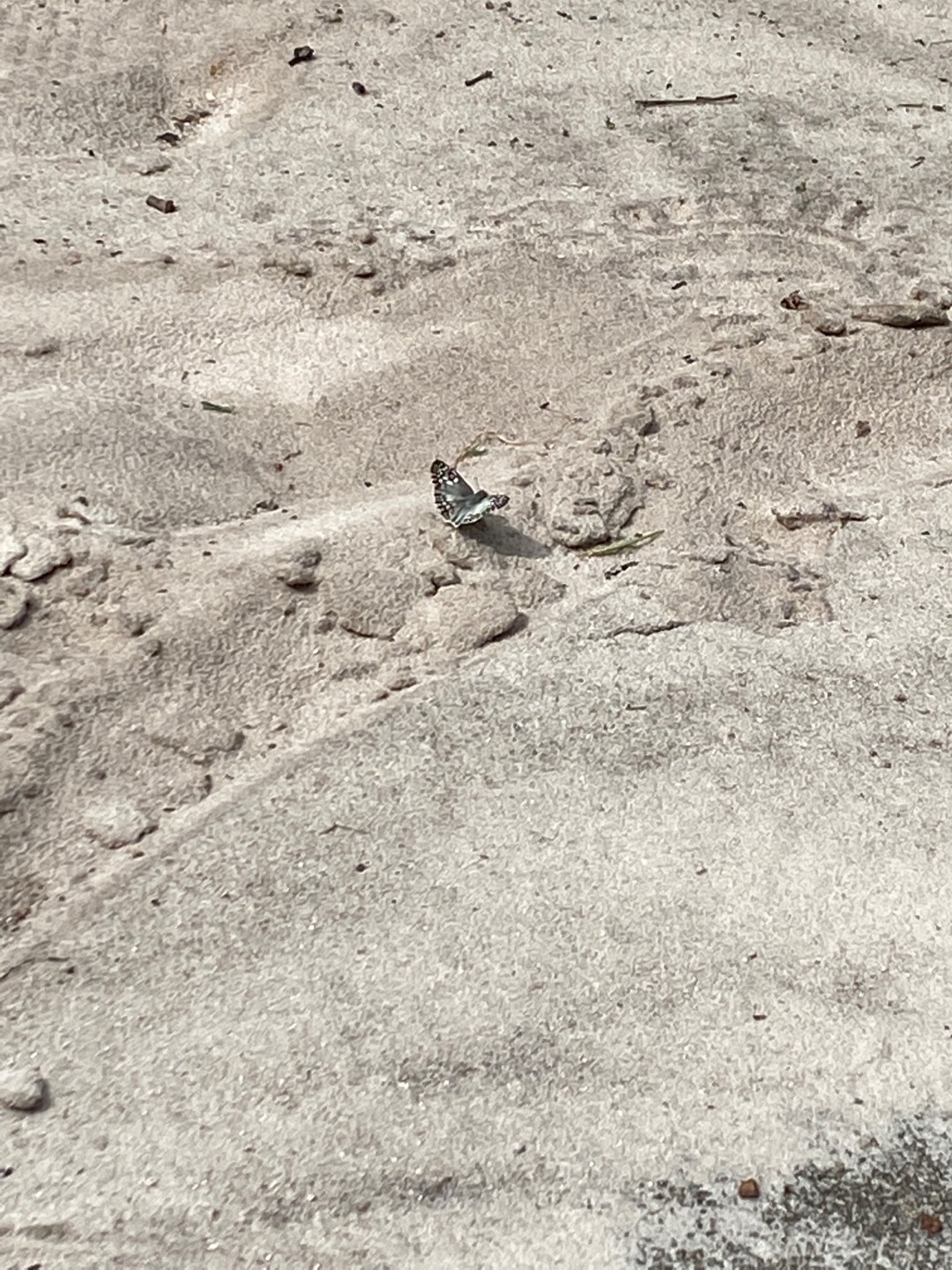
8. Mexican dartwhite
Catasticta nimbice, the pine white or Mexican dartwhite, is a butterfly in the family Pieridae. It is found from Costa Rica north to Mexico. Rare strays can be found as far north as the Chisos Mountains of western Texas. The wingspan is 45–57 mm (1.8–2.2 in). The upperside is creamy tan with thick black veins. There is a wide black outer margin surrounding the cream-colored spots. Males perch and patrol for females. Adults are on wing year round in Mexico. They have been recorded feeding on nectar from Fuscia, Lantana and Senecio species in Costa Rica. The larvae feed on parasitic mistletoes, including Struthantus species and Phoradendron velutinum. They feed in groups. Pupae are found in groups on tree trunks and look like bird droppings.
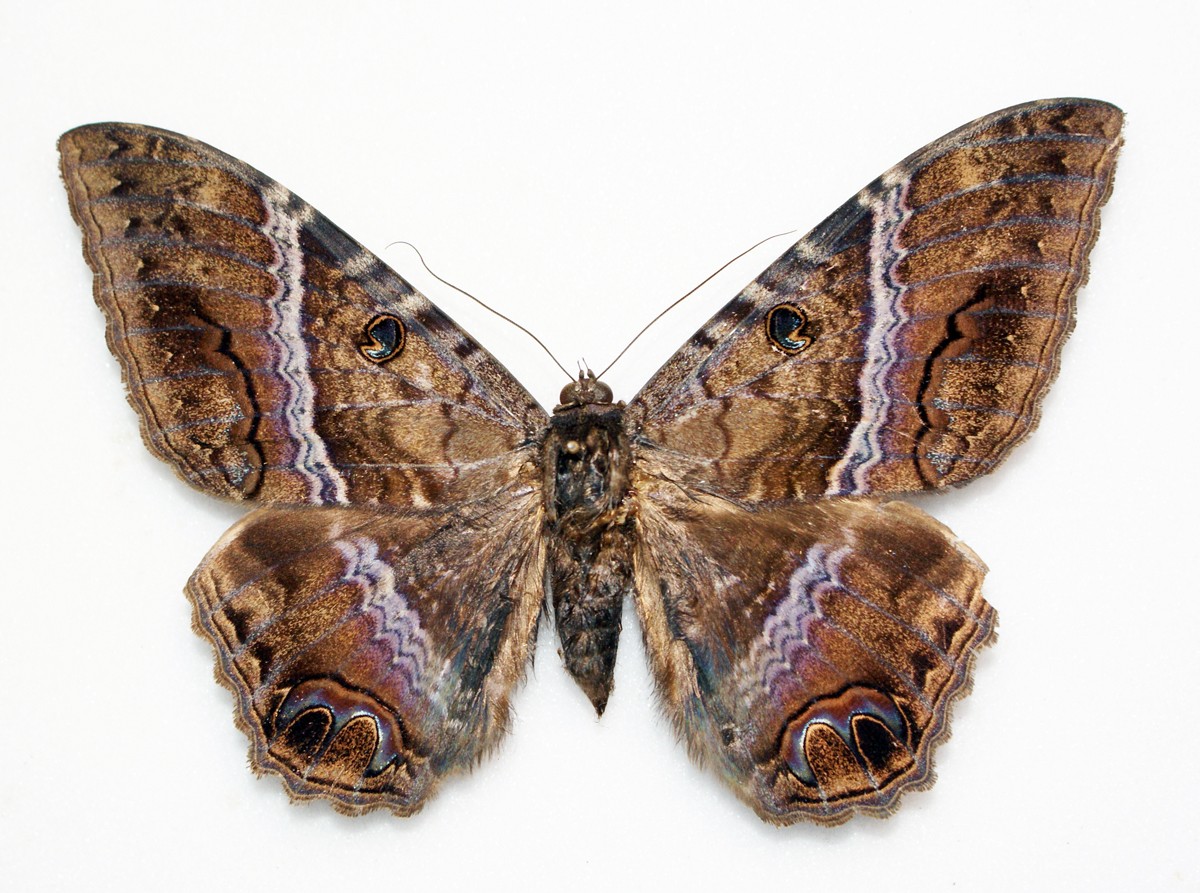
9. Black Witch
The black Witch (Ascalapha odorata) is given this spooky name because its part in folklore being associated with misfortune or death. In the novel, The Silence of the Lambs, they were placed in the mouths of the victims of Buffalo Bill. They can be identified with darker colorings and undertones of purple and pink.

10. Multicolored asian ladybeetle
Often confused for the ladybug, multicolored asian ladybeetle (Harmonia axyridis) is a separate species that, unlike the ladybug, is a household pest. It is considered particularly annoying for its habit of returning to places from which it is removed. One of the most variable species in the world, there are many different colors and patterns multicolored asian ladybeetle may display, making identification potentially difficult.
More







