




Top 20 Most Common Insects in Hidalgo
Insects, with their unique structures and diverse habitats, form a significant subset of Hidalgo's ecosystem. Their abundance varies across geographical areas of Hidalgo, showcasing nature's stunning diversity. These tiny creatures play essential roles, from troublesome pests to beneficial pollinators. Understanding the intricate bond between Hidalgo's environment and its insects is crucial. Stay tuned as we unveil the top 20 most common insects found here!

Most Common Insects
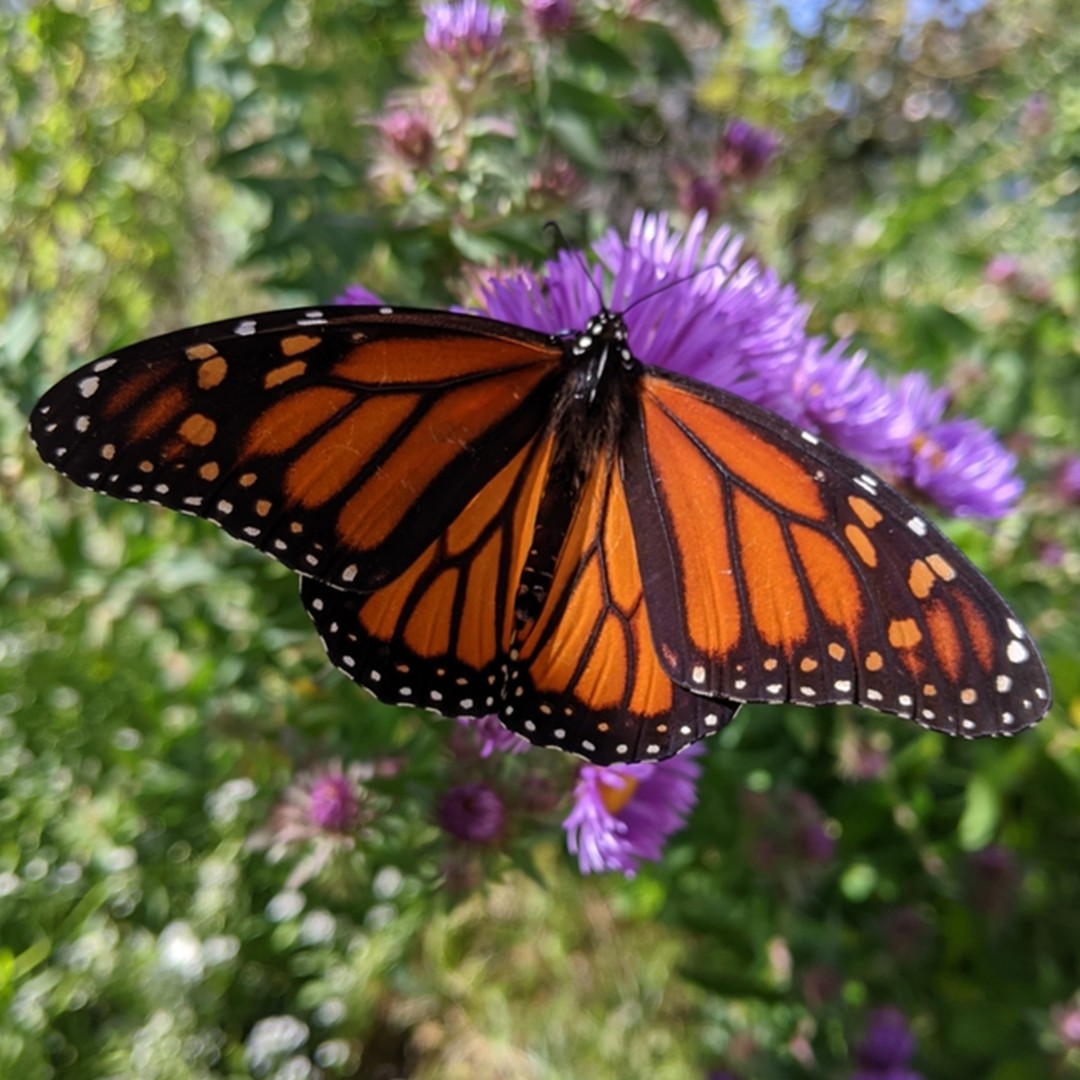
1. Monarch butterfly
The monarch butterfly (Danaus plexippus) is the most recognizable butterfly in North America. It is best known for its appearance, but should be better known for the fact that it has a 3000-mile migration that takes the butterfly 4 generations to complete. Their diet is also a natural deterrent for predators, as they eat milkweed, a poison that induces vomiting.
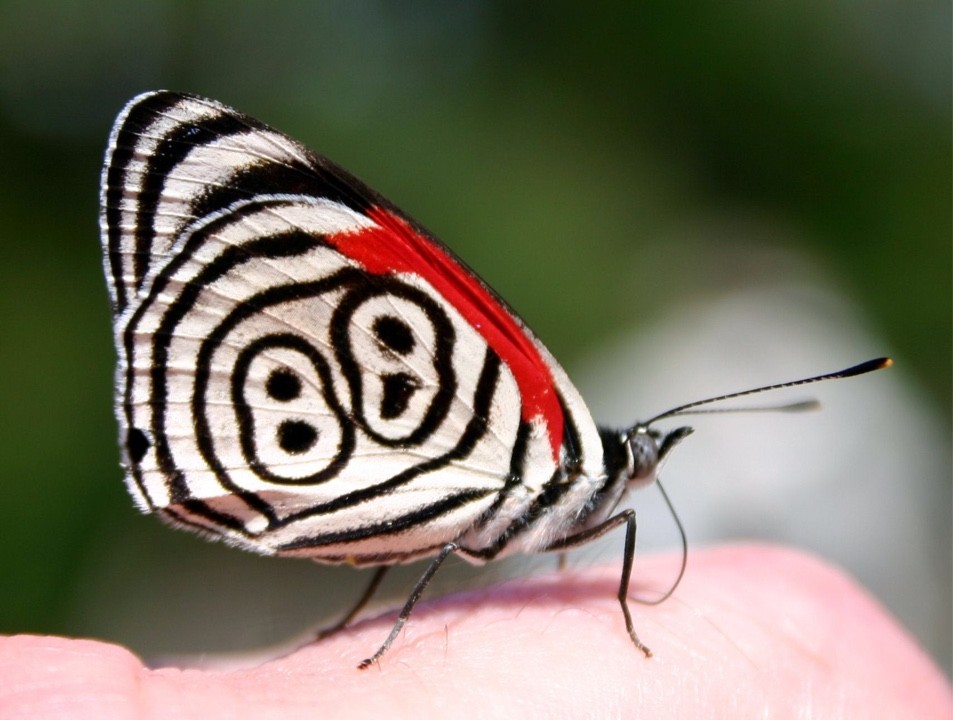
2. Anna’s eighty-eight
Its upperside is dark brown with a metallic bluish-green band on the forewings. The underside of the forewings are red, which is followed by a wide, black band and then white tips; the underside of the hindwings is white, with lines that approximate a black-outlined "88". 
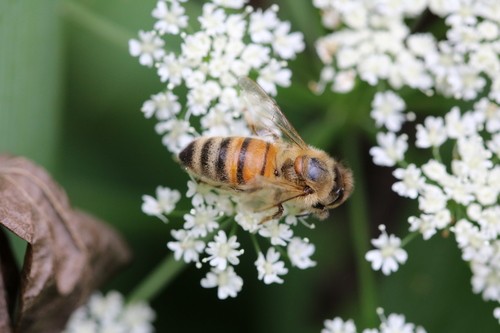
3. Western honey bee
Western honey bee(Apis mellifera) is the most common species of honeybee in the world. Among the first domesticated insects, its cultural and economic impact on humanity has been vast and far-reaching, providing honey, wax and its services as a pollinator. Western honey bee faces challenges worldwide, such as colony collapse disorder, and populations are thought to be decreasing.
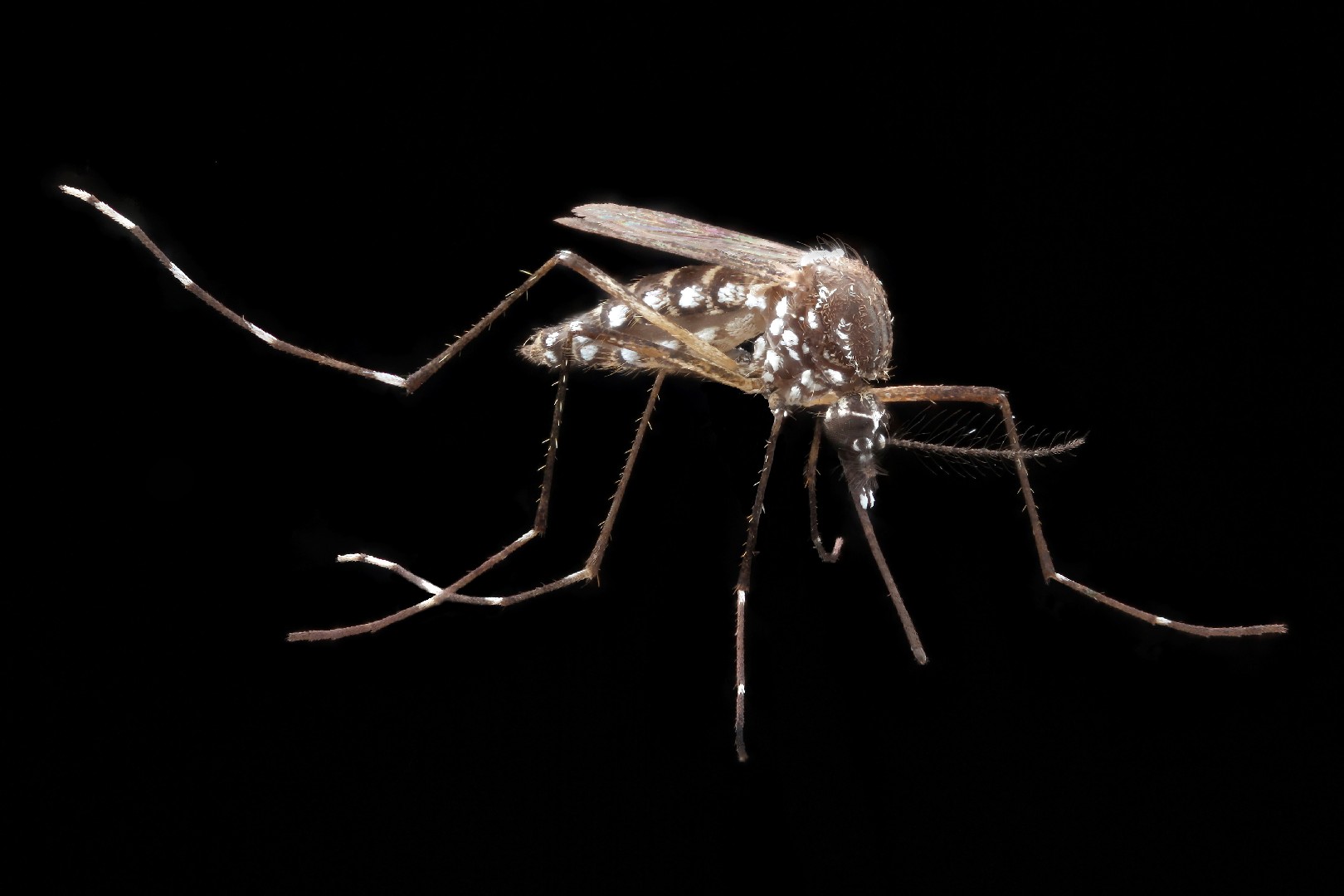
4. Yellow fever mosquito
Yellow fever mosquito is notorious for spreading many diseases including dengue, zika, and yellow fevers to name a few. Only the females bite and suck blood, which contributes to the production and maturation of her eggs that they prefer to lay in stagnant water. Researchers have tried to reduce their population by genetically modifying the males to reduce the lifespan of offspring.
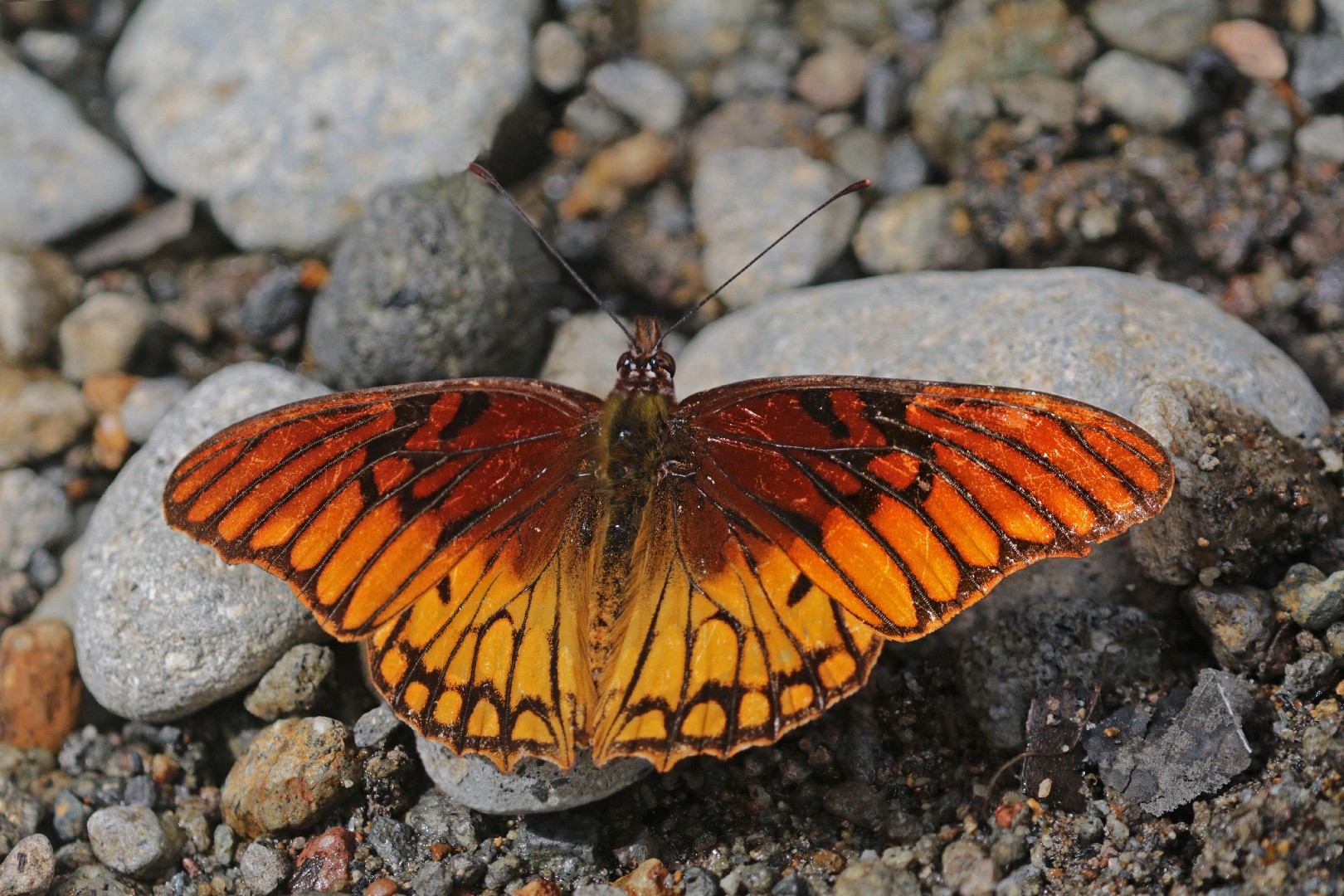
5. Mexican silverspot
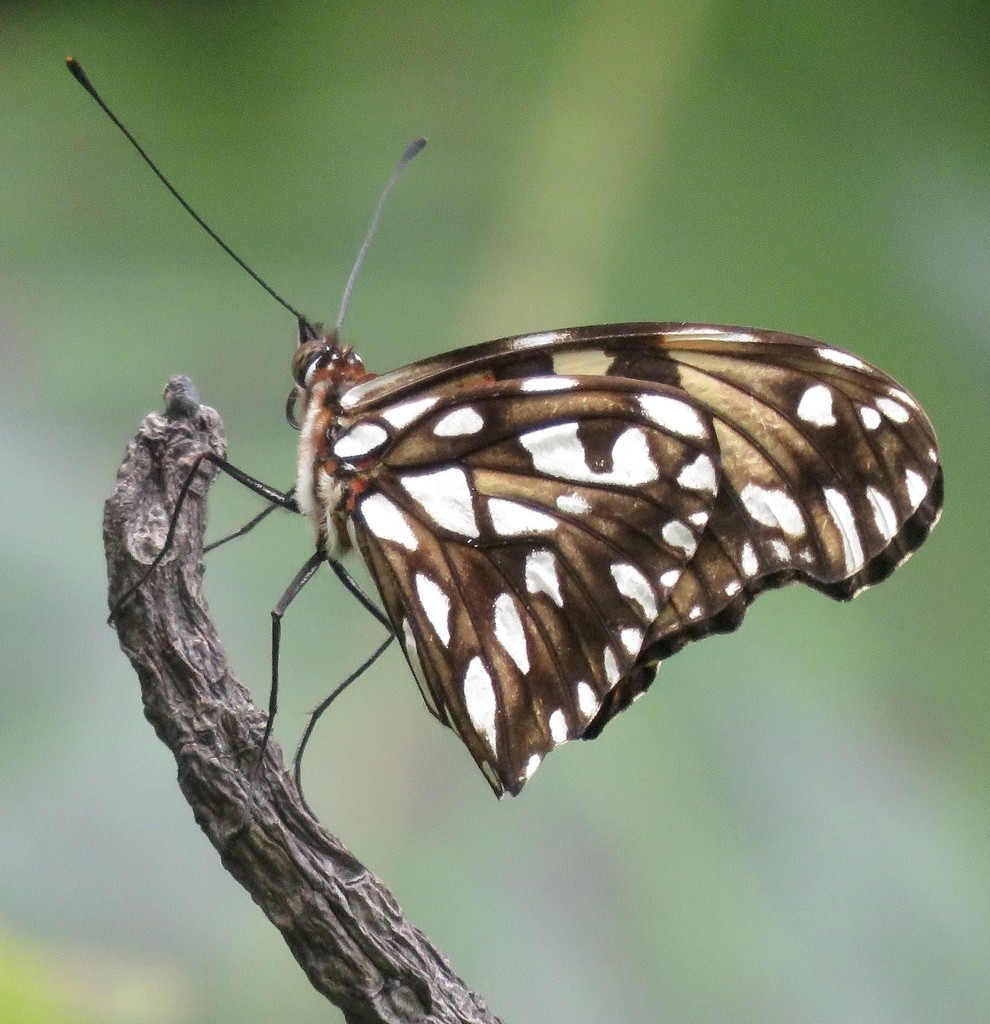
Dione moneta is a butterfly from the Nymphalidae family. The scientific name of the species was first validly published in 1819 by Jacob Hübner.
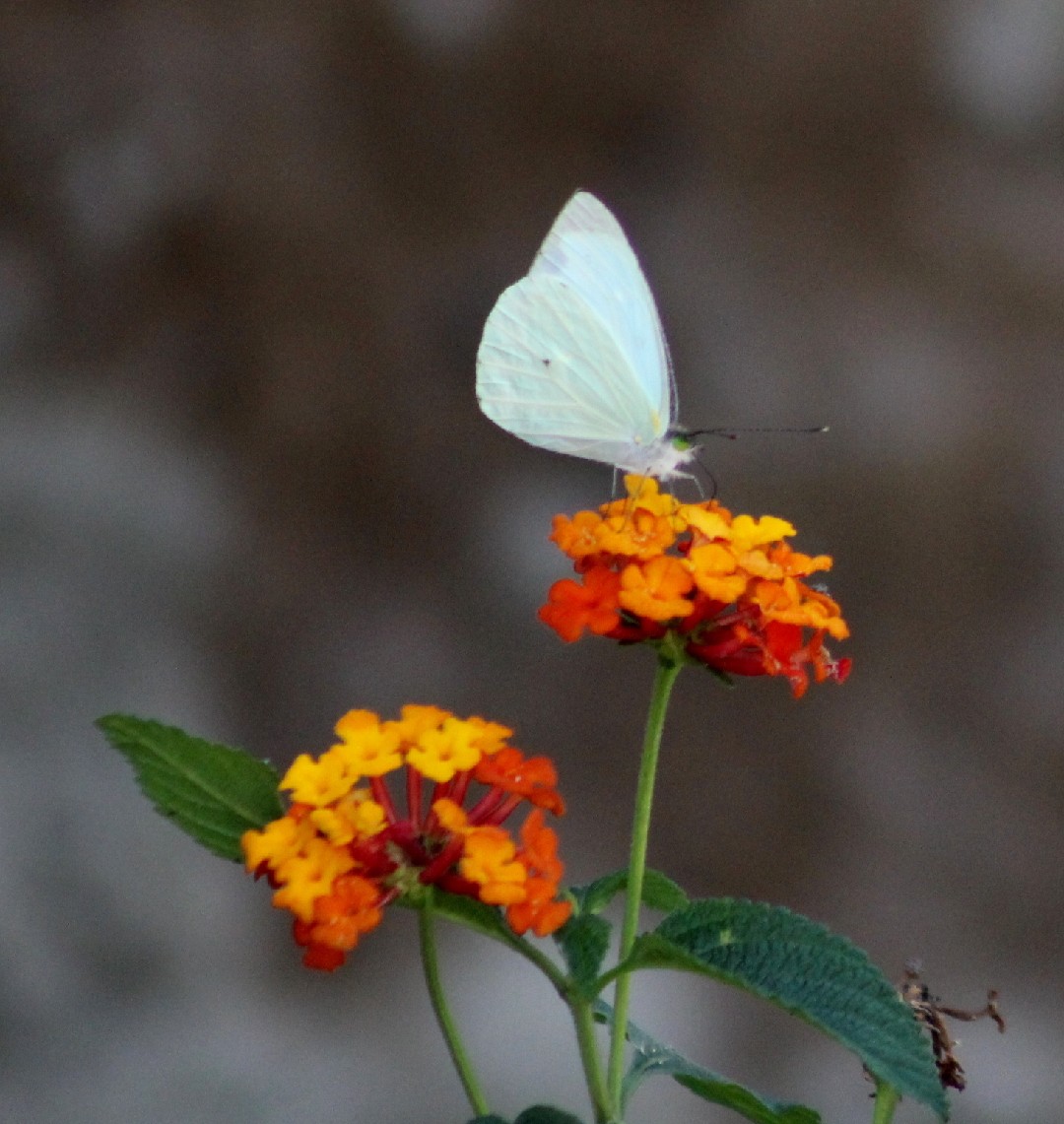
6. Green-eyed white
Leptophobia aripa was described in 1836 by Boisduval.
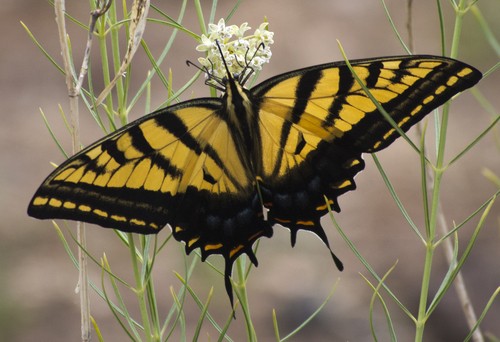
7. Two-tailed swallowtail
The two-tailed swallowtail (Papilio multicaudata) is easily identified with its yellow body and tiger-like stripes. It also has two tails, or spikes, coming off the back of its wings. Also, females are commonly larger and more brightly colored than males. They also have eyespots near the rear of their wings, which fool predators and give them a chance to escape.
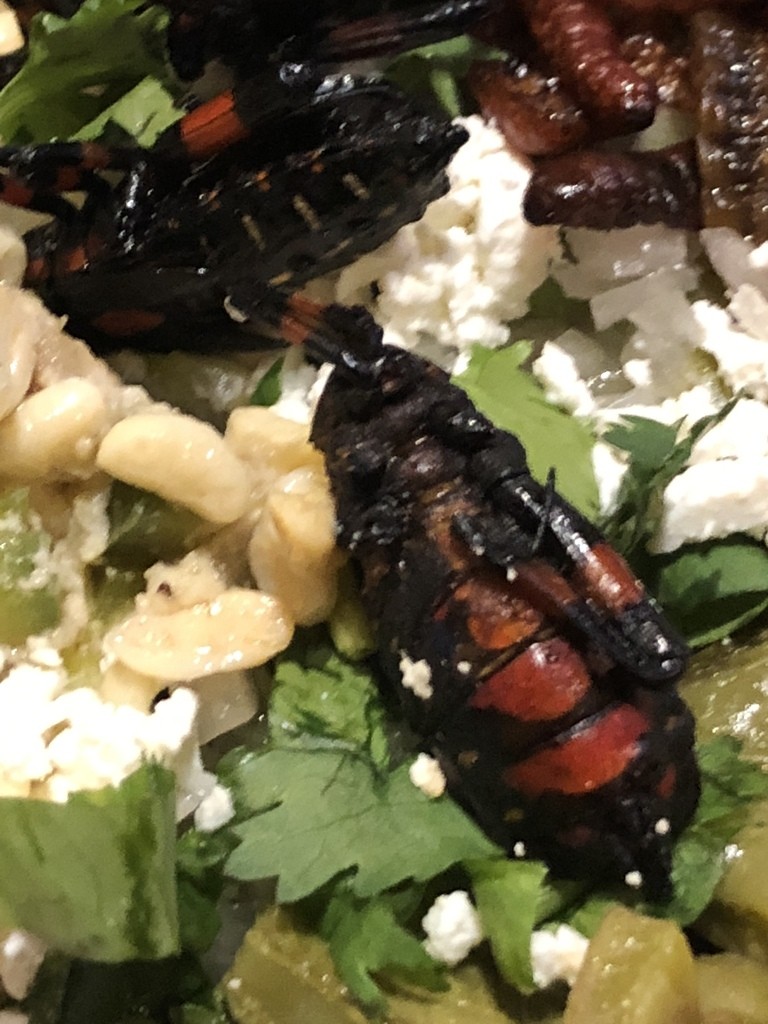
8. Thasus gigas
Thasus gigas is a species of leaf-footed bug in the family Coreidae. It is found in Central America and North America.
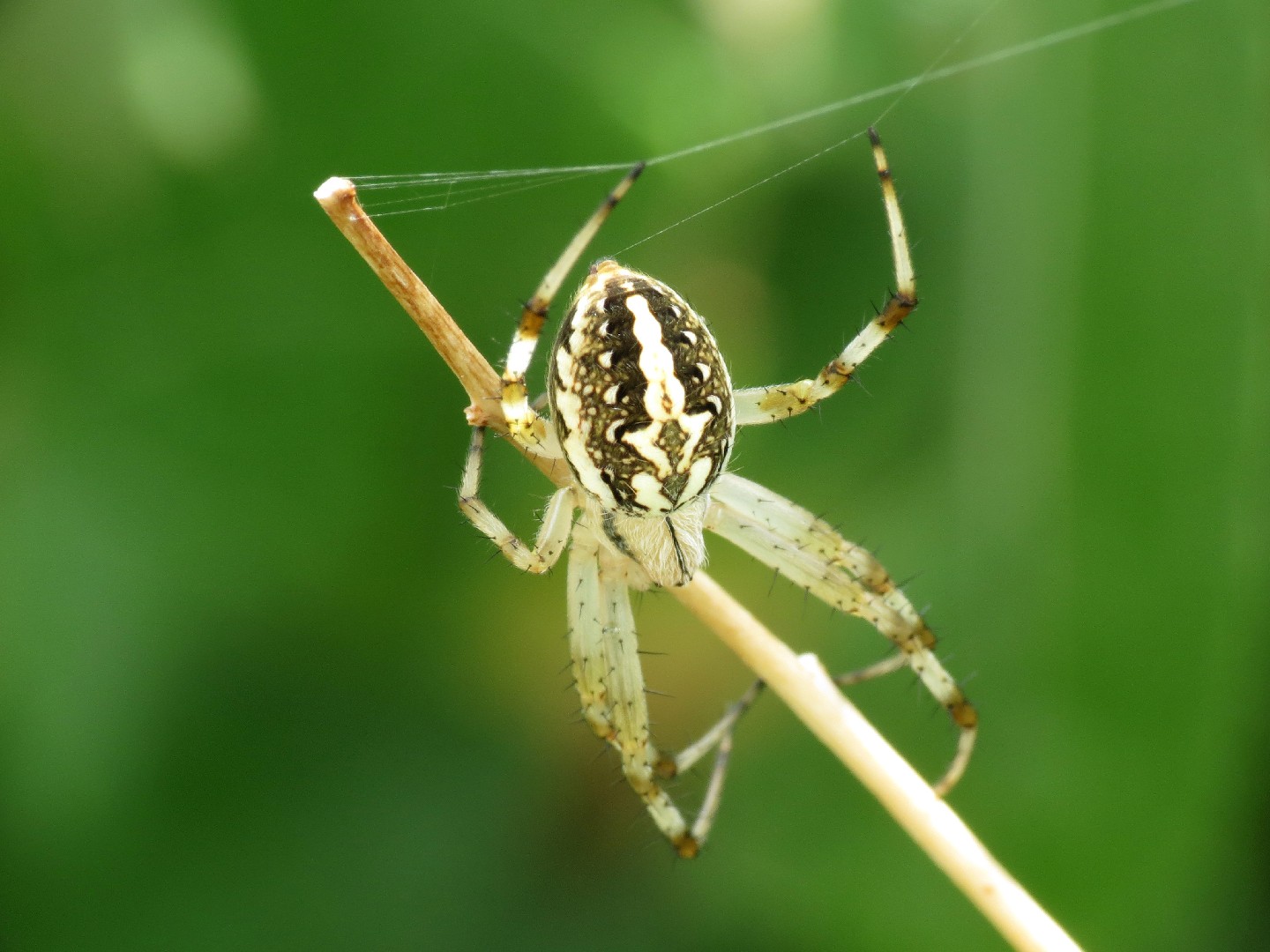
9. Western spotted orbweaver
The western spotted orbweaver (Neoscona oaxacensis) has a large, round abdomen that's brown with white spots. It builds its webs in open areas, making it easy to spot. Its webs are circular like other spiders, but instead of making a stabilimentum web like other orb weavers, its webs are more sporadic and spaced out.
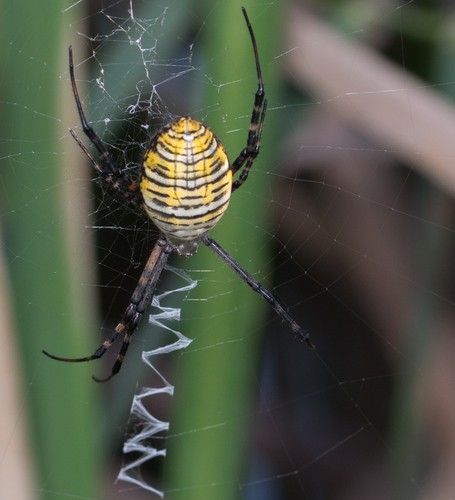
10. Banded argiope
The banded argiope (Argiope trifasciata) can be distinguished by its zebra-striped pattern, with either red and white or black and yellow stripes. It builds orb-shaped webs, and then it waits upside-down in the center of the web for prey to become entangled. The females spend a lot of time guarding their eggs, and they can deliver a painful bite if threatened.
More







