




Top 20 Most Common Insects in Jalisco
Insects, an incredibly diverse group sporting their notable three-part bodies, many legs, and compound eyes, are ubiquitous residents of Jalisco. The variations in geographical landscapes within this region greatly influence insect biodiversity. These tiny critters play an essential role in our ecosystem, acting as both pests disrupting harmony and beneficial agents promoting growth. Join us as we explore the 20 most common insects in Jalisco, understanding their connections to this vibrant state's environments.

Most Common Insects
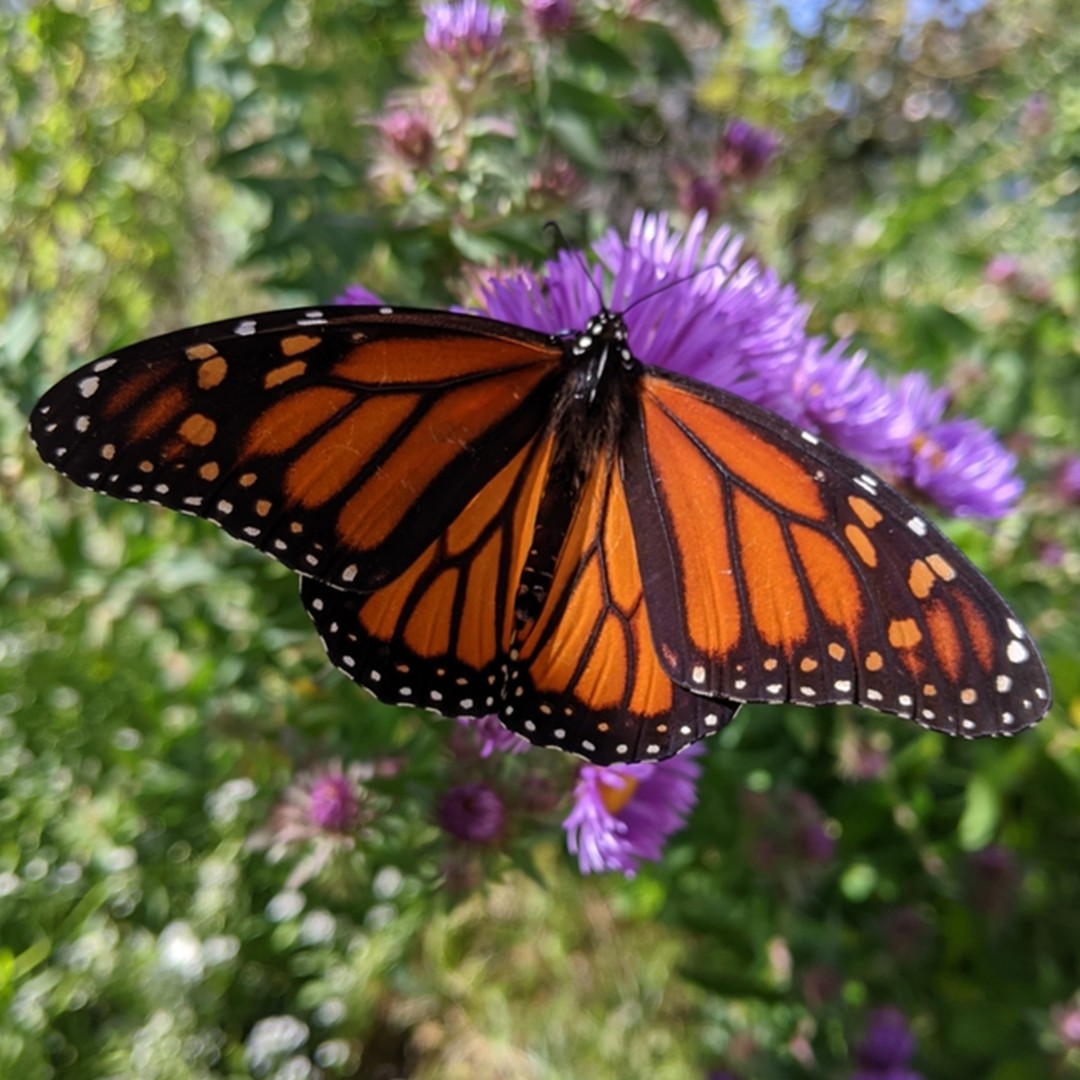
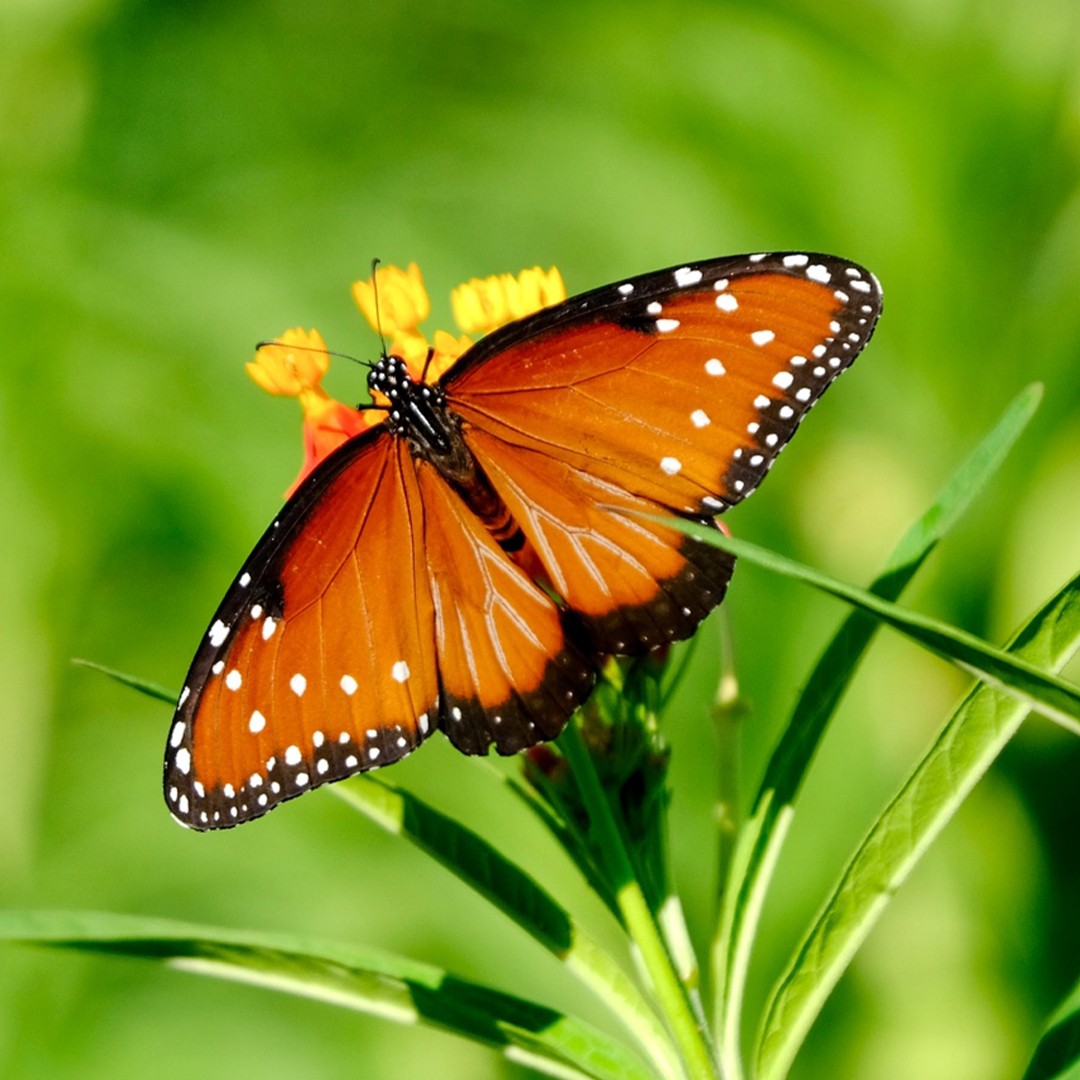
1. Monarch butterfly
The monarch butterfly (Danaus plexippus) is the most recognizable butterfly in North America. It is best known for its appearance, but should be better known for the fact that it has a 3000-mile migration that takes the butterfly 4 generations to complete. Their diet is also a natural deterrent for predators, as they eat milkweed, a poison that induces vomiting.
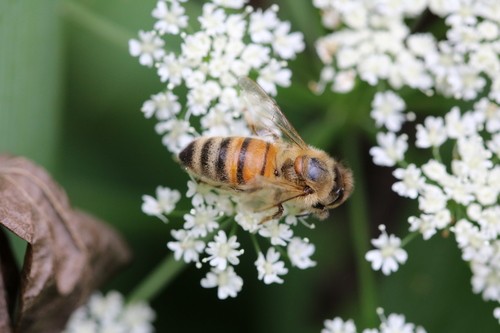
2. Western honey bee
Western honey bee(Apis mellifera) is the most common species of honeybee in the world. Among the first domesticated insects, its cultural and economic impact on humanity has been vast and far-reaching, providing honey, wax and its services as a pollinator. Western honey bee faces challenges worldwide, such as colony collapse disorder, and populations are thought to be decreasing.
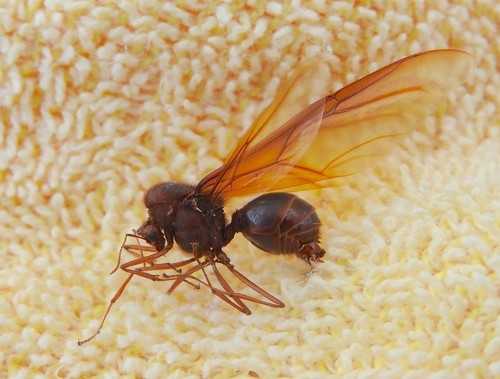
3. Mexican Leaf-Cutting Ant
The Atta mexicana is commonly known as the mexican Leaf-Cutting Ant. They cut leaves into pieces and carry the pieces back to the nests. They don't actually eat leaves. Instead, they use them to grow fungus which is their favorite food. They are notorious destroyers of gardens and orchards, resulting in decreases in crop yields in certain plant species.
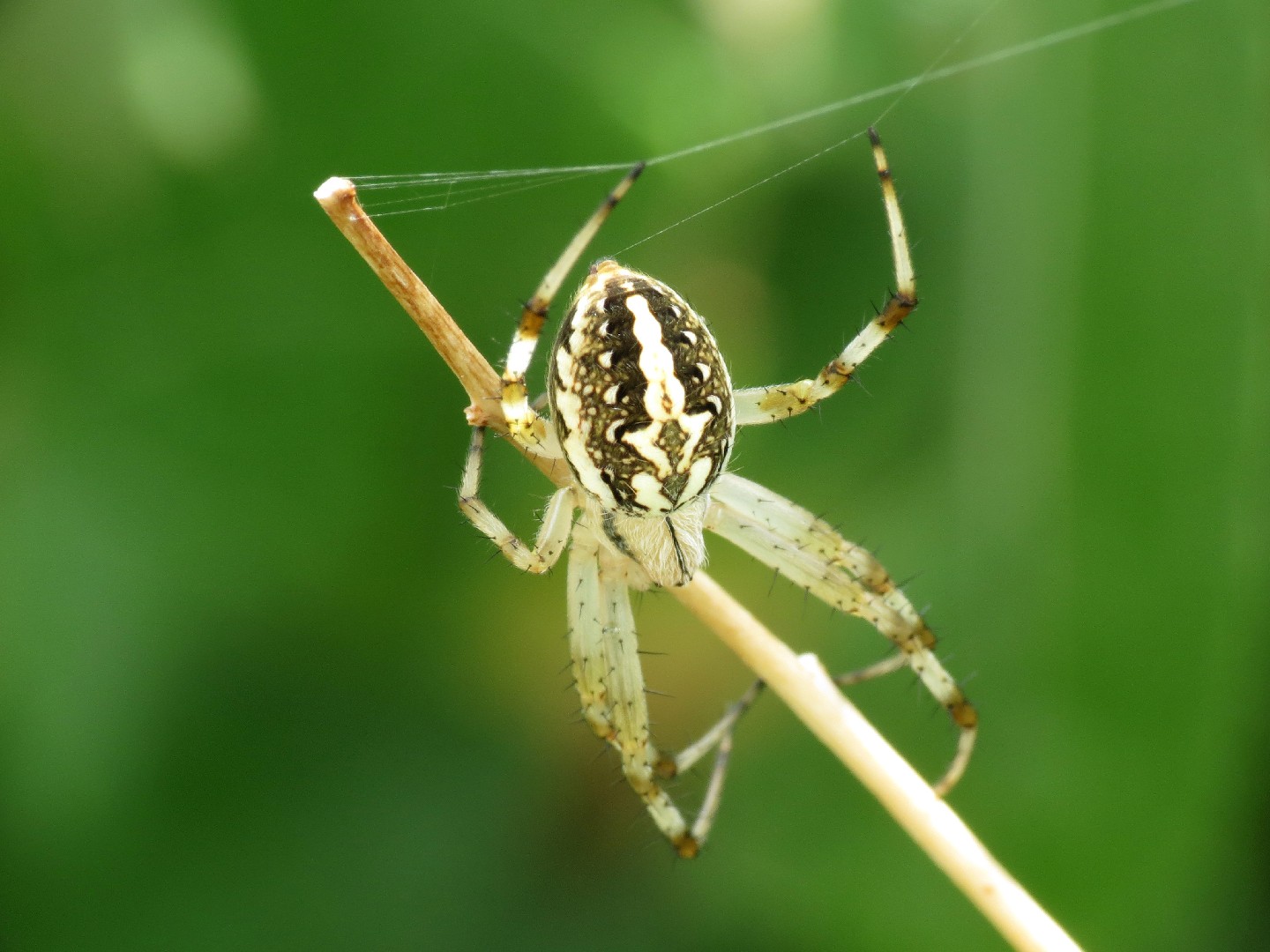
4. Western spotted orbweaver
The western spotted orbweaver (Neoscona oaxacensis) has a large, round abdomen that's brown with white spots. It builds its webs in open areas, making it easy to spot. Its webs are circular like other spiders, but instead of making a stabilimentum web like other orb weavers, its webs are more sporadic and spaced out.
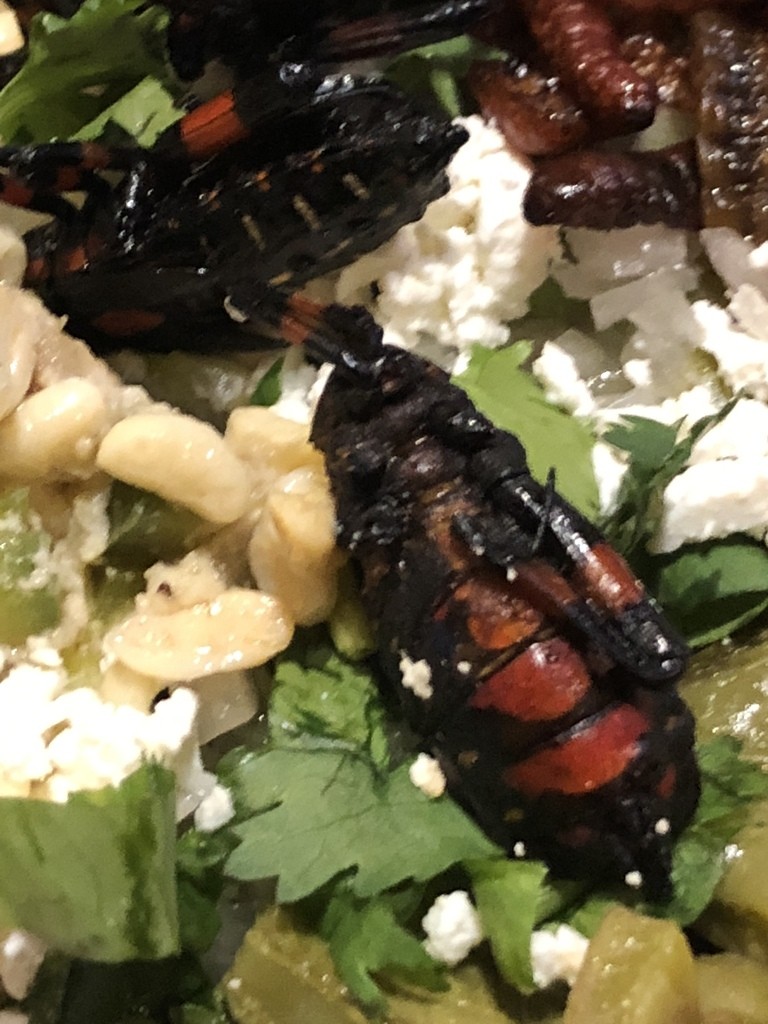
5. Thasus gigas
Thasus gigas is a species of leaf-footed bug in the family Coreidae. It is found in Central America and North America. 
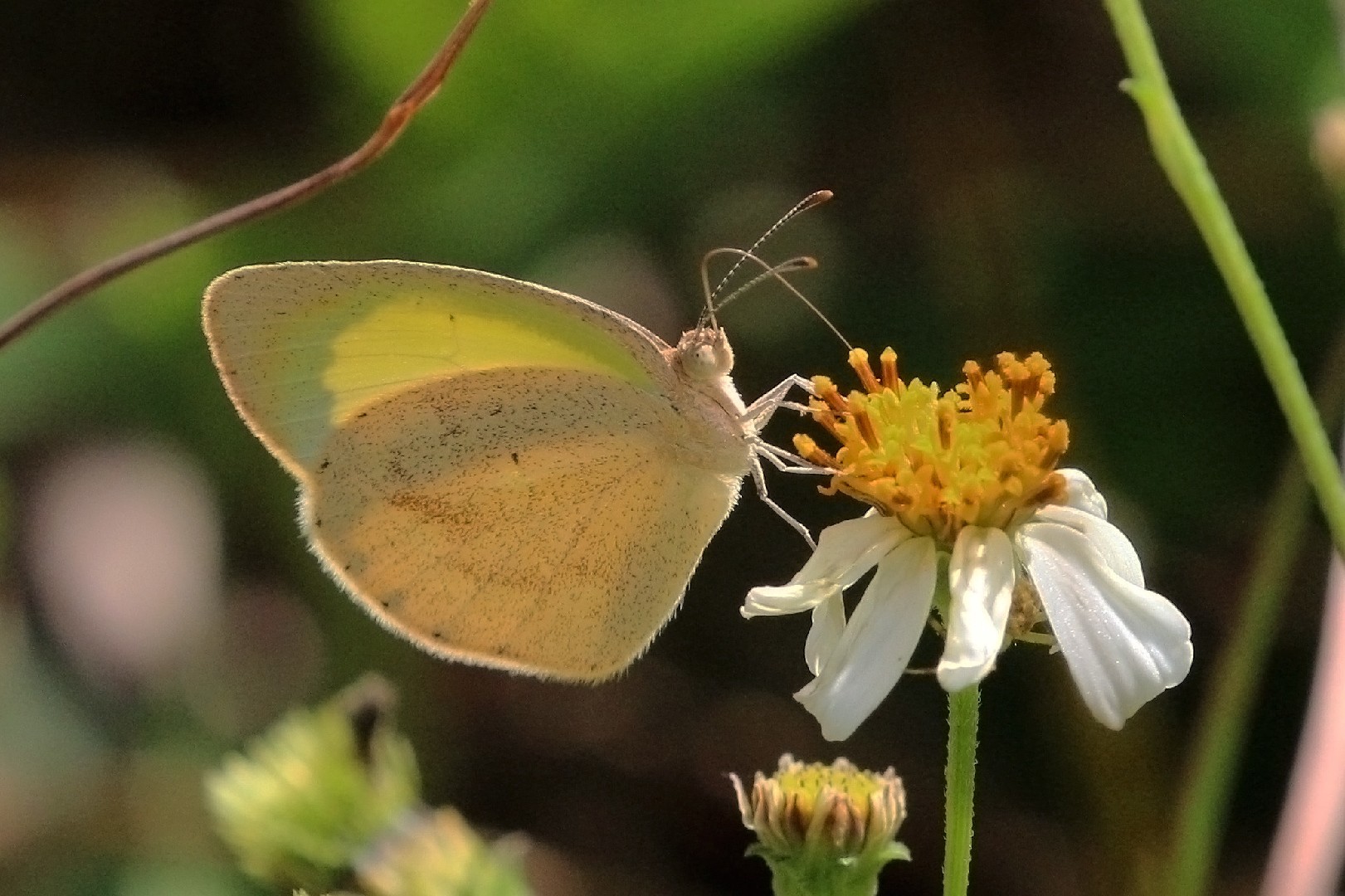
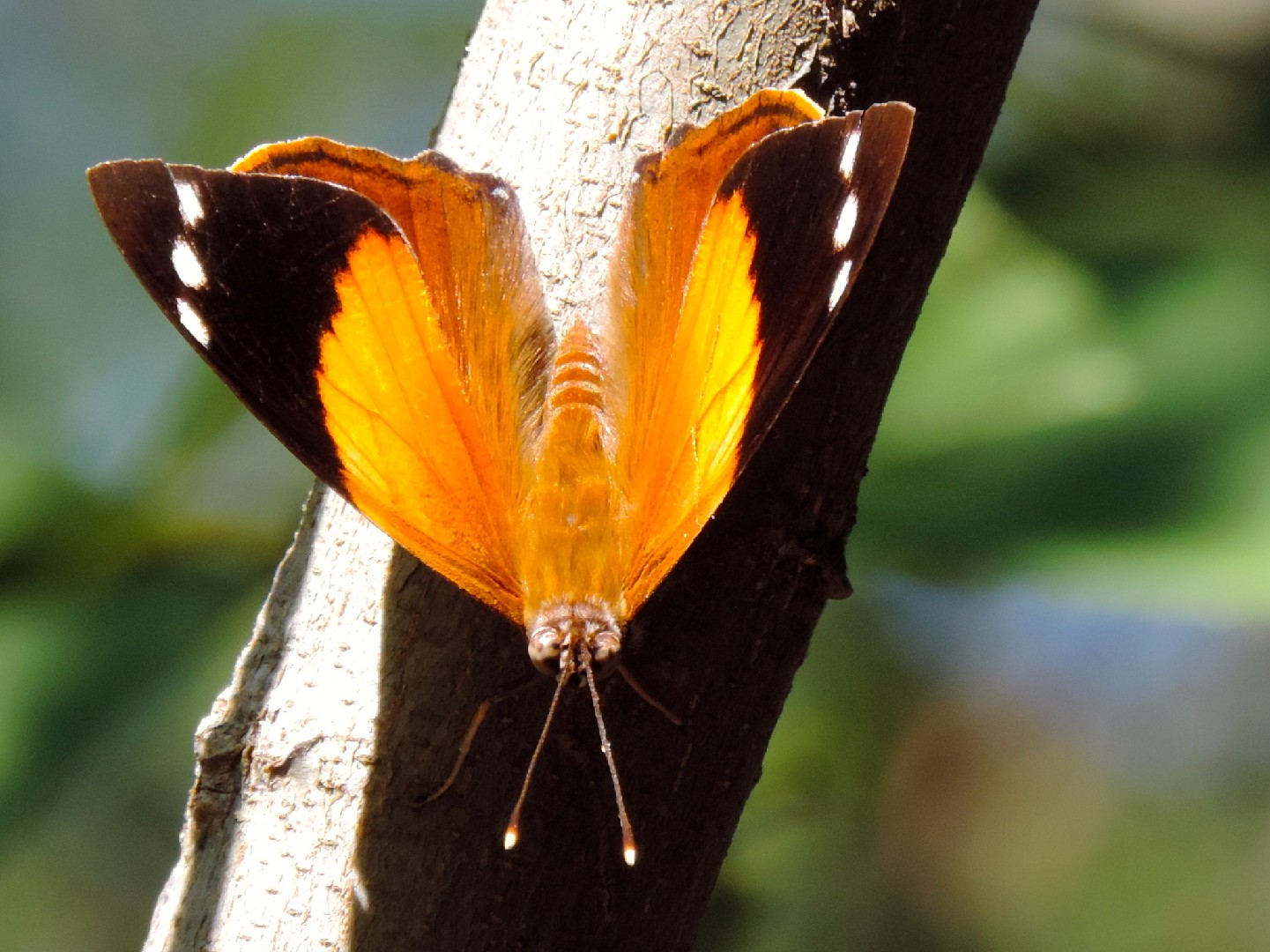
6. Barred yellow
The wingspan is 3 - 4 cm.
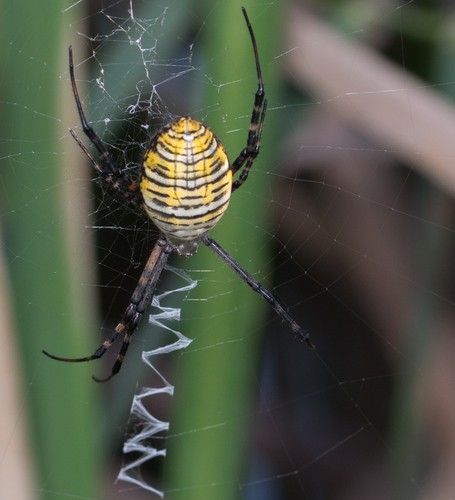
7. Banded argiope
The banded argiope (Argiope trifasciata) can be distinguished by its zebra-striped pattern, with either red and white or black and yellow stripes. It builds orb-shaped webs, and then it waits upside-down in the center of the web for prey to become entangled. The females spend a lot of time guarding their eggs, and they can deliver a painful bite if threatened.
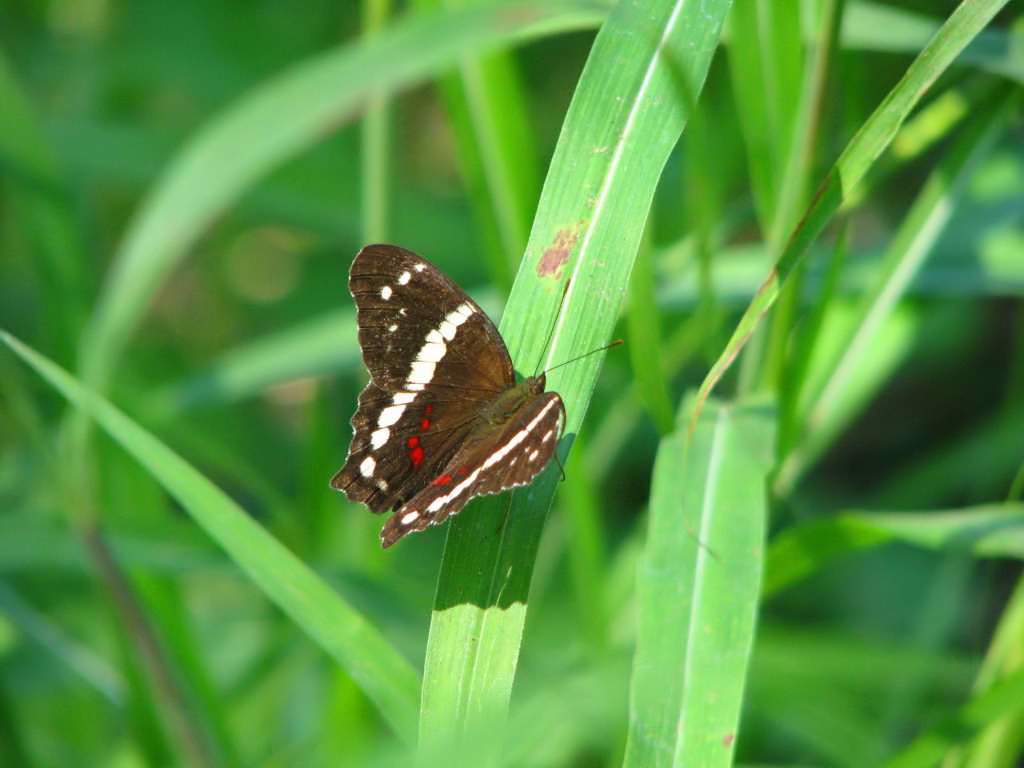
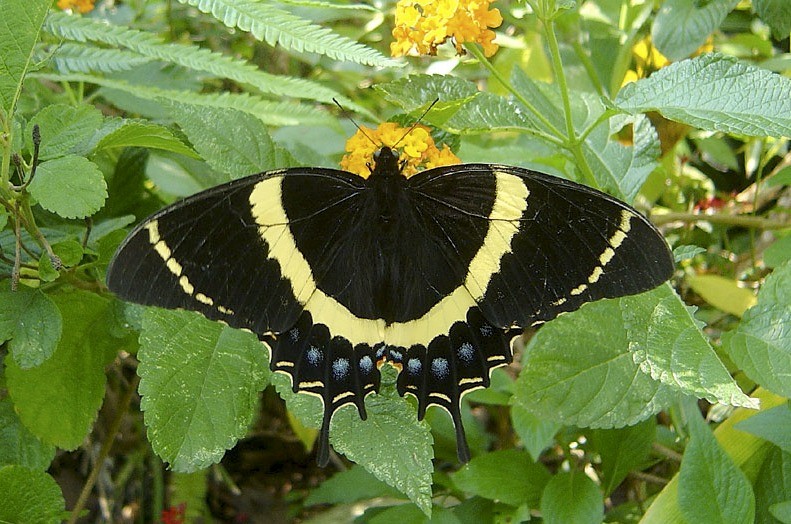
8. Banded peacock
The wingspan of the moths is 60 to 70 millimeters. The basic color of the wings is black-brown to black. On the front wing top, a white, sometimes yellowish bandage extends through the Diskalregion, which continues on the hind wings. Near the apex, some small whitish spots are highlighted. The hind wings show some striking red, sometimes orange spots. The tail at the Analwinkel are very short. All wing bottoms show similar drawing elements as the tops, but these are paler and weaker.
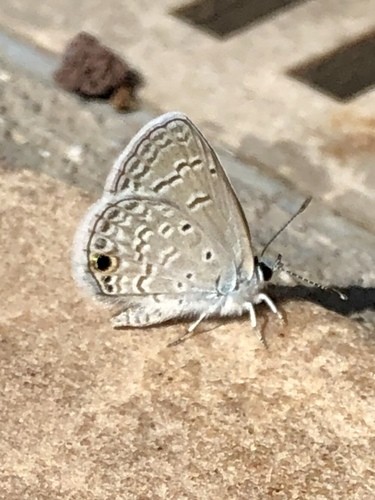
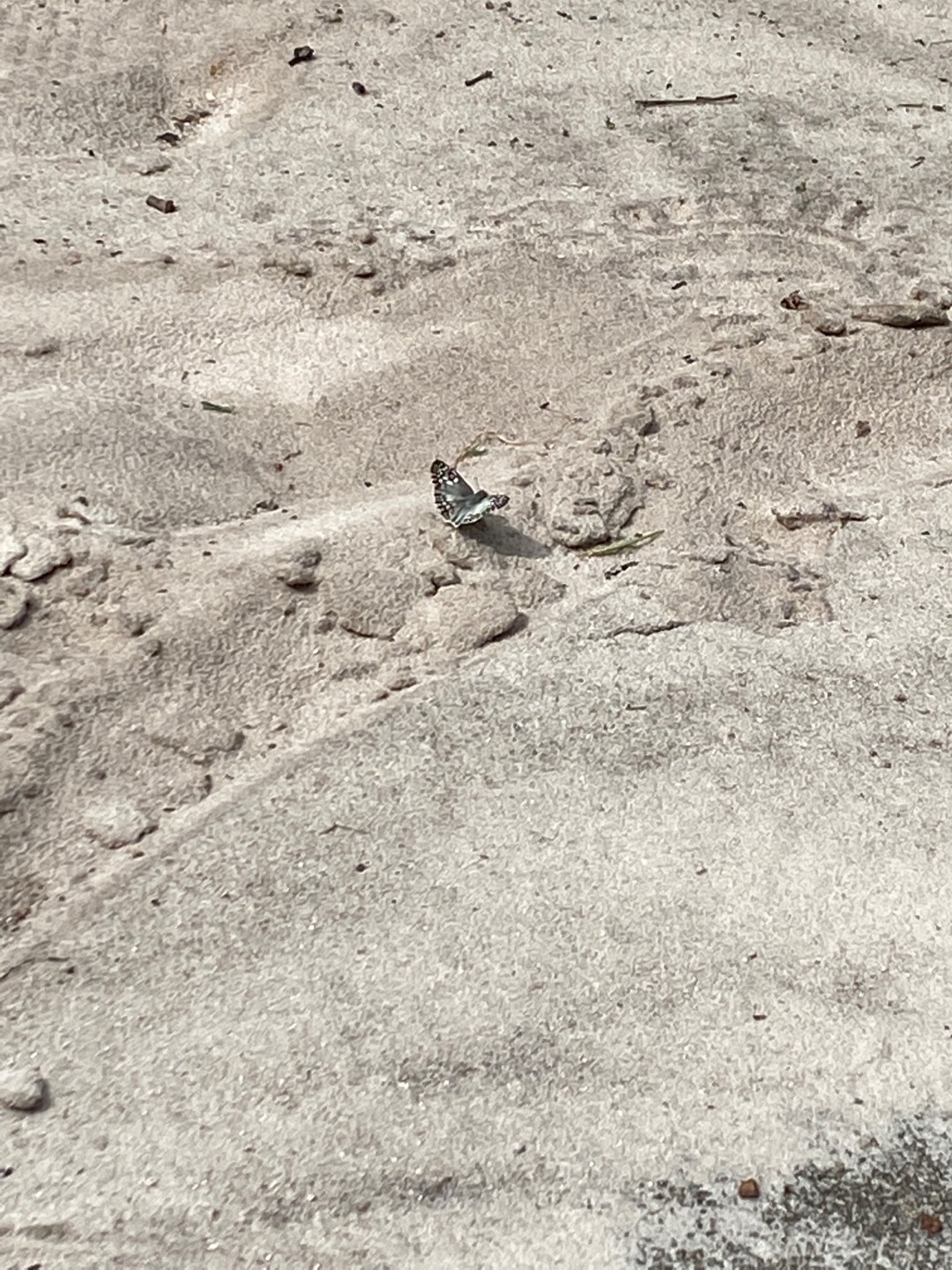
9. Ceraunus blue
The wingspan is 2 - 3 cm. The upperside of the males is light blue with a darker narrow border. Female are dark brown, often with blue wing bases. The underside is gray. Both wings have a row of dark postmedian dashes on the underside.
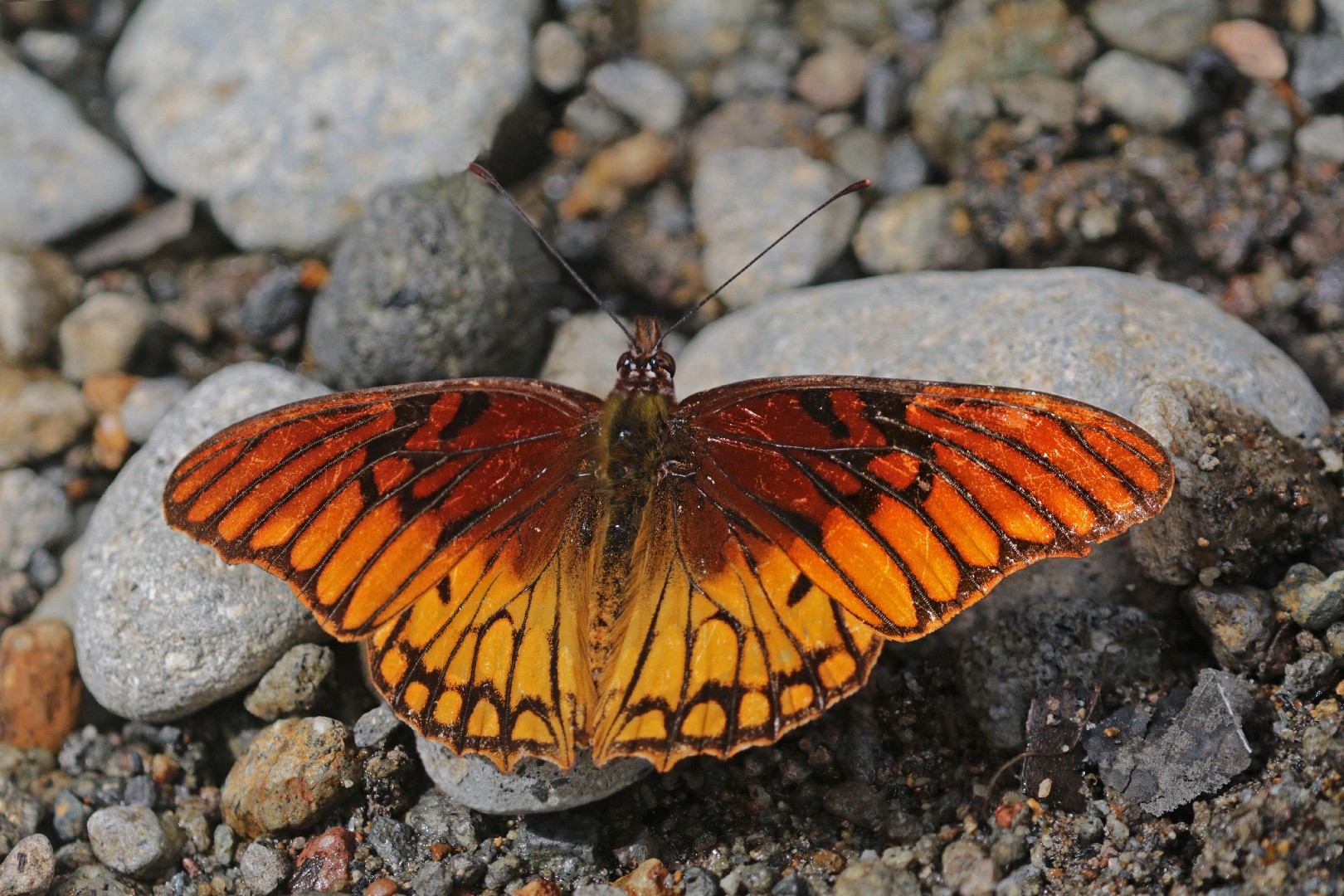
10. Mexican silverspot
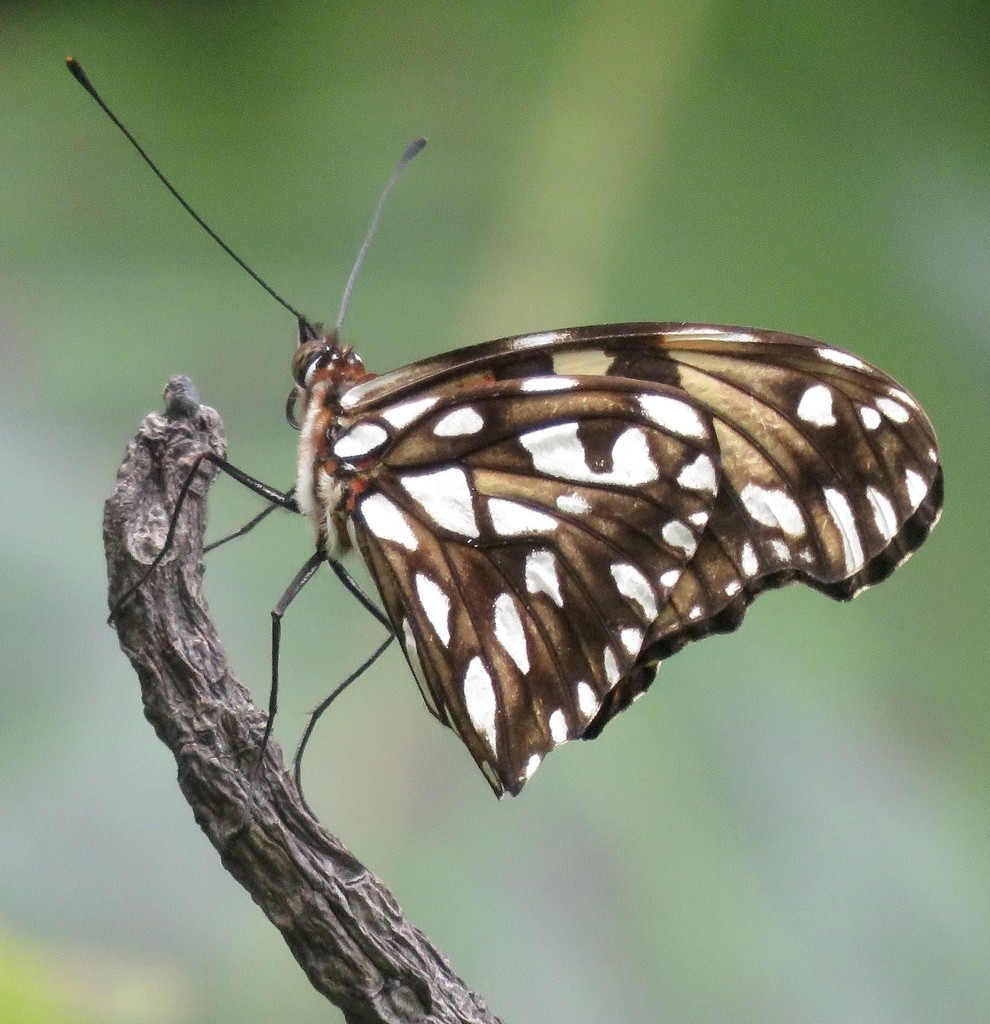
Dione moneta is a butterfly from the Nymphalidae family. The scientific name of the species was first validly published in 1819 by Jacob Hübner.
More







