




Top 20 Most Common Insects in Merida
Insects, marvelous creatures characterized by their six legs, segmented bodies and often dazzling wings, saturate nature's tapestry across Merida. Insect diversity thrives on geographical variations within Merida, from its tropical forests to coastal regions. These mini-beasts, both irritating pests and benevolent pollinators, play pivotal roles in our ecosystem, representing a fascinating, intimate relationship between Merida's unique environments and its insect inhabitants. Stay tuned as we explore the top 20 most common insects in Merida.

Most Common Insects
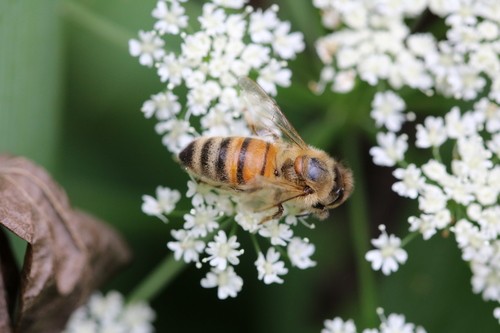
1. Western honey bee
Western honey bee(Apis mellifera) is the most common species of honeybee in the world. Among the first domesticated insects, its cultural and economic impact on humanity has been vast and far-reaching, providing honey, wax and its services as a pollinator. Western honey bee faces challenges worldwide, such as colony collapse disorder, and populations are thought to be decreasing.
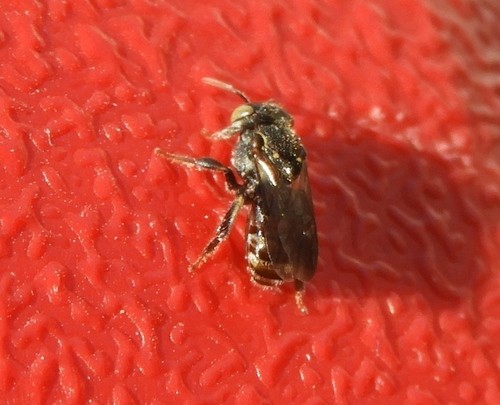
2. Mexican pitted-stingless bee
The Nannotrigona perilampoides is a type of stingless bee that is in the same family as other common honey bees (Apidae). They are most notably known for being involved in an experiment for pollination efficiency for tomato plants in greenhouses. There is still more research needed before they can be considered for this greenhouse pollination. Here's hoping this will eventually result in fewer greenhouse workers being stung.
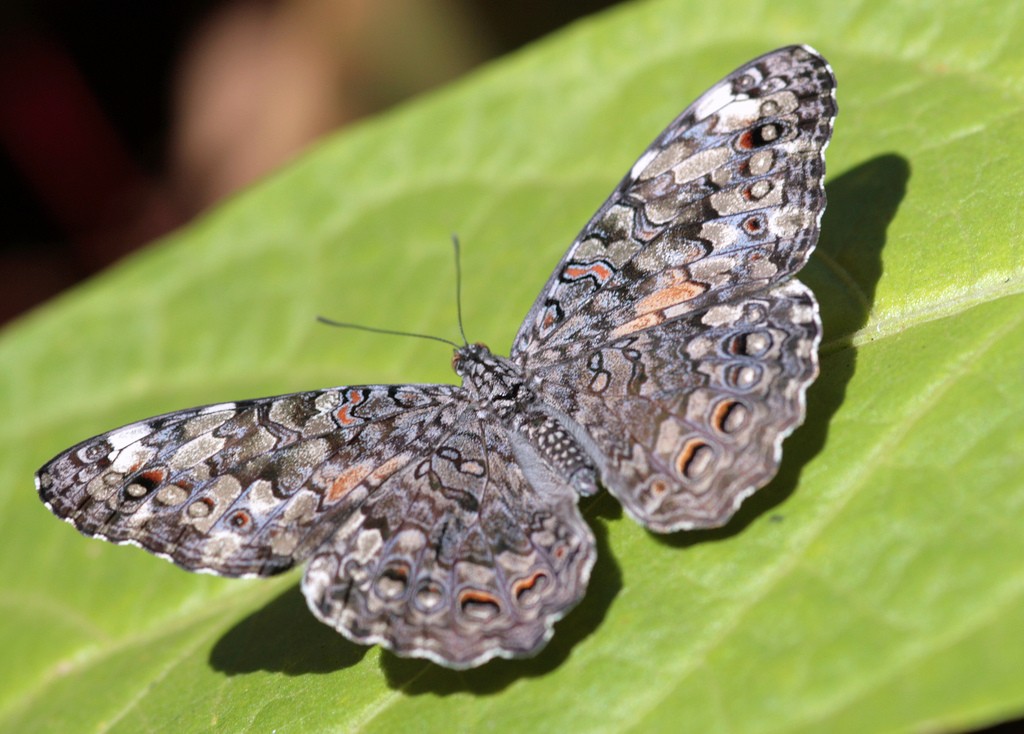
3. Gray cracker
The wingspan is 7 - 9 cm. The upperside is mottled brown and white although there is some red in the forewing cell bar. The hindwing eyespots have orange scales preceding black crescents. The underside of the hindwings is white and the submarginal eyespots are composed of a brown ring around a black crescent in a white center. 
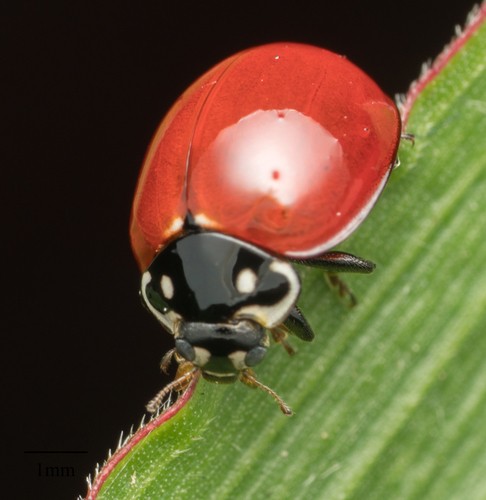
4. Spotless ladybird
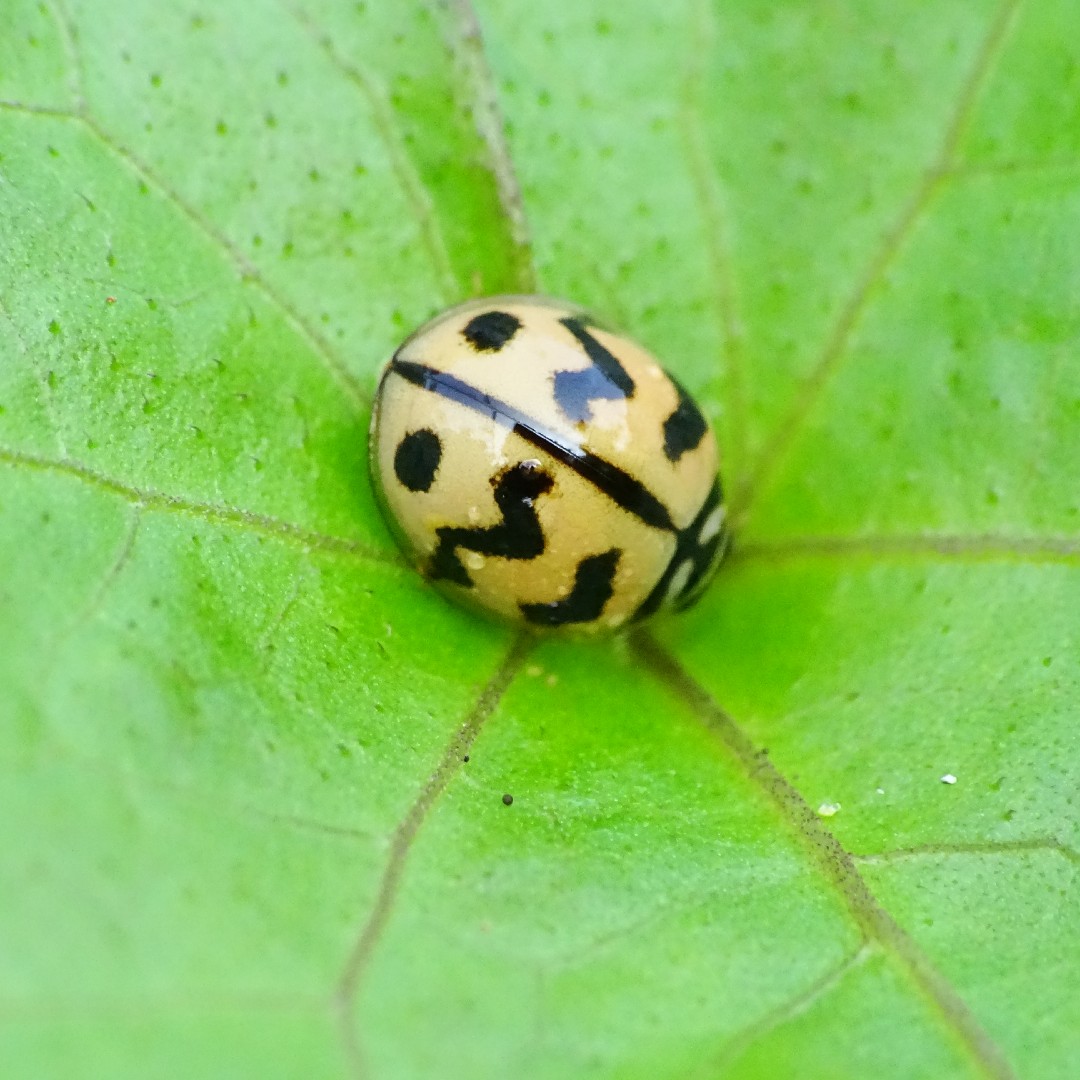
The spotless ladybird (Cycloneda sanguinea) is a red ladybug with no spots at all. Like similar species, these insects feed on aphids. They're primarily seen on milkweeds, but they can sometimes be found on other plants too. The pupae are capable of "biting" potential predators, which is a characteristic known as a "gin trap".
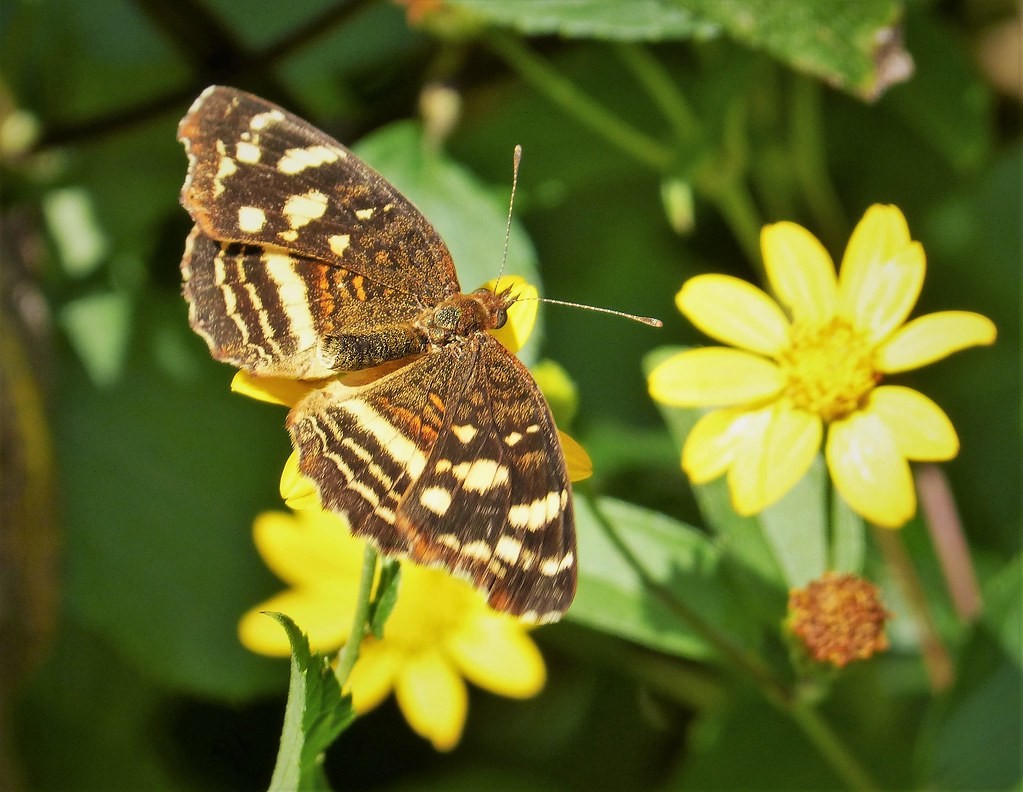
5. Pale-banded crescent
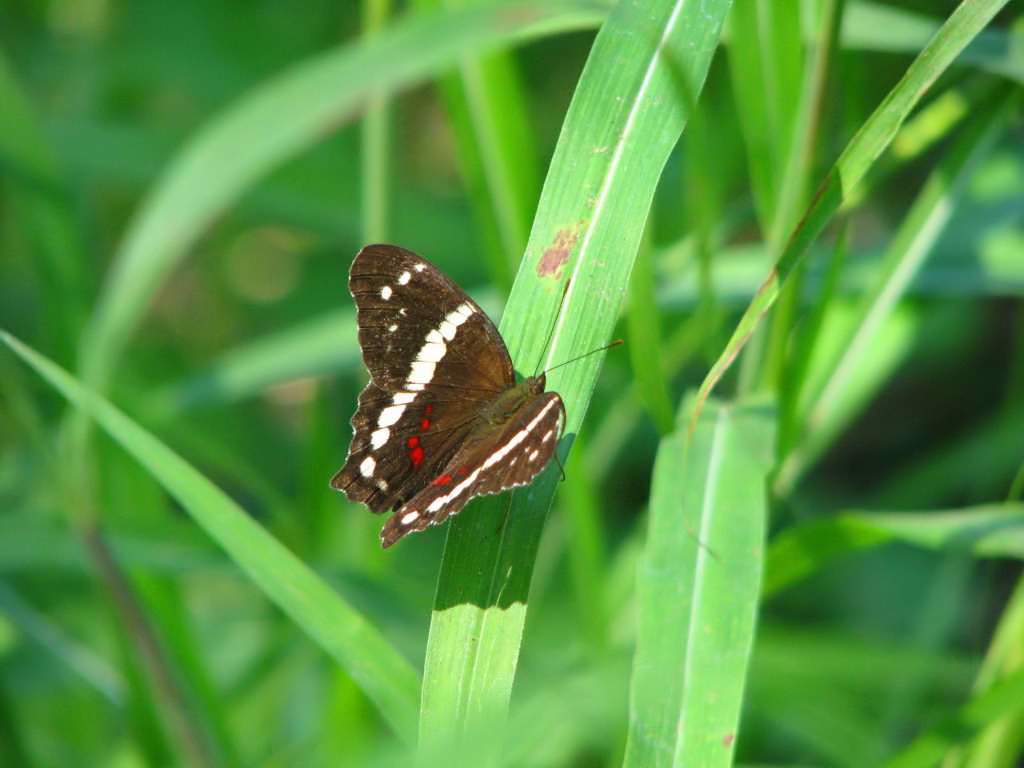
Anthanassa frisia, the Cuban crescentspot, Cuban checkerspot or Cuban crescent, is a butterfly of the family Nymphalidae. Subspecies tulcis is known by the common names pale-banded crescent or Tulcis crescent; it is treated as a species by some authors. The nominate subspecies is found in the West Indies and southern Florida, with strays to northern Florida. Subspecies tulcis is found from Argentina north through Central America and Mexico to southern Texas, strays to west Texas and southern Arizona. Other subspecies are resident to South America. The wingspan of subspecies frisia is 32–45 mm. Adults are on wing most of the year in southern Florida and throughout the year in the tropics. Subspecies tulcis has a wingspan of 32–35 mm. Adults are on wing from May to November in southern Texas. Larvae of subspecies frisia feed on Beloperone guttata, while tulcis larvae have been recorded on Dicliptera species. Other recorded food plants include Ruellia species. Adults feed on flower nectar.
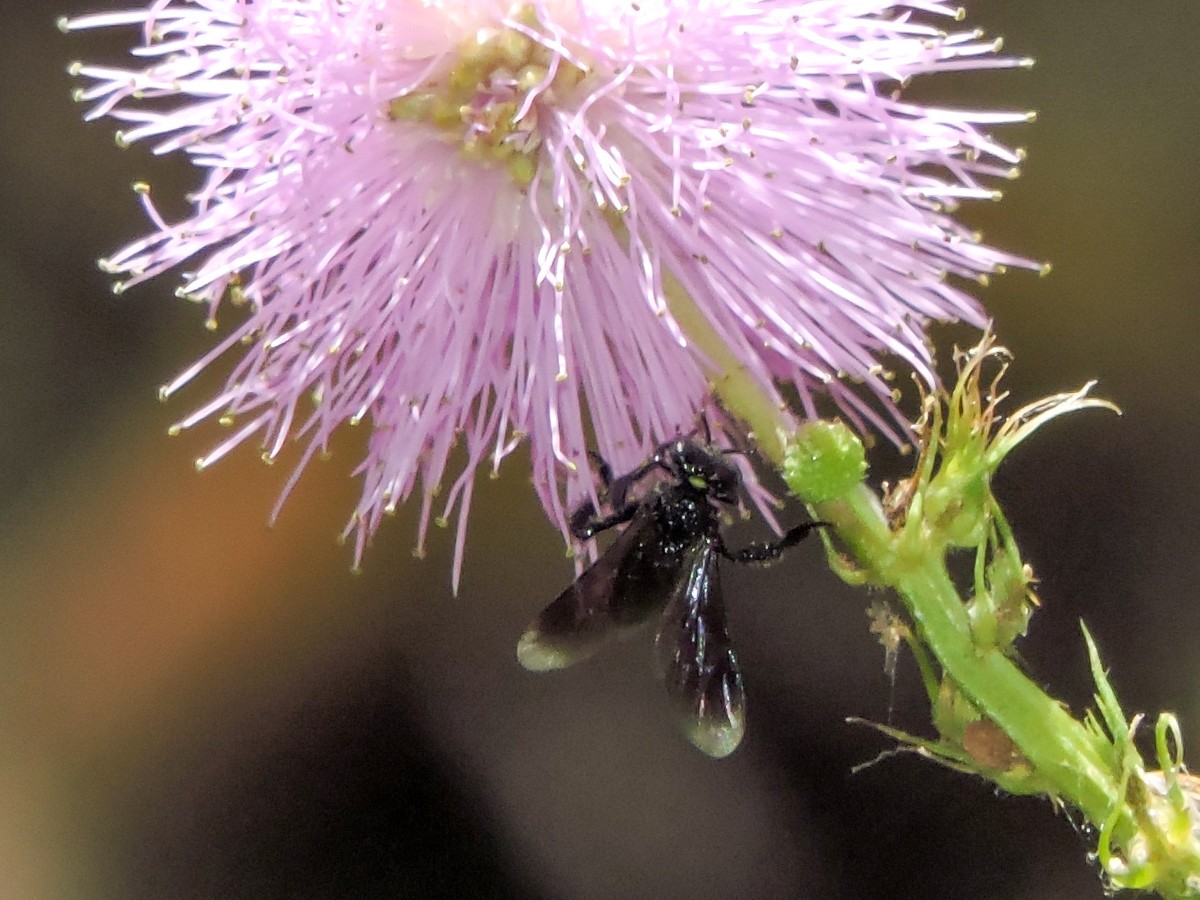
6. Black slender-stingless bee
The Frieseomelitta nigra is a type of stingless bee that is grouped together with honey bees. These are identified by typically being entirely black with a cloudy section at the end of their wings. Stingless bees typically have no or little stingers that are too small to use for defense.
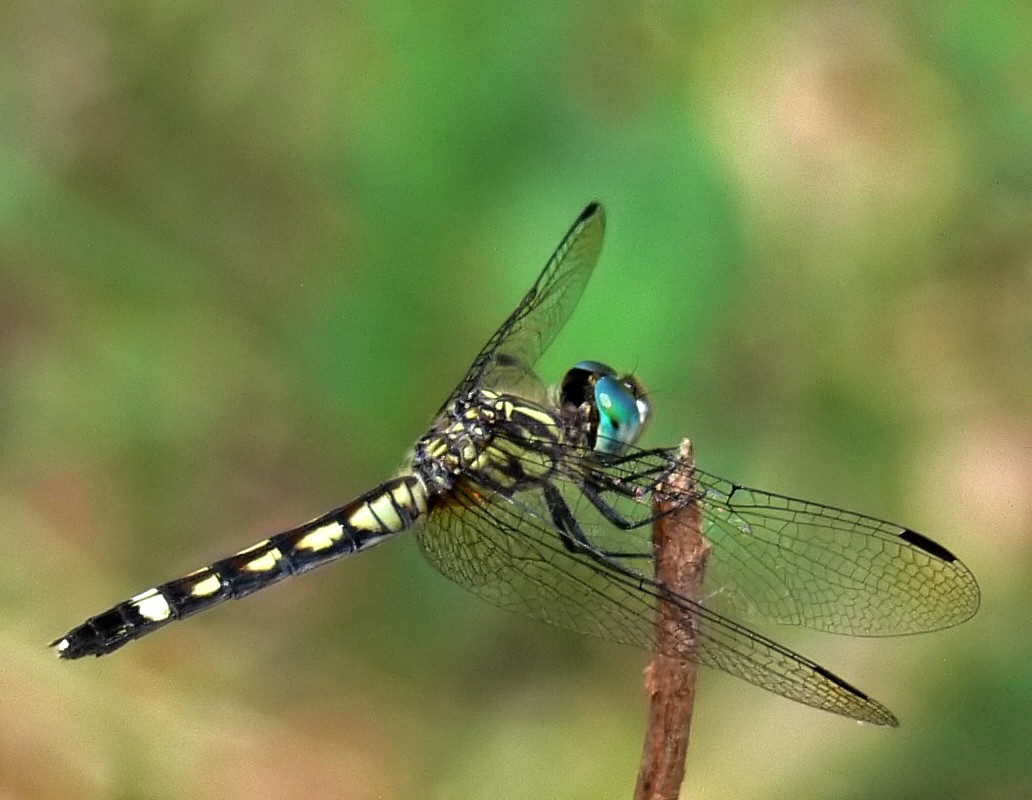
7. Thornbush dasher
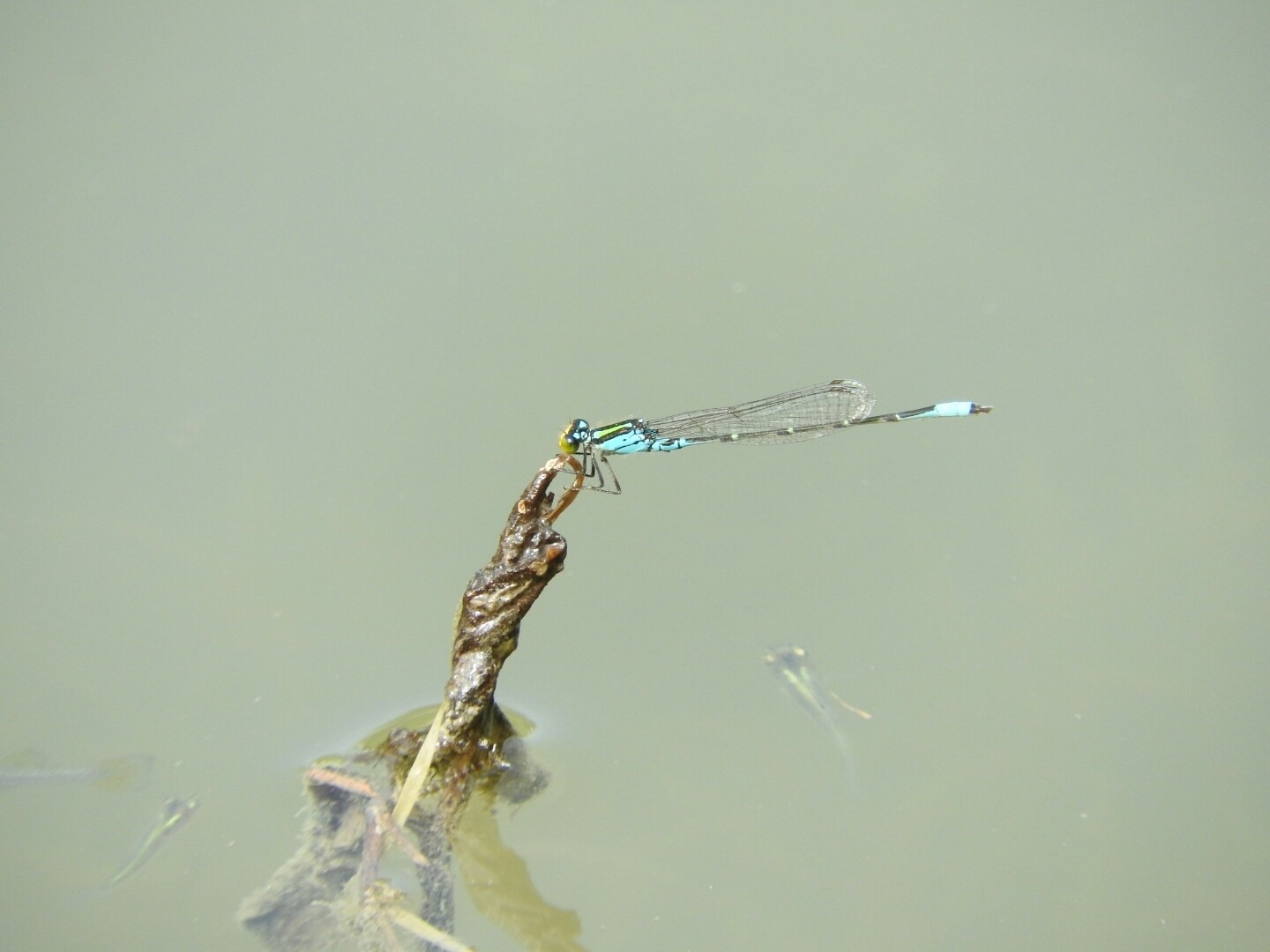
Micrathyria hagenii is a species of dragonfly from the subfamily Brachydiplacinae. It is from Panama via Mexico and the West Indies to the US states of Arkansas and Texas. The scientific name honors the German entomologist Hermann August Hagen.
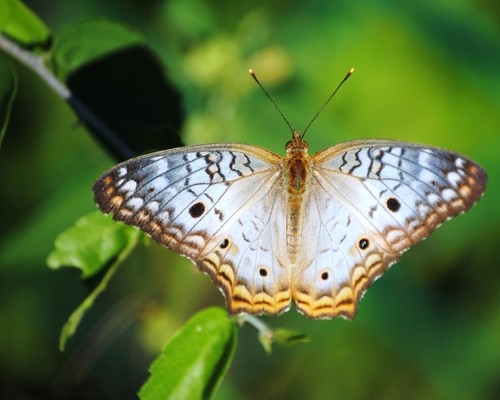
8. White peacock
The wingspan of the moths is 51 to 70 millimeters. The basic color is whitish. On the forewings there is a black, circular spot near the inner angle. At the front edge, two to three oblong, yellow-brown spots stand out. The Submarginalregion is also yellow-brown colored and crossed by dark lines. On the hind wings are two more small, black, circular spots near the tawny and dark-colored submarginal region. A short tail is more or less strong. The wing underside shows similar drawing elements as the top, but these are paler and weaker pronounced.
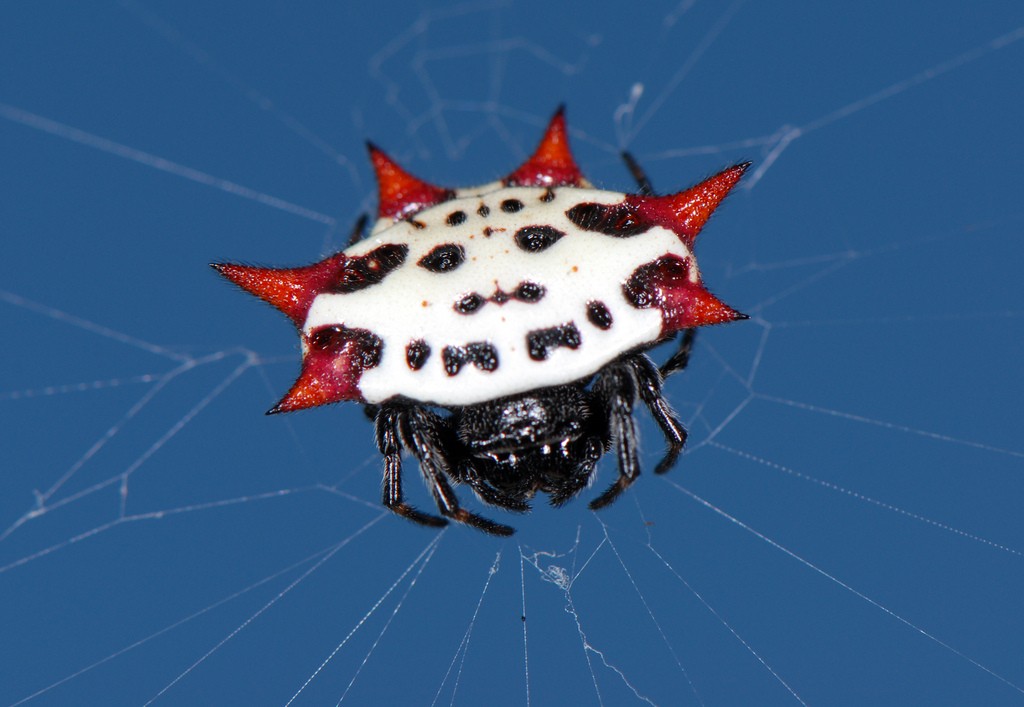
9. Spinybacked Orbweaver
The spinybacked Orbweaver (Gasteracantha cancriformis) has a crab-like structure with six spines on its abdomen. The color of this species varies based on where it lives, and the colors are usually red, orange, yellow, or white. Males and females communicate by creating patterns of vibration on their webs.

10. Mexican honey wasp
B. mellifica is one of the few species of wasps that produces honey. It is also considered a delicacy in some cultures in Mexico. It is thought that this wasp may be useful for humans as a pest control and as an avocado pollinator.


More







