




Top 18 Most Common Insects in Mozambique
Insects, with their diverse shape, size, and habits, are an integral part of Mozambique's ecosystem. Their types can vary due to geography, climate, and human intervention, making for a fascinating study of 18 most common bugs. Acknowledging the connection between nature and its residents - from pests to pollinators - will illuminate the significant role insects play in Mozambique's biodiversity.

Most Common Insects
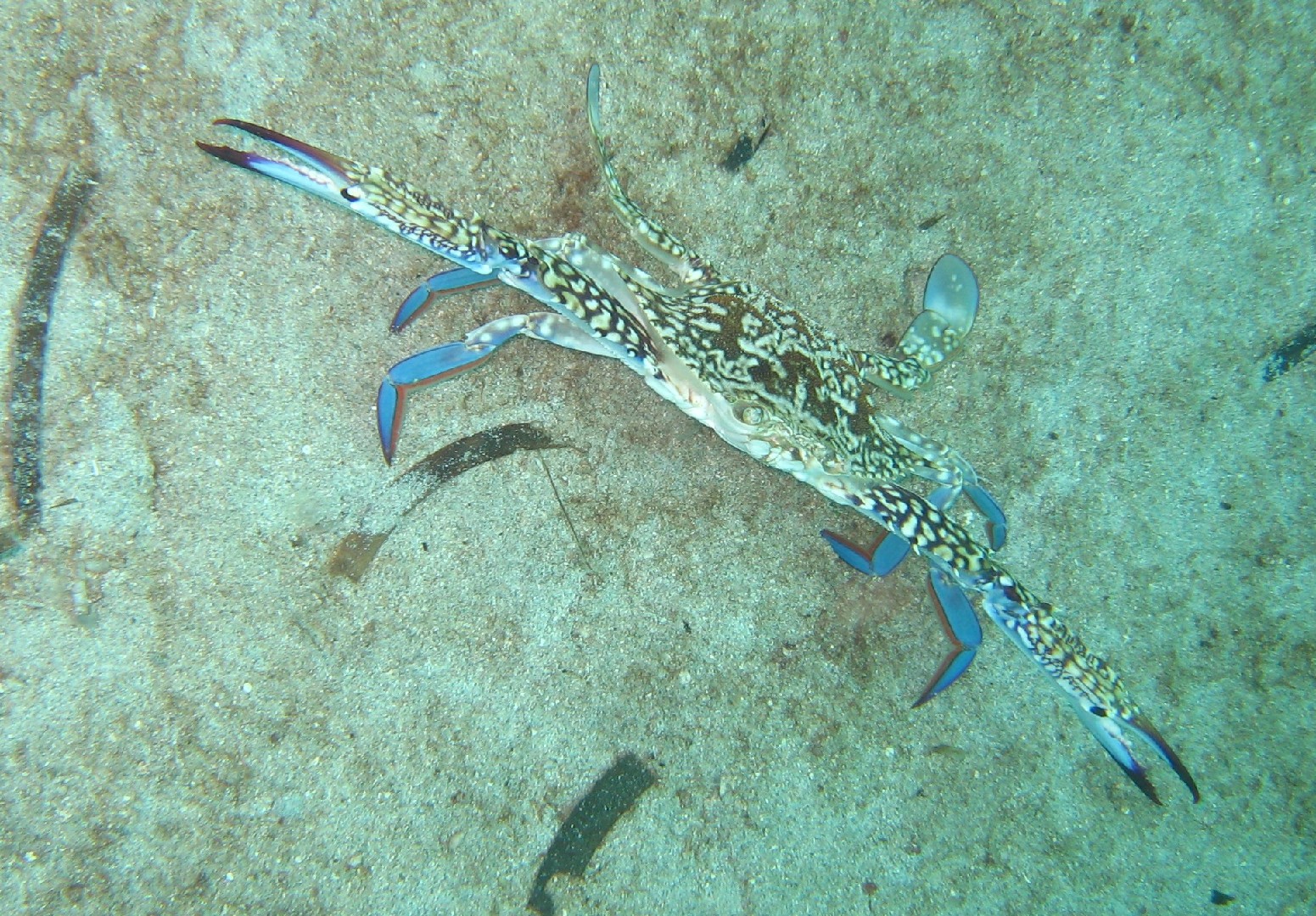
1. Portunus armatus
Portunus armatus (Portunus pelagicus) is widely consumed as a delicacy throughout the Indo-Pacific region, where it holds great commercial importance. Males are believed to become increasingly territorial in colder waters, which leads to comparatively lower densities; conversely, females cluster in such areas.
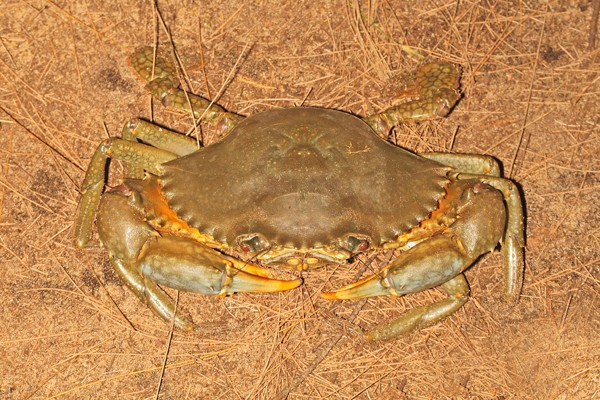
2. Mud crab

3. Citrus swallowtail
Papilio demodocus , also known under the English name Citrus Swallowtail ("Citrus Swallowtail"), is a butterfly from the family of the knight butterflies (Papilionidae).

4. Danaid eggfly
The danaid eggfly (Hypolimnas misippus) is a unique butterfly where females tend to have a strong advantage. Males are identified by being blackish with white spots. Females exhibit polymorphism, or the ability to have multiple forms. This means that they can resemble males in some cases, but also resemble toxic butterflies like the Monarch butterfly.
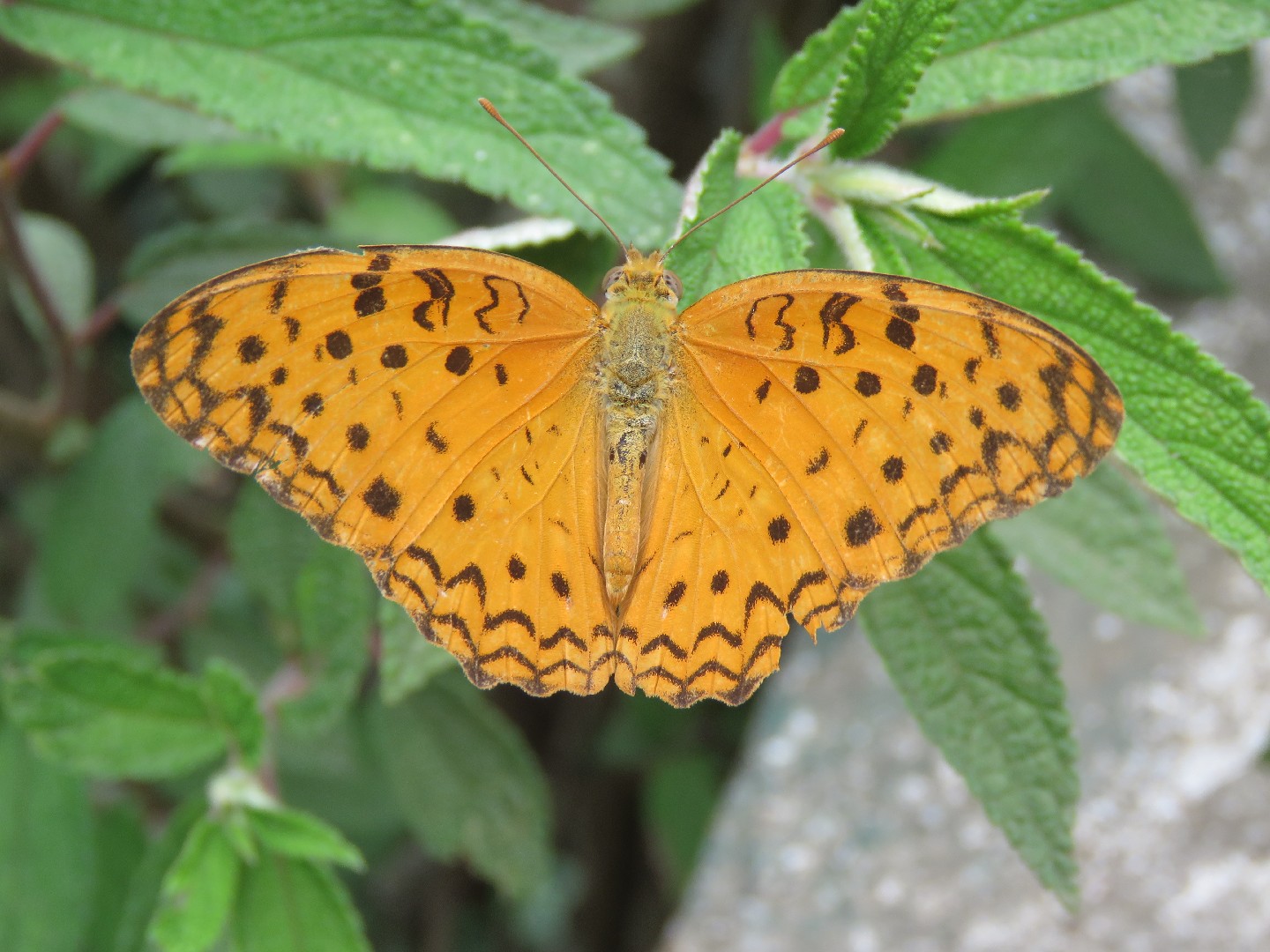
5. Spotted rustic
The spotted rustic is a medium-sized butterfly with a wingspan of 5 - 6 cm with a tawny colour and marked with black spots. The underside of the butterfly is more glossy than the upper and both the male and female are similar looking. A more prominent purple gloss on the underside is found in the dry-season form of this butterfly. Male aud female. Upperside bright yellowish-ochreous. Forewing with two black short slender sinuous bars across middle of the cell, a similar darker pair at its end, followed beyond by a short broad sinuous streak from the costa to the lower radial, and is then succeeded below the cell by an inwardly-oblique series of four irregular-shaped spots, and beyond by a medial-discal transverse row of similarly disposed narrow spots, an outer-discal row of round spots, then an inner submarginal sinuous line, confluent with an outer straight line, and a marginal row of triangular spots. Hindwing with a slightly-defined slender black lunule within the cell, two before its end, and two also above it; a transverse inner-discal irregular series of slender lunules which are slightly pale bordered externally; a medial-discal row of four larger black oval spots, two submarginal sinuous slightly confluent lines, and marginal triangular spots. Underside paler, and with all the markings, as on upperside much less defined; the interspaces of cell-bars and outer markings suffused with violet-grey, and the inner-discal series outwardly bordered with greyish lunules. In some specimens, presumably dry-season, all the markings on the upper and underside are less prominent. Body and palpi above yellowish-ochreous; beneath and also femora beneath greyish-white; tibia and tarsi pale ochreous; antennae ochreous-brown. 
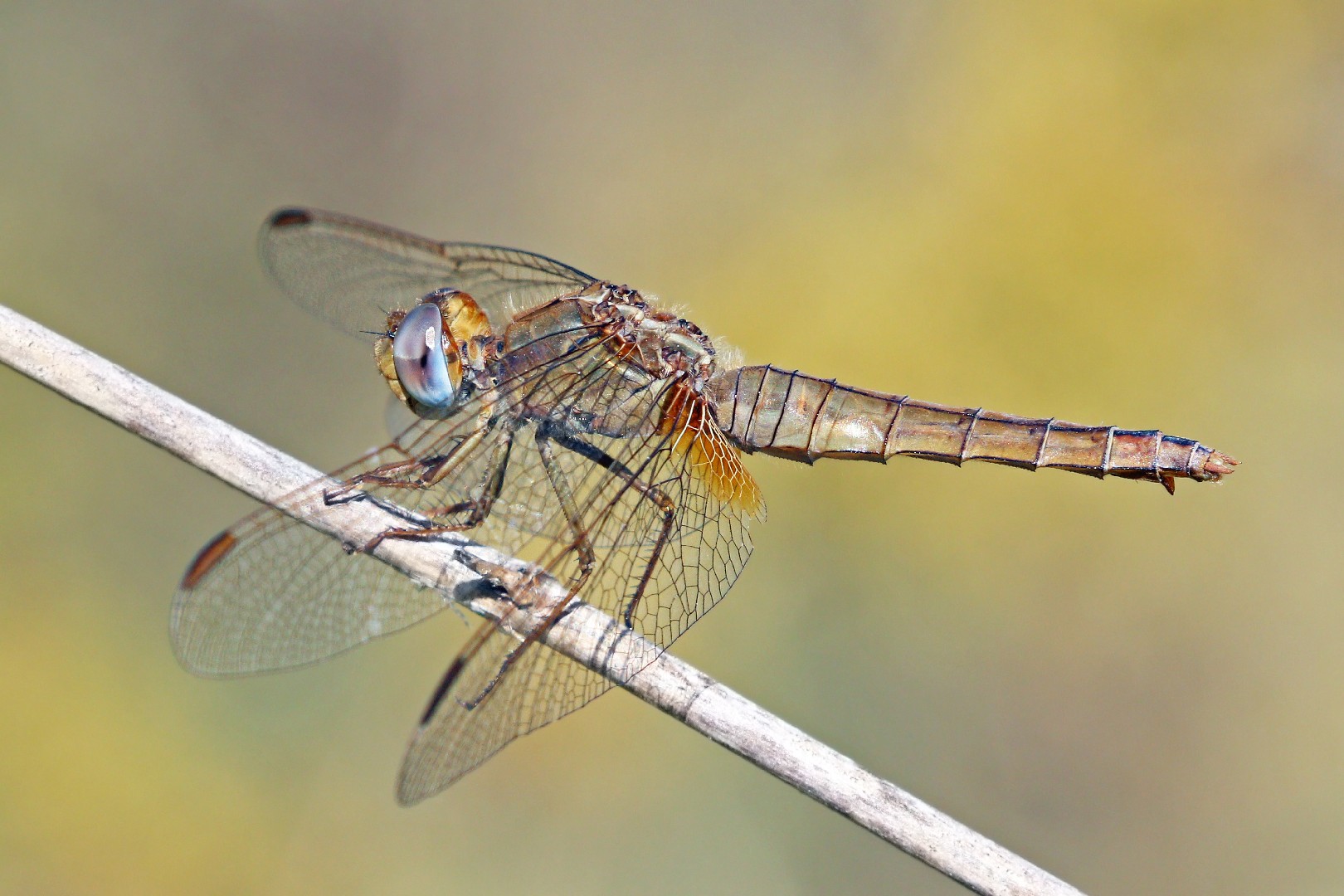
6. Scarlet dragonfly
Crocothemis erythraea can reach a length of 3.5 - 4.5 cm. These dragonflies haves a flattened and rather broad abdomen. The adult male scarlet dragonfly has a bright scarlet red, widened abdomen, with small amber patches at the bases of the hindwings. Also the veins on the leading edges of the wings are red. Females and immatures are yellow-brown and have a conspicuous pale stripe along the top of the thorax.
7. Lucia widow
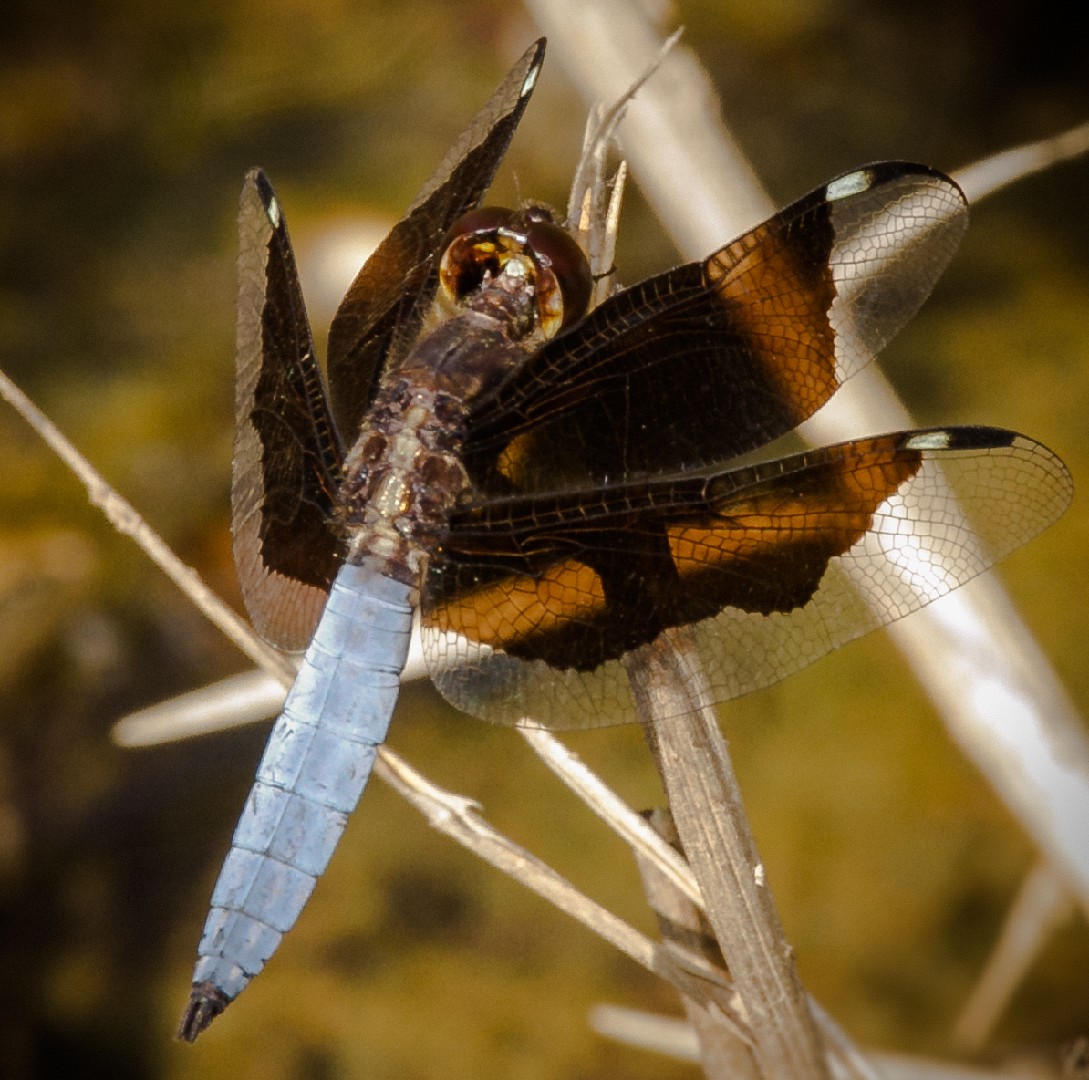
The species is on the IUCN Red List as not endangered, year of assessment 2009.
8. Elegant grasshopper
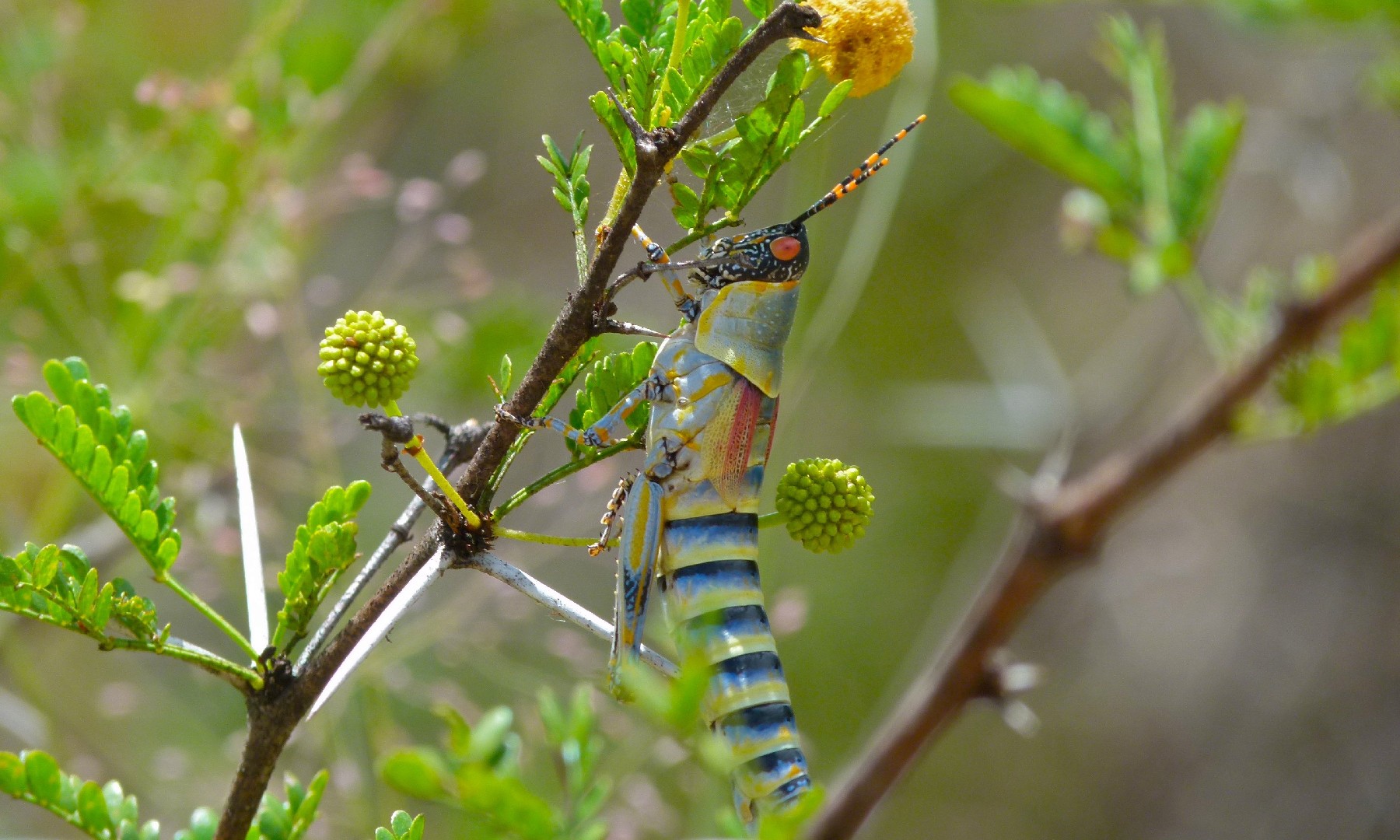
Zonocerus elegans is a right-wing insect from the Pyrgomorphidae family. The scientific name of this species was first validly published in 1815 by Thunberg.
9. Walker's owl
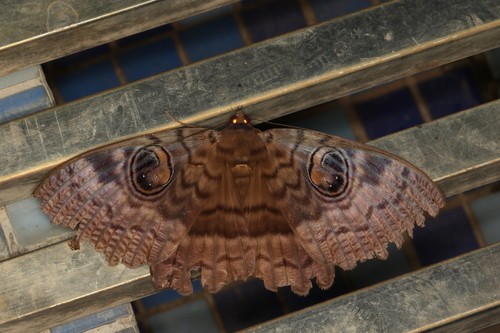
Erebus walkeri is a moth of the family Erebidae. It is found in Angola, the Comoros, the Democratic Republic of Congo, Ghana, Kenya, La Réunion, Madagascar, Malawi, Mauritius, Mozambique, Nigeria, Rwanda, the Seychelles, South Africa (KwaZulu-Natal), São Tomé & Principe, Tanzania, Gambia, Uganda, Zambia and Zimbabwe.
10. Violet dropwing
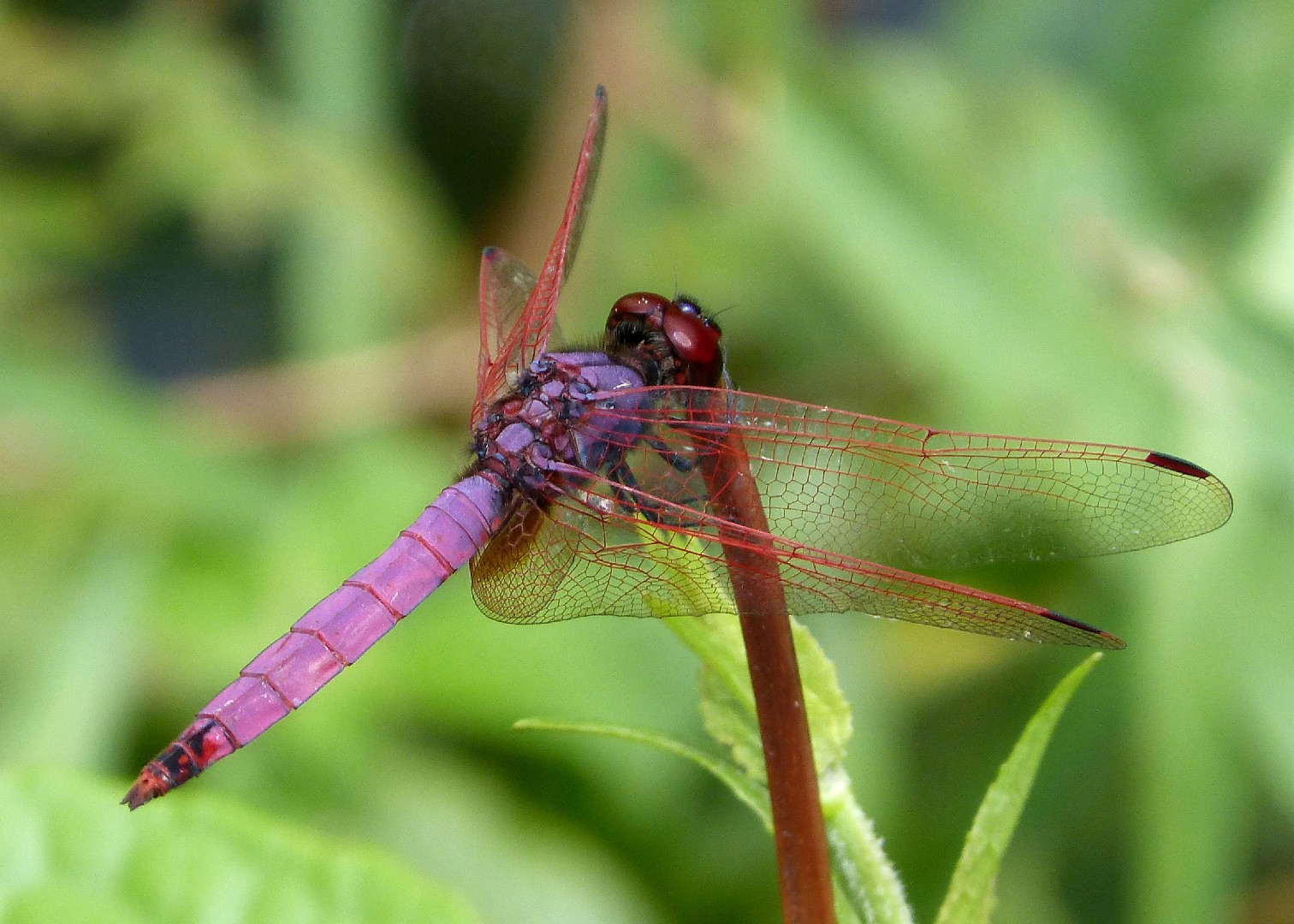
Trithemis annulata is a robust medium-sized species with a wingspan of 6 cm. The mature male has a dark red head and a yellow labium with brown central spot. The eyes are red with white spots on the rear edge, and the frons is dark metallic purplish-red. The prothorax is violet with slightly darker longitudinal stripes. The membranous wings have distinctive red veins, the pterostigma is orange-brown and there is a large orange-brown splash at the base of the hind wings. The abdomen is fairly broad and is pinkish-violet, with purple markings on the top of each segment and blackish markings on the terminal three segments. Females are a similar size to males but the thorax is brownish and the abdomen is yellow with dark brown markings. The wings of females lack the red veins of males but have similar orange-brown patches.



More







