




Top 17 Most Common Insects in Taungoo
Insects, with their distinctive features and diverse habitats, are an intriguing piece of Taungoo's ecological puzzle. The various physical landscapes throughout Taungoo contribute to a rich diversity of insect life. These critters, often overlooked, are vital to our ecosystem, acting as both pesky nuisances and beneficial allies. Understanding the intertwined relationship between Taungoo's environments and its insects is crucial, especially as we explore the top 17 most common insects in Taungoo.

Most Common Insects
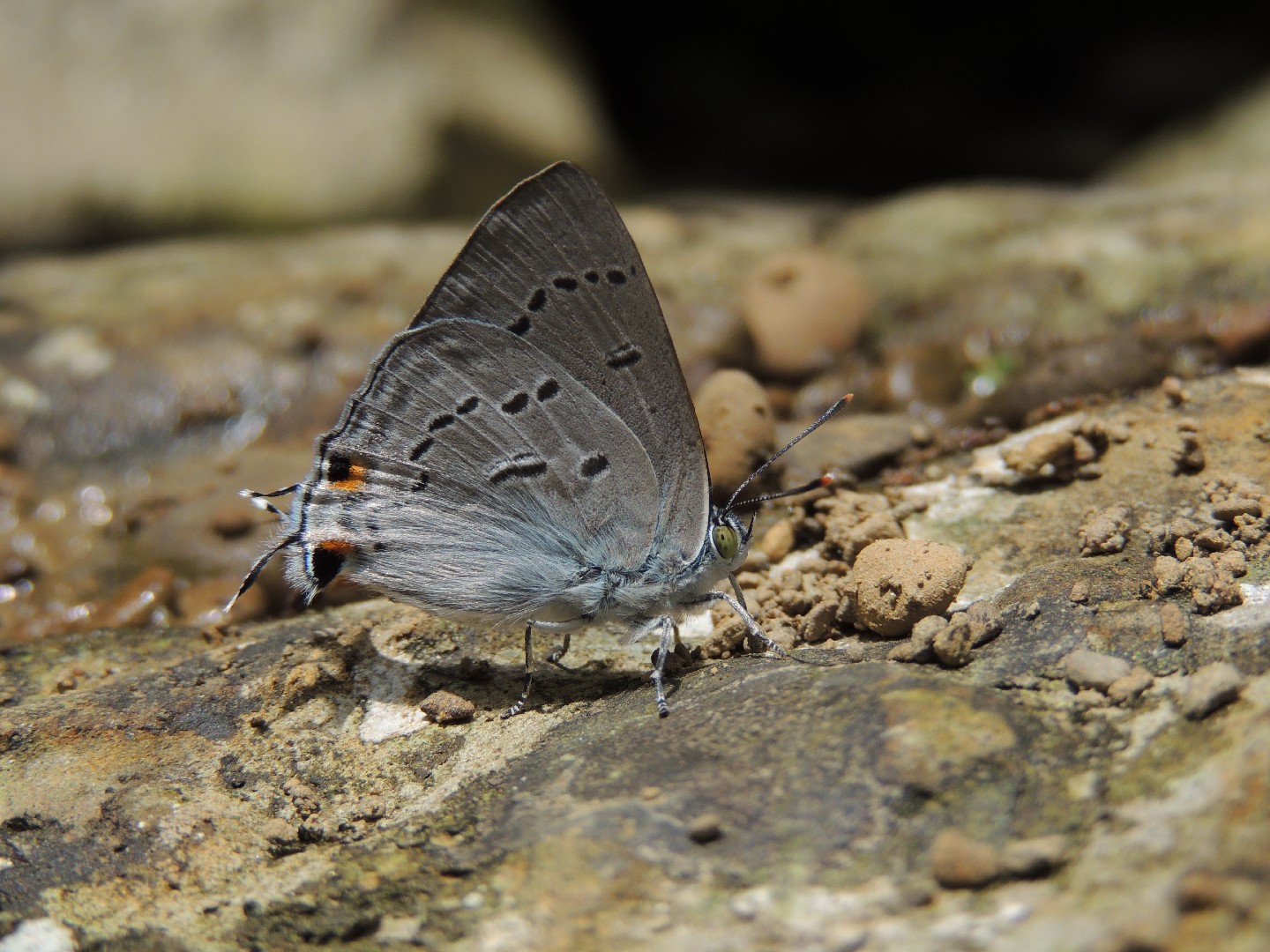
1. Bi-spot royal
Ancema ctesia, the bi-spot royal, is a species of blue butterfly (Lycaenidae) found in Pakistan and India. The larvae feed on Viscum articulatum. 
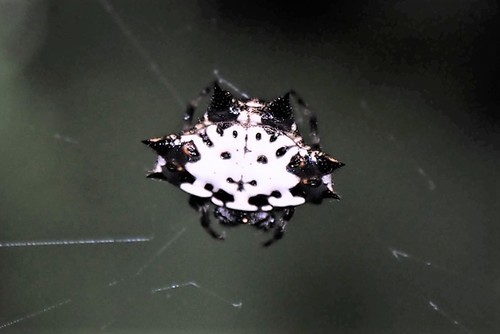
2. Black-and-white spiny spider
Female black-and-white spiny spider are 6 - 9 mm wide and possess a hard, shiny abdomen armed with six black conical spines. The upper surface of the abdomen is white to yellowish with variable black or dark brown markings and sigilla. Males are much smaller at 3 - 4 mm and in place of spines have small bumps on their abdomens.
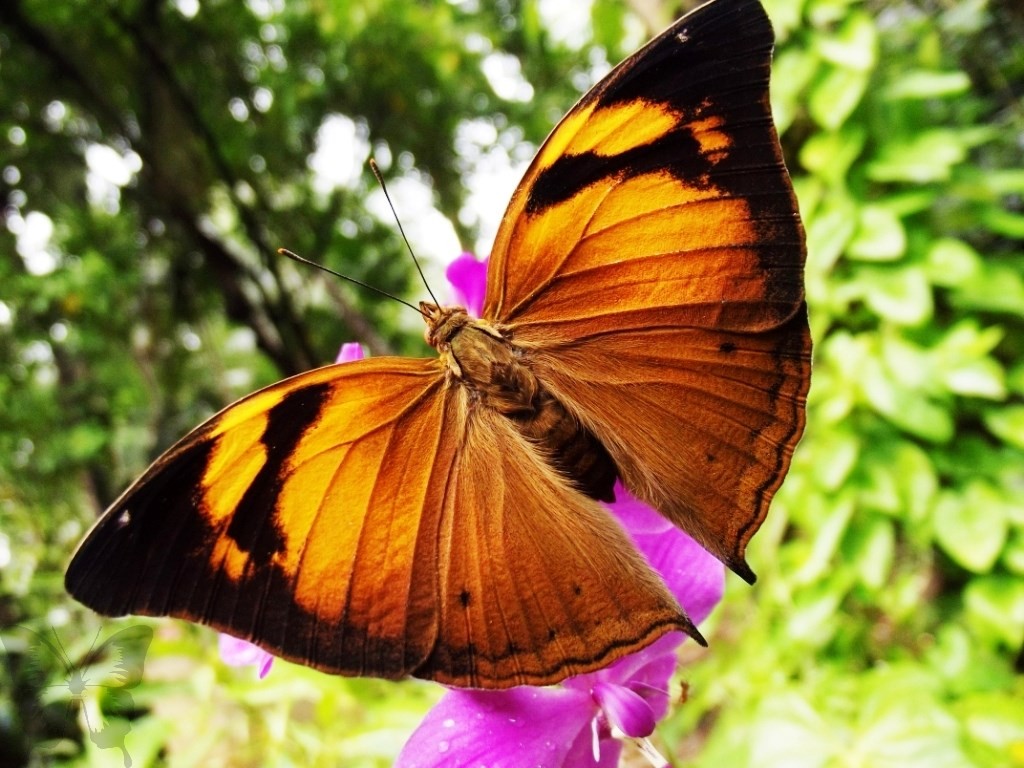
3. Autumn leaf
The larvae are black, with two rows of dorsal white spots. Head with a pair of branched spines; rest of the segments with a dorsal and a lateral row of blue branched spines on each side. The pupae are yellowish with numerous black spots; constricted in the middle; head produced into two points. Male's and female's underside yellowish brown, paling anteriorly to rich golden yellow on the forewing, shading anteriorly into dusky brown on the hindwing. Forewing: the apical half black, following a line from vein 12 opposite the discocellulars, passing through apex of cell, obliquely across middle of interspace 3 and curving down to tornus; a black spot near apex of cell coalescing with the inner margin of 1he black colour; a short, very oblique, broad golden-yellow band, broader in the female than in the male, from middle of costal margin to interspace 5; a spot beyond in line with it in interspace 4; two, sometimes three, minute, preapical white specks; the cilia fulvous (tawny), touched with white, anteriorly. Hindwing uniform; the costal margin broadly as noted above, a subterminal narrow band and narrower terminal line posteriorly, dusky black; a postdiscal black spot in interspaces 2 and 5 respectively; the cilia fulvous. The ground colour varies from reddish to dark greenish brown with irrorations (speckles) of greyish and black scales; apex of the forewing and the terminal margin posteriorly of the hindwing more or less lilacine; forewings and hindwings crossed by a dark narrow discal fascia, generally bordered on the inner side by a greyish line; this fascia bent inwards at right angles above vein 6 of the forewing and in most specimens, bordered internally by a diffuse pale patch and externally by an oblique whitish mark, beyond which is a subcostal white spot, followed by a transverse sinuous postdiscal series of obscure ocelli crossing both wings, each ocellus centred by a minute dot, white on the fore, black on the hindwing. In the male there are generally, but not invariably, a number of whitish spots on the basal areas of both wings. Antennae blackish brown, ochraceous at apex; head, thorax and abdomen dark fulvous brown; beneath, the palpi white, the thorax and abdomen pale brown. Wingspan is about 8 - 9 cm.
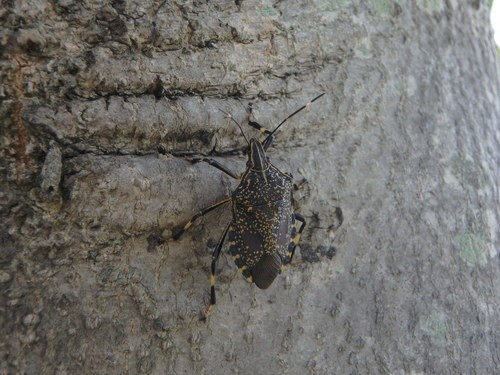
4. Yellow-spotted stink bug
The yellow-spotted stink bug has a wide distribution across Asia. In China, the insect is a pest to more than 57 plants, including fruit trees. It can damage plants and reduce crop yields. Adults overwinter in natural and manmade shelters like building crevices and underneath tree bark, emerging in the spring to feed on the tree’s new growth.
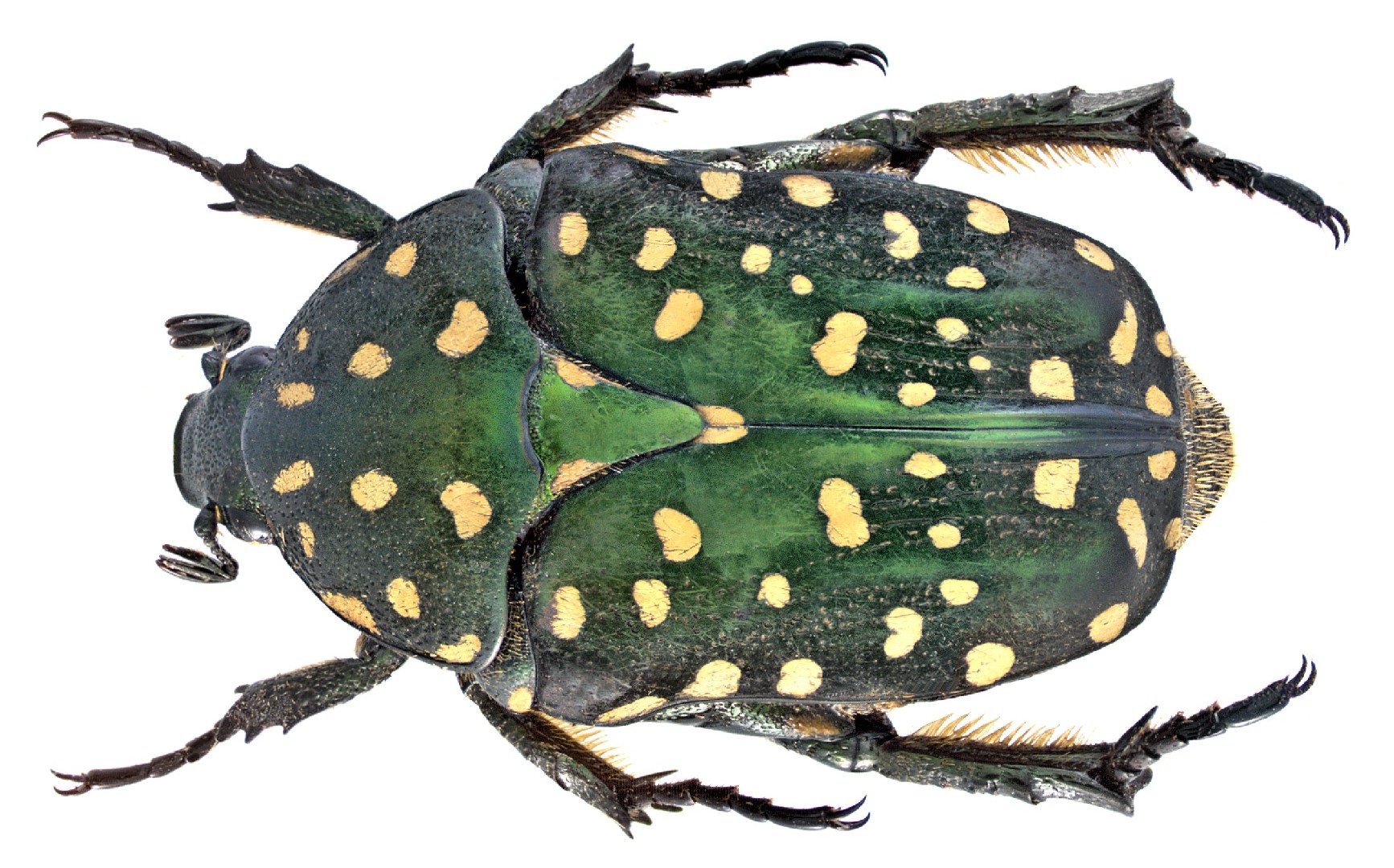
5. Protaetia niveoguttata
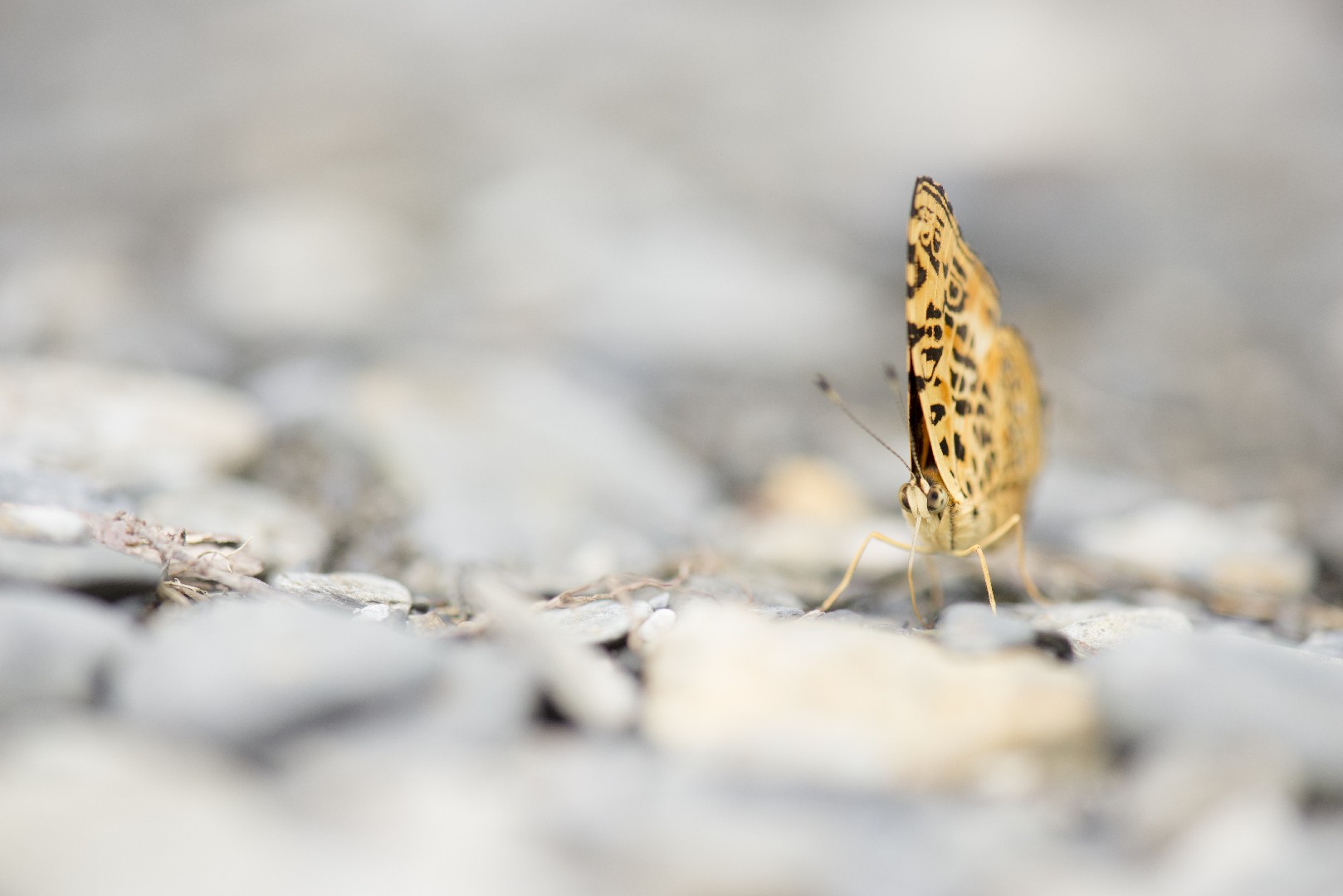
6. Himalayan jester
Symbrenthia hypselis, the Himalayan jester, is a species of nymphalid butterfly found in South Asia, and some islands in South East Asia (Sumatra, Java)
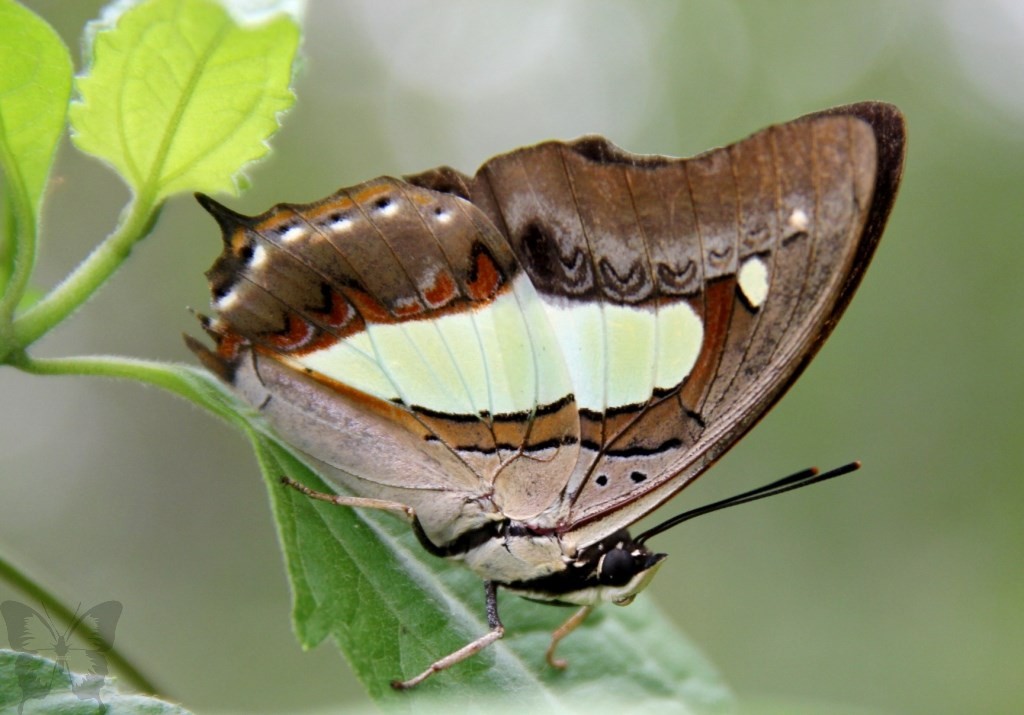
7. Common nawab
Upperside of male and female is black. Forewings and hindwings with a discal broad transverse area from below vein 4 in forewing to vein 2 on hindwing, a moderately large spot in interspace 5, a minute preapical dot beyond in interspace 6 on forewing, and a subterminal row of spots with two or three spots beyond them on the tornal angle of the hindwing, pale yellow, sometimes with an ochraceous, sometimes with a greenish tinge. The discal area on the forewing nearly as broad in interspace 3 as on the dorsum, on the hindwing narrowing to an acute point on vein 2 at two-thirds of its length from base of wing. Tails touched with bluish grey. Underside with the discal transverse area and spot in interspace 5 as on the upperside; base and costal margin of the forewing to apex, and base and dorsal margin of the hindwing broadly lilacine brown, on forewing with two small black spots near base. Bordering the transverse discal area on the inner side, where it is margined with black lines, and above, is a broad chocolate carved band, continued more narrowly along the outer side of the discal area; beyond this on the forewing is a concave series of dusky black lunules, on the hindwing the band itself is traversed by a line of obscure pale lunules; finally on the hindwing there is a subterminal series of internally white-bordered black spots followed by an obscure ochraceous terminal line, and above the tornal angle a slender transverse black line from vein 1 to the dorsal margin. Wingspan 6 - 9 cm. Caterpillar is elongated, slug-shaped, dark green; head large, wide and surmounted by four divergent curved fleshy spinous processes; anal segment with two short naked terminal points; the segments with an oblique yellowish-white lateral stripe, most prominent on the 7th, 9th and 11th segments, and beneath these a lower series of small white spots. Pupa is thick, cylindrically oval; green streaked with white; dorsum and thorax convex; head broad, truncated, obtusely pointed in front.
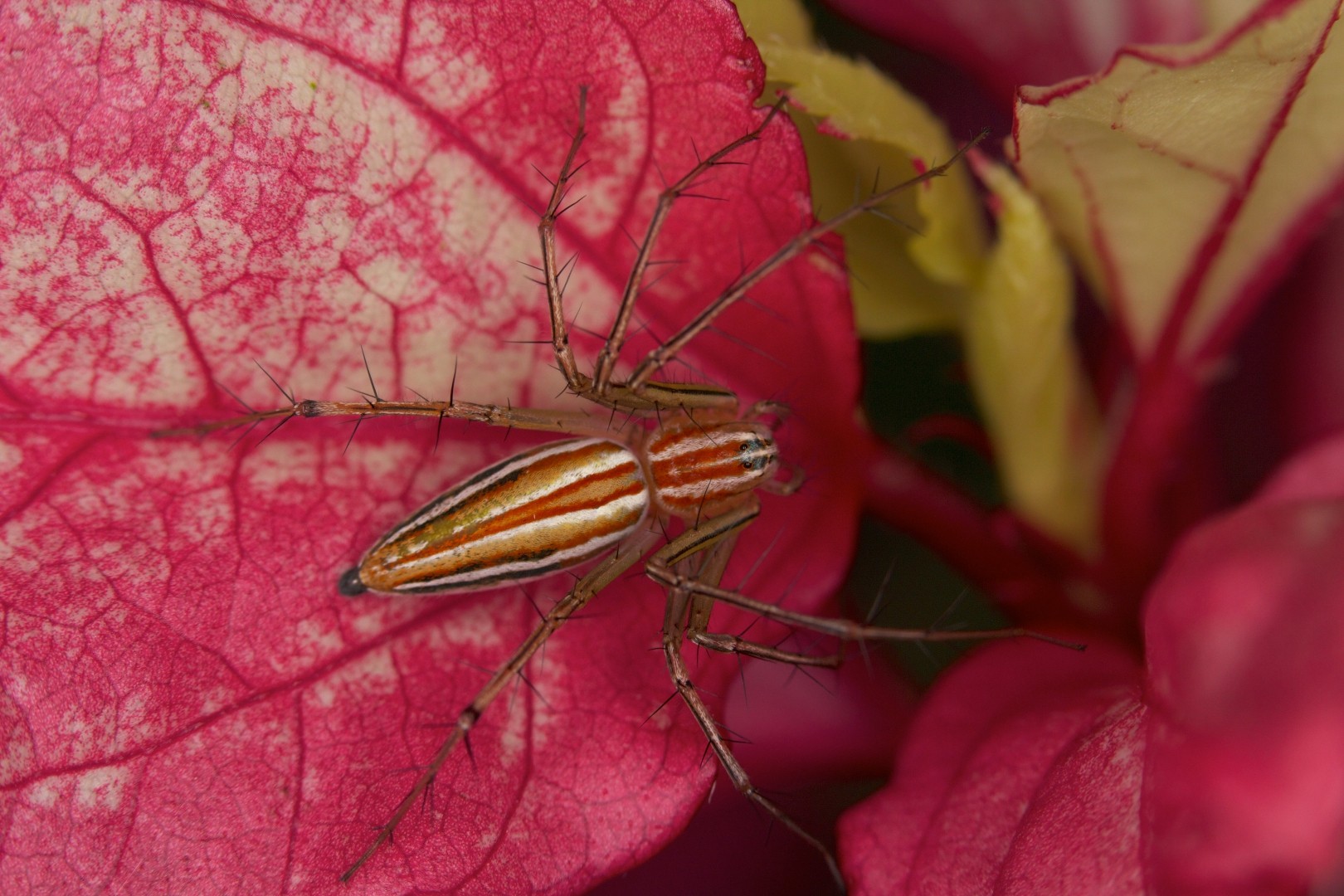
8. Lean lynx spider
Oxyopes macilentus, sometimes known as the lean lynx spider, is a species of lynx spiders from East Asia, South Asia, Southeast Asia, and northern Australia. They are active predators, hunting invertebrates (including other spiders) among vegetation. They are especially common in grassy areas and rice fields. Their bodies are characteristically long and thin, about four times as long as it is wide. Their body color ranges from pale white to yellow, orange, or green; with a pattern of black, orange, and white longitudinal lines. Females have a maximum body length of 10 mm (0.39 in), while males grow to 9 mm (0.35 in). The species was first described in 1878 by the German arachnologist Ludwig Carl Christian Koch. The specific name is from Latin macilentus ("lean" or "thin"), in reference to the spider's body. It is classified under the genus Oxyopes.
9. Red-spot jezebel
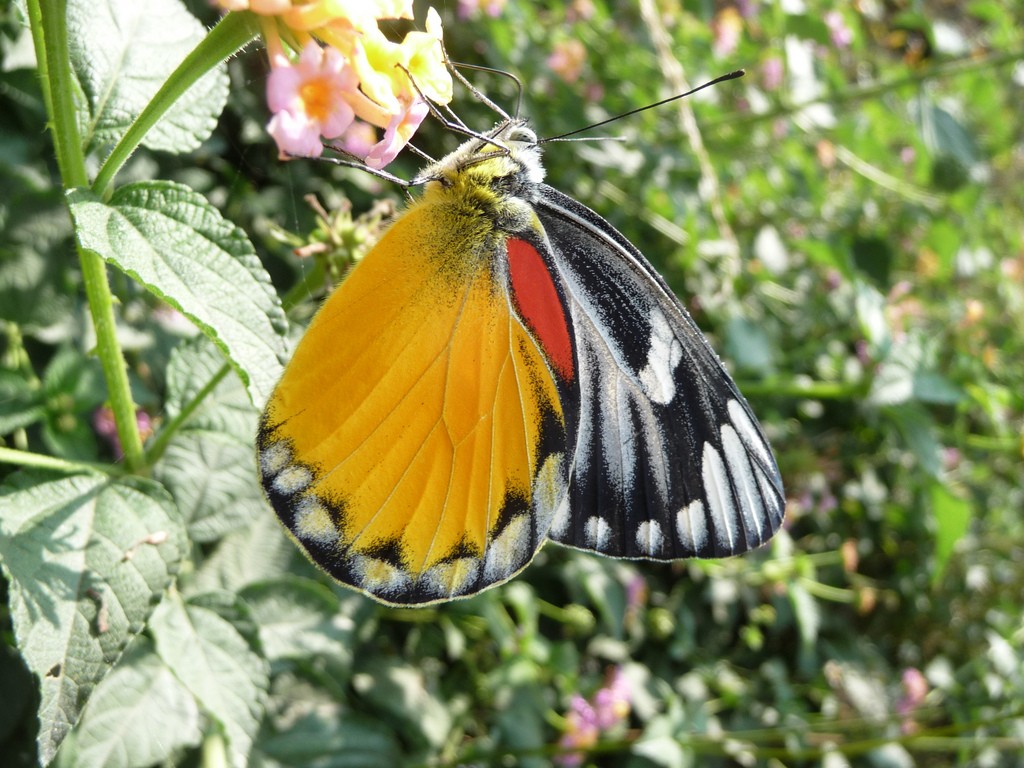
Delias descombesi, the redspot Jezebel is a medium-sized butterfly of the family Pieridae, that is, the yellows and whites.
10. Hairy caterpillar
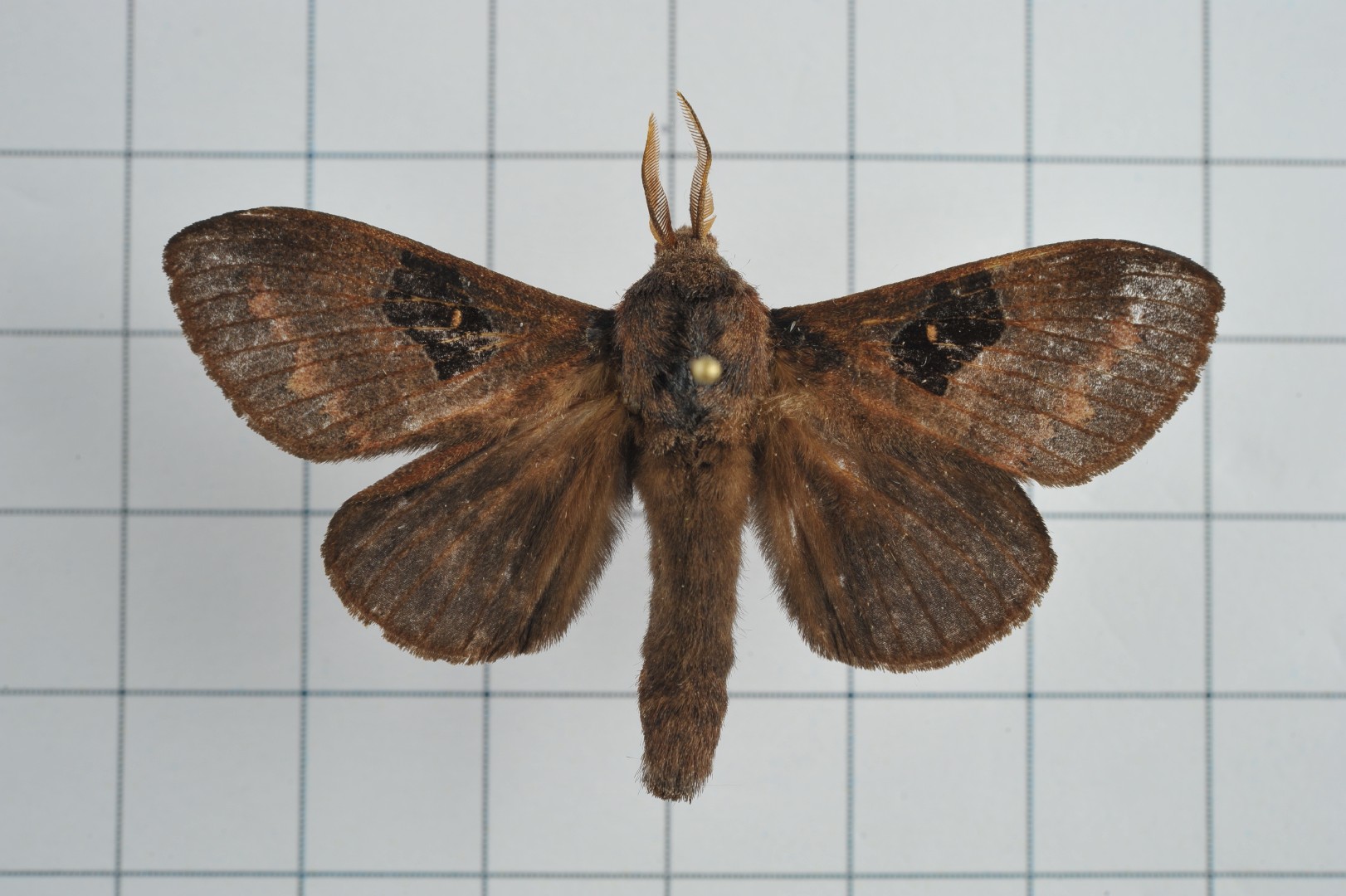
Metanastria hyrtaca, called the hairy caterpillar as a larva, is a moth of the family Lasiocampidae first described by Pieter Cramer in 1782. It is found in Sri Lanka.

More







