




Top 20 Most Common Insects in Nepal
Insects, marked by their segmented body and jointed appendages, are an integral part of Nepal's biodiversity. The diverse topography, ranging from balmy plains to towering mountains, paves the way for an assortment of insects to thrive in different niches. This list delve into top 20 most common insects in Nepal, exploring how geography, climate, and human intersections shape their distribution. Through understanding these tiny cohabitants, we gain insights into both beneficial insects and those deemed as pests, underscoring the intricate balance of nature.

Most Common Insects
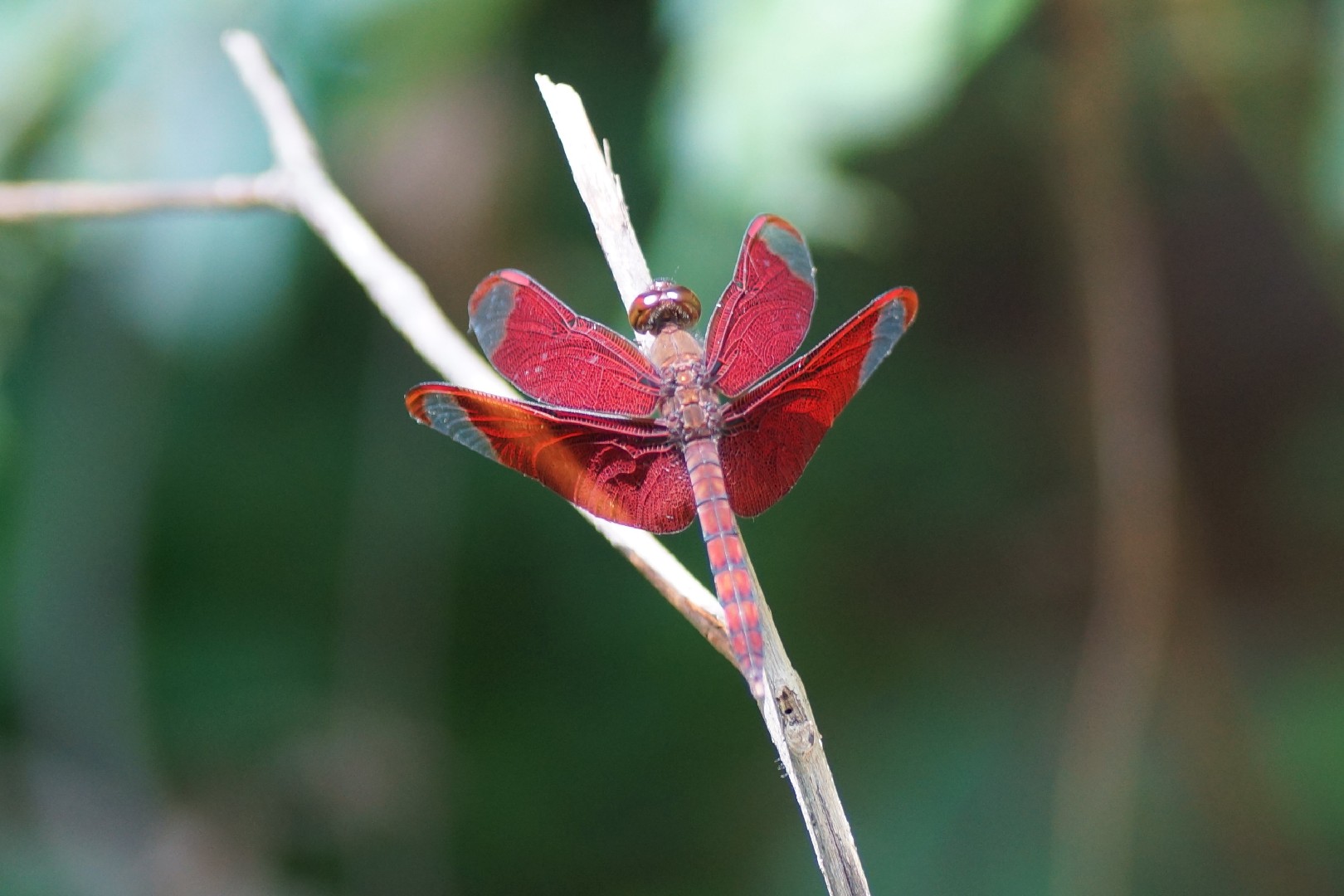
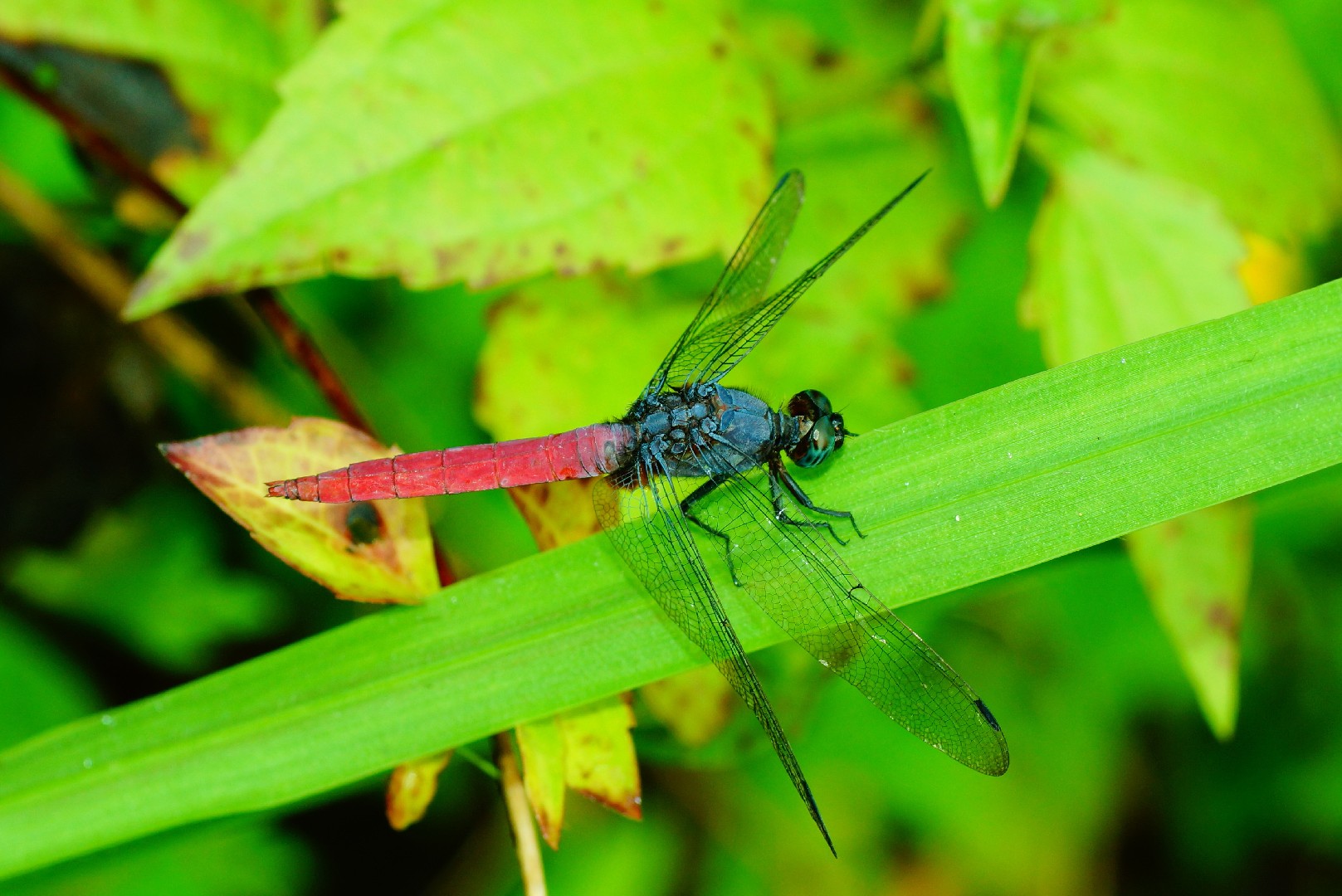
1. Fulvous forest skimmer
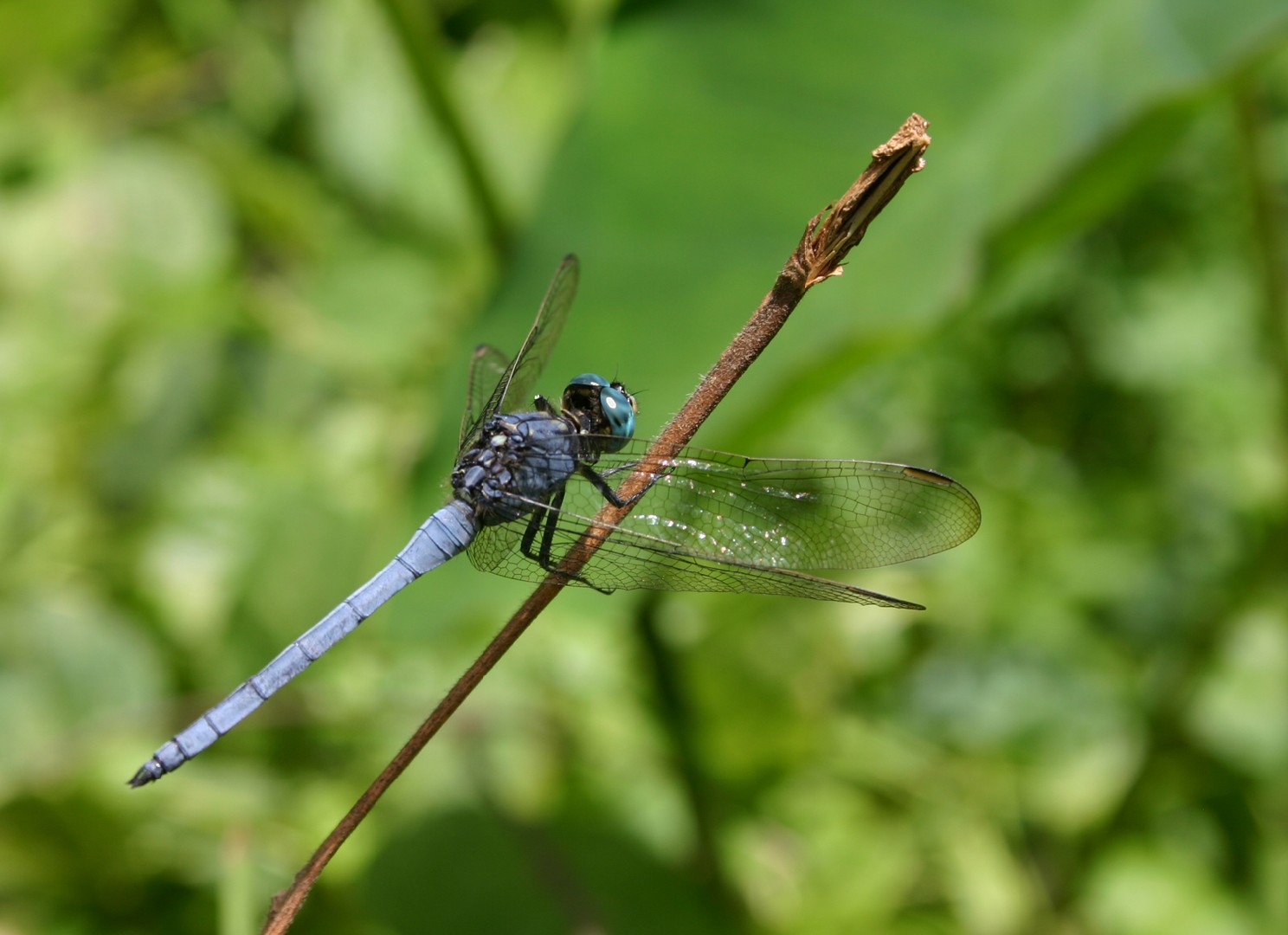
It is a medium-sized rusty dragonfly with transparent wing tips. Male has a reddish-brown face with eyes which are dark reddish brown above, golden brown below. Thorax, abdomen and legs are reddish brown. Wings are dark reddish brown with an irregular triangular transparent area at the tip of the wing. The wing spots are dark reddish brown. Many forms of females are found. Color of head, thorax and abdomen paler than males or rusty brown. Wings are clear amber yellow with a dark ray extending to the tip in fore wing. Many of them have an irregular triangular transparent area at the tip of the wing. The wings vary in size, shape, width and coloration. The clear uncoloured apices of wings will help to distinguish it from other red Asian dragonflies. 
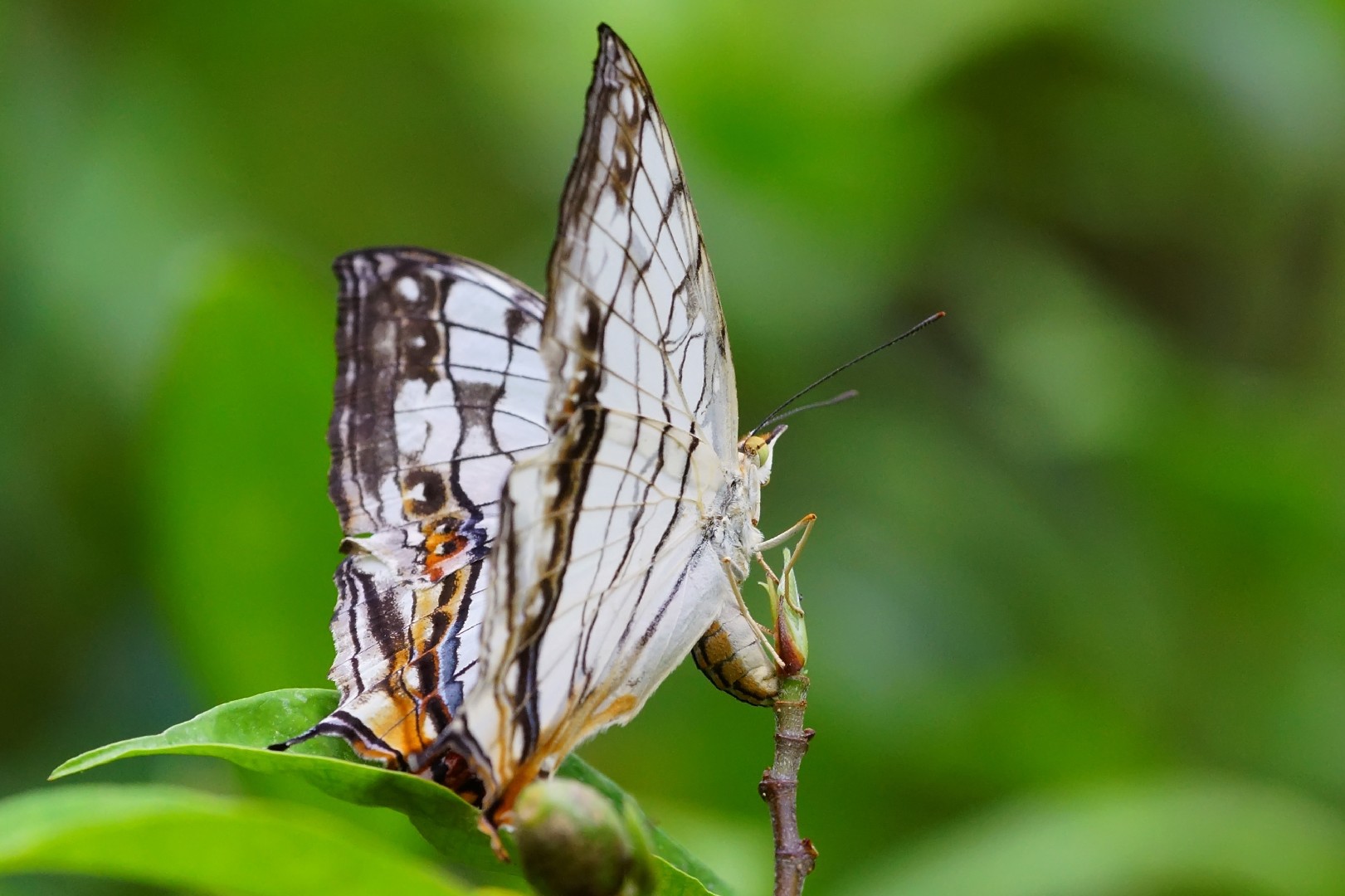
2. Common map
Males and females upperside white, in many specimens pale ochraceous yellow, veins black. Forewing with four very slender irregularly sinuous transverse black lines, the costal margin shaded with ochraceous at base and fuscous beyond; cell crossed by three or four additional short lines; a postdiscal very incomplete series of white-centred broad fuscous rings in the interspaces, tinged with ochraceous near the tornus and broadly interrupted in interspaces 3 and 4; beyond this two transverse black lines not reaching the dorsal margin, shaded with fuscous between; the apex broadly and the termen also shaded with fuscous. Hindwing with three transverse fine lines; a pair of postdiscal broad black lines shaded with light sepia brown between, forming a conspicuous band, the outer line broken and incomplete, followed by two irregular black lines, a subterminal more pronounced black line, and posteriorly a narrow black terminal margin; dorsal margin broadly fuscous at base; apical half and the tornal area and lobe rich ochraceous, with some sepia-brown and black markings. Underside similar, the markings of the upperside showing through by transparency; the ochraceous shading on dorsum and tornal area on hindwing of less extent, but the tornal lobe darker ochraceous with a central large round black spot. The markings both on upper and undersides vary a little in depth of colour and breadth. In many specimens there is a diffuse fuscous spot between the discal pair of transverse fine lines on forewing. Antennae, head, thorax and abdomen above black, thorax and abdomen with lateral greyish longitudinal stripes: beneath white. Body of the female paler than that of the male. Expanse 6 - 7 cm. The eggs were curious and beautiful, high domed-shaped or almost conical, with an aperture at the top fitted with a deeply dentate flat cap like a cogged wheel. The larva was unlike any other that, we have ever seen, slender, cylindrical and smooth; with two long curved divergent filaments or soft horns on the head, a single at outer sword-shaped one on the back at the 5th or 6th segment curved backwards and serrated on its inner edge, and another on the last segment curved forwards and serrated on its outer edge. The colour was a fine reddish brown with a broad green band on the side from the 5th to the last segment. The pupae were suspended by the tail, very much compressed, with a dorsal ridge from head to tail, high and obtusely pointed in the middle, the palpi-cases united and produced into a long somewhat recurved snout; colour brown with fine dark striae.
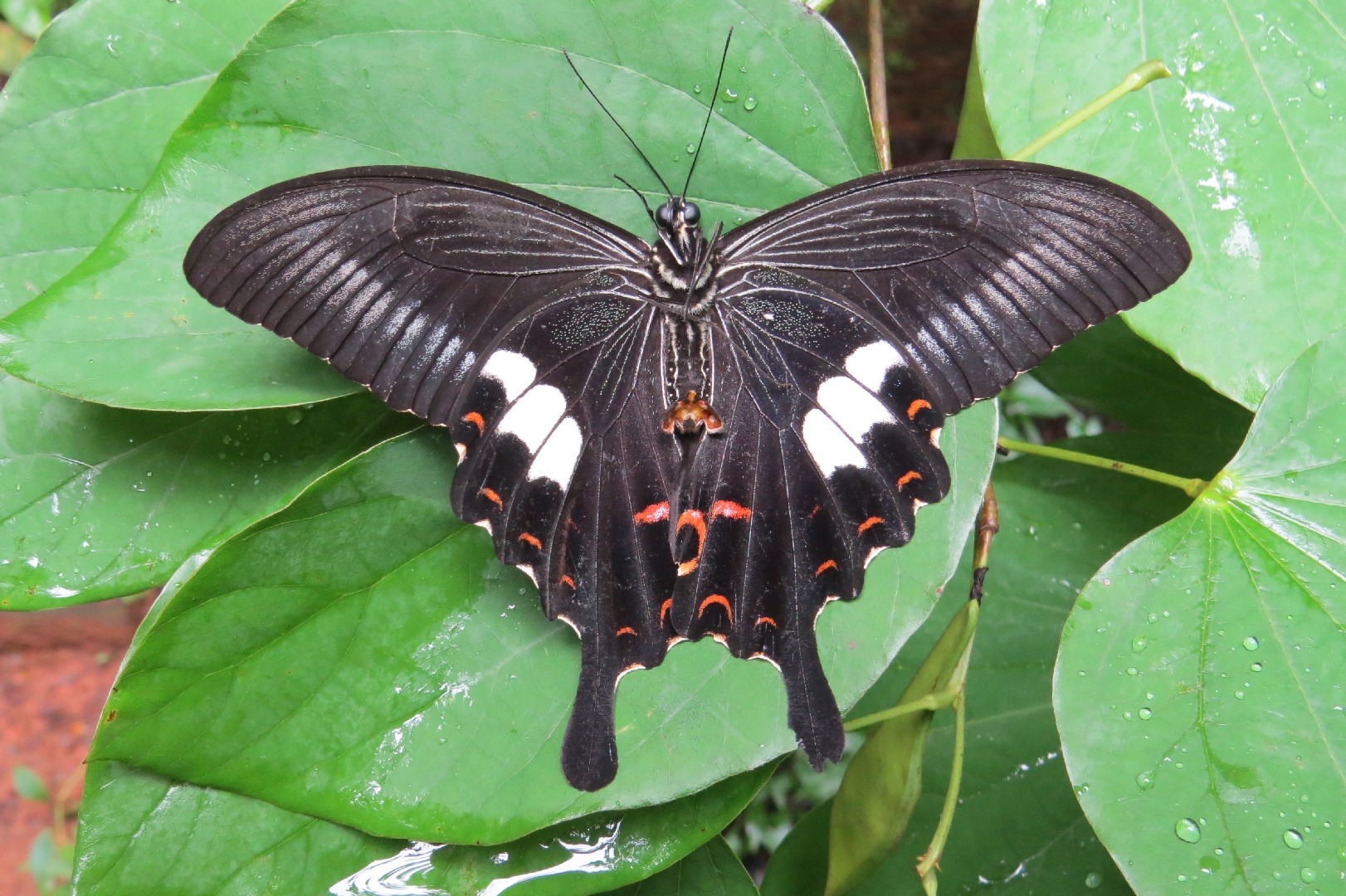
3. Red helen
Male. Upper-side rich brownish-black ; cilia alternated with white. Fore-wing with slender longitudinal streaks of golden-yellow scales within the cell, and hairy-scaled broad streaks between the outer veins ; lower base of the wing also sparsely speckled with golden-yellow scales. Hind-wing with a cream- white upper discal patch composed of three portions, a short almost quadrate portion in the costal interspace, and two lower large elongate portions in the subcostal interspaces, a few white or grey scales also being present below the lower portion ; at the anal angle is a dark purple-red circlet which generally partly encloses a round black spot, followed by a lower submarginal series of three, sometimes four, more or less apparent purple-red incurved lunules, the first or lower one sometimes forming a circle round a black spot ; in some specimens the lower lunule is obsolescent, in others all the latter are obsolete. Underside paler. Fore-wing with prominent greyish-white scaled slender cell-streaks and bread outer vein-streaks. Hind-wing with the upper basal area speckled with greyish-white scale.*, and three similar scaled slender longitudinal streaks within the cell, the base of the median and sub median vein also being white scaled; upper discal white patch composed of three smaller portions than on the upper-side; anal ocellus and a complete series of submarginal lunules dark red ; an inner sub anal confluent lunles also present in the lower median interspace ; the anal and sub anal lunules being speckled with violet-blue scales; beyond is a marginal row of more or less defined red-and-white scaled lunules.Female. Upper-side and underside similar to the male, except that the base of the hind-wing is paler.Body brownish-black; collar, front of head and palpi white-spotted; tegulae white fringed; legs and antenna black.

4. Common mormon
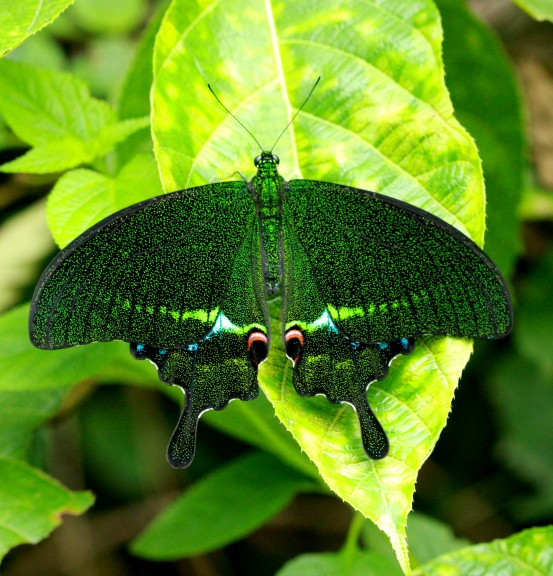
The common mormon (Papilio polytes) is a beautiful, black butterfly with unique hindwings that have orange and white colorings and two spots jutting out. They are named after the Mormon religion, as the butterflies participate in polygamy, which is a common practice for Mormons. They are also known to mimic red-bodied swallowtail, who are inedible.

5. Weaver ant
The weaver ant can be found in silk-woven nests in the foliage of Southeast Asia and Oceania. These ants have a painful bite and prey on other small insects. Larvae have many uses for local regions, including being a popular fishing bait and a good choice of bird food.
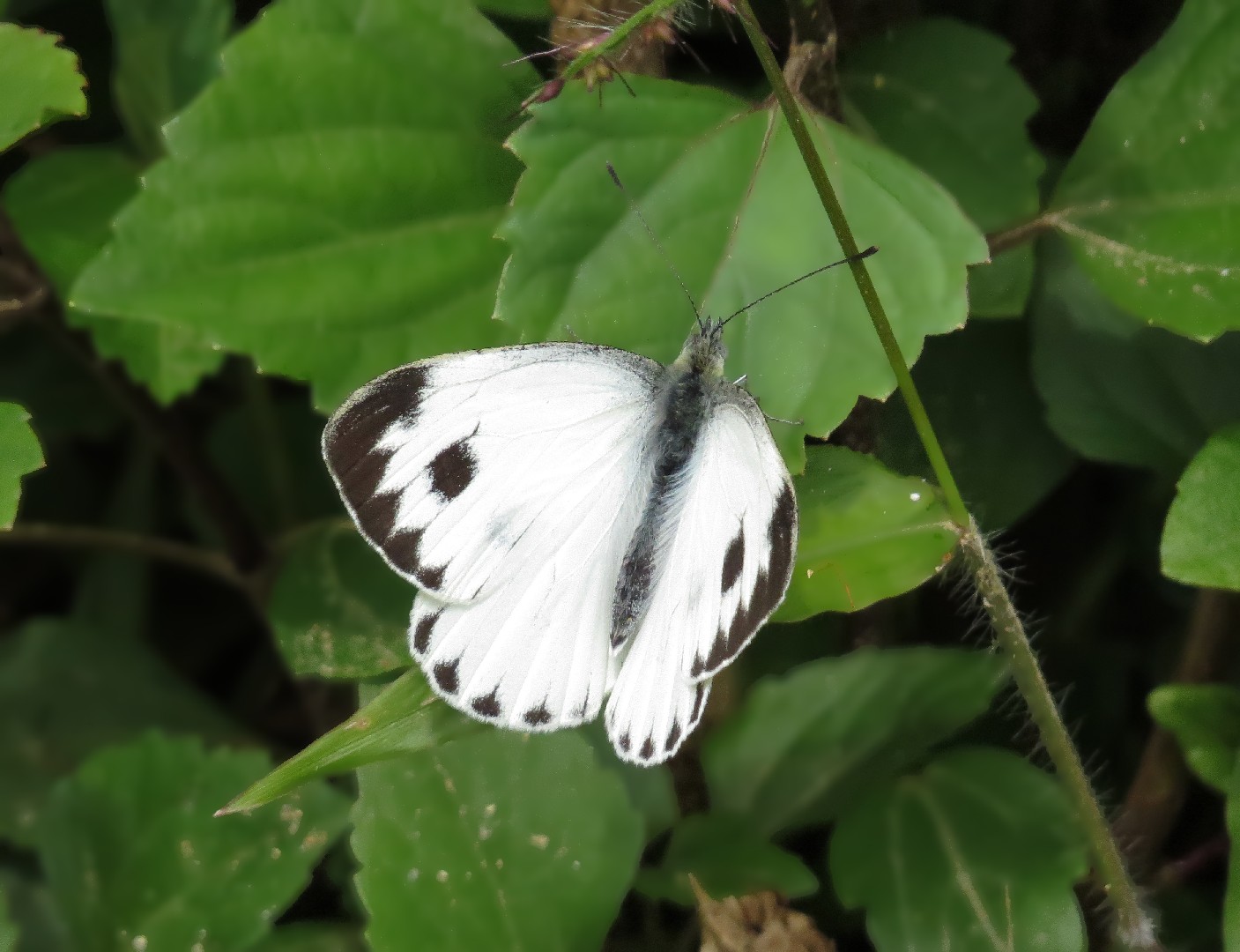
6. Indian cabbage white
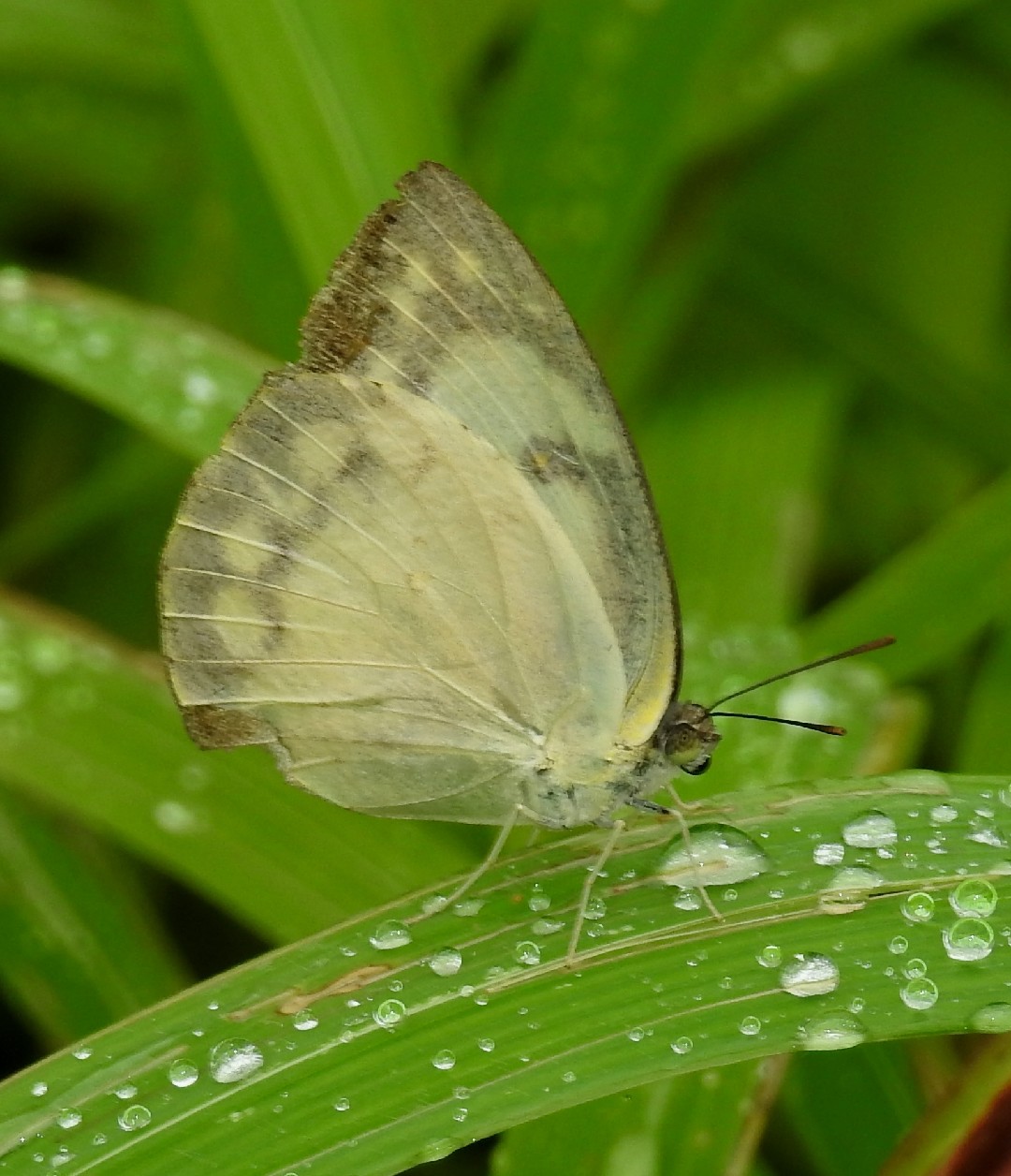
The male is white to pale cream on its upperside. The base of the forewing, the basal portion of the costa, and the base and upper margin of the cell have a scattering of black scales. It is black from the apex to about the middle of the terminal margin. On the latter the black extends for a very short distance triangularly along the veins. There is a round black spot in interspace 3. The hindwing has a subcostal black spot as in Pieris rapae but is generally larger and more conspicuous, and a series of four or five terminal black spots that vary in size at the apices of the veins. Underside: the forewing is white; cell and costa are lightly irrorated (speckled) with black scales; apex is somewhat broadly tinged with ochraceous yellow. Interspaces 1, 3 and 5 have conspicuous subquadrate black spots; the spot in interspace 1 sometimes extends out of interspace 1. That in interspace 5 is ill-defined. Hindwing: from pale, almost white, to dark ochraceous, thickly irrorated all over (with the exception of a longitudinal streak in the cell, and in the darker specimens similar longitudinal streaks in the interspaces) with black scales; costa above vein 8 are chrome yellow. Antennae are black with minute white specks; the long hairs on the head and thorax are greenish grey; the abdomen is black. Beneath, the head, thorax and abdomen are white. The female is similar to the male on the underside, but the scattering of black scales is more prominent; the black on the apex and termen of the forewing and the black spots on the termen of the hindwing are broader and more extended inwards; on the forewing there is an additional spot in interspace 1, and both this and the spot in interspace 3 in many specimens are connected by a line of black scales along the veins to the outer black border; also the spot in interspace 1 often extends across vein 1 into the interspace below.It has a wingspan of 4 - 6 cm.
7. Dark judy
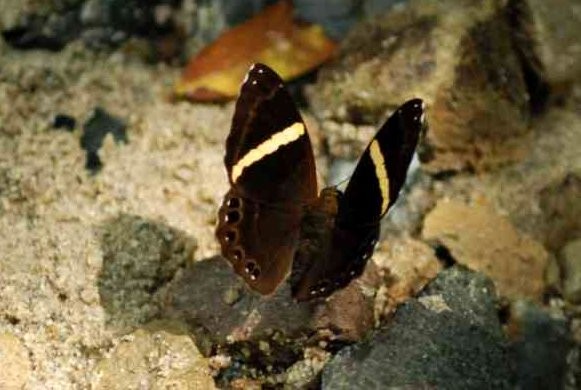
From Charles Thomas Bingham (1905) The Fauna of British India, Including Ceylon and Burma, Butterflies Vol. 1: Male upperside rich dark brown. Forewing with a cream-coloured even band from middle of costa to tornus, "bent slightly inwards at each end; a subterminal transverse, very obscure, pale fascia ending anteriorly in a white dot and two subapical white dots. Hindwing: postdiscal and subterminal very obscure pale transversa fasciae; the latter with a superposed series of seven oval black spots each with a white dot on the outer margin and inwardly pale-edged; the preapical two and posterior two of these spots only clearly defined, the others obsolescent, the preapieal two the larger. Underside duller brown; the markings as on the upperside; the hindwing with indications of a sub-basal pale fascia in addition to the others. Antennae, head, thorax and abdomen dark brown; beneath the palpi, thorax and abdomen paler; antenna with a white dot at apex. Female. Similar; the termen of the hindwing more distinctly but very broadly angulated outwards in the middle. Upperside: the ground colour paler duller brown, the oblique band on the forewing pure white, not cream-coloured; six (not seven) black spots in the subterminal series on the hindwing, the spots larger and more clearly defined than in the male. Underside: ground colour paler than on the upperside: markings similar; no trace of a subbasal band on the hindwing, the middle two spots of the subterminai series more or less obsolescent. Antennae, head, thorax and abdomen concolorous with the ground colour of the wings, a white spot at apex of the antennae; beneath, the palpi, thorax and abdomen paler, marked with white. Expanse: 52–62 mm Habitat: The Himalayas. Mussoorie to Sikkim; the hills of Assam, Burma and Tennaserim.

8. Blue moon butterfly
Hypolimnas bolina, the great eggfly, common eggfly or in New Zealand the blue moon butterfly is a species of nymphalid butterfly found from Madagascar to Asia and Australia.
9. Common sailor
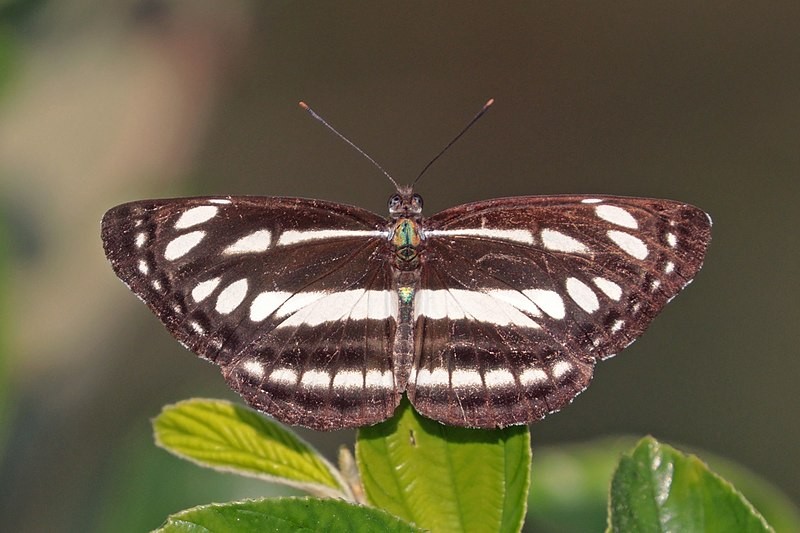
Dry-season form - Upperside black, with pure white markings. Forewing discoidal streak clavate (club shaped), apically truncate, subapically either notched or sometimes indistinctly divided; triangular spot beyond broad, well defined, acute at apex, but not elongate; discal series of spots separate, not connate (united), each about twice as long as broad; postdiscal transverse series of small spots incomplete, but some are always present. Hindwing: subbasal band of even or nearly oven width; discal and subterminal pale lines obscure; postdiscal series of spots well separated, quadrate or subquadrate, very seldom narrow. Underside from pale golden ochraceous to dark ochraceous almost chocolate; white markings as on the upperside, but broader and defined in black. Forewing: interspaces 1a and 1 from base to near the apex shaded with black, some narrow transverse white markings on either side of the transverse postdiscal series of small spots. Hindwing a streak of white on costal margin at base, a more slender white streak below it; the discal and subterminal pale lines of the upperside replaced by narrow white lines with still narrower margins of black. Antennae, head, thorax and abdomen black; the palpi, thorax and abdomen beneath dusky white. Wet-season form - Differs only in the narrowness of the white markings and in the slightly darker ground colour and broader black margins to the spots and bands on the underside. More than 20 subspecies have been described. This species has been observed to make sounds whose function has not been established.
10. Blue pansy
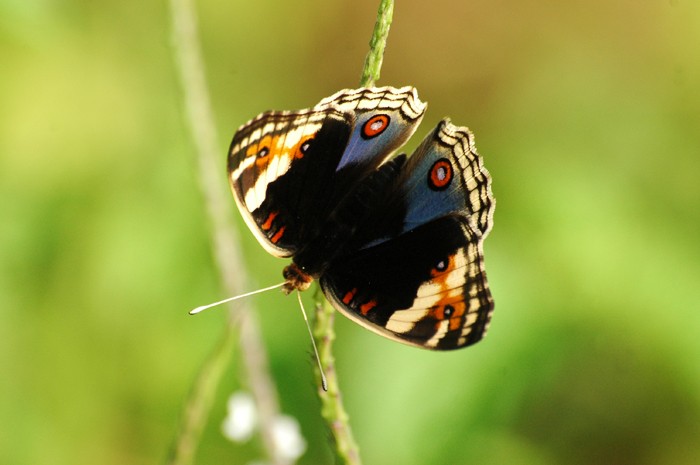
Male upperside: somewhat more than half the forewing from base velvety black, apical half dull fuliginous; cell-area with or without two short transverse orange bars; a blue patch above, the tornus; the outer margin of the basal black area obliquely zigzag in a line from the middle of costa to apex of vein 2, including a large discal, generally obscure ocellus, which, however, in some specimens is prominently ringed with orange yellow. Beyond this a broad white irregularly oblique discal band followed by a short oblique preapical bar from costa; a small black orange-ringed ocellus beneath the bar, a subterminal continuous line of white spots in the interspaces and a terminal jet-black slender line; cilia alternately dusky black and white. Hindwing blue shaded with velvety black towards base; a postdiscal black white-centred orange and black-ringed ocellus in interspace 2, a round minutely white-centred velvety-black spot (sometimes entirely absent) in interspace 5; the termen narrowly white, traversed by an inner and an outer subterminal and a terminal black line; cilia white. Underside forewing: basal half with three black-edged, sinuous, broad, ochraceous-orange transverse bands, followed by the pale discal baud; ocelli, preapical short bar, subterminal and terminal markings much as on the upperside; the discal band margined inwardly by a broad black angulated line which follows the outline of the black area of the upperside. Hindwing irrorated (sprinkled) with dusky scales and transversely crossed by subbasal and discal slender zigzag brown lines and a postdiscal dark shade, on which are placed the two ocelli as on the upperside; subterminal and terminal faint brown lines, and a brownish short streak tipped black at the tornal angle below the lower ocellus. Female. Similar, with similar but larger and more clearly defined ocelli and markings; the basal half of the forewings and hindwings on the upperside fuliginous (sooty) brown, scarcely any trace of blue on the hindwing. Antennae brown, head reddish brown, thorax and abdomen above brownish black: palpi, thorax and abdomen beneath dull white.


More







