




Top 9 Most Common Insects in Idah
Insects, characterized by their six-legged bodies and often-fascinating exoskeletons, pervade the expansive habitats of Idah. Their diversity varies across the region, reflecting Idah's unique blend of geographical locations. As essential players in the ecosystem, they fulfill crucial roles; from being nature's clean-up crew to acting as diligent pollinators. Their prevalence is tied to Idah's environmental health, emphasizing a complex relationship between pests, beneficial insects, and their environment. This list unveils the top 9 common insects found in Idah.

Most Common Insects
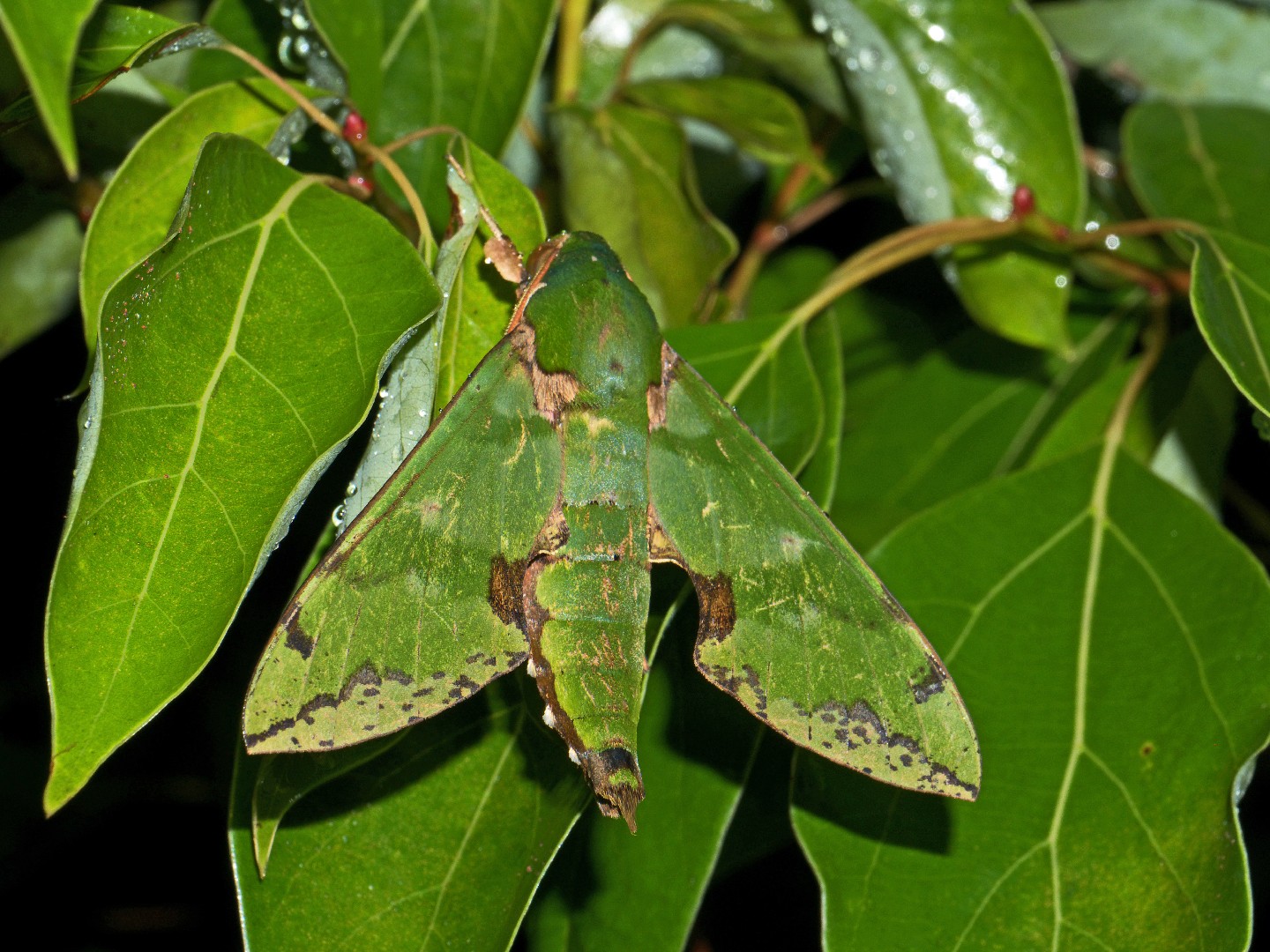
1. Verdant hawk
The length of the forewings is 4 - 5 cm and the wingspan is 10 - 12 cm. The body and forewings are bright deep green. The forewings have a black and white spot at the base, a dark brown spot near the tornus and one or two at the costa. The hindwings are orange yellow with an irregular brown margin turning greenish near the tornus. There is a black spot at the base and a large, elongated black spot from inner margin to vein five. 
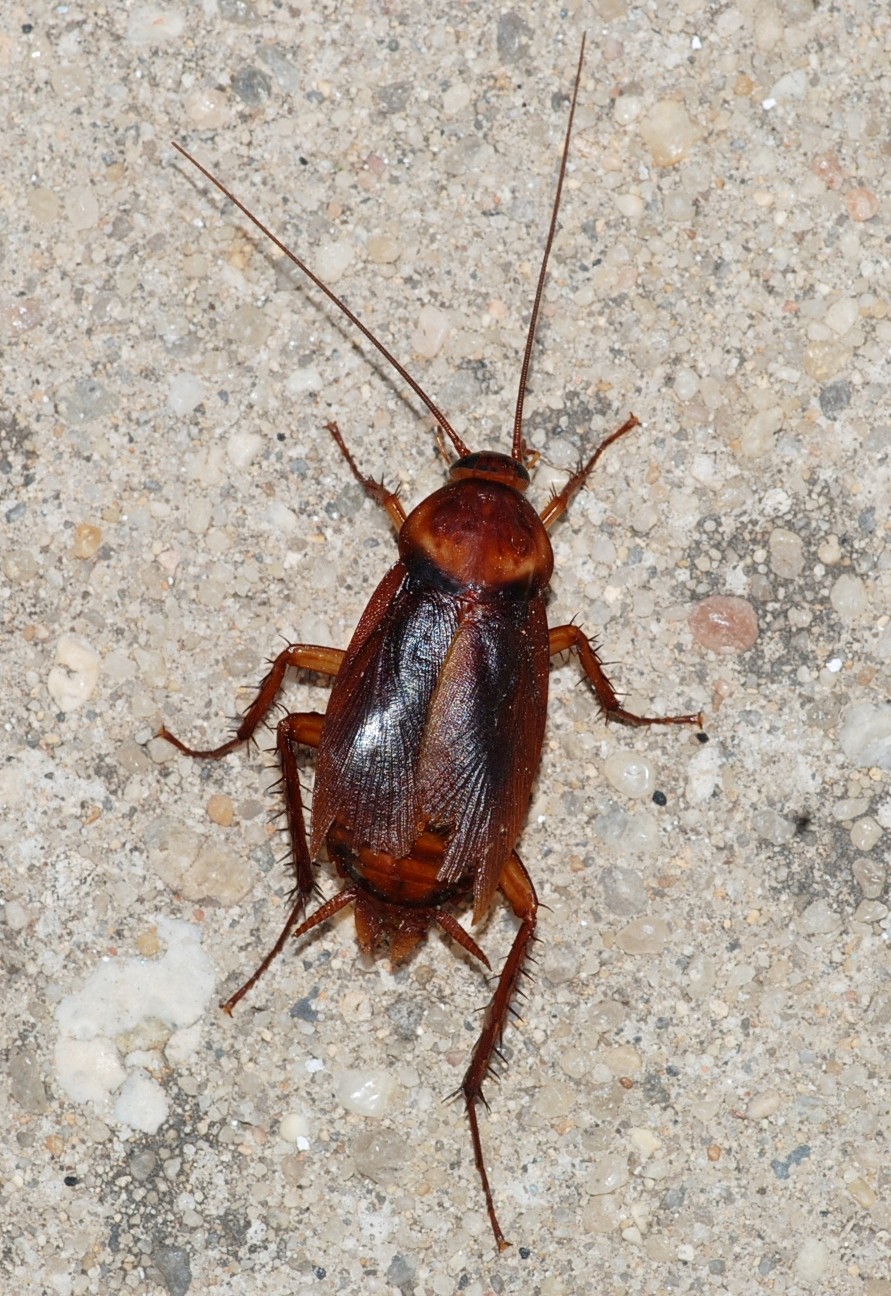
2. American cockroach
Despite its name, american cockroach (Periplaneta americana) is not native to the Americas but rather to Africa and the Middle East, from which it arrived as a result of human commercial patterns. Notably quick and rather resilient, this species is capable of limb regeneration. It requires a certain level of moisture to thrive, and it will avoid drier areas unless it has access to the required level of water.

3. Citrus swallowtail
Papilio demodocus , also known under the English name Citrus Swallowtail ("Citrus Swallowtail"), is a butterfly from the family of the knight butterflies (Papilionidae).
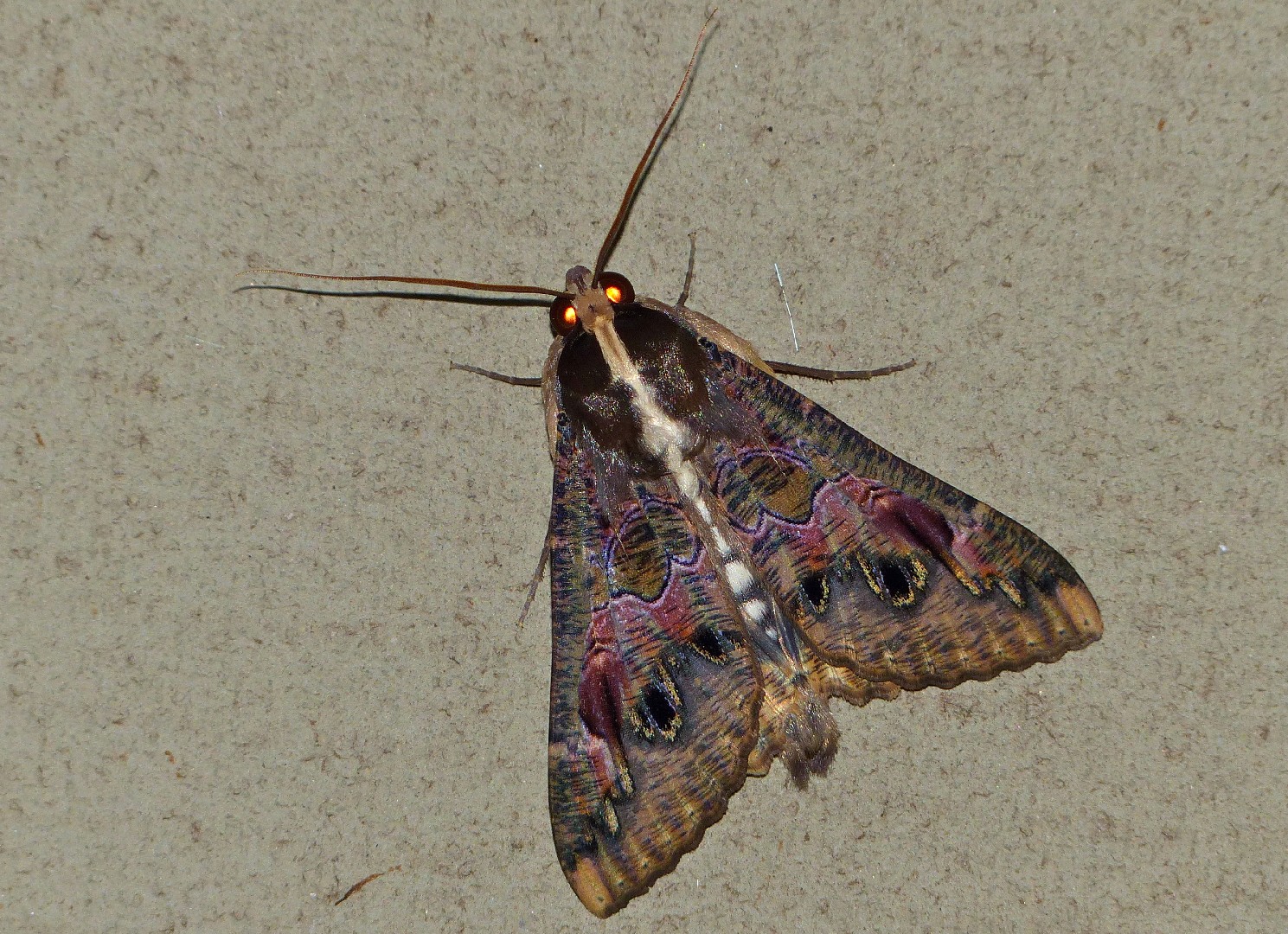
4. Sundowner moth
Its wingspan is about 60–84 mm. Head ochreous white, the basal joint of palpi dark brown. Thorax dark brown above with a broad ochreous-white stripe on vertex. Abdomen dark brown above, with a series of dorsal ochreous-white spots. Forewings reddish-brown with dark stria. There is a pale patch at base of inner margin and an indistinct antemedial angulate line. An irregularly waved medial line with pale outer edge and somewtimes tinged with purple and rufous. Some vinous patches beyond it. Reniform is a narrow lunule with a vinous dash beyond it. There is a crenulate postmedial line found with medial black lunules on it and one towards inner margin, and joined by a crenulate line from near apex. A marginal black specks series also present. Hindwings are fuscous brown where the base and a diffused medial irregular band are pale. An ochreous patch with black strai on it at center of outer margin. Cilia pale. Ventral side pale with fuscous submarginal band towards inner margin of each wing.
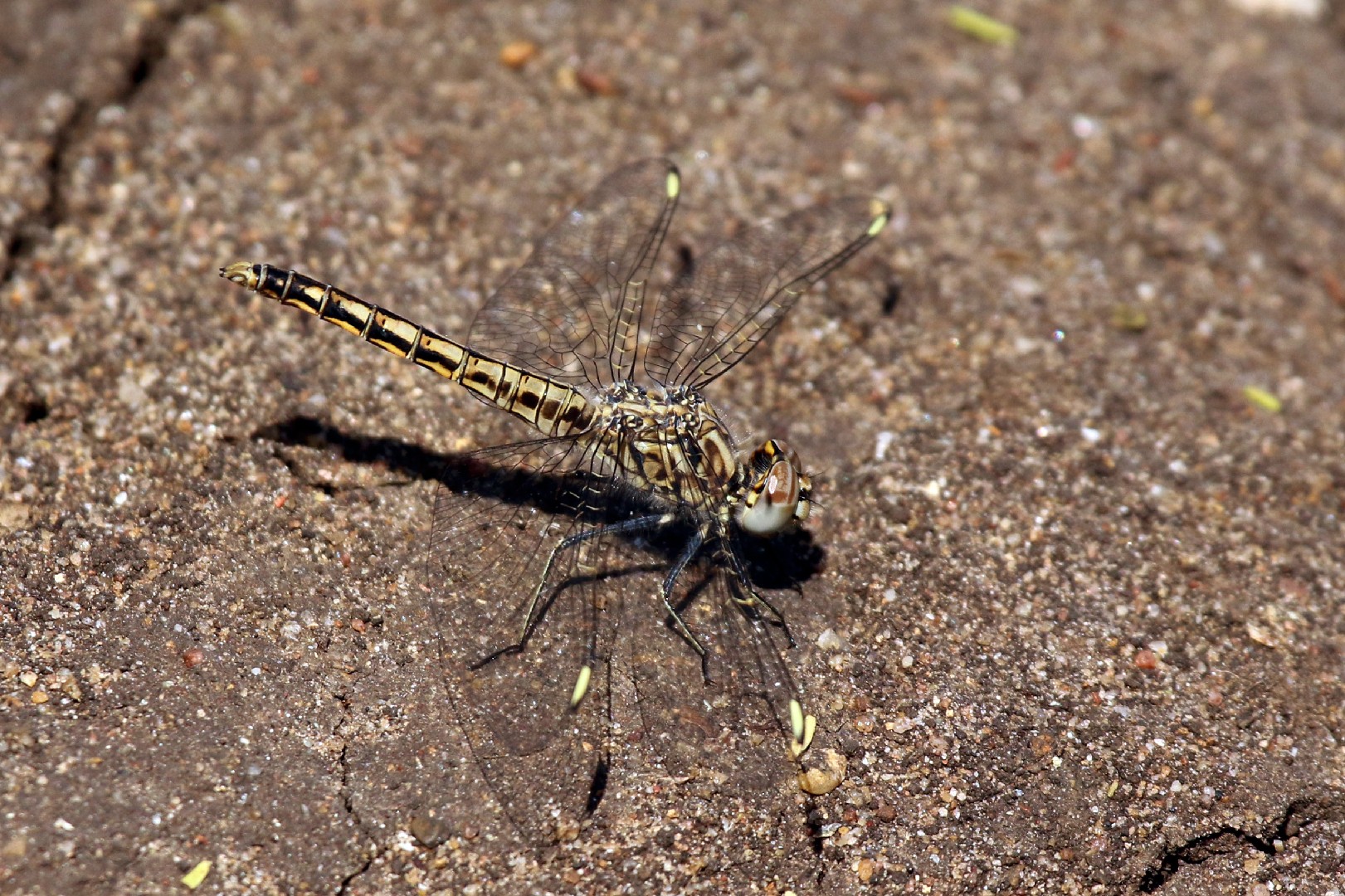
5. Banded groundling
The southern belt soil dragonfly is on the IUCN Red List as non-endangered, assessment year 2009. The species is found in Africa, the Middle East and Southern Europe, including in Zimbabwe.
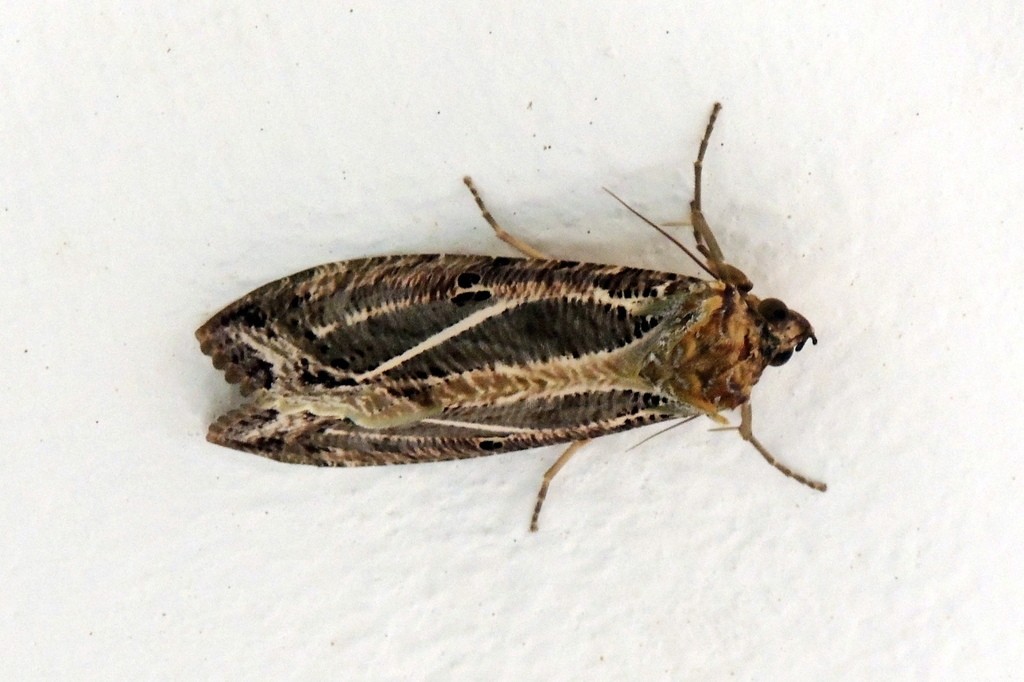
6. Fruit piercing moth
The wingspan is about 60–96 mm. Palpi with third joint long and spatulate at extremity. Forewings with crenulate cilia in both sexes. Male has greenish-grey head and thorax. Abdomen orange. Forewings greenish grey with very numerous faint striated reddish lines. There are three rufous spots which can be seen at end of cell. A dark oblique line from near apex to centre of inner margin. A silvery patch found on vein 1 and another below lower angle of cell. A marginal black band with crenulate inner edge. There is a series of white cilia spots. Ventral side is orange. Forewings with costa and apical area blotched with rufous. Oblique postmedial and sub-apical black bands can be seen. Hindwings with apical area blotched with rufous. A black spot found on costa and another beyond lower angle of cell. A marginal black band runs from vein 5 to anal angle. Female much more prominently striated with rufous coloured forewings. The silvery patches found below and beyond cell very large and conjoined crossed by white streaks above vein 2 and beyond cell.
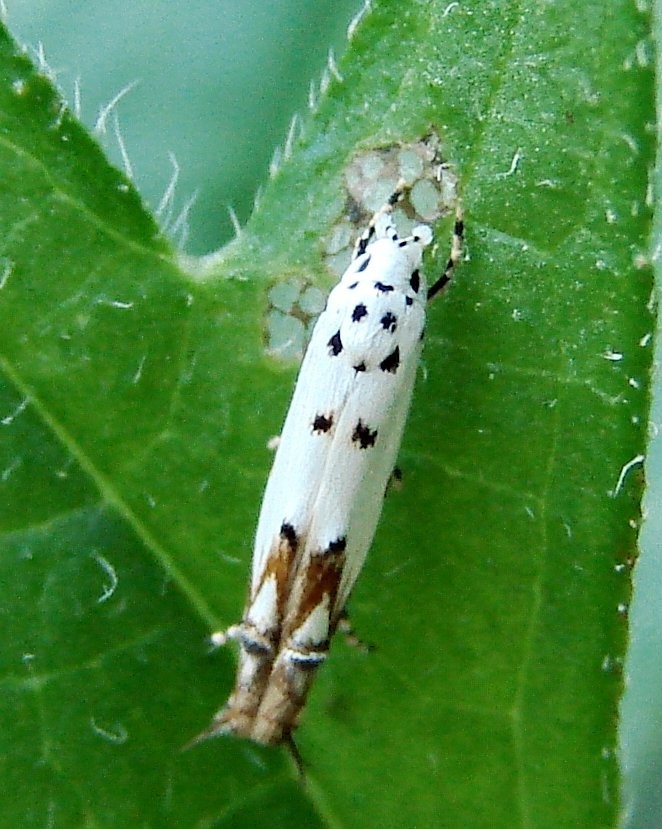
7. Red-streaked mompha
Mompha eloisella is a butterfly from the willow- Mompha eloisella moth family (Momphidae). The scientific name of the species was first validly published in 1860 by Clemens.
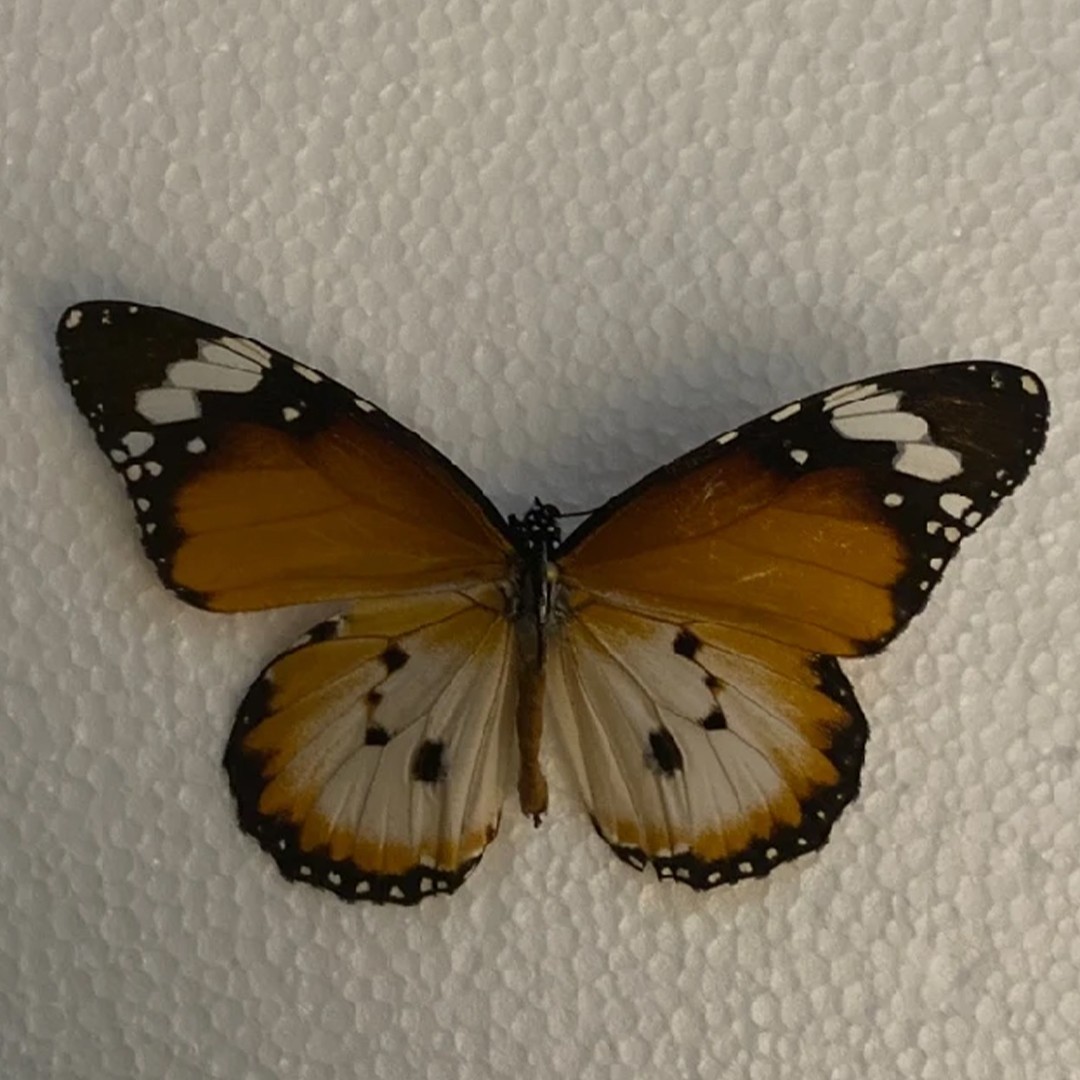
8. Plain tiger butterfly
D. chrysippus is a medium-sized butterfly with a wingspan of about 7–8 cm (2.8–3.1 in). The body is black with many white spots. The wings are orange, the upperside brighter and richer than the underside. The apical half of the forewing is black with a white band. The hindwing has three black spots in the center. The wings are bordered in black and outlined with semicircular white spots. This species exhibits slight sexual dimorphism, as the Male has large scent glands on his hindwings, which the female lacks. They appear as a large black spot with a white centre if viewed from the underside D. chrysippus is a polymorphic species, so the exact coloring and patterning vary within and between populations. It is similar in appearance to the Indian fritillary (Argynnis hyperbius), which may coexist with it.
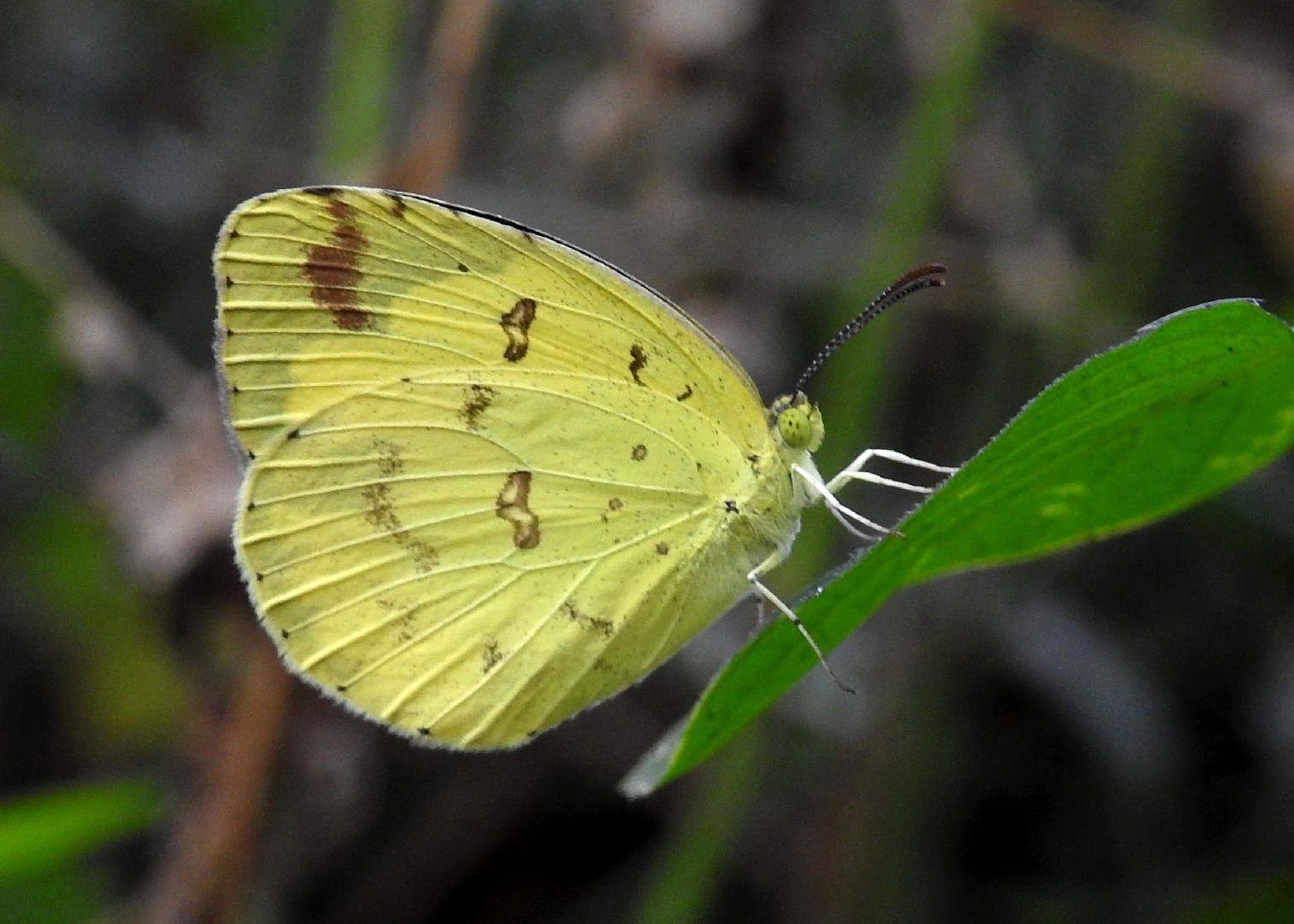
9. Common grass yellow
The common grass yellow (Eurema hecabe) can be found in groups around damp soil. Despite their name, they do not feed on grass, instead, they are known to frequently visit grasslands. It can change its form depending upon the season, as it is far more rough-looking if it comes during the dry season.