




Top 20 Most Common Insects in Norway
Welcome to an exploration of our fascinating world of insects in Norway! These creatures occupy diverse habitats, with geography profoundly influencing their spread. From coastland crustaceans to alpine arthropods, Norway's unique ecosystems teem with 20 common insects - some pests, others unsung heroes promoting biodiversity. Let's probe how Norway's environmental features shape insect variety, underscoring the vital role these insects play in their habitats.

Most Common Insects
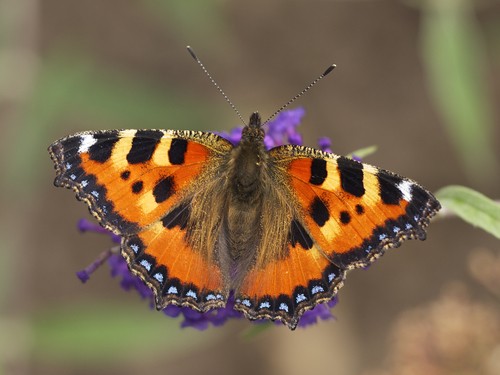
1. Small tortoiseshell
Small and colorful, small tortoiseshell (Aglais urticae) is the national butterfly of Denmark. However, it is capable of surviving anywhere the common nettle leaf may be found, which the larvae of this species depend on. Once among the most common butterflies in Europe and temperate Asia, this species is experiencing rapid declines for reasons still being investigated.
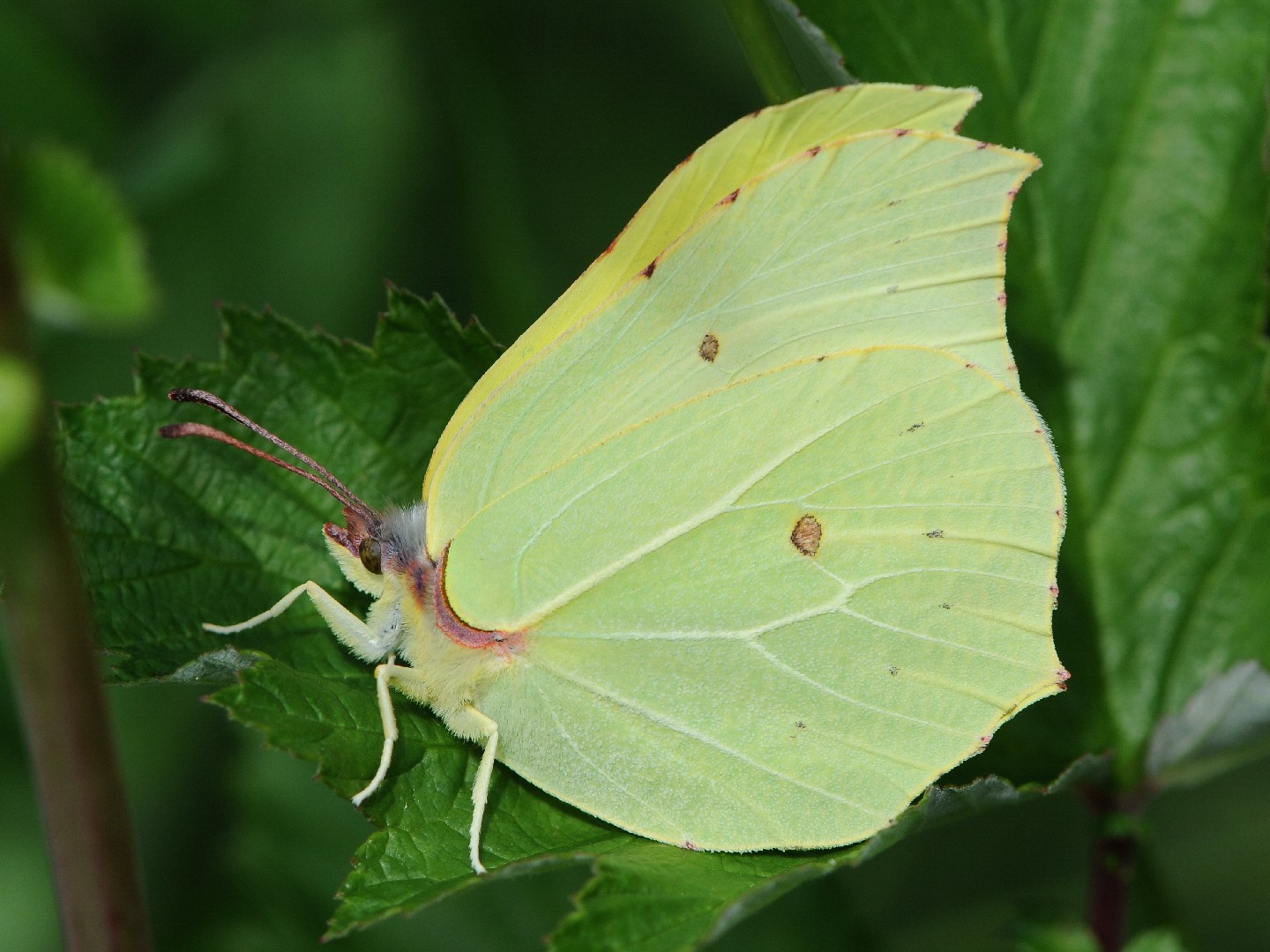
2. Common brimstone
Common brimstone (Gonepteryx rhamni) is an attractive species of butterfly; males display iridescence and have yellow wings, whereas females have white-green, non-iridescent wings. This species is wholly reliant on two species of buckthorn plant to lay its eggs. Consequently, the larvae consume large amounts of buckthorn.
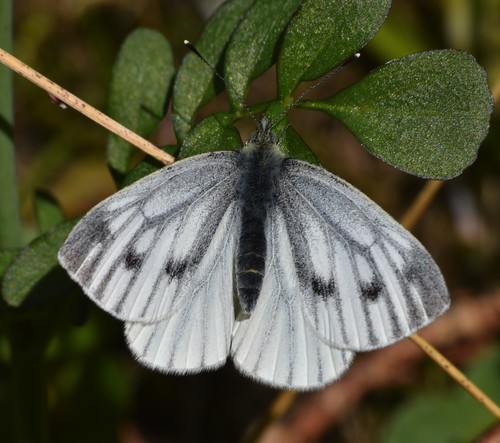
3. Green-veined white
Green-veined white (Pieris napi) is a distinctively white-winged butterfly that lays its eggs in a variety of food plants. This species displays observable differences dependent on sex: males possess only one dark spot on each forewing, whereas females display two. Unlike several of its cousin species, green-veined white prefers not to lay eggs in garden cabbages, rendering it less of a pest to farmers.
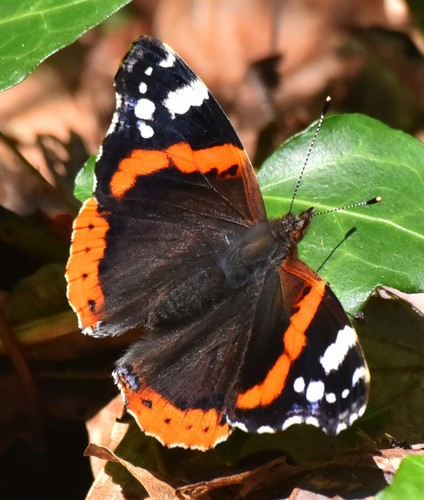
4. Red admiral
Red admiral (Vanessa atalanta) is a visually striking species of butterfly. Unusually territorial, males will compete for choice areas, and females will only mate with males that maintain their own territories. This butterfly is known for being particularly patient with human interactions, even to the point of perching on clothing or flesh.
5. Common carder bee
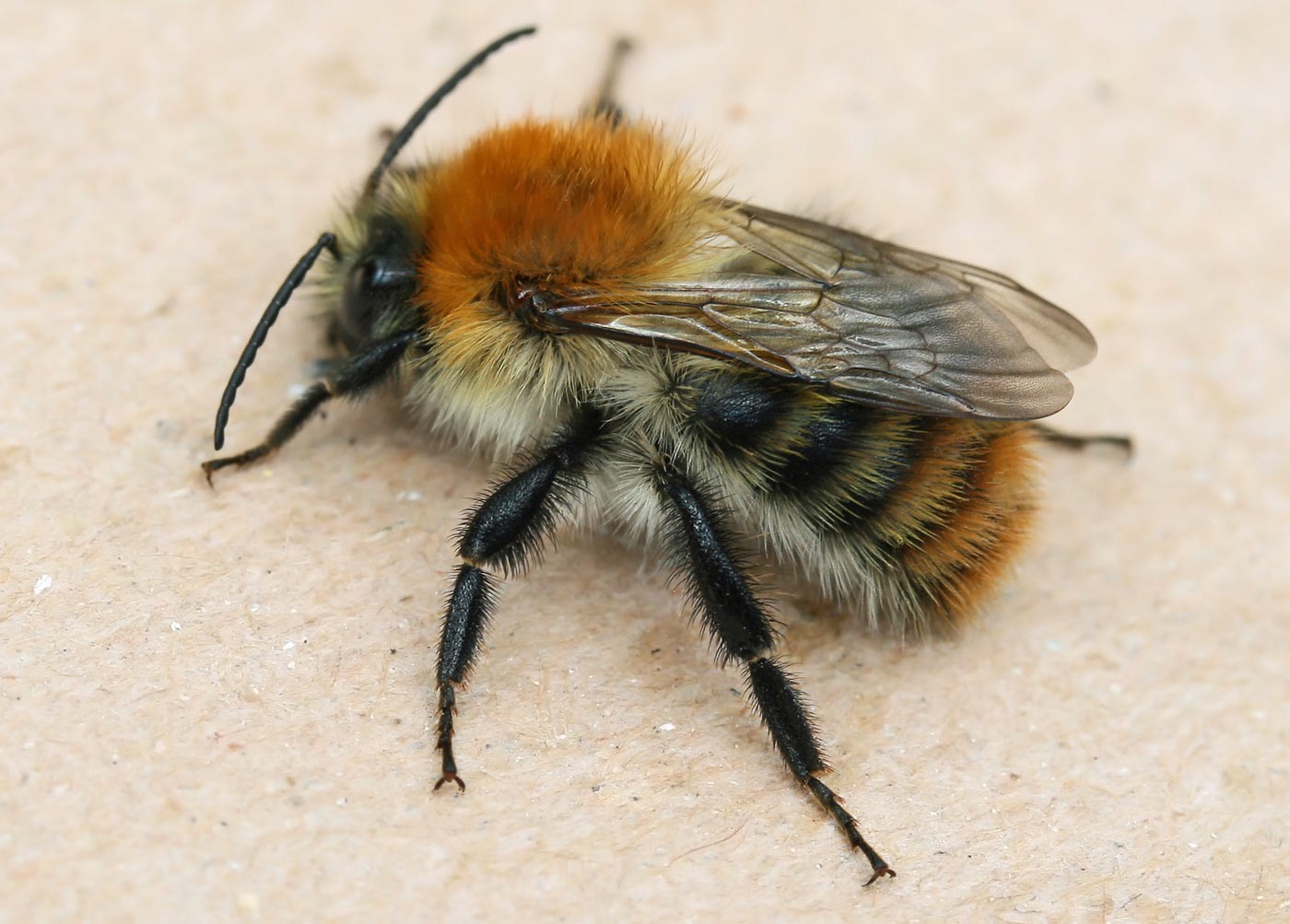
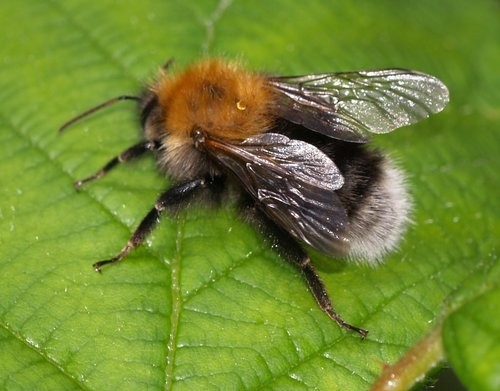
The common carder bee (Bombus pascuorum) earns this name from its ability to be found almost anywhere. It isn't picky and can set up shop in a ditch or a meadow. During this time, it collects moss and combines it with wax to form their nests. They reach more than 100 individuals until they rapidly die off. Dramatically, the last surviving females and males leave the nest for greener pastures.
6. Large yellow underwing
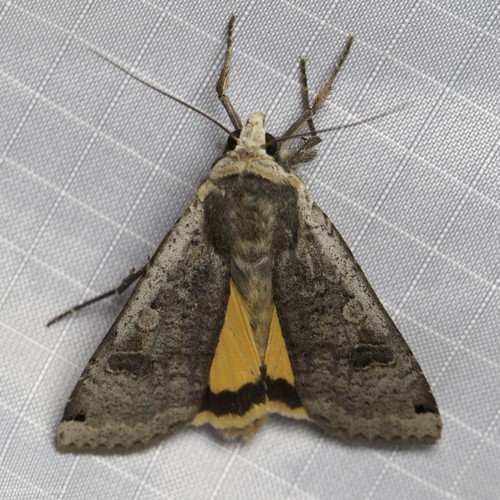
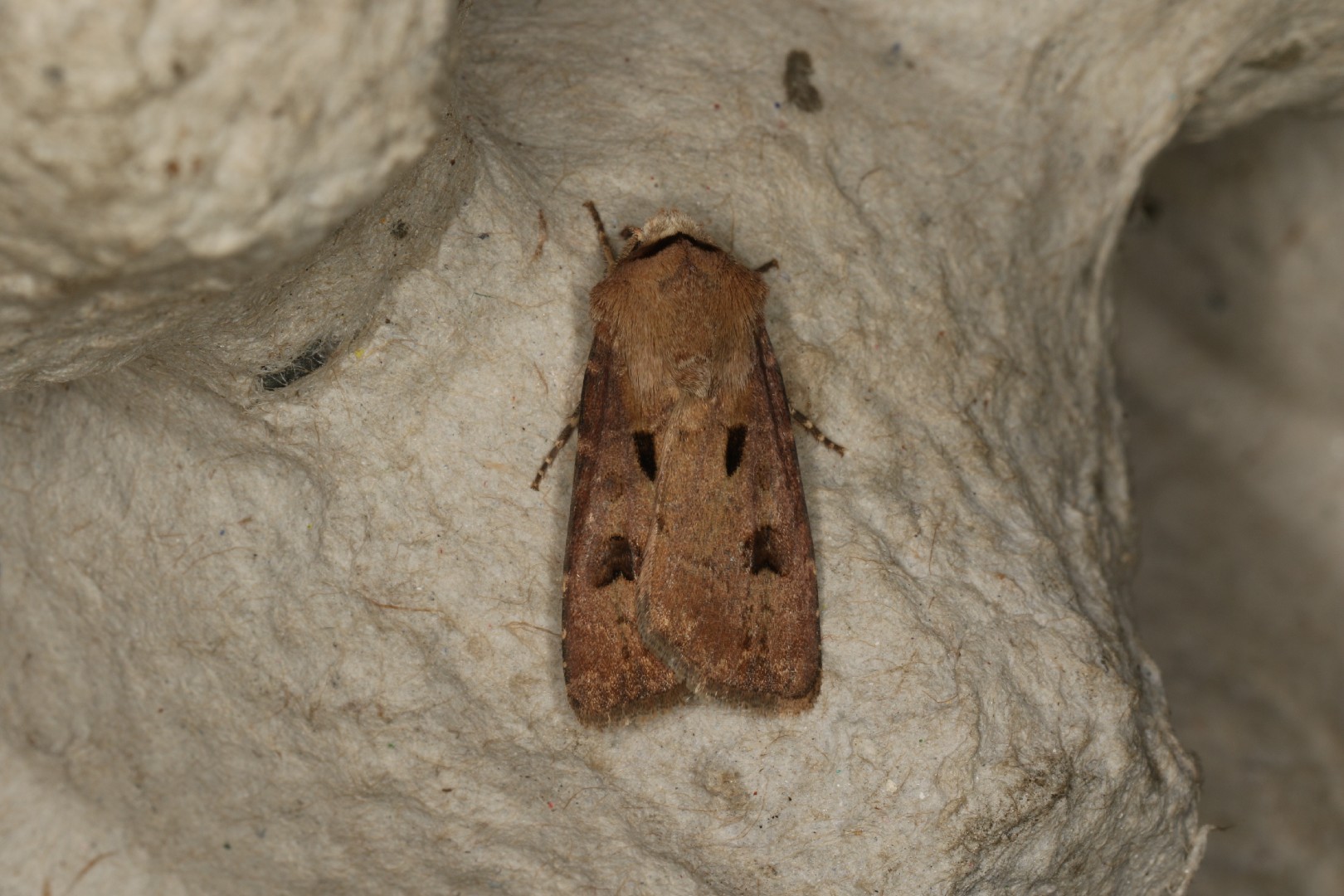
An unusually large and heavy species of moth, large yellow underwing (Noctua pronuba) is dreaded by gardeners for the larvae's habit of causing fatal damage to the base of virtually any herbaceous plant. Large migrations occur some years, but how those years are determined is not yet known. Its contrasting colors (yellow-orange and brown) are thought to confuse would-be predators.
7. European peacock
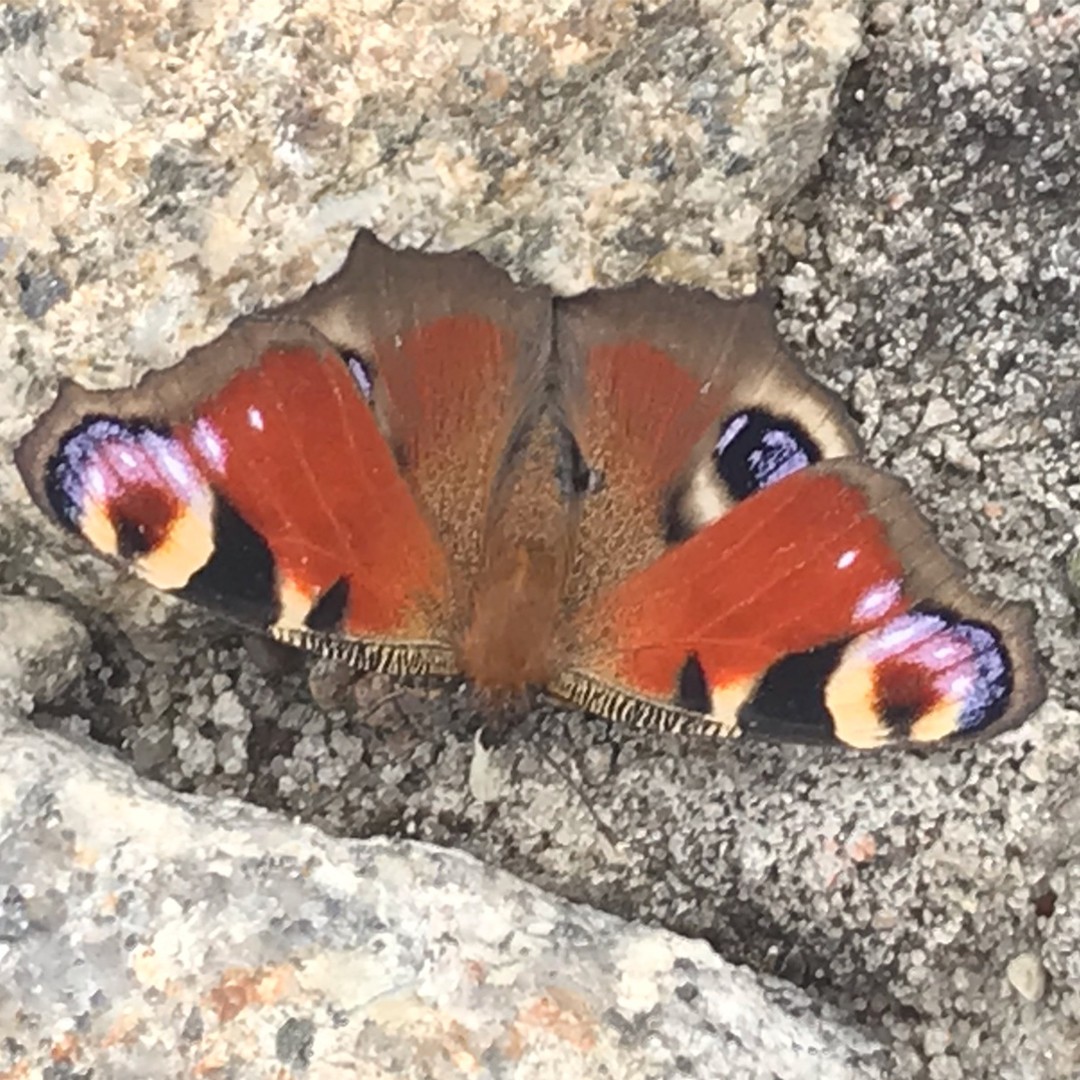
European peacock (Aglais io) is a colorful butterfly that resides in temperate Asia and Europe – hence its common name. Its prominent eyespots deter would-be predators, who mistake them for the eyes of a bigger, more dangerous species. In recent years, this species appears to be expanding its range into previously uncolonized territory.
8. Ringlet
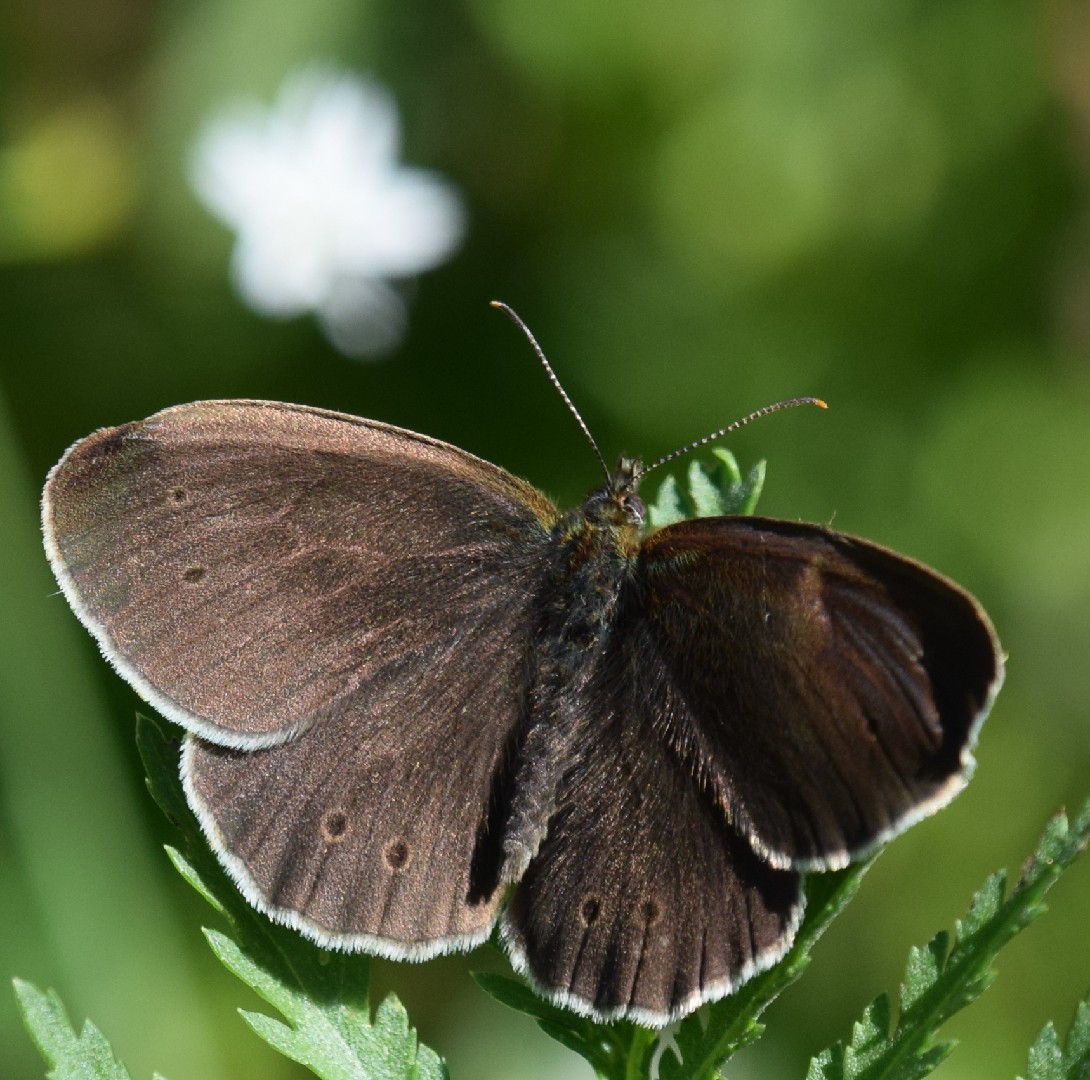
Aphantopus hyperantus is a medium-sized butterfly with a wingspan of up to 3.5 - 4 cm . The wing upper and lower sides are solid brown with small, yellowish-rimmed eyespots. The newly emerged ringlet has a velvety appearance and is almost black with a white fringe to the wings. The number and size of the eyespots is variable, they may be missing on the upper wing surface. The eggs are pale yellow when first laid, but become pale brown.The caterpillars are about 2.5 cm long. They are gray or light reddish brown and have dark, reddish brown and very fine dots. Dorsally there is a dark longitudinal line, which is widened at the segment boundaries. Toward the rear, this line is more intensely colored. The head is darker and has several faint longitudinal stripes. 
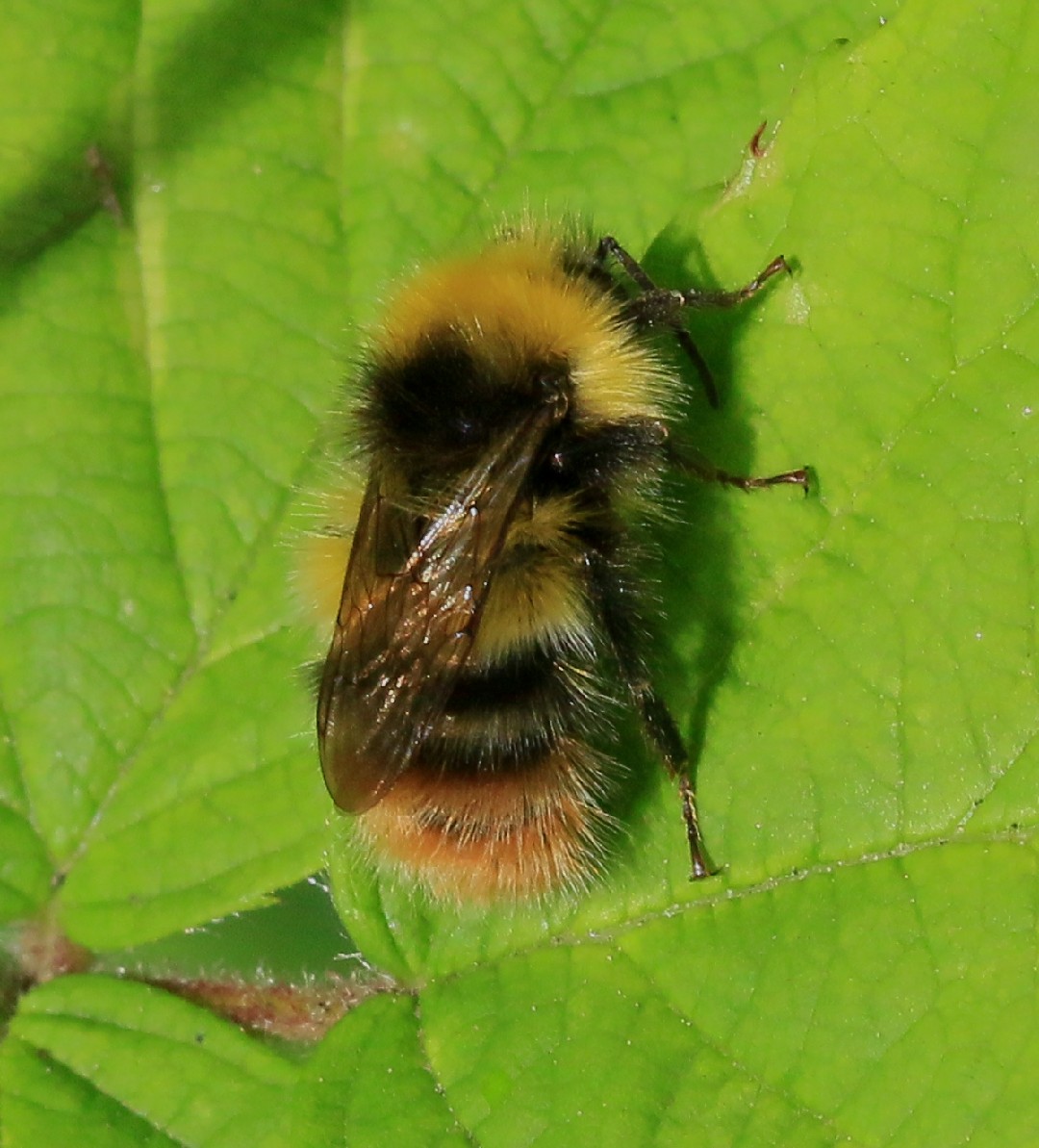
9. Early bumblebee
The meadow bumblebee (Bombus pratorum) belongs to the genus of bumblebees.
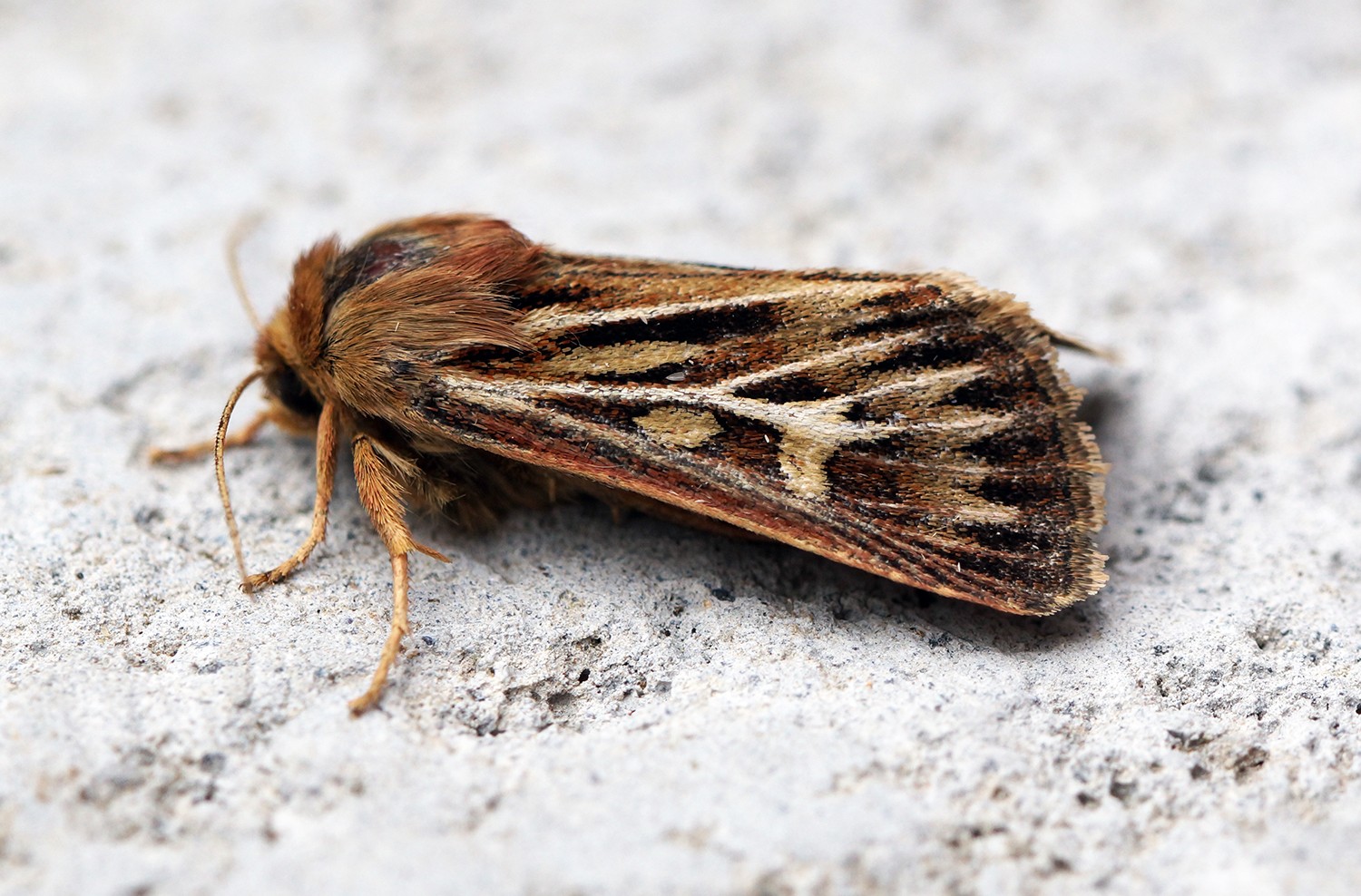
10. Antler moth
This species is unusual for a noctuid in that there is marked sexual dimorphism. The male has a wingspan of 27–32 mm but the female is much larger with a wingspan of 35–39 mm. The forewings are brown, speckled with black and marked with a bold white branched basal streak which gives the species its common name. The hindwings are dark brown with a white fringe.
More







