




Top 20 Most Common Insects in Trondheim
Insects, known for their diversity and adaptability, thrive in various habitats, even in the unique landscapes of Trondheim. Evolving through the various geographical locations, they embody an array of functions, from notorious pests to beneficial pollinators. This list explores the top 20 most common insects in Trondheim, providing a glimpse into the intricate relationship between these incredible creatures and our local environment.

Most Common Insects
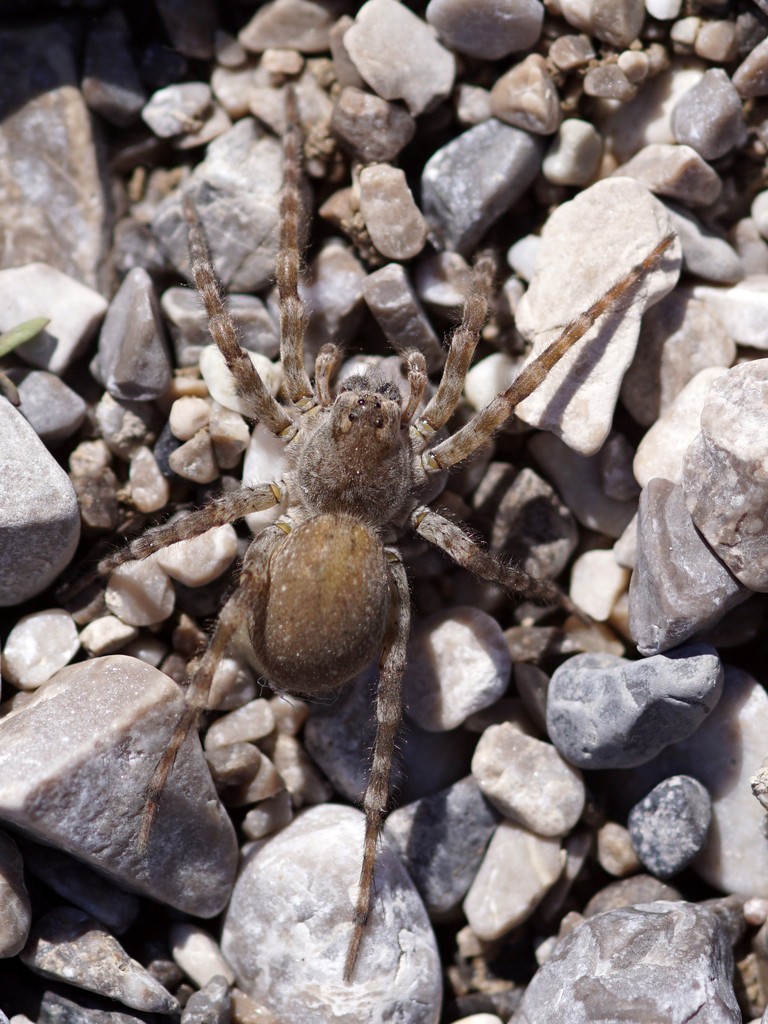
1. Giant riverbank wolf spider
Arctosa cinerea is one of the most conspicuous wolf spider of central Europe, with a palearctic distribution and also found in Congo. The spider reaches a length of 17 mm (males only 14 mm), and occurs only on sandy beaches of rivers, lakes and oceans. Its grey-brown color makes for a good camouflage, and so it is not often seen, even if it wanders around during daylight. They dig holes in the ground, which they cover with silk, or hide under rocks. 
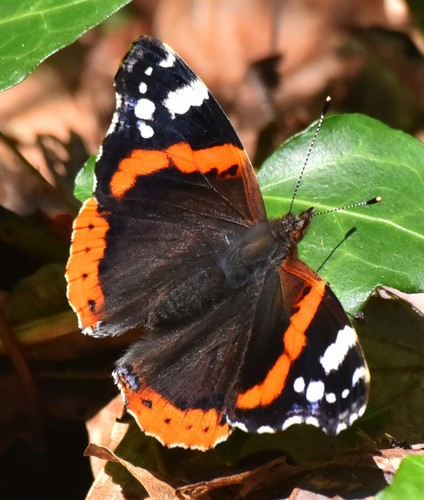
2. Red admiral
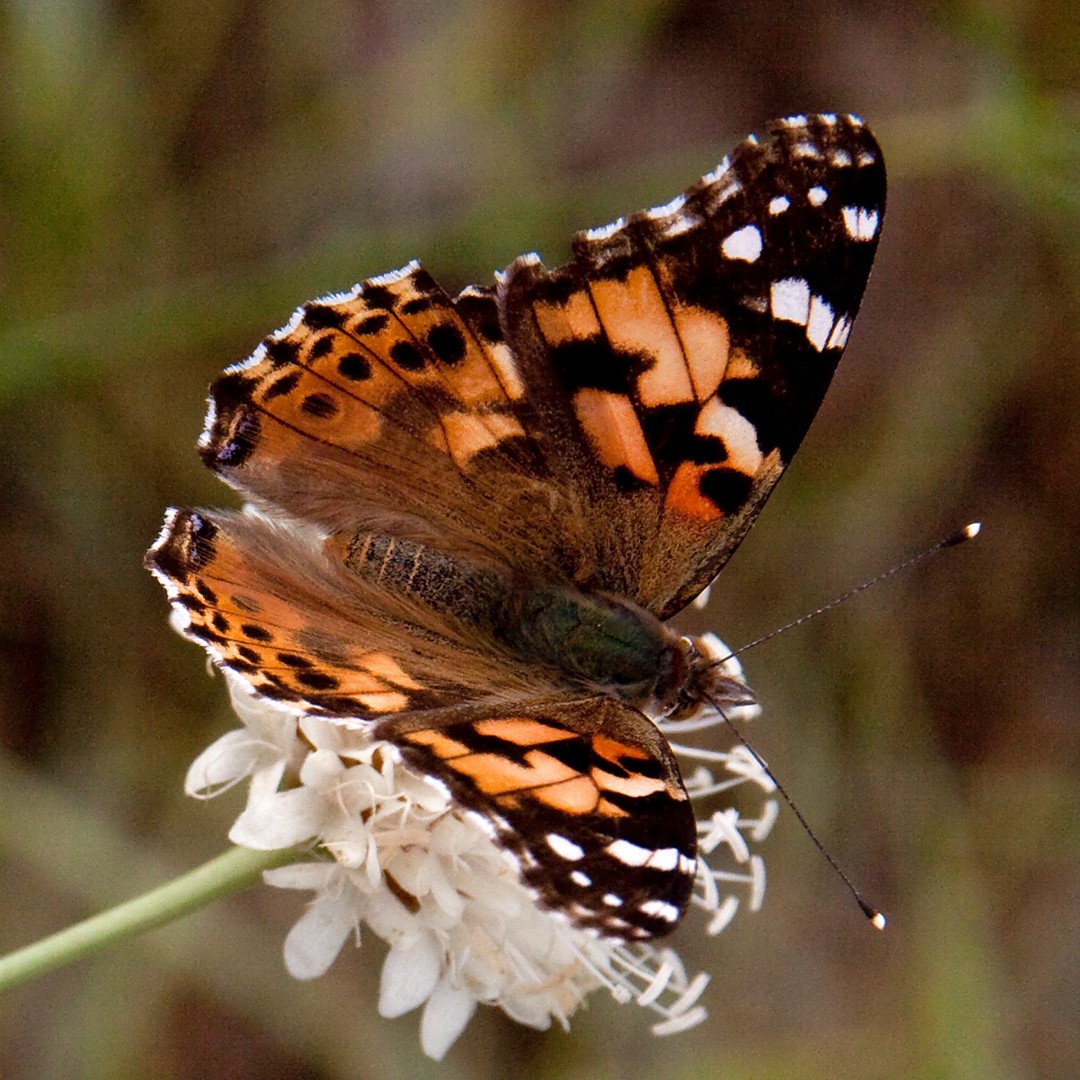
Red admiral (Vanessa atalanta) is a visually striking species of butterfly. Unusually territorial, males will compete for choice areas, and females will only mate with males that maintain their own territories. This butterfly is known for being particularly patient with human interactions, even to the point of perching on clothing or flesh.
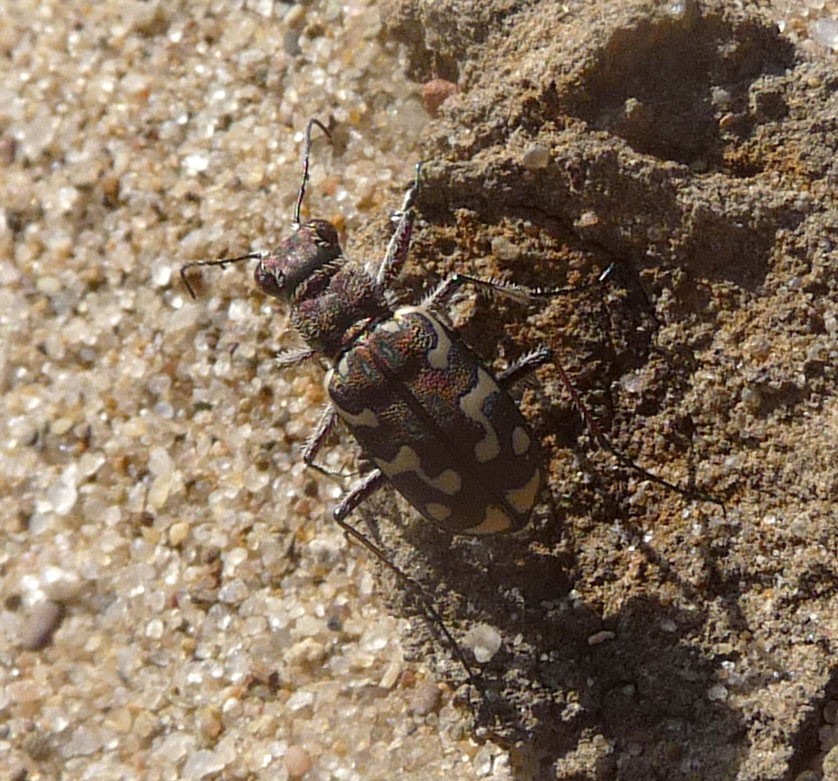
3. Cicindela maritima
Cicindela maritima is a species of medium-sized (12 to 15 mm long) ground beetles native to Europe, where it is found in Belgium, Croatia, mainland Denmark, Finland, mainland France, Germany, Great Britain including the Isle of Man, Kaliningrad, Latvia, Moldova, mainland Norway, Poland, mainland Portugal (doubtful), Romania (doubtful), Russia except in the North, Sweden, the Netherlands, and Ukraine.
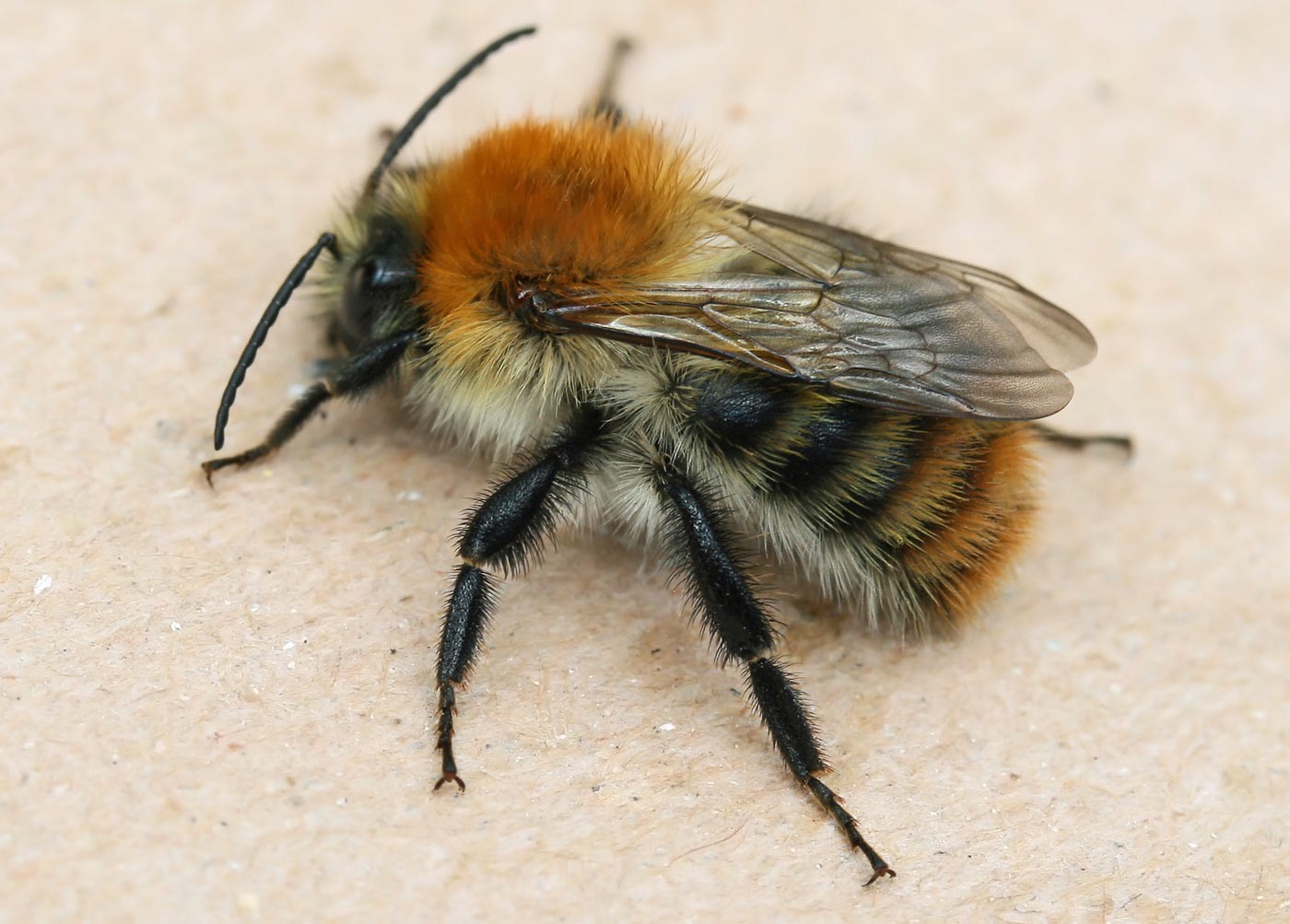
4. Common carder bee
The common carder bee (Bombus pascuorum) earns this name from its ability to be found almost anywhere. It isn't picky and can set up shop in a ditch or a meadow. During this time, it collects moss and combines it with wax to form their nests. They reach more than 100 individuals until they rapidly die off. Dramatically, the last surviving females and males leave the nest for greener pastures.
5. Small tortoiseshell
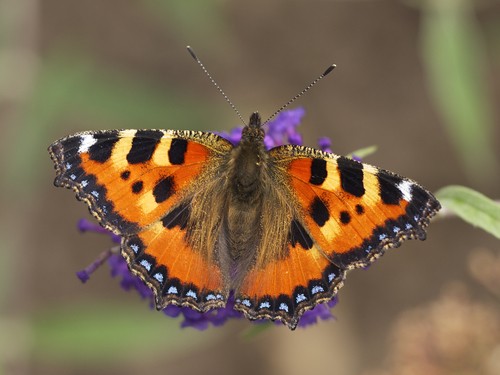
Small and colorful, small tortoiseshell (Aglais urticae) is the national butterfly of Denmark. However, it is capable of surviving anywhere the common nettle leaf may be found, which the larvae of this species depend on. Once among the most common butterflies in Europe and temperate Asia, this species is experiencing rapid declines for reasons still being investigated.
6. Green-veined white
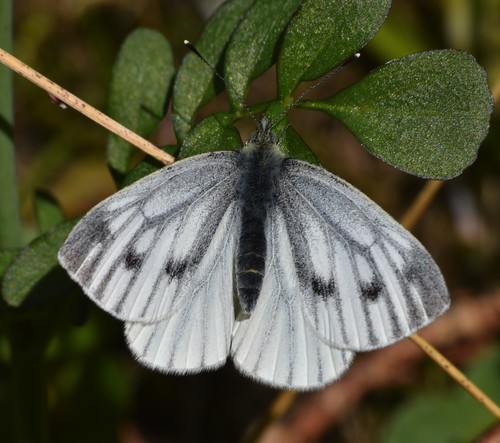
Green-veined white (Pieris napi) is a distinctively white-winged butterfly that lays its eggs in a variety of food plants. This species displays observable differences dependent on sex: males possess only one dark spot on each forewing, whereas females display two. Unlike several of its cousin species, green-veined white prefers not to lay eggs in garden cabbages, rendering it less of a pest to farmers.
7. Arran brown
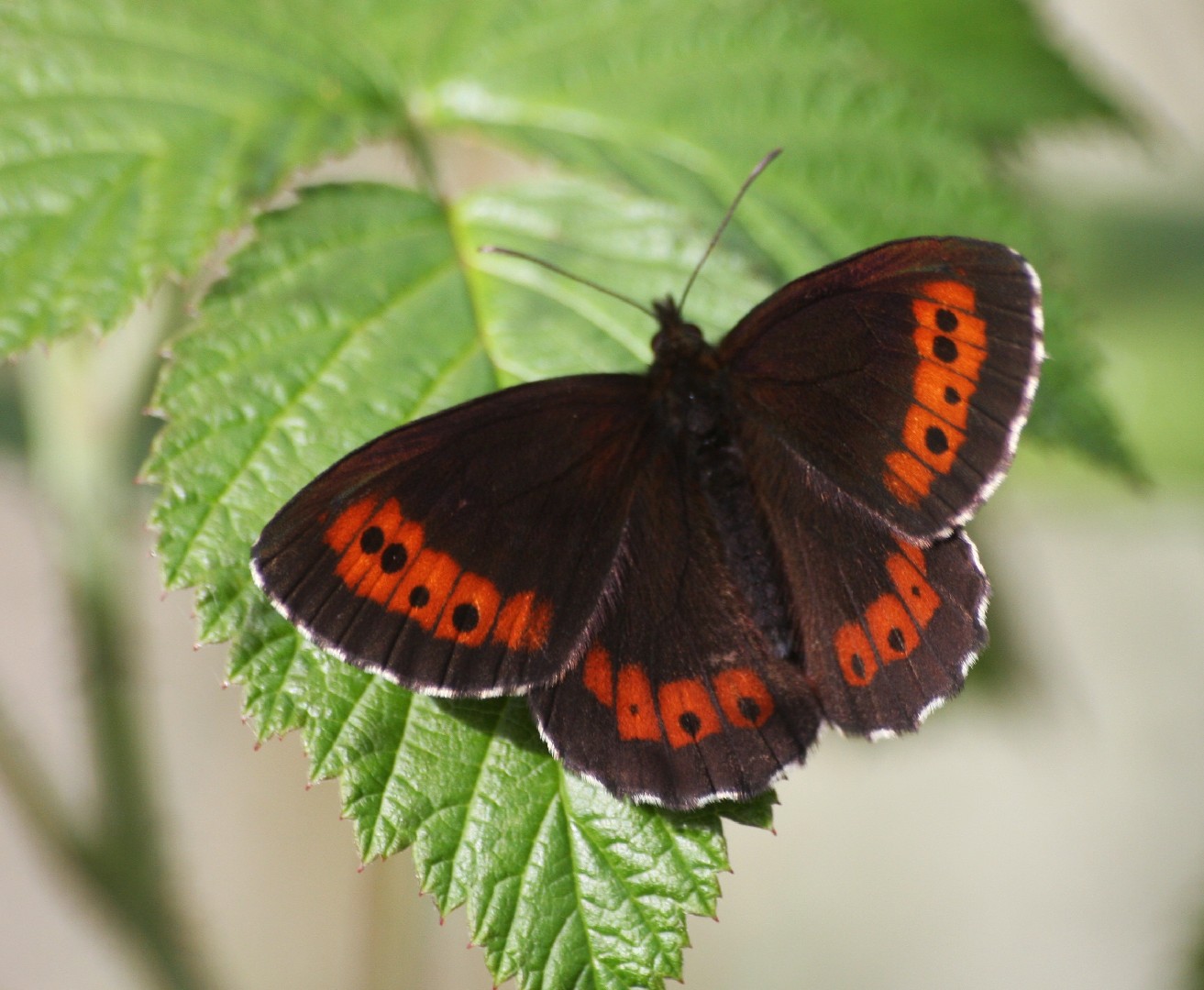
The arran brown is a medium-sized butterfly with a wingspan of between 3 cm and 4.5 cm. Females tend to be a little larger than males. The upperside of both the forewings and hindwings are dark greyish brown with a reddish-orange strip near the margin along which runs a series of black spots. Many of the spots are small but some have white centres. The underside of the forewing is dark brown with a reddish strip with black, white-centred eyespots near the outer edge. The underside of the hindwing is brown, edged with a row of more or less distinct dark coloured eyespots. The basal side of these is close to the centre of wing and there are one or two patches of white. The basal part of the hindwing of the female is a darker brown than the rest of the wing. This butterfly can be distinguished from the rather similar Lapland ringlet (Erebia embla) and the Arctic ringlet (Erebia disa) by the fact that it has white blotches on the under surfaces of the hindwing and those butterflies do not. It can also be distinguished from the Arctic ringlet by the fact that it always has eyespots on its hindwings while the upperside of the Arctic ringlet's wings are plain brown.
8. Large yellow underwing
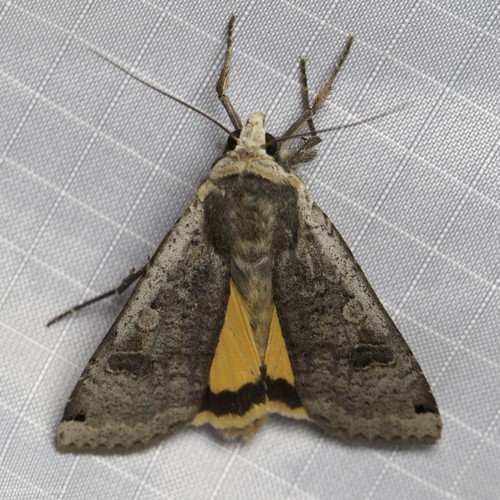
An unusually large and heavy species of moth, large yellow underwing (Noctua pronuba) is dreaded by gardeners for the larvae's habit of causing fatal damage to the base of virtually any herbaceous plant. Large migrations occur some years, but how those years are determined is not yet known. Its contrasting colors (yellow-orange and brown) are thought to confuse would-be predators.
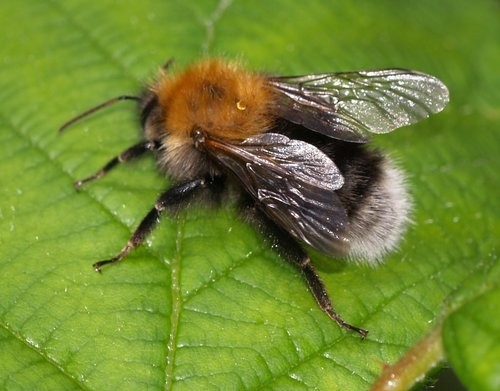
9. Tree bumble bee
The tree bumble bee (Bombus hypnorum) is otherwise known as the new garden bumblebee due to its ability to survive in uncommon environments. They like living near humans, often overtaking birdhouses for their own uses. When they aren't evicting birds from their houses they do work for the good of the colony.
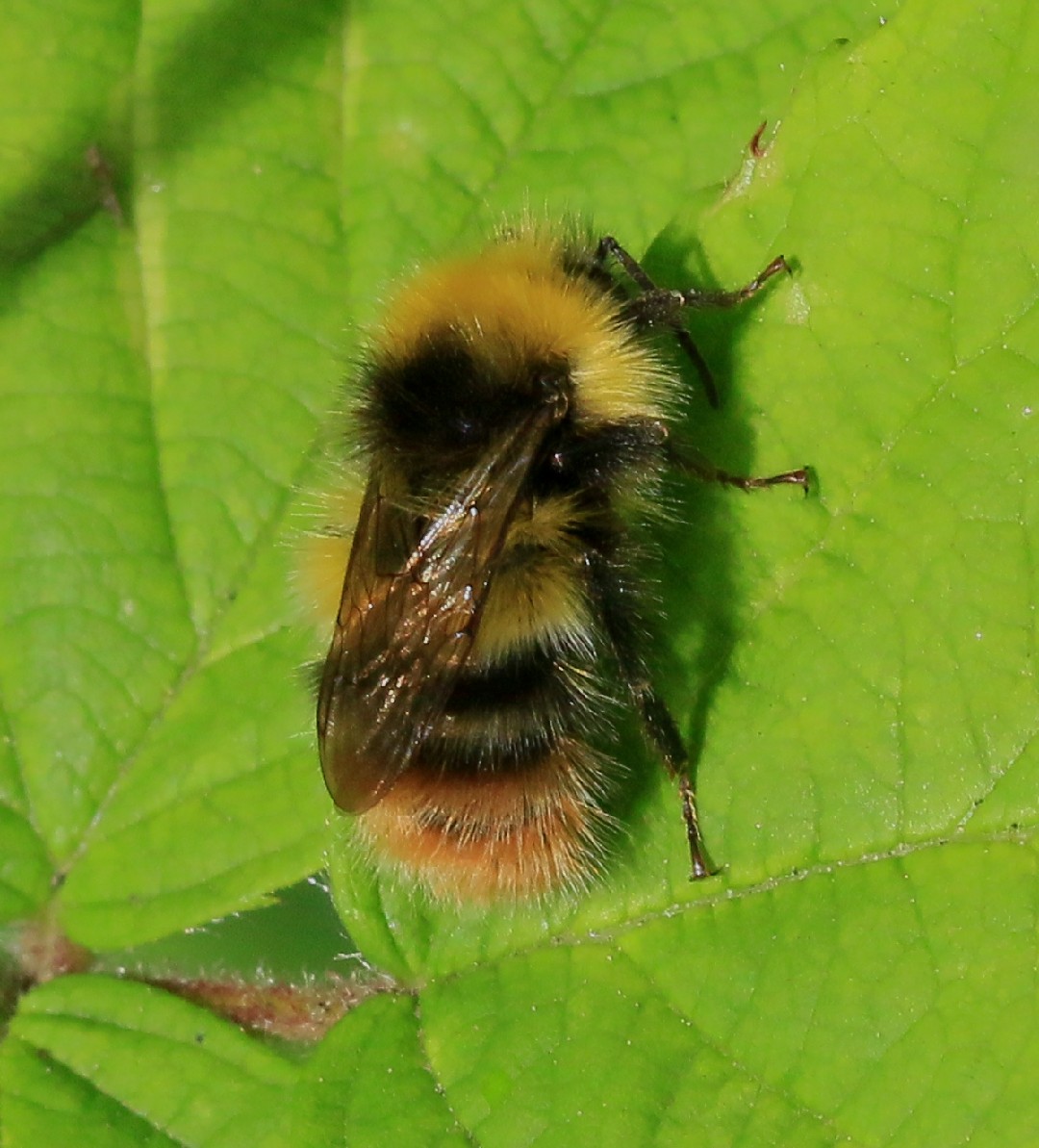
10. Early bumblebee
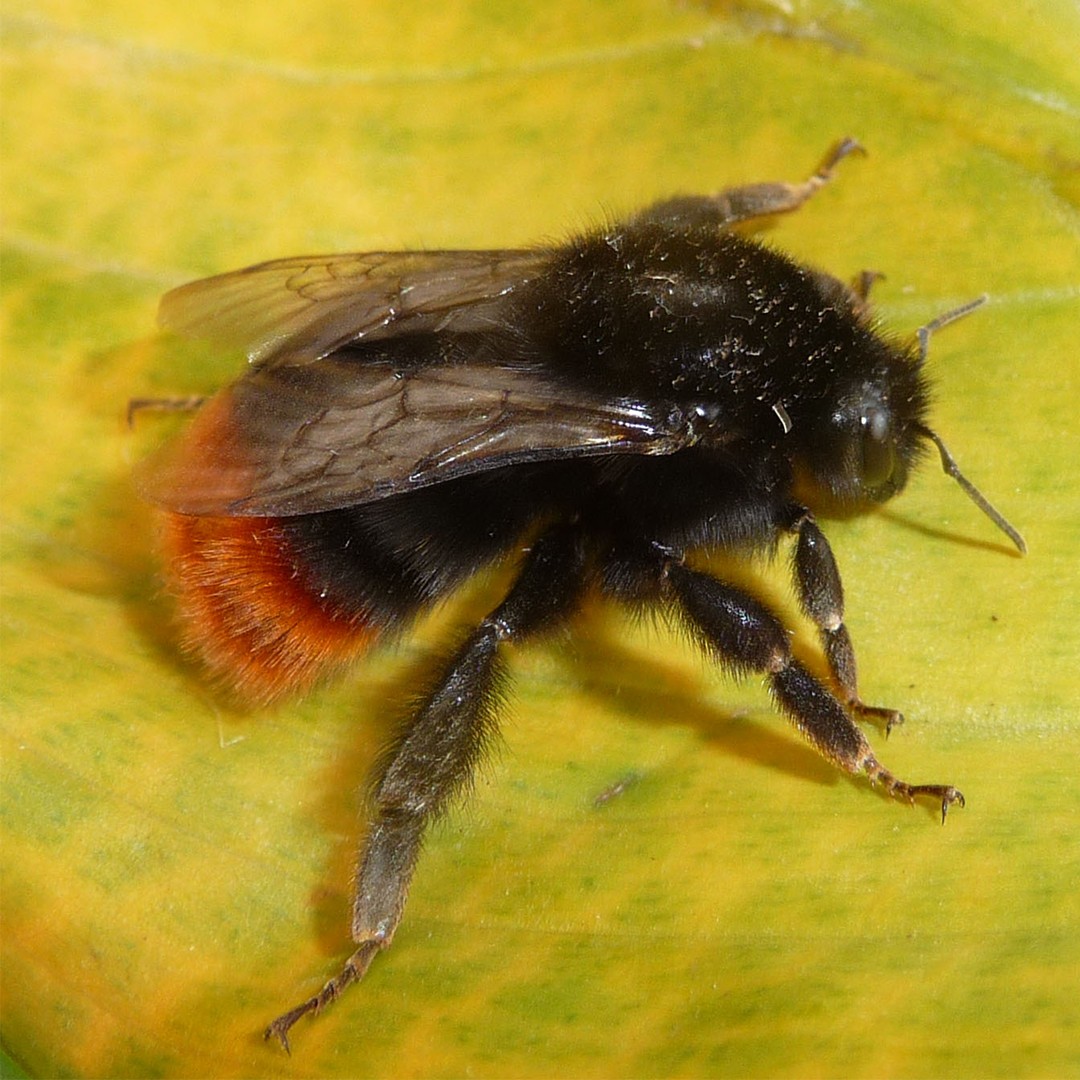
The meadow bumblebee (Bombus pratorum) belongs to the genus of bumblebees.
More







