




Top 20 Most Common Insects in Karachi
Insects, nature's most diverse creatures, are characterized by segmented bodies and tiny size. Within the breadth of Karachi, the variety of these fascinating organisms is amplified. Geography, with its diverse environmental elements, dictates this biospheric canvas. Insects are an integral part of our ecosystem, serving as pollinators, scavengers, and predators. Their roles are not limited to causing pestilence but also include beneficial ones, demonstrating the vital connection between Karachi's environmental tapestry and insect biodiversity. Now, let's introduce the 20 most common insects in Karachi.

Most Common Insects
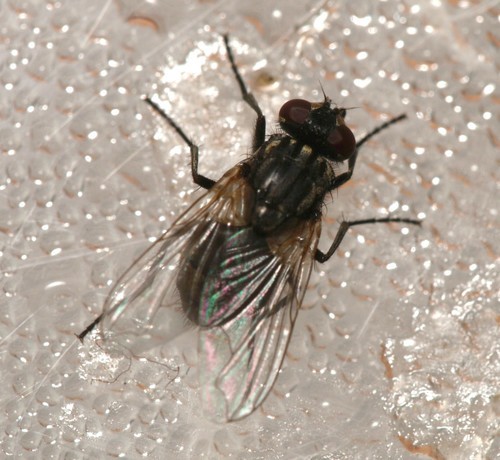
1. Common house fly
The female common house fly mates once and can store the sperm for multiple batches of eggs throughout her life. She will lay anywhere between 75 to 150 eggs at a time, usually in rotting organic matter, where the larvae will feed. The adults feed on feces and animal matter, making them important ecological composters. However, they can also transmit pathogens to human food and are considered pests and health hazards in human-occupied areas.
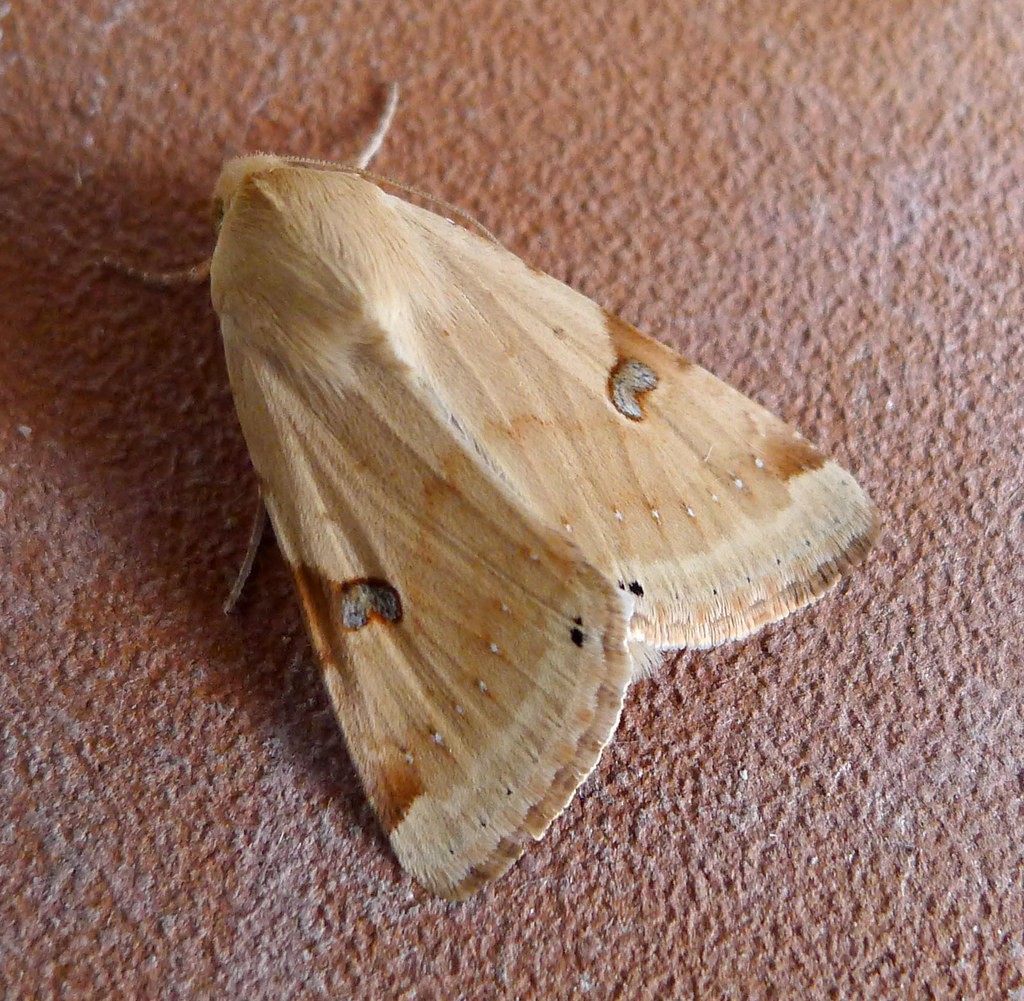
2. Bordered Straw
Heliothis peltigera has a wingspan of 29–40 mm and forewings reaching a length of 16–19 mm. These moths are rather variable in pattern and colour. Forewings are usually greyish ochreous, flushed with pale brown, except the narrow marginal area; lines are brown, indistinct; orbicular stigma is a dark dot. On middle of costa there is a reniform grey dot, with dark brown edge and centre, joined to a brown mark. A brown band appears between outer and submarginal lines. A black dot is present below vein 2 before margin. Hindwings show a broad brown-black marginal border, containing a pale blotch between 2 and 4. Cellspot is dark and fringes are white. Larvae are reddish grey or ochreous, dotted with white. Dorsal and subdorsal lines are dark, while spiracular line is white. This species is quite similar to Heliothis nubigera, that shows less evident kidney markings, and to Helicoverpa armigera, that has lighter colored hindwings. 
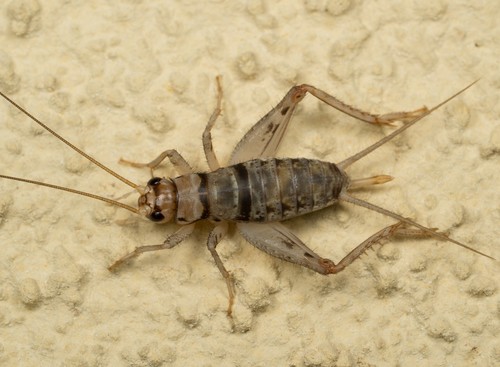
3. Tropical house cricket
The tropical house cricket is likely to be found in urban areas and sometimes indoors. As the name suggests, it prefers a warm, tropical environment. They come out from their hiding places at night to forage, sing, and mate, but only the male crickets are able to sing to attract a mate. They are generally harmless.
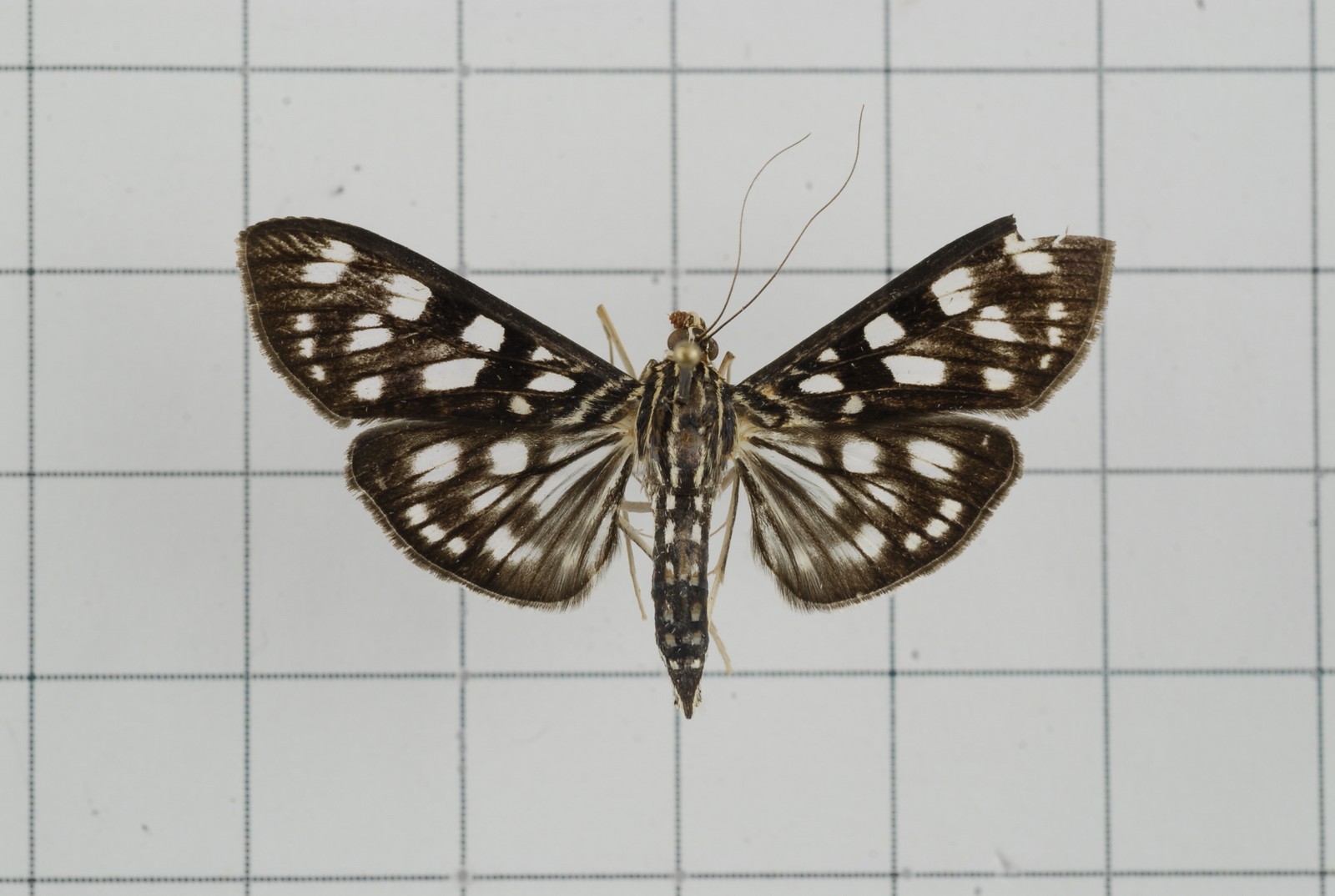
4. Chequered snout
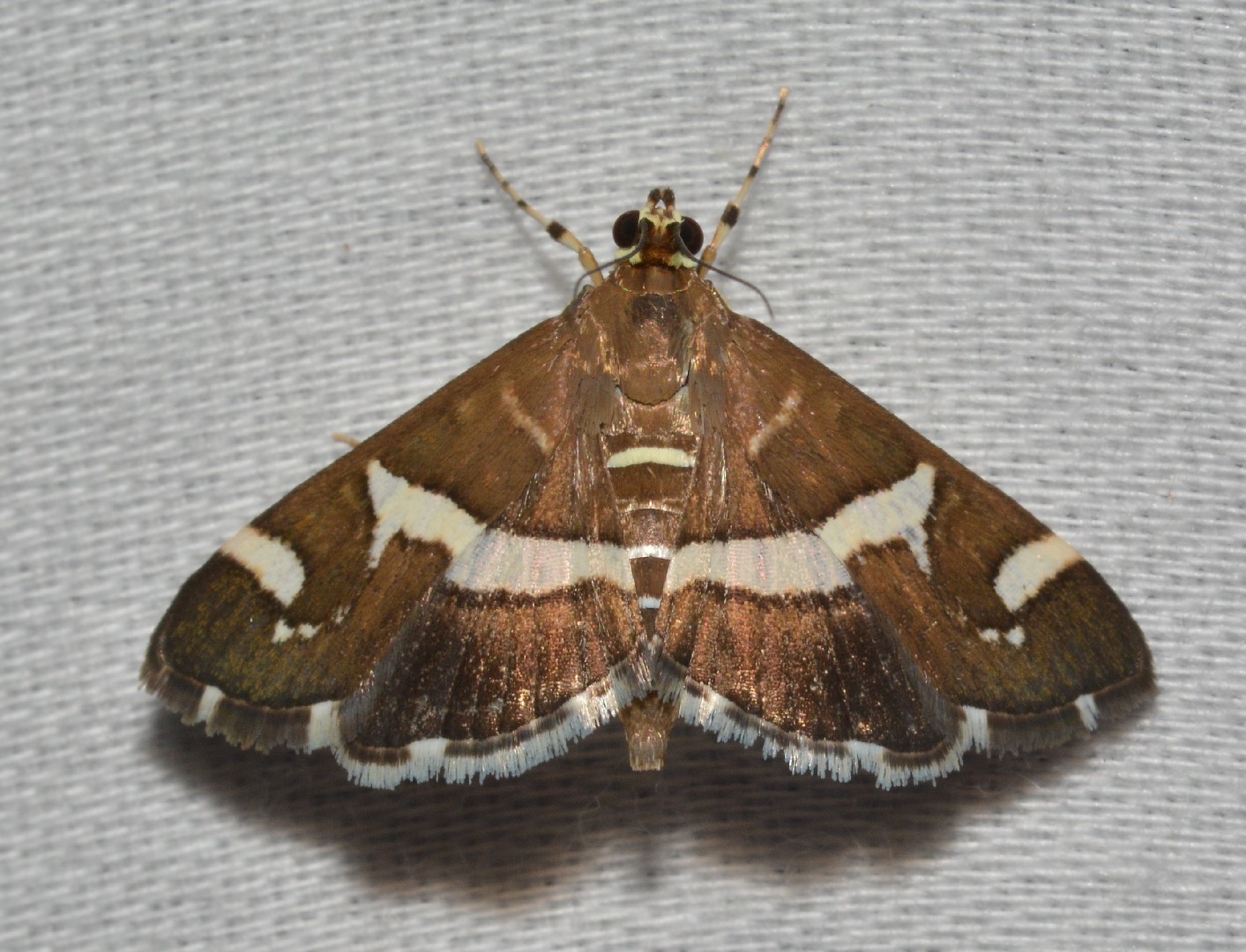
Palpi upturned, the 2nd joint broadly scaled in front, the 3rd porrect (extending forward) and lying on the hair of 2nd joint; maxillary palpi filiform and as long as the labial; frons rounded; antennae of male minutely ciliated; patagia extending beyond the metathorax; tibiae with the outer spurs half the length of the inner; abdomen long, male with the anal tuft large. Forewing with the costa arched towards apex; the outer margin oblique; the inner margin lobed before middle and somewhat excised towards outer angle; vein 3 from angle of cell; 4, 5 approximated for about one-third length; 7 curved and approximated to 8 and 9; 10 closely approximated to 8 and 9. Hindwing with the costa arched at middle; vein 2 from near angle of cell; 3 from the angle; 4 and 5 not approximated towards origin; 6 and 7 shortly stalked and curved, 7 anastomosing (fusing) slightly with 8. The wingspan is about 4 cm.
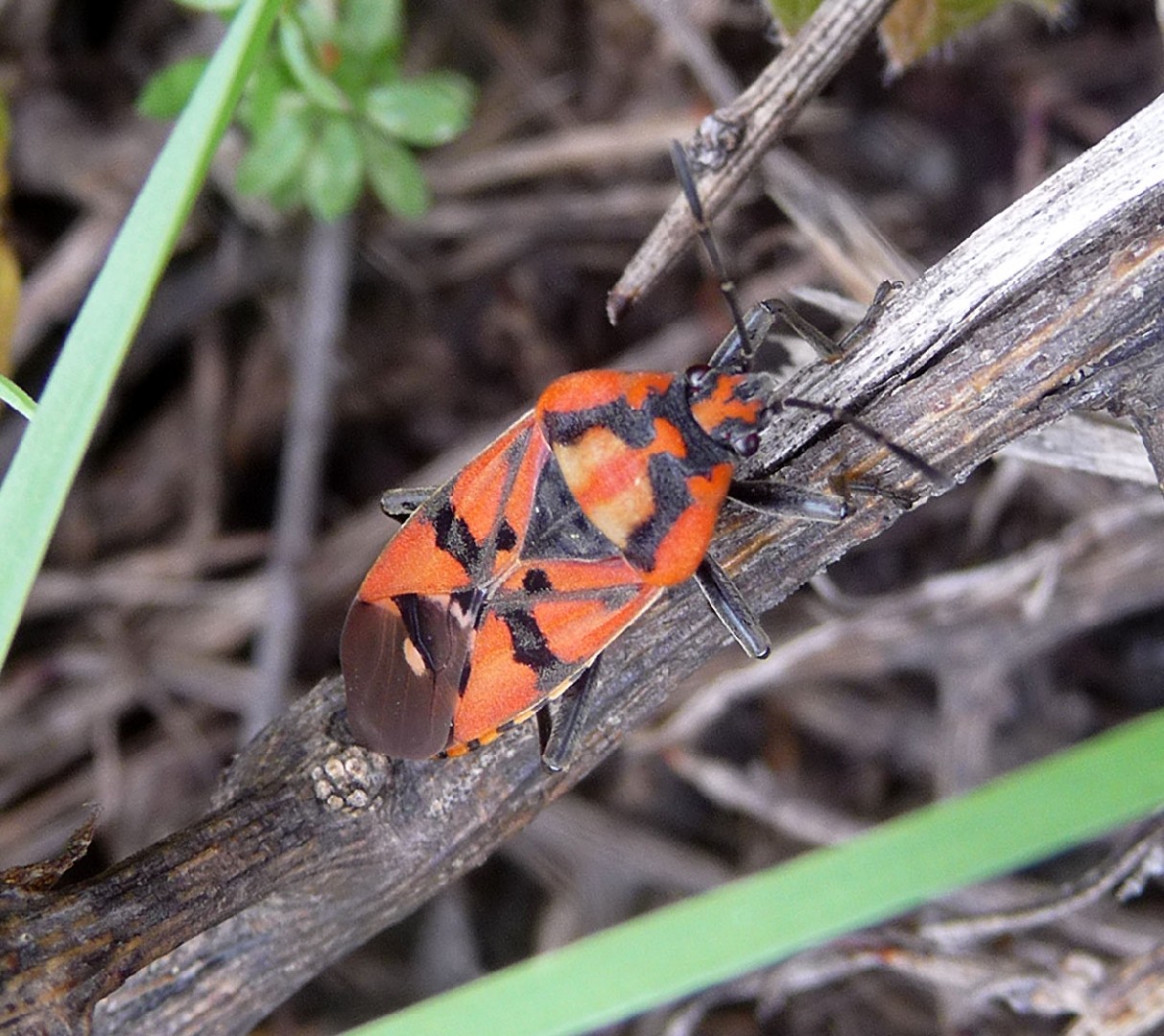
5. Soldier bug
Spilostethus pandurus is a colorful but potentially harmful beetle that feeds on the flowers and seeds of many plant species. This includes agricultural crops such as sesame, sorghum, tobacco and crown flower. Amateur entomologists can distinguish this beetle from similar species by the white spot on its back.
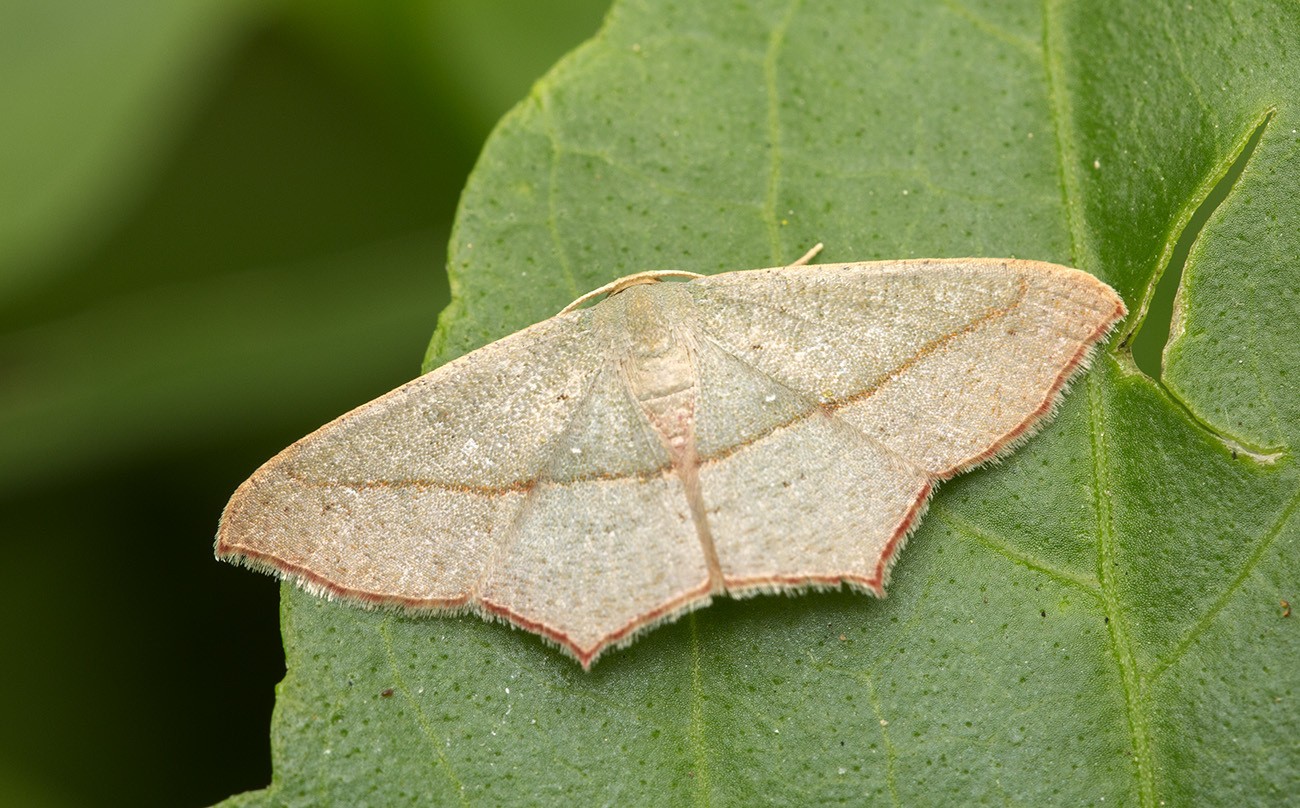
6. Traminda mundissima
Adults are brown or green, usually with a dark edged yellow arc across the forewing. The hindwings have an angular tornus.
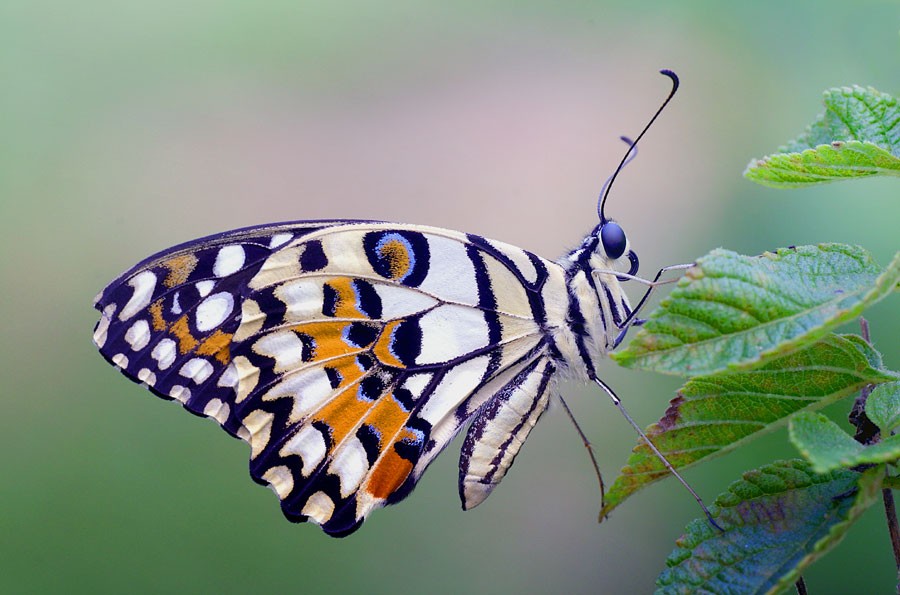
7. Lime swallowtail
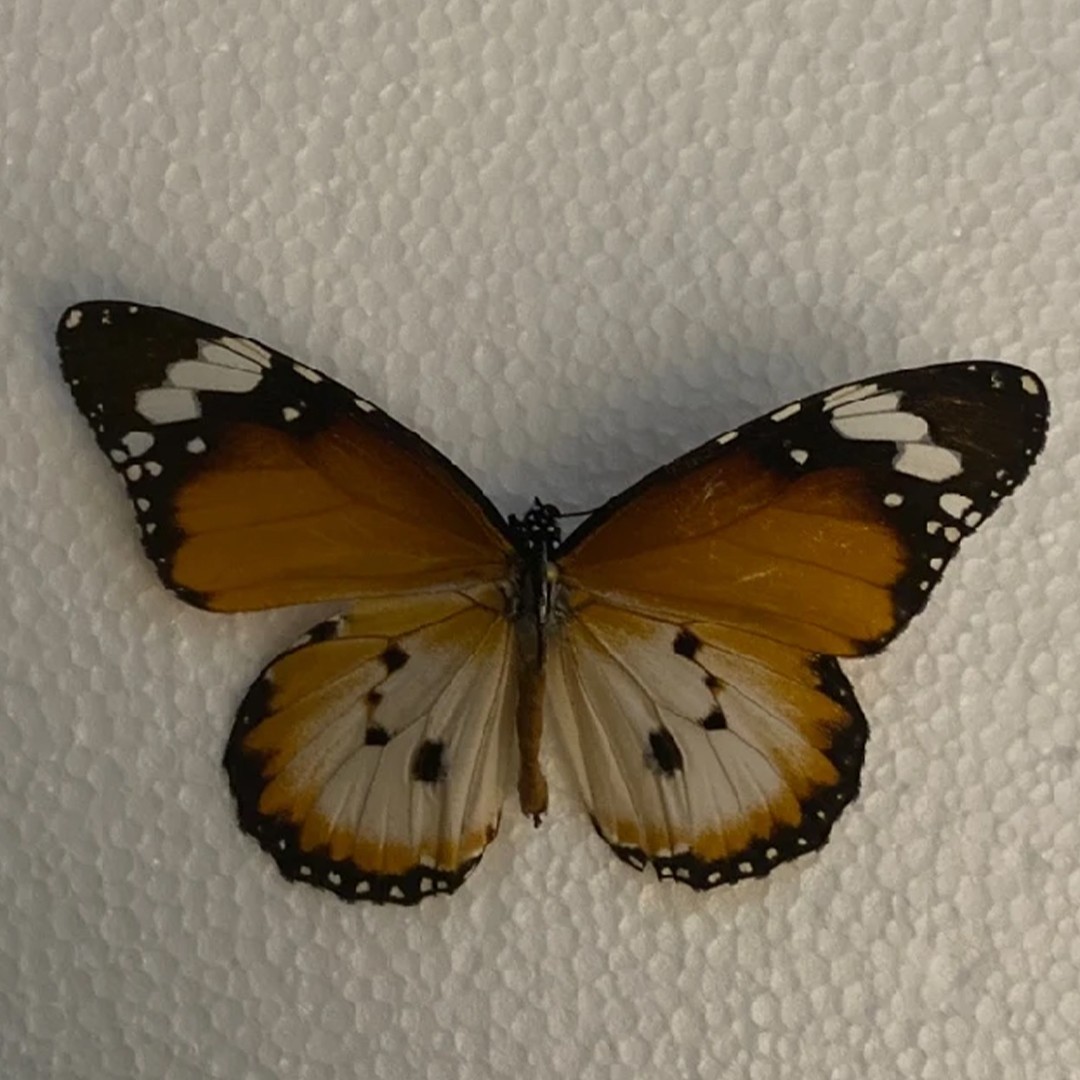
The lime swallowtail (Papilio demoleus) has a beautiful black and white pattern, but it's considered a major pest to citrus trees. It feeds on nearly any type of citrus, including oranges and limes. This butterfly's small, green larvae are capable of defoliating an entire nursery grove. They are truly trouble makers in the citrus orchard.
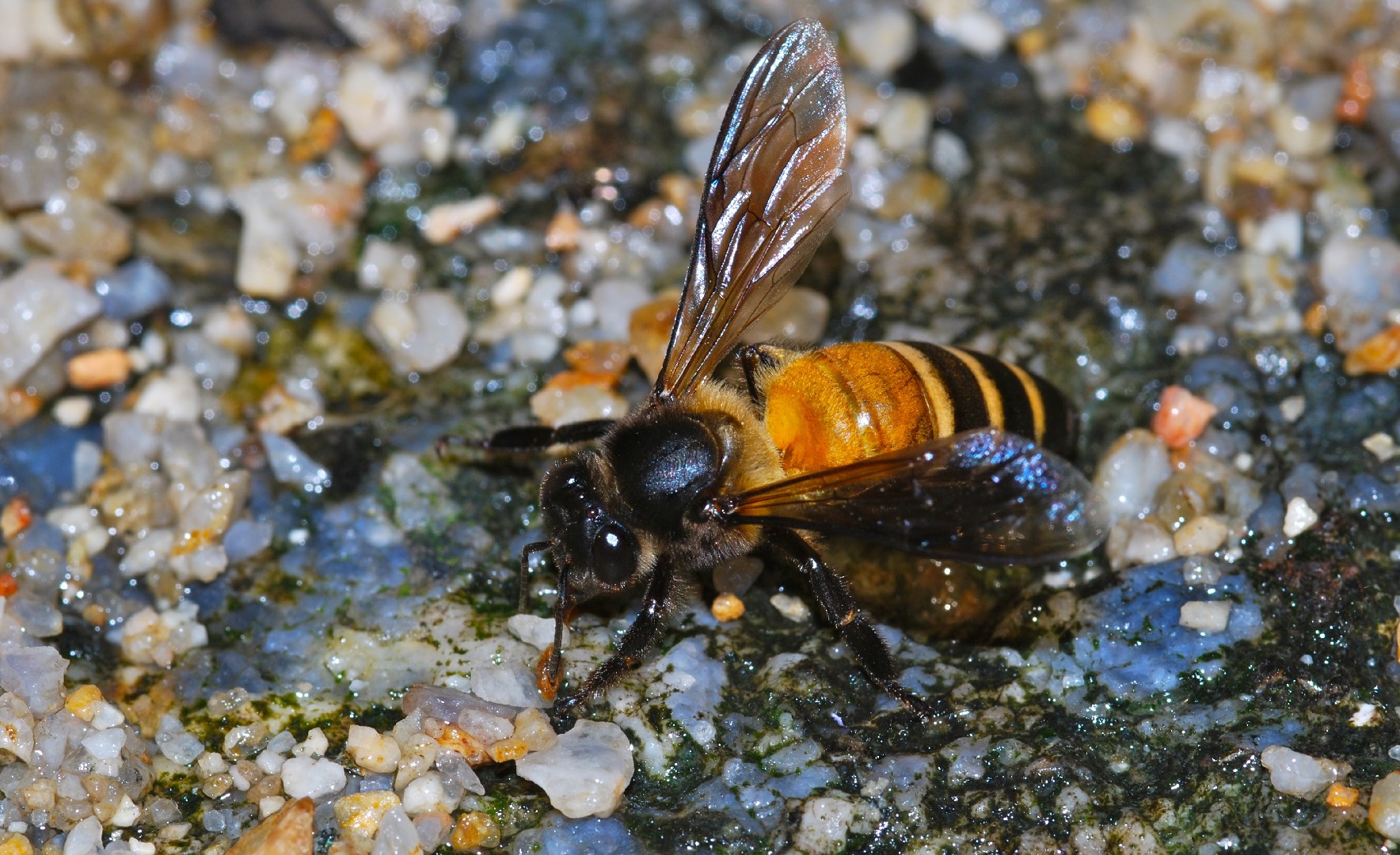
8. Giant honey bee
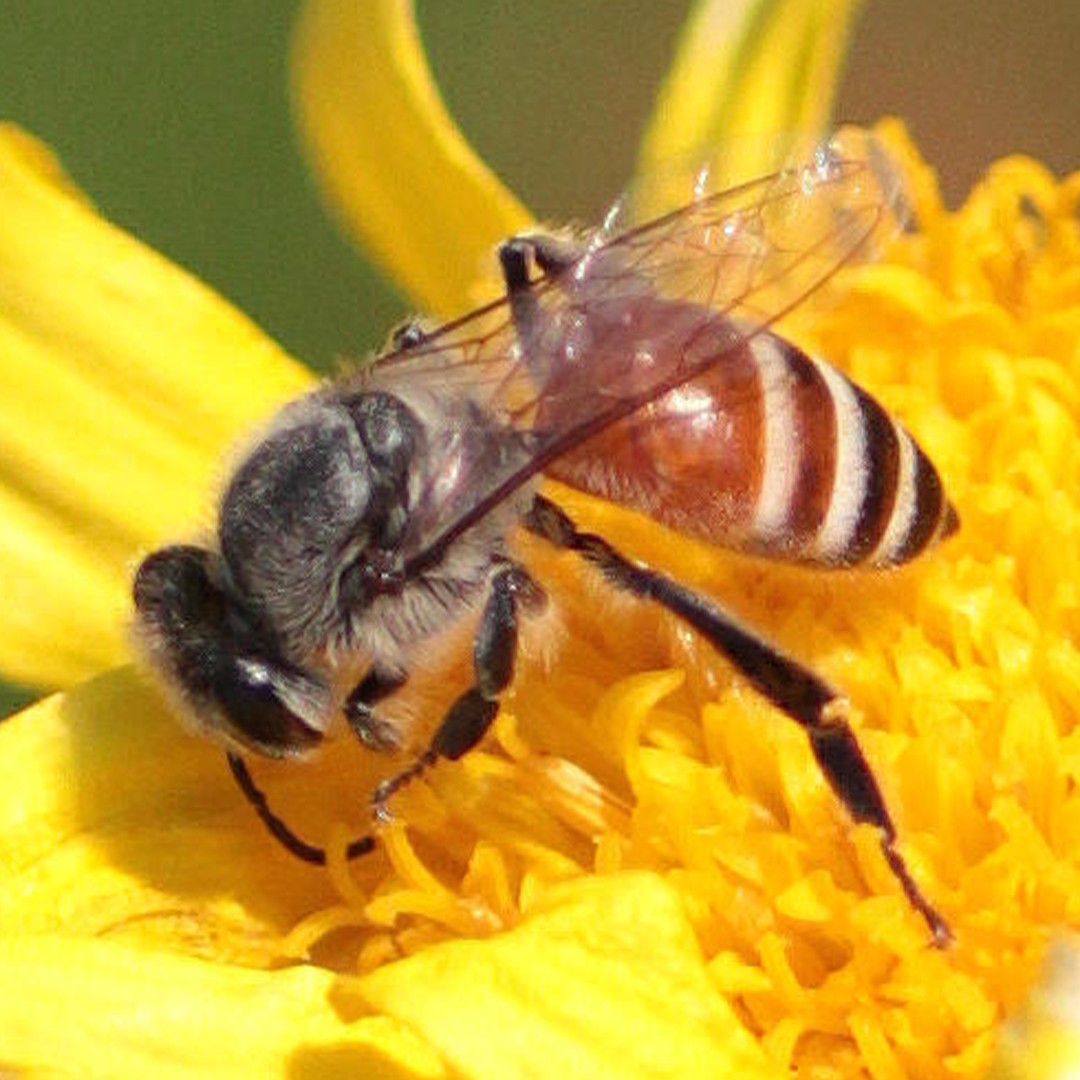
The giant honey bee (Apis dorsata) is incredibly defensive of their territory. This may be related to humans' honey hunting, where honey is stolen from wild bees. Their nests are built from high, overhanging locations. Much like humans, they are unlikely to build onto an old building due to safety issues. Their nests need to be sturdy, as a colony can reach up to 100 thousand workers.
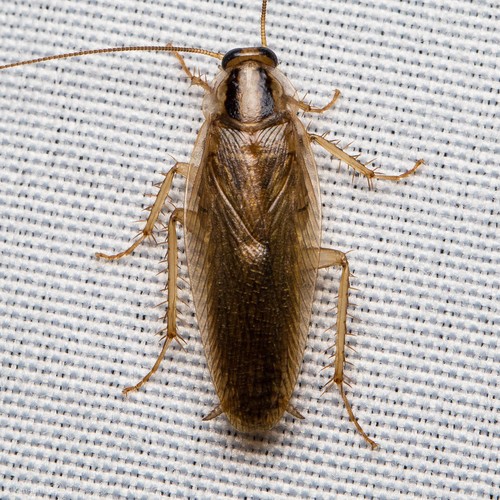
9. German cockroach
Although the german cockroach has wings, it is not a strong flier and will exhibit a gliding motion when threatened. It prefers warmer environments and can commonly be found in human dwellings, restaurants, and hotels. It feeds on a wide range of food sources ranging from meat, starches, and sugary foods, to household items such as toothpaste and soap.
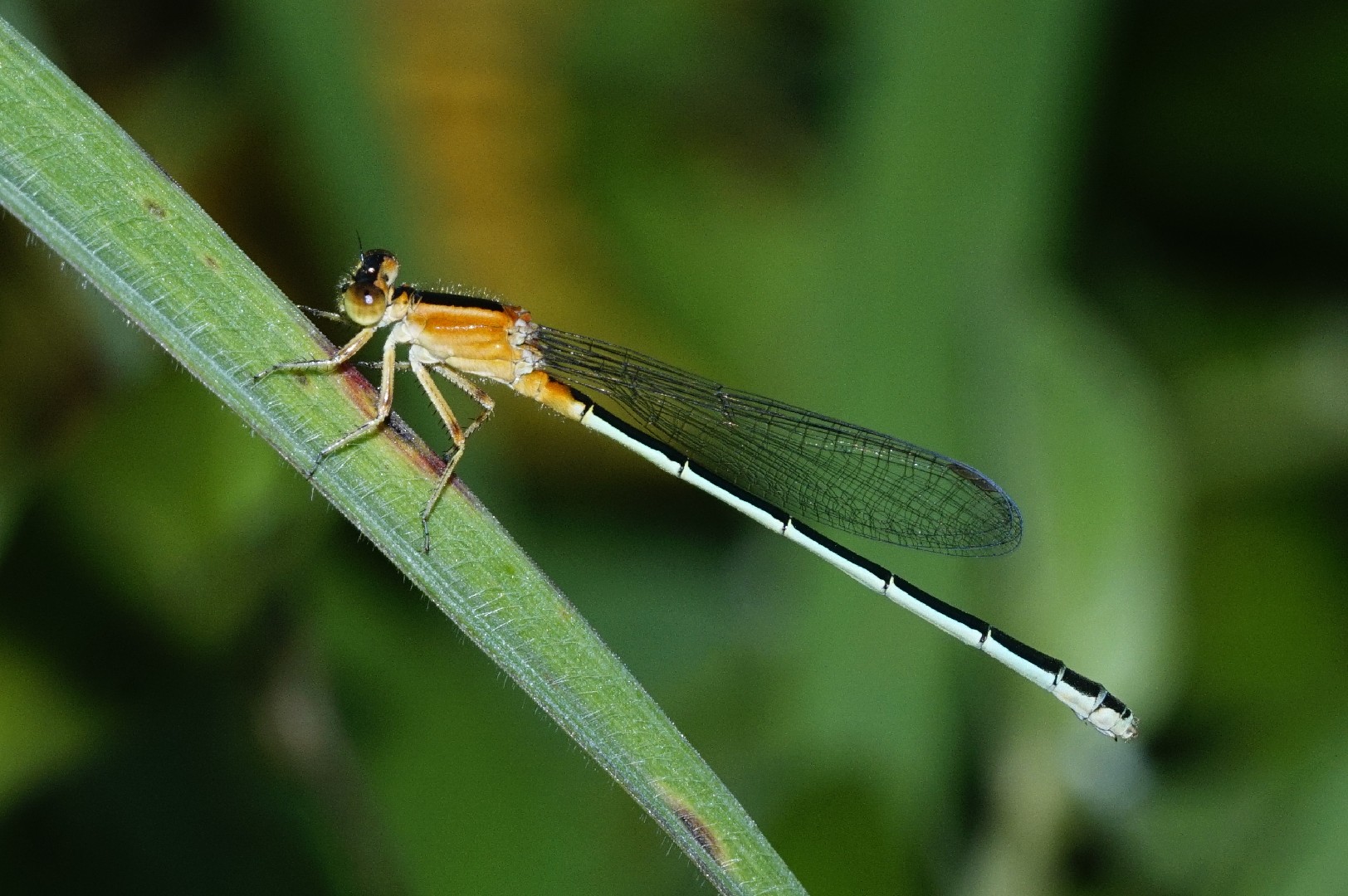
10. Common bluetail
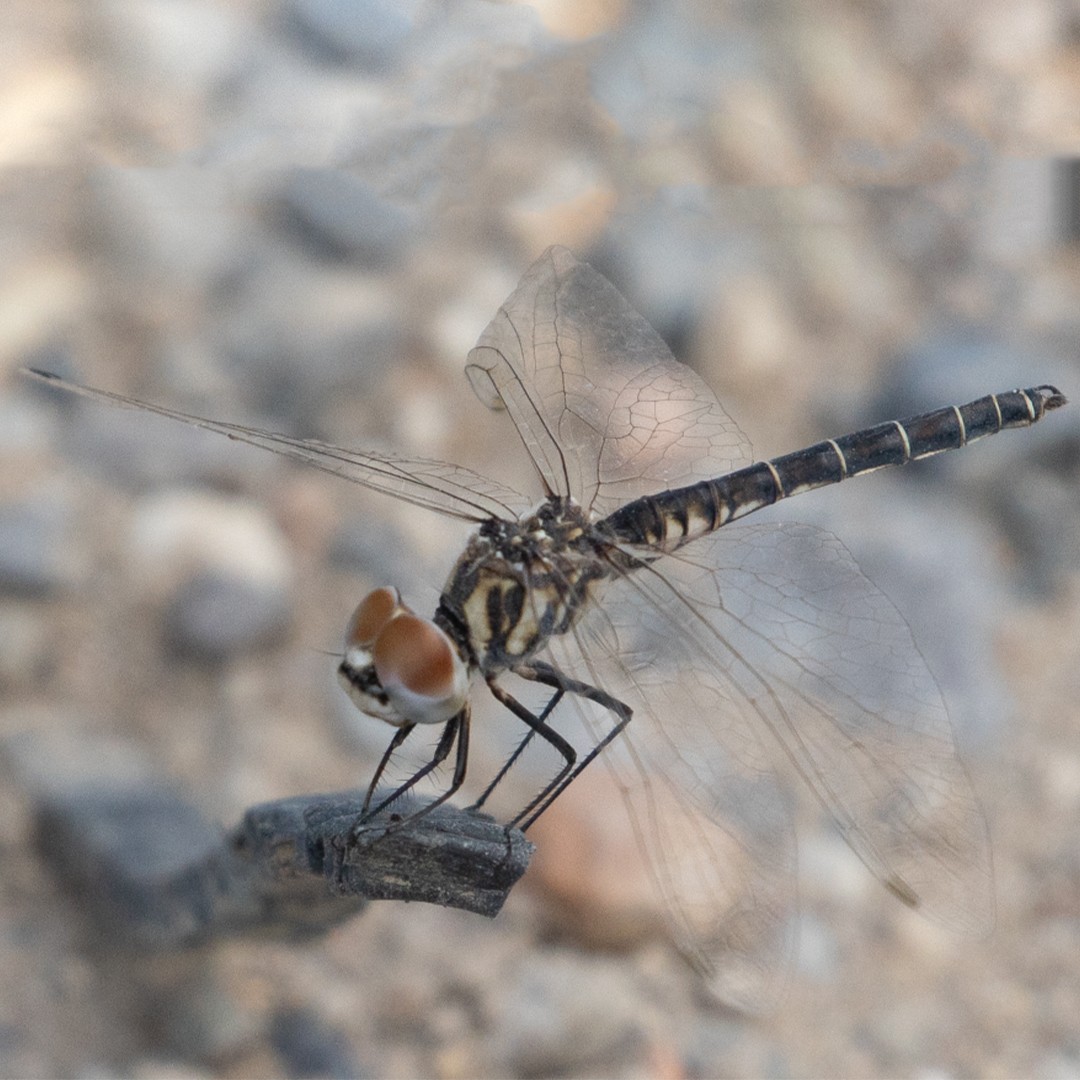
The Senegal Pechlibelle (Ischnura senegalensis) is a dragonfly from the family of the slender dragonflies (Coenagrionidae).

More







