




Top 20 Most Common Insects in Onesti
Insects, marvelous creatures marked by their jointed limbs and segmented bodies, thrive across diverse habitats within Onesti. The geographical diversity of Onesti nurtures an impressive array of insects. They play crucial roles in our ecosystem; from pollinators ensuring plant reproduction to even becoming pests affecting our life. Exploring the top 20 most common insects in Onesti draws light on the intimate bond between insects and our environment.

Most Common Insects
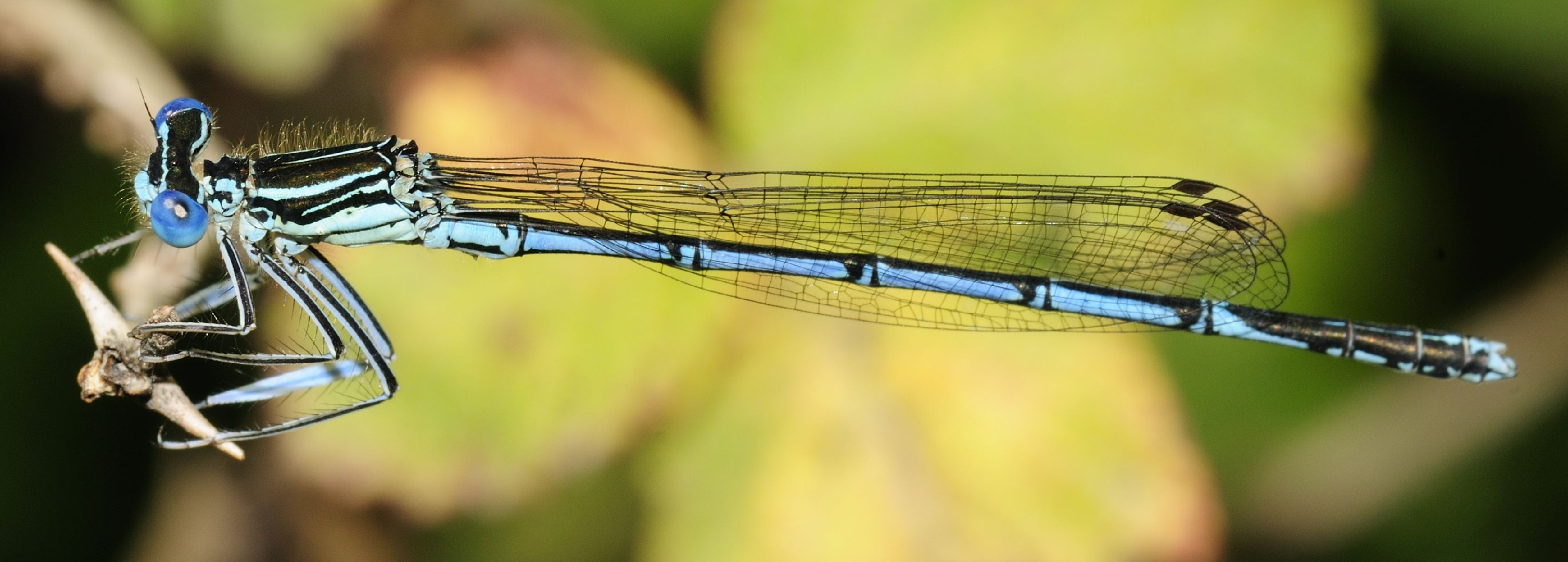
1. White-legged damselfly
The white-legged damselfly or blue featherleg (Platycnemis pennipes) is a damselfly of slow-flowing, muddy waters. It occurs from the Atlantic to Siberia and is often abundant throughout its range. 
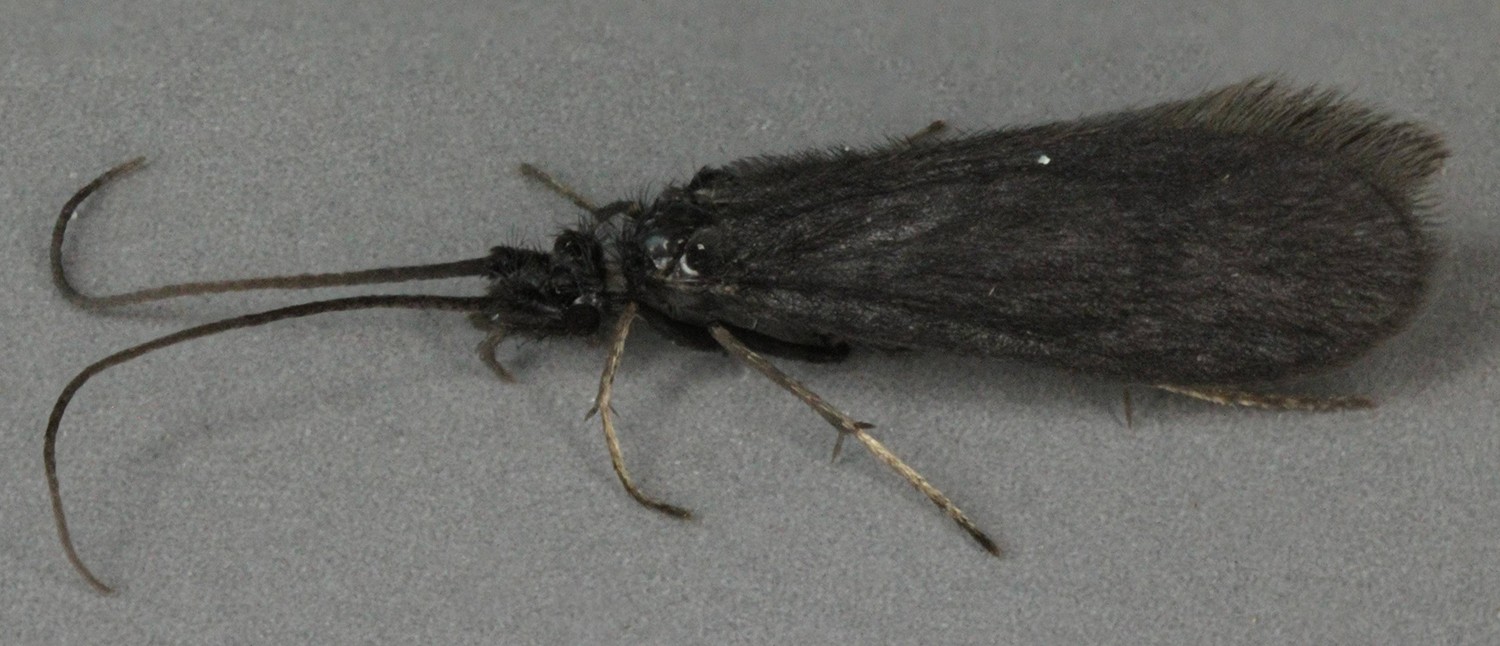
2. Beraea pullata

3. Dark spreadwing
This species is up to 48 millimeters long. It is similar to other common Lestes species but it is darker in color with more blue pruinescence. The pterostigmata are large and black.
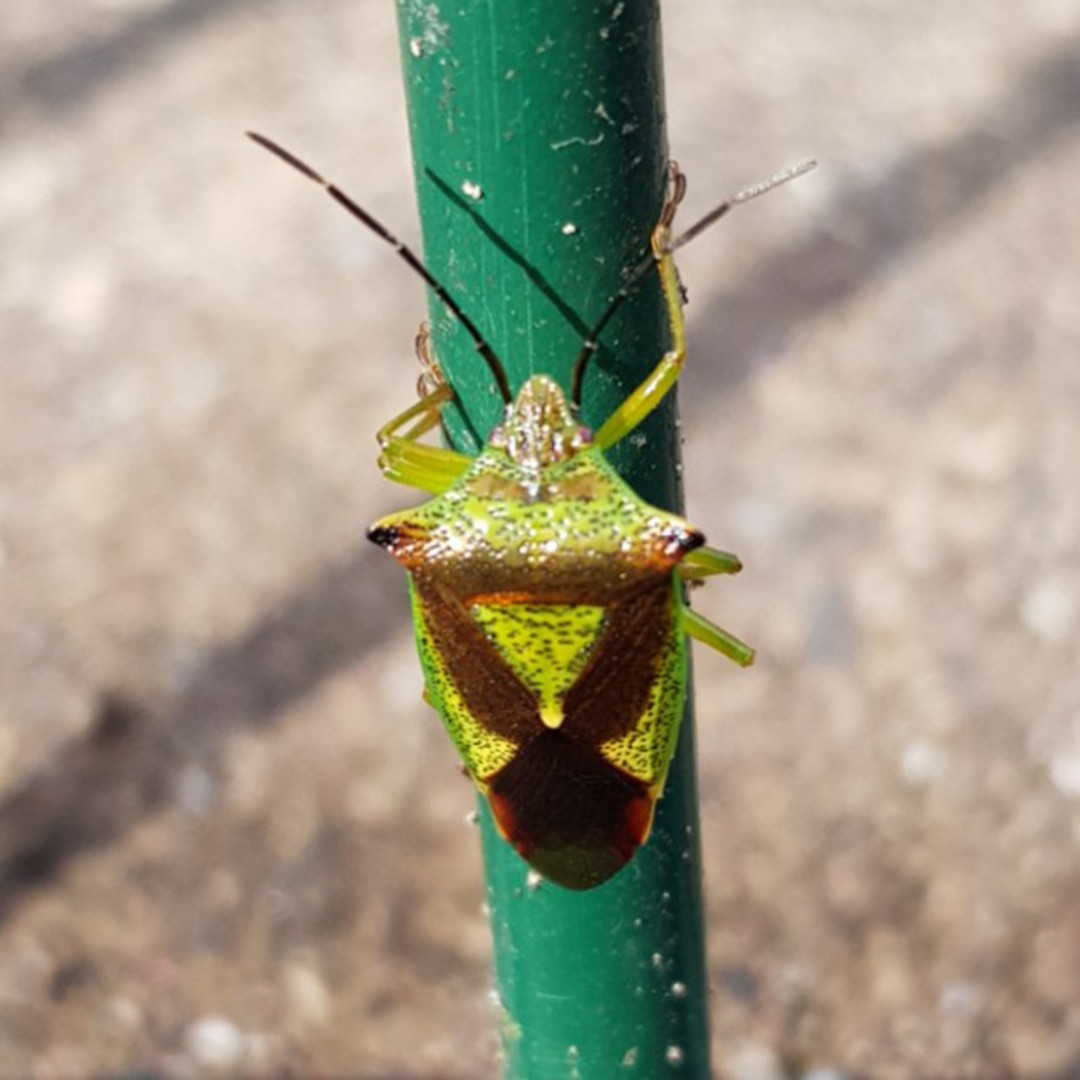
4. Hawthorn shield bug
The hawthorn shield bug (Acanthosoma haemorrhoidale) is a common European shield bug. Its chief food is haws, the fruit of the hawthorn tree, but adults can overwinter on a diet of leaves, and individuals can be found on many potential food plants, including pedunculate oak, sessile oak and whitebeam. They may grow up to 17 mm (0.67 in) long, and are camouflaged in shades of green and brown. Like many so-called "stink bugs", they may release unpleasant odours when disturbed.
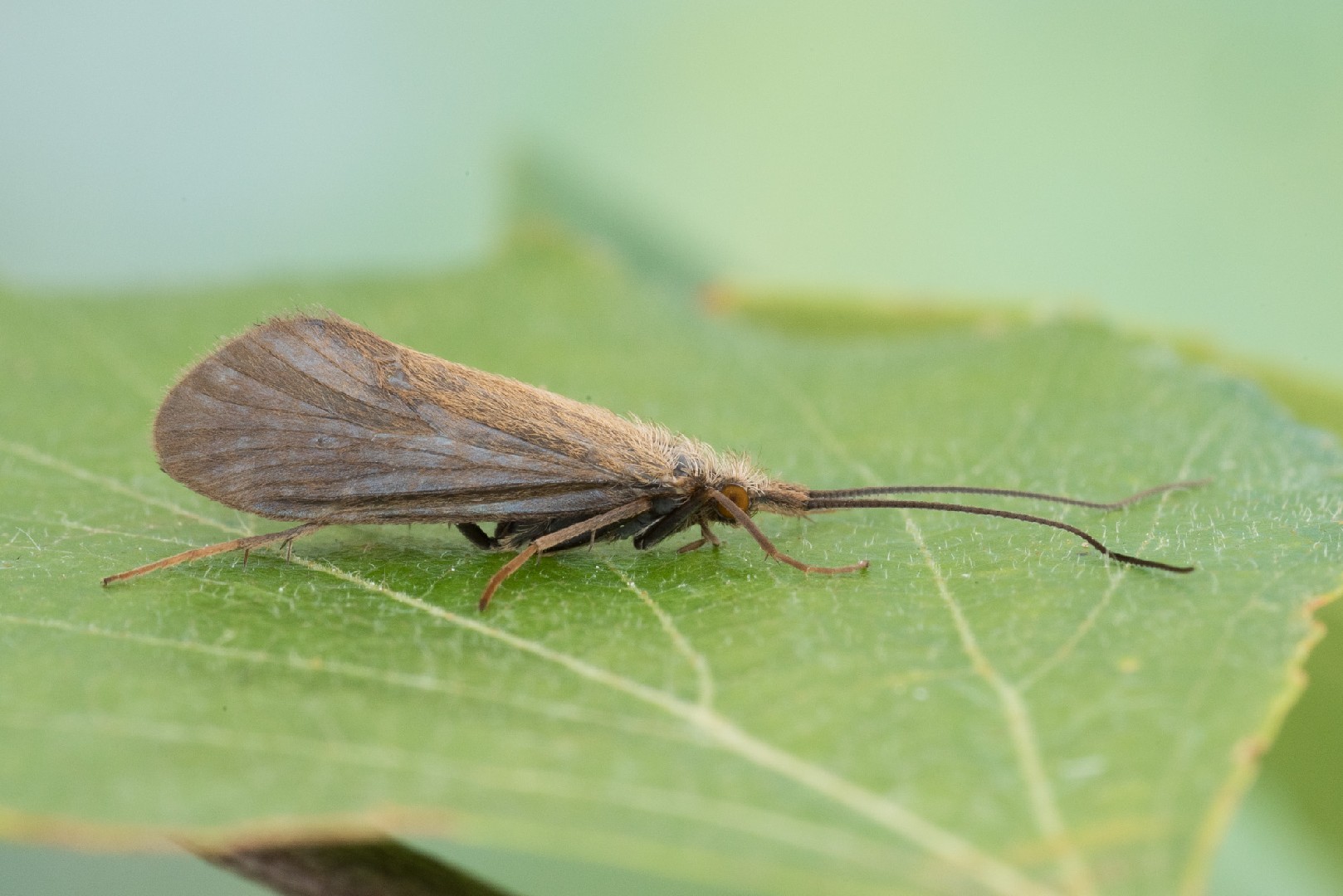
5. Medium sedge
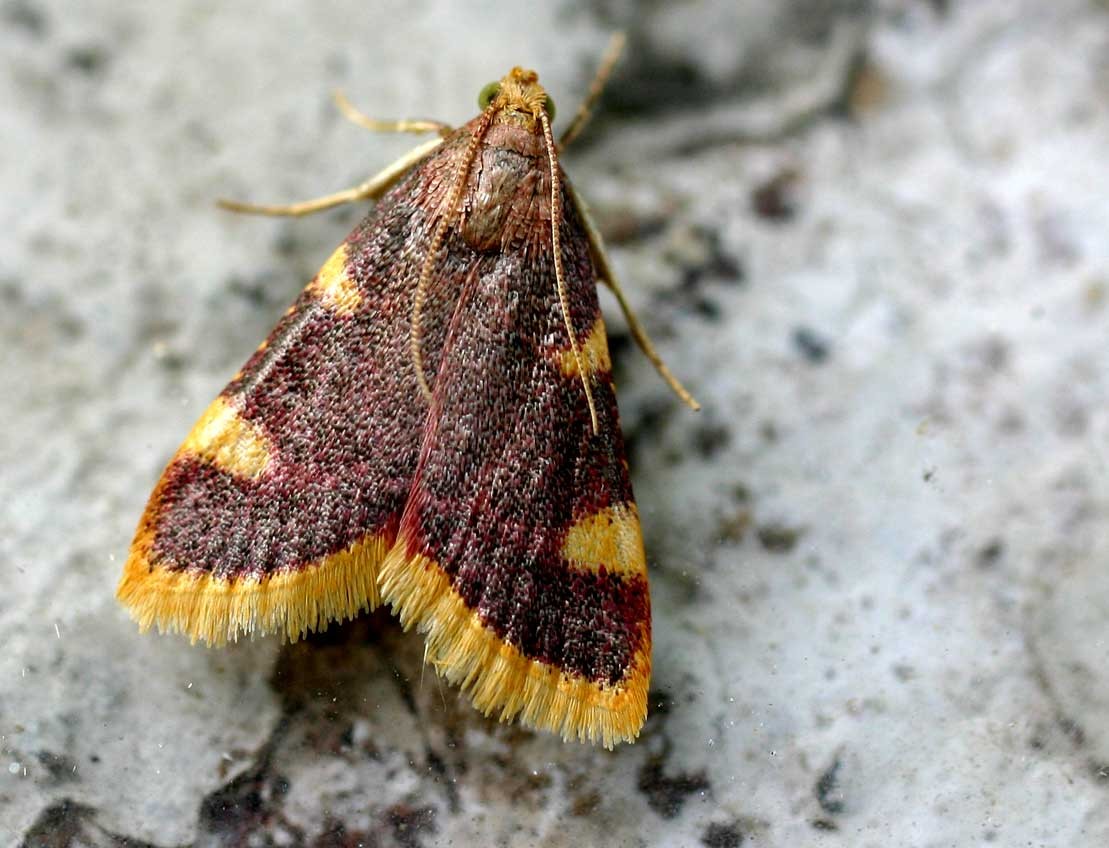
6. Clover hayworm moth
The wingspan is 1.6 - 2.5 cm.
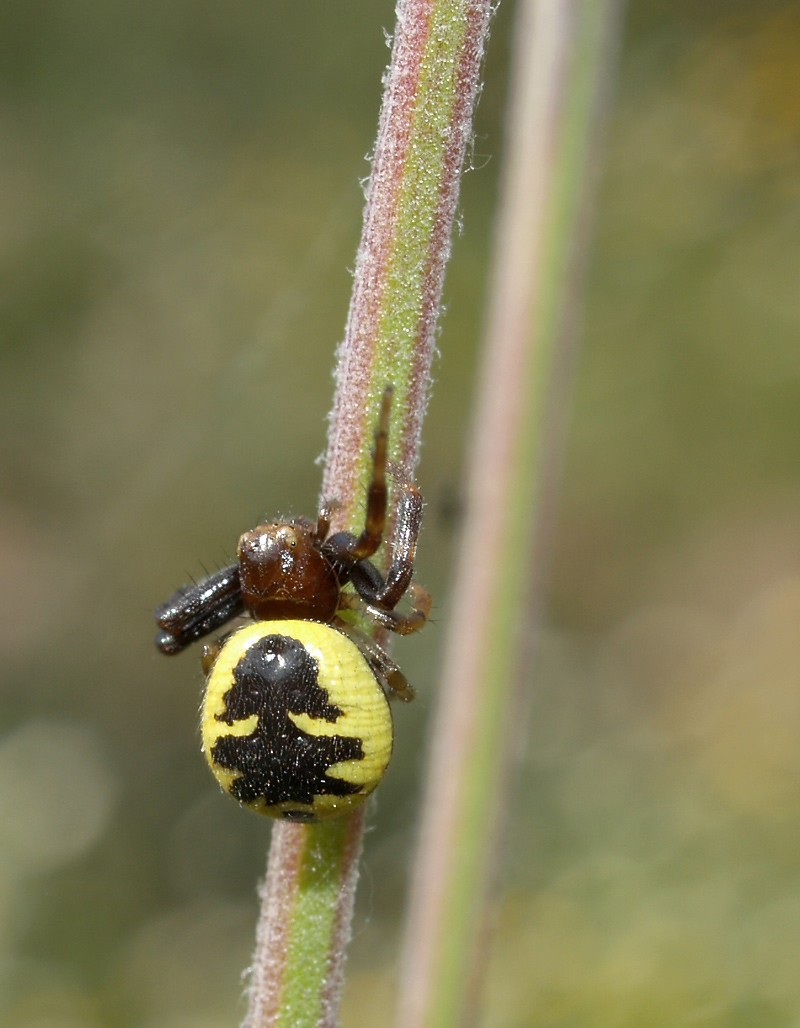
7. Napoleon spider
The adult males reach 2 - 4 mm in length, while females are 7 - 8 mm long. The two pairs of the front legs, used for hunting the flower-feeding insects, are more developed than the rear ones, which have a predominant motor function. Mature males have a black abdomen with two white marks. In mature females, the background colour of the abdomen can be red, yellow or white, with a black pattern which has been noted for a certain resemblance to the silhouette of Napoleon. Prosoma and legs are black or dark brown.
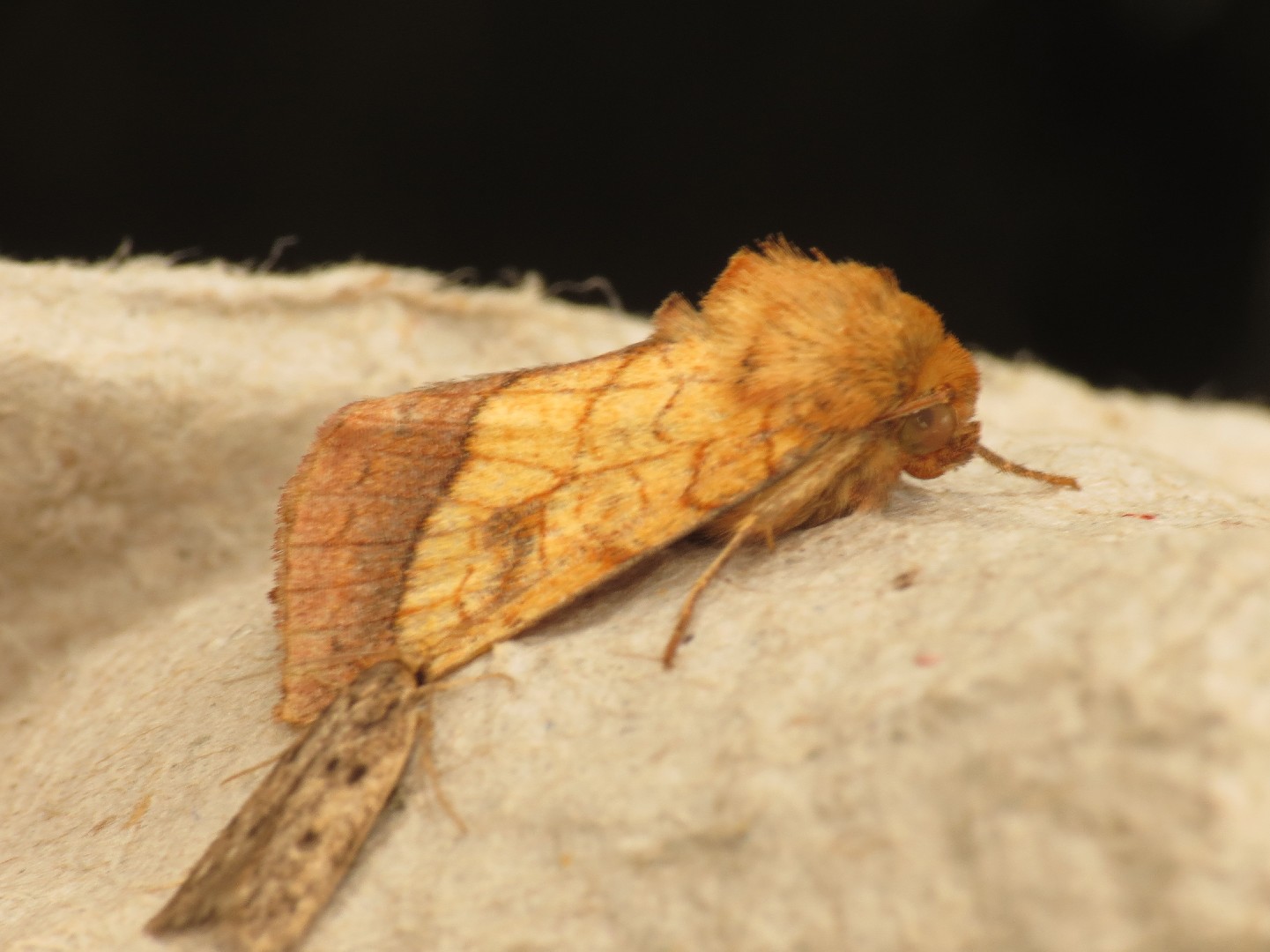
8. Bordered sallow
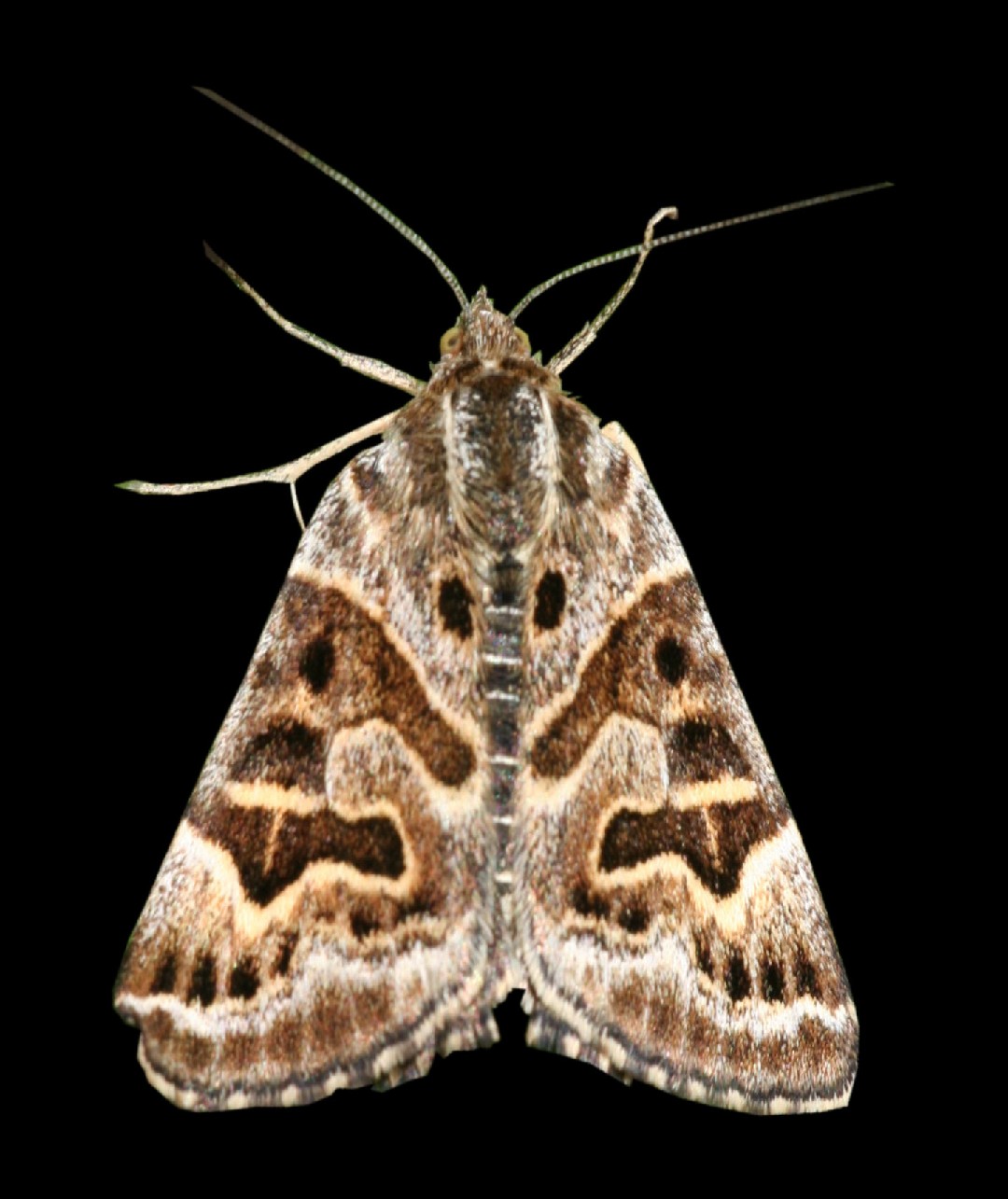
The wingspan is 27–35 mm. The length of the forewings is 16–19 mm. The forewings are a deep olive yellow, faintly dark dusted, from the base to the outer line, beyond which the terminal area is purplish grey, paling towards termen; the lines bright brown; the inner angled inwards on the veins and outwards between them; the outer stronger, oblique and slightly sinuous from the subcostal bend, generally followed by a purplish-grey shade; median shade bent on median vein: submarginal line lunulate-dentate, dark brown, the area beyond it often golden brown; orbicular and reniform of the ground colour, with brown outlines and brownish centres; the claviform outlined only; hindwing straw yellow; with broad black terminal border, dark cellspot, and pale fringe; — ab. marginata is a paler yellow form, with the termen of both wings paler, and the dark centre of the reniform stigma prominent; a rare aberration, in which the base of forewing is darkened, is called rutilago Haw.
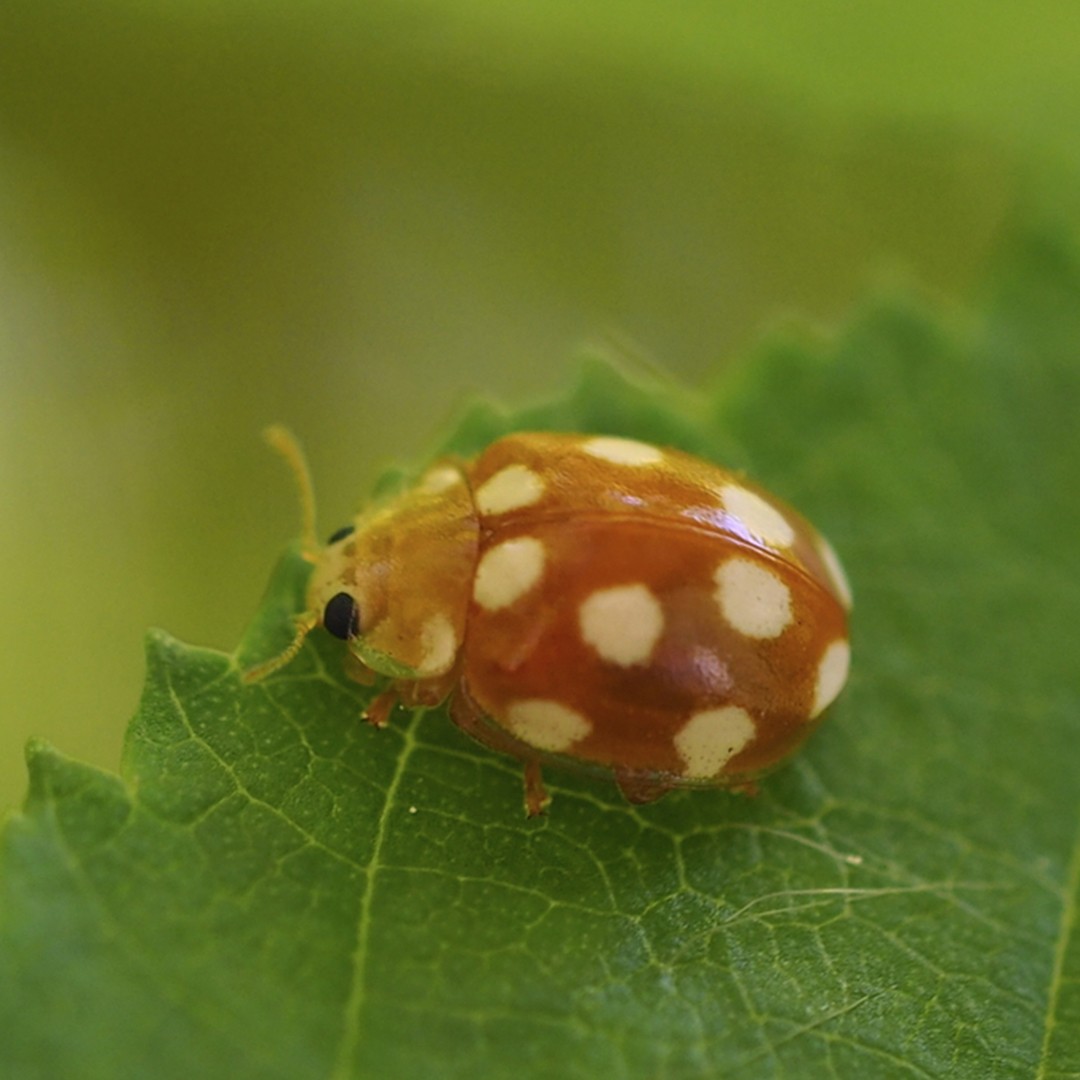
9. Vibidia 12-guttata
Vibidia duodecimguttata can reach a length of about 4 millimetres (0.16 in). These beetles have an oval shaped body. The light brown antennae are quite long. The elytra have a slightly wider side edge. Their entire body has a light brown basic color on the upper and lower side, only the eyes are black. Elytra show 12 whitish spots, six on each elytron (hence the Latin word duodecimguttata, meaning twelve-spotted as if by drops). There is a whitish spot on both sides of the throat. This species is rather similar to Calvia decemguttata and Halyzia sedecimguttata.
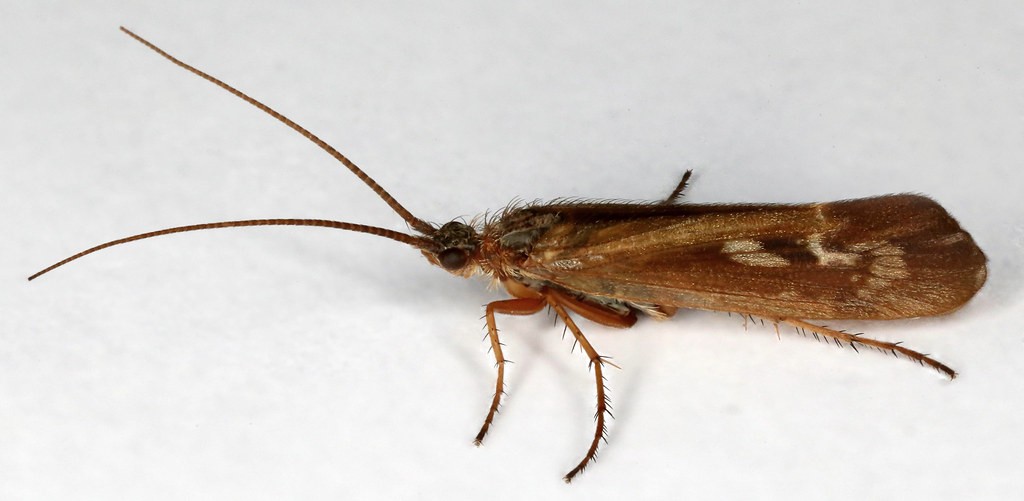
10. Limnephilus auricula
More







