




Top 20 Most Common Insects in Chechnya
Insects, as notable markers of biodiversity, play an indispensably vital role in our ecosystem. Across the diverse landscapes of Chechnya, various microclimates foster a multitude of insect species. This assorted array beneficially impacts the ecosystem, serving roles as pollinators or soil enrichers, while some are perceived as pests. Join us as we delve into Chechnya's astonishing natural world through the lens of our 'Top 20 Most Common Insects'.

Most Common Insects
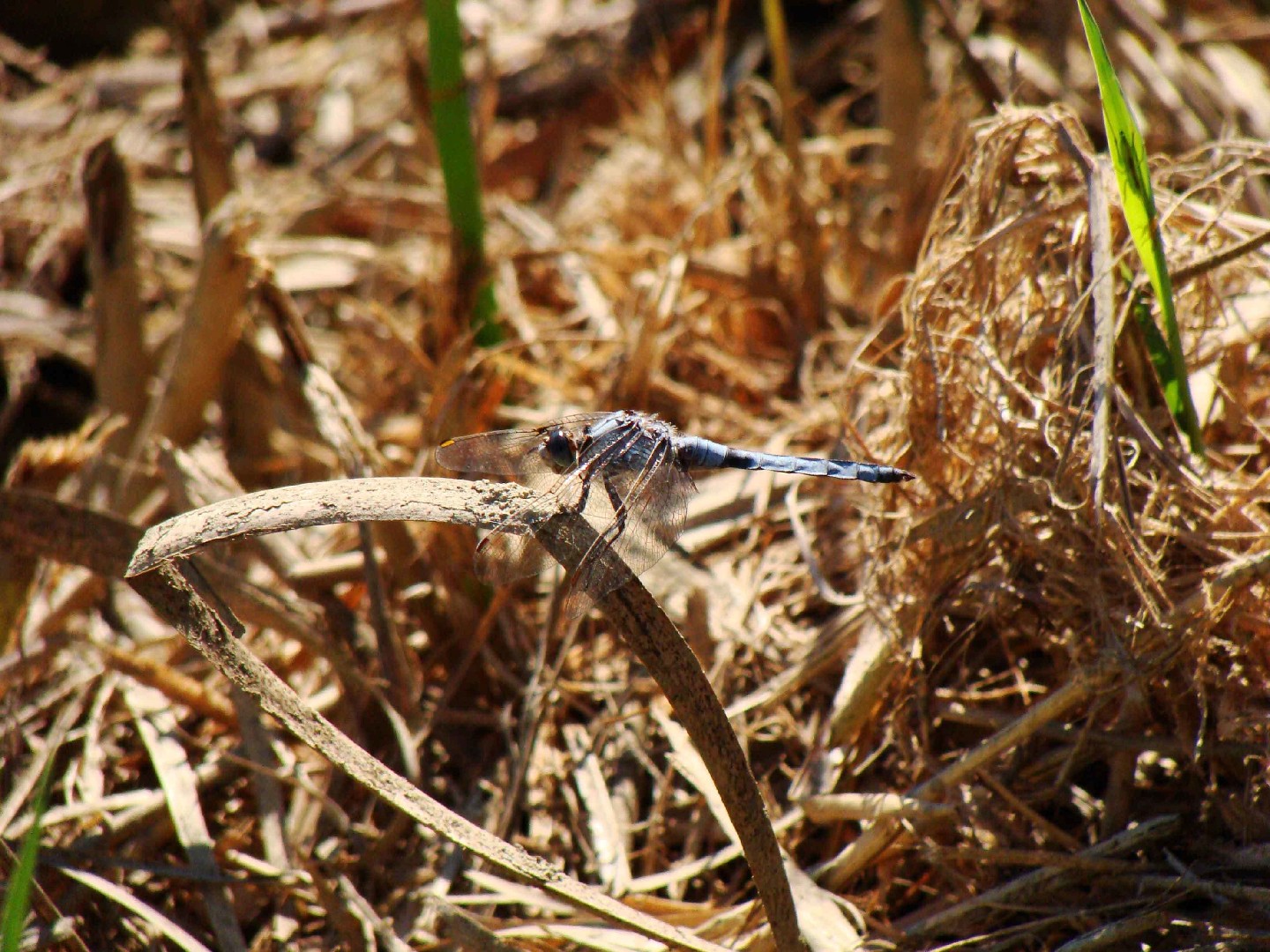
1. Southern skimmer
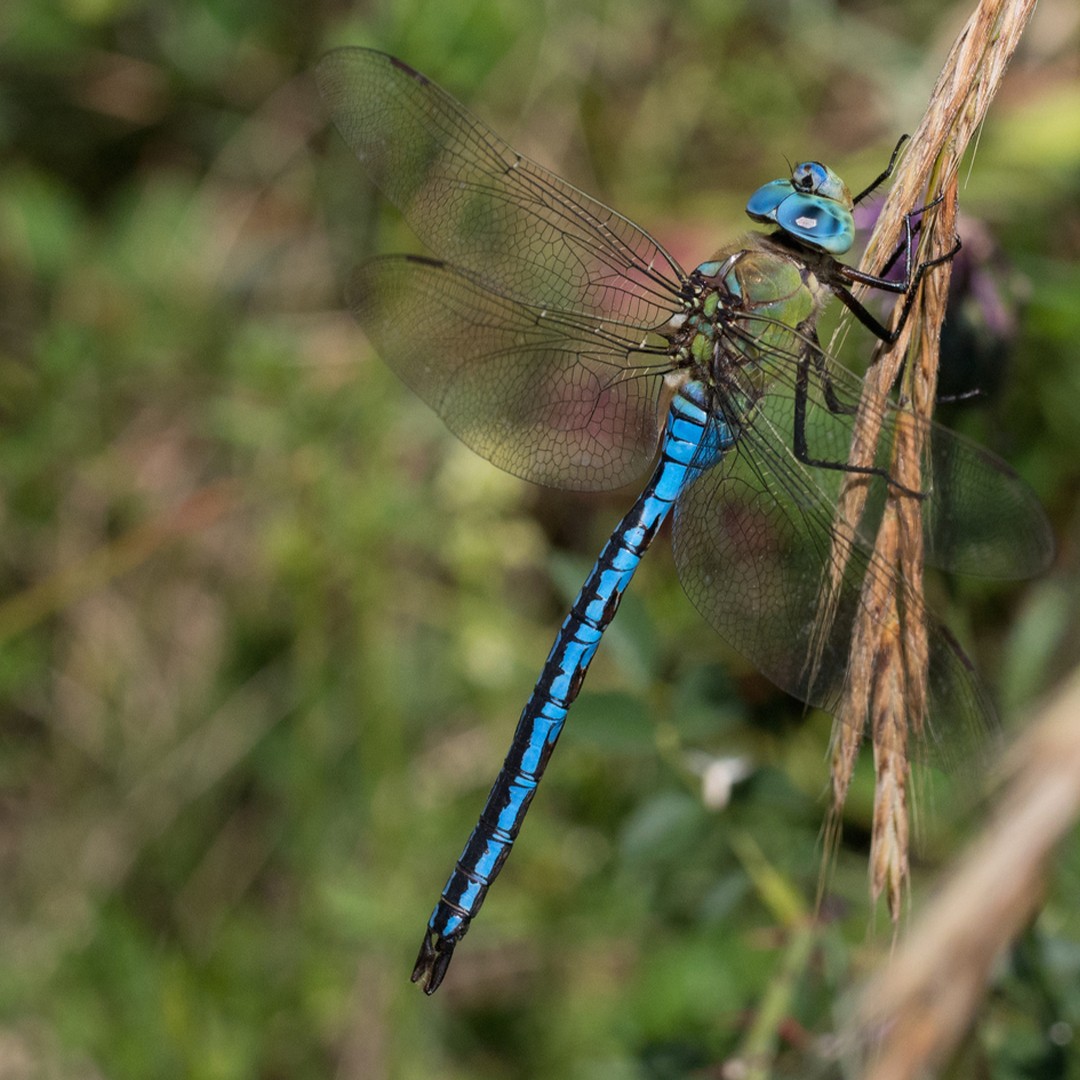
The adults grow up to 4 - 4.5 cm long. The thorax and the abdomen are pale blue in males, yellowish-brown or greyish-brown in females. Young males are brownish. The abdomen is relatively flattened and shows a thin middorsal black line and distinct points on each segment. The wings are hyaline, with yellow or pale brown pterostigma. The wingspan reaches 7 - 7 cm. 
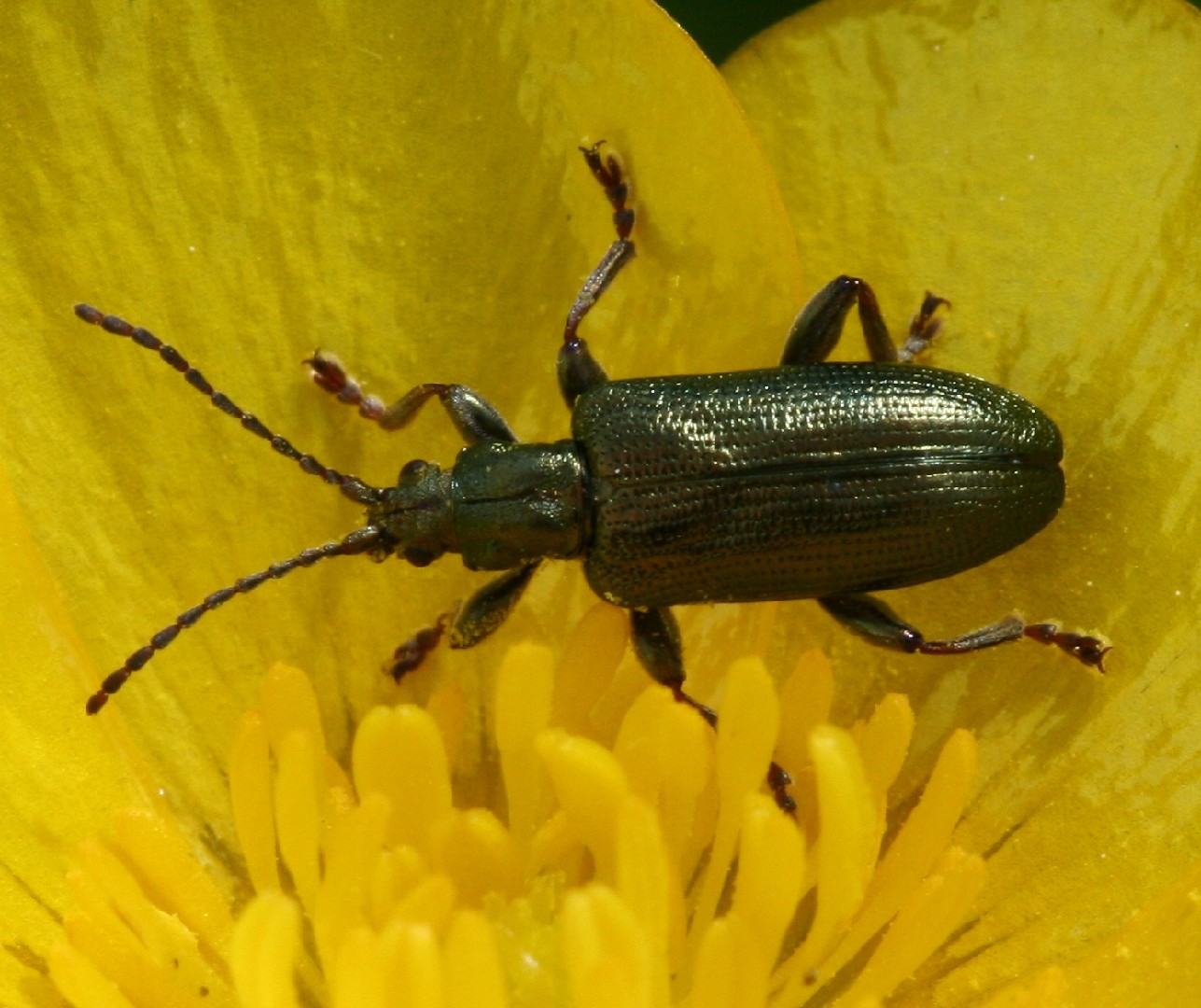
2. Jewel reed beetle
Plateumaris sericea is a species of beetle in family Chrysomelidae. It is found in the Palearctic
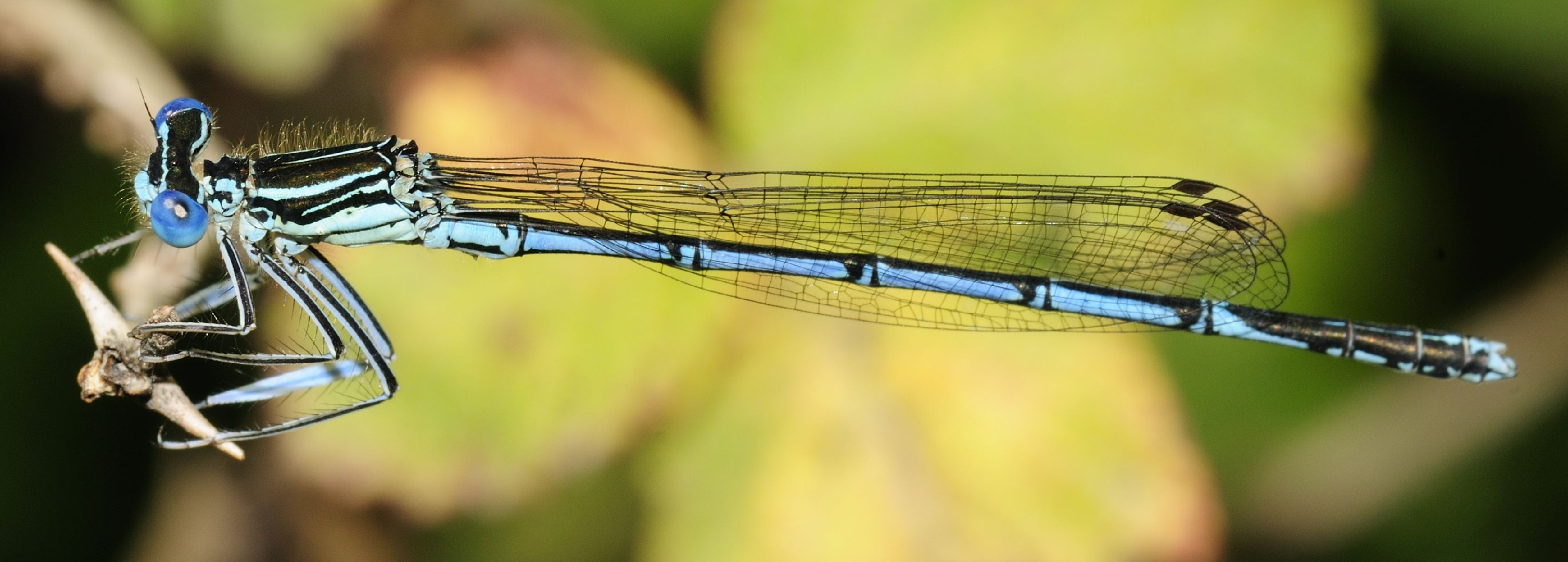
3. White-legged damselfly
The white-legged damselfly or blue featherleg (Platycnemis pennipes) is a damselfly of slow-flowing, muddy waters. It occurs from the Atlantic to Siberia and is often abundant throughout its range.
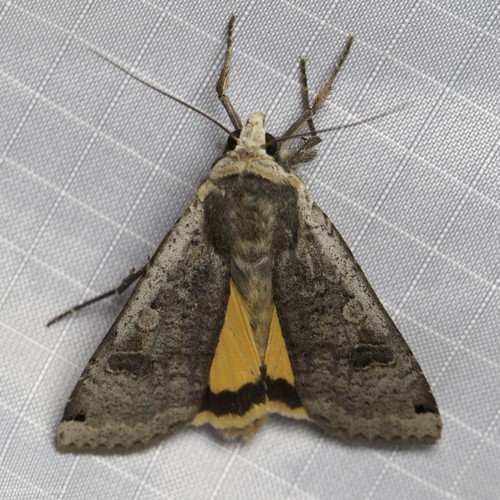
4. Large yellow underwing
An unusually large and heavy species of moth, large yellow underwing (Noctua pronuba) is dreaded by gardeners for the larvae's habit of causing fatal damage to the base of virtually any herbaceous plant. Large migrations occur some years, but how those years are determined is not yet known. Its contrasting colors (yellow-orange and brown) are thought to confuse would-be predators.
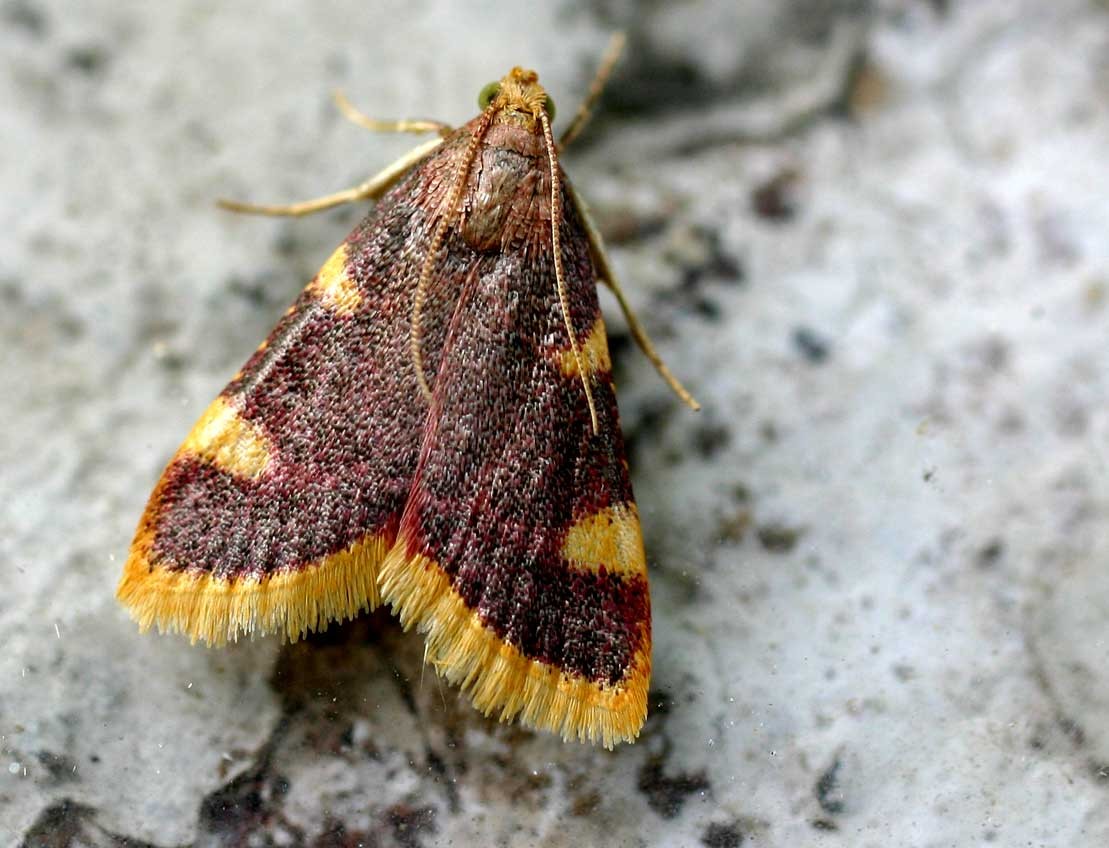
5. Clover hayworm moth
The wingspan is 1.6 - 2.5 cm.
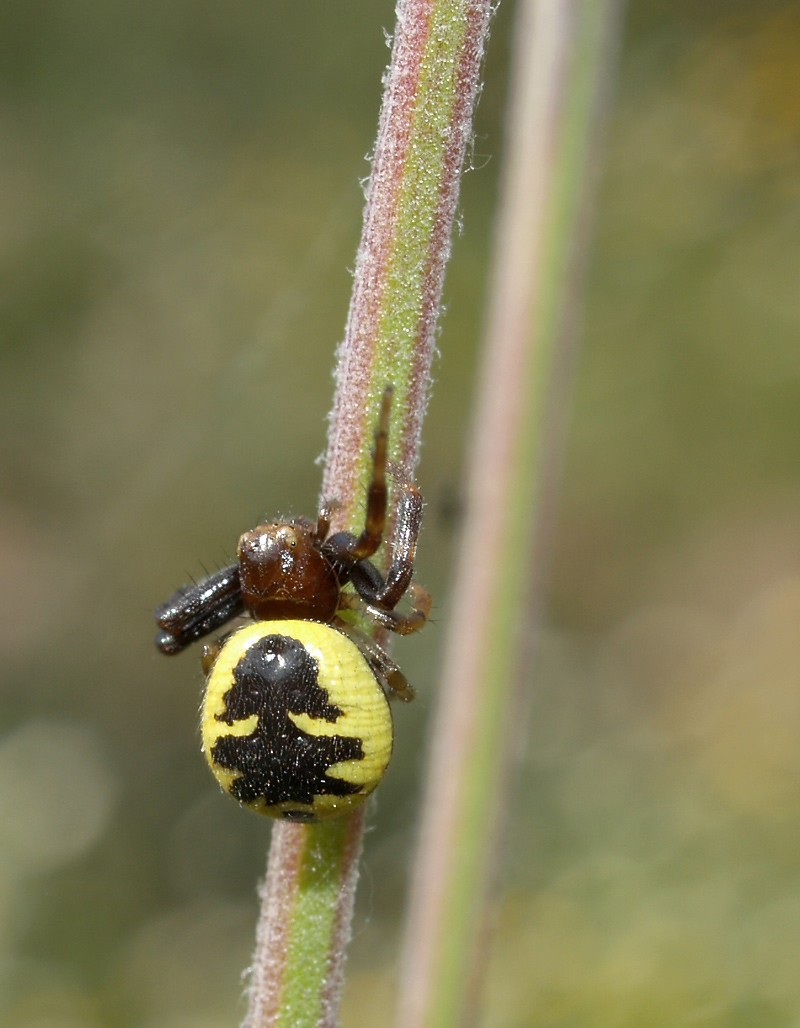
6. Napoleon spider
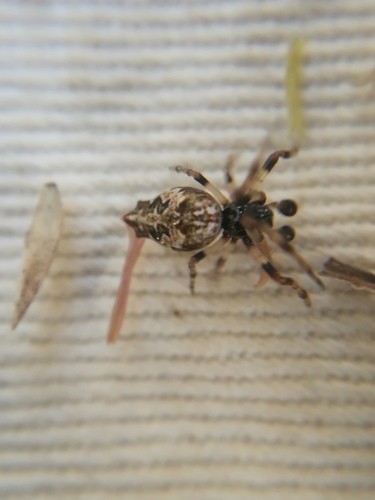
The adult males reach 2 - 4 mm in length, while females are 7 - 8 mm long. The two pairs of the front legs, used for hunting the flower-feeding insects, are more developed than the rear ones, which have a predominant motor function. Mature males have a black abdomen with two white marks. In mature females, the background colour of the abdomen can be red, yellow or white, with a black pattern which has been noted for a certain resemblance to the silhouette of Napoleon. Prosoma and legs are black or dark brown.
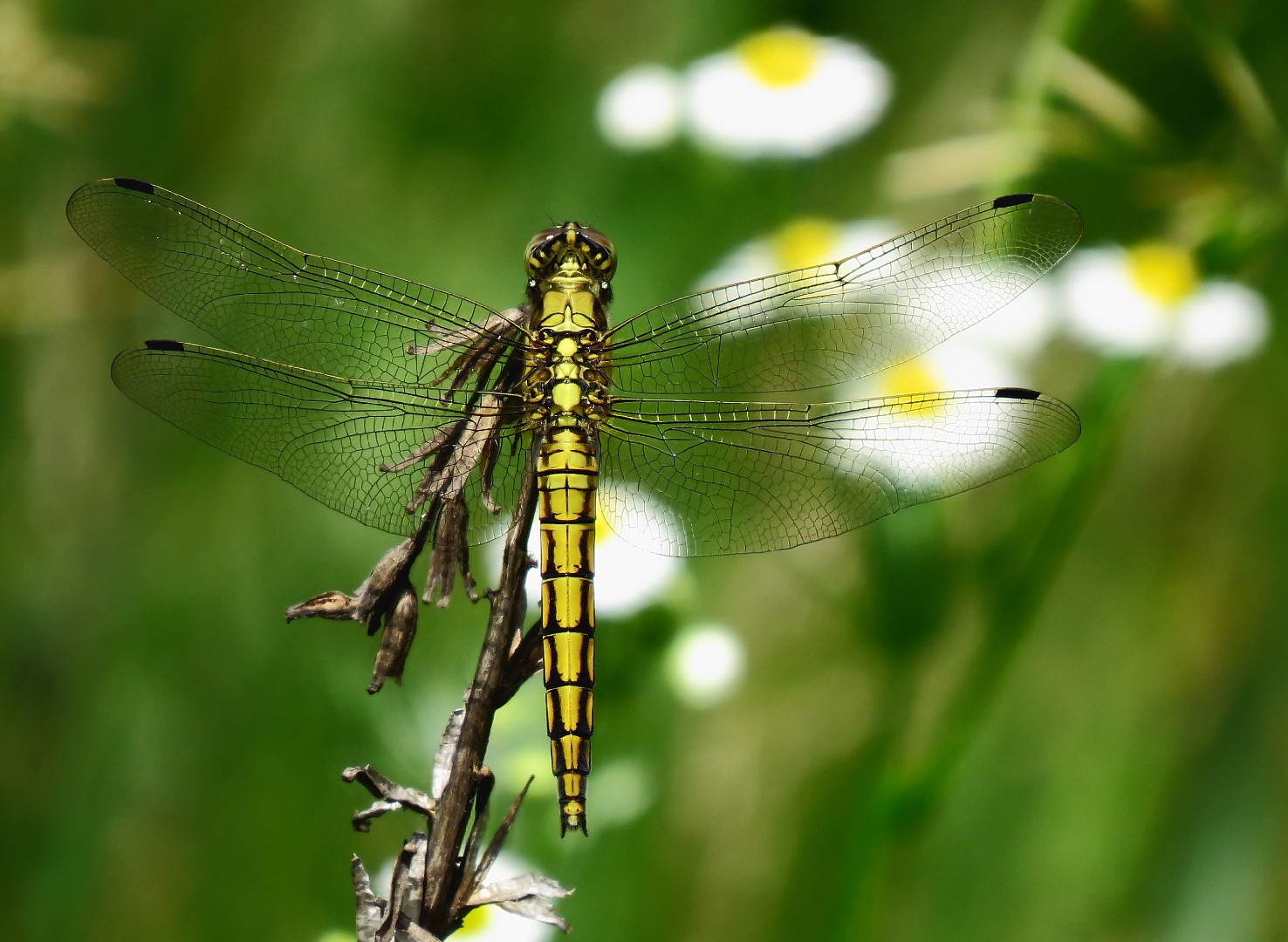
7. Black-tailed skimmer
It is a fairly large dragonfly (the length of 4.5 - 5 cm, 3 - 3.5 cm abdomen, rear wing 3.5 - 4 cm.) with relatively broad, flattened abdomen, but not as broad as to chaser species. With age, adult males develop extensive blue pruinescence on their abdomen, offset by yellow lateral patches. The middle lobe of the pronotum is large and notched in the middle. The chest is yellow or yellowish-brown. The base of the hind wings do not show a dark opaque spots. The pterostigma is dark brown or black. On the front wings pterostigma 2 - 3 mm long. Anal appendages are black. The females and immature males are a deep yellow color, with wavy black lines dorsally on their abdomen. Males and females have the costal vein (the leading edge of the wing) yellow or black.
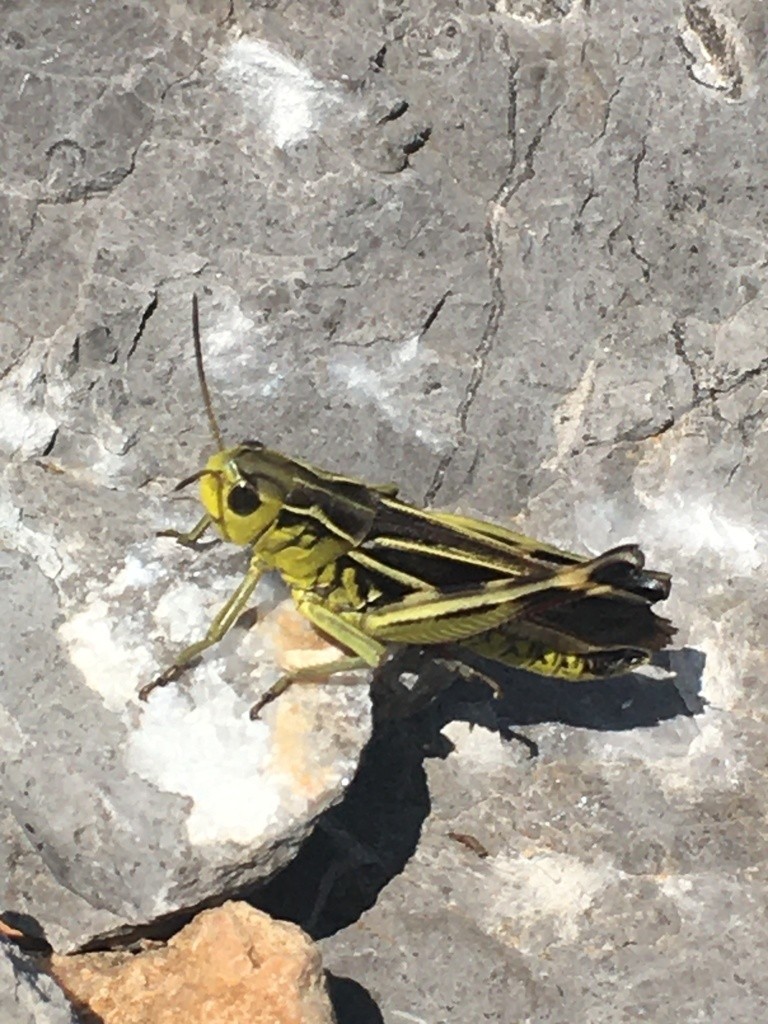
8. Large Banded Grasshopper
Arcyptera fusca can reach a body length of 22–35 millimetres (0.87–1.38 in) in males, while females reach a length of 29–44 millimetres (1.1–1.7 in). These medium-sized grasshopper are characterized by a significant sexual dimorphism. Males have developed functional wings (oft 20–27.3 millimetres (0.79–1.07 in) covering the abdomen, while females have rudimentary wings (of 12.3–20.1 millimetres (0.48–0.79 in)), shorter than abdomen and unfit for flight (brachyptery). The basic body color is ocher or yellow-green, with dark markings. The hind tibiae have a characteristic bright red color that extended to the inner face of femora. The knees are black, surrounded by a white band.

9. Horse-chestnut leaf miner
The moth is up to 5 mm long, with shiny, bright brown forewings with thin, silvery white stripes. The hindwings are dark grey with long fringes. The pupae can be mistaken for pupae of the genus Phyllonorycter but can be distinguished because Cameraria ohridella pupae do not have a cremaster and the first five abdominal sections have strong lateral spines on them.
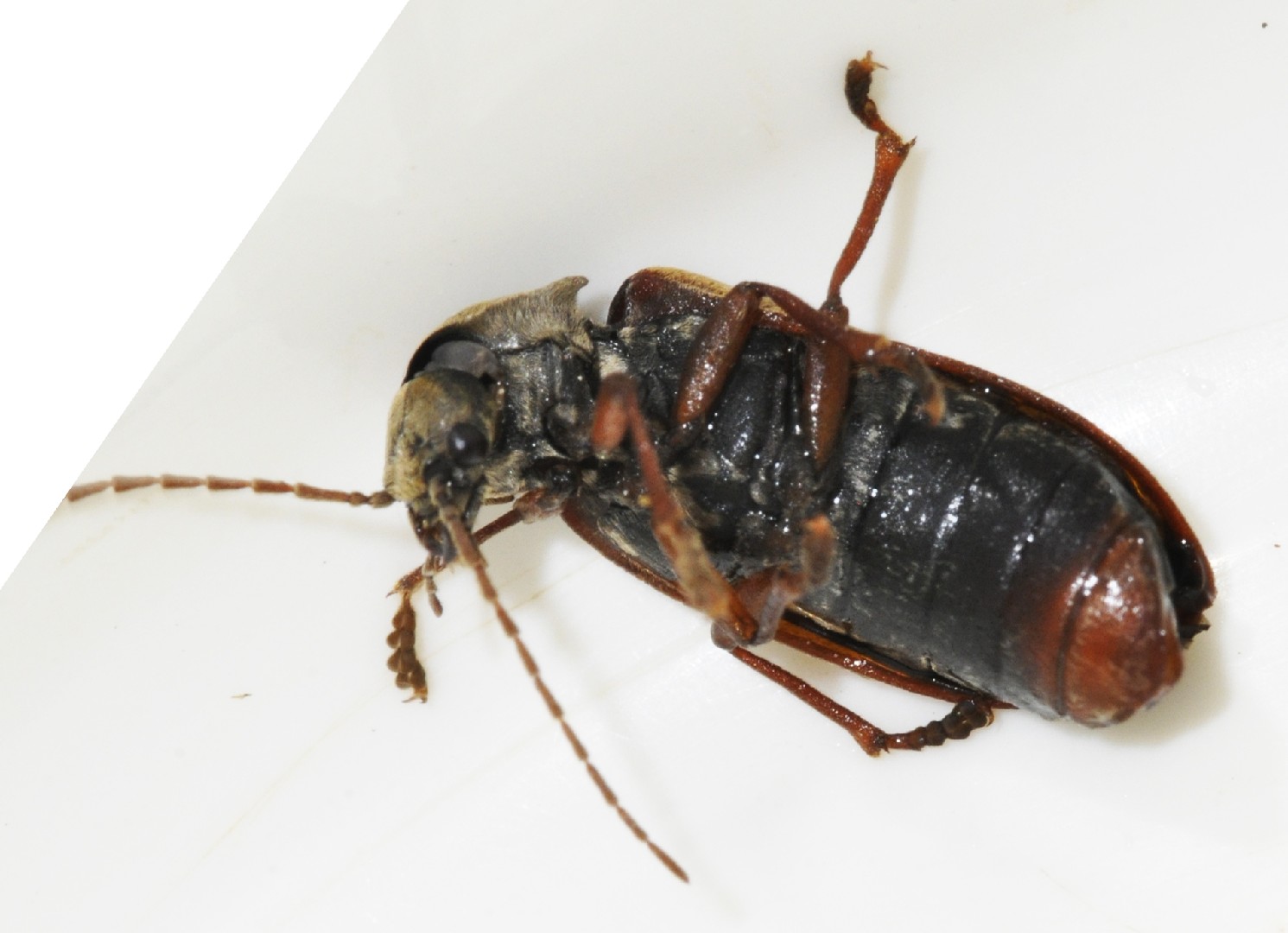
10. Orchid beetle

More







