




Top 20 Most Common Insects in Sochi
Insects, the quintessence of natural diversity, adapt and evolve, harmoniously inhabiting the varied landscapes of Sochi. These tiny survivors, pivotal to our ecosystem, dramatically differ across Sochi's geographical spectrum, exhibiting a captivating mix of pests and beneficial species. Our top 20 most common insects reflect this diversity, emphasizing the intimate relationship between a region's environments and its resident insects.

Most Common Insects
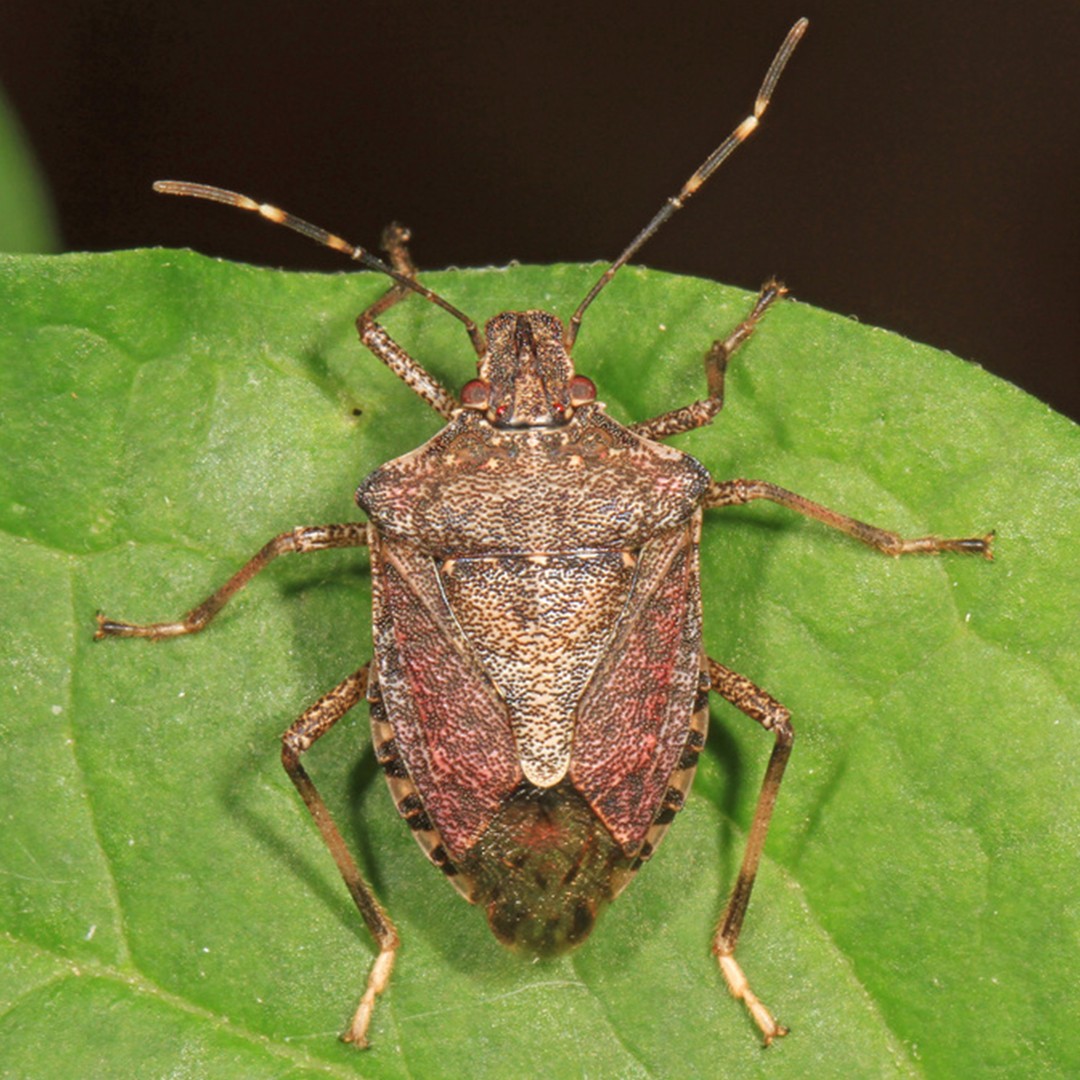
1. Brown marmorated stink bug
As evidenced by its name, brown marmorated stink bug (Halyomorpha halys) is most recognizable for its ability to exude a nasty, foul-smelling odor if disturbed. Capable of subsisting on over one hundred species of plant, it has become an enormous pest for many farmers in the U.S., costing over $30 million annually in apple crop losses alone. It often invades homes in autumn, as soon as the weather begins to chill.

2. Dark spreadwing
This species is up to 48 millimeters long. It is similar to other common Lestes species but it is darker in color with more blue pruinescence. The pterostigmata are large and black. 
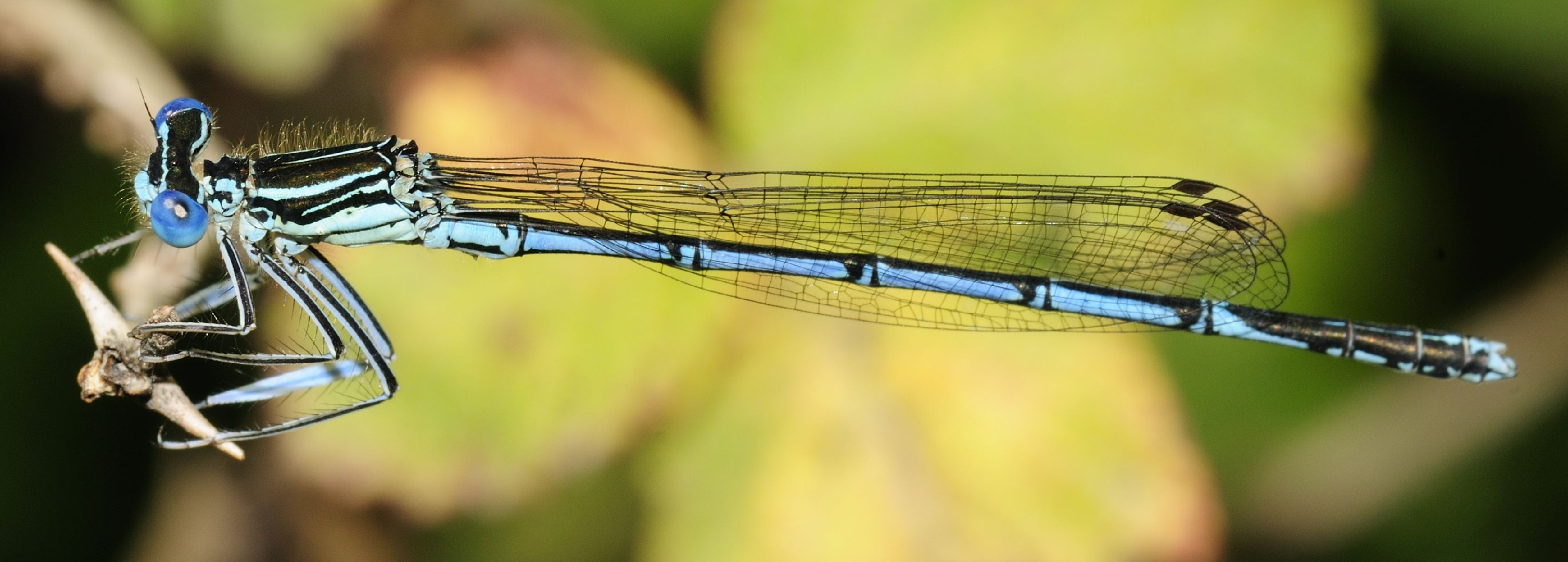
3. White-legged damselfly
The white-legged damselfly or blue featherleg (Platycnemis pennipes) is a damselfly of slow-flowing, muddy waters. It occurs from the Atlantic to Siberia and is often abundant throughout its range.
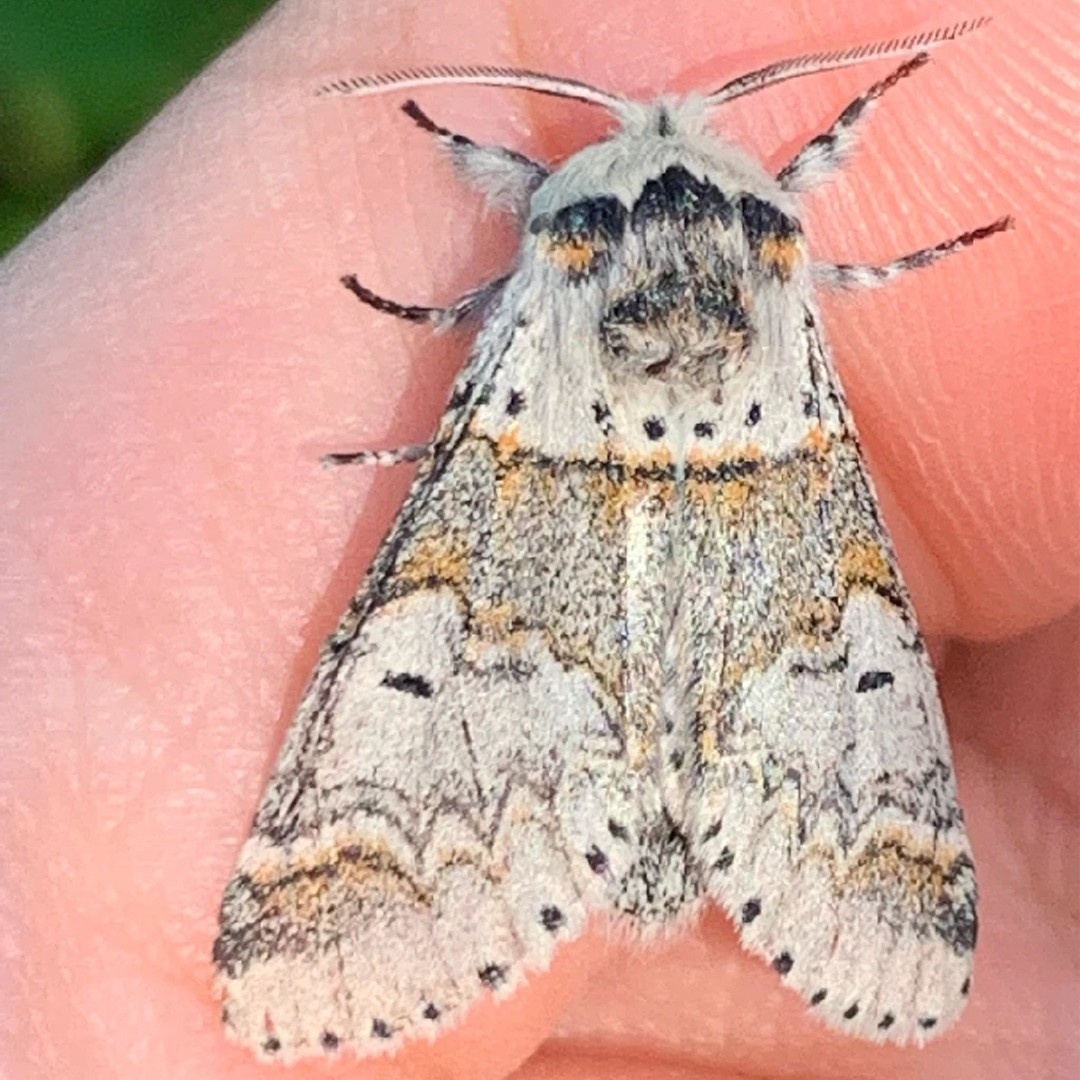
4. Sallow kitten
The sallow kitten is grey/white and has a wingspan of 27 to 35 mm. The first part of the wing has a large grey middle band. It differs from the poplar kitten (Furcula bifida) in its generally smaller size, but more especially in the shape of the black line forming the outer margin of the central band; this is always more or less angled or dentate towards the front margin of the wings, whereas, in the poplar kitten, this portion of the line forms a clean curve. The flight period ranges from April to the end of August. Depending on location the moth has one or two generations per year and is attracted to light. Ova The dark purple, hemispericle eggs are laid in batches of two or three on the upper surface of leaves in May or June and again in August. They hatch after nine days. Larva The caterpillar can grow up to 35 mm and is bright green with a purple brown marking on the saddle and can be found from May through to September. The main host plants are willow (Salix species) and occasionally aspen (Populus tremula) and other poplar (Populus species). Larvae can be found on small isolated moorland bushes. Pupa Before pupation the larva hollows out a recess. The pupa is dark purple-brown and pupation takes place in a tough cocoon constructed from a mixture of chewed wood-pulp and silk.
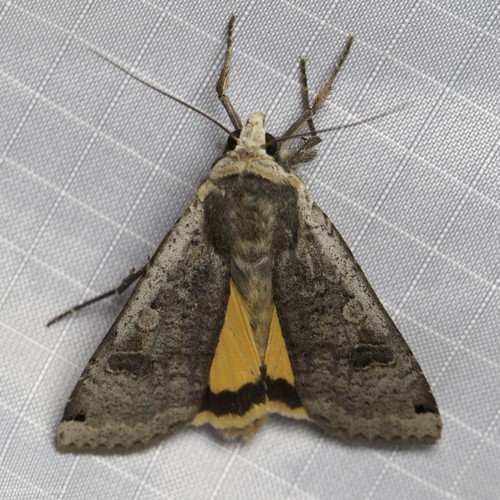
5. Large yellow underwing
An unusually large and heavy species of moth, large yellow underwing (Noctua pronuba) is dreaded by gardeners for the larvae's habit of causing fatal damage to the base of virtually any herbaceous plant. Large migrations occur some years, but how those years are determined is not yet known. Its contrasting colors (yellow-orange and brown) are thought to confuse would-be predators.
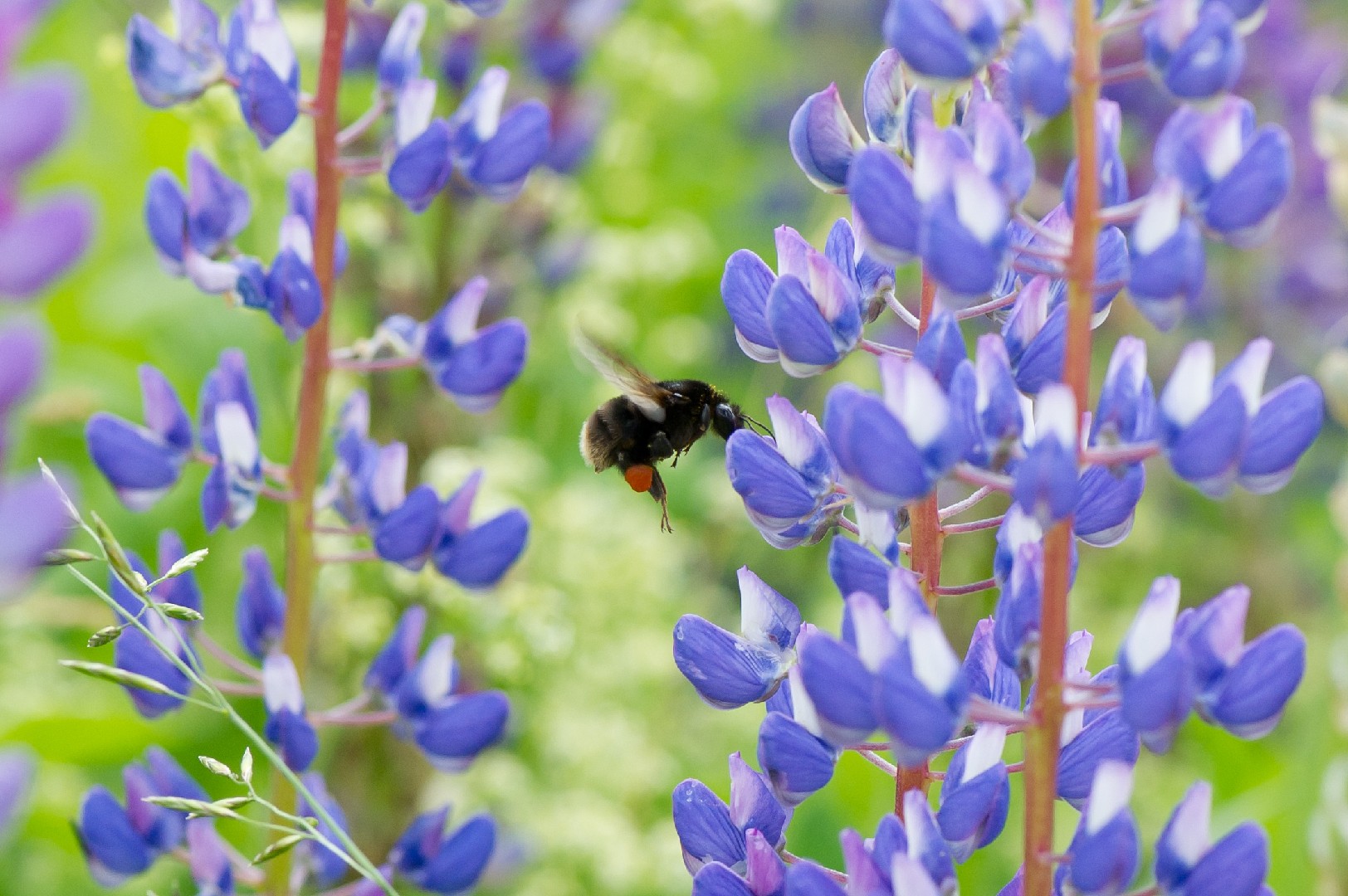
6. Short-haired bumblebee
The short-haired bumblebee or short-haired humble-bee, Bombus subterraneus, is a species of bumblebee found in Eurasia, as well as in New Zealand, where it is an introduced species. It lived in the British Isles among other parts of Europe. This species became extinct in the British Isles in 1989. The cause of the mass and sudden extinction is debated, but many scientists believe that it was due to a lack of genetic diversity.
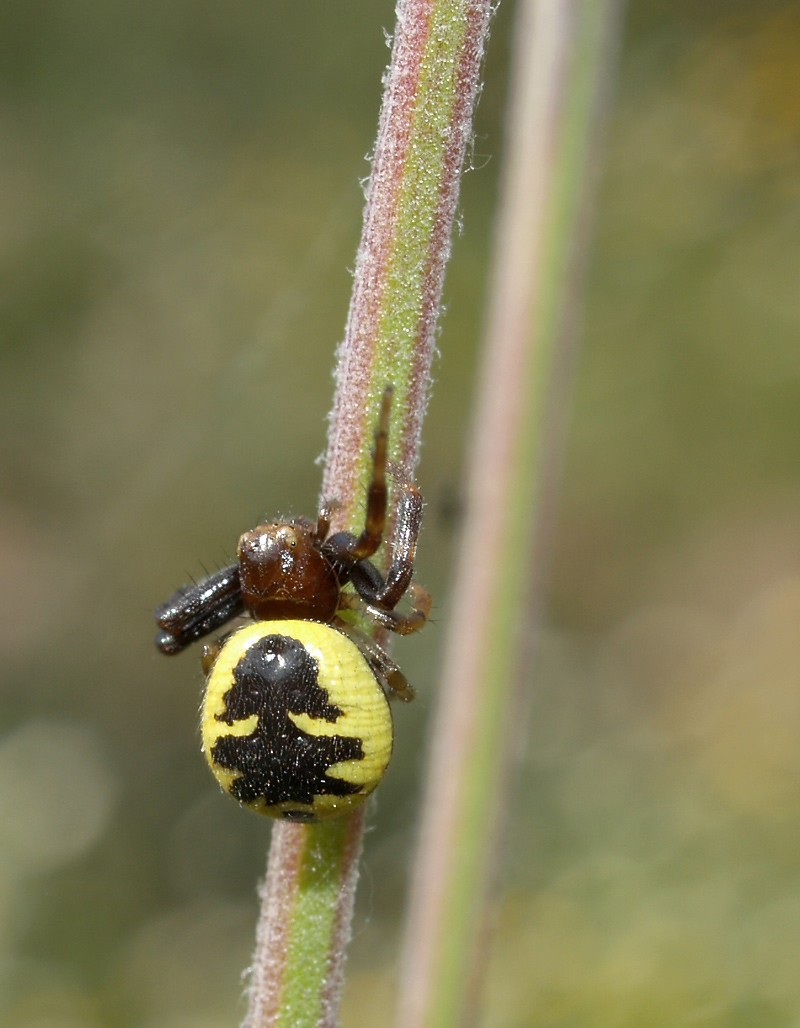
7. Napoleon spider
The adult males reach 2 - 4 mm in length, while females are 7 - 8 mm long. The two pairs of the front legs, used for hunting the flower-feeding insects, are more developed than the rear ones, which have a predominant motor function. Mature males have a black abdomen with two white marks. In mature females, the background colour of the abdomen can be red, yellow or white, with a black pattern which has been noted for a certain resemblance to the silhouette of Napoleon. Prosoma and legs are black or dark brown.
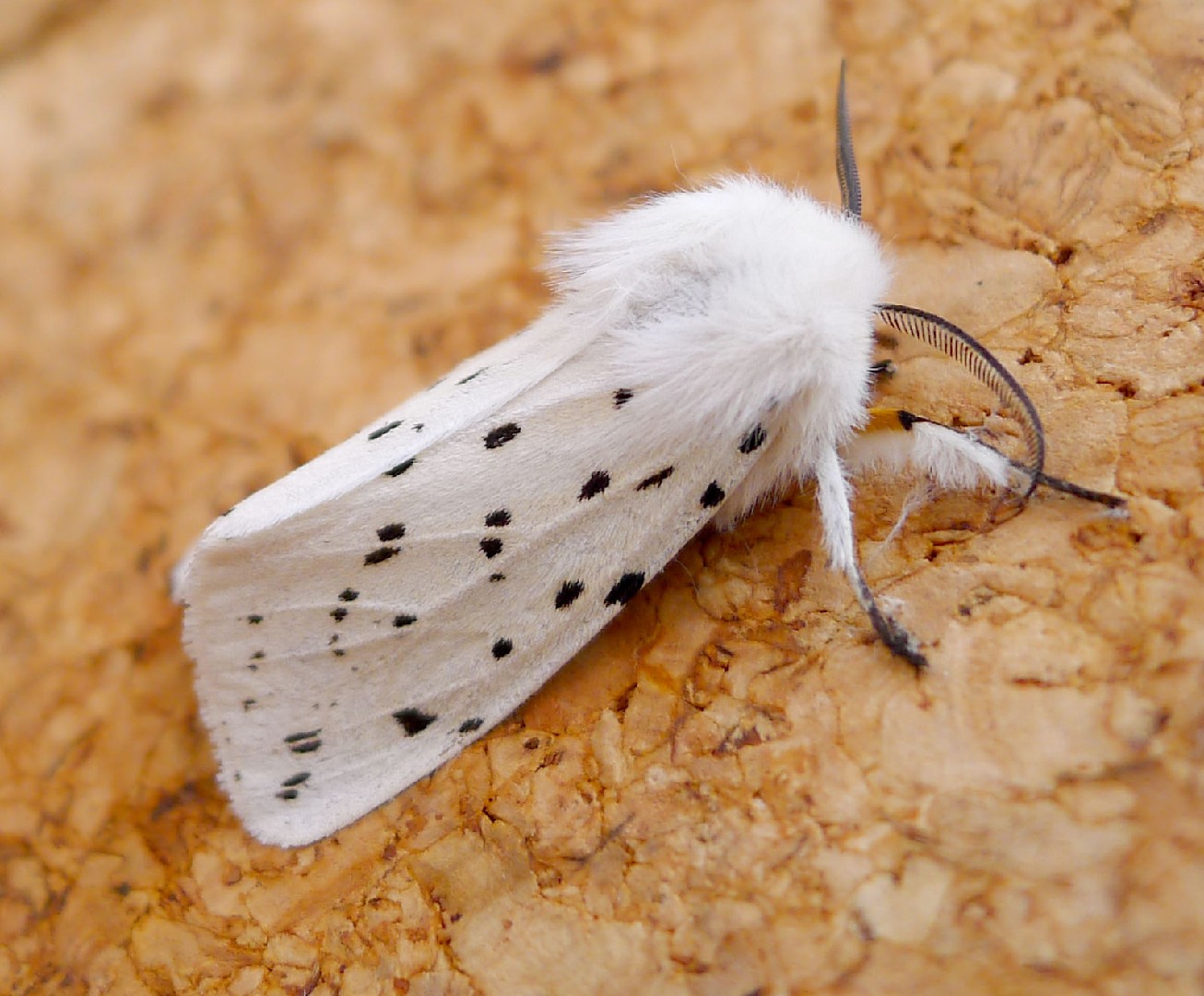
8. White ermine
With its bright white and black-spotted wings, the white ermine moth perhaps gets its name from the small mammals called ermines, which turn a vibrant white in the winter. This lovely insect is a delight to spot in the wild and can be found in many habitats all around the world.
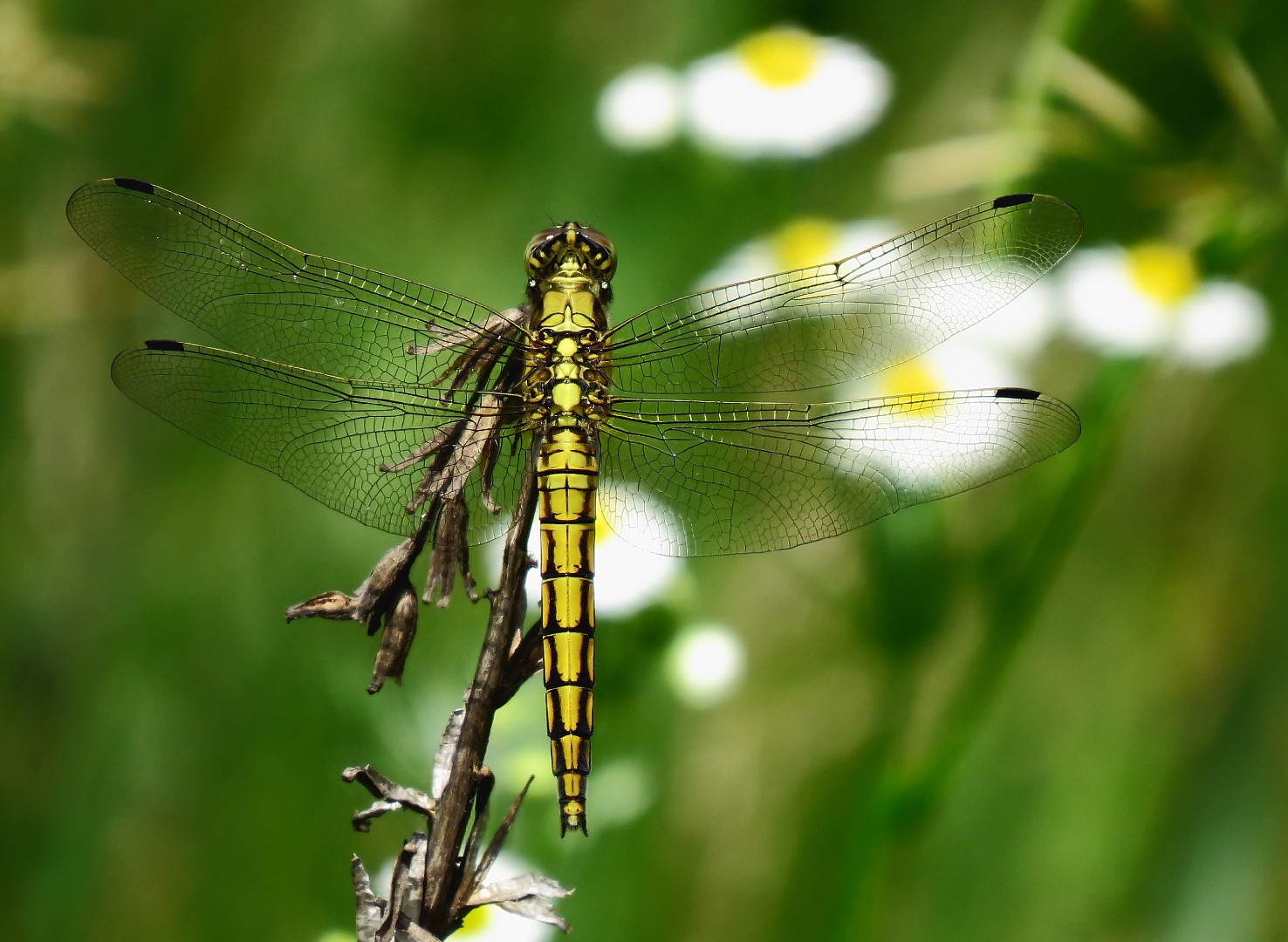
9. Black-tailed skimmer
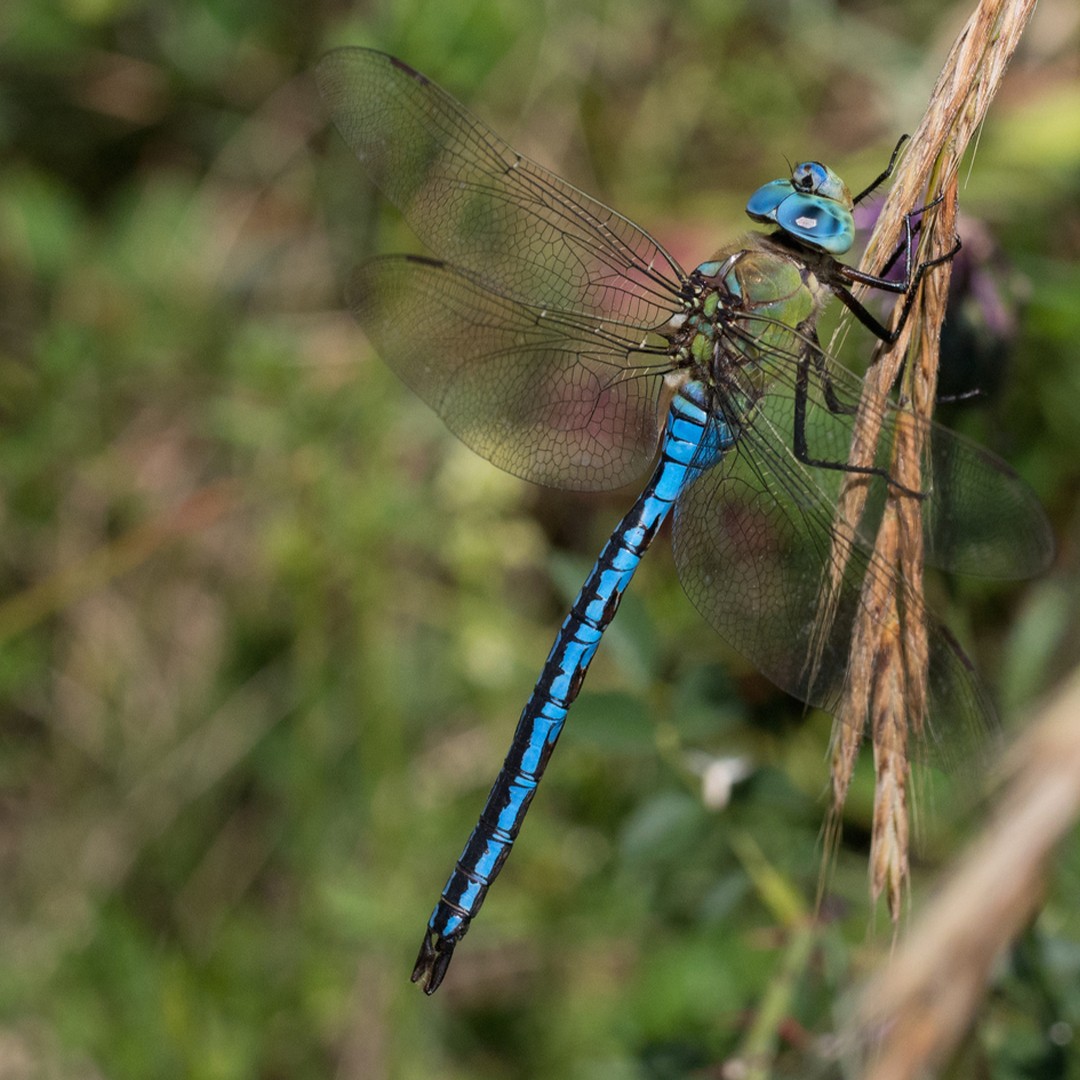
It is a fairly large dragonfly (the length of 4.5 - 5 cm, 3 - 3.5 cm abdomen, rear wing 3.5 - 4 cm.) with relatively broad, flattened abdomen, but not as broad as to chaser species. With age, adult males develop extensive blue pruinescence on their abdomen, offset by yellow lateral patches. The middle lobe of the pronotum is large and notched in the middle. The chest is yellow or yellowish-brown. The base of the hind wings do not show a dark opaque spots. The pterostigma is dark brown or black. On the front wings pterostigma 2 - 3 mm long. Anal appendages are black. The females and immature males are a deep yellow color, with wavy black lines dorsally on their abdomen. Males and females have the costal vein (the leading edge of the wing) yellow or black.
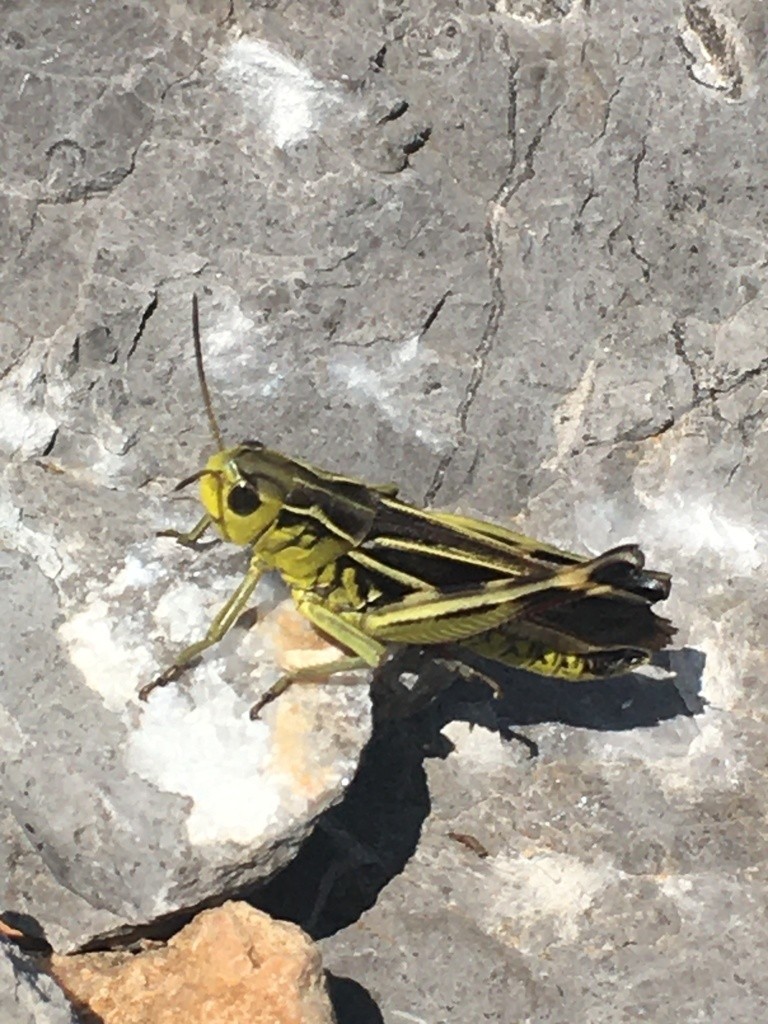
10. Large Banded Grasshopper
Arcyptera fusca can reach a body length of 22–35 millimetres (0.87–1.38 in) in males, while females reach a length of 29–44 millimetres (1.1–1.7 in). These medium-sized grasshopper are characterized by a significant sexual dimorphism. Males have developed functional wings (oft 20–27.3 millimetres (0.79–1.07 in) covering the abdomen, while females have rudimentary wings (of 12.3–20.1 millimetres (0.48–0.79 in)), shorter than abdomen and unfit for flight (brachyptery). The basic body color is ocher or yellow-green, with dark markings. The hind tibiae have a characteristic bright red color that extended to the inner face of femora. The knees are black, surrounded by a white band.

More







