




Top 16 Most Common Insects in Sakha (Yakutiya)
Insects, with their distinctive features and habitats, contribute significantly to Sakha (Yakutiya)'s rich biodiversity. The various geographical facets of Sakha (Yakutiya) host a multitude of insects, creating a dynamic ecosystem. These tiny creatures play pivotal roles as both pests and beneficial aids, whilst reflecting the unique relationship with their surroundings. So, let's delve into our list of 16 most common insects in Sakha (Yakutiya), celebrating nature's unnoticed, yet indispensable engineers.

Most Common Insects
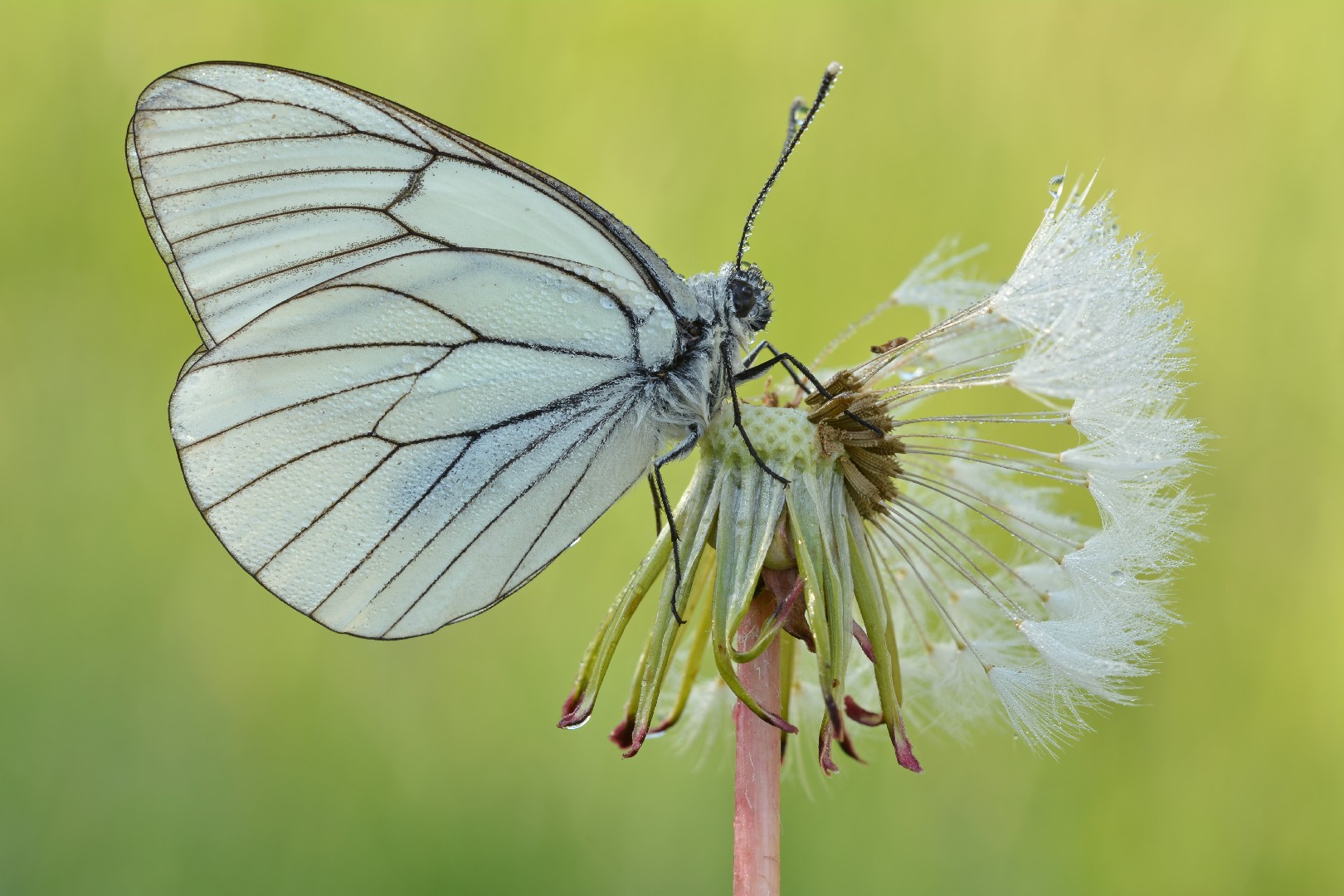
1. Black-veined white
The black-veined white has a wingspan of 5 - 7 cm. Females are commonly larger than males. The upperside of both forewings and hindwings is a translucent white boldly veined with black. The underside is similar in the male but the female has brown veining. Moreover, the female loses most of her scales by rubbing her wings together, resulting almost-transparent. This butterfly can be distinguished from other members of white butterflies of the genus Pieris by its distinctive veined wings. The eggs are yellow at first, darkening with age. The caterpillars are greenish grey with transverse banding. The pupa is creamy white, marked with black, attached by a silken girdle to a twig. 
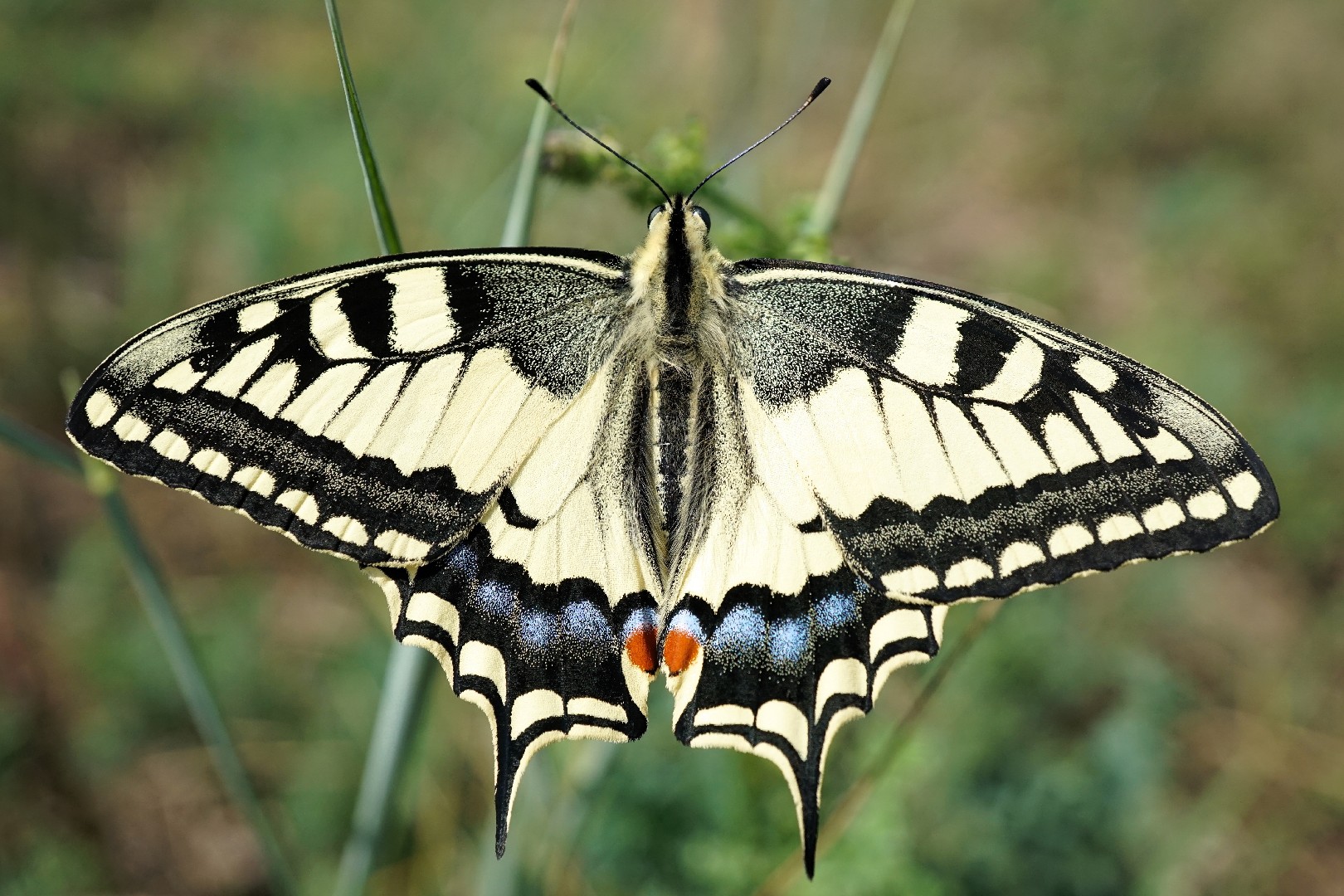
2. Old World swallowtail
The old World swallowtail (Papilio machaon) is commonly just called the "swallowtail," giving it the added title of "old world" to distinguish it and remind us that it comes from the "old world" (Asia, Africa, Europe). The upper side of them is a beautiful combination of pure white with black striping, the underside being a brownish version of the same thing. There is blue and two red dots on its back side.
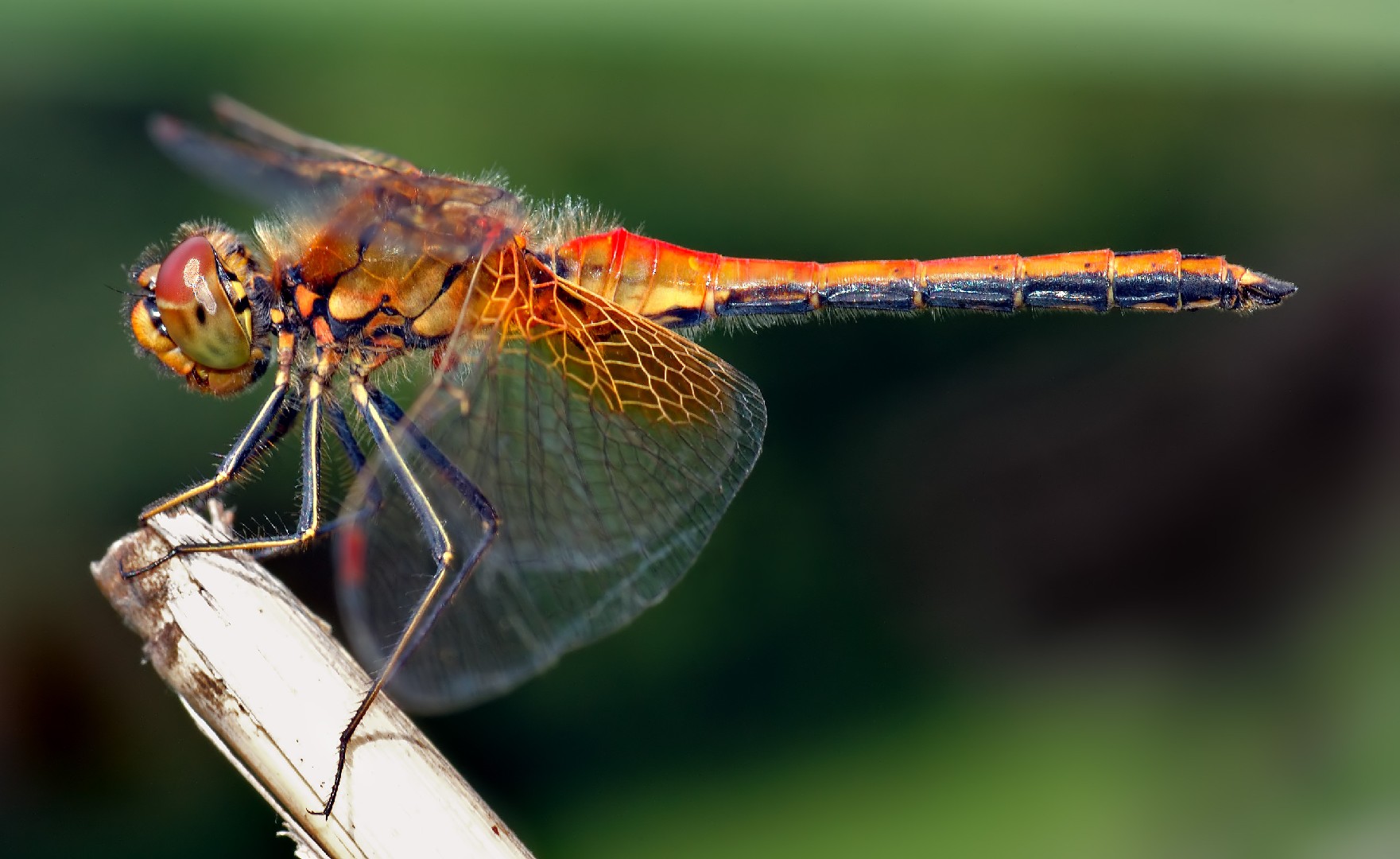
3. Yellow-winged darter
An almost unmistakable darter, red-bodied in the male, with both sexes having large amounts of saffron-yellow colouration to the basal area of each wing, which is particularly noticeable on the hind-wings.
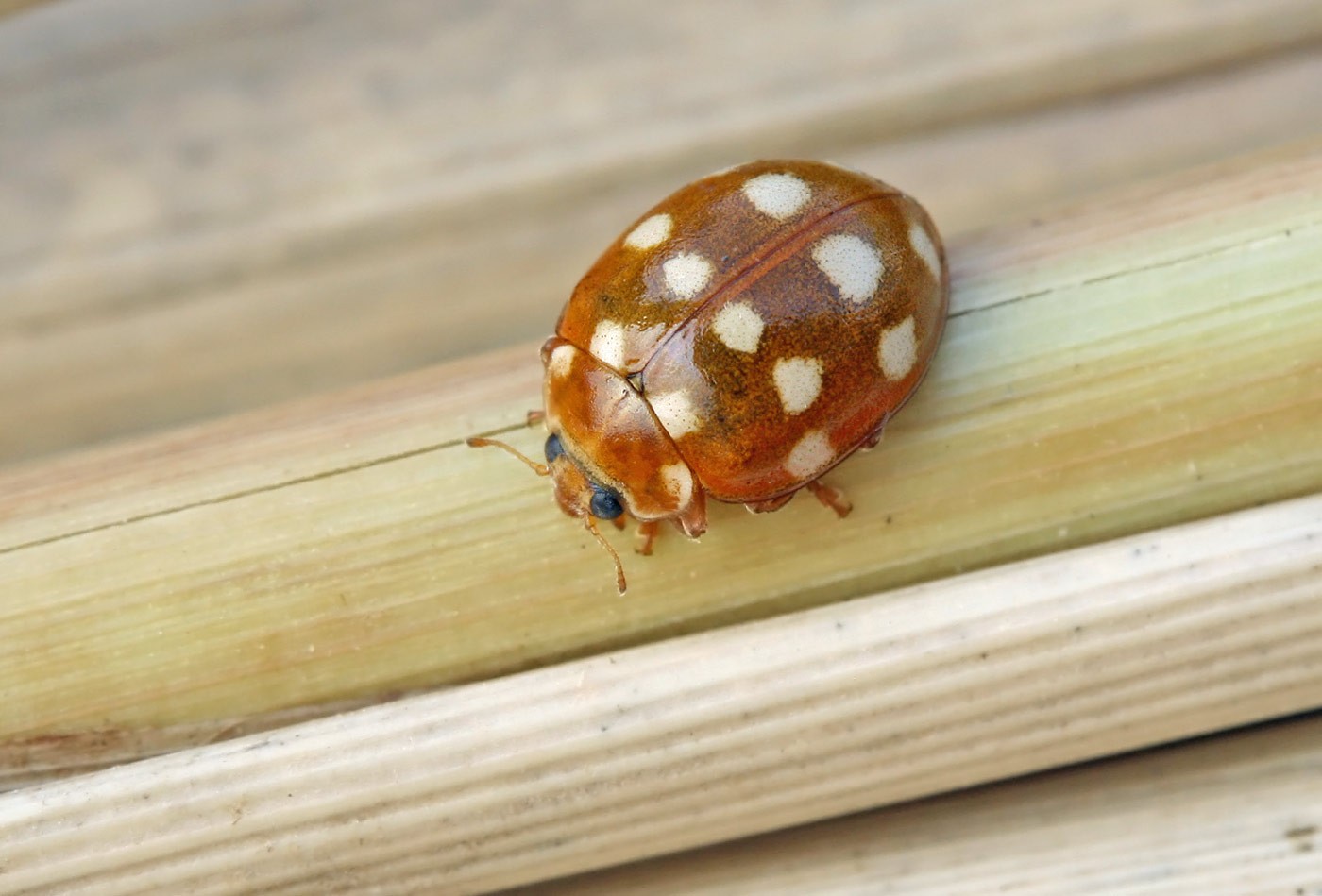
4. Cream-spot ladybird
The cream-spot ladybird measures 0.16 to 0.22 in long and 0.13 to 0.18 in broad. It may be black with white spots, or anywhere from yellow to pink with 18 large blotches. An excessively melanistic version exists that is all black with a large red-orange patch on each elytron. It always has a glossy pronotum and the underside of the beetle has a thin red rim to the otherwise black abdominal segments. The larvae are black with white markings, have six legs and several blunt conical spines on each segment of the abdomen, similar to larvae of Cycloneda but with shorter legs.
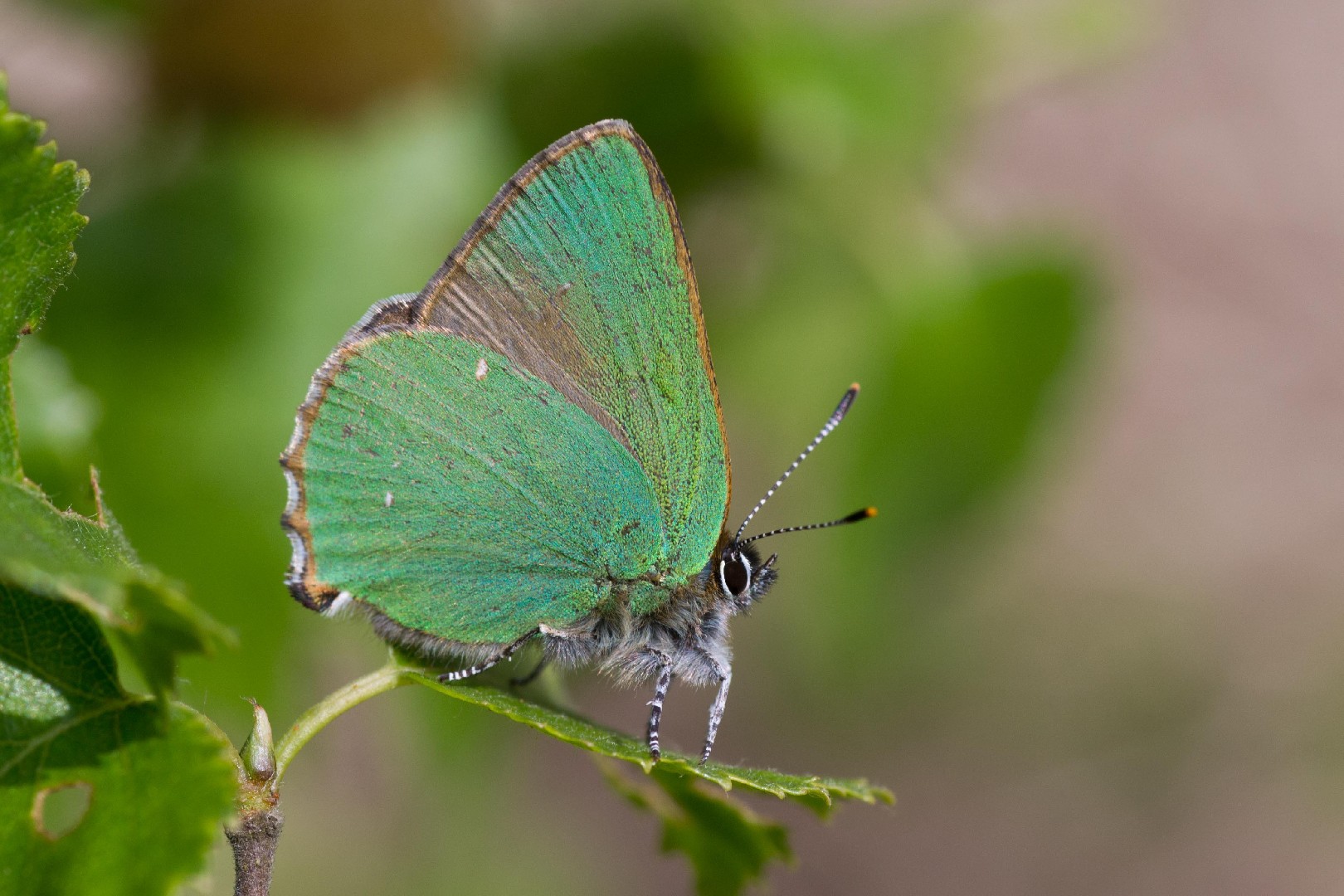
5. Green hairstreak
Callophrys rubi has a wingspan reaching about 1.0–1.2 in in length. The oversides of the wings are a uniform dull brown, with two paler patches on the male's forewings made up of scent scales. The undersides are a bright green with a thin white line, often reduced to a faint row of dots or even missing altogether. The iridescent green colour of the undersides is a structural colour caused by diffraction and interference of light by microscopic repeating structures forming a diffraction grating in the wing scales. The caterpillars are green with yellow markings along the back.
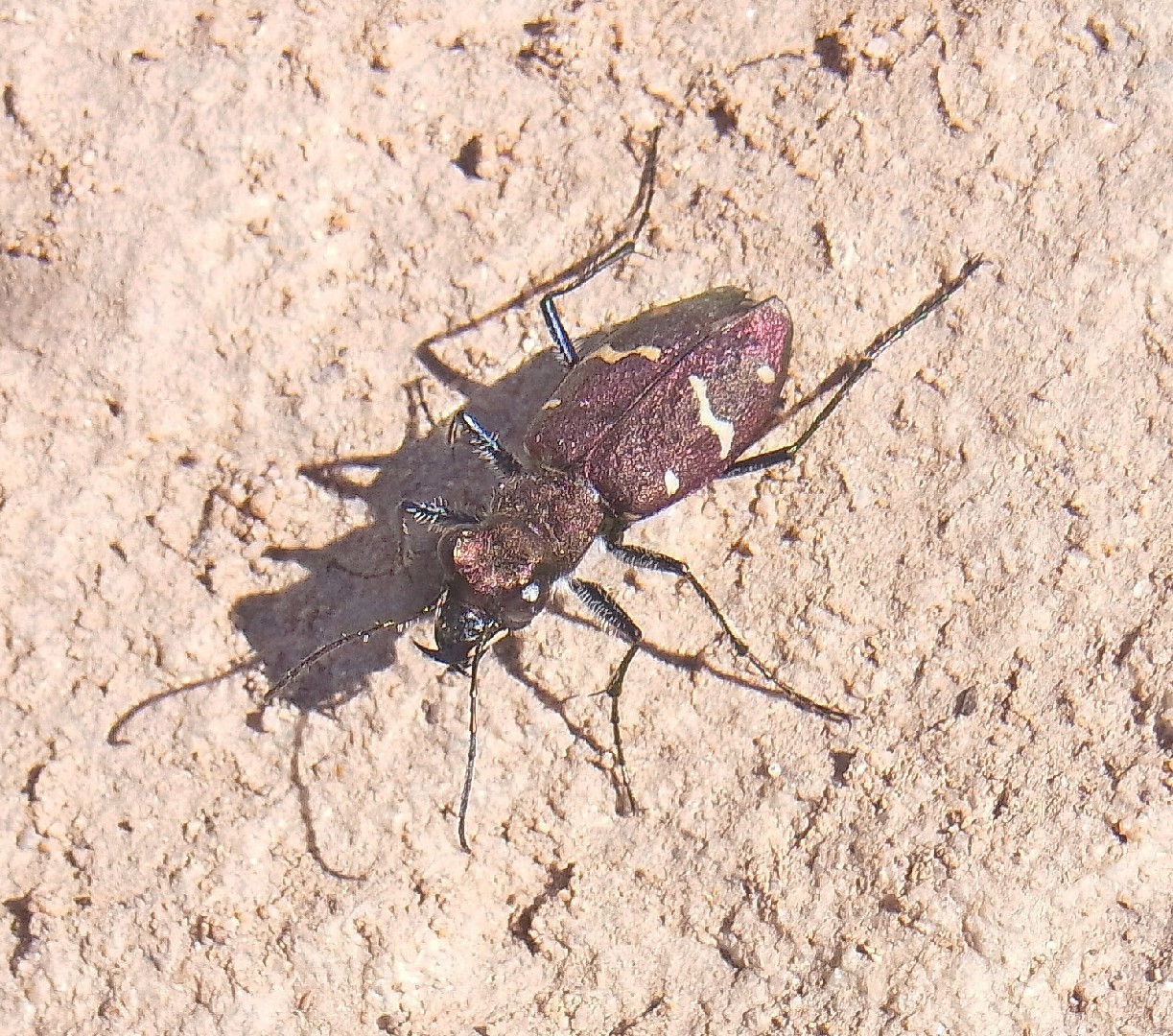
6. Wood Tiger Beetle
Cicindela sylvatica is a tiger beetle, commonly known as the wood tiger beetle or heath tiger beetle. It is the largest of the British tiger beetles with a length of between 15–19 millimetres (0.59–0.75 in). It is black in colour with a blue tinge, more pronounced on the underside, and sometimes appears with a bronze sheen. The beetle occurs throughout Europe with the exception of the Mediterranean and the extreme north. In the UK, it is found in England. The beetle has been given priority status under the UK Biodiversity Action Plan (UK BAP) and has been included in the English Nature's Species Recovery Programme. The beetle population has declined in England by 65% over 40 years. The beetle's traditional stronghold is on the Dorset heaths where there are at least 4 populations, and also persists in two populations on the Surrey heaths. The distribution list is Albania, Andorra, Austria, Belarus, Belgium, Bosnia Herzegovina, China, Croatia, the Czech Republic, Denmark, Estonia, Finland, mainland France, Germany, Great Britain, Hungary (doubtful), Ireland, Kaliningrad, Kazakhstan, Latvia, Liechtenstein, Lithuania, Luxembourg, Mongolia, the Netherlands, North Korea, North Macedonia, mainland Norway, Poland, Romania (doubtful), Russia, Slovakia, Slovenia, mainland Spain, Sweden, Turkey and Ukraine.
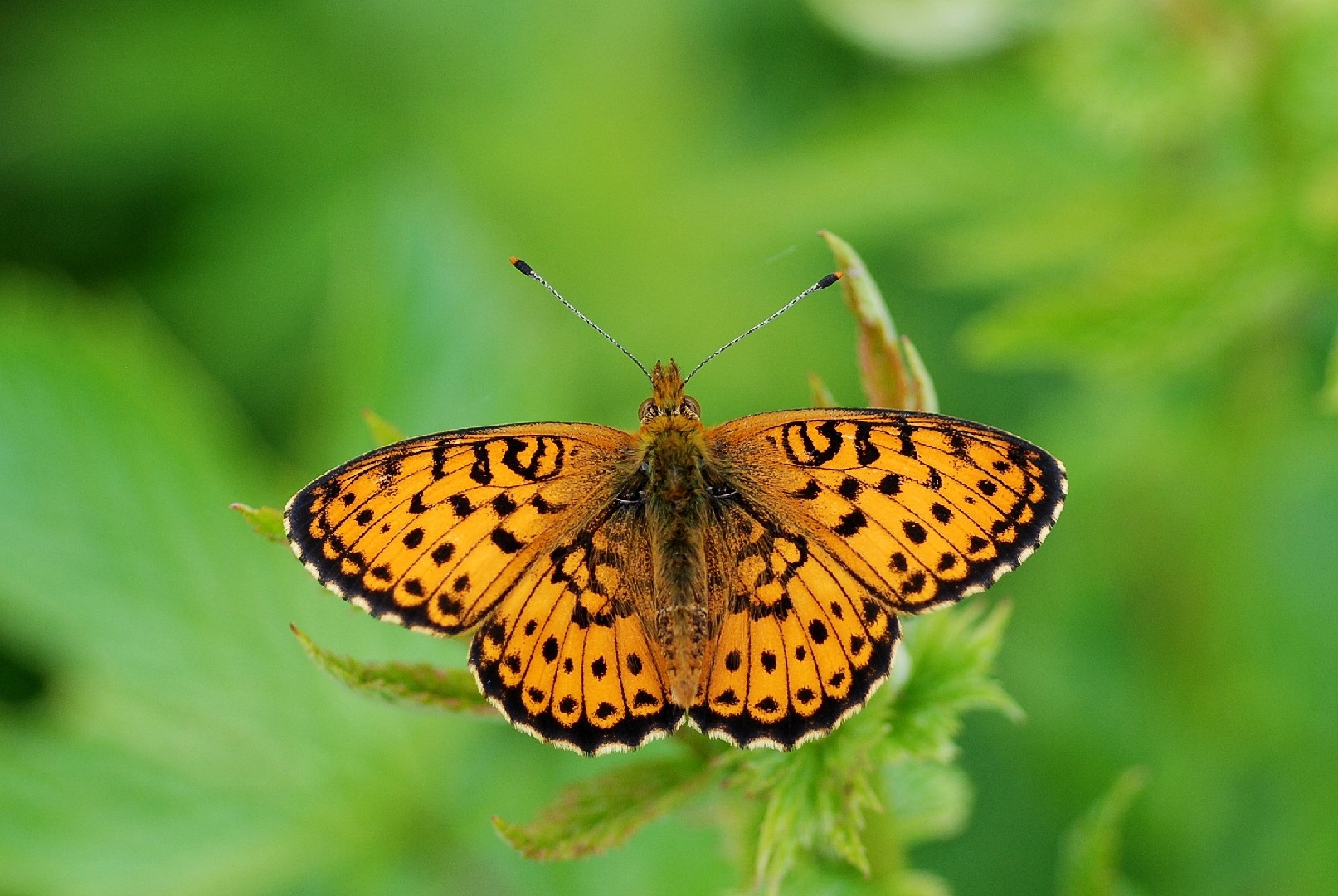
7. Lesser marbled fritillary
Brenthis ino is a medium-sized butterfly with a wingspan of 3.5 - 4.5 cm. Females are larger and usually darker than males. The antennae are clavate (club shaped). The basic color of the upper side of the wings is orange with several dark brown blotches. The edges are brown too, with a discontinuous stripe of small blotches. The lower side of the wings is creamy orange with an indented edge and dark brown blotches on the forewings, while the hindwings show brown-edged beige blotches and some ringed dark brown and violet shading spots. The wings of this species lacks any silver blotches.
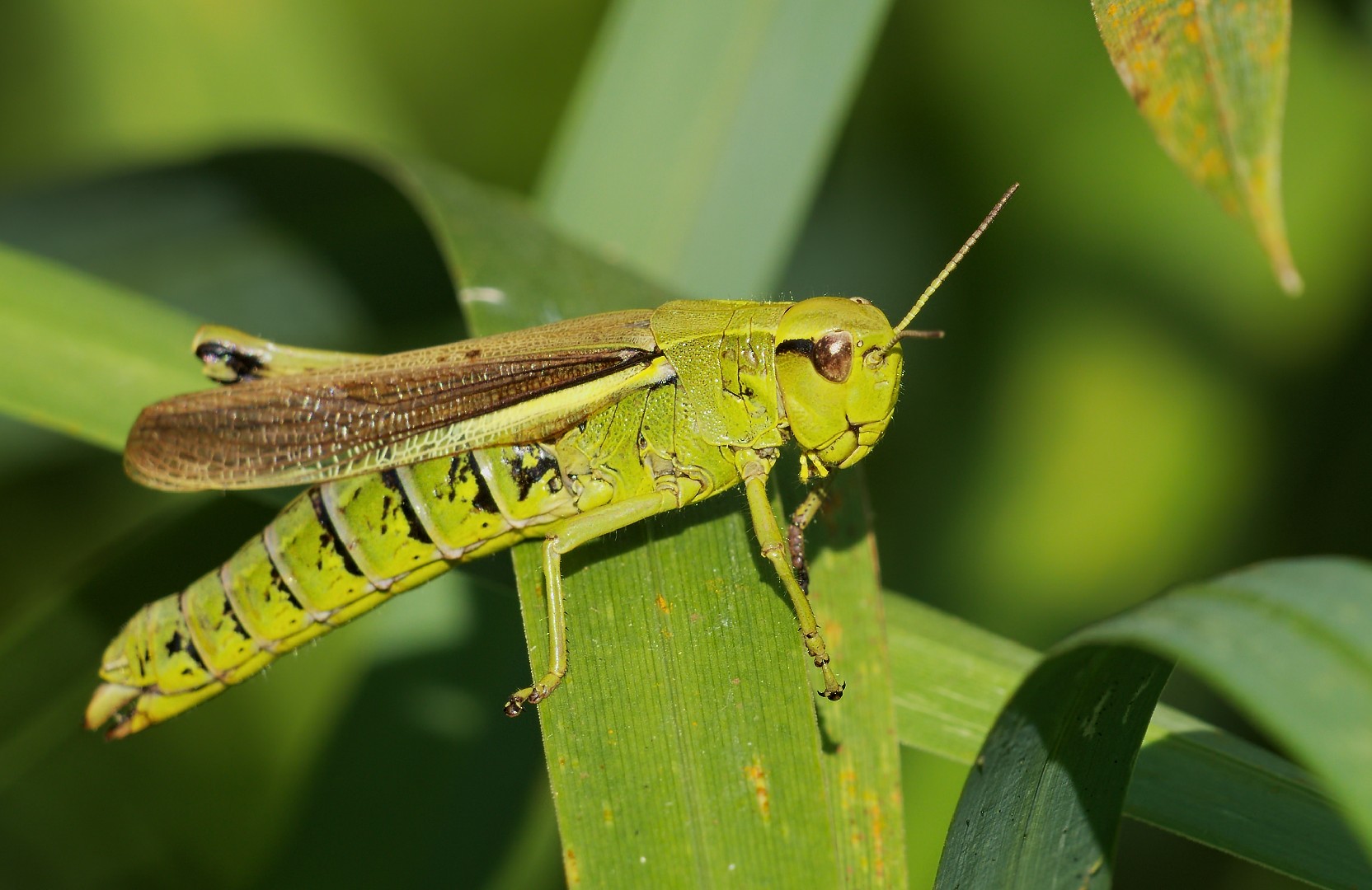
8. Large marsh grasshopper
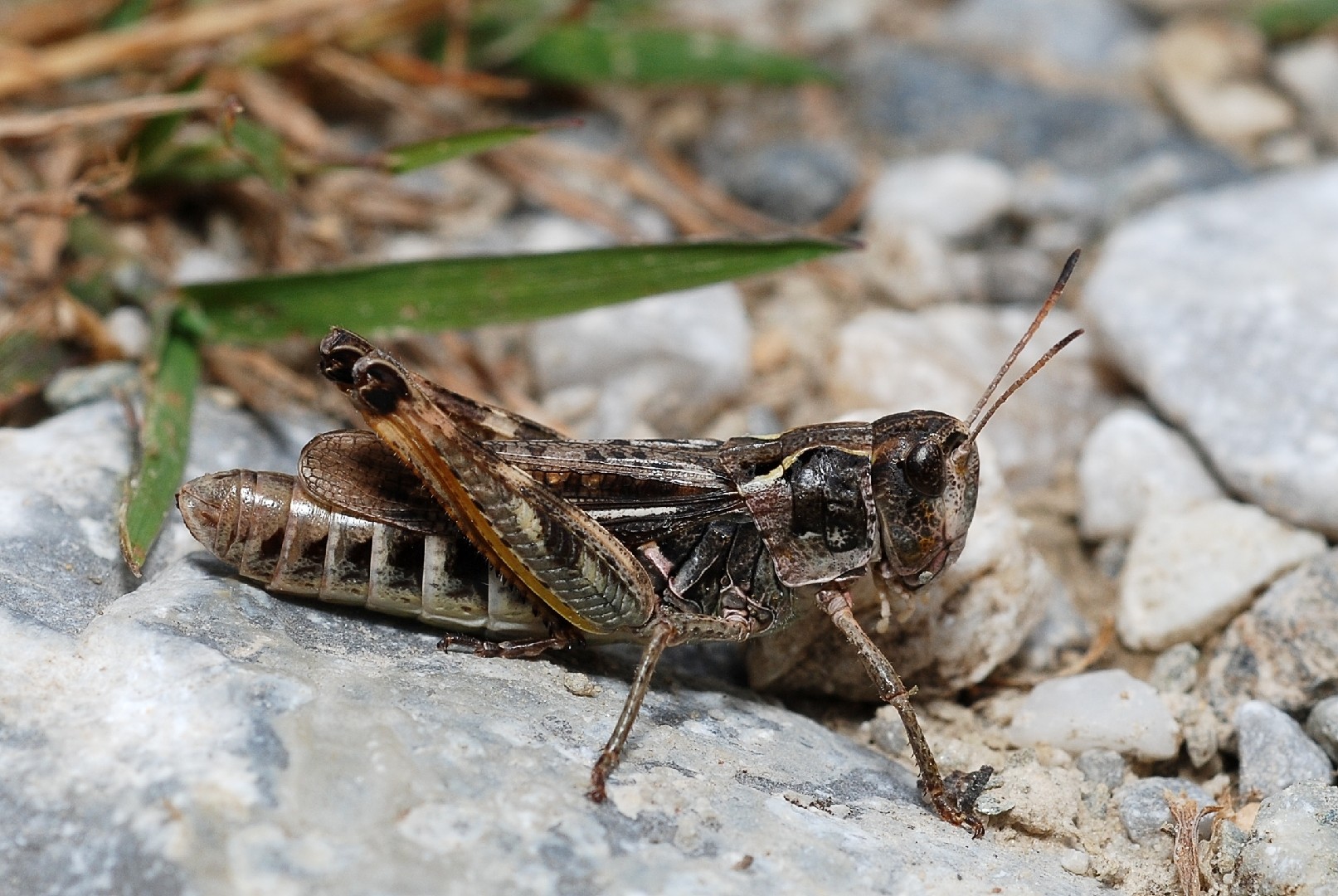
The marsh frenzy is up to four inches tall. It is mostly olive green to dark brown. In females, sometimes a purple, piebald color occurs. The coloring sometimes varies considerably. The forewings have a yellow stripe on the lower edge and the hind legs are red-orange colored on the underside. The hind knees are usually stained black. On the back rails is a row of black thorns. Swamp fright do not chirp like other grasshoppers, but they produce audible snapping sounds. In addition, the marsh frill lifts its hind leg and hurls it backwards. The sitting on the hind leg end thorns are pulled jerkily over the wing. This noise is usually repeated at greater intervals. The females rarely sing. The adult animals, after passing through five larval stages, are observed between July and October. The adults marsh fright but only a maximum of 53 days old. The larvae have the highest humidity requirements of all European species. Swamp fry feed on sweet and reed grasses.
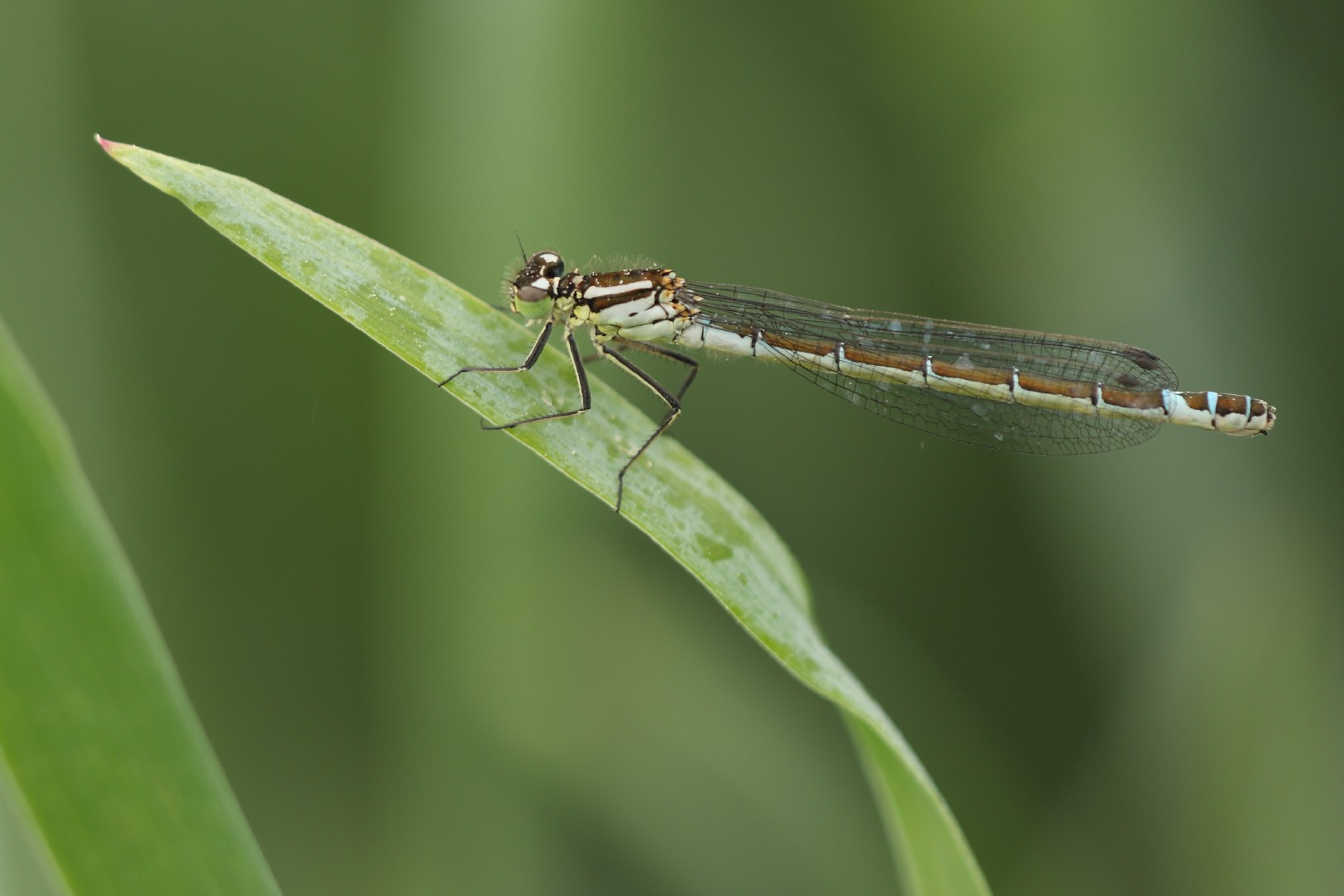
9. Irish damselfly
The Irish damselfly or crescent bluet (Coenagrion lunulatum) is a damselfly found in northern Europe and Asia to north-eastern China;. It is common and widespread in northern Finland, scarce and local in the Netherlands and Ireland and rare elsewhere. One of its English name comes from the fact that it is found in Ireland but not in Britain. The alternative name, crescent bluet, refers to the shape of the markings on segment two of the male and its scientific name.
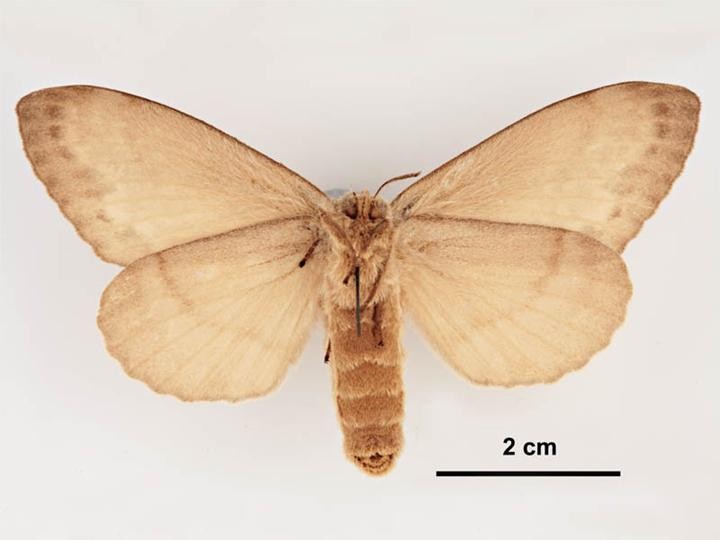
10. Japanese hemlock caterpillar
The wingspan is 60–102 mm. The colour ranges from light yellowish brown or light grey to dark brown or almost black. The forewings are crossed by two dark stripes and there is a white spot situated at the centre of the forewing.

More