




Top 17 Most Common Insects in Saint Kitts And Nevis
Insects, creatures distinguished by their unique exoskeletons, play distinct roles in Saint Kitts And Nevis's diverse ecosystems. From the lush rainforests to the sandy beaches, these habitats shape Saint Kitts And Nevis's insect diversity, making it a sanctuary for 17 prevalent species. Understanding these species helps us appreciate their distinct ecological functions, from bothersome pests to beneficial pollinators, as they collectively contribute to Saint Kitts And Nevis's vibrant biodiversity.

Most Common Insects
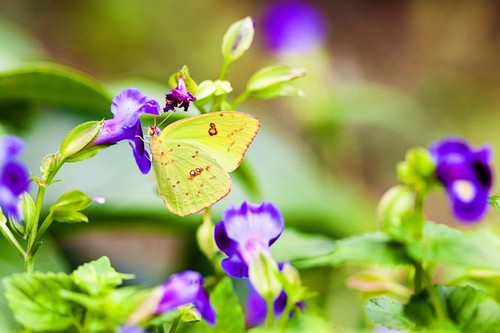
1. Cloudless sulphur
The cloudless sulphur (Phoebis sennae) is known for being a small, yellow butterfly with two dots on either wing. Despite it not being very extravagant, there are those that may think that to be cute. They are known to be long-tongued butterflies that can reach the nectar in tubular flowers.
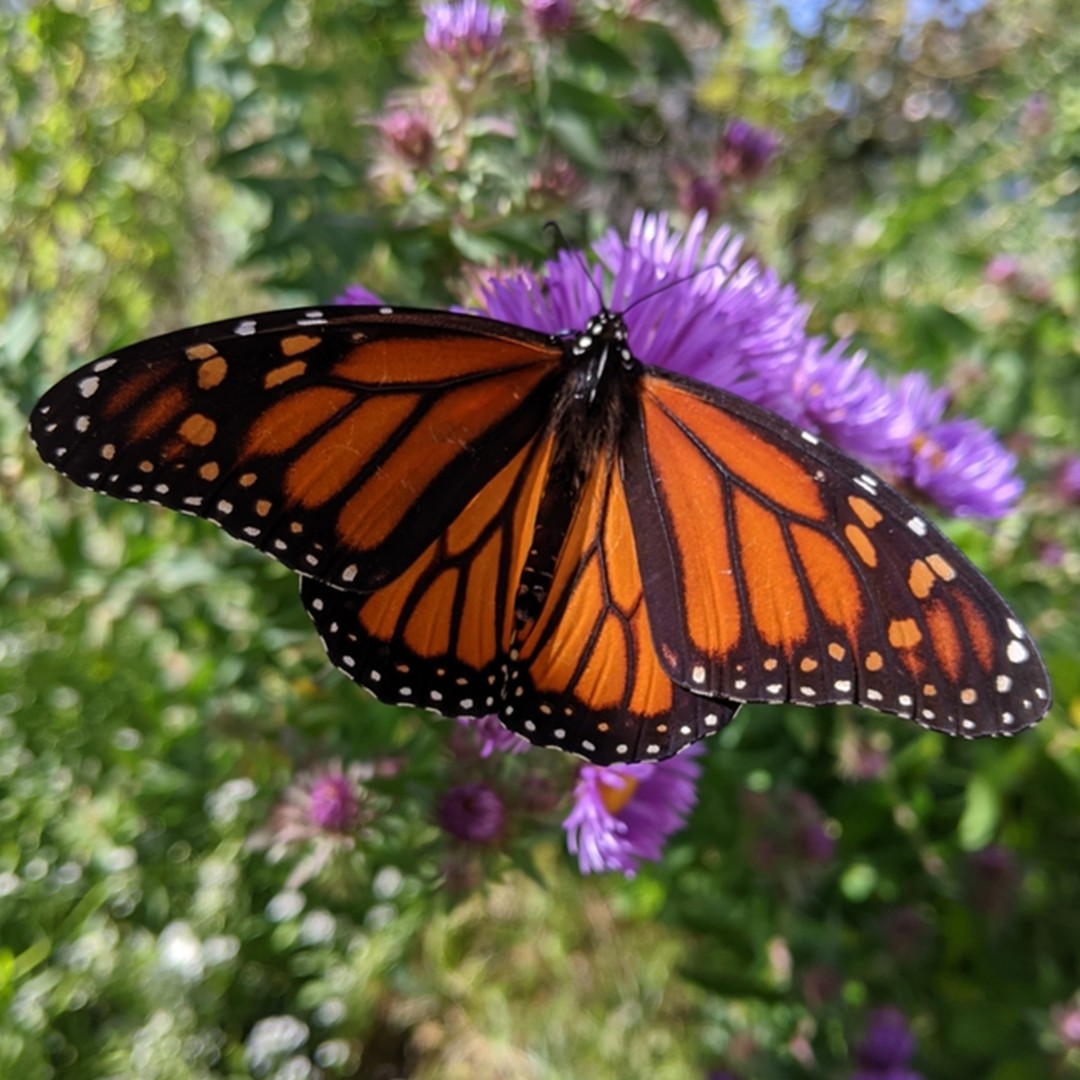
2. Monarch butterfly
The monarch butterfly (Danaus plexippus) is the most recognizable butterfly in North America. It is best known for its appearance, but should be better known for the fact that it has a 3000-mile migration that takes the butterfly 4 generations to complete. Their diet is also a natural deterrent for predators, as they eat milkweed, a poison that induces vomiting.
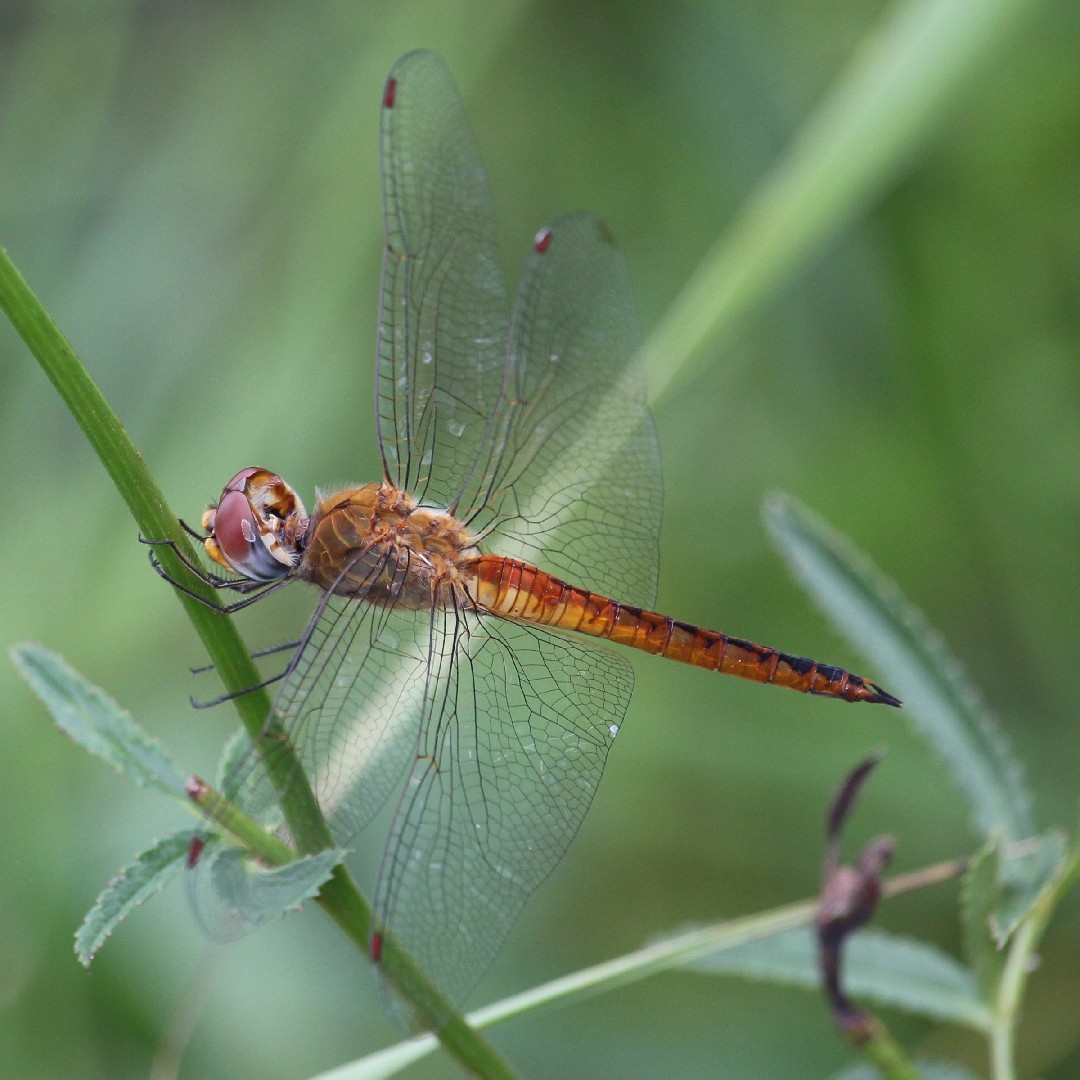
3. Wandering glider
The wandering glider (Pantala flavescens) is a yellow dragonfly that migrates long distances. It's easily recognized by its elegant flight pattern, where it seems to glide across the sky effortlessly, even when it's windy outside. It often lands near still water, which includes ponds and puddles.

4. Atlantic ghost crab
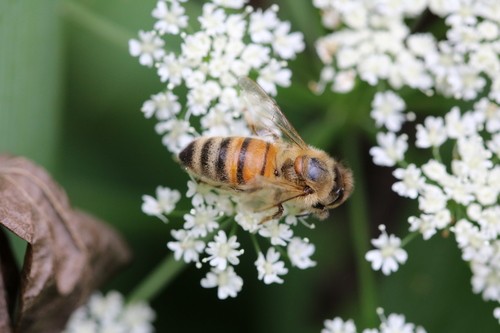
5. Western honey bee
Western honey bee(Apis mellifera) is the most common species of honeybee in the world. Among the first domesticated insects, its cultural and economic impact on humanity has been vast and far-reaching, providing honey, wax and its services as a pollinator. Western honey bee faces challenges worldwide, such as colony collapse disorder, and populations are thought to be decreasing.
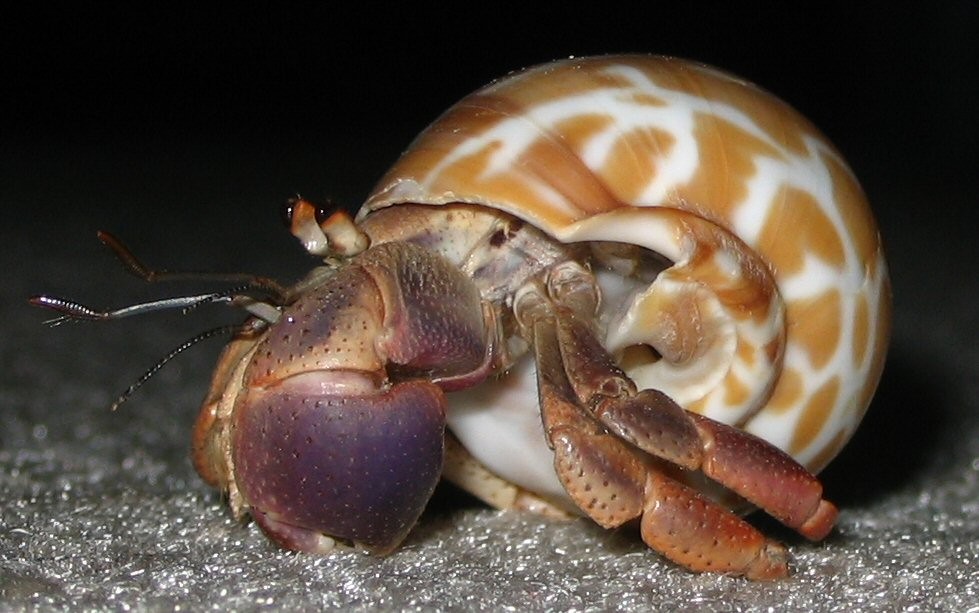
6. Caribbean hermit crab
Caribbean hermit crab (Coenobita clypeatus) is a land hermit crab found in many parts of the western Atlantic and the Caribbean sea. This herbivorous and scavenging crab uses modified gills to breathe air. It prefers the shells of West Indian top snail (Cittarium pica). The caribbean hermit crab is one of the two species of hermit crabs found in the pet trade in the US.
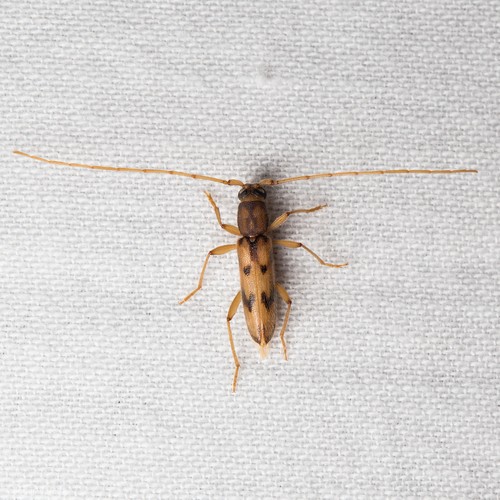
7. Achryson surinamum
Achryson surinamum is a beetle species from the boktorren family (Cerambycidae). The scientific name of the species was first validly published in 1767 by Linnaeus.
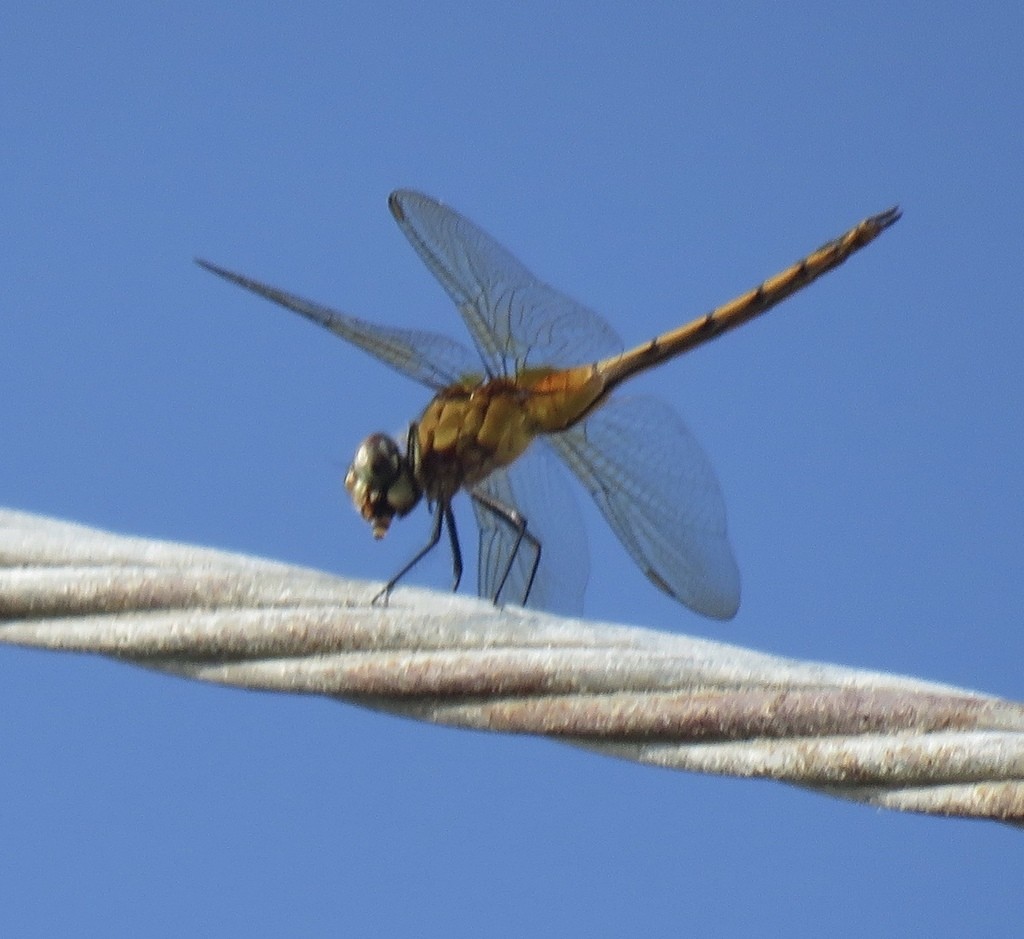
8. Tawny pennant
The IUCN conservation status of Brachymesia herbida is "LC", least concern, with no immediate threat to the species' survival. The population is stable. 
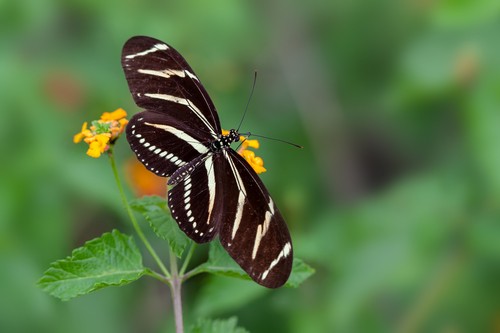
9. Zebra longwing
The zebra longwing (Heliconius charithonia) is a beautiful butterfly that has a texture resembling a zebra. They feast and pollen and nectar, using the pollen to produce chemicals that poison predators if they are eaten, deterring most predators from attack. Unfortunately, their populations have been decimated after being caught in the crossfire of sprays meant to control mosquitos.
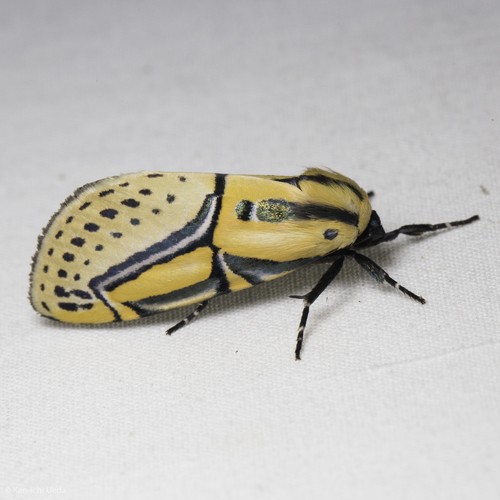
10. Hieroglyphic moth
Diphthera festiva is a butterfly from the spider owls family (Erebidae). The scientific name of the species was first validly published in 1775 by Fabricius.
More







