




Top 19 Most Common Insects in Mecca
Insects, nature's bustling multitudes, with their varied forms, habitats, and behaviors, play pivotal roles in Mecca's biodiversity. Mecca's contrasting locales shape its rich insect variety and diversity. Whether they’re ravaging pests or beneficial pollinators, these creatures act as key environmental indicators and contribute significantly to ecosystem balance. Let’s delve into the world of 19 most common insects, shedding light on their fascinating and sometimes underrated lives.

Most Common Insects
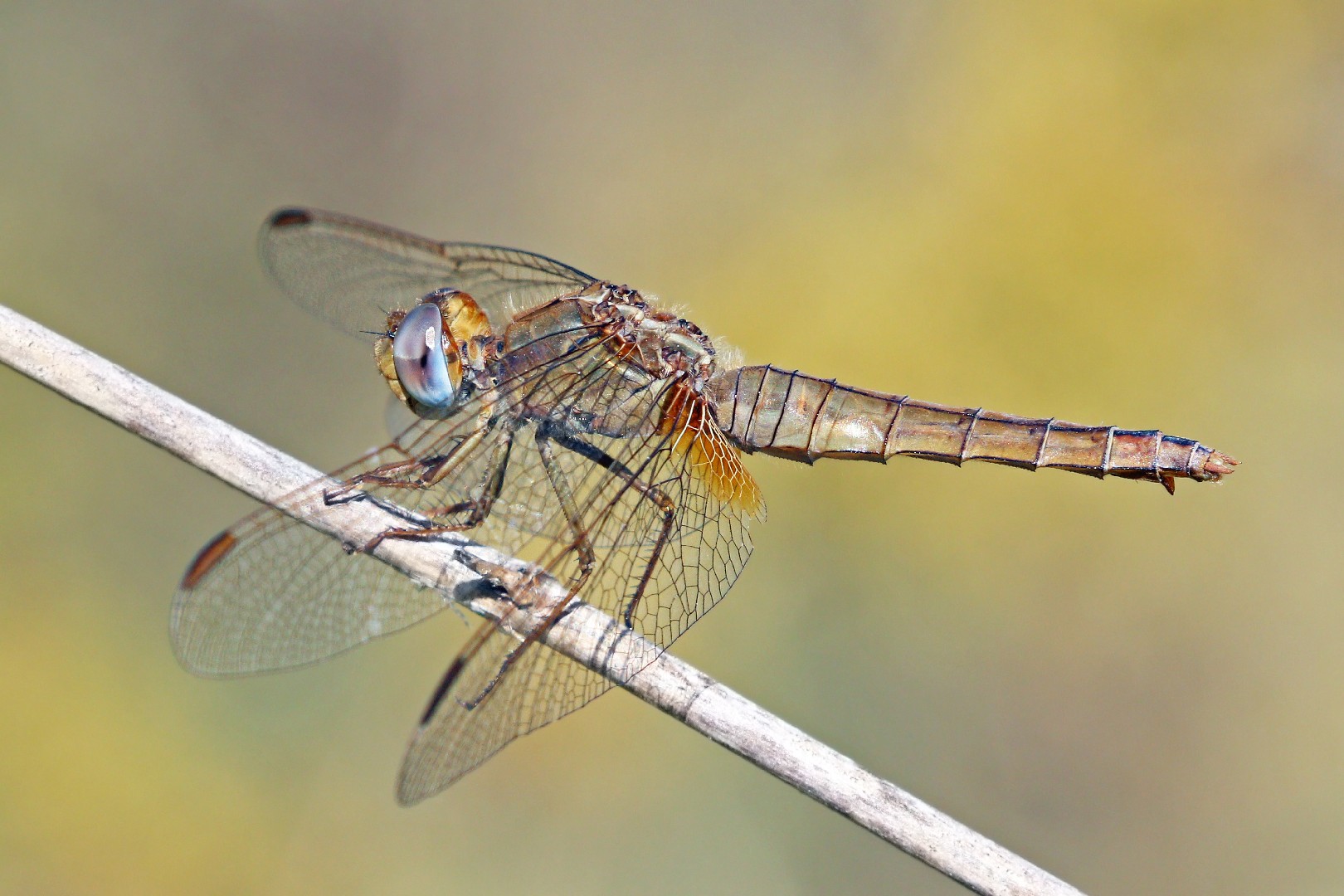
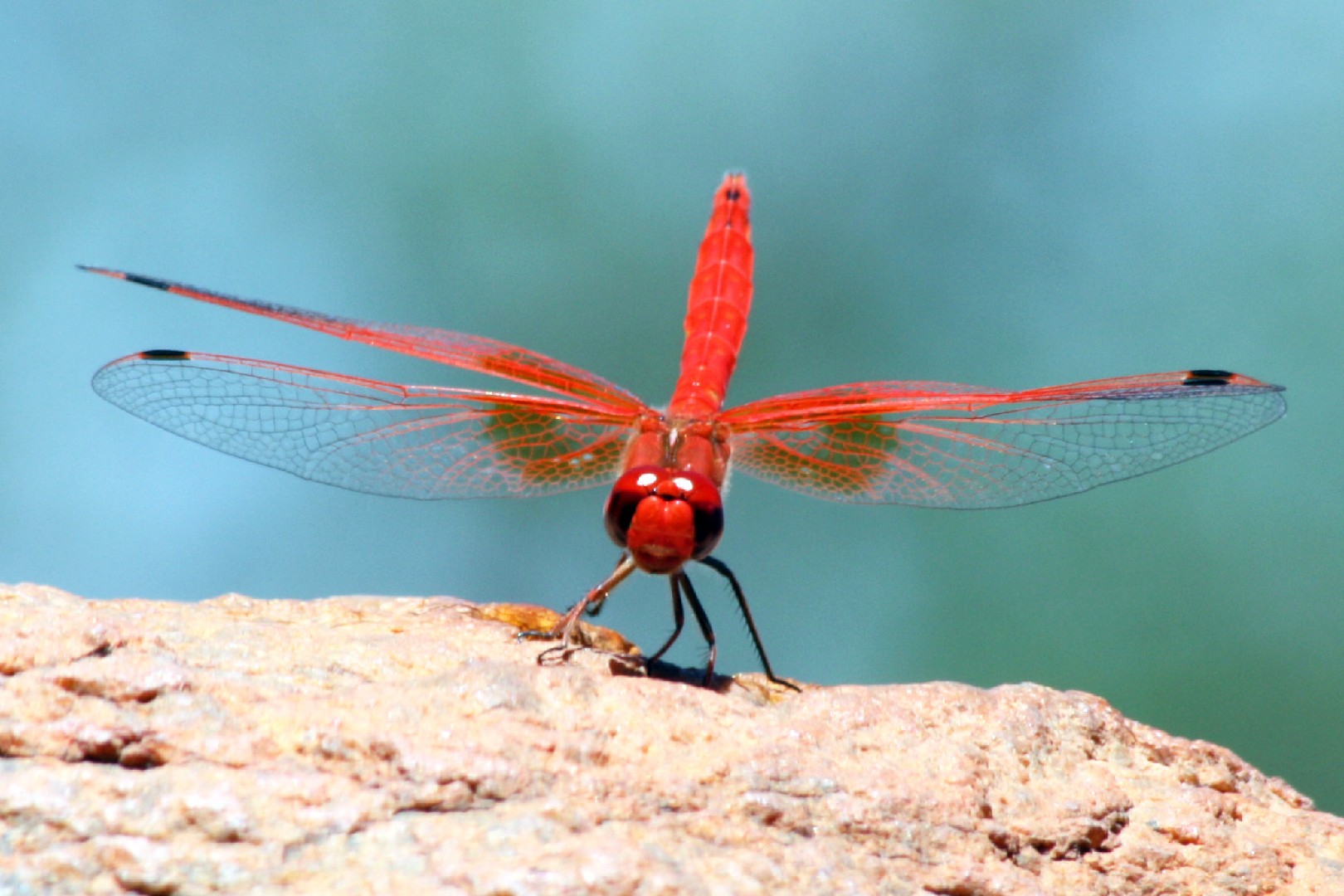
1. Scarlet dragonfly
Crocothemis erythraea can reach a length of 3.5 - 4.5 cm. These dragonflies haves a flattened and rather broad abdomen. The adult male scarlet dragonfly has a bright scarlet red, widened abdomen, with small amber patches at the bases of the hindwings. Also the veins on the leading edges of the wings are red. Females and immatures are yellow-brown and have a conspicuous pale stripe along the top of the thorax. 

2. Citrus swallowtail
Papilio demodocus , also known under the English name Citrus Swallowtail ("Citrus Swallowtail"), is a butterfly from the family of the knight butterflies (Papilionidae).
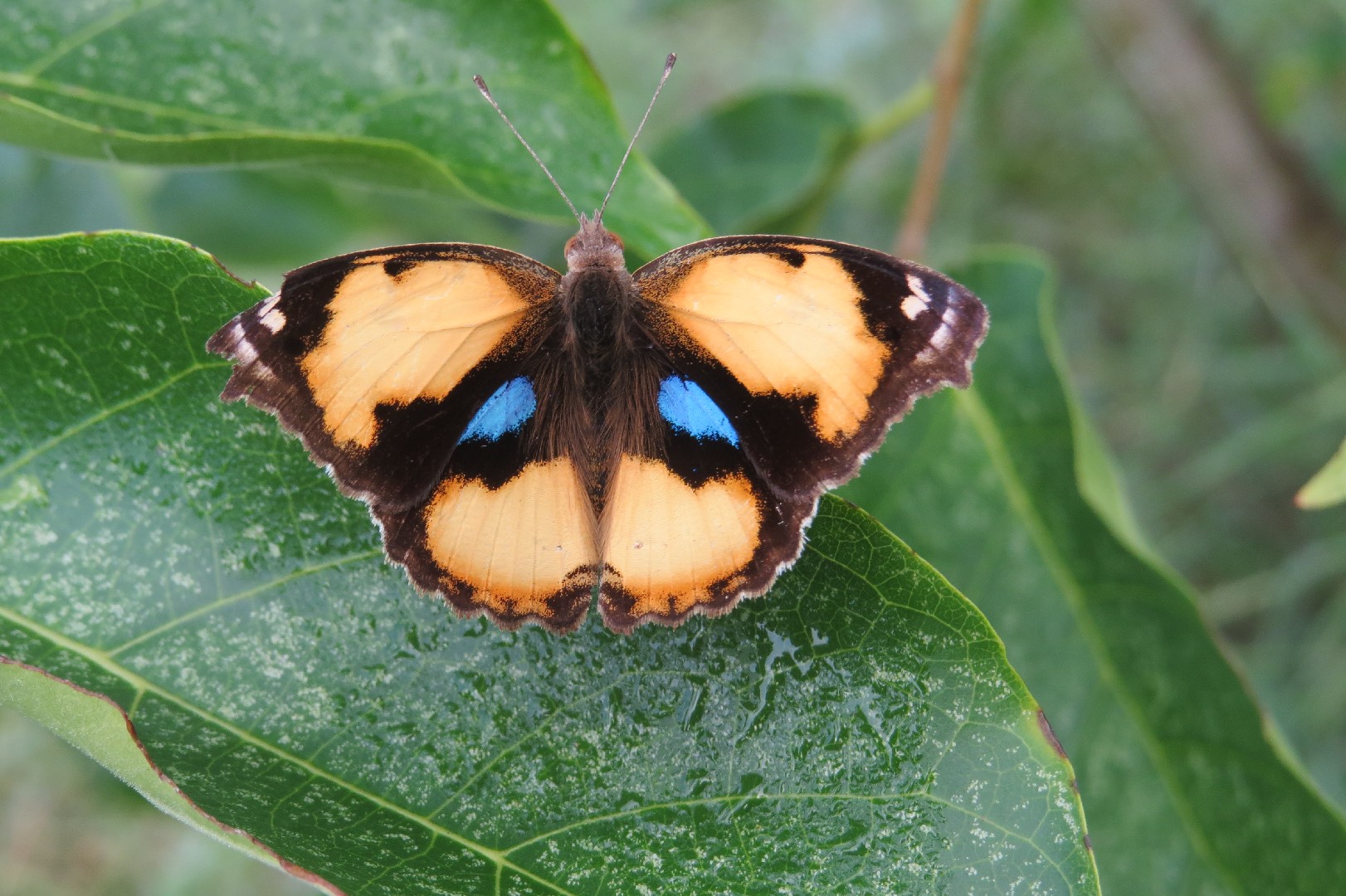
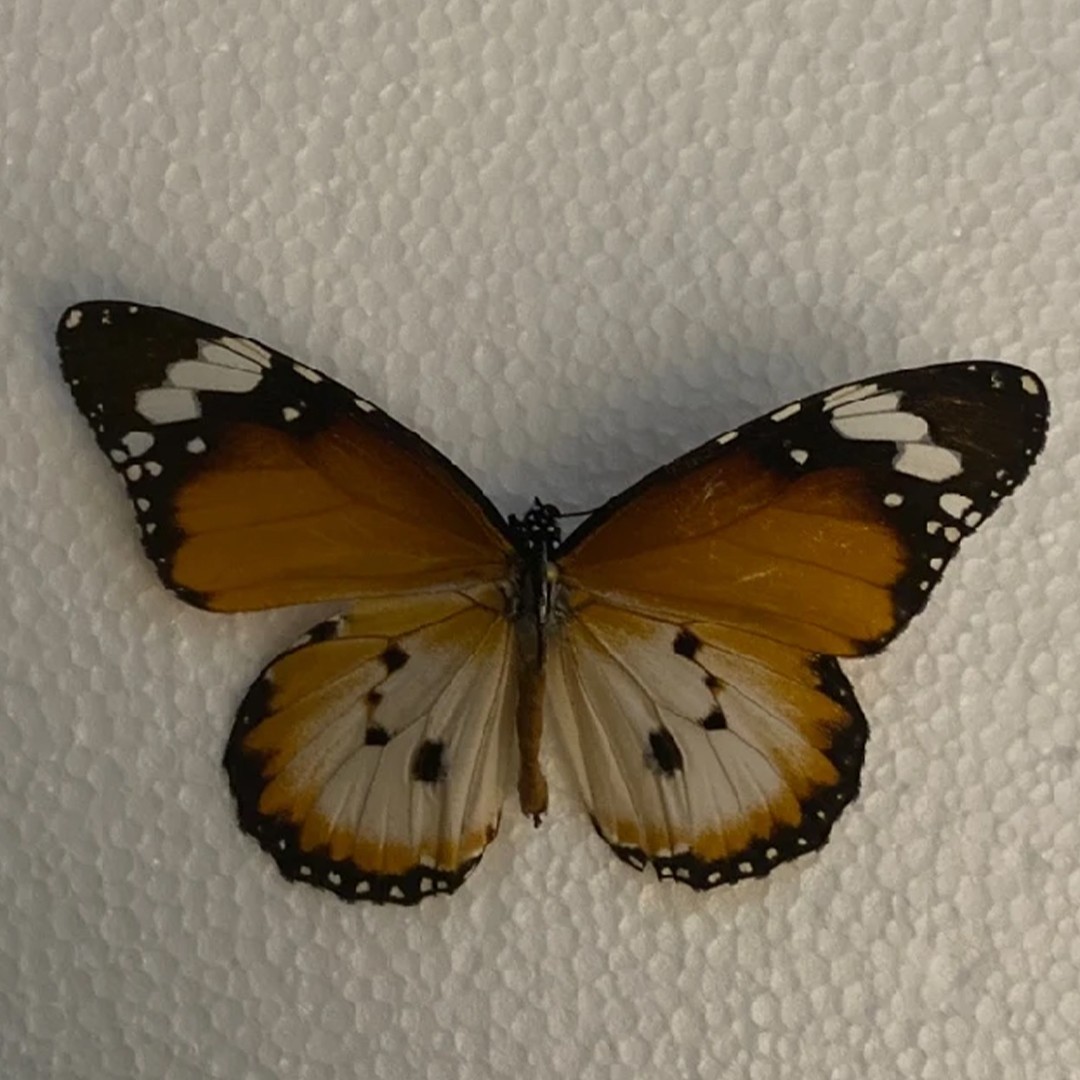
3. Yellow pansy butterfly
The male upperside is bright yellow. The costa of the forewing has a broad triangular jet-black projection downwards at the discocellulars, and the dorsum has a triangular projection upwards near the tornus; this black margin narrows near the middle of the termen and bears on the apex two short transverse preapical white streaks crossed by the black veins. Below these is an obscure ocellus that is sometimes absent. The anterior half and the terminal margin of the hindwing is black, and the dorsum is broadly shaded with brown while the anterior black area has a large brilliant blue spot. The cilia of both forewings and hindwings are white alternated with brown.The underside of the forewing is pale yellow. The cell is crossed by three laterally black-margined orange-yellow bars, beyond that is a short, broad, irregular jet-black oblique band from costa to base of vein 4. The hindwing is greyish yellow, and in the dry season its form is strongly irrorated (sprinkled) with dusky scales. With a prominent transverse brown discal fascia, its margins are highly sinuous. There is a brownish broad shade on the middle of the termen and some obscure lunular marks on the basal area. The antennae is pale, and the head, thorax and abdomen are dark brownish black; beneath that is a dull ochraceous white. The female is similar, although the colours are duller. The cell of the upperside forewing has a more or less complete transverse black fascia and another at the discocellulars. A blue-centred well-marked ocelli is in interspaces 2 and 5 on the disc of the forewing, and smaller ocelli in interspaces 2 and 5 on the disc of the hindwing. The forewings and hindwings have a fairly well-defined pale subterminal line, though the blue spot on the anterior black area on the hindwing is small and ill-defined; the rest is as the male. The underside is also as the male, but generally has heavier and more clearly defined markings.
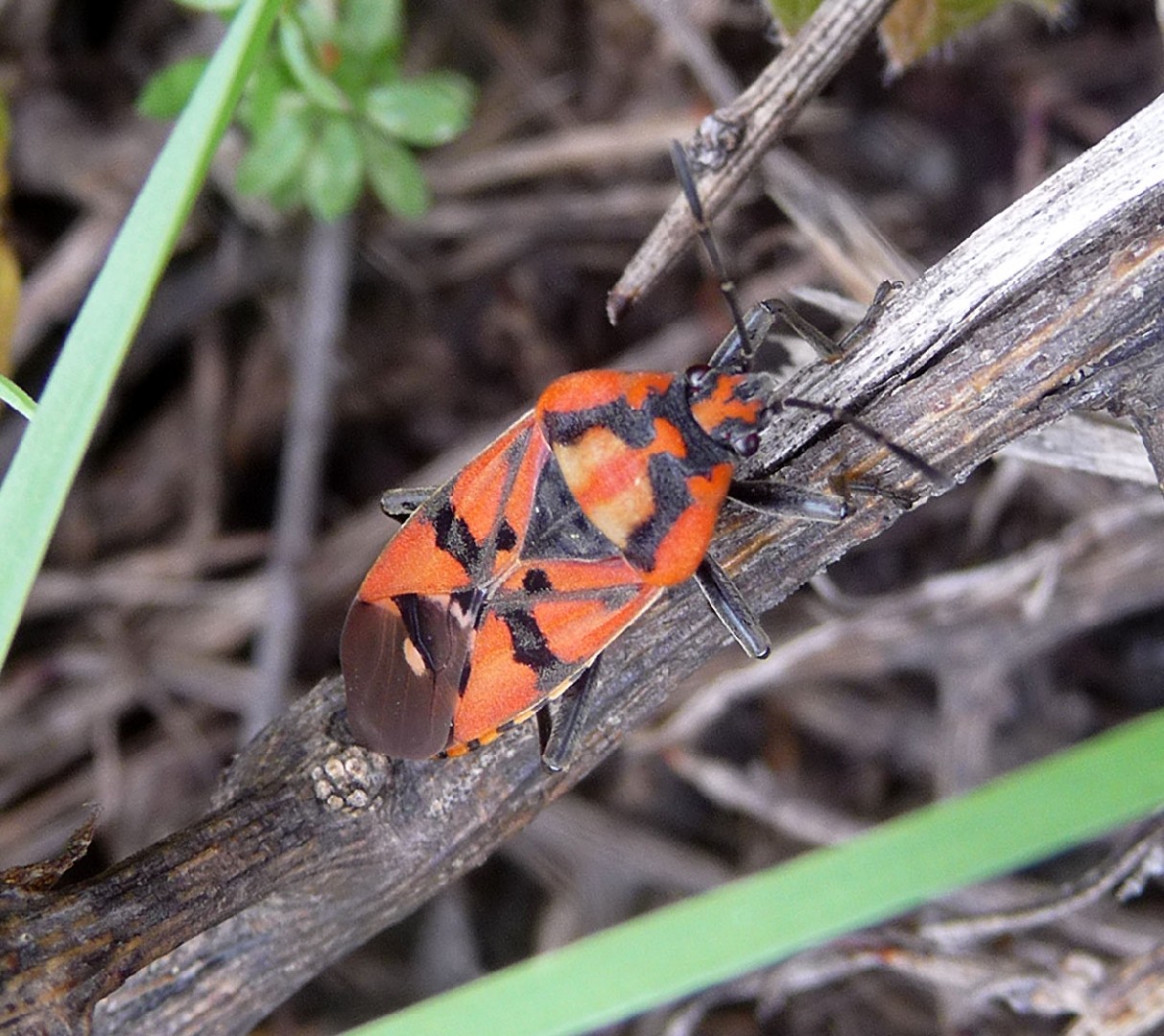
4. Soldier bug
Spilostethus pandurus is a colorful but potentially harmful beetle that feeds on the flowers and seeds of many plant species. This includes agricultural crops such as sesame, sorghum, tobacco and crown flower. Amateur entomologists can distinguish this beetle from similar species by the white spot on its back.

5. Golden backed ant
Camponotus sericeus is a species of carpenter ant (genus Camponotus) widely distributed in the Afrotropical and oriental regions.
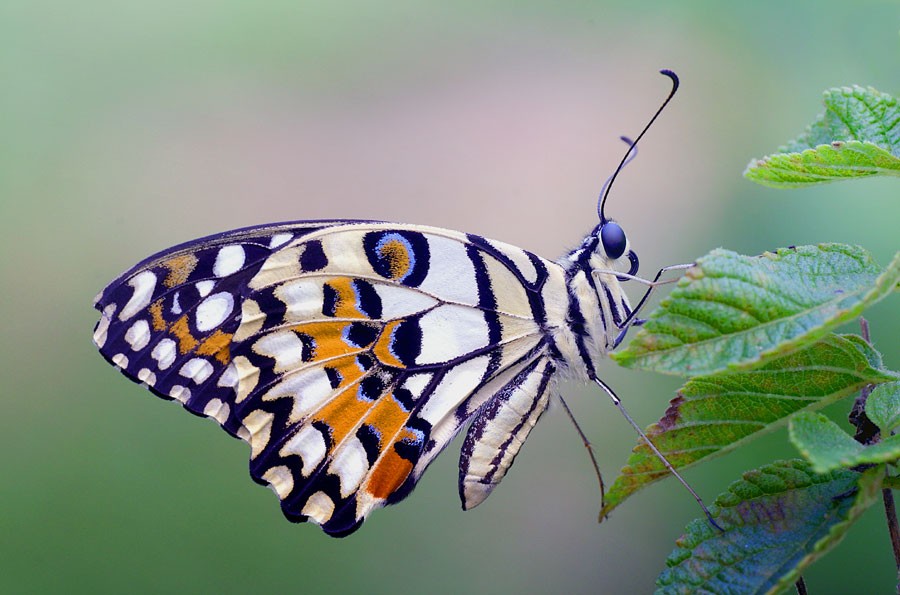
6. Lime swallowtail
The lime swallowtail (Papilio demoleus) has a beautiful black and white pattern, but it's considered a major pest to citrus trees. It feeds on nearly any type of citrus, including oranges and limes. This butterfly's small, green larvae are capable of defoliating an entire nursery grove. They are truly trouble makers in the citrus orchard.

7. Banded coral shrimp
Banded coral shrimp (Stenopus hispidus) is a crustacean that occupies tropical waters in the Atlantic Ocean, the Gulf of Mexico, and reefs surrounding Australia and New Zealand. It acts as a cleaner fish, and removing parasites and fungi from other passing fish. This species is monogamous and mates for life.
8. Emperor dragonfly
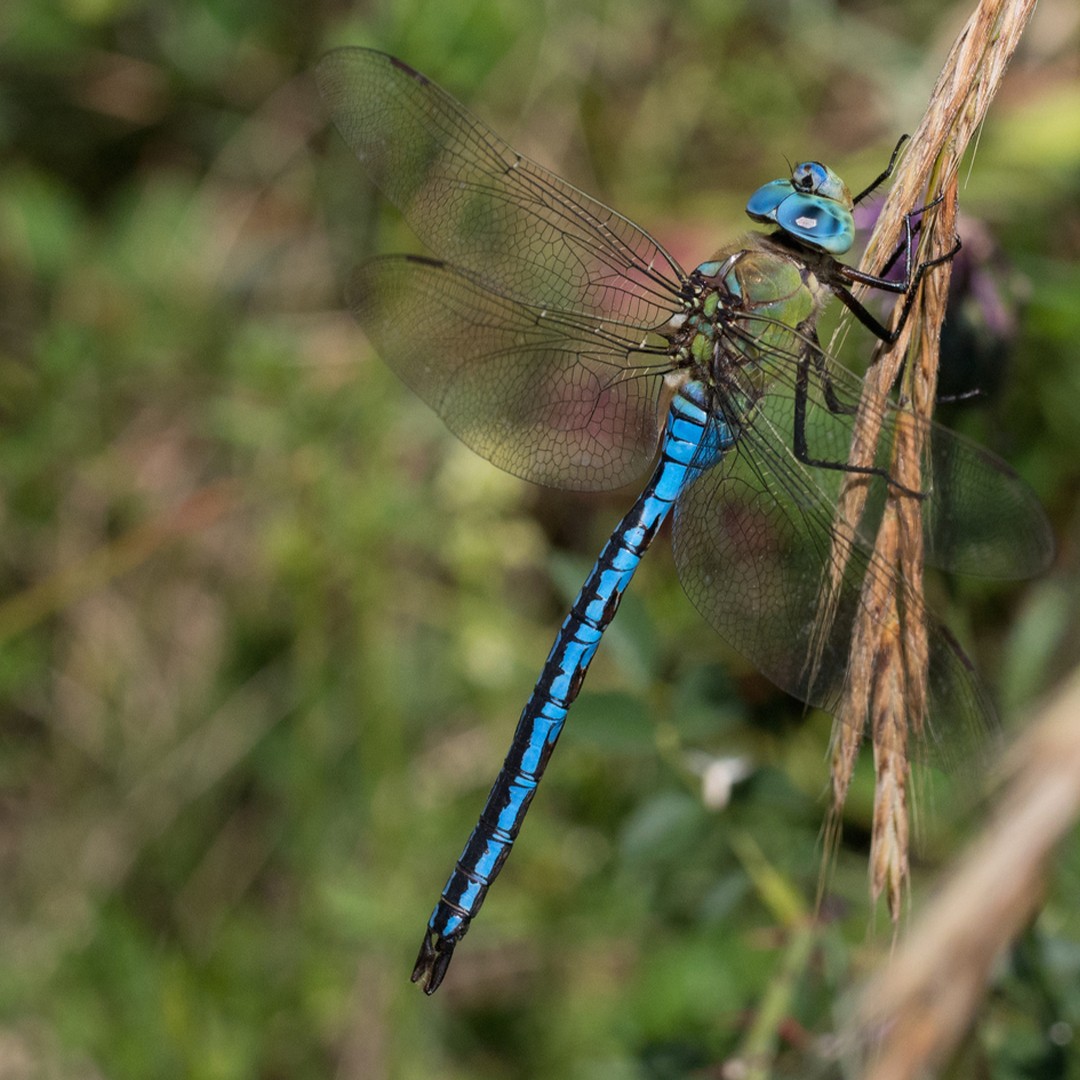
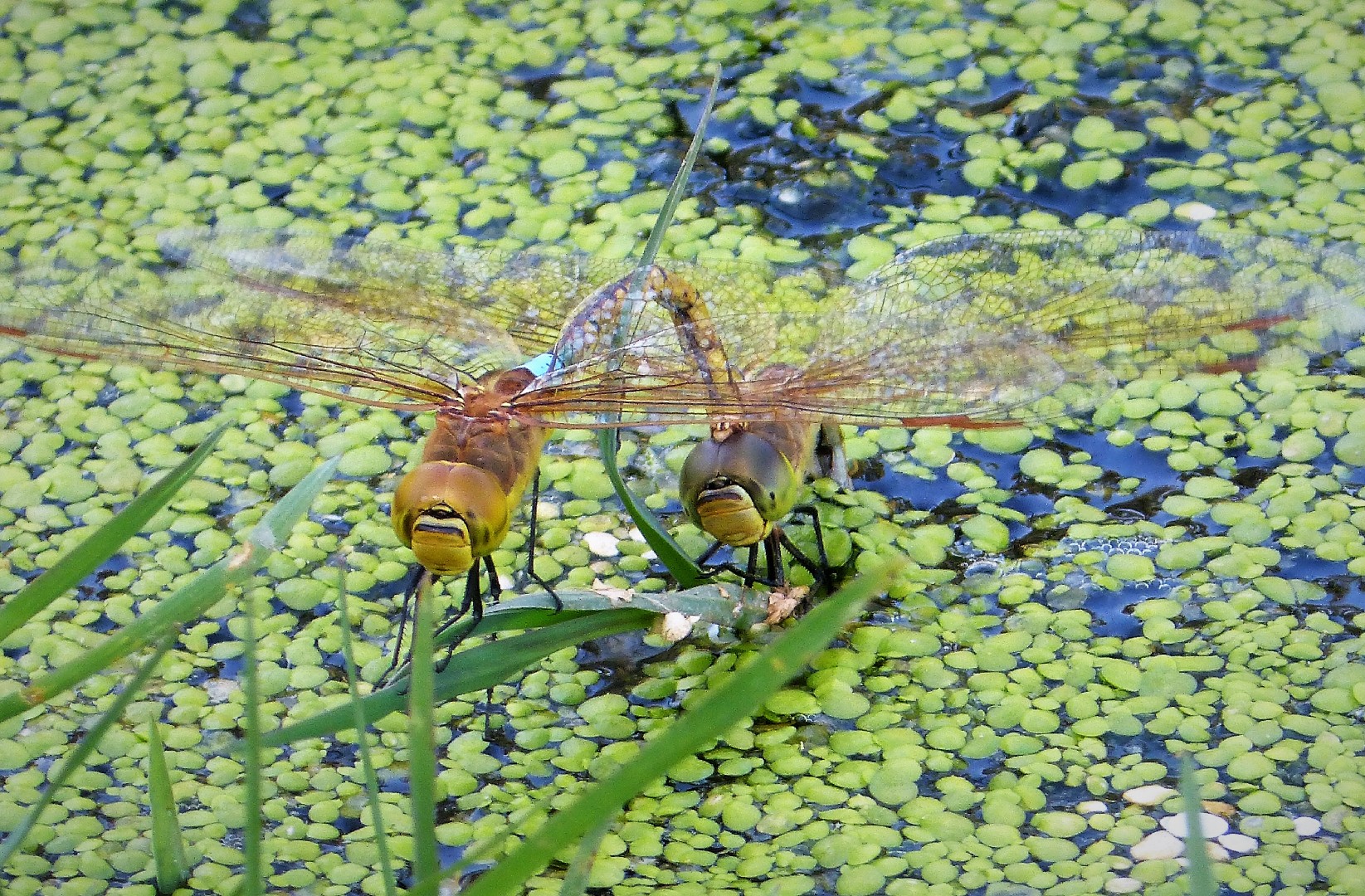
The emperor dragonfly or blue emperor (Anax imperator) is a large species of hawker dragonfly of the family Aeshnidae, averaging 78 millimetres (3.1 in) in length.
9. Epaulet skimmer
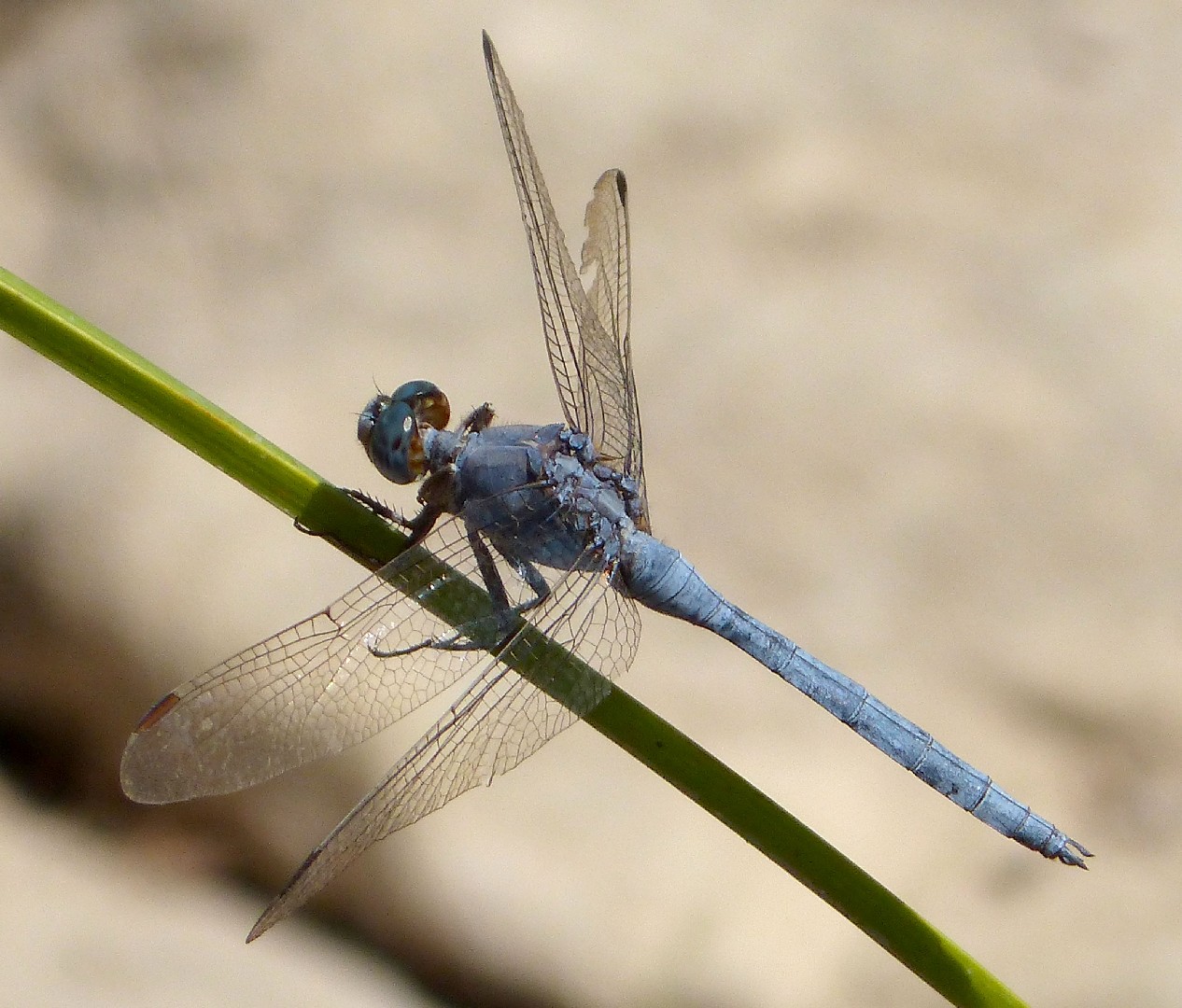
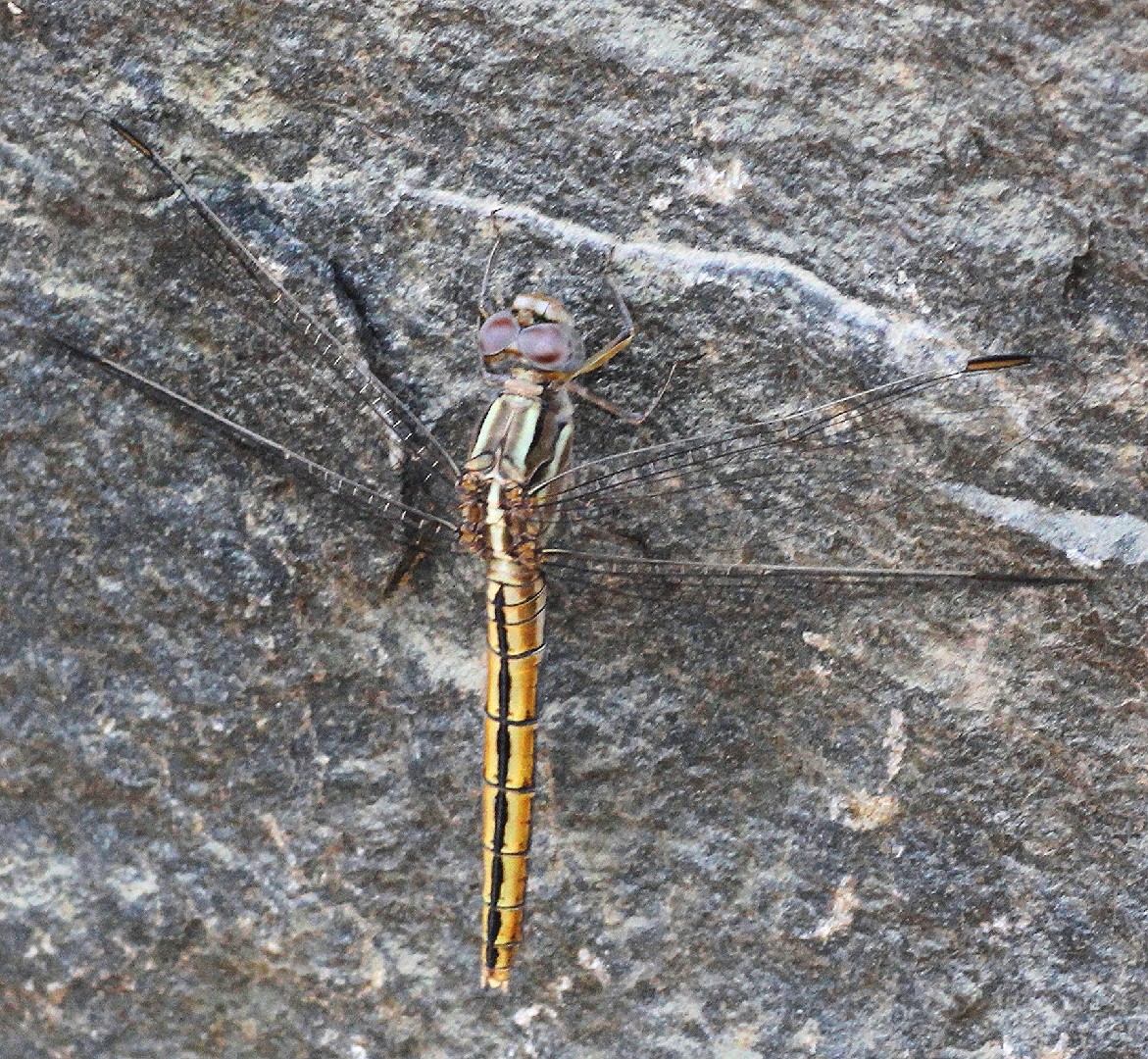
The bodies of adult males are blue, and those of young and females are yellow and brown.
10. German cockroach
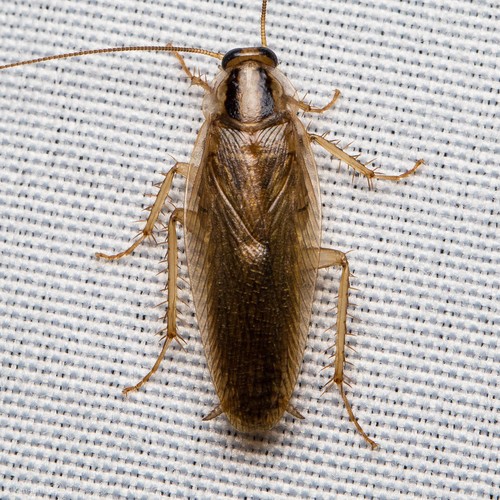
Although the german cockroach has wings, it is not a strong flier and will exhibit a gliding motion when threatened. It prefers warmer environments and can commonly be found in human dwellings, restaurants, and hotels. It feeds on a wide range of food sources ranging from meat, starches, and sugary foods, to household items such as toothpaste and soap.
More







