




Top 11 Most Common Insects in South Sudan
Insects, distinguishable by their paired antennae and three-bodied segmentation, are fascinating creatures which thrive in varying habitats within South Sudan. The country's diverse geography - from marshlands to savannahs - distinctly influences its insect diversity. The most common 11 insects in South Sudan show the interplay of climatic conditions, ecosystems, and human disruption. Indeed, these insects, either as pests or beneficial allies, play significant roles in shaping South Sudan's environment.

Most Common Insects
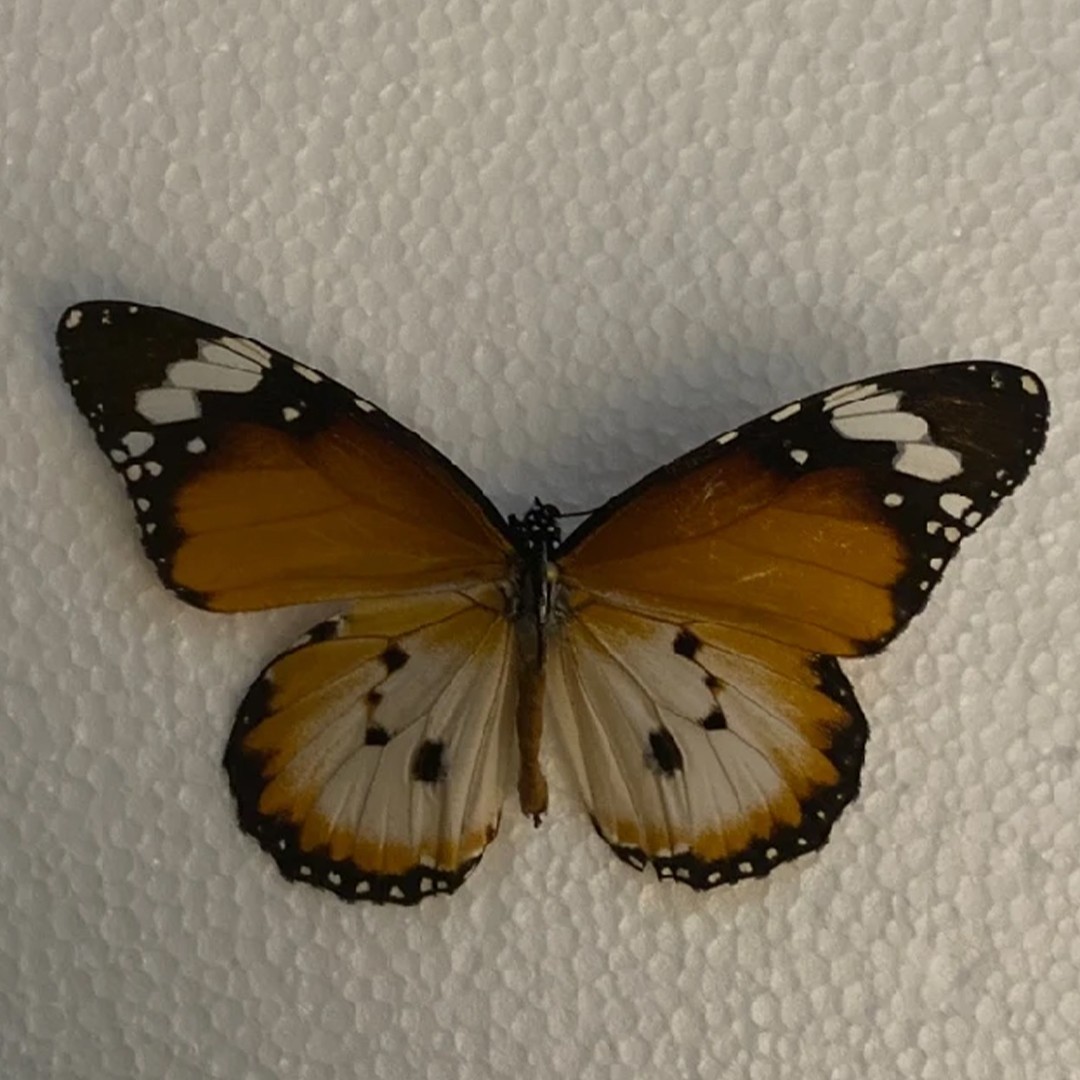
1. Plain tiger butterfly
D. chrysippus is a medium-sized butterfly with a wingspan of about 7–8 cm (2.8–3.1 in). The body is black with many white spots. The wings are orange, the upperside brighter and richer than the underside. The apical half of the forewing is black with a white band. The hindwing has three black spots in the center. The wings are bordered in black and outlined with semicircular white spots. This species exhibits slight sexual dimorphism, as the Male has large scent glands on his hindwings, which the female lacks. They appear as a large black spot with a white centre if viewed from the underside D. chrysippus is a polymorphic species, so the exact coloring and patterning vary within and between populations. It is similar in appearance to the Indian fritillary (Argynnis hyperbius), which may coexist with it. 
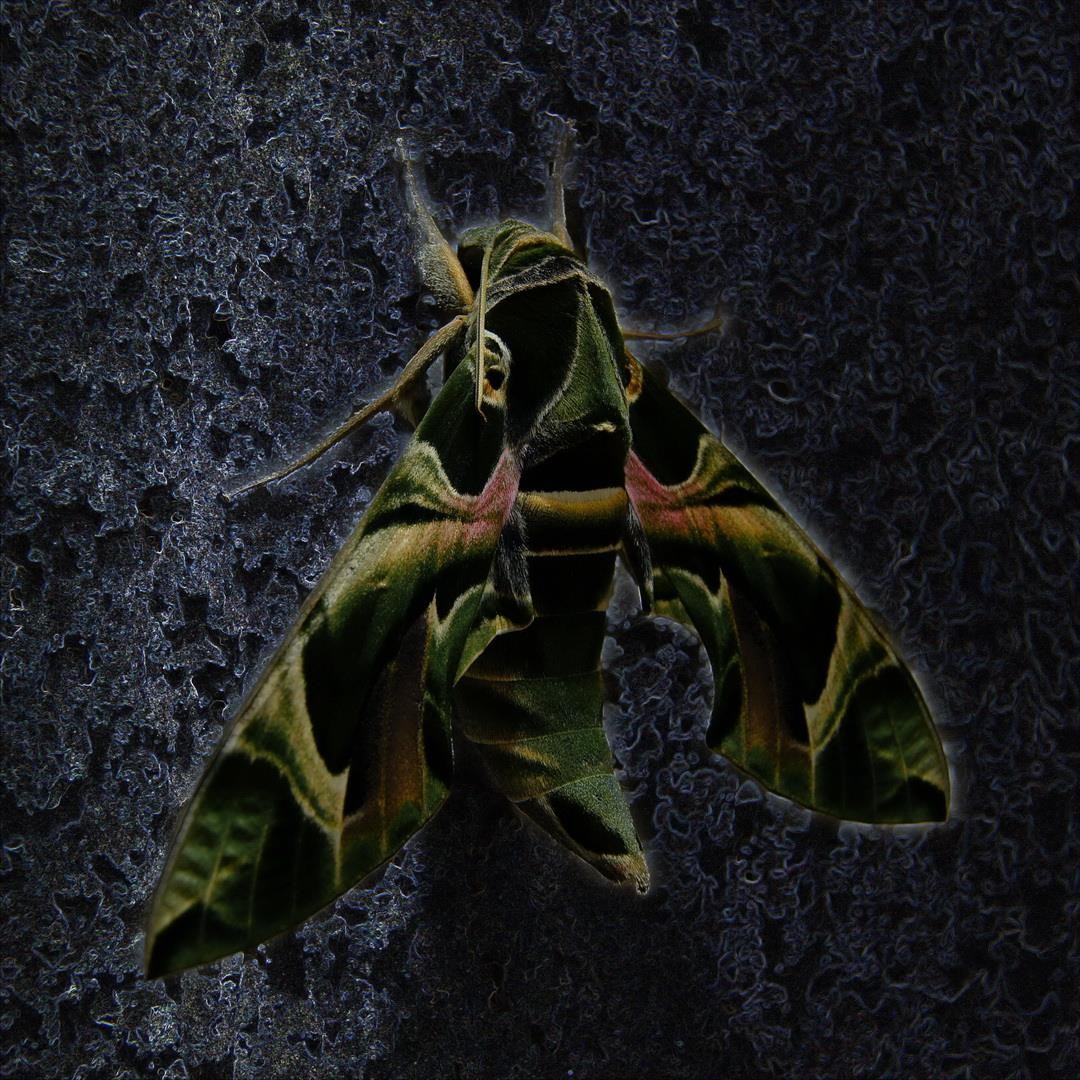
2. Oleander hawk-moth
Daphnis nerii, the oleander hawk-moth or army green moth, is a moth of the family Sphingidae. It was described by Carl Linnaeus in his 1758 10th edition of Systema Naturae.
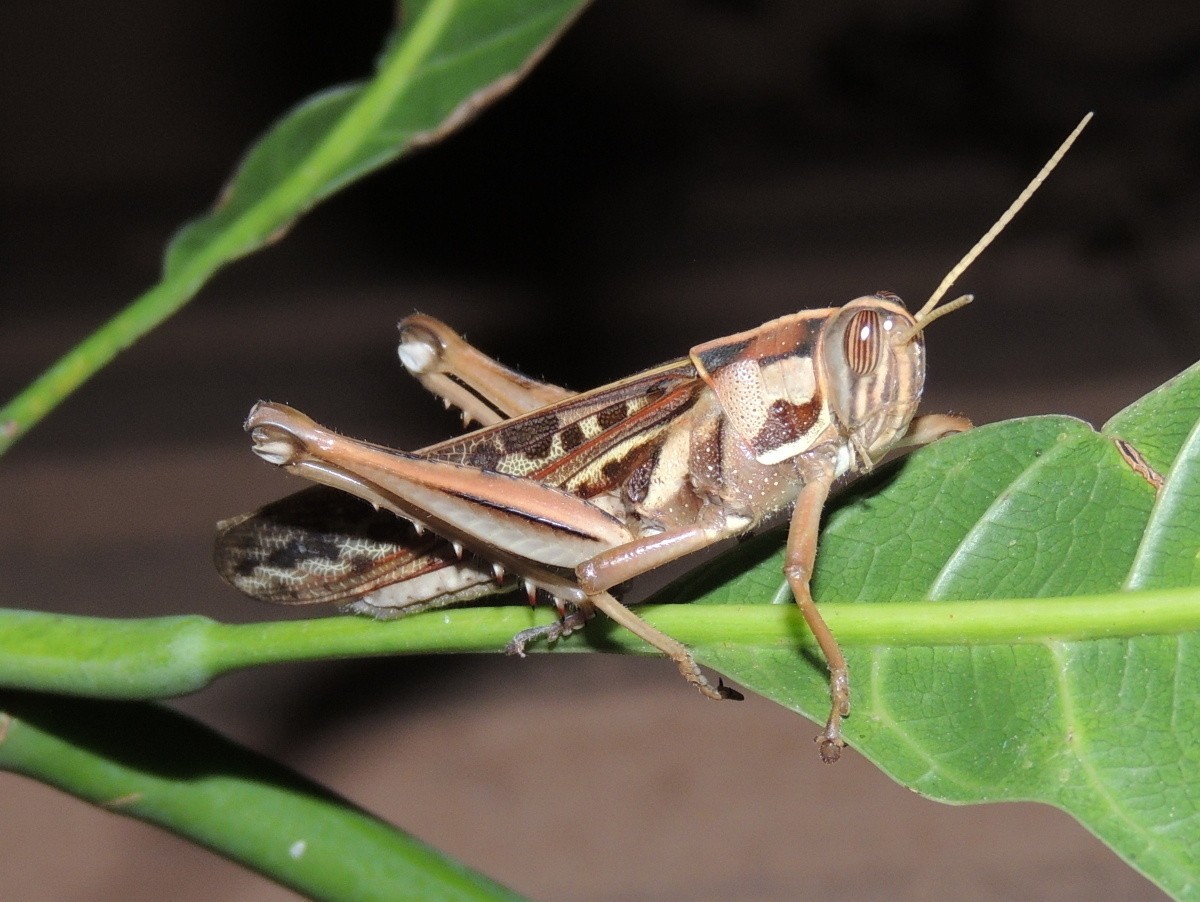
3. Brown‐spotted locust
Cyrtacanthacris tatarica is a right-winged insect from the field Cyrtacanthacris tatarica family (Acrididae). The scientific name of this species was first validly published in 1758 by Linnaeus.
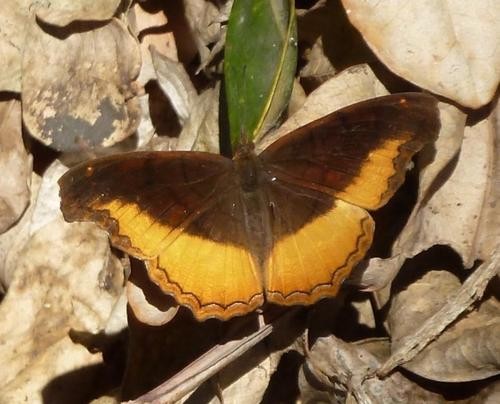
4. Golden piper
Wingspan is 40–50 mm in males and 45–55 mm in females. The male and female are very similar in appearance. The upperside of the wings is dark brown with a wide, yellow-orange band in the lower two-thirds of the forewing margin and the outer half of the hindwing. The underside of the wings is variegated in shades of brown.
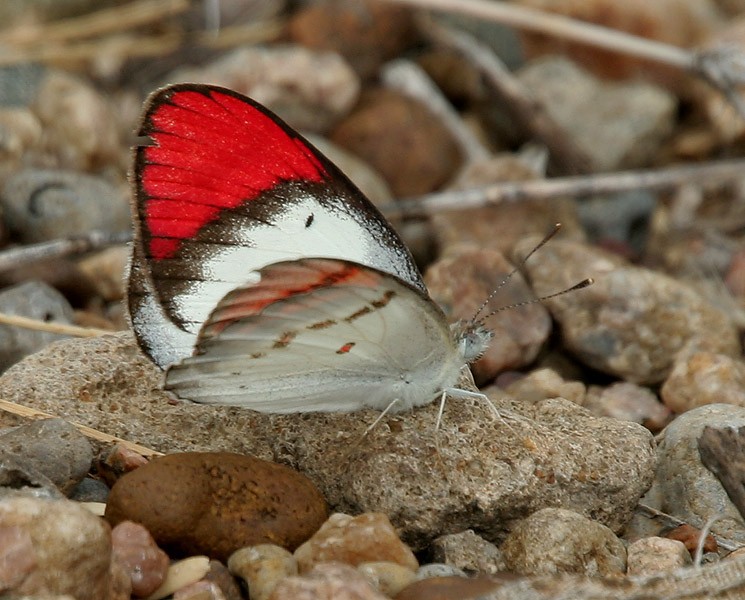
5. Crimson tip
Colotis danae, the crimson tip or scarlet tip, is a small butterfly of the family Pieridae, that is, the yellows and whites. It is found in Asia and Africa.
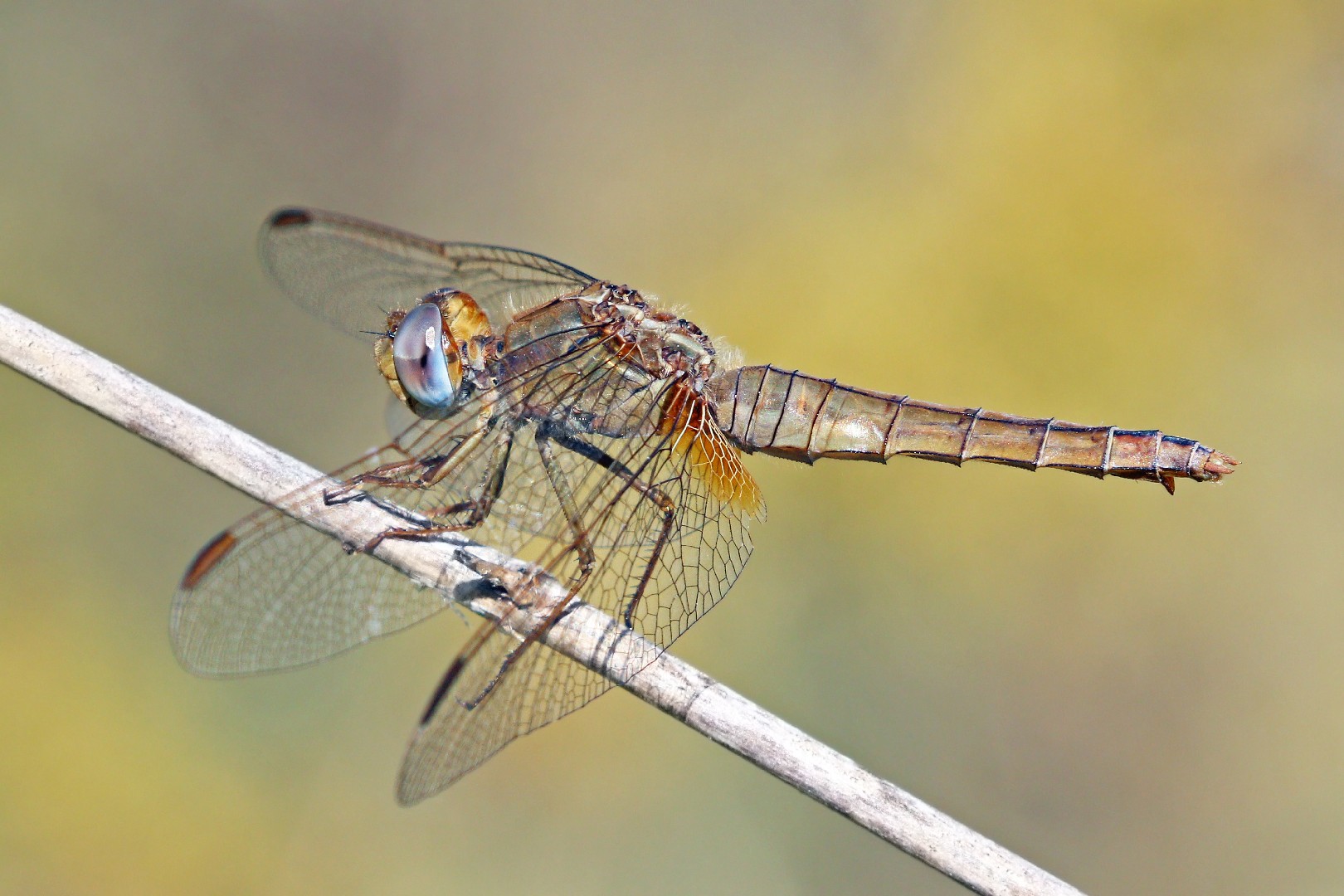
6. Scarlet dragonfly
Crocothemis erythraea can reach a length of 3.5 - 4.5 cm. These dragonflies haves a flattened and rather broad abdomen. The adult male scarlet dragonfly has a bright scarlet red, widened abdomen, with small amber patches at the bases of the hindwings. Also the veins on the leading edges of the wings are red. Females and immatures are yellow-brown and have a conspicuous pale stripe along the top of the thorax.

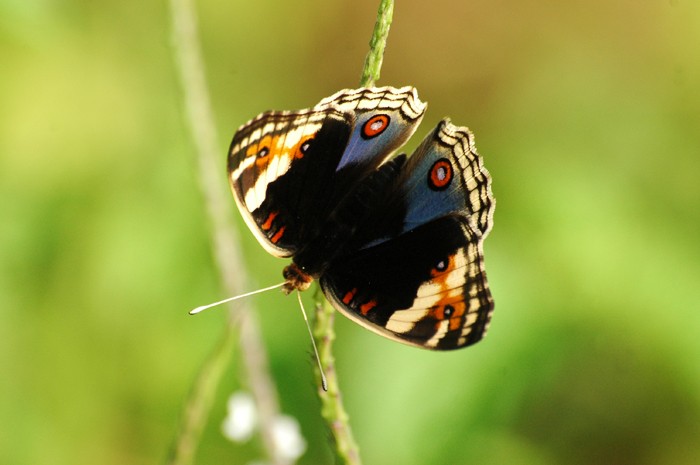
7. Blue pansy
The wingspan is 4 - 5 cm. The upper surface of the forewings is black with white markings towards the apex. The upper surface of the hindwings is black with white markings on the outer edge, and a characteristic large metallic-blue spot. This blue spot is smaller and more a dull purple in females. The underside of the forewings is brown with white markings corresponding to those on the upper surface. The under surface of the hindwings is almost uniform brown.
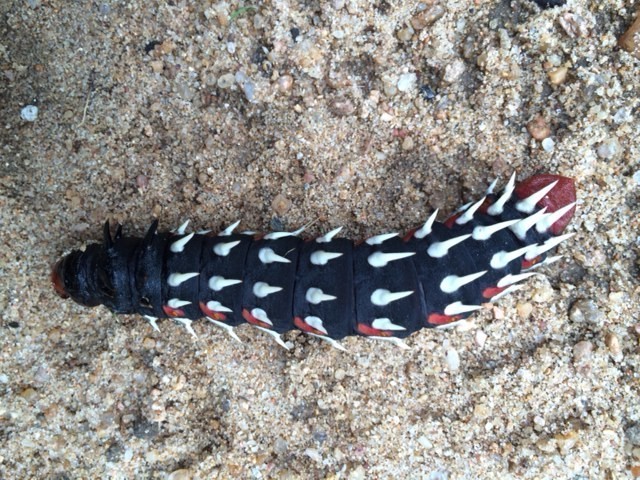
8. Cabbage tree emperor moth
Larva: Final instar about 7 cm in length and about 1.5 cm in diameter. "Ground colour deep velvety black; each somite, from 4th to 12th, bearing eight white/yellow tubercular processes, two subdorsally, two laterally, and four (in two rows) on each side subspiracularly. The 2nd somite bears four black processes, two subdorsally and two laterally. The 3rd somite bears 4 black processes, as in the 2nd, and two small yellow processes on each side, in line with the subspiracular processes on the other somites. Spiracles red; those on the 4th to 11th somites being surrounded by an irregularly shaped red area. Head and legs concolorous with body".
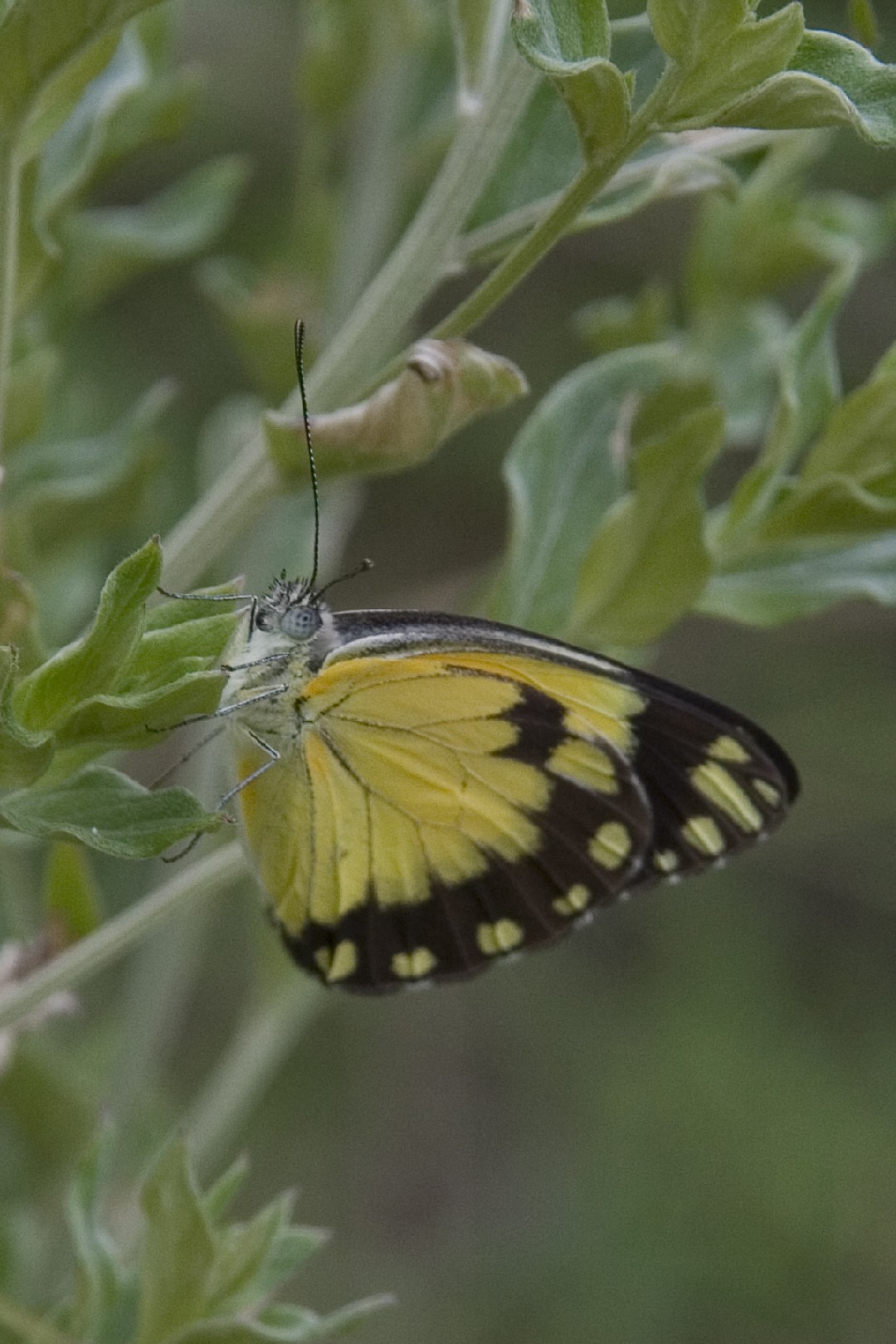
9. African common white
The wingspan is 4 - 4.5 cm. The sexes are dimorphic. For males, the uppersides are white with black or brown marginal borders and veins in forewing apex. A black spot exists in the upperside cell instead of a bar as in the brown-veined white (B. aurota).Females have broader dark upperside borders on both wings. Underwings are yellow during the wet season.

10. Danaid eggfly
The danaid eggfly (Hypolimnas misippus) is a unique butterfly where females tend to have a strong advantage. Males are identified by being blackish with white spots. Females exhibit polymorphism, or the ability to have multiple forms. This means that they can resemble males in some cases, but also resemble toxic butterflies like the Monarch butterfly.
More







