




Top 20 Most Common Insects in Trinidad And Tobago
Insects, those six-legged wonders with a variety of different features and habitats, thrive in diverse environments worldwide. In Trinidad And Tobago, the array of geographical terrains from rainforests to coastal areas creates a tapestry of habitats, nurturing a multitude of insect species. Ranging from beneficial pollinators to damaging pests, these 20 common insects, shaped by Trinidad And Tobago's unique climate and ecosystems, play crucial roles in balancing the local environment.

Most Common Insects
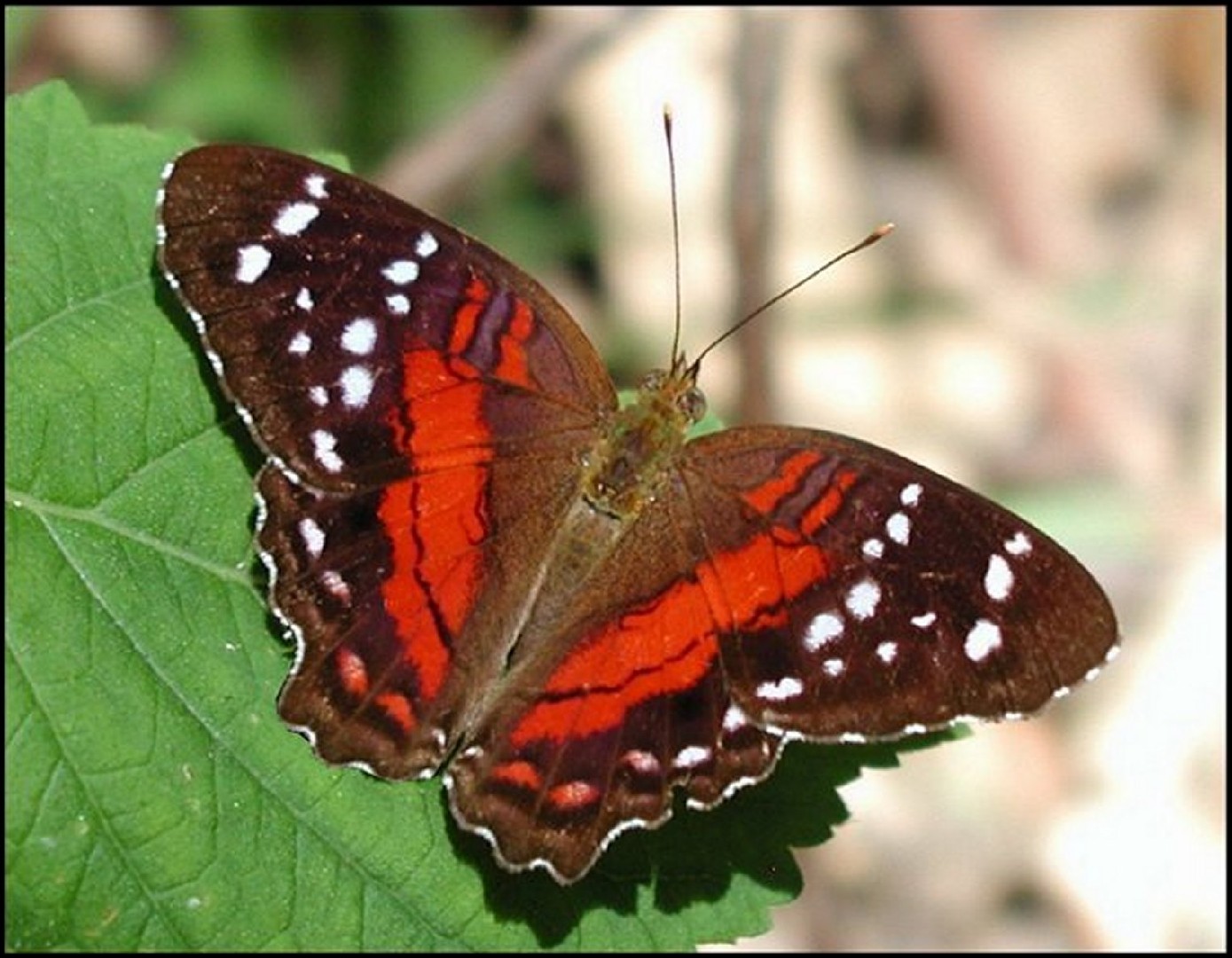
1. Scarlet peacock
Anartia amathea is a butterfly of the family Nymphalidae. In addition to A. amathea amathea there are the subspecies A. amathea thyamis and A. amathea sticheli. The species is represented in the tropical areas of Latin America and the offshore islands, such as Trinidad.
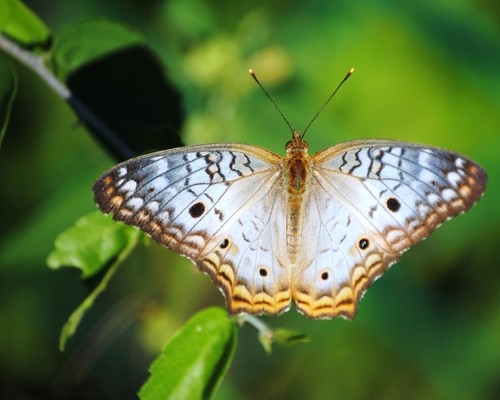
2. White peacock
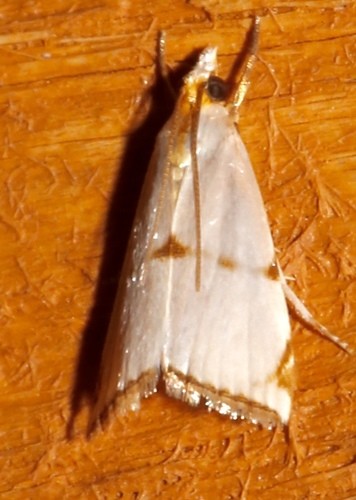
The wingspan of the moths is 51 to 70 millimeters. The basic color is whitish. On the forewings there is a black, circular spot near the inner angle. At the front edge, two to three oblong, yellow-brown spots stand out. The Submarginalregion is also yellow-brown colored and crossed by dark lines. On the hind wings are two more small, black, circular spots near the tawny and dark-colored submarginal region. A short tail is more or less strong. The wing underside shows similar drawing elements as the top, but these are paler and weaker pronounced.
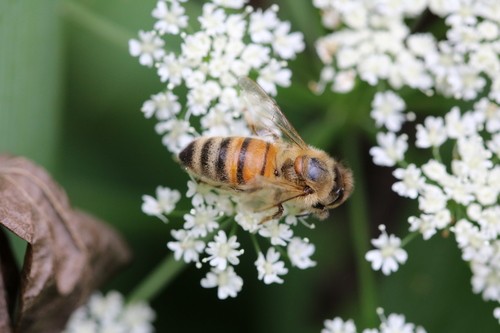
3. Western honey bee
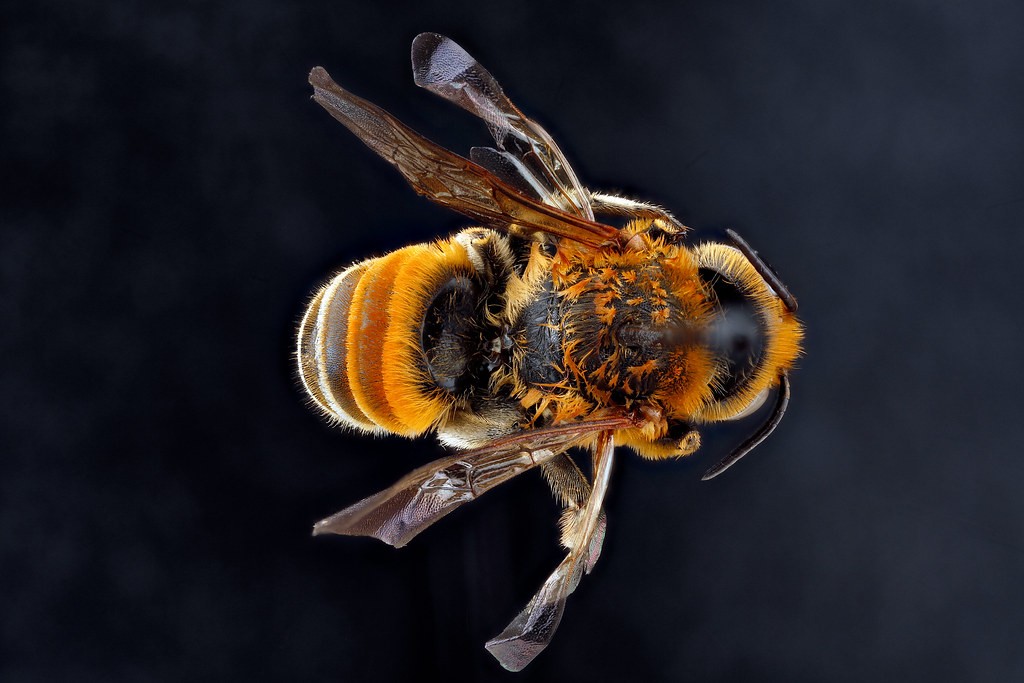
Western honey bee(Apis mellifera) is the most common species of honeybee in the world. Among the first domesticated insects, its cultural and economic impact on humanity has been vast and far-reaching, providing honey, wax and its services as a pollinator. Western honey bee faces challenges worldwide, such as colony collapse disorder, and populations are thought to be decreasing.
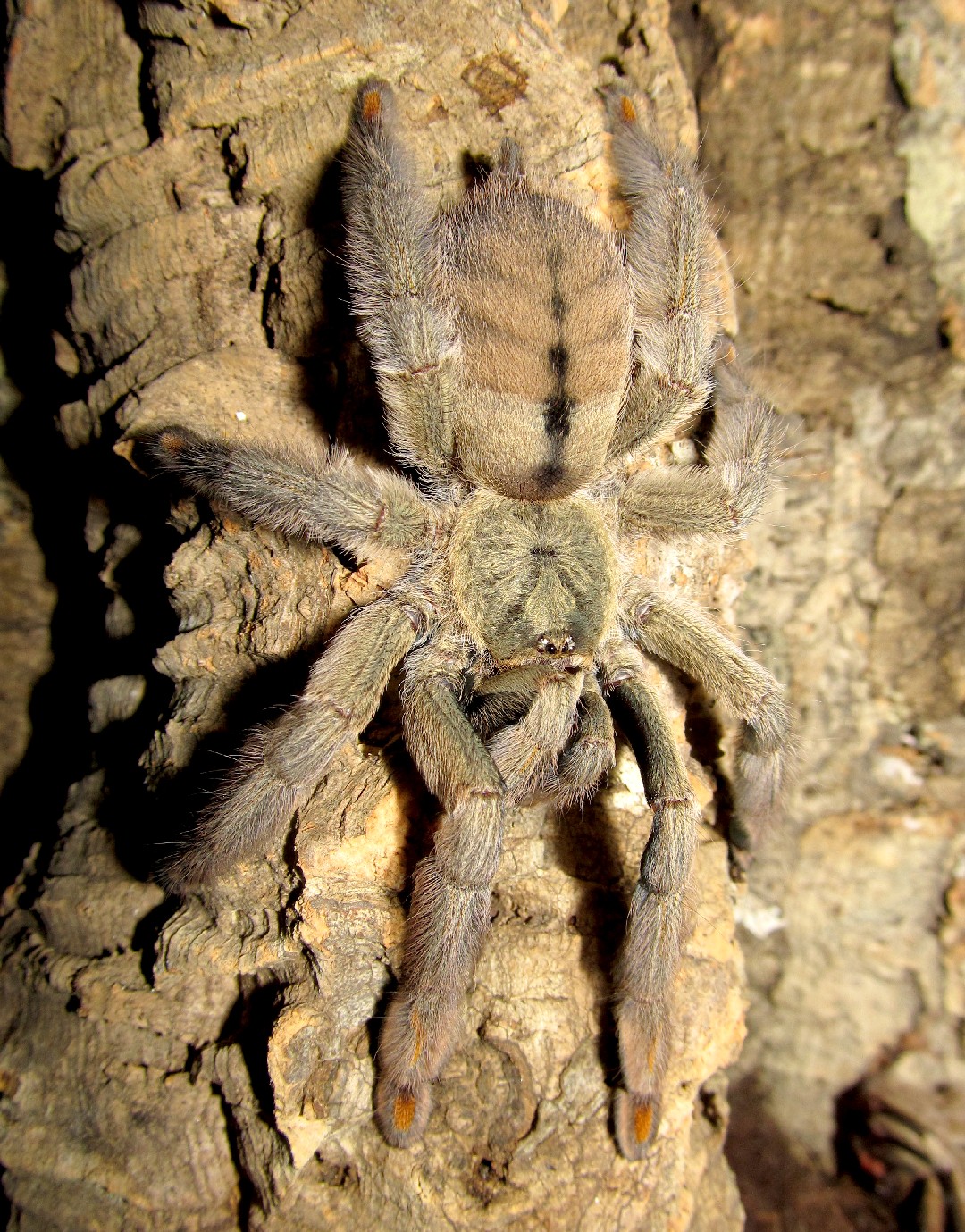
4. Trinidad chevron tarantula
The female has chevron-shaped dark markings on the abdomen and her color varies through shades of green and brown with characteristic red or orange flashes on the legs. The mature male is sexually dimorphic, colored a more uniform grey or brown, the body appearing smaller in comparison to the diagonal leg span, reaching five inches on average. The female is very large and fast growing, reaching 18 cm in leg span. 
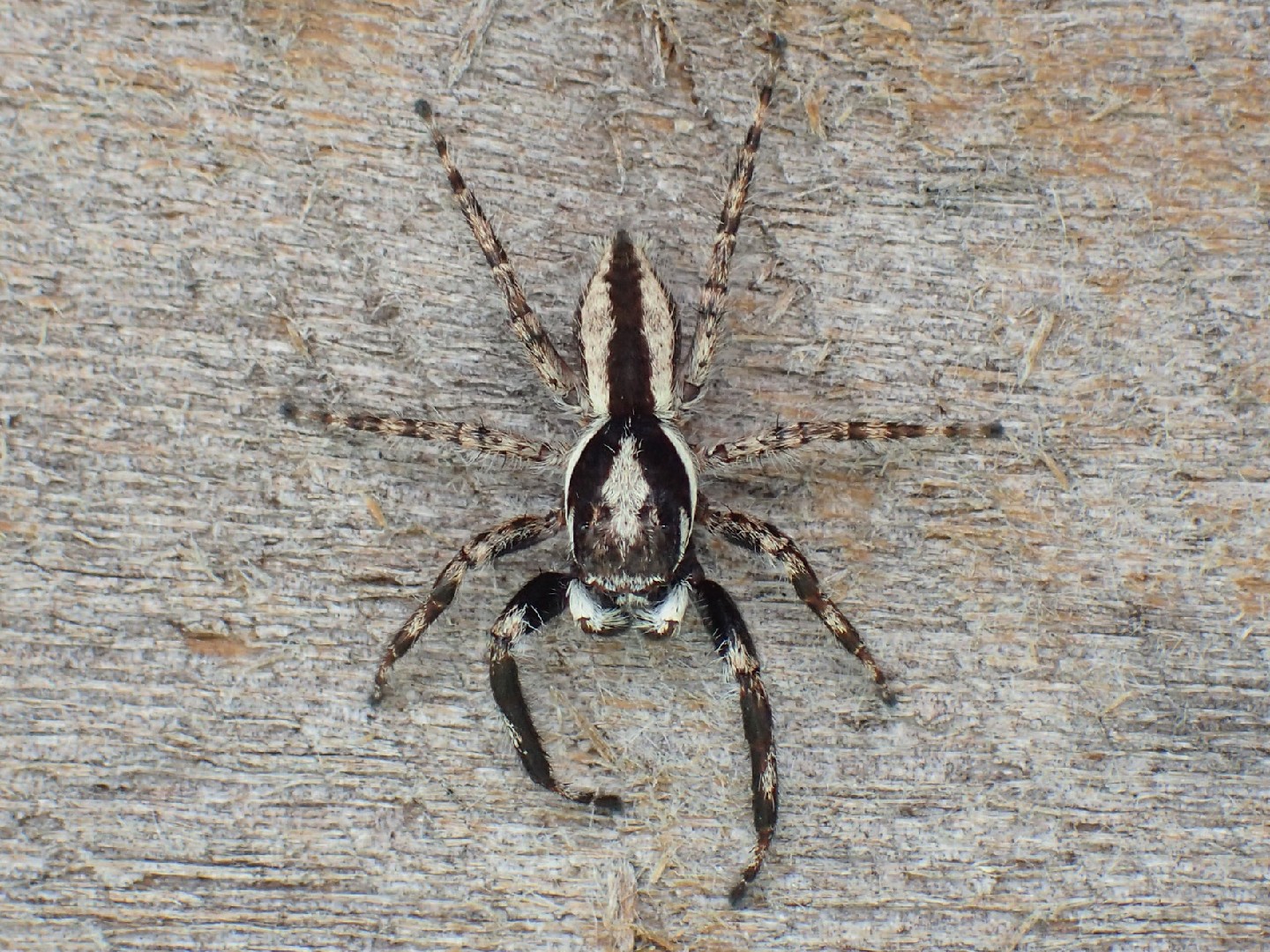
5. Gray wall jumper
The female gray wall jumper lays her eggs in cracks or other hidden areas. The young and mature spiders feed on flies, making them useful residents in a household. They do not make webs, but carefully hunt and jump on their prey.
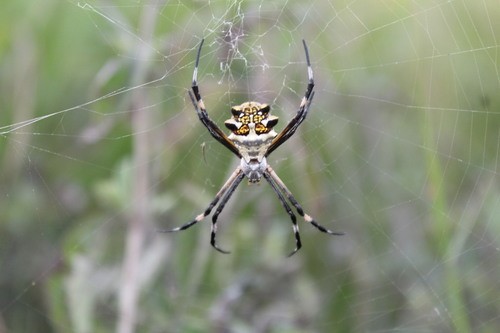
6. Silver argiope
The silver argiope (Argiope argentata) often creates unique zigzag patterns on its webs. It's usually found in warm, dry areas, especially on cacti and aloe vera plants. The females are much larger than males. They can bite and cause irritation to the skin, but the damage won't be life-threatening.
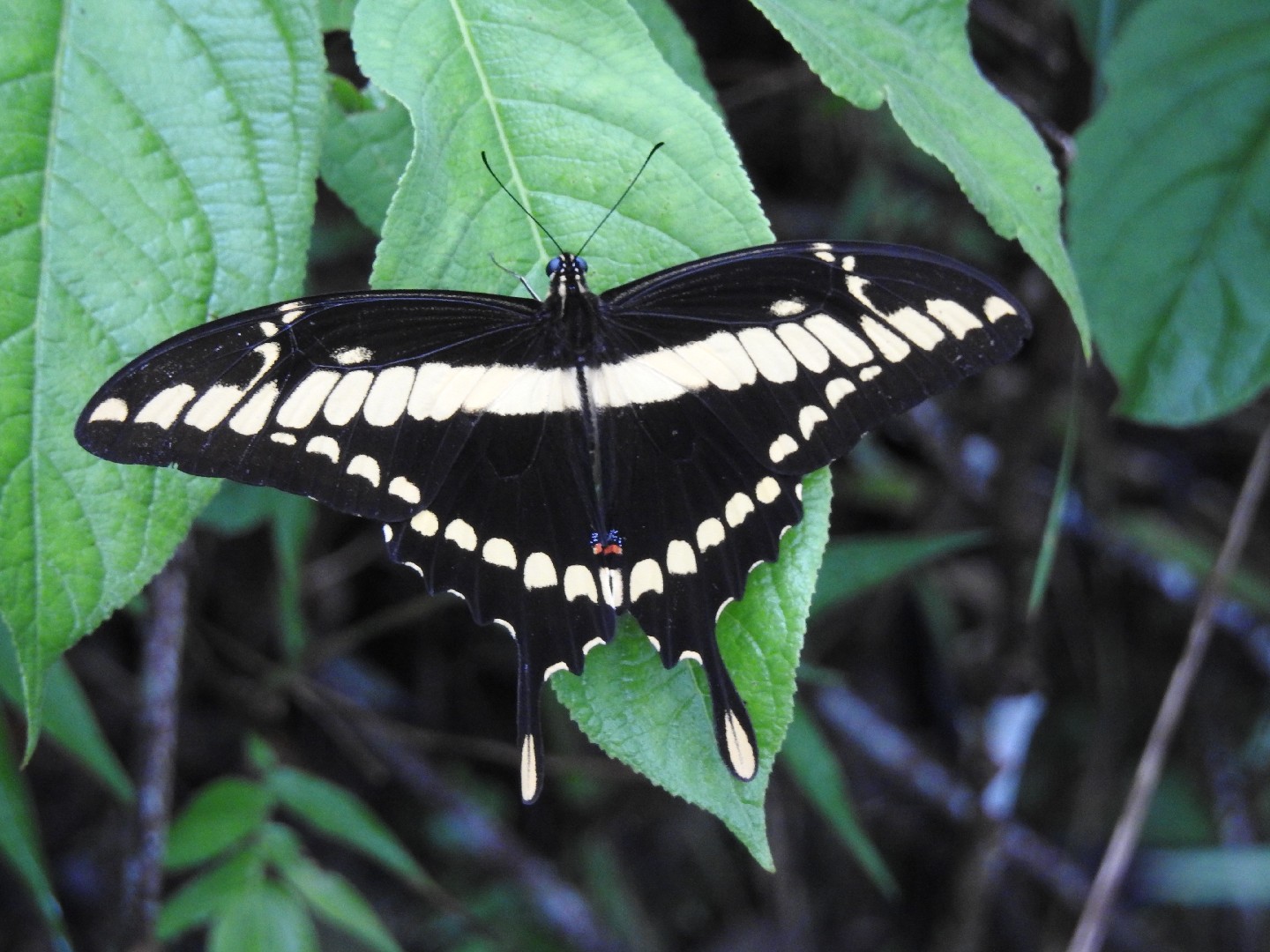
7. King swallowtail
The wingspan is 10 - 13 cm.
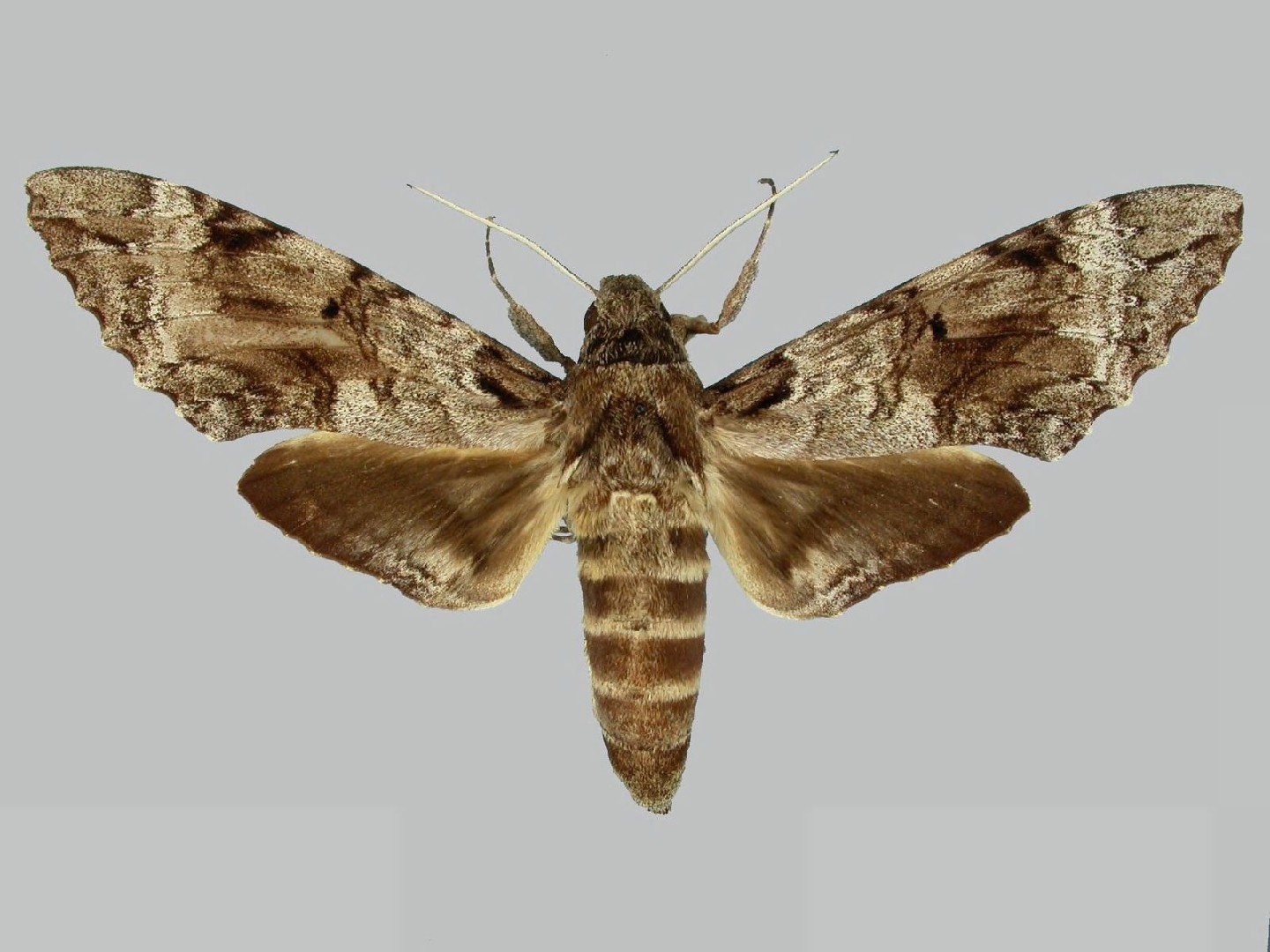
8. Tetrio sphinx
The adult moth is brown with gray and white markings, and the hindwing is a darker brown. The female may be lighter in tone. The body has gray, white, and black bands. The wingspan is 13 - 14 cm, and the female is generally slightly larger than the male. The larva is a caterpillar which may exceed 15 cm in length. It is black with aposematic yellow bands and a red-orange head. Toward the posterior end is an orange bump with a black horn roughly 2 cm long. The legs are orange with black spots. The pupa is about 7 cm long. It is yellow when new, turning brown and darkening to a reddish brown as it hardens.
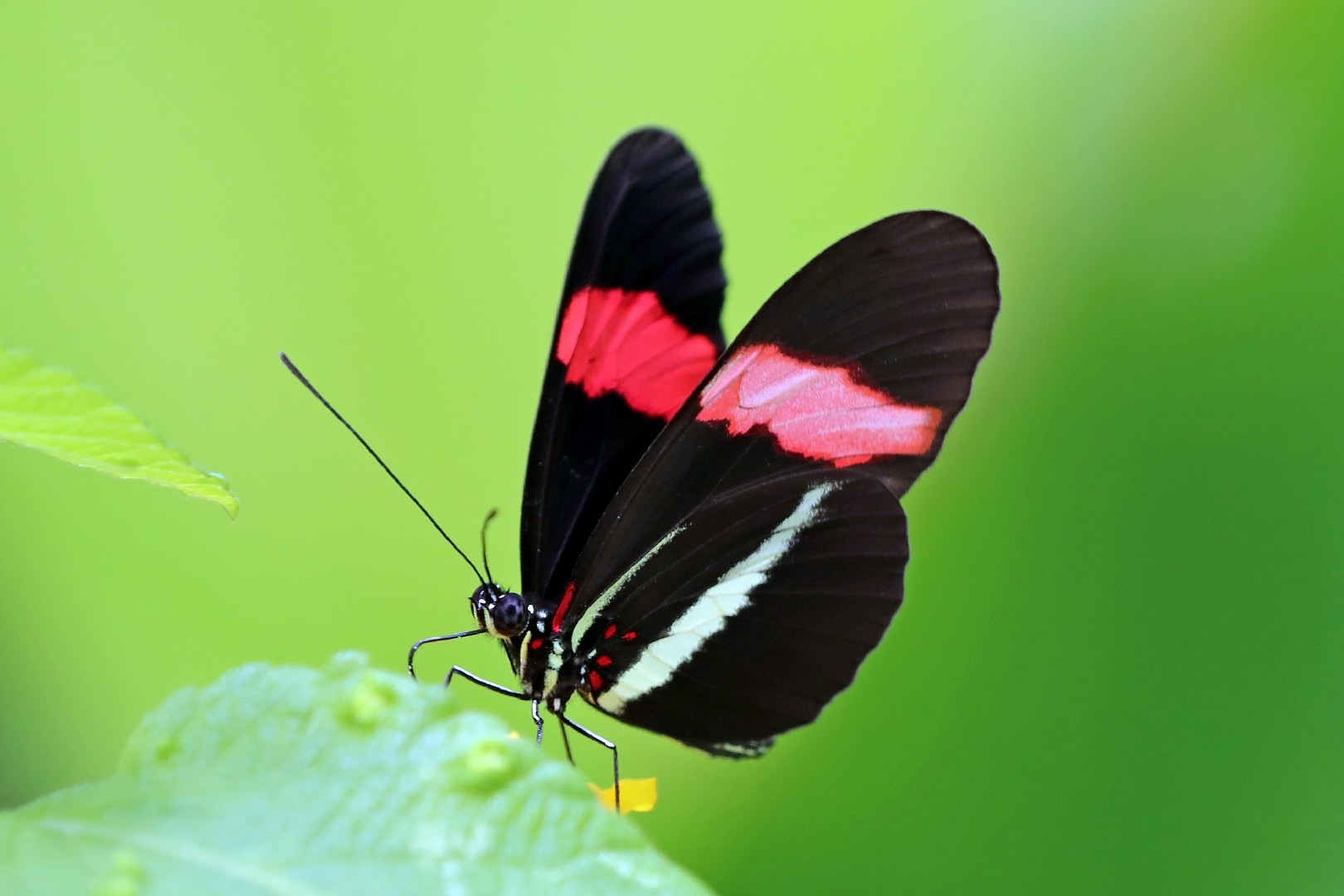
9. Red postman butterfly
The red postman butterfly (Heliconius erato) is a beautiful black and white butterfly that is a skilled actor. It exhibits mimicry to resemble a butterfly similar to the Common postman to deter predators. Also, its favorite host plants are passion flowers. But it has been known to be picky about the quality of the flower.
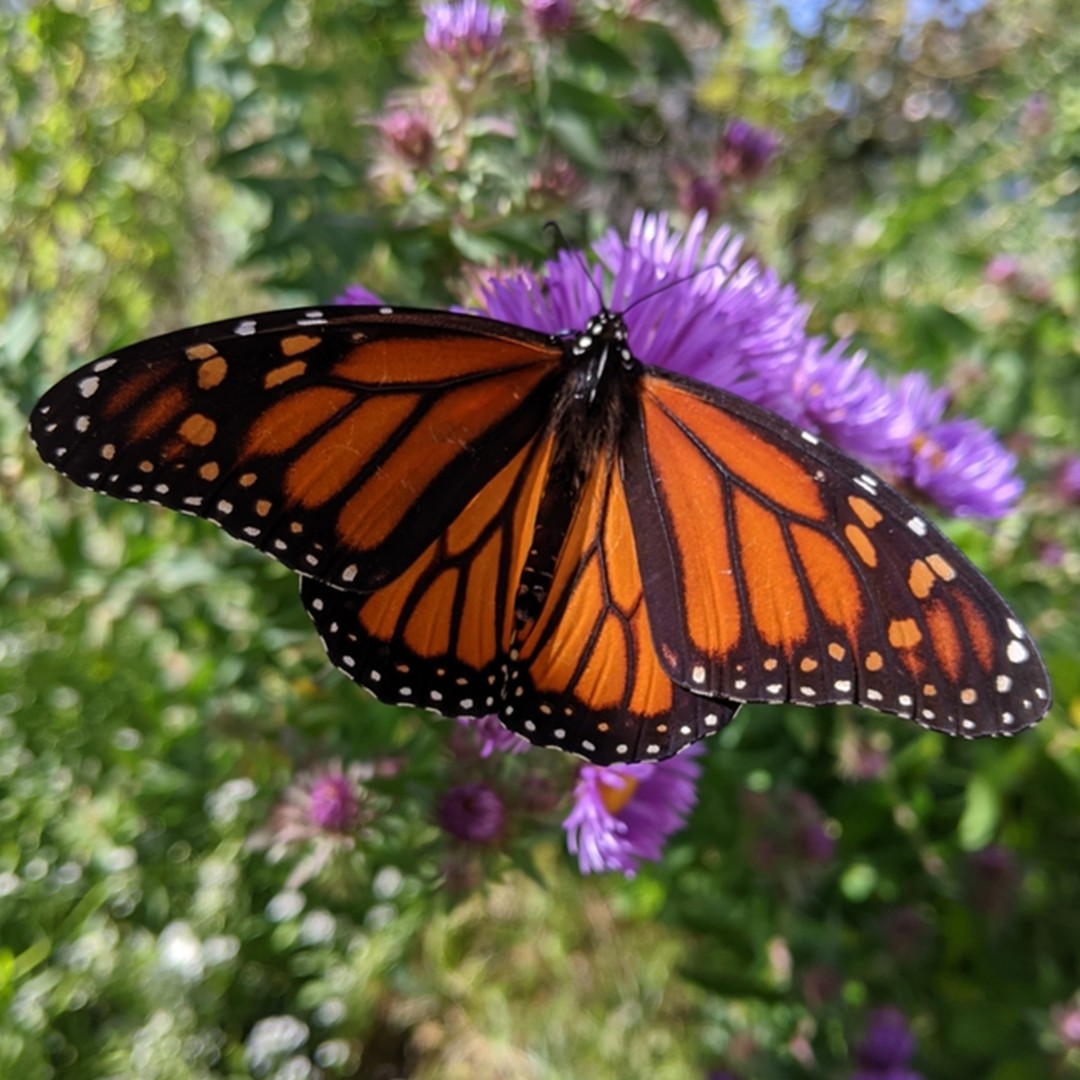
10. Monarch butterfly
The monarch butterfly (Danaus plexippus) is the most recognizable butterfly in North America. It is best known for its appearance, but should be better known for the fact that it has a 3000-mile migration that takes the butterfly 4 generations to complete. Their diet is also a natural deterrent for predators, as they eat milkweed, a poison that induces vomiting.

More







