




Top 18 Most Common Insects in Dubai
Insects, renowned for their versatility and adaptability, find habitats in varied geographies across Dubai. From scorching deserts to bustling cities, the insect population varies considerably. They play crucial roles in our ecosystem - from pests controlling plant growth to beneficial insects supporting pollination. Understanding Dubai's diverse environments helps us comprehend the dynamic insect biodiversity in our midst. Stay tuned as we reveal the top 18 most common insects residing amongst us.

Most Common Insects
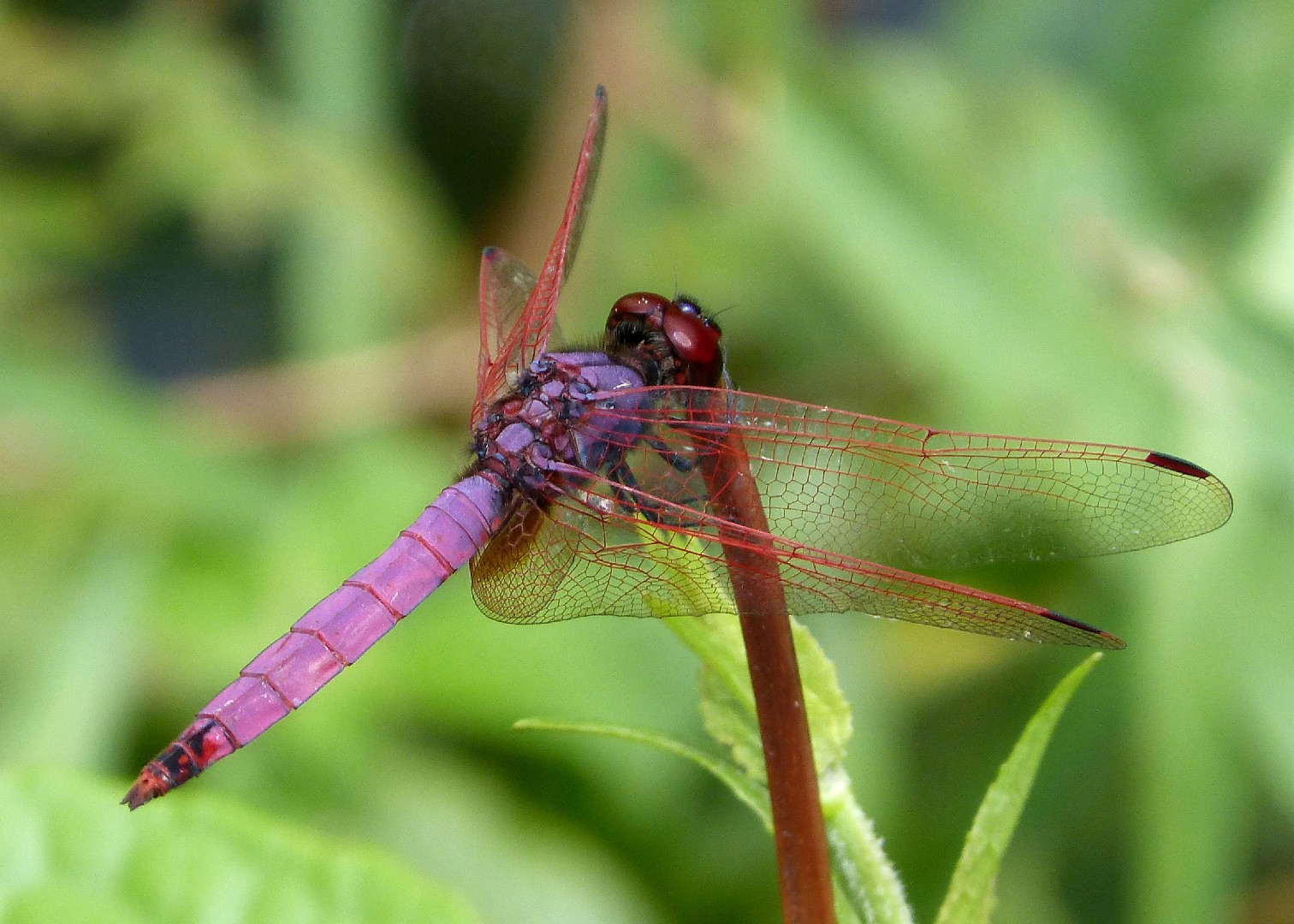
1. Violet dropwing
Trithemis annulata is a robust medium-sized species with a wingspan of 6 cm. The mature male has a dark red head and a yellow labium with brown central spot. The eyes are red with white spots on the rear edge, and the frons is dark metallic purplish-red. The prothorax is violet with slightly darker longitudinal stripes. The membranous wings have distinctive red veins, the pterostigma is orange-brown and there is a large orange-brown splash at the base of the hind wings. The abdomen is fairly broad and is pinkish-violet, with purple markings on the top of each segment and blackish markings on the terminal three segments. Females are a similar size to males but the thorax is brownish and the abdomen is yellow with dark brown markings. The wings of females lack the red veins of males but have similar orange-brown patches. 
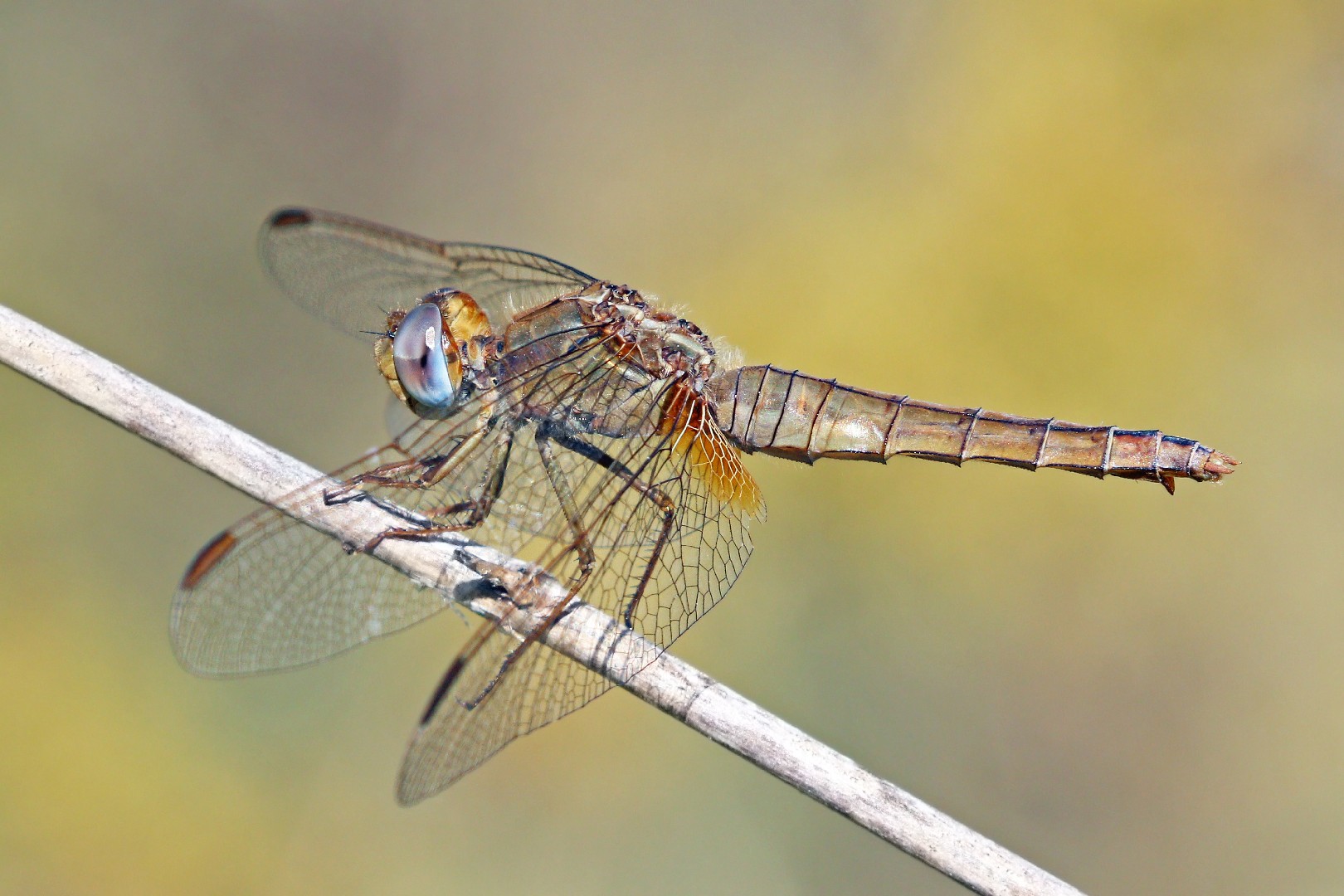
2. Scarlet dragonfly
Crocothemis erythraea can reach a length of 3.5 - 4.5 cm. These dragonflies haves a flattened and rather broad abdomen. The adult male scarlet dragonfly has a bright scarlet red, widened abdomen, with small amber patches at the bases of the hindwings. Also the veins on the leading edges of the wings are red. Females and immatures are yellow-brown and have a conspicuous pale stripe along the top of the thorax.
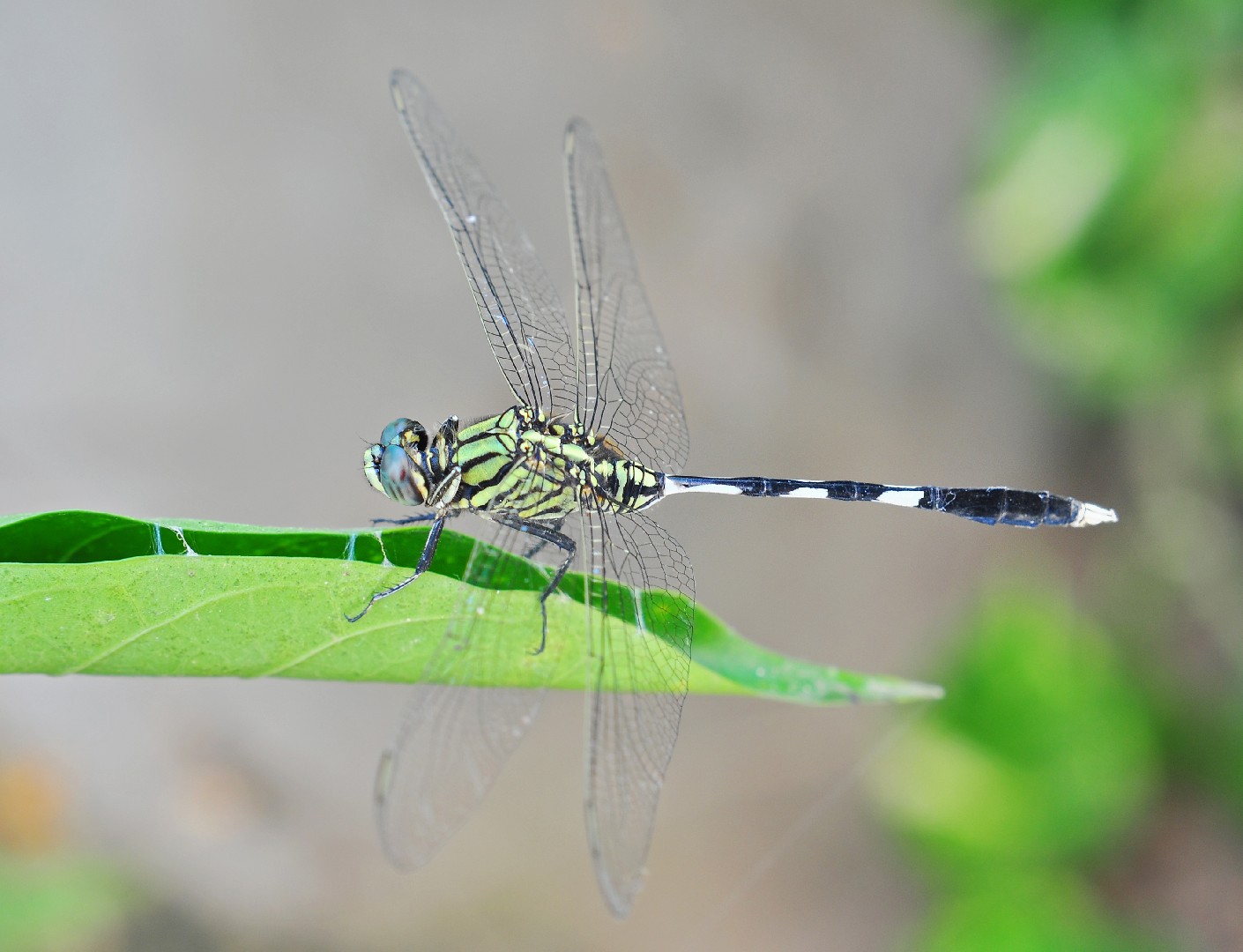
3. Slender skimmer
The species is on the IUCN Red List as not endangered, year of assessment 2009. The slender bank dragonfly occurs from Southeastern Europe and North Africa to Japan and Australia
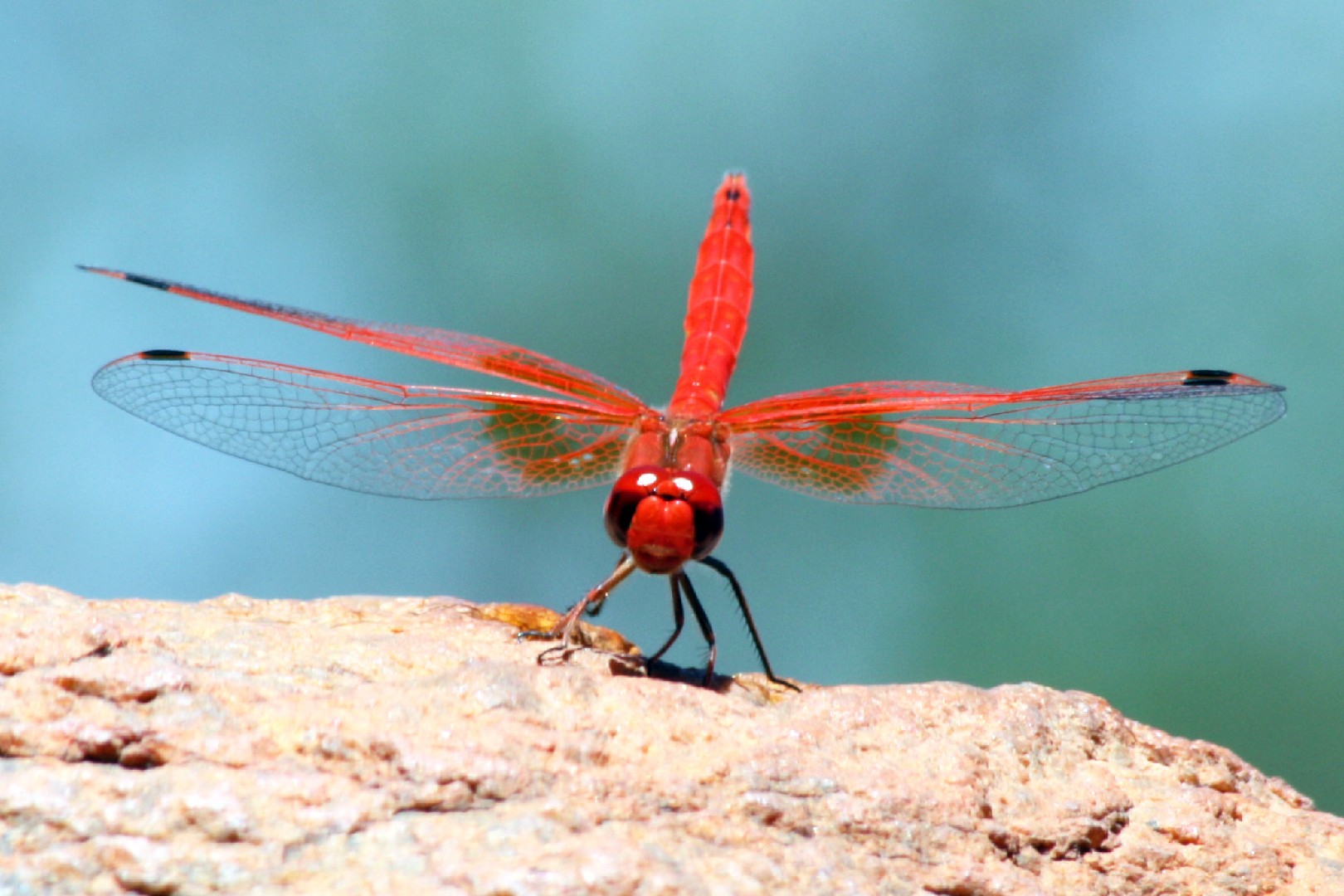
4. Kirby's dropwing
The spotted sun pointer (Trithemis kirbyi) is a dragonfly species from the family of the dragonflies (Libellulidae). Two subspecies are described. The nominate subspecies occurs in India and Sri Lanka, while the insufficiently defined taxon Trithemis kirbyi ardens occurs in the rest of the distribution area, which mainly includes Africa.
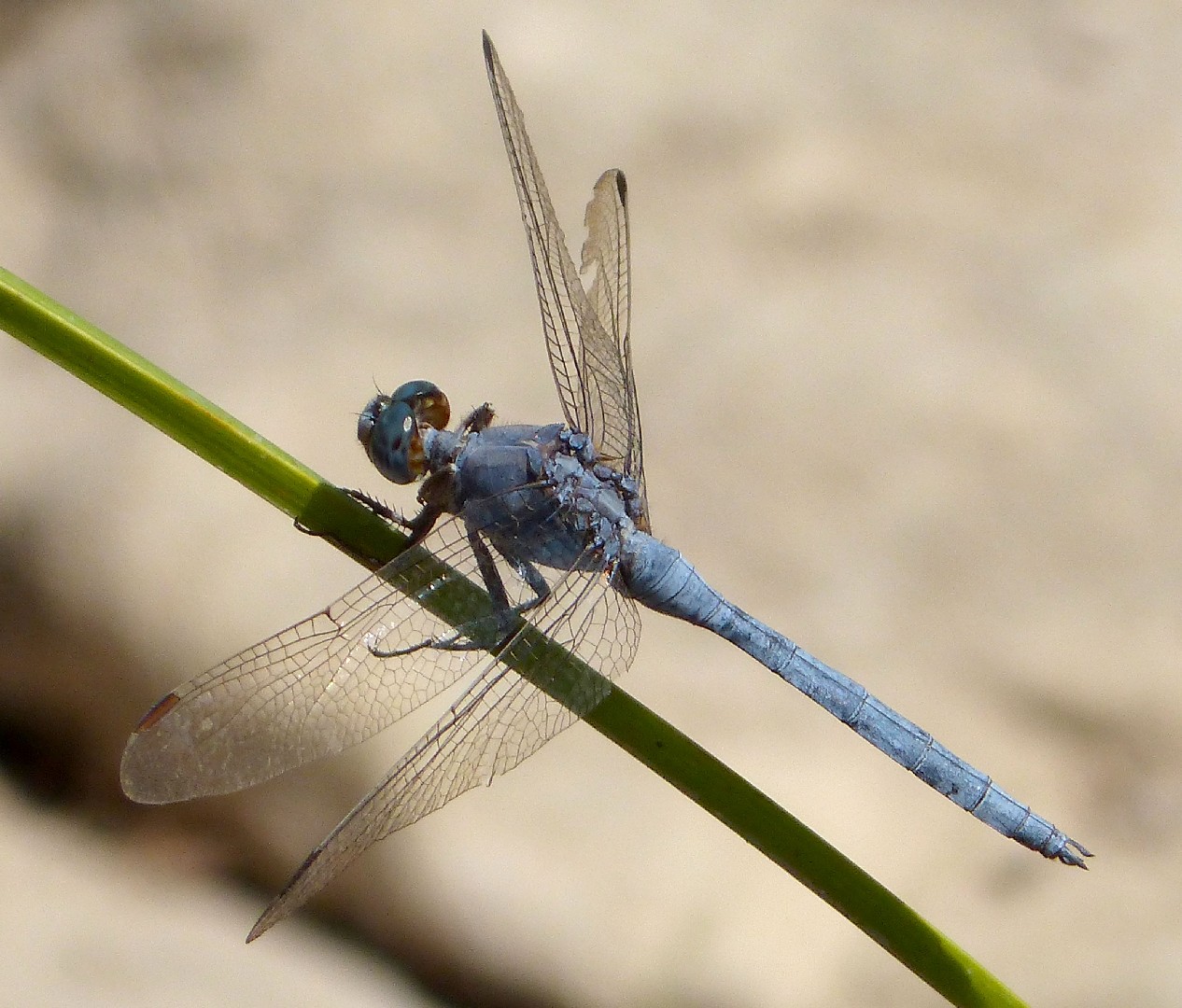
5. Epaulet skimmer
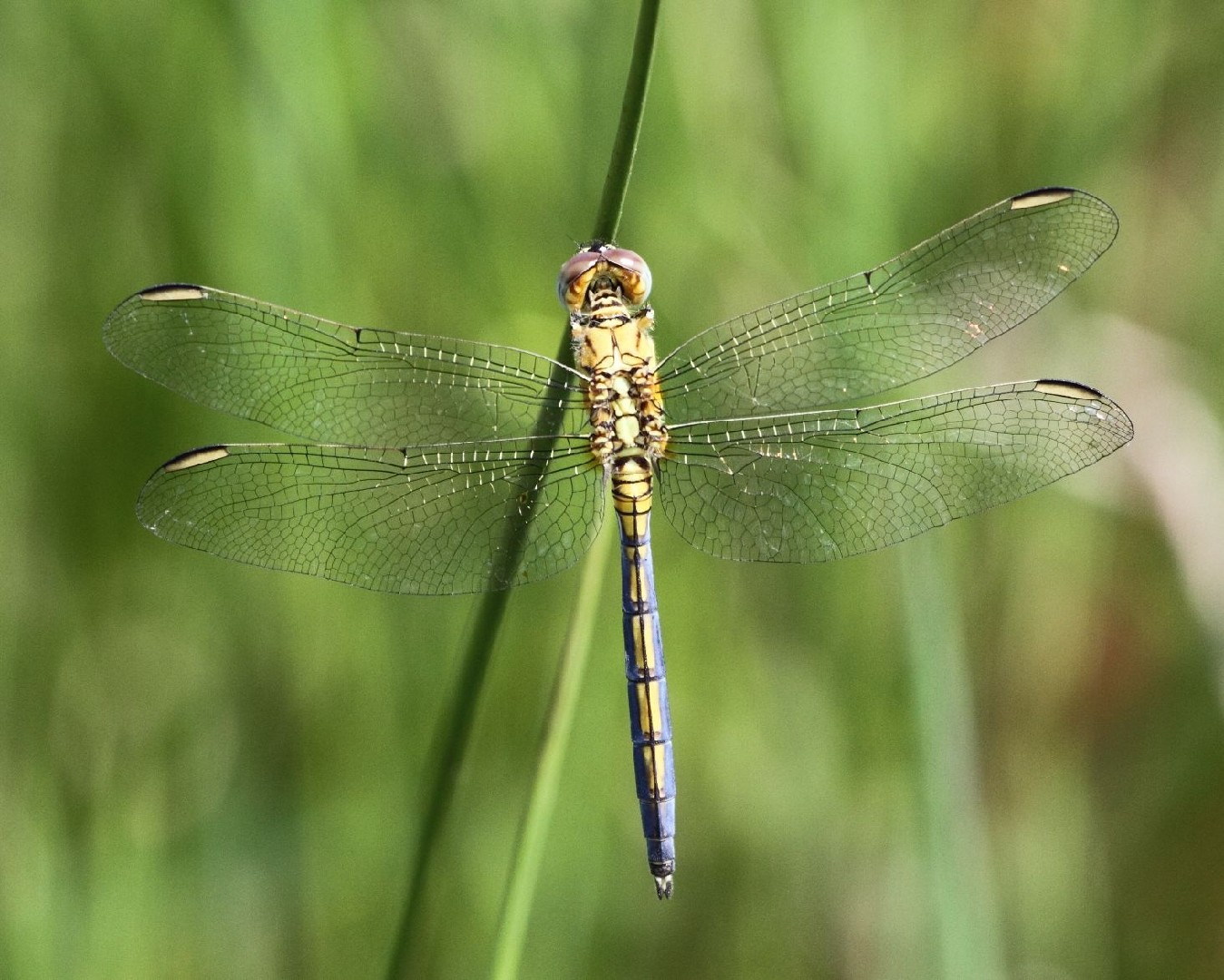
The bodies of adult males are blue, and those of young and females are yellow and brown.
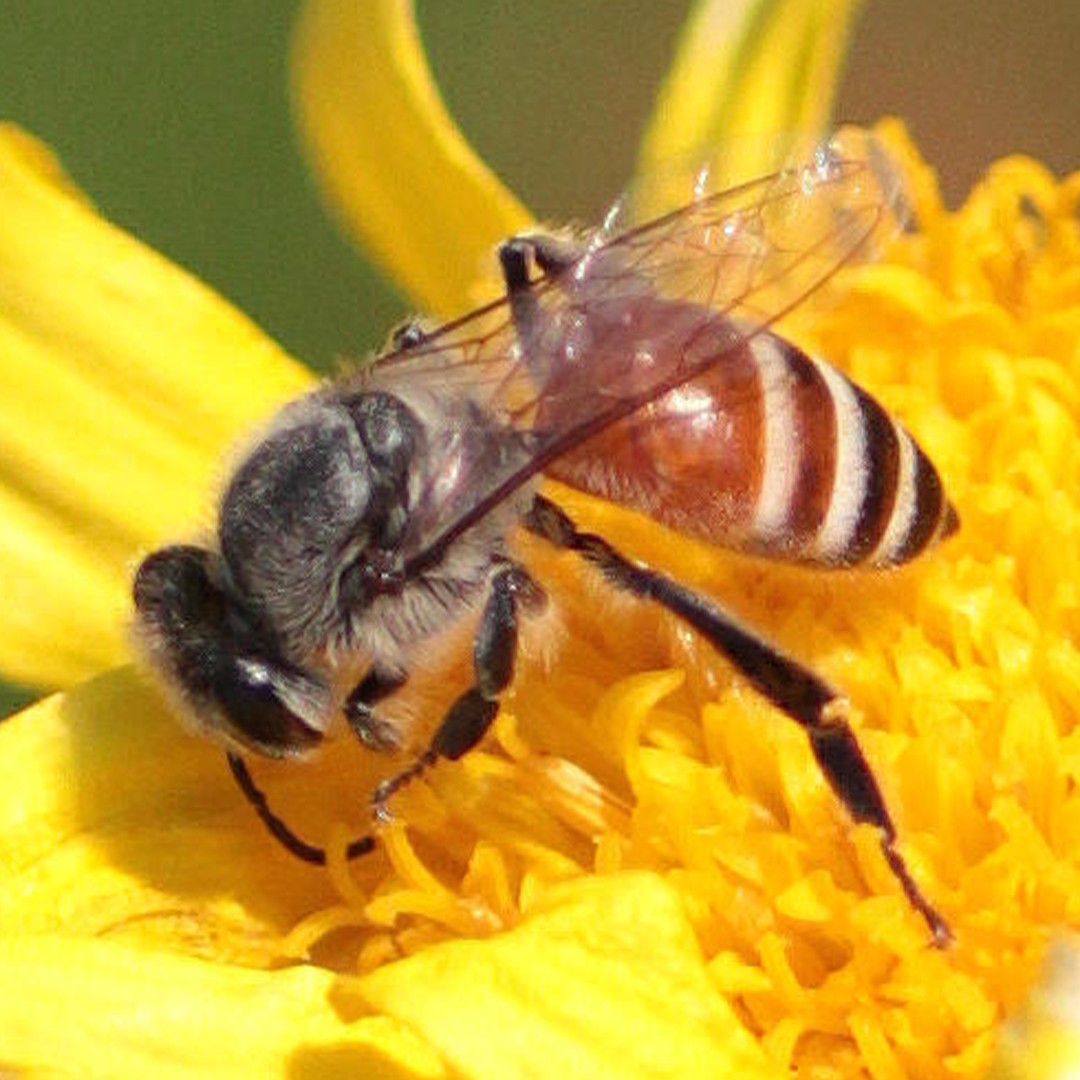
6. Dwarf honey bee
A. florea is called the dwarf honey bee due to its small size compared to other honeybees. A worker is typically 7–10 mm in body length and its overall coloration is red-brown. A colony builds a single, exposed comb usually on tree branches or shrubs. A. florea produce honey that is harvested and eaten in Thailand and Cambodia. They are excellent pollinators, which gives them an important ecological role in the places they inhabit. Drones carry a thumb-like bifurcation called the basitarsus, which is located two-thirds along the length of the tibia. The fimbriate lobe of A. florea has three protrusions and they sting using two stylet barbs. Apis florea and its sister species together comprise the subgenus Micrapis, and are the most primitive of the living species of Apis, reflected in their small colony size, and simple nest construction. The exposed single combs are built on branches of shrubs and small trees. The forager bees do not perform a gravity-oriented waggle dance on the vertical face of the comb to recruit nestmates as in the domesticated Apis mellifera and other species. Instead, they perform the dance on the horizontal upper surface where the comb wraps around the supporting branch. The dance is a straight run pointing directly to the source of pollen or nectar the forager has been visiting. The distinctiveness of the two species A. florea and A. andreniformis was established unequivocally in the 1990s. A. florea is redder and old workers always have a red first abdomen (younger workers are paler in colour, as is the case in giant honey bees); A. andreniformis is generally darker and the first abdomen segment is completely black in old bees. Distinguishing characteristics of the dwarf honey bees are outlined below:
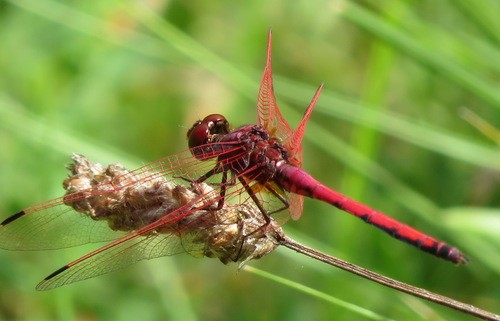
7. Red-veined dropwing
The face of the mature male is deep red, the vertex and top of the frons having a purple sheen. The eyes are deep red and the labium deep yellow with a dark brown stripe in the centre. The synthorax is red with black stripes; mature males often have a purple bloom on the upper thorax.The wings have bright red veins and orange makings at their bases. The pterostigmas are 2.5 - 2.5 mm long and dark brown. The slender abdomen is bright red; S6-S8 have black wedges on each side; S9 and S10 are black. Females have similar markings, but the abdomen and face are yellow to yellowish brown. The sides of the synthorax are pale yellow-brown, as are the lower sides of S1-S3.
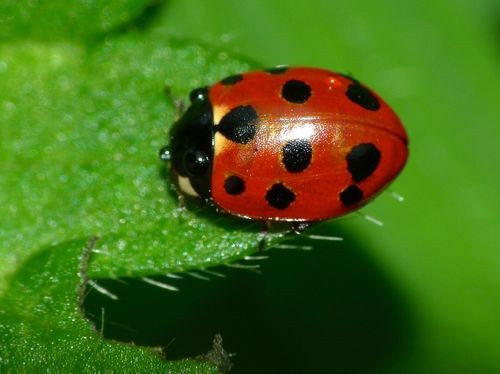
8. Eleven-spot ladybird
The Elfpunkt ladybird (Coccinella undecimpunctata) is a beetle from the family of ladybirds (Coccinellidae).
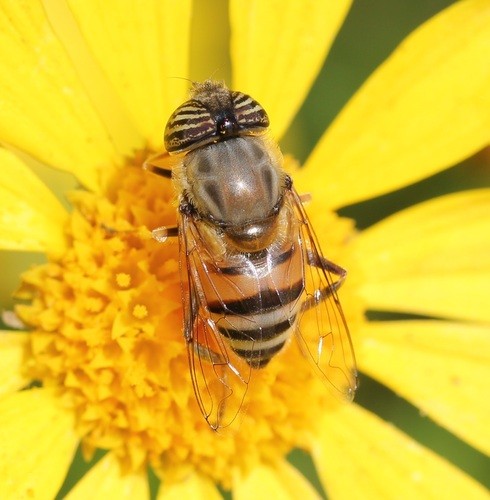
9. Band-eyed drone fly
Eristalinus taeniops can reach a length of 1.09 - 1.4 cm. These hoverflies exhibit a bee-like yellow-black drawing. The thorax has a metallic yellow-brown color and it is densely yellow hairy. Also the scutellum are yellow-brown colored. The abdomen is reddish-yellow, with transversal black bands. The compound eyes have five distinct, vertical, dark stripes. The wings are transparent, usually yellowish-brown at the base, while the halteres are brightly pale yellow colored.
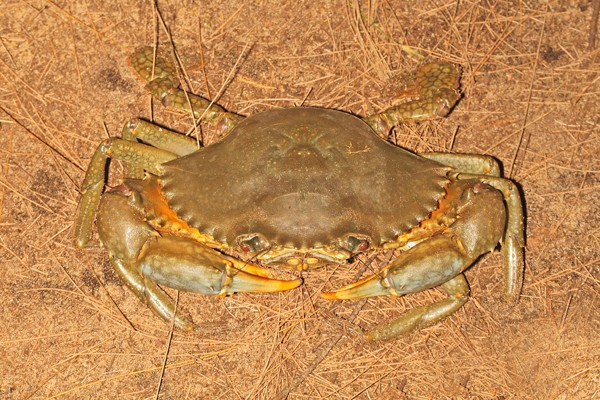
10. Mud crab
More







