




Top 20 Most Common Insects in Exmouth
Welcome to our fascinating exploration of the top 20 most common insects in Exmouth! Insects, with their wide range of shapes, sizes, and colors, are integral to Exmouth's ecological balance. The region's diverse landscapes, varying from sandy coasts to lush forests, result in a remarkable insect diversity. Insects play various roles; as pests affecting crops to beneficial ones aiding pollination. Stay tuned as we unravel the intricate ties between Exmouth's environment and its intriguing insect inhabitants.

Most Common Insects
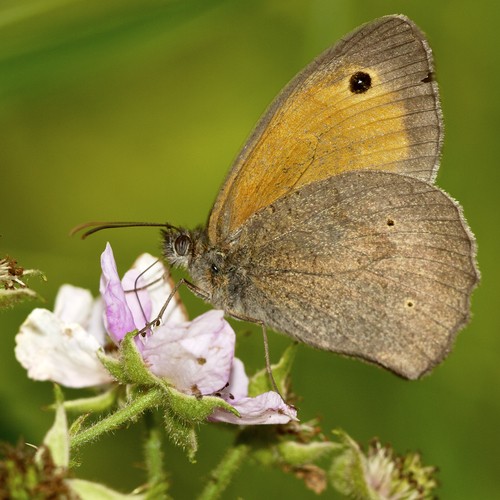
1. Meadow brown
The meadow brown (Maniola jurtina) is similar to the Gatekeeper in the way that it rests with its wings open due to the "eye spots" on either end of its wings that ward off predators. While the color is a deep brown, the caterpillar form is a beautiful bright green with little, white hairs and a dark line leading down its back.
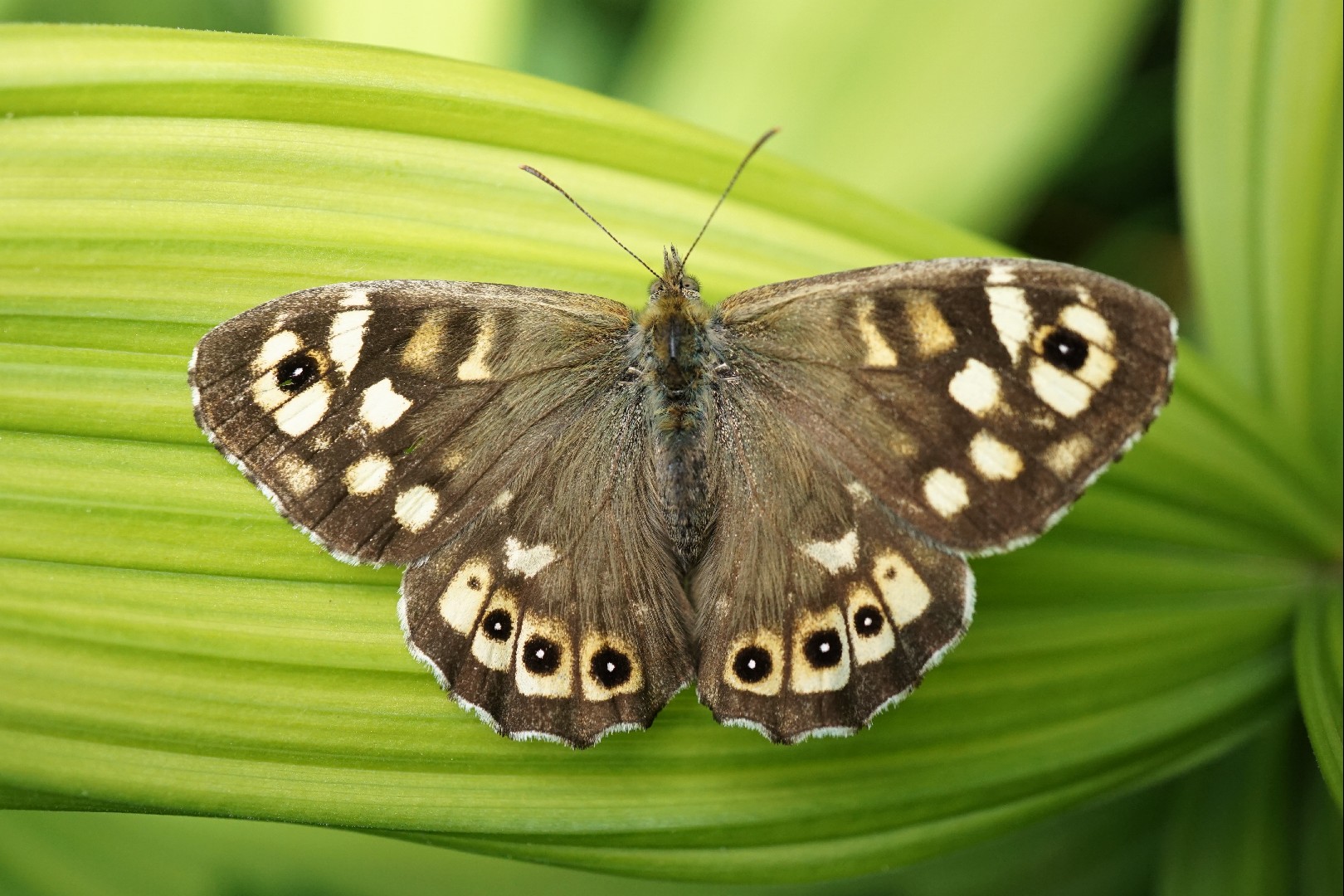
2. Speckled wood
The speckled wood (Pararge aegeria) prefers to live in damp, dark woodlands. Unlike other butterflies, it's more active in shadier habitats rather than sunny ones. Males often fight over a perch, spiraling up to the treetops until they determine a winner. These perches are where the males find passing females.
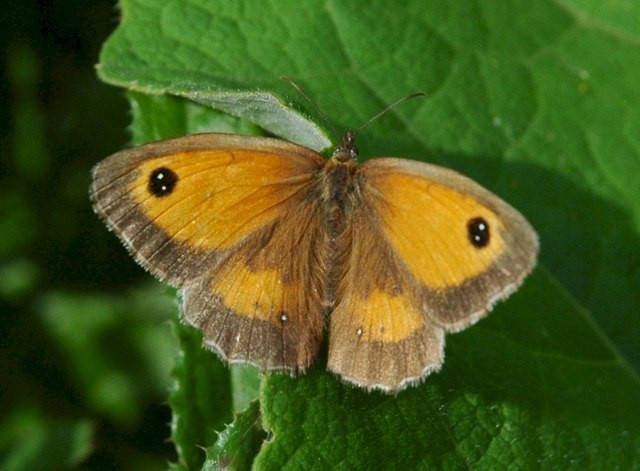
3. Gatekeeper
Contrary to what you may believe of its name, the gatekeeper (Pyronia tithonus) is a butterfly, not a heavily armored guard standing at an iron fence. The gatekeeper seems to have its own gate based on weather, as it cannot survive well in colder climates. It also survives through the two eyespots on the end of each of their wings, protecting them against bird attacks.
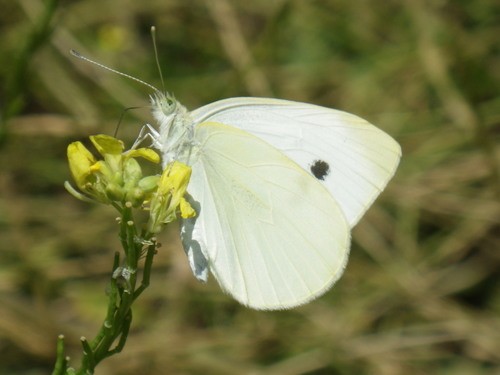
4. Cabbage white
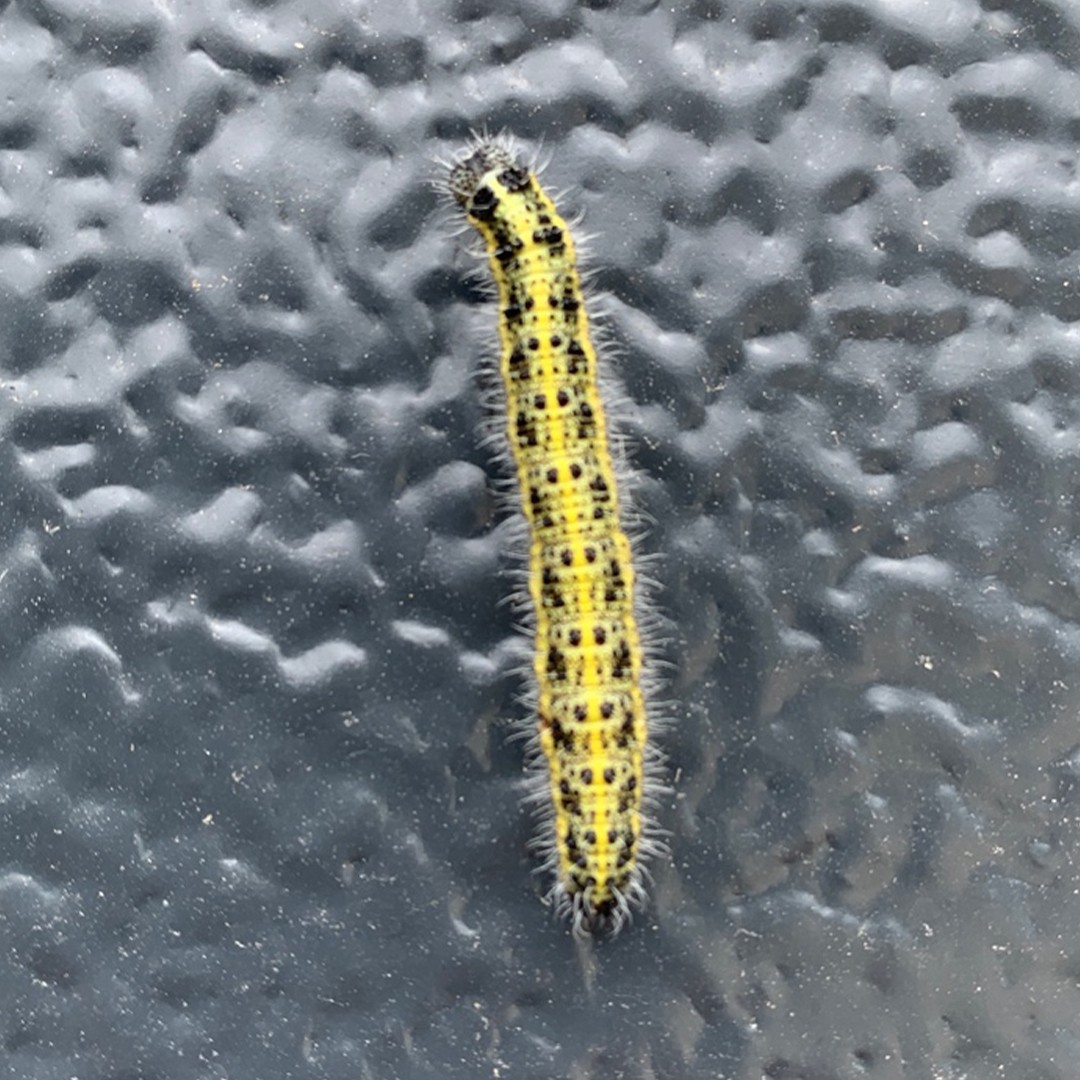
Cabbage white (Pieris rapae) derives its common name from its habits as a caterpillar, which is a ferocious pest for cabbage, kale and broccoli farmers. In North America, it is one of the first butterflies to emerge in spring, heralding the beginning of the season.
5. Large white
Large white (Pieris brassicae) is visually similar but quite larger than its close relative P. rapae. It lays its eggs on food plants such as cabbages – the origin of its common name – leading to many farmers' classifying this species as a pest.
6. Common blue butterfly
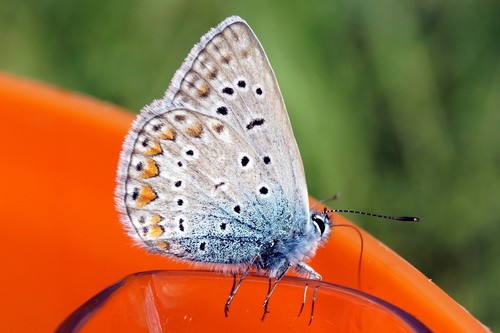
Despite its common name, only male specimens of common blue butterfly (Polyommatus icarus) can accurately be described as blue; the females are predominately gray-brown, with only a dusting of blue and a scattering of orange spots. The adults live for only three weeks before dying.
7. Small heath
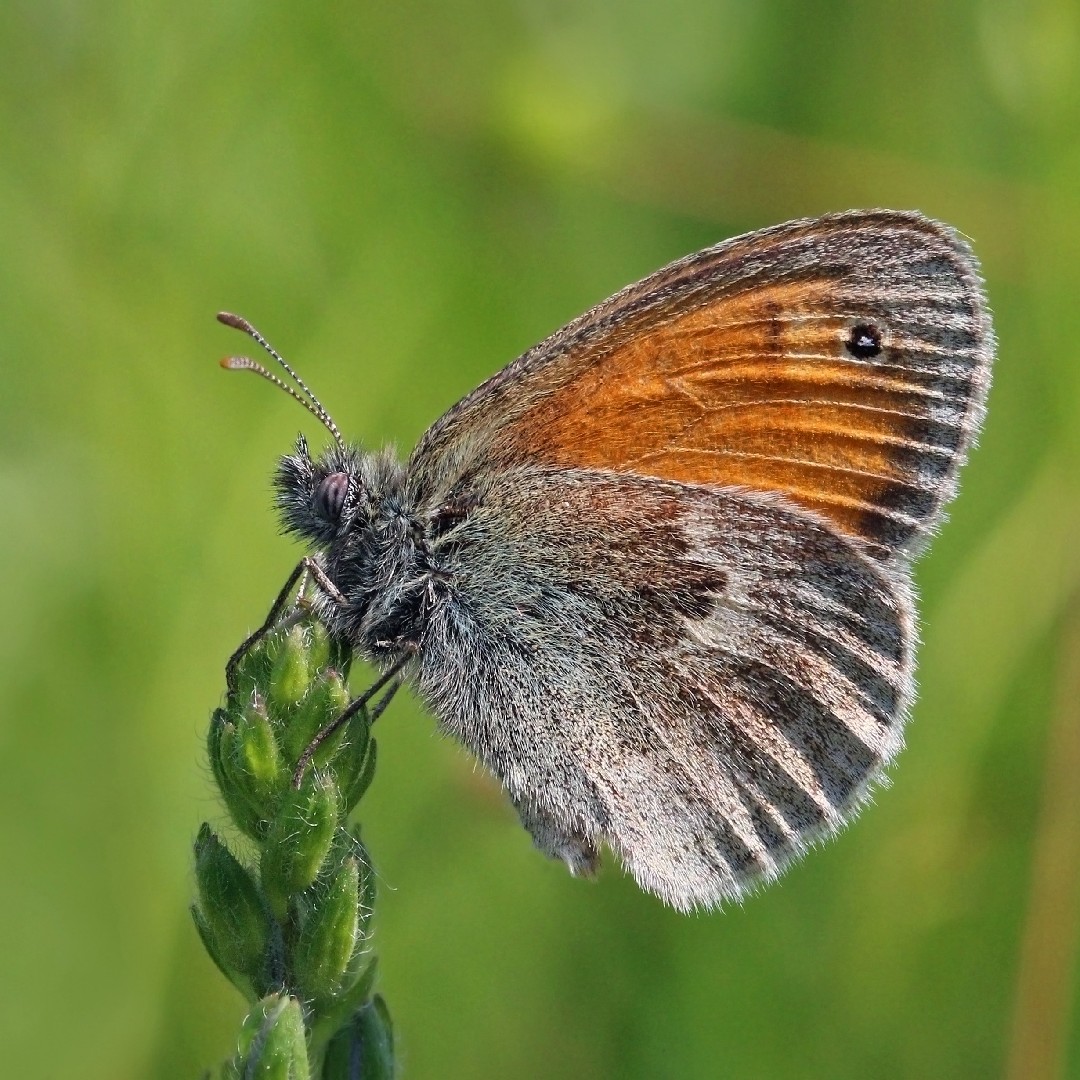
It rests with closed wings when not in flight. 
8. Green-veined white
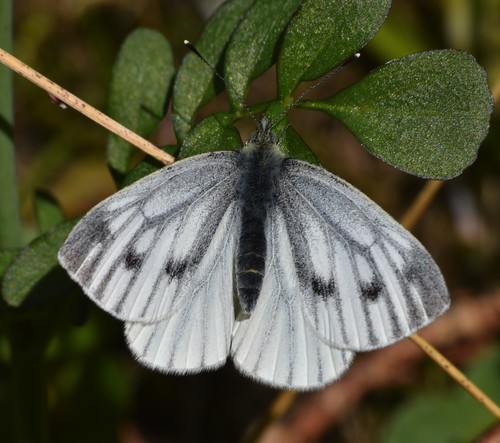
Green-veined white (Pieris napi) is a distinctively white-winged butterfly that lays its eggs in a variety of food plants. This species displays observable differences dependent on sex: males possess only one dark spot on each forewing, whereas females display two. Unlike several of its cousin species, green-veined white prefers not to lay eggs in garden cabbages, rendering it less of a pest to farmers.
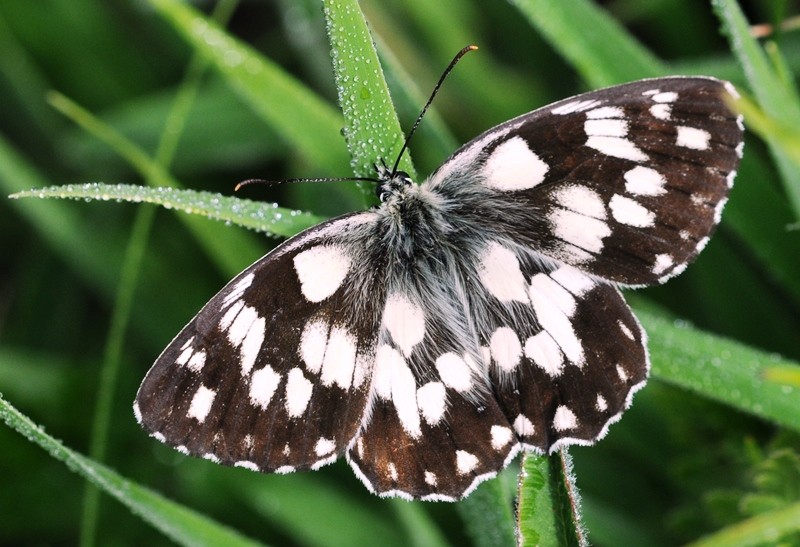
9. Marbled white
Melanargia galathea has a wingspan of 1.8–2.2 in. In these medium-sized butterflies the upper side of the wings is decorated with white and gray-black or dark brown markings, but it is always gray-black or dark brown checkered in the basal and distal areas. The underside is similar to the upper side but the drawings is light gray or light brown. On the underside of the hindwings is present a row of gray eye spots. The males and the females are quite similar, except that some females may have a yellowish nuance on the underside of the wings. The larvae are a lime-green colour, with a dark green line running down the middle of their back. The caterpillars are about 3 cm long. They are green or yellow with some lighter and darker narrow longitudinal lines. The head is always light brown.
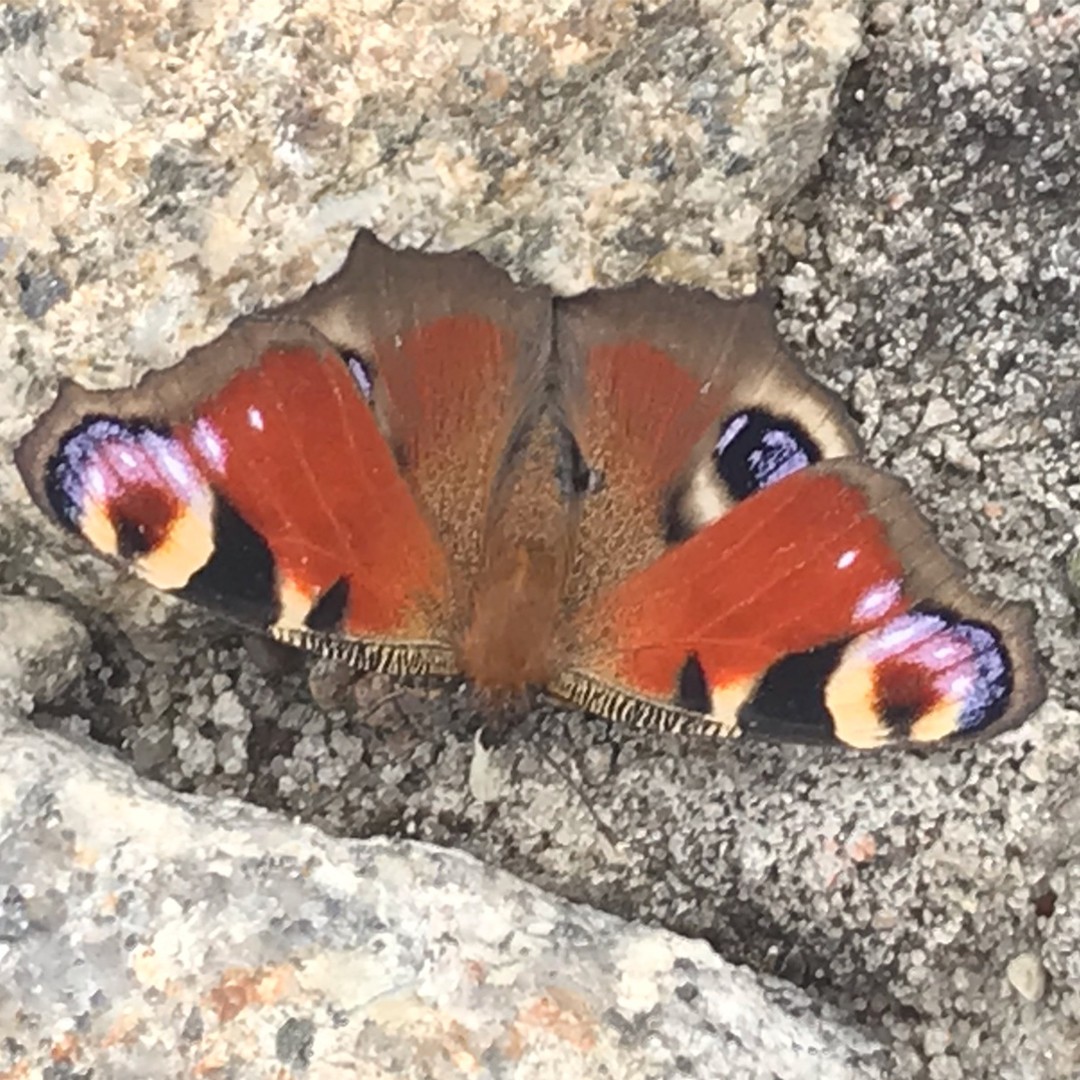
10. European peacock
European peacock (Aglais io) is a colorful butterfly that resides in temperate Asia and Europe – hence its common name. Its prominent eyespots deter would-be predators, who mistake them for the eyes of a bigger, more dangerous species. In recent years, this species appears to be expanding its range into previously uncolonized territory.
More







