




Top 20 Most Common Insects in Phenix City
Insects, unique creatures characterized by their segmented body and jointed limbs, find diverse habitats throughout Phenix City. These tiny critters play a pivotal role in Phenix City's ecosystem, from pest control to pollination. The variety of insects thriving here is a testament to Phenix City's environmental versatility, offering a natural check and balance between pests and beneficial species. Our list of the 20 most common insects in Phenix City promises to fascinate and inform.

Most Common Insects
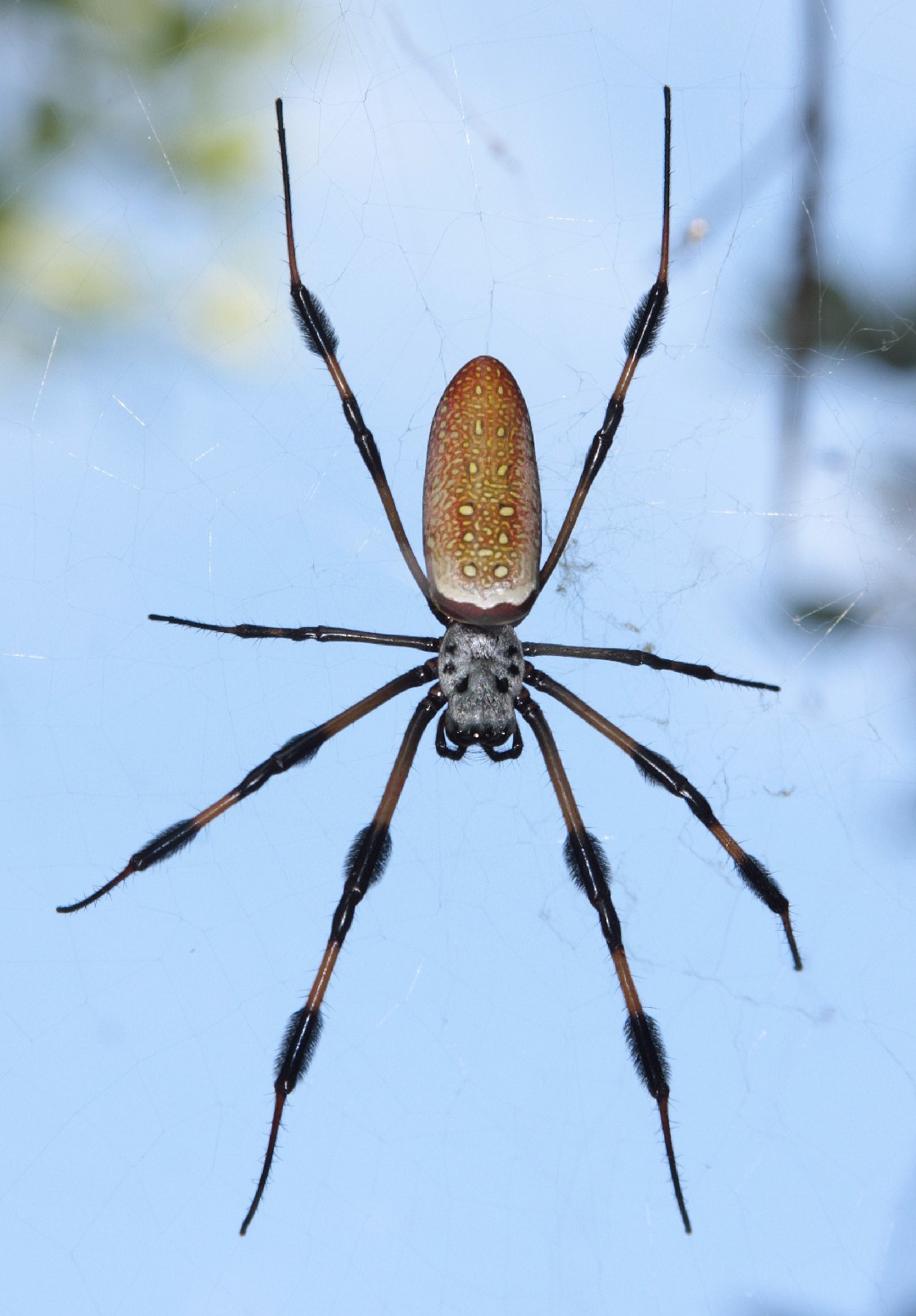
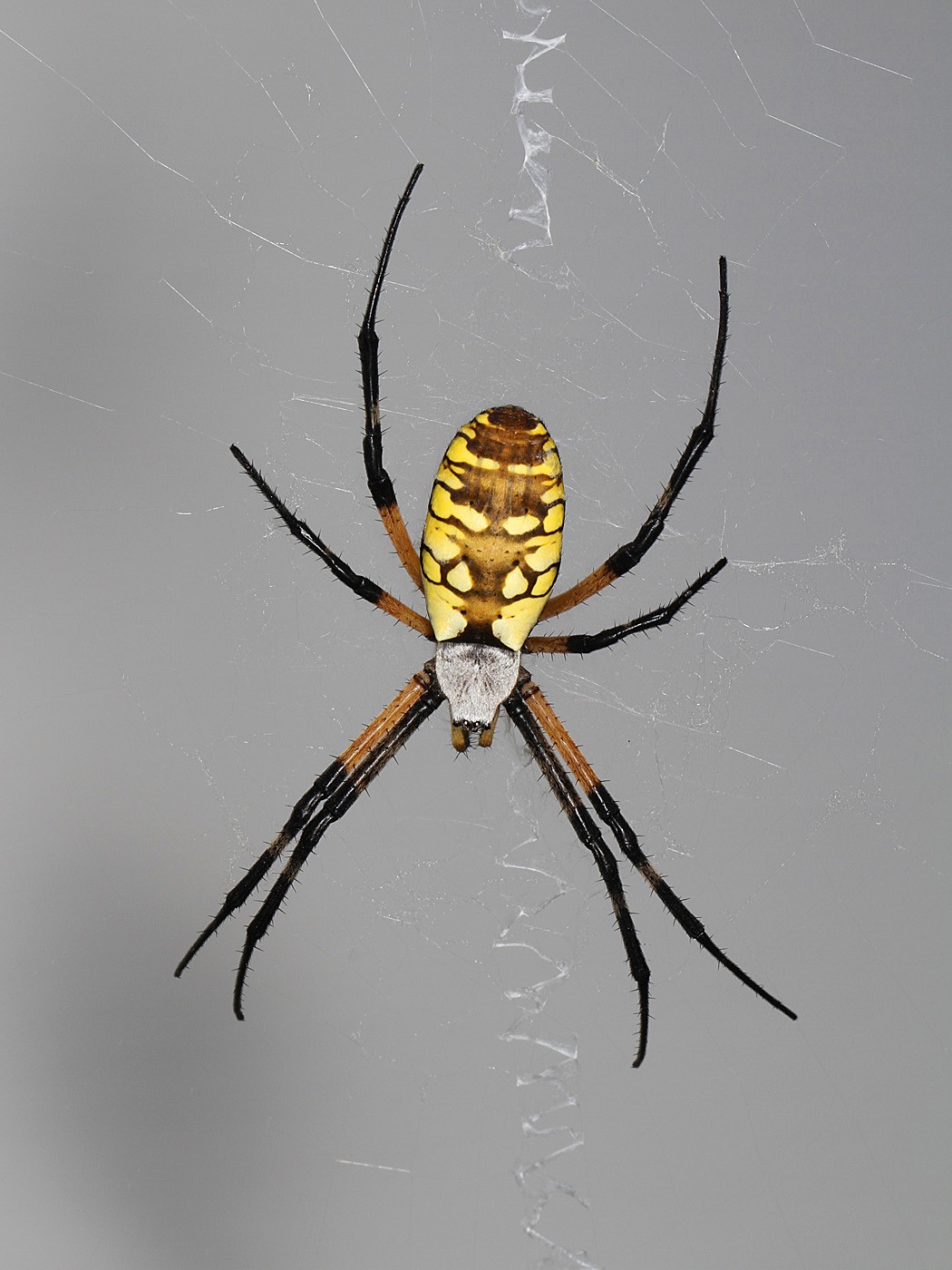
1. Banana spider
The banana spider (Nephila clavipes) is called that because it is commonly found in banana shipments leading from South America. There are many spiders that fit this category (often found in banana shipments), so this one is also called the Golden silk orb-weaver to distinguish them. This name is more related to the strength of its silk, which is stronger than steel based on tensile strength.
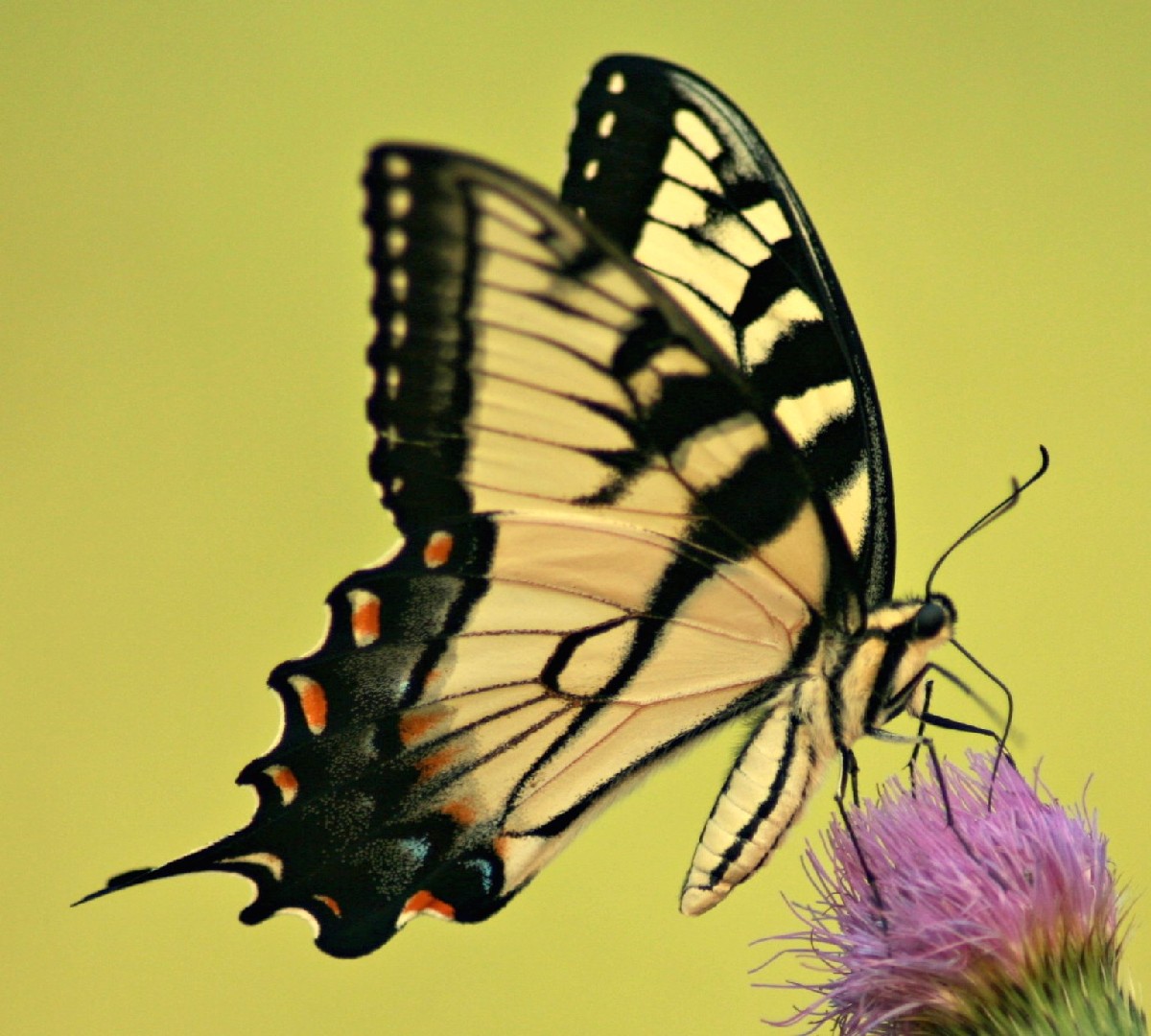
2. Eastern tiger swallowtail
Eastern tiger swallowtail (Papilio glaucus) is among the most recognizable butterflies in the eastern United States, where it inhabits a variety of habitats. This species is diurnal and usually solitary, preferring to fly high above the ground until the time comes to mate. Caterpillars display eyespots to deter birds in between some molting phases.
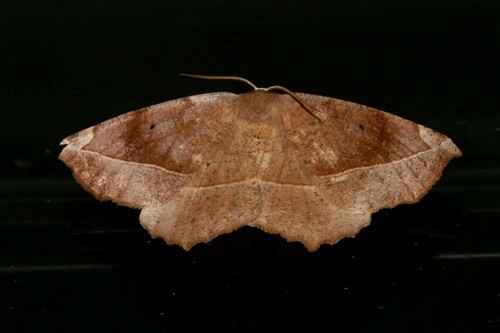
3. Curve-toothed geometer moth
The wingspan is 4 - 6 cm. The ground color of the wings is yellowish-tan with brownish-grey or brown mottling. The forewings have a fine, mostly straight postmedial line. The hindwing outer margin is scalloped. 

4. Multicolored asian ladybeetle
Often confused for the ladybug, multicolored asian ladybeetle (Harmonia axyridis) is a separate species that, unlike the ladybug, is a household pest. It is considered particularly annoying for its habit of returning to places from which it is removed. One of the most variable species in the world, there are many different colors and patterns multicolored asian ladybeetle may display, making identification potentially difficult.
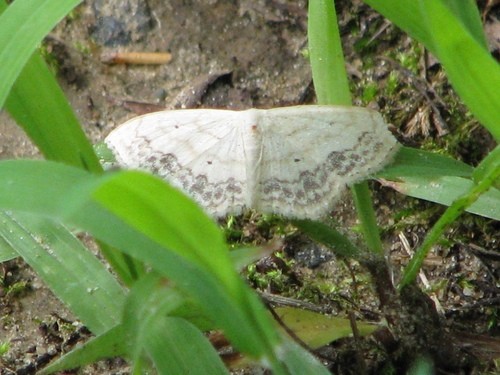
5. Large lace border
Scopula limboundata, the large lace-border, is a moth of the family Geometridae. It was described by Adrian Hardy Haworth in 1809. It is found in North America east of the Rocky Mountains. There is a single and unconfirmed record from Great Britain. The wingspan is 25–30 millimetres (0.98–1.18 in). Adults are on wing from late May to late August or early September. The larvae feed on apple, blueberry, clover, dandelion, meadow-beauty, and black cherry.
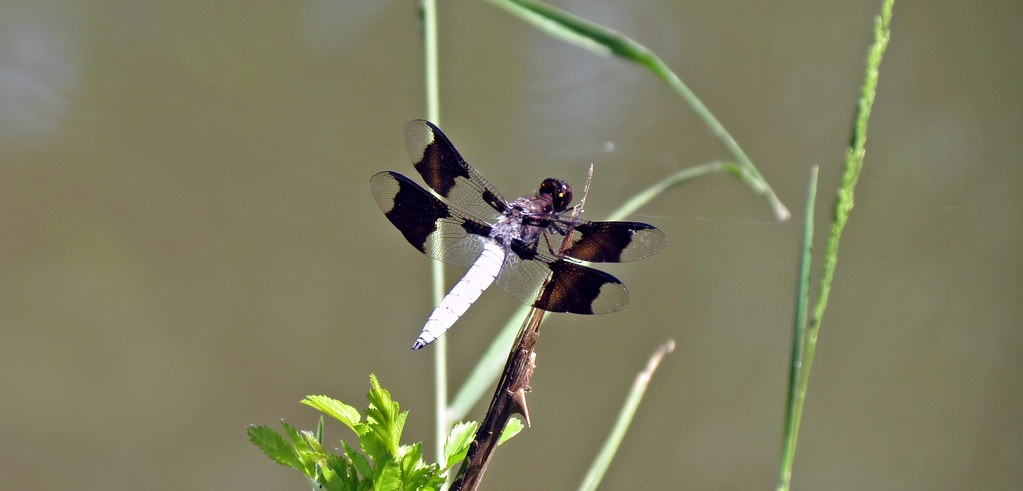
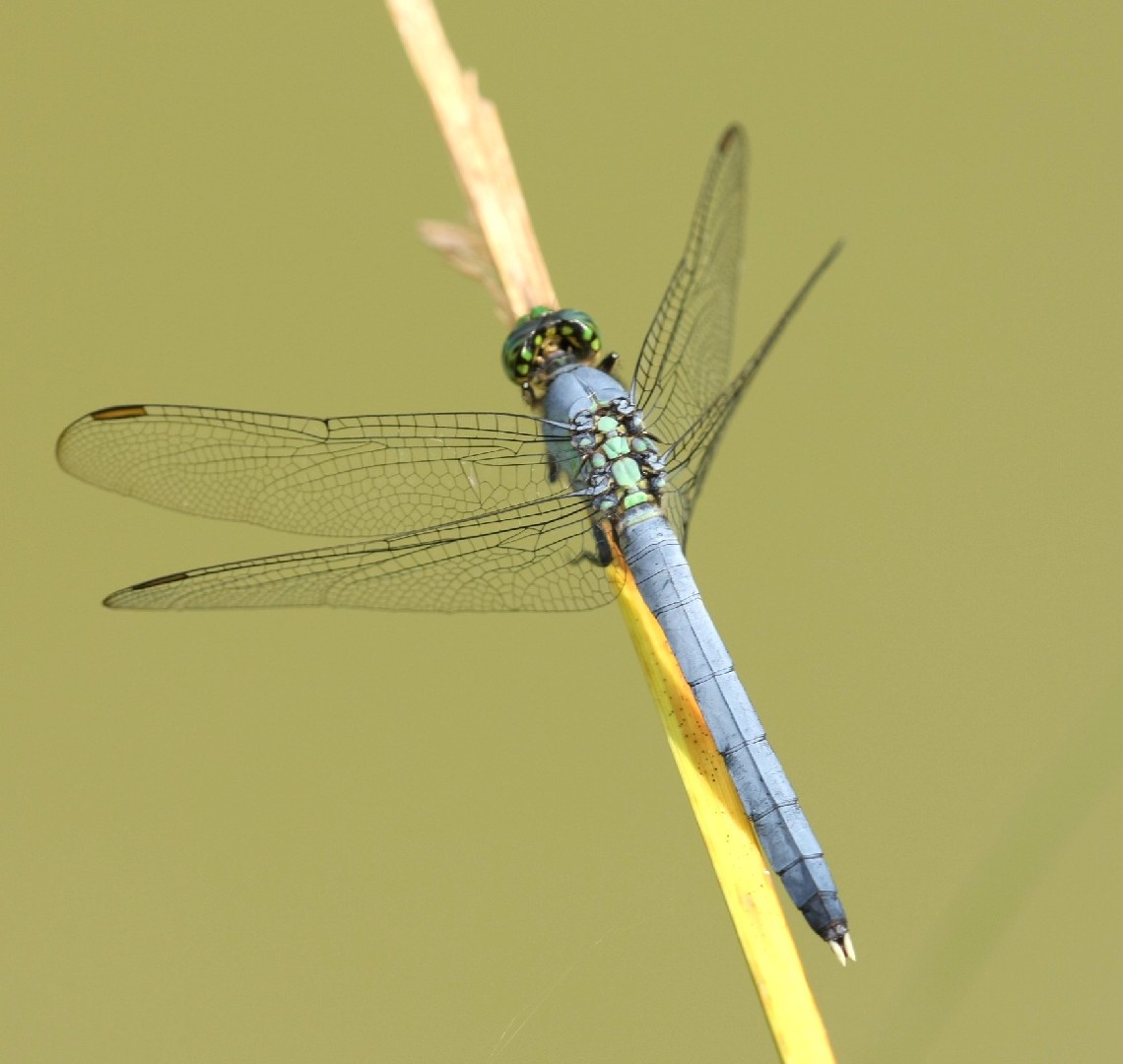
6. Common whitetail skimmer
Common whitetail skimmer has black bands on its translucent wings which make it easy to identify. The common whitetail skimmer is found throughout North America and serves a vital ecological purpose. The dragonfly’s compound eyes provide it with a 360-degree field of vision, allowing it to spot prey like spiders and other nuisance insects.
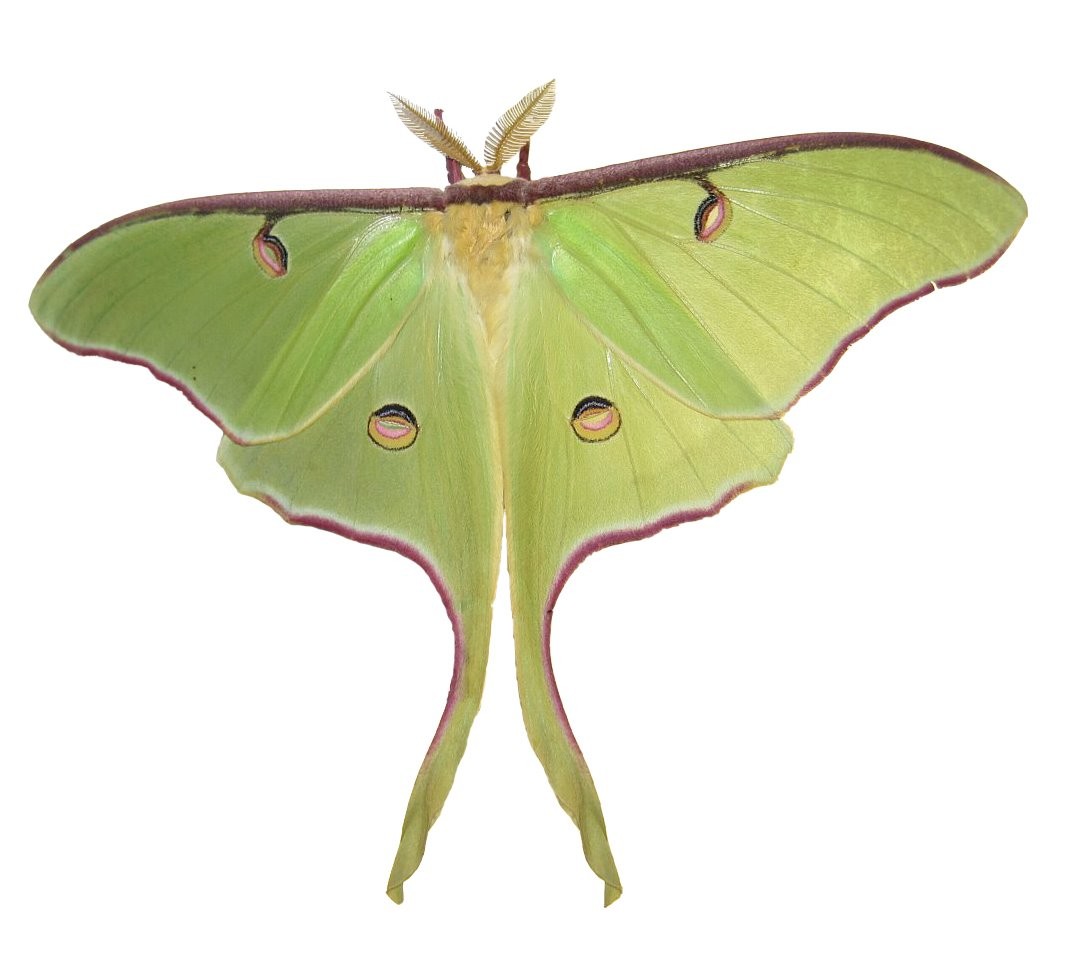
7. Luna Moth
The luna Moth (Actias luna) is a beautiful moth with lime-green wings and a white body. It warns away those who approach with clicking noises. If this fails, it will expel the contents of its intestines, which will deter most predators. Its long tail is also thought to confuse bats by messing with their echolocation.
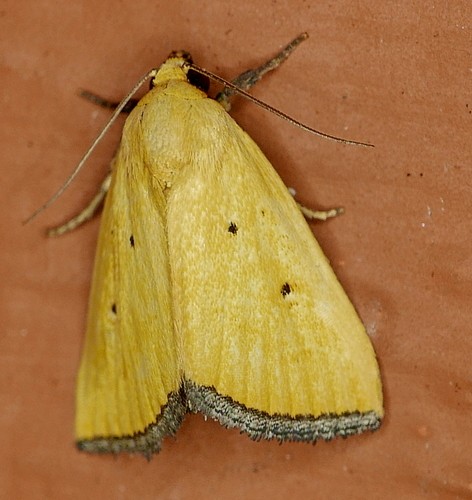
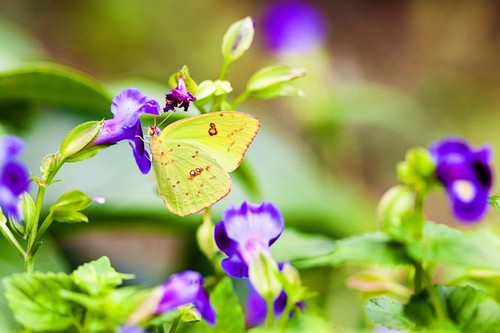
8. Black-bordered lemon
The wingspan is 1.8 - 2 cm.
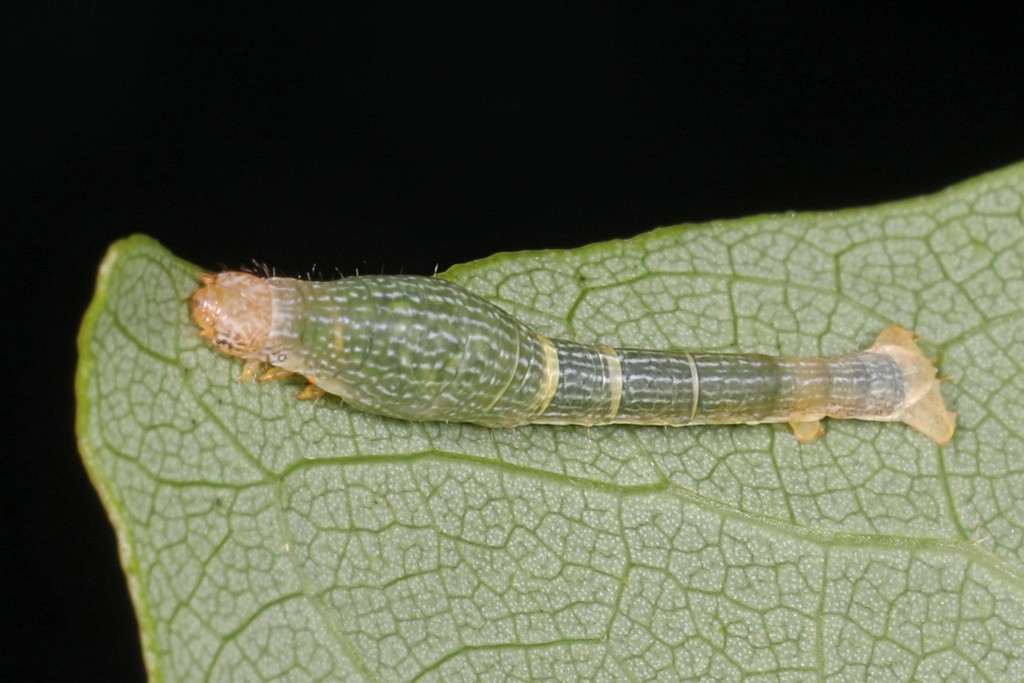
9. Tulip-tree beauty moth
Epimecis hortaria, the tulip-tree beauty, is a moth species of the Ennominae subfamily found in North America. It is found throughout New England south to Florida and west to Texas and Missouri. The species was first described by Johan Christian Fabricius in 1794. They can be seen flying from late March to early October. Adults are nocturnal and are attracted to lights. The immature caterpillars can be found feeding on Magnolia, Asimina, Populus, Sassafras and Liriodendron.
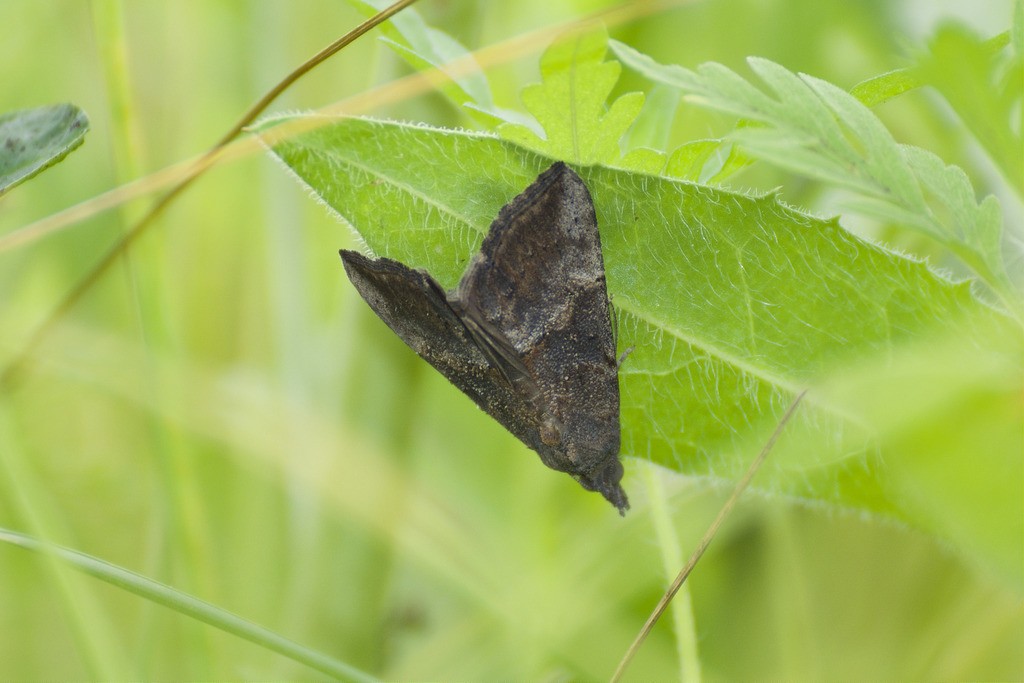
10. Green cloverworm moth
Hypena scabra, the green cloverworm or black snout, is a moth of the family Erebidae. The species was first described by Johan Christian Fabricius in 1798. It is found in North America from Canada south to Florida and Texas. It has also been reported from Great Britain. The wingspan is 25–35 mm. Adults are on wing from March to November or all year round in warmer regions. There are multiple generations per year. The larvae feed on low-growing legumes, including alfalfa, bean, clover, pea and soybean. They also feed on woody legumes such as false indigo and locust. Other reported hosts include birch, cherry, corn, elm, hackberry, New Jersey tea, poplar, ragweed, sida, strawberry and willow.

More







