




Top 15 Most Common Insects in Anchorage
Insects, a marvel of nature, have made their space in every nook and cranny of Anchorage. These tiny creatures play a vital role in the local ecosystem, from nutrient cycling to pollination. The unique environment in Anchorage beckons both pesky and beneficial insects alike, showcasing a fascinating diversity in number up to 15. Their prevalence is a testament to Anchorage's diverse habitats and the significance of insects within them.

Most Common Insects
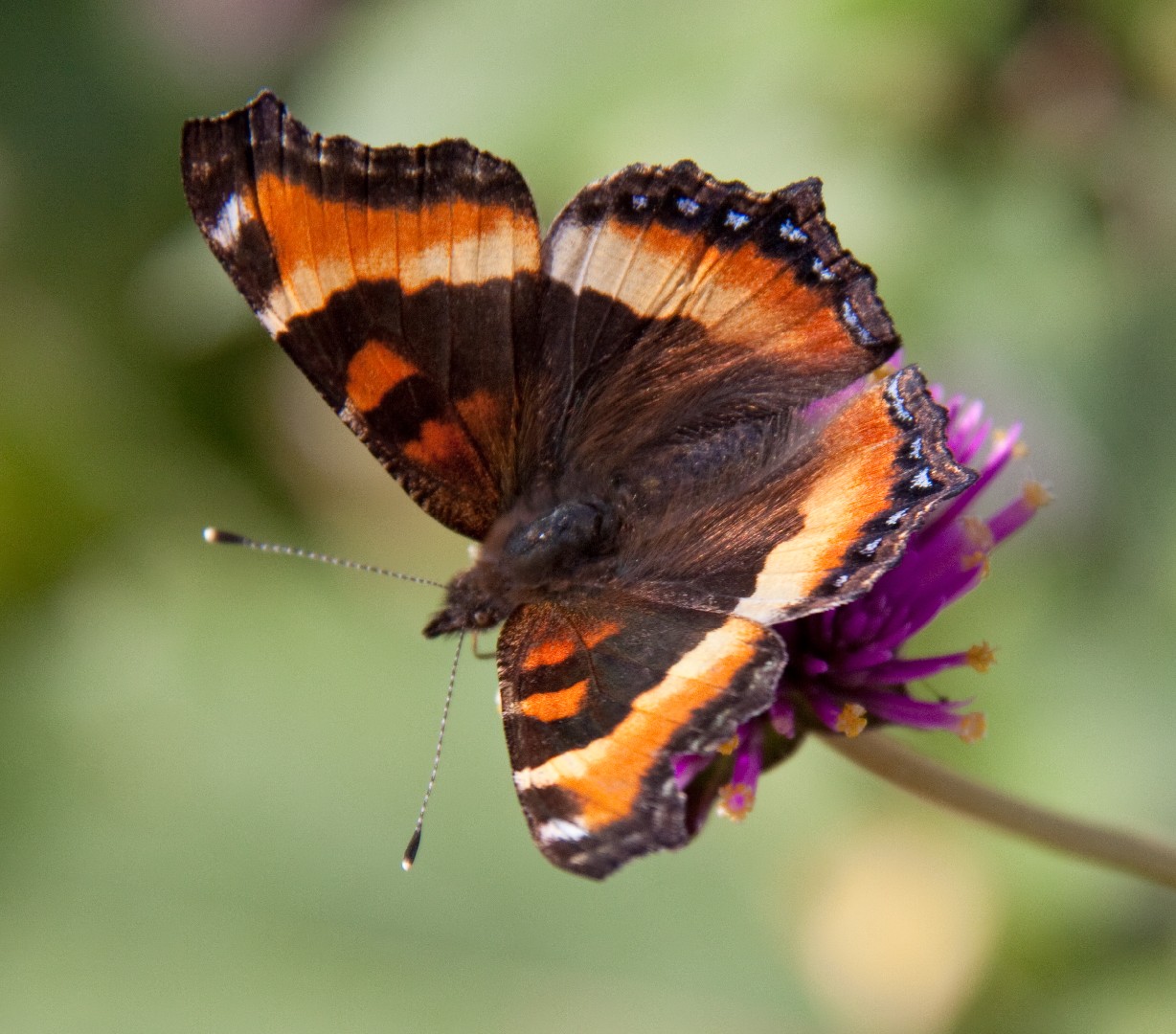
1. Milbert's tortoiseshell
Milbert's tortoiseshell (Aglais milberti) is a beautiful butterfly that is identified with their black coloring. The upperside of them is anywhere from red to brown and often fades into white. They are the only species under the Tortoiseshell butterflies that occur in North America.
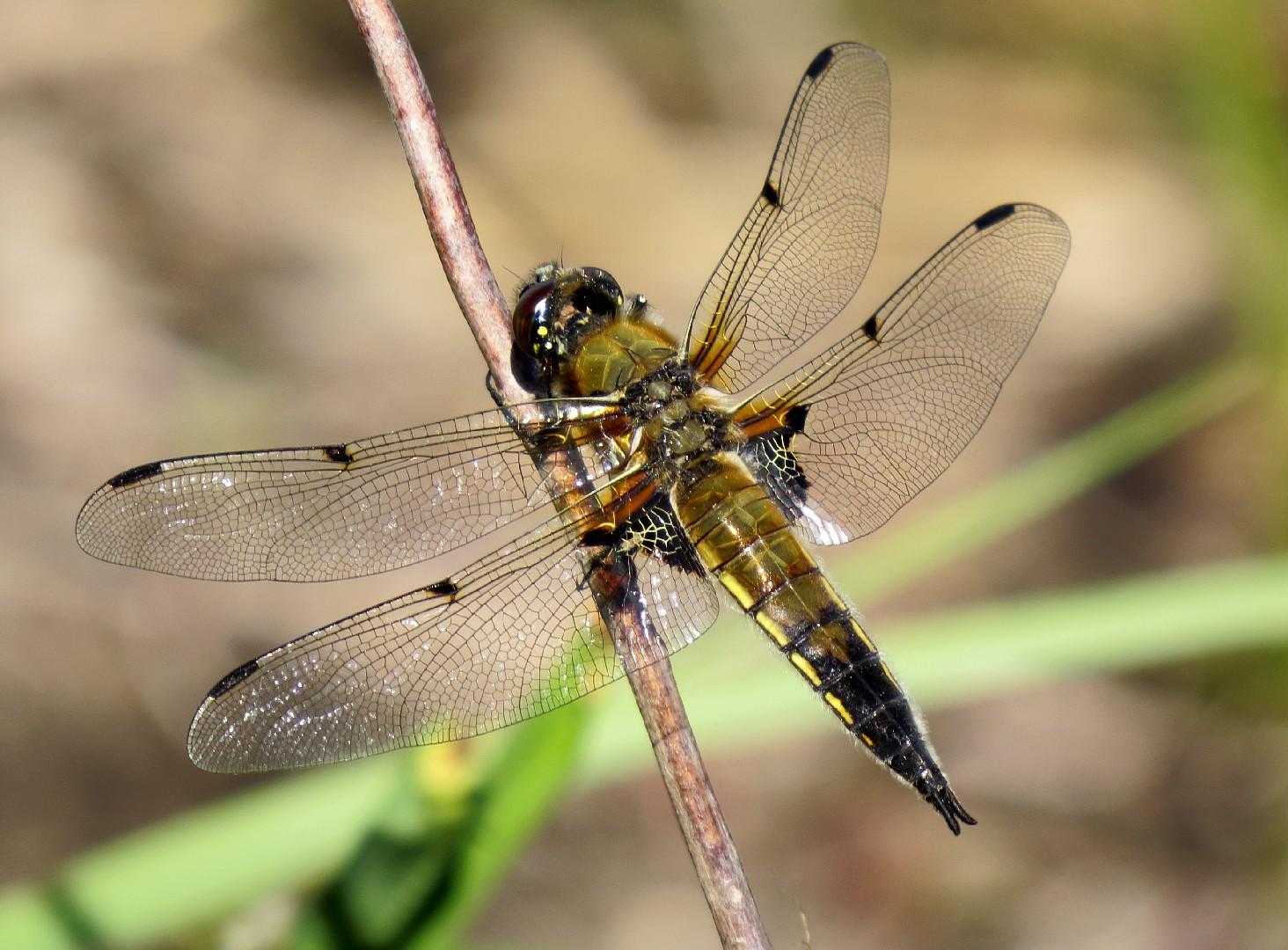
2. Four-spotted chaser
The four-spot (Libellula quadrimaculata) is one of the large dragonflies and reaches a body length of 4 to 4.5 centimeters with wingspan between 7 and 8.5 centimeters. Each of the four wings has a striking dark spot in the area of the distinctive transverse vein (nodus), after which the species received both its scientific and its trivial name. This dragonfly is also known for its mass migrations in swarms of impressive dimensions. The entire stock is not considered to be threatened.
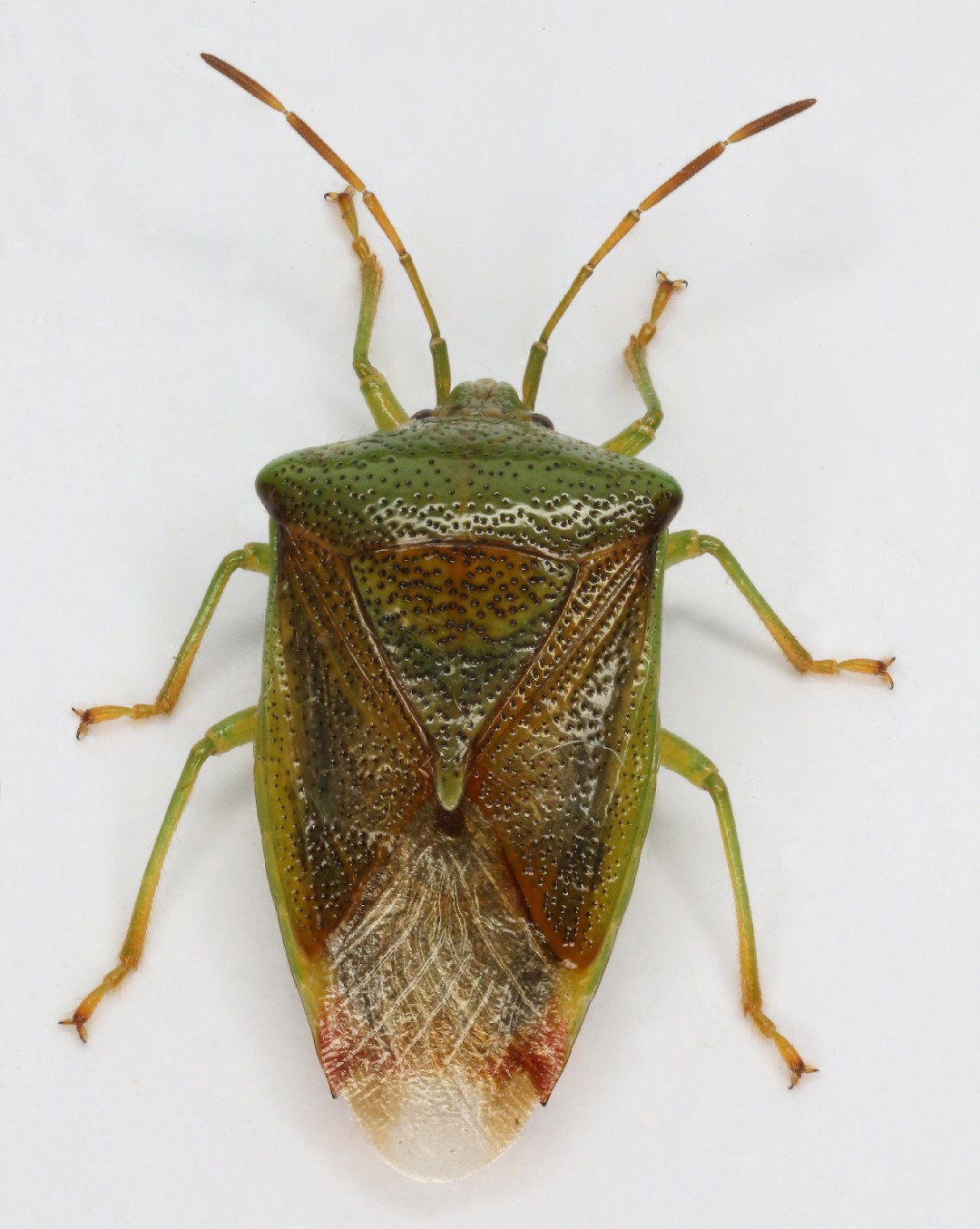
3. Birch shieldbug
The birch shieldbug (Elasmostethus interstinctus) is like other stink bugs in the fact that they produce a foul-smelling odor when threatened. When they aren't being stinky, you can take a moment to appreciate their x-shaped red markings. Their eggs are laid on the upper side of birch leaves, where their nymphs are able to feed.
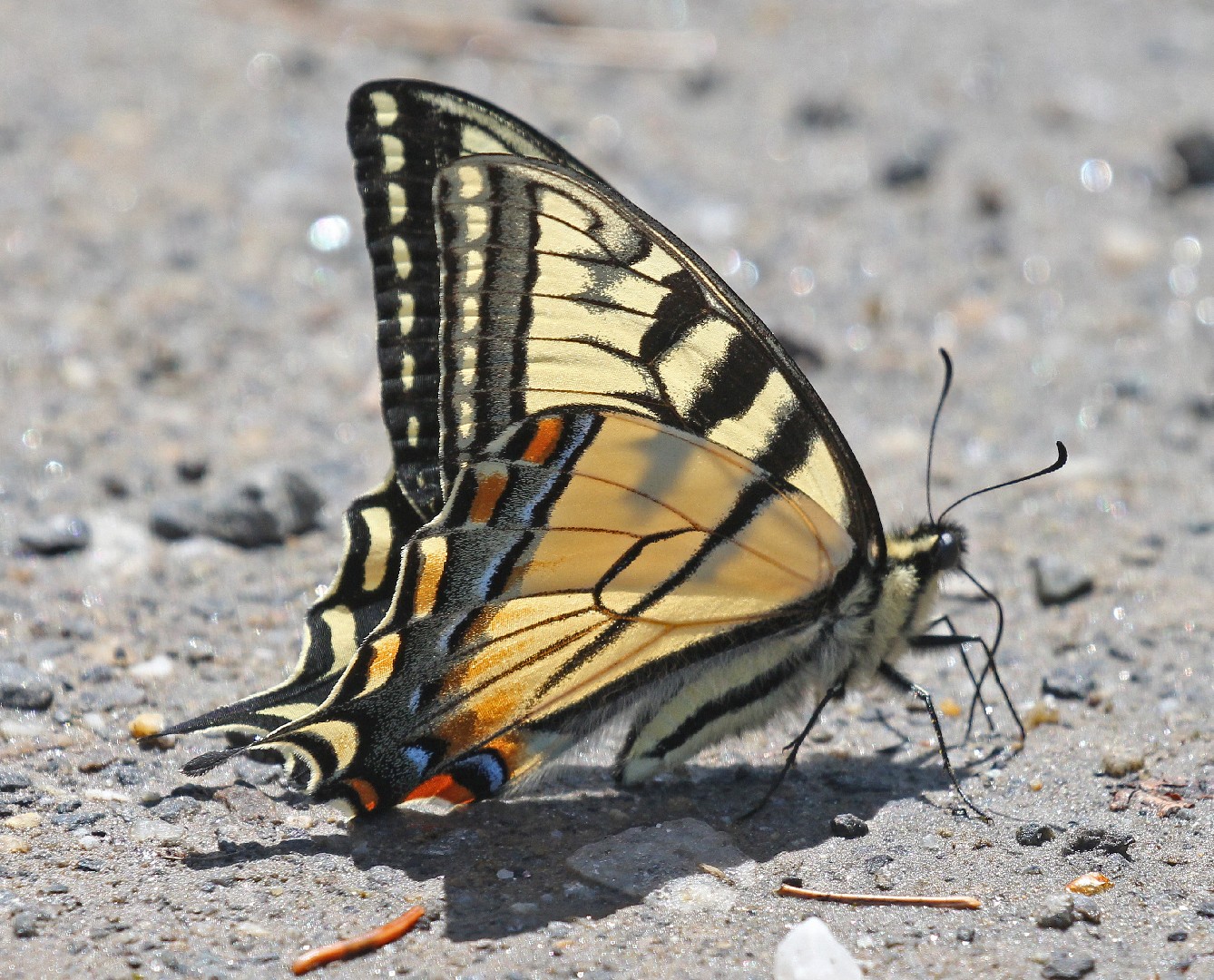
4. Canadian tiger swallowtail
The canadian tiger swallowtail (Papilio canadensis) is a beautiful insect that has earned its name by resembling tiger stripes. They are one of the most popular species when it comes to puddling, which involves butterflies splashing around in mud puddles in an attempt to get nutrients. When mothers lay their eggs, they will fold leave around them as a protective and edible shell, making them great parents.
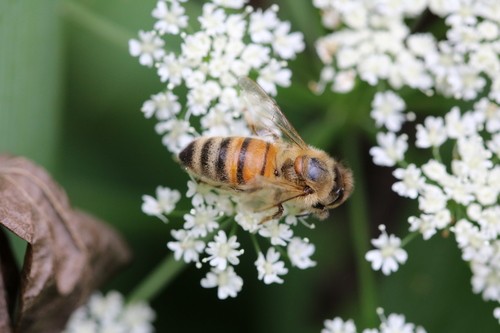
5. Western honey bee
Western honey bee(Apis mellifera) is the most common species of honeybee in the world. Among the first domesticated insects, its cultural and economic impact on humanity has been vast and far-reaching, providing honey, wax and its services as a pollinator. Western honey bee faces challenges worldwide, such as colony collapse disorder, and populations are thought to be decreasing.
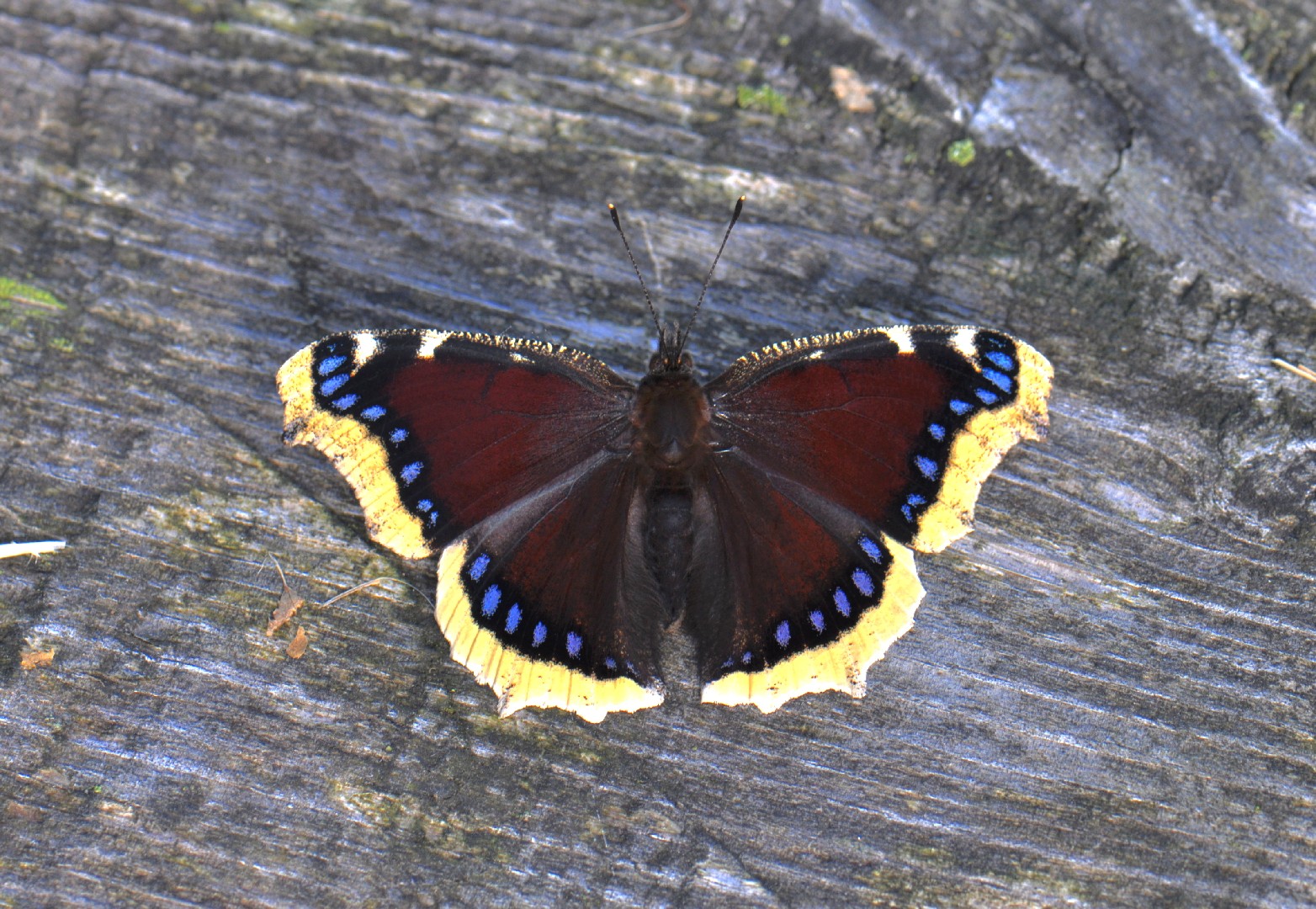
6. Mourning cloak
The state insect of Montana, mourning cloak (Nymphalis antiopa) owes its name to a visual comparison with a girl who, disliking mourning, allows a few inches of color to show from under her mourning garb. Among the longest-lived butterflies, individuals may persist for as long as eleven to twelve months. It is a powerful flier, with vagrants often found many miles from the usual migration paths.
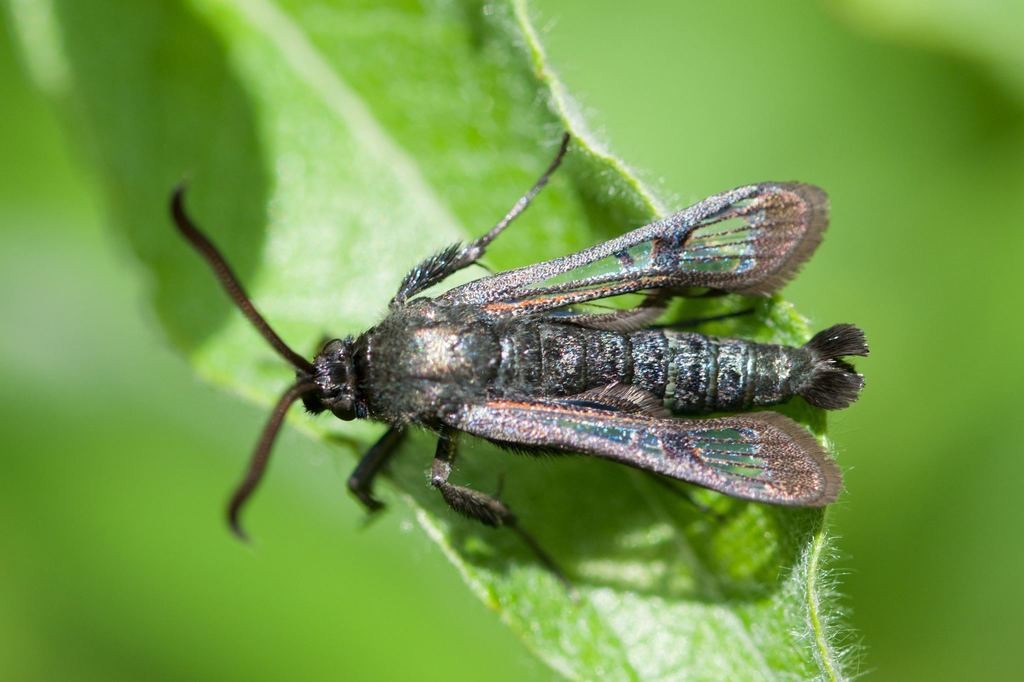
7. Fireweed clearwing moth
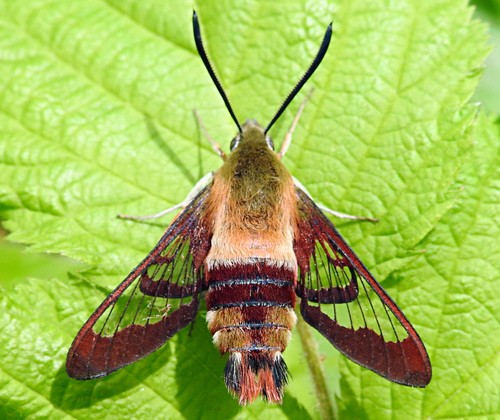
Albuna pyramidalis, the fireweed clearwing moth, is a species of clearwing moth in the family Sesiidae. The MONA or Hodges number for Albuna pyramidalis is 2533. 
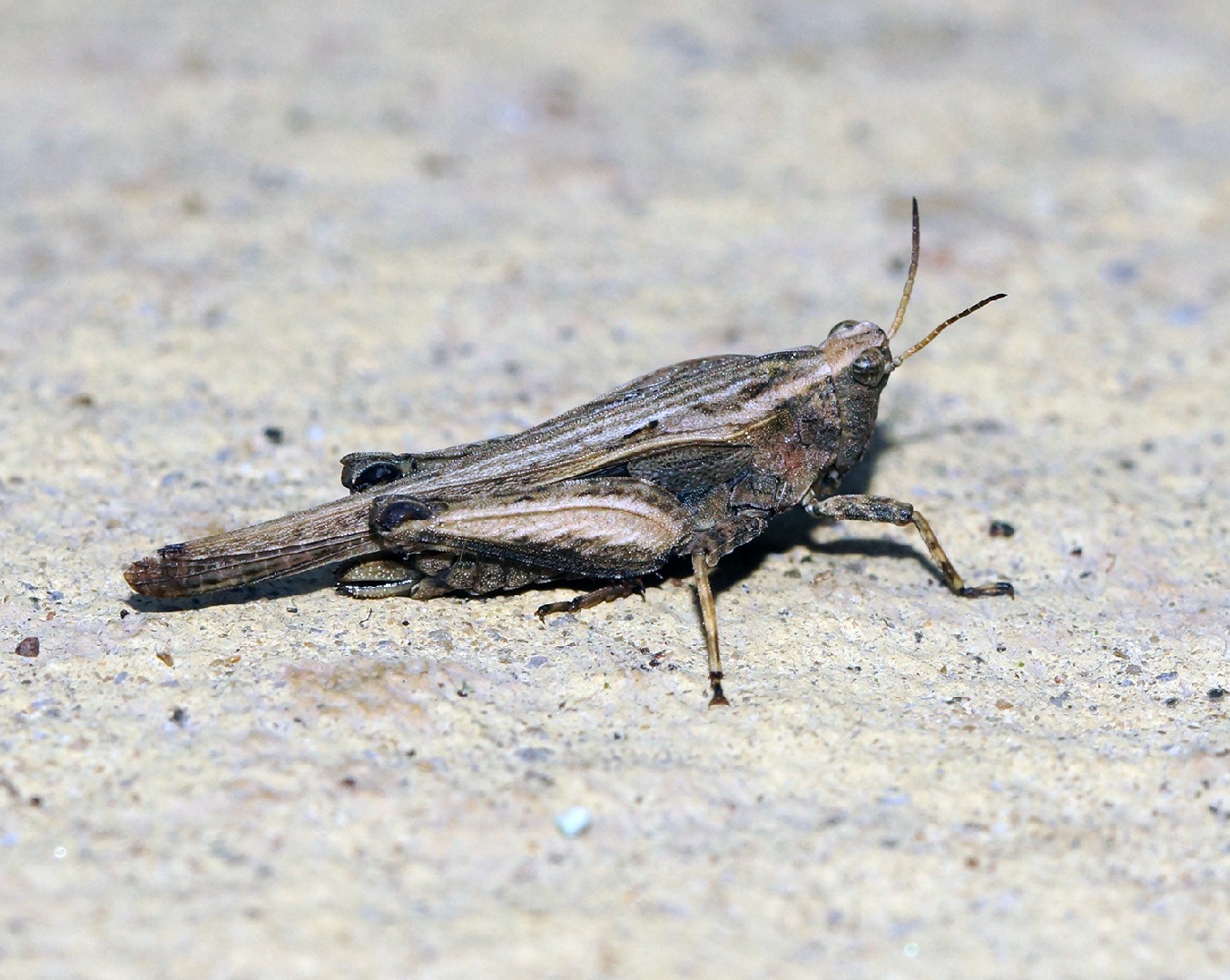
8. Slender ground hopper
The saber-spine-bug (Tetrix subulata) belongs to the family of spiny-throats (Tetrigidae) in the order of the short-term terrors (Caelifera).
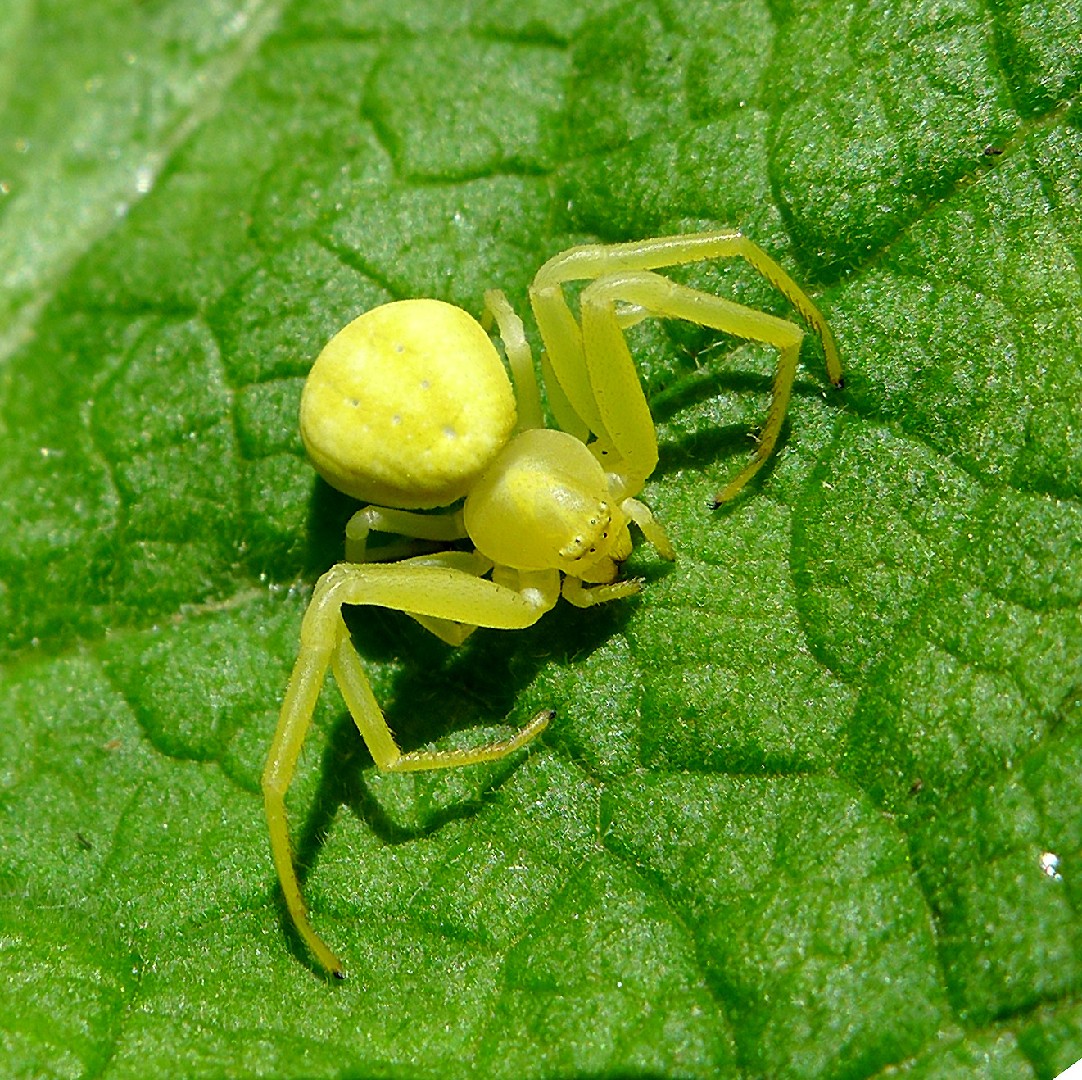
9. Goldenrod crab spider
Rather than for its coloring, goldenrod crab spider (Misumena vatia) is named for its tendency to hunt within sprays of goldenrod. This species is capable of catching and consuming prey several times larger than itself, such as dragonflies or grasshoppers. Loyal parents, the females will guard their eggs until they hatch and the tiny spiders disperse, after which the female will die.

10. Strawberry root weevil
More







