




Top 20 Most Common Insects in Apple Valley
Insects, the intricate crawling creatures with discernable wings and antenna, are an integral part of Apple Valley's ecosystem, filling various roles from pesky nuisances to vital pollinators. Their presence and diversity in Apple Valley are directly correlated with its environmental characteristics. In our forthcoming list, we'll explore the 20 most common insects within Apple Valley, unraveling their unique significance and functions.

Most Common Insects
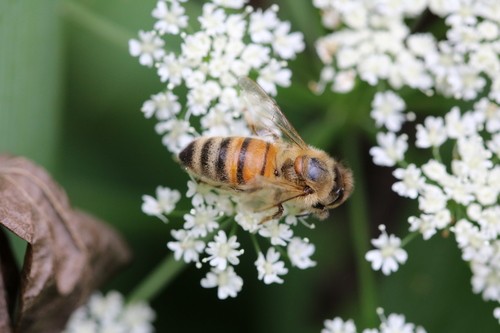
1. Western honey bee
Western honey bee(Apis mellifera) is the most common species of honeybee in the world. Among the first domesticated insects, its cultural and economic impact on humanity has been vast and far-reaching, providing honey, wax and its services as a pollinator. Western honey bee faces challenges worldwide, such as colony collapse disorder, and populations are thought to be decreasing.
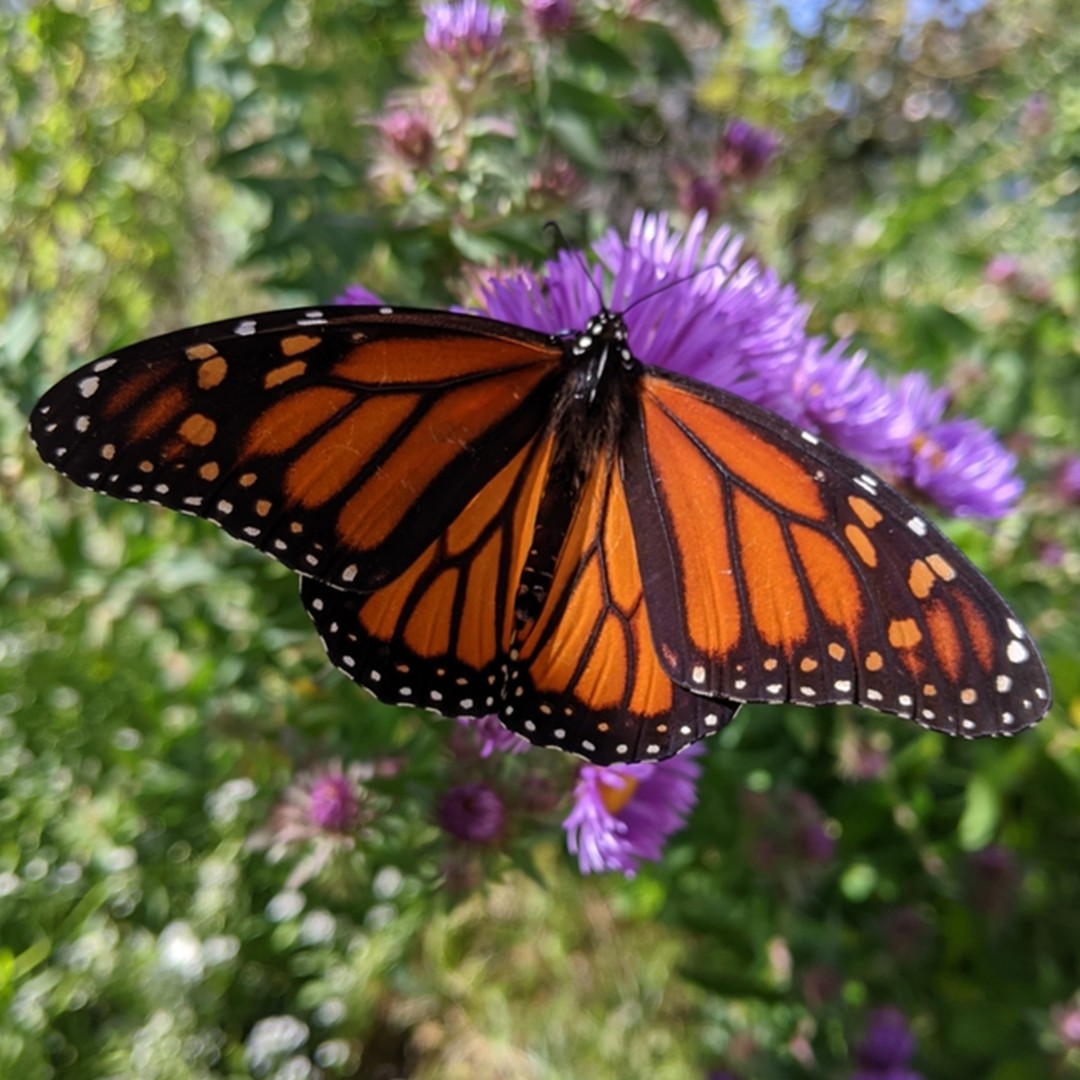
2. Monarch butterfly
The monarch butterfly (Danaus plexippus) is the most recognizable butterfly in North America. It is best known for its appearance, but should be better known for the fact that it has a 3000-mile migration that takes the butterfly 4 generations to complete. Their diet is also a natural deterrent for predators, as they eat milkweed, a poison that induces vomiting.
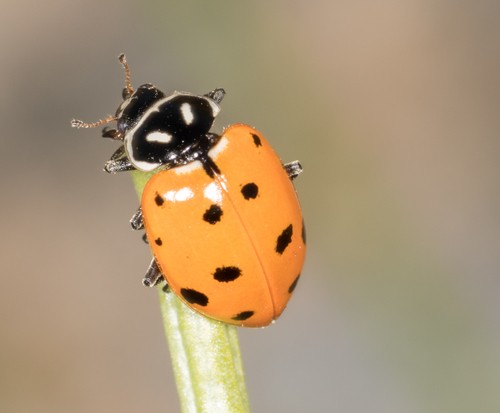
3. Convergent lady beetle
The convergent lady beetle (Hippodamia convergens) is one of the most common lady beetles in North America, which is a great thing given that it is a common biological control agent of aphids. They lay a good chunk of eggs over a couple of months. If you have ever seen a small, black alligator-like insect, you may have seen one of its larva.
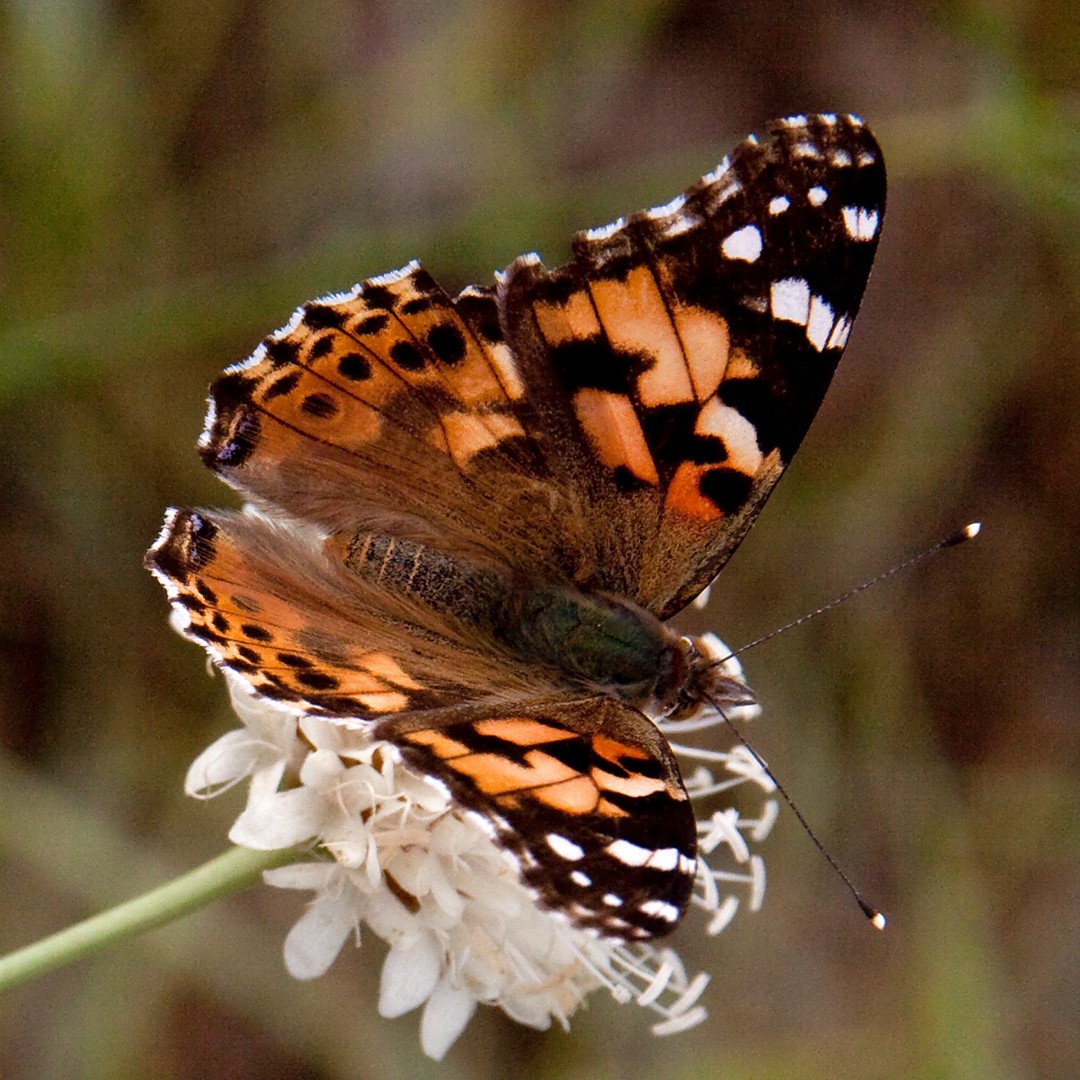
4. Painted lady
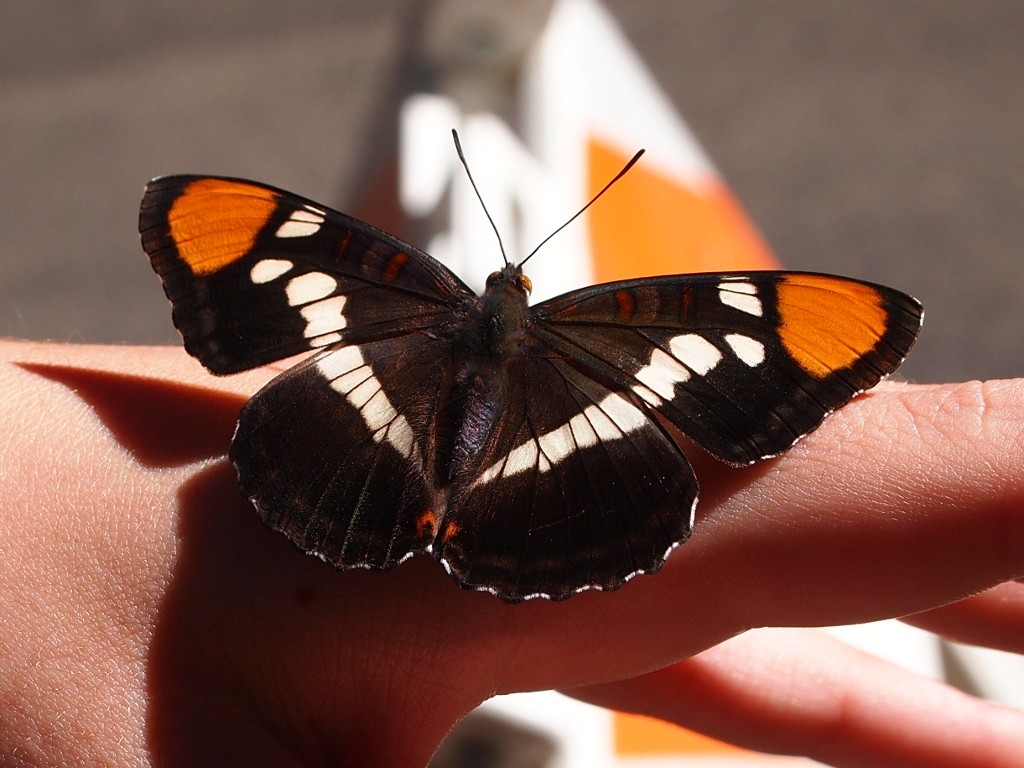
The painted lady is a migratory butterfly that spends part of the year in Northern Africa and then migrates to Europe during the warmer months. Although the adults feed on nectar from flowers, the larvae feed on the leaves of nettles and thistles.
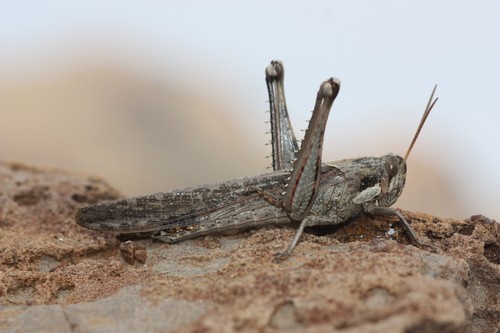
5. Gray bird grasshopper
The gray bird grasshopper (Schistocerca nitens) is a gray or brown grasshopper with jagged edges on its back legs. It can fly long distances, but it flies in a clumsy pattern low to the ground. It's often found among a variety of trees and shrubbery, and it will often fly in large groups toward lights during nighttime.
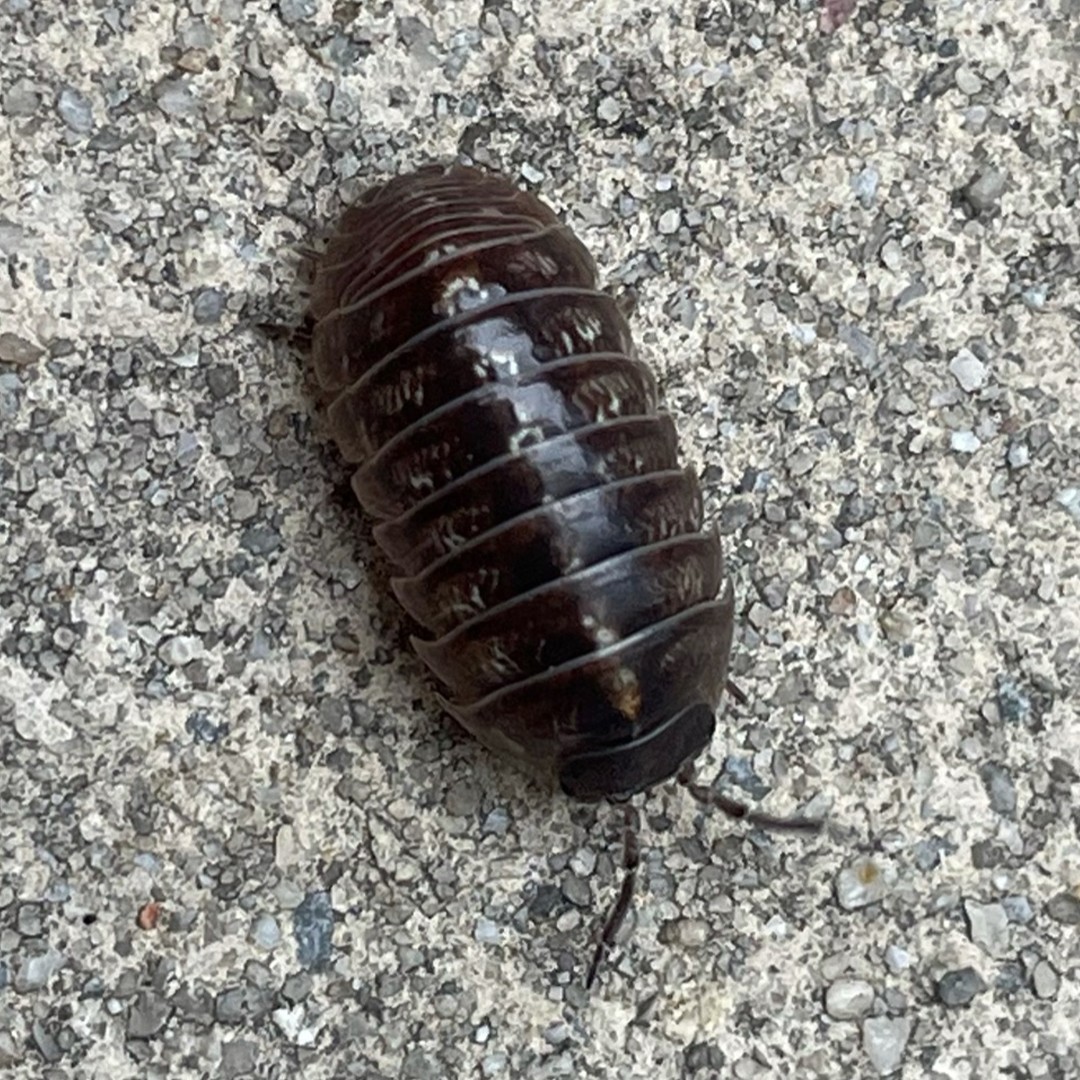
6. Common Pill-Bug
The common Pill-Bug is a nocturnal woodlouse species that's fairly popular among hobbyists and sometimes kept as a pet. When disturbed, this small bug rolls into a ball, resembling a pill or armadillo, hence both its Latin and common English names. Compared to other Armadillidium species, this one is able to withstand drought more than any other. 
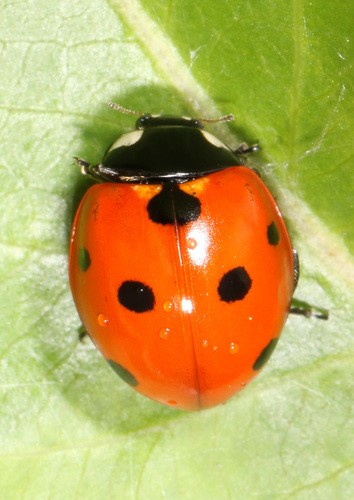
7. Seven-spotted ladybug
Seven-spotted ladybug (Coccinella septempunctata), known in North America as the "seven-spotted ladybug," is the most common species of ladybird in Europe and the official state insect of five U.S. states. While not native to North America, it has established itself there after being introduced to control aphid populations. Its bright coloring deters predators, and it may also play dead or secrete foul-smelling liquids to discourage consumption.

8. White-Lined Sphinx
The white-Lined Sphinx ( Hyles lineata) is a colorful furry moth with striped wings. It has a similar size of a hummingbird, and behaves like a hummingbird as well. It can fly extremely fast, and instantly swing from side to side while hovering just like a hummingbird. It feeds on nectar from a variety of flowers including petunia, honeysuckle, lilac, clovers, thistles, and jimson weed.

9. Multicolored asian ladybeetle
Often confused for the ladybug, multicolored asian ladybeetle (Harmonia axyridis) is a separate species that, unlike the ladybug, is a household pest. It is considered particularly annoying for its habit of returning to places from which it is removed. One of the most variable species in the world, there are many different colors and patterns multicolored asian ladybeetle may display, making identification potentially difficult.
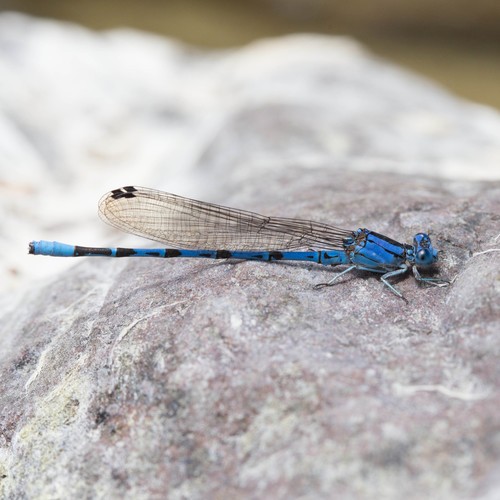
10. Vivid dancer
The scientific name of the species was first validly published in 1865 by Hagen in Selys.
More







