




Top 20 Most Common Insects in Barstow
Insects, with their distinct characteristics and adaptability, remarkably thrive in diverse habitats of Barstow. Their significance in our ecosystem is notably high - from being pests affecting urban spaces to beneficial insects supporting the natural balance. Take a peek at our curated list of the top 20 common insects in Barstow to explore this enthralling coexistence.

Most Common Insects
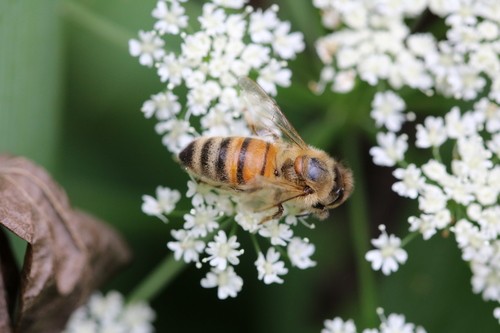
1. Western honey bee
Western honey bee(Apis mellifera) is the most common species of honeybee in the world. Among the first domesticated insects, its cultural and economic impact on humanity has been vast and far-reaching, providing honey, wax and its services as a pollinator. Western honey bee faces challenges worldwide, such as colony collapse disorder, and populations are thought to be decreasing.
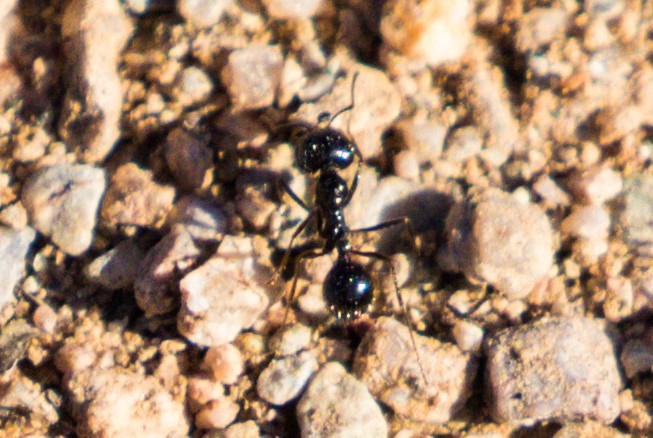
2. Messor pergandei
M. pergandei has a head of equal length and width, with very large mandibles. It has short white or yellow hair and a large thorax. Males typically measure about 8.5 mm (0.33 in) and females about 10 mm (0.39 in). However, individual size can vary based on factors such as availability of food and interspecific competition. The species is named after American myrmecologist Theodore Pergande. 

3. White-Lined Sphinx
The white-Lined Sphinx ( Hyles lineata) is a colorful furry moth with striped wings. It has a similar size of a hummingbird, and behaves like a hummingbird as well. It can fly extremely fast, and instantly swing from side to side while hovering just like a hummingbird. It feeds on nectar from a variety of flowers including petunia, honeysuckle, lilac, clovers, thistles, and jimson weed.
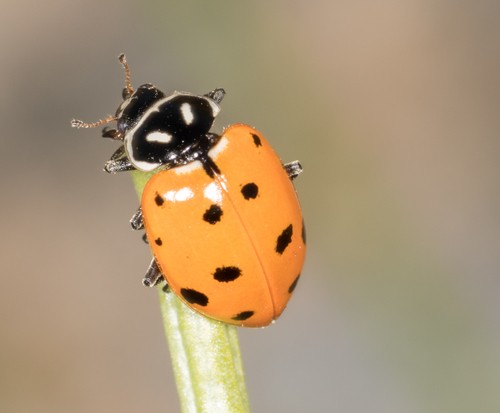
4. Convergent lady beetle
The convergent lady beetle (Hippodamia convergens) is one of the most common lady beetles in North America, which is a great thing given that it is a common biological control agent of aphids. They lay a good chunk of eggs over a couple of months. If you have ever seen a small, black alligator-like insect, you may have seen one of its larva.
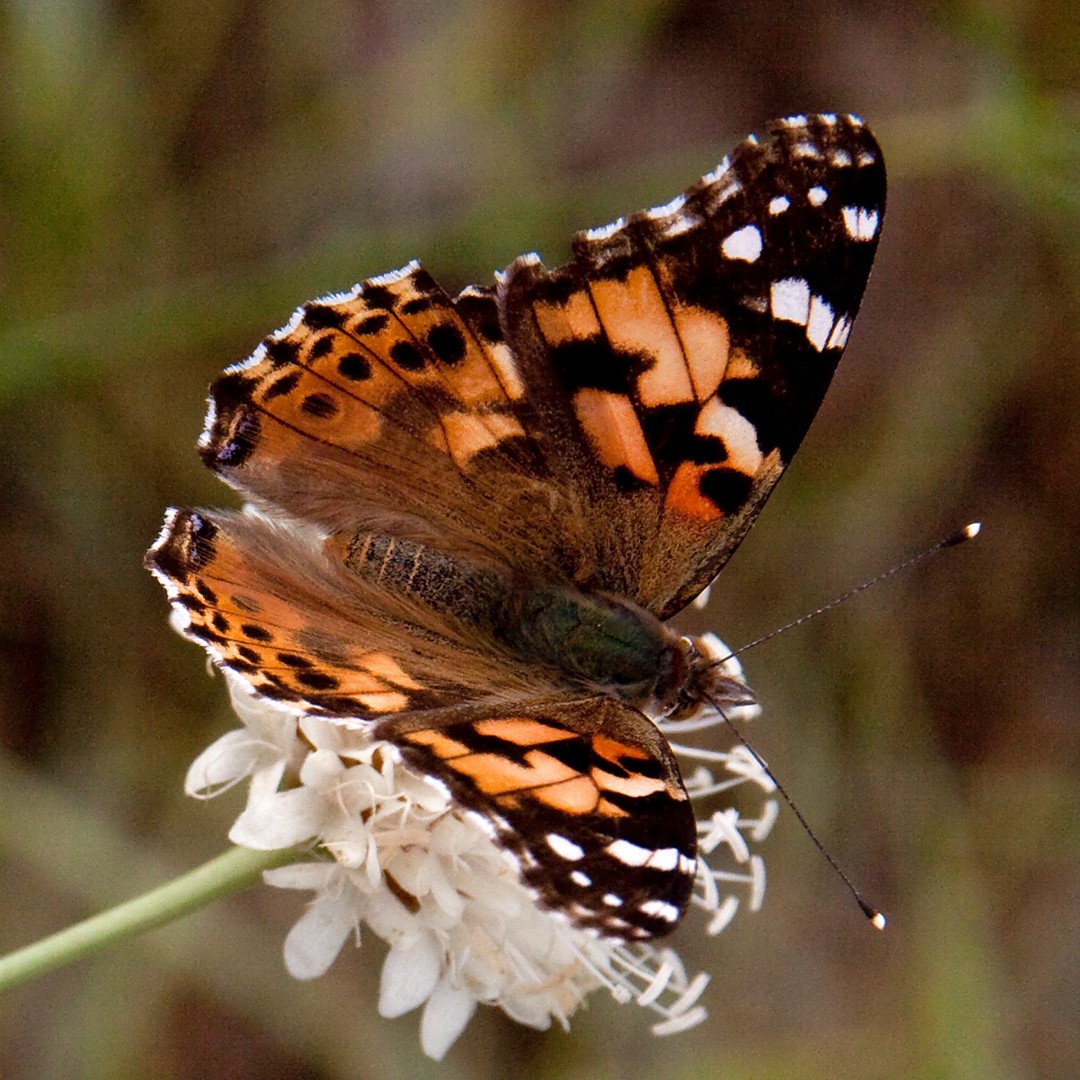
5. Painted lady
The painted lady is a migratory butterfly that spends part of the year in Northern Africa and then migrates to Europe during the warmer months. Although the adults feed on nectar from flowers, the larvae feed on the leaves of nettles and thistles.
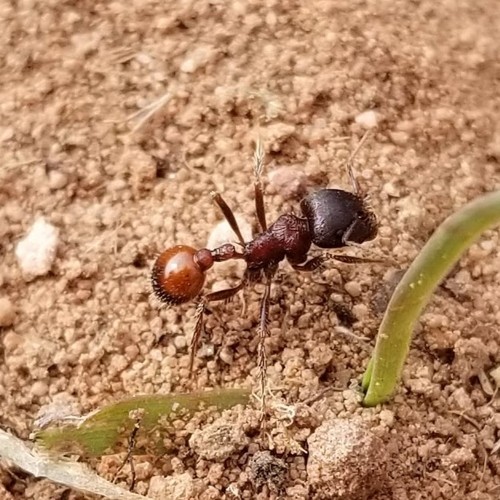
6. Rough harvester ant
The rough harvester ant (Pogonomyrmex rugosus) earns its name as a rugged survivalist with good instincts. They communicate by pheromones. During foraging, it is also able to establish permanent trails that other ants are able to follow. Their workers are also the target of enslavement by other ants when they need to raise the next generation.
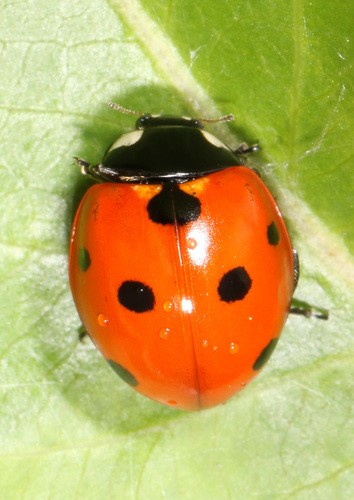
7. Seven-spotted ladybug
Seven-spotted ladybug (Coccinella septempunctata), known in North America as the "seven-spotted ladybug," is the most common species of ladybird in Europe and the official state insect of five U.S. states. While not native to North America, it has established itself there after being introduced to control aphid populations. Its bright coloring deters predators, and it may also play dead or secrete foul-smelling liquids to discourage consumption.
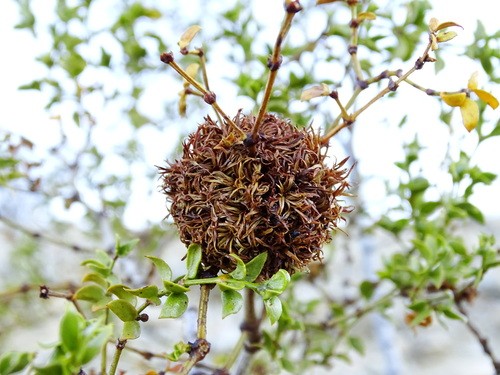
8. Creosote gall midge
Asphondylia auripila is a mosquito species from the family of the gall mosquitoes (Cecidomyiidae). The scientific name of the species was first validly published in 1907 by Felt.
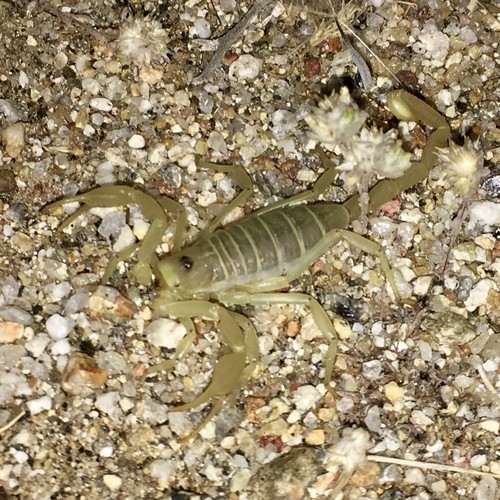
9. Dune scorpion
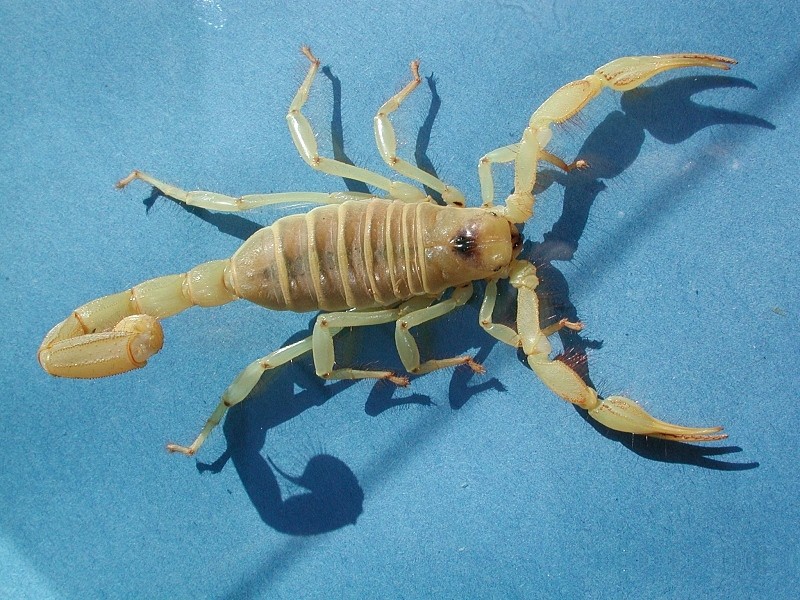
The dune scorpion is approximately 7 cm in length and 2.0 g in mass. Females of this species are typically larger than males.
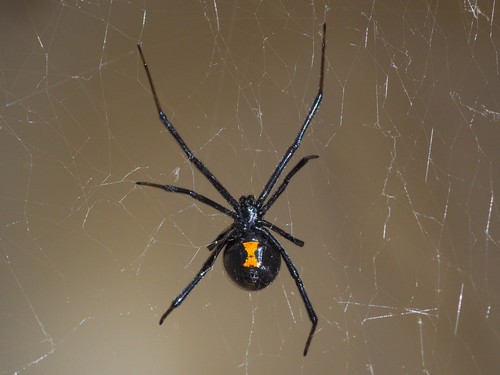
10. Western black widow
The western black widow (Latrodectus hesperus) is one of the few spider species that can harm humans. Pain from a bite can last up to twelve hours, but they do not bite unless provoked. The western black widow is also known for "sexual cannibalism." The female tend to eat the males after mating.

More







