




Top 20 Most Common Insects in Blythe
Insects are a vibrant part of Blythe's ecosystem, each uniquely adapted to their urban terrain. Love them or loathe them, these tiny creatures serve pivotal roles, from pest control to pollination. Our 'Top 20 most common insects in Blythe' guide will offer a fascinating insight into these city dwellers, weaving the intricate tapestry of their coexistence with us in Blythe.

Most Common Insects

1. Southern House Mosquito
The southern House Mosquito is the common pest of the tropical and subtropical world and has spread worldwide from old sailing ships. This nuisance biter makes a meal out of all types of birds and mammals (humans included) and is the main spreader of the disabling disease lymphatic filariasis. The southern House Mosquito has caused massive losses in terms of health and economic damage because of its disease-ridden bites.
2. Western honey bee
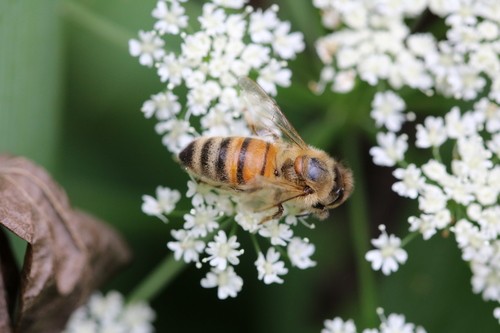
Western honey bee(Apis mellifera) is the most common species of honeybee in the world. Among the first domesticated insects, its cultural and economic impact on humanity has been vast and far-reaching, providing honey, wax and its services as a pollinator. Western honey bee faces challenges worldwide, such as colony collapse disorder, and populations are thought to be decreasing.
3. Western encephalitis mosquito
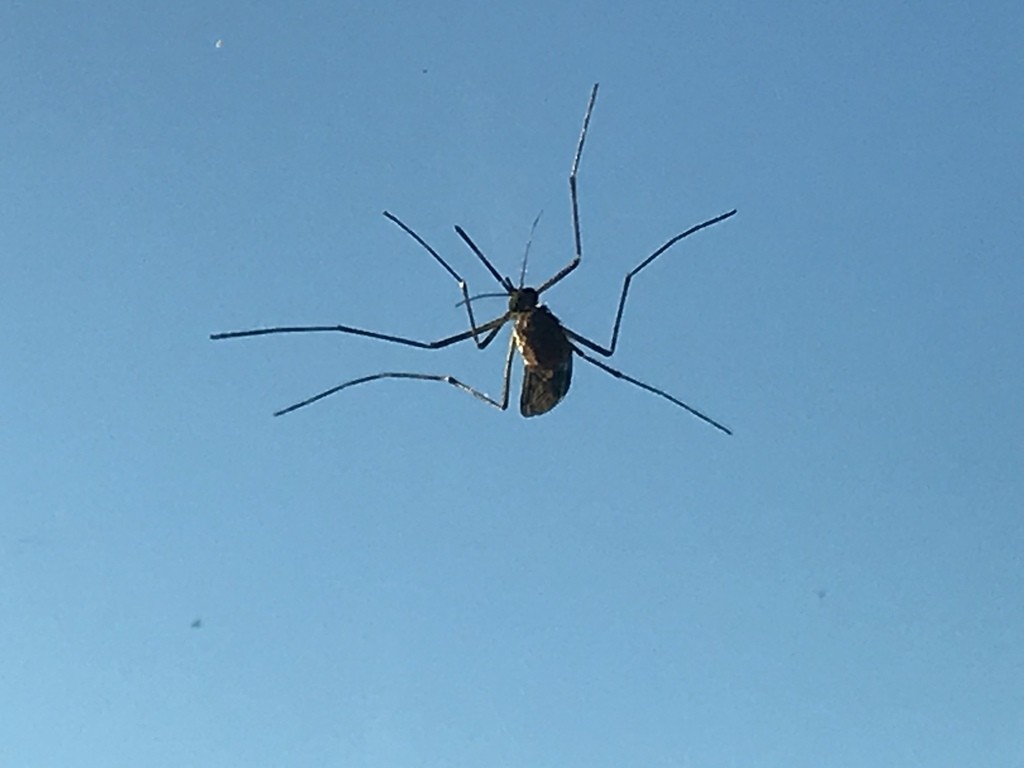
Depending on the species, the adult Culex mosquito may measure from 4–10 mm (0.2–0.4 in). The adult morphology is typical of flies in the suborder Nematocera with the head, thorax, and abdomen clearly defined and the two forewings held horizontally over the abdomen when at rest. As in all Diptera capable of flight, the second pair of wings is reduced and modified into tiny, inconspicuous halteres. Formal identification is important in mosquito control, but it is demanding and requires careful measurements of bodily proportions and noting the presence or absence of various bristles or other bodily features. In the field, informal identification is more often important, and the first question as a rule is whether the mosquito is anopheline or culicine. Given a specimen in good condition, one of the first things to notice is the length of the maxillary palps. Especially in the female, palps as long as the proboscis are characteristic of anopheline mosquitoes. Culicine females have short palps. Anopheline mosquitoes tend to have dappled or spotted wings, while culicine wings tend to be clear. Anopheline mosquitoes tend to sit with their heads low and their rear ends raised high, especially when feeding, while culicine females keep their bodies horizontal. Anopheline larvae tend to float horizontal at the surface of the water when not in motion, whereas culicine larvae float with head low and only the siphon at the tail held at the surface. 
4. Tule mosquito
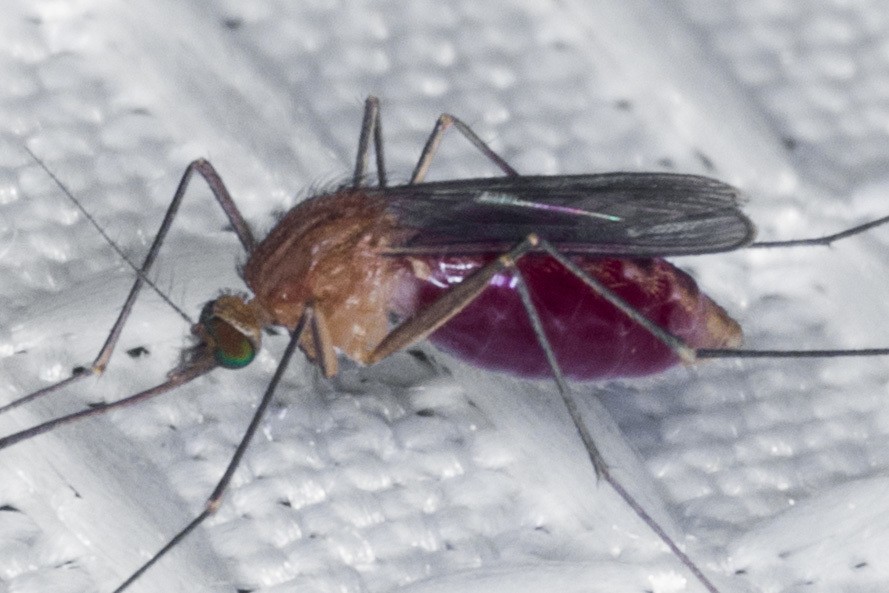
Culex erythrothorax is a mosquito species that appears in Southern California. It is also known as the Tule Mosquito, due to its preference for breeding in tule plants. The species has a brownish-orange color. It is a confirmed vector of West Nile virus.

5. White-Lined Sphinx
The white-Lined Sphinx ( Hyles lineata) is a colorful furry moth with striped wings. It has a similar size of a hummingbird, and behaves like a hummingbird as well. It can fly extremely fast, and instantly swing from side to side while hovering just like a hummingbird. It feeds on nectar from a variety of flowers including petunia, honeysuckle, lilac, clovers, thistles, and jimson weed.
6. Painted lady
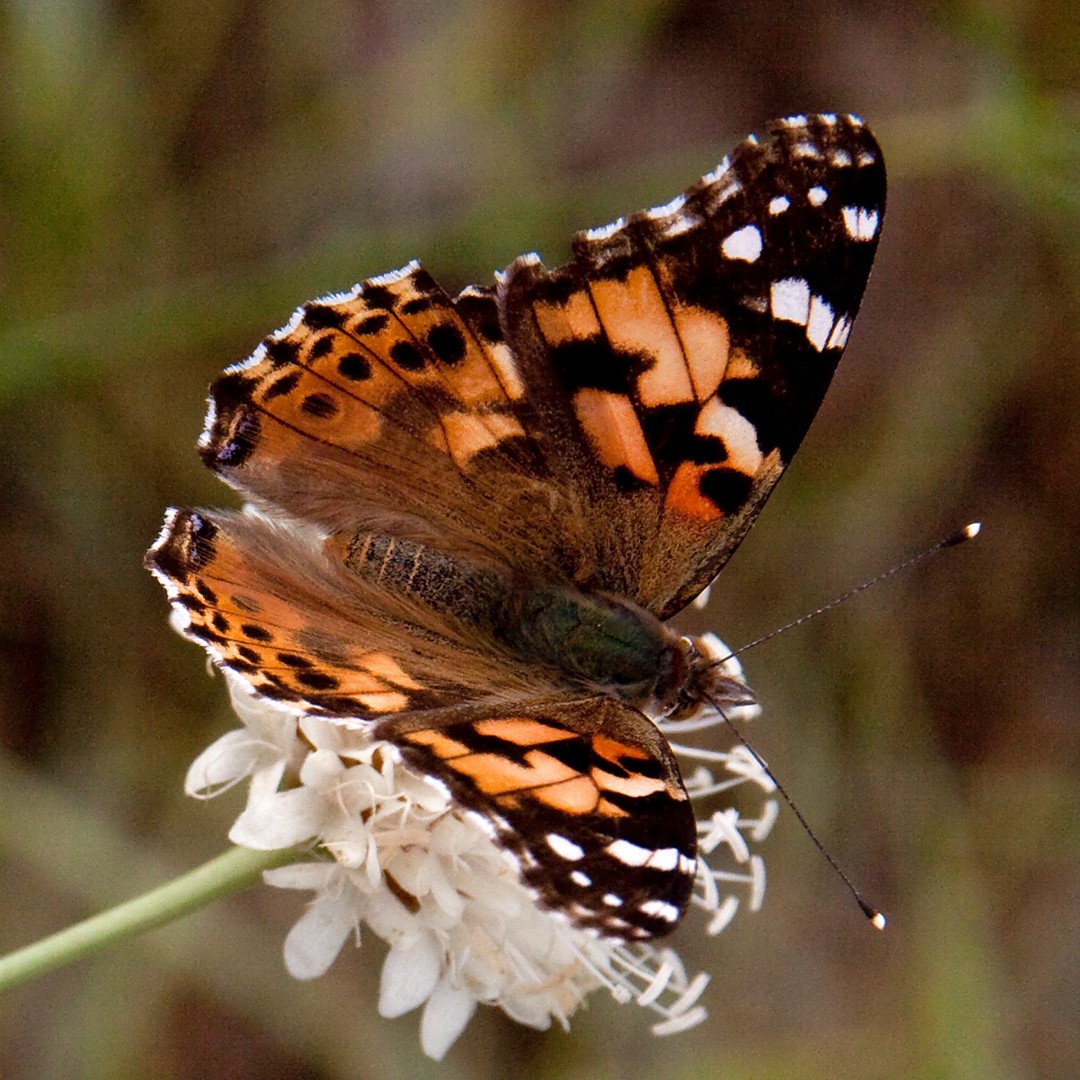
The painted lady is a migratory butterfly that spends part of the year in Northern Africa and then migrates to Europe during the warmer months. Although the adults feed on nectar from flowers, the larvae feed on the leaves of nettles and thistles.
7. Monarch butterfly
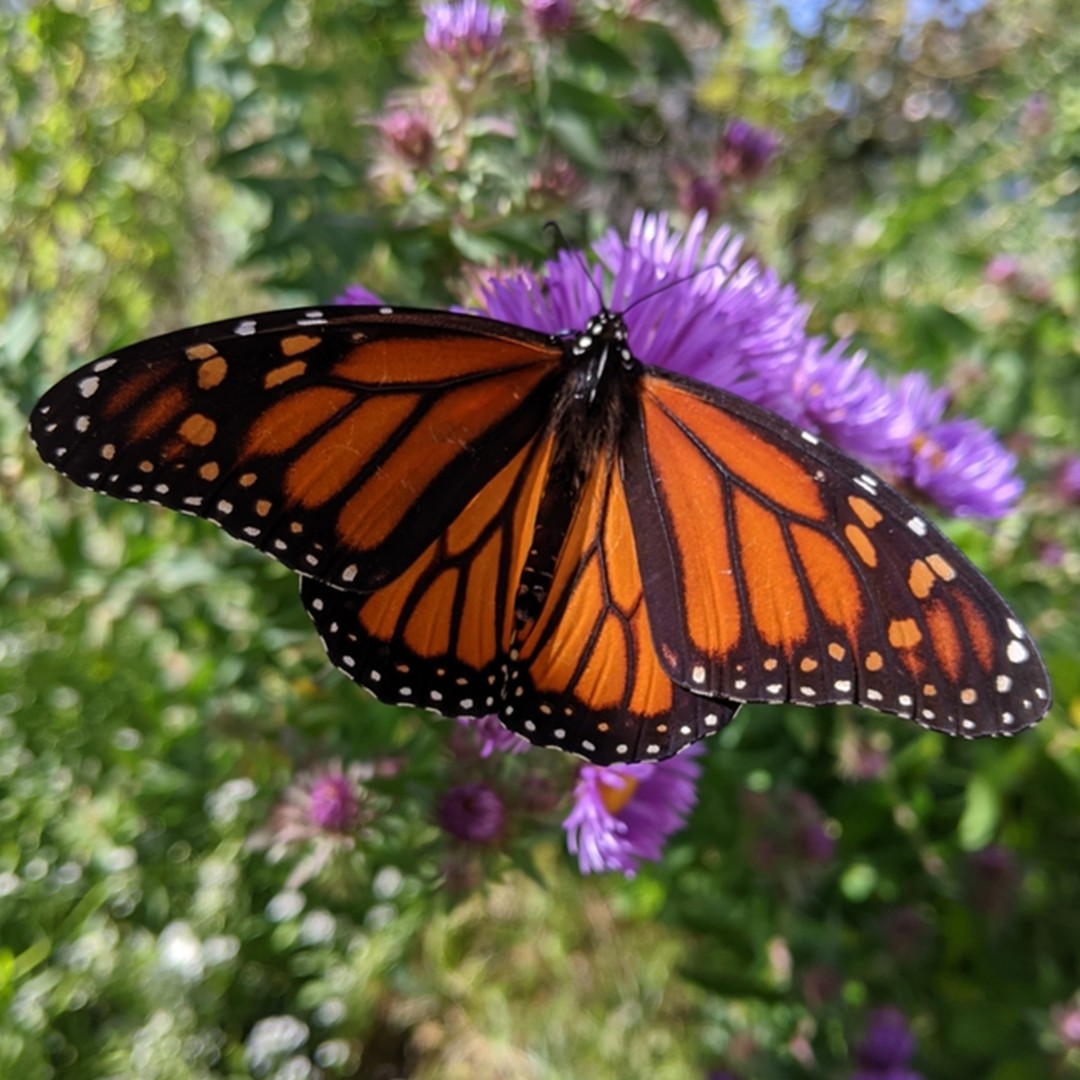
The monarch butterfly (Danaus plexippus) is the most recognizable butterfly in North America. It is best known for its appearance, but should be better known for the fact that it has a 3000-mile migration that takes the butterfly 4 generations to complete. Their diet is also a natural deterrent for predators, as they eat milkweed, a poison that induces vomiting.
8. Queen
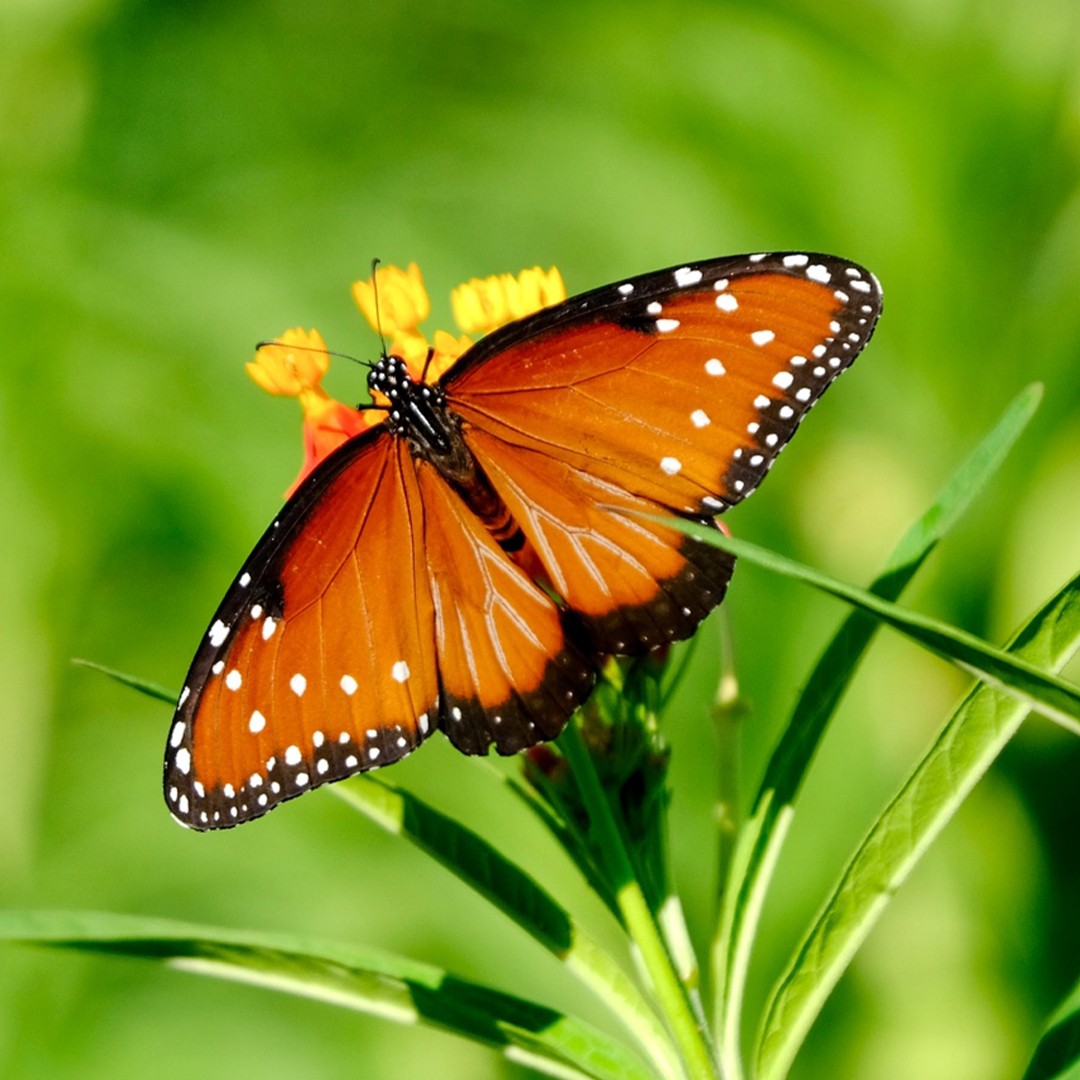
The queen butterfly (Danaus gilippus) is a North and South American butterfly in the family Nymphalidae with a wingspan of 70–88 mm (2.8–3.5 in). It is orange or brown with black wing borders and small white forewing spots on its dorsal wing surface, and reddish ventral wing surface fairly similar to the dorsal surface. The ventral hindwings have black veins and small white spots in a black border. The male has a black androconial scent patch on its dorsal hindwings. It is found throughout the tropics and into the temperate regions of the Americas, Asia and Africa. It can be found in meadows, fields, marshes, deserts, and at the edges of forests. This species is possibly a close relative to the similarly colored soldier butterfly (or tropic queen; Danaus eresimus); in any case, it is not close to the plain tiger (Danaus chrysippus) as was long believed. There are seven subspecies. Females lay one egg at a time on larval host plants. Larvae use these plants as a food source, whereas adult butterflies feed mainly on nectar from flowers. Unpalatability to avian predators is a feature of the butterfly; however, its level is highly variable. Unpalatability is correlated with the level of cardenolides obtained via the larval diet, but other compounds like alkaloids also play a part in promoting distastefulness. Males patrol to search for females, who may mate up to 15 times a day. Male organs called hair-pencils play an important role in courtship, with males with lower hair-pencil levels being selected against. These hair-pencils may be involved in releasing pheromones during courtship that could attract female mates.
9. Cold weather mosquito
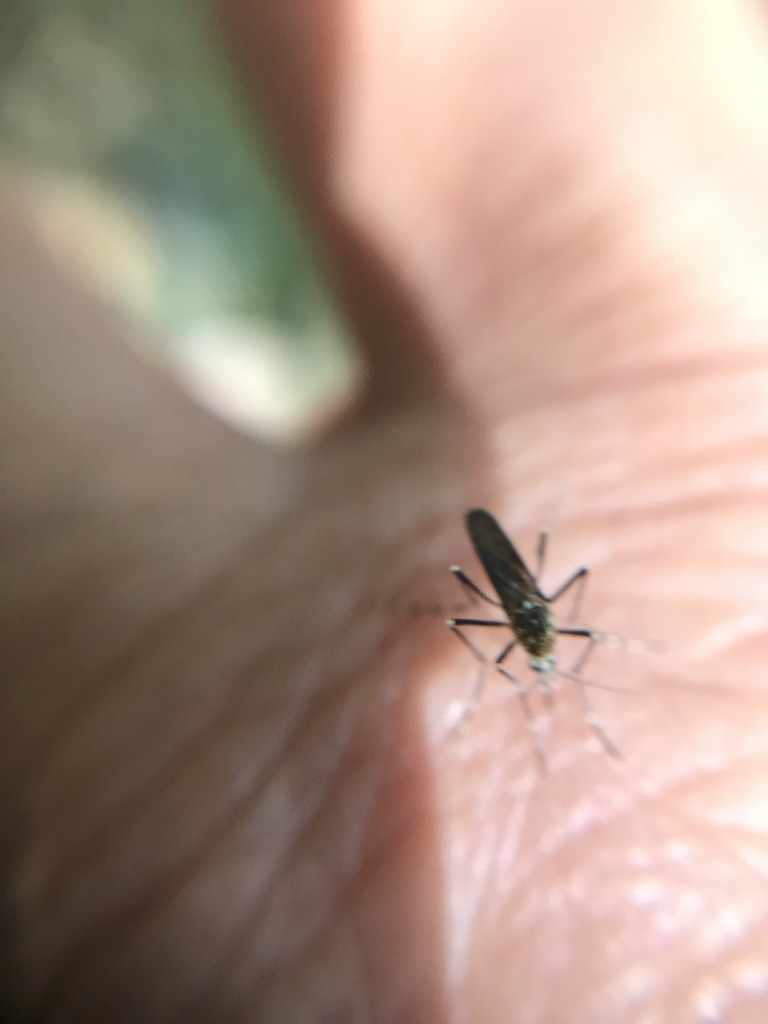
Culiseta incidens, the cool weather mosquito, is a species of mosquito in the family Culicidae.
10. Messor pergandei
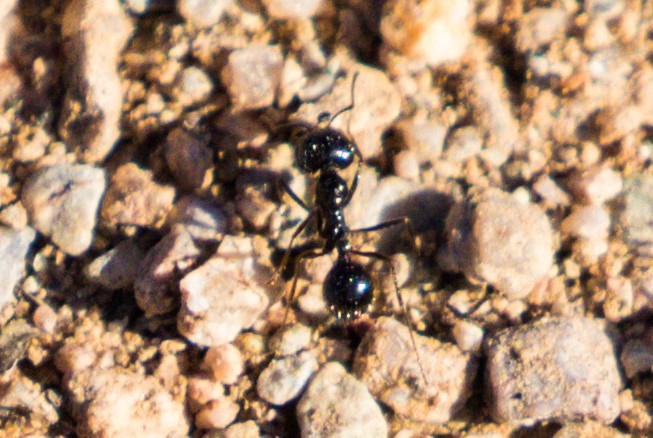
M. pergandei has a head of equal length and width, with very large mandibles. It has short white or yellow hair and a large thorax. Males typically measure about 8.5 mm (0.33 in) and females about 10 mm (0.39 in). However, individual size can vary based on factors such as availability of food and interspecific competition. The species is named after American myrmecologist Theodore Pergande.
More







