




Top 20 Most Common Insects in Half Moon Bay
Insects - a fascinating, diverse group with unique characteristics - play integral roles within our ecosystems. In Half Moon Bay, these invertebrates significantly contribute to our abundant, thriving landscapes. Their contributions range from pest control, pollination to serving as food for other species. Our list of top 20 most common insects provides a glimpse into Half Moon Bay's complex ecological tapestry, showcasing the delicate balance between us and the smallest fellow inhabitants of our city.

Most Common Insects
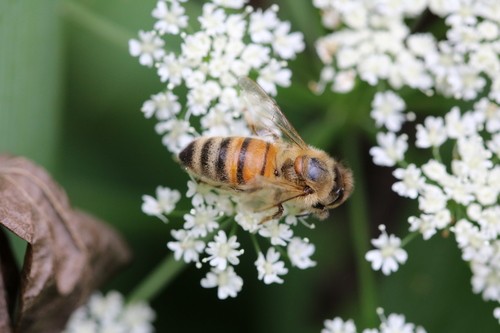
1. Western honey bee
Western honey bee(Apis mellifera) is the most common species of honeybee in the world. Among the first domesticated insects, its cultural and economic impact on humanity has been vast and far-reaching, providing honey, wax and its services as a pollinator. Western honey bee faces challenges worldwide, such as colony collapse disorder, and populations are thought to be decreasing.
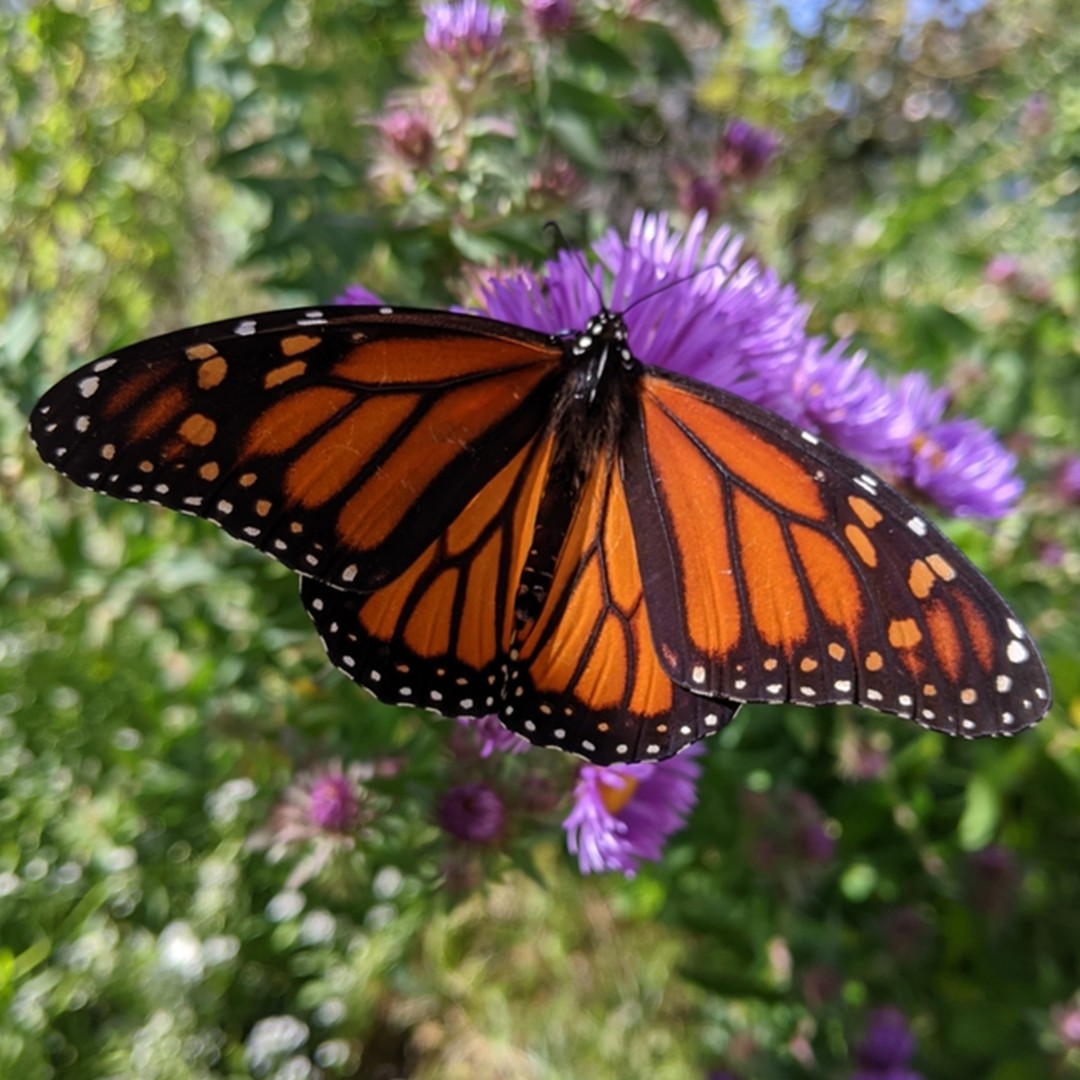
2. Monarch butterfly
The monarch butterfly (Danaus plexippus) is the most recognizable butterfly in North America. It is best known for its appearance, but should be better known for the fact that it has a 3000-mile migration that takes the butterfly 4 generations to complete. Their diet is also a natural deterrent for predators, as they eat milkweed, a poison that induces vomiting.
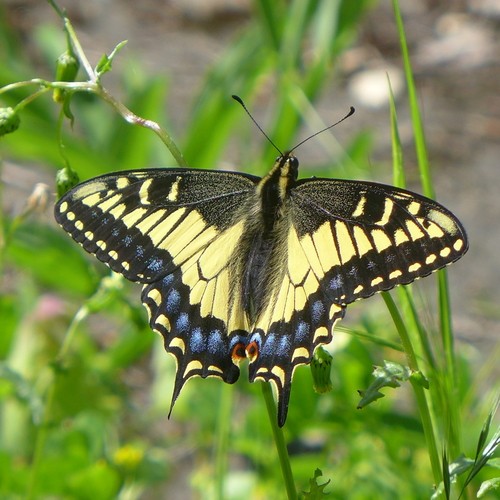
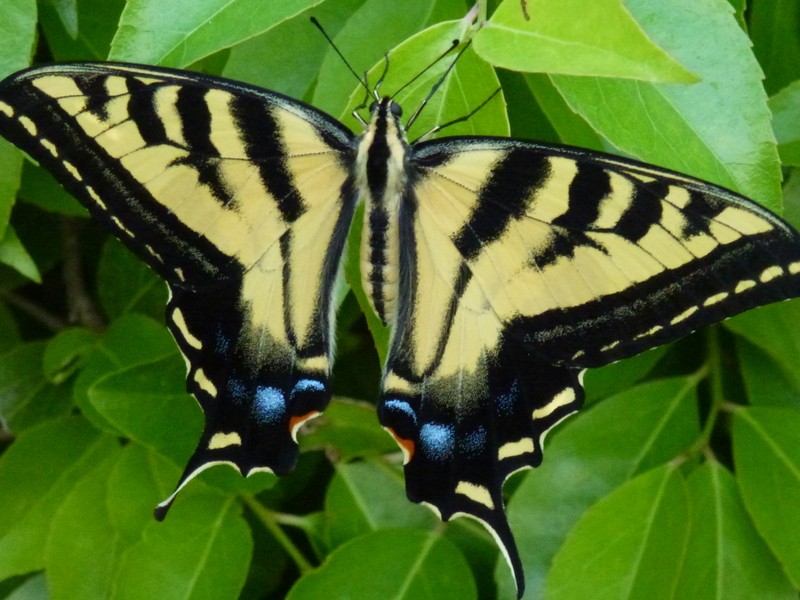
3. Anise swallowtail
The anise swallowtail (Papilio zelicaon) is often confused with the Tiger swallowtail. They are differentiated by being smaller in size and lacking the stripping patterns. They like flat plains or hills and are often seen hanging around the vacant lots of towns.
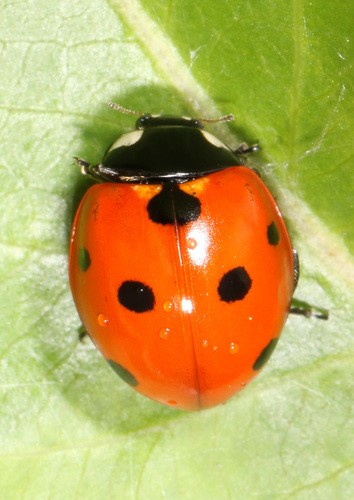
4. Seven-spotted ladybug
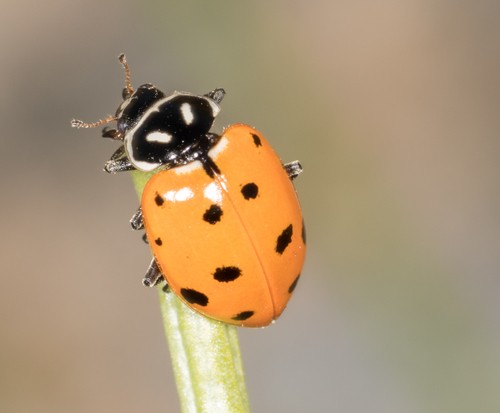
Seven-spotted ladybug (Coccinella septempunctata), known in North America as the "seven-spotted ladybug," is the most common species of ladybird in Europe and the official state insect of five U.S. states. While not native to North America, it has established itself there after being introduced to control aphid populations. Its bright coloring deters predators, and it may also play dead or secrete foul-smelling liquids to discourage consumption.
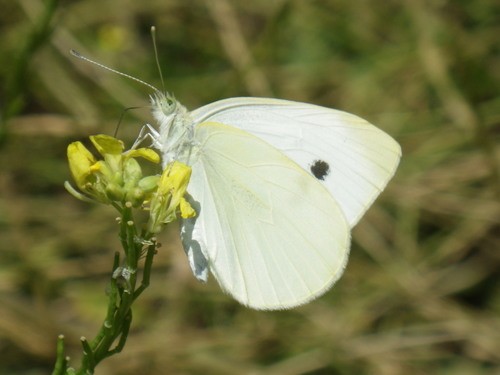
5. Cabbage white
Cabbage white (Pieris rapae) derives its common name from its habits as a caterpillar, which is a ferocious pest for cabbage, kale and broccoli farmers. In North America, it is one of the first butterflies to emerge in spring, heralding the beginning of the season.
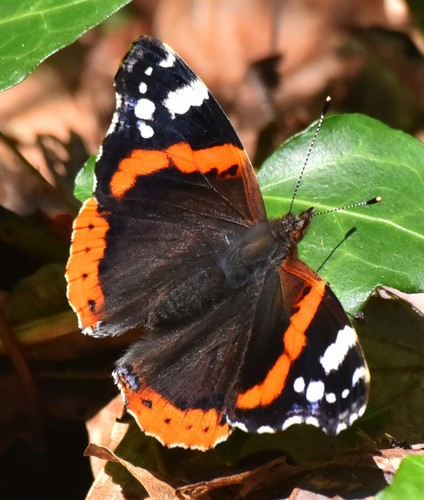
6. Red admiral
Red admiral (Vanessa atalanta) is a visually striking species of butterfly. Unusually territorial, males will compete for choice areas, and females will only mate with males that maintain their own territories. This butterfly is known for being particularly patient with human interactions, even to the point of perching on clothing or flesh.
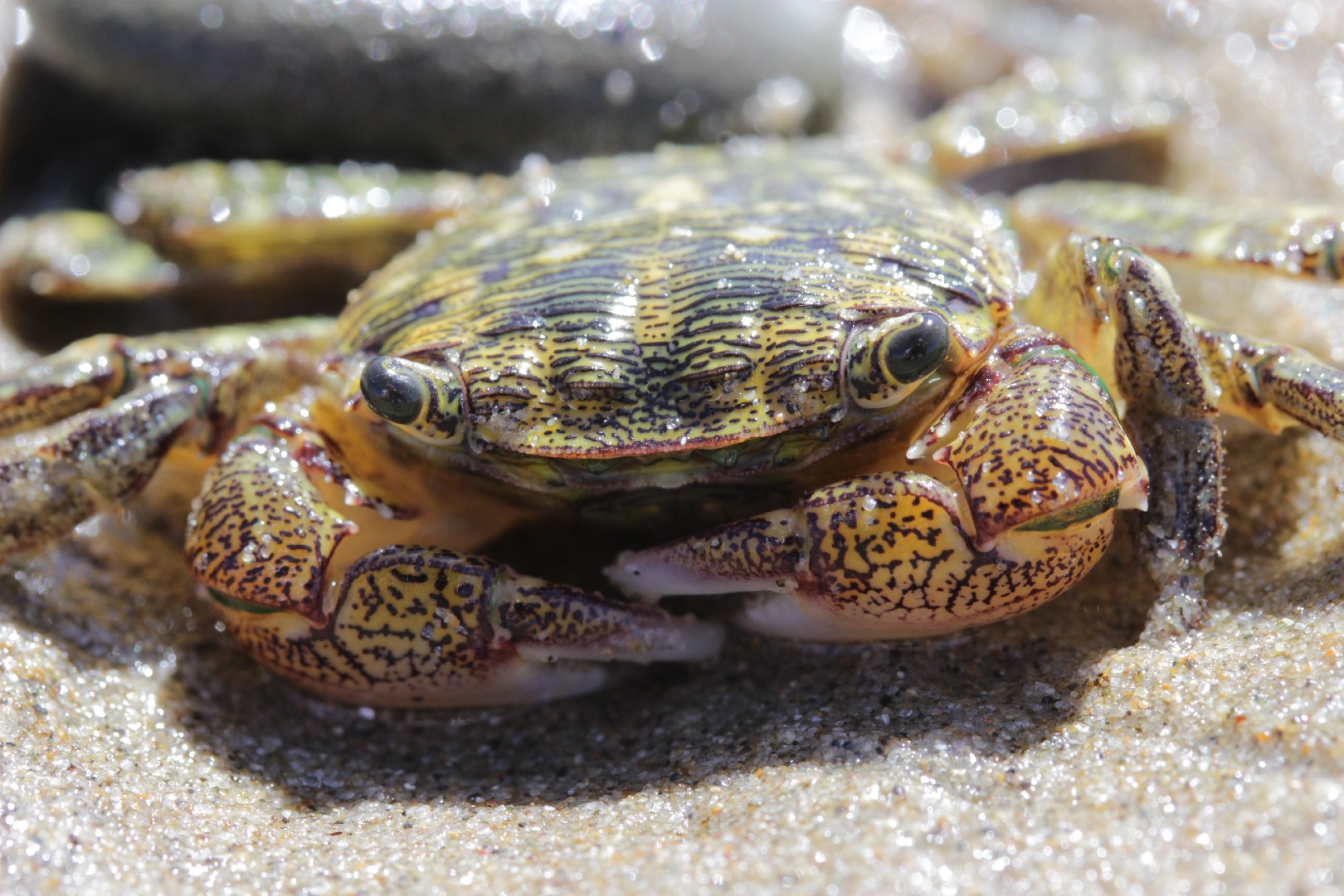
7. The striped shore crab
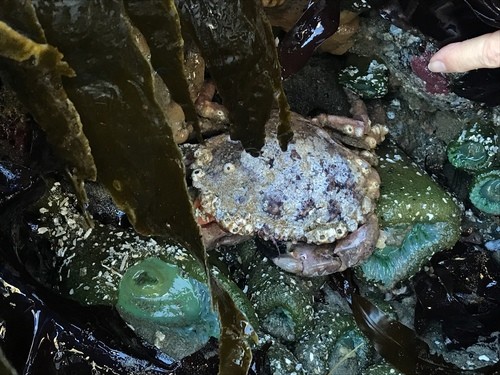
The striped shore crab spends half of its time out of the water, usually hiding in small cracks among rocks. It is well adapted to semi-terrestrial life and said to be able to thrive on land for up to 70 hours. When night falls and its predators are not active, the the striped shore crab emerges out from rock cervices, seeking food.
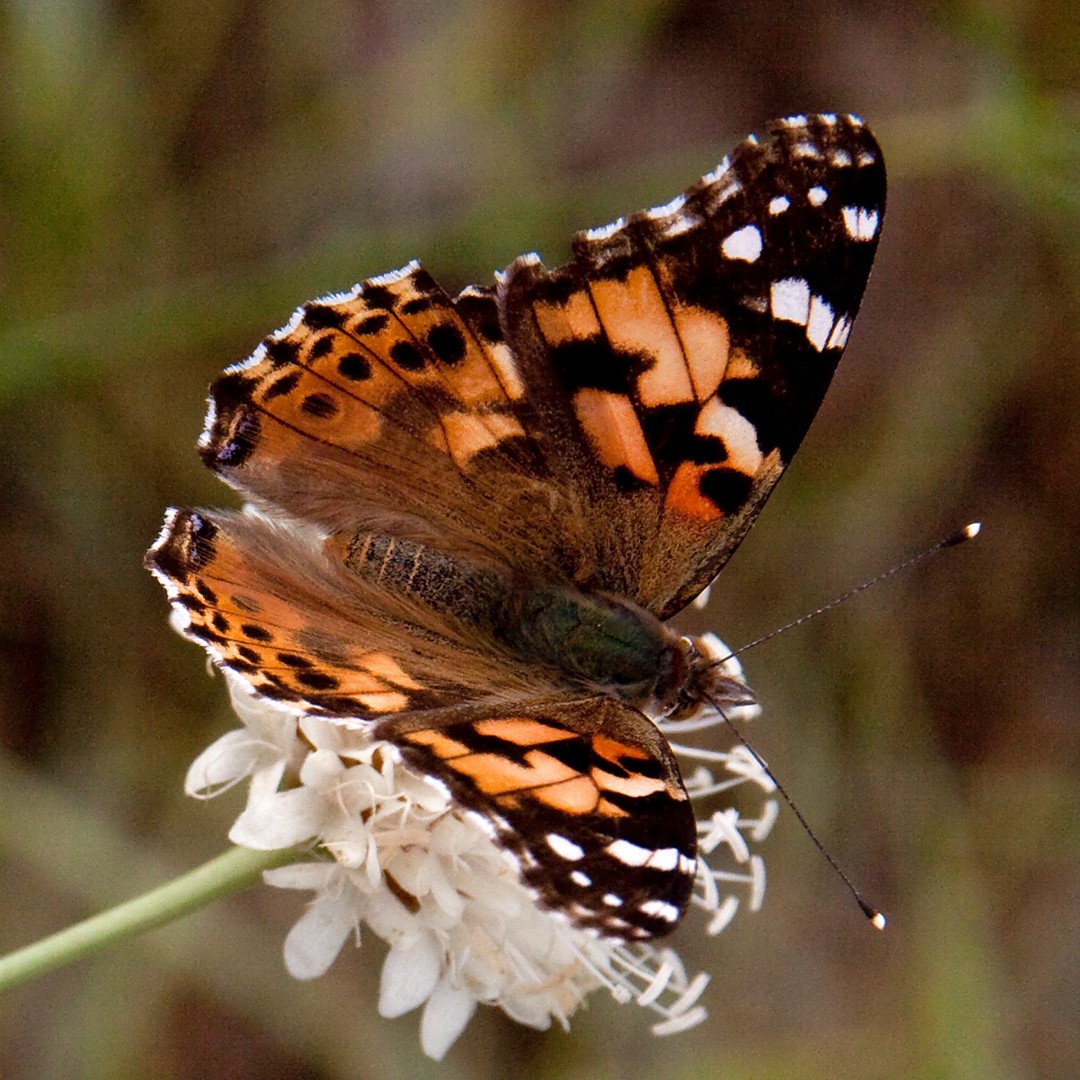
8. Painted lady
The painted lady is a migratory butterfly that spends part of the year in Northern Africa and then migrates to Europe during the warmer months. Although the adults feed on nectar from flowers, the larvae feed on the leaves of nettles and thistles.
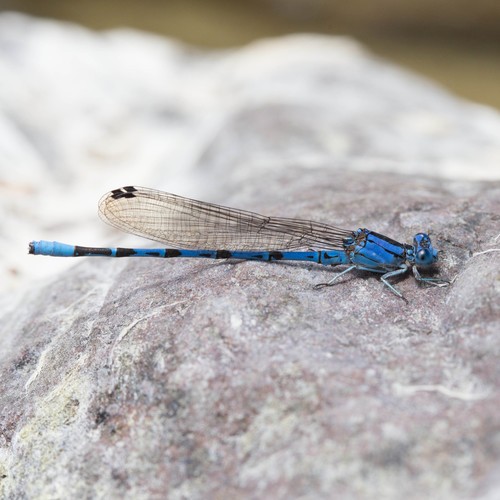
9. Vivid dancer
The scientific name of the species was first validly published in 1865 by Hagen in Selys.
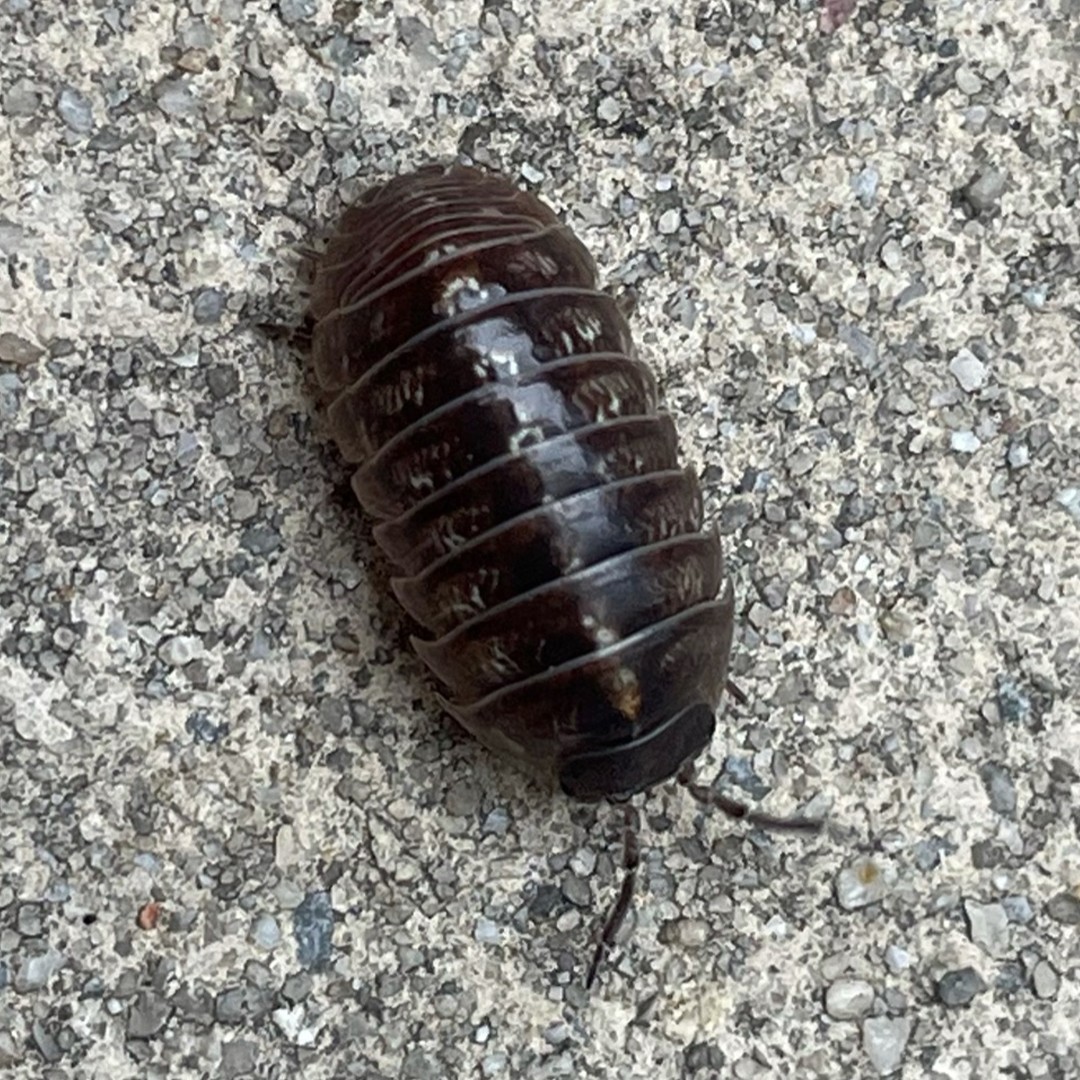
10. Common Pill-Bug
The common Pill-Bug is a nocturnal woodlouse species that's fairly popular among hobbyists and sometimes kept as a pet. When disturbed, this small bug rolls into a ball, resembling a pill or armadillo, hence both its Latin and common English names. Compared to other Armadillidium species, this one is able to withstand drought more than any other. 


More







