




Top 20 Most Common Insects in Lompoc
Diverse in size, appearance, and habitat, insects are pivotal within the thriving ecosystem of Lompoc, serving as pollinators, decomposers, and even as pest control. Their prevalence is shaped by Lompoc's unique environment, underscoring the intricate relationships between city landscapes and their crawling inhabitants. Join us as we uncover the top 20 most common insects in our bustling city, showcasing the fascinating roles they play amidst our daily lives.

Most Common Insects
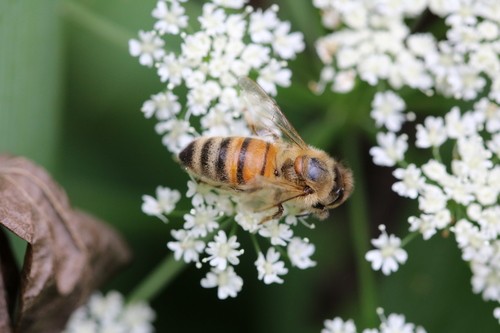
1. Western honey bee
Western honey bee(Apis mellifera) is the most common species of honeybee in the world. Among the first domesticated insects, its cultural and economic impact on humanity has been vast and far-reaching, providing honey, wax and its services as a pollinator. Western honey bee faces challenges worldwide, such as colony collapse disorder, and populations are thought to be decreasing.
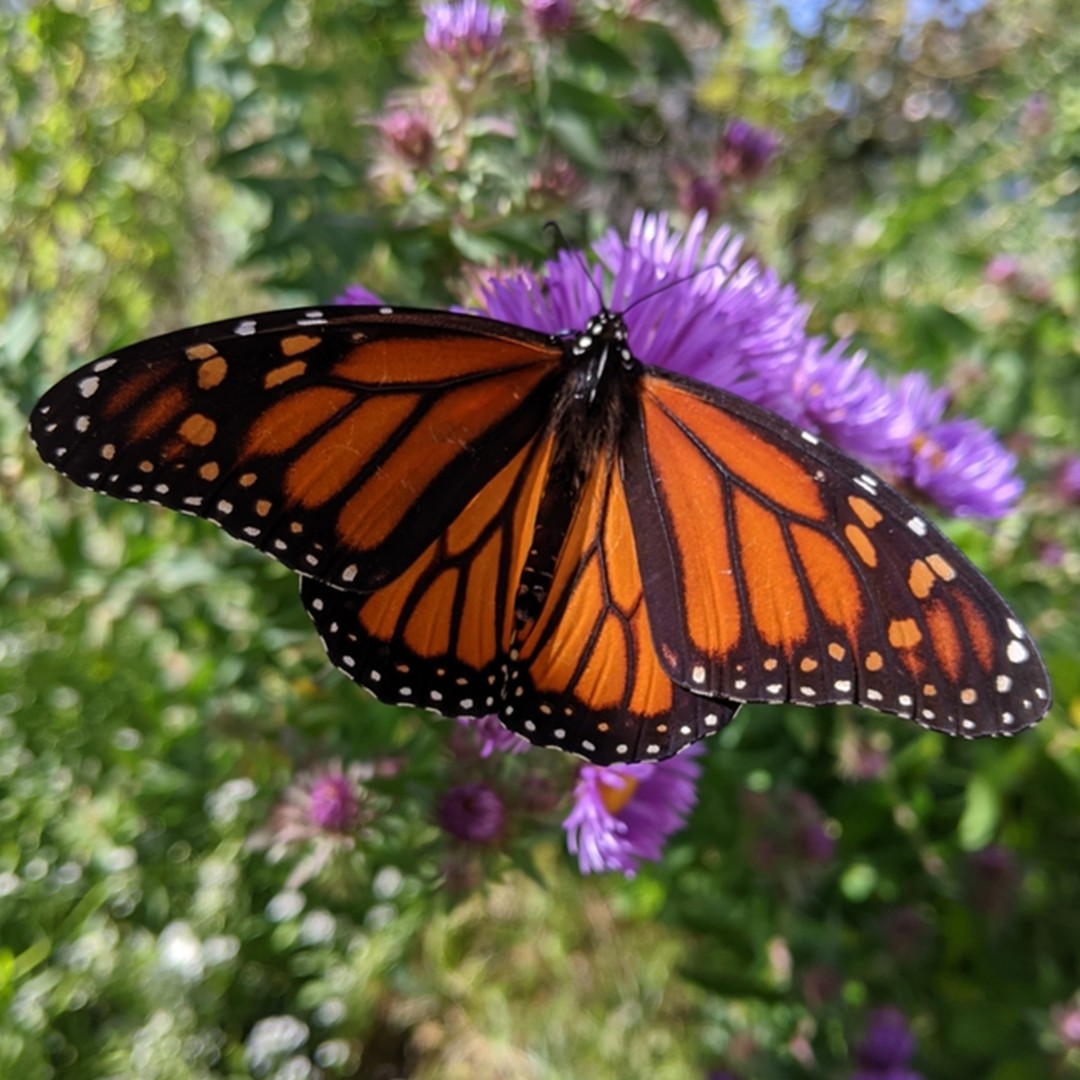
2. Monarch butterfly
The monarch butterfly (Danaus plexippus) is the most recognizable butterfly in North America. It is best known for its appearance, but should be better known for the fact that it has a 3000-mile migration that takes the butterfly 4 generations to complete. Their diet is also a natural deterrent for predators, as they eat milkweed, a poison that induces vomiting.
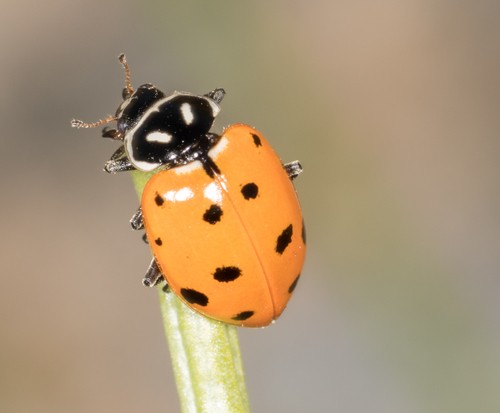
3. Convergent lady beetle
The convergent lady beetle (Hippodamia convergens) is one of the most common lady beetles in North America, which is a great thing given that it is a common biological control agent of aphids. They lay a good chunk of eggs over a couple of months. If you have ever seen a small, black alligator-like insect, you may have seen one of its larva.
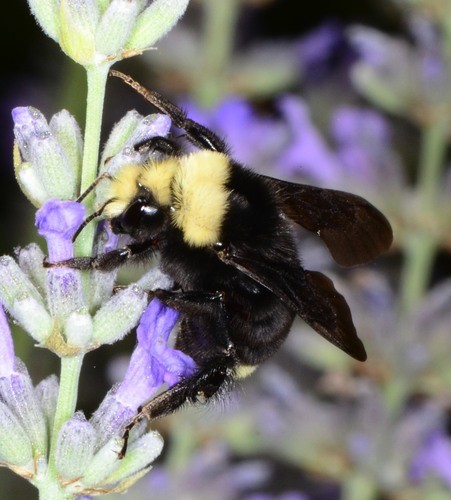
4. Yellow-faced bumble bee
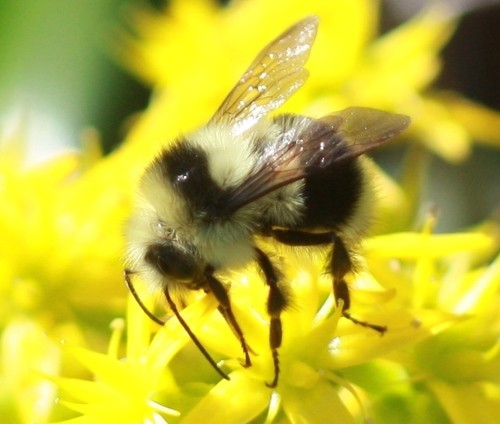
The yellow-faced bumble bee (Bombus vosnesenskii) is known for its mostly black body with a yellow face. Their population is not dropping, but continued expansion of urban human populations is causing some difficulty for this bee to make nests. But what it does find it tends to monopolize due to its early arrival in the season.
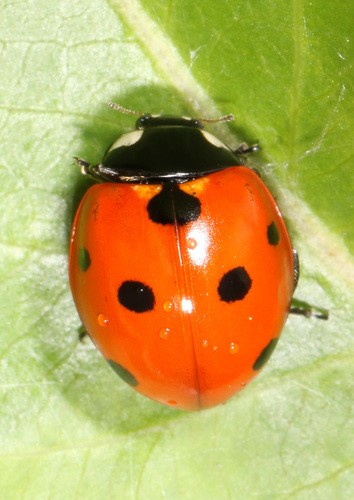
5. Seven-spotted ladybug
Seven-spotted ladybug (Coccinella septempunctata), known in North America as the "seven-spotted ladybug," is the most common species of ladybird in Europe and the official state insect of five U.S. states. While not native to North America, it has established itself there after being introduced to control aphid populations. Its bright coloring deters predators, and it may also play dead or secrete foul-smelling liquids to discourage consumption.
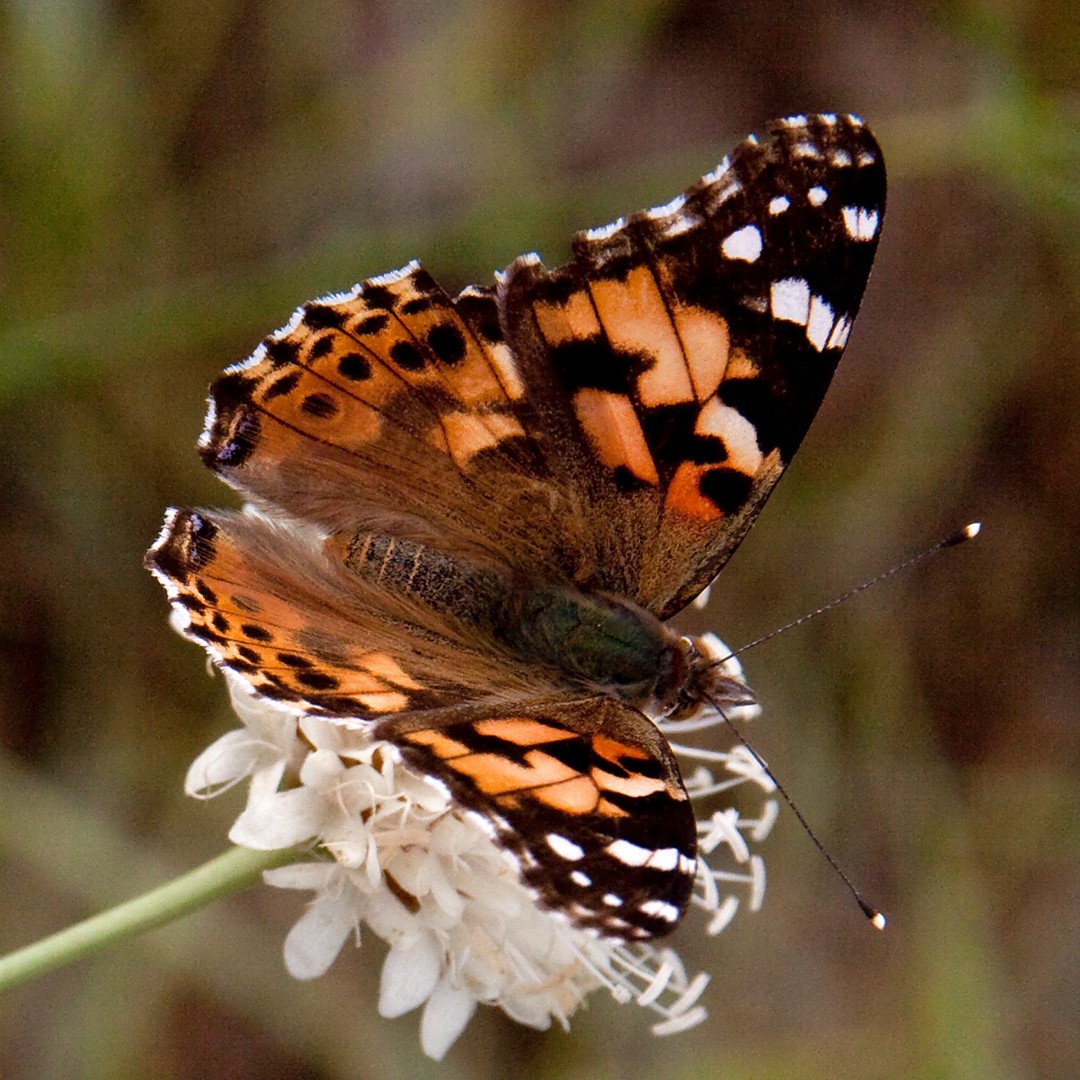
6. Painted lady
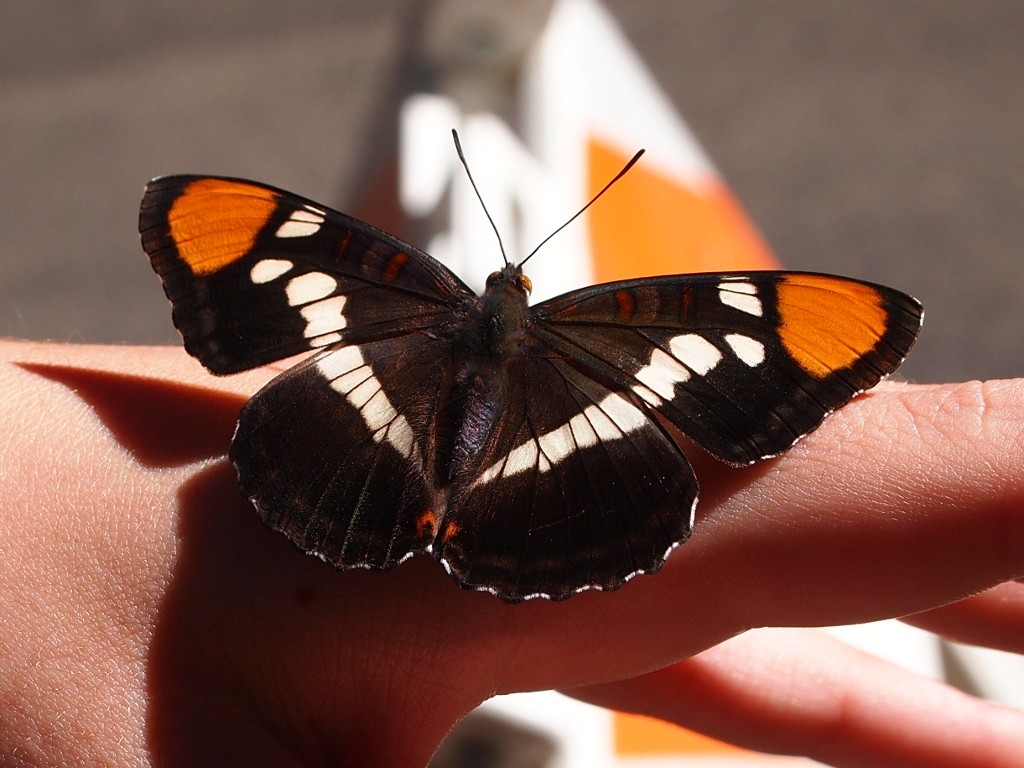
The painted lady is a migratory butterfly that spends part of the year in Northern Africa and then migrates to Europe during the warmer months. Although the adults feed on nectar from flowers, the larvae feed on the leaves of nettles and thistles.
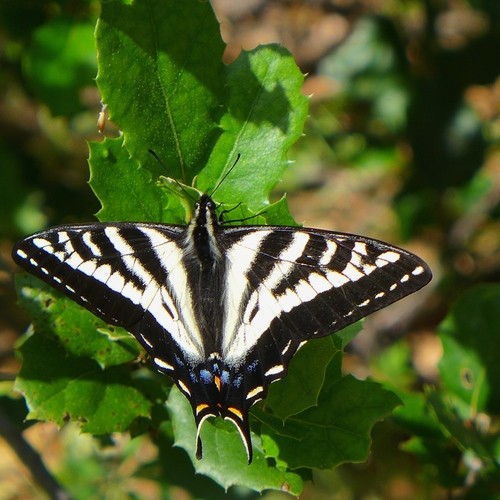
7. Pale swallowtail
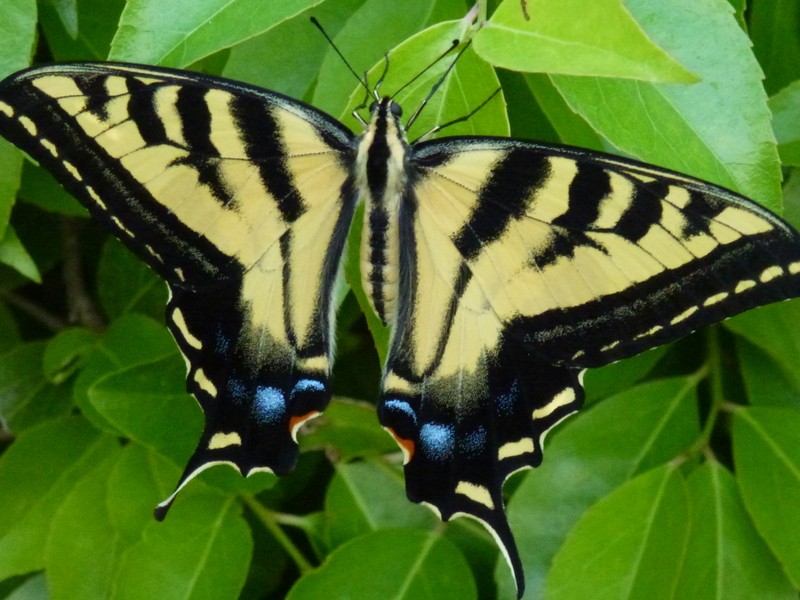
Their appearance is quite similar to that of the western tiger swallowtail, except they are a white-cream color or very pale yellow. Some pale swallowtails also have differing amounts of red-orange patches on the wings just above the tail. Tiger stripes and borders are thicker than those of western tiger swallowtails. The wingspan is typically 9 - 11 cm .Caterpillars are plump green with a single yellow band behind the thorax. They have two eye-shaped spots on the upper thorax, which may help frighten predators. Like most swallowtails, they have a red wishbone-shaped organ called the osmeterium, which pops out from behind the head and releases a foul odor to warn off predators. Caterpillars turn brown just before the fifth moult. The pupa is brown and looks like a piece of bark. 
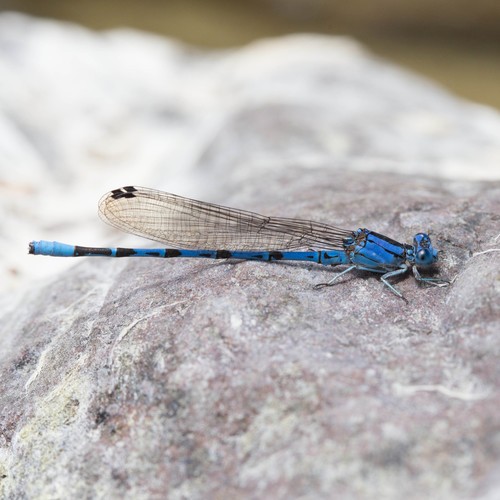
8. Vivid dancer
The scientific name of the species was first validly published in 1865 by Hagen in Selys.
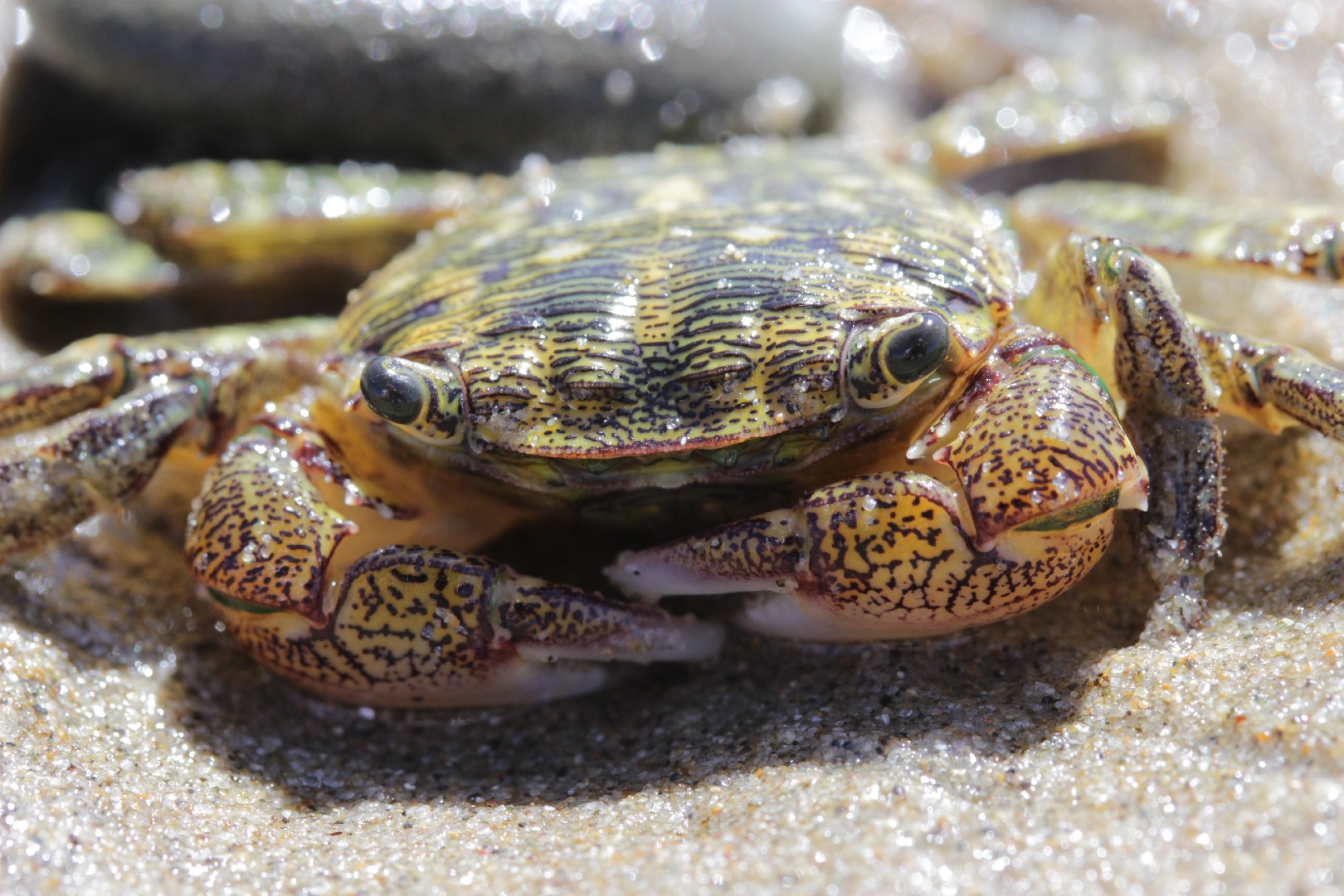
9. The striped shore crab
The striped shore crab spends half of its time out of the water, usually hiding in small cracks among rocks. It is well adapted to semi-terrestrial life and said to be able to thrive on land for up to 70 hours. When night falls and its predators are not active, the the striped shore crab emerges out from rock cervices, seeking food.

10. White-Lined Sphinx
The white-Lined Sphinx ( Hyles lineata) is a colorful furry moth with striped wings. It has a similar size of a hummingbird, and behaves like a hummingbird as well. It can fly extremely fast, and instantly swing from side to side while hovering just like a hummingbird. It feeds on nectar from a variety of flowers including petunia, honeysuckle, lilac, clovers, thistles, and jimson weed.
More







