




Top 20 Most Common Insects in Milpitas
Insects, with their characteristically jointed legs and hard exoskeletons, inhabit diverse corners of Milpitas. An integral part of the ecosystem, they play crucial roles from pollinating flowers to controlling pests. The top 20 most commonly seen insect species in Milpitas are both beneficial and problematic, illustrating the complex dynamic between these creatures and urban environments.

Most Common Insects
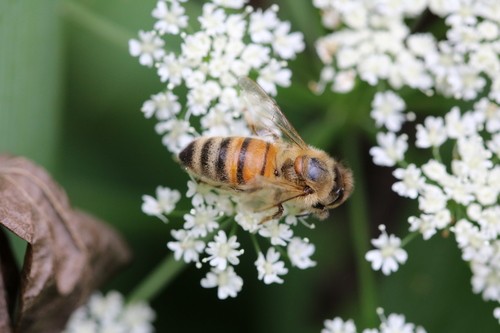
1. Western honey bee
Western honey bee(Apis mellifera) is the most common species of honeybee in the world. Among the first domesticated insects, its cultural and economic impact on humanity has been vast and far-reaching, providing honey, wax and its services as a pollinator. Western honey bee faces challenges worldwide, such as colony collapse disorder, and populations are thought to be decreasing.
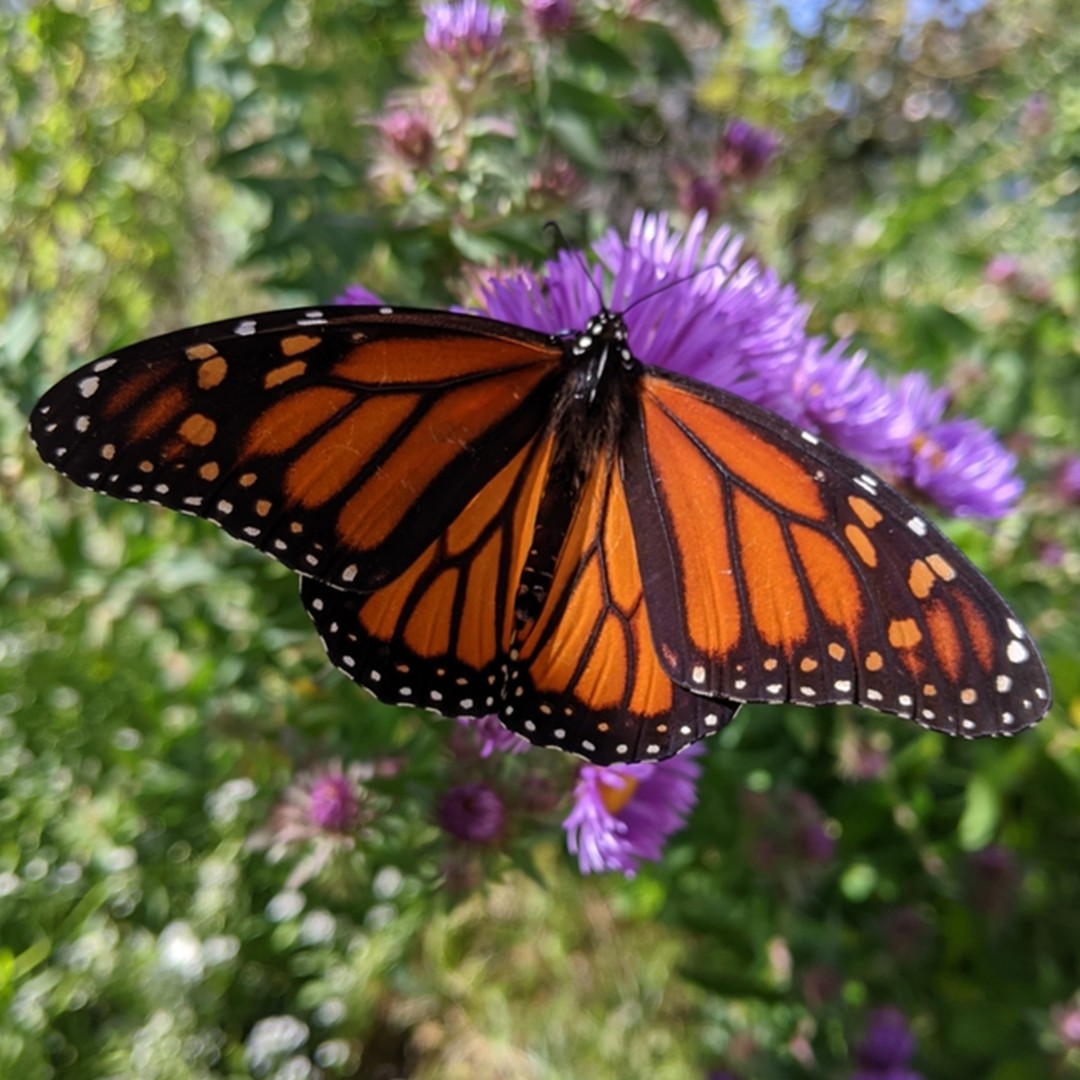
2. Monarch butterfly
The monarch butterfly (Danaus plexippus) is the most recognizable butterfly in North America. It is best known for its appearance, but should be better known for the fact that it has a 3000-mile migration that takes the butterfly 4 generations to complete. Their diet is also a natural deterrent for predators, as they eat milkweed, a poison that induces vomiting.
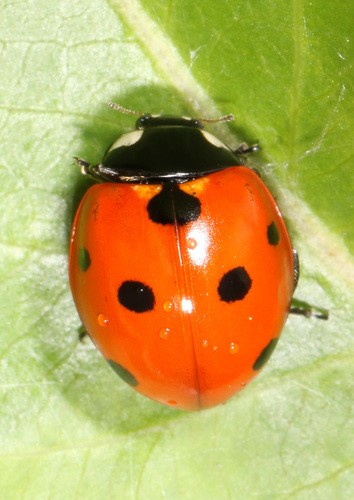
3. Seven-spotted ladybug
Seven-spotted ladybug (Coccinella septempunctata), known in North America as the "seven-spotted ladybug," is the most common species of ladybird in Europe and the official state insect of five U.S. states. While not native to North America, it has established itself there after being introduced to control aphid populations. Its bright coloring deters predators, and it may also play dead or secrete foul-smelling liquids to discourage consumption.
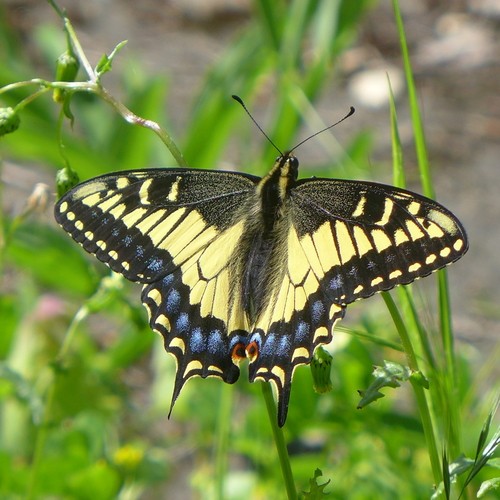
4. Anise swallowtail
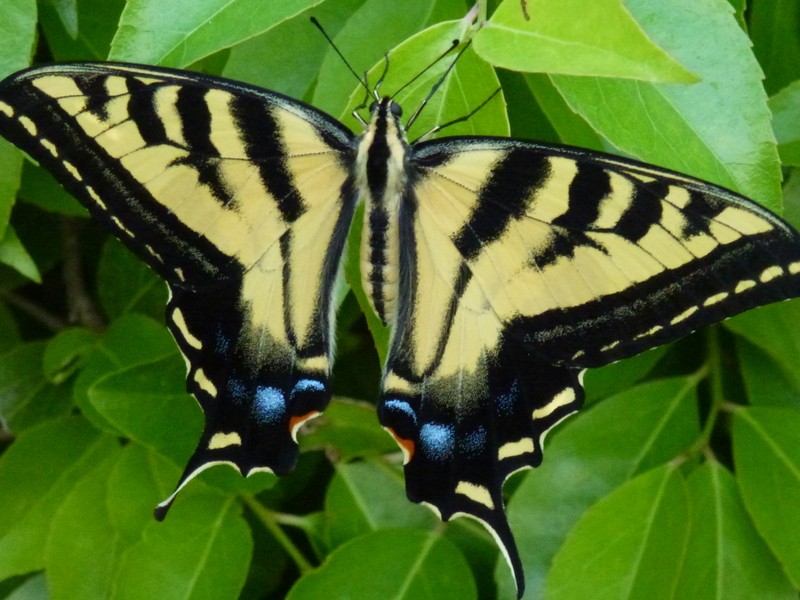
The anise swallowtail (Papilio zelicaon) is often confused with the Tiger swallowtail. They are differentiated by being smaller in size and lacking the stripping patterns. They like flat plains or hills and are often seen hanging around the vacant lots of towns.
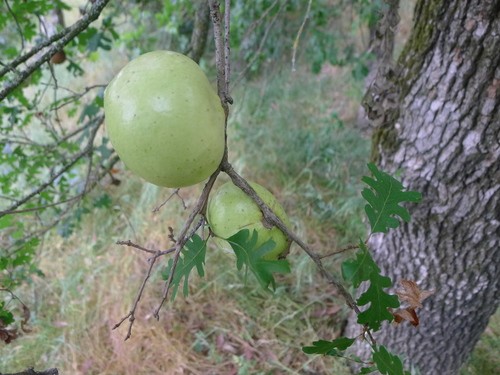
5. California Gall Wasp
The california Gall Wasp ( Andricus quercuscalifornicus ), is known for its ability to induce galls on oak tree stems. The galls form a persistent shelter for various kinds of fungi as well as many other insects. If it wasn’t for the reproduction, they would stay in the galls forever.
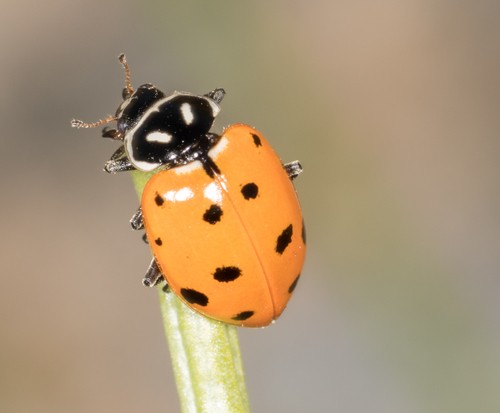
6. Convergent lady beetle
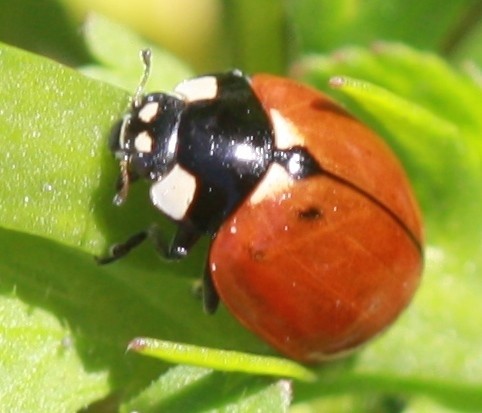
The convergent lady beetle (Hippodamia convergens) is one of the most common lady beetles in North America, which is a great thing given that it is a common biological control agent of aphids. They lay a good chunk of eggs over a couple of months. If you have ever seen a small, black alligator-like insect, you may have seen one of its larva.
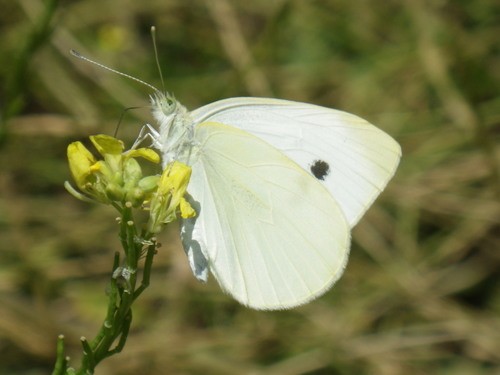
7. Cabbage white
Cabbage white (Pieris rapae) derives its common name from its habits as a caterpillar, which is a ferocious pest for cabbage, kale and broccoli farmers. In North America, it is one of the first butterflies to emerge in spring, heralding the beginning of the season.
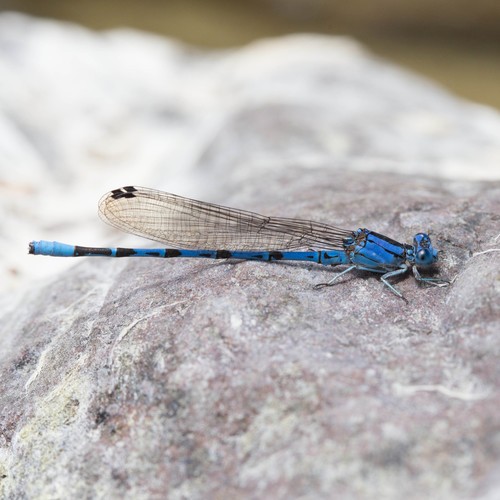
8. Vivid dancer
The scientific name of the species was first validly published in 1865 by Hagen in Selys.
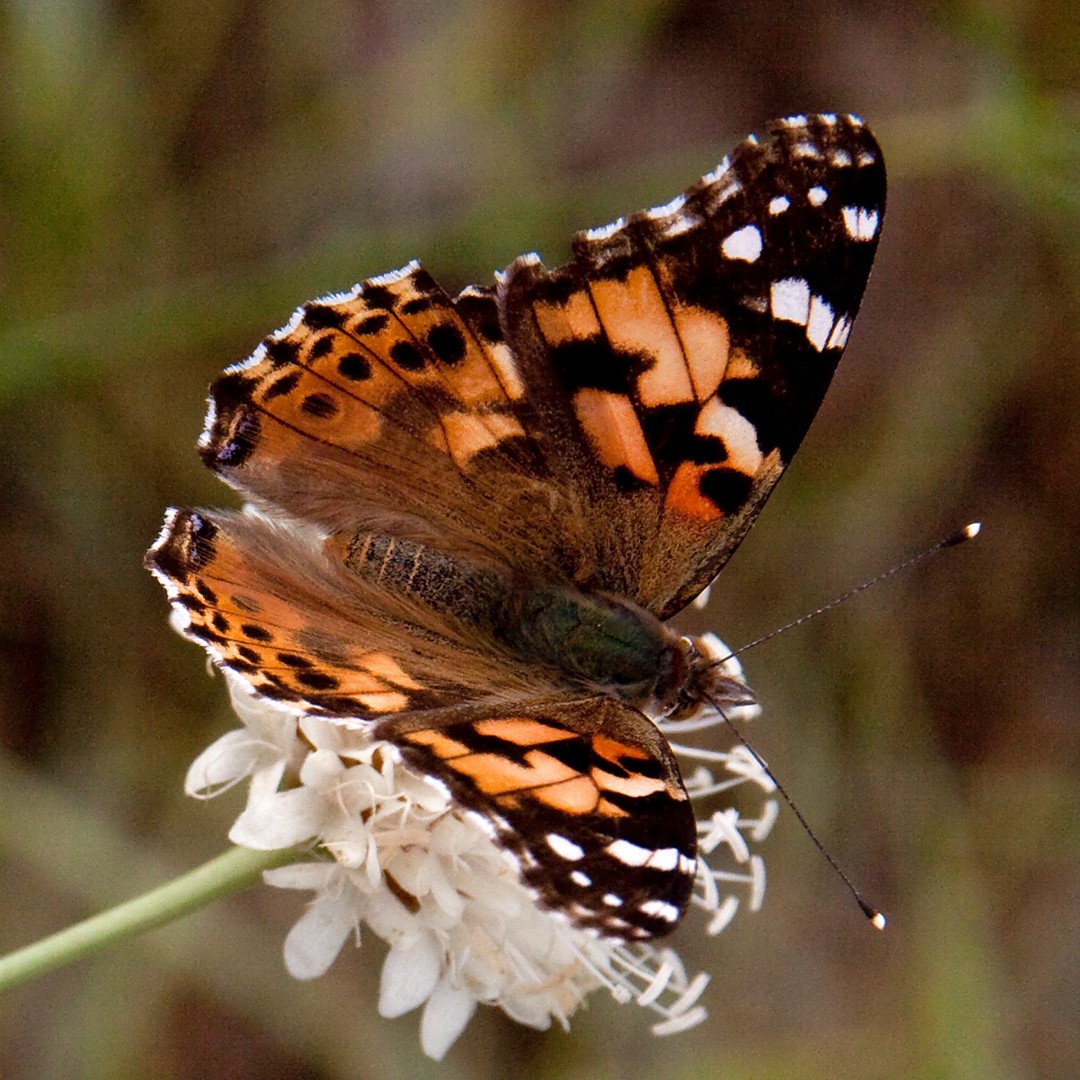
9. Painted lady
The painted lady is a migratory butterfly that spends part of the year in Northern Africa and then migrates to Europe during the warmer months. Although the adults feed on nectar from flowers, the larvae feed on the leaves of nettles and thistles.
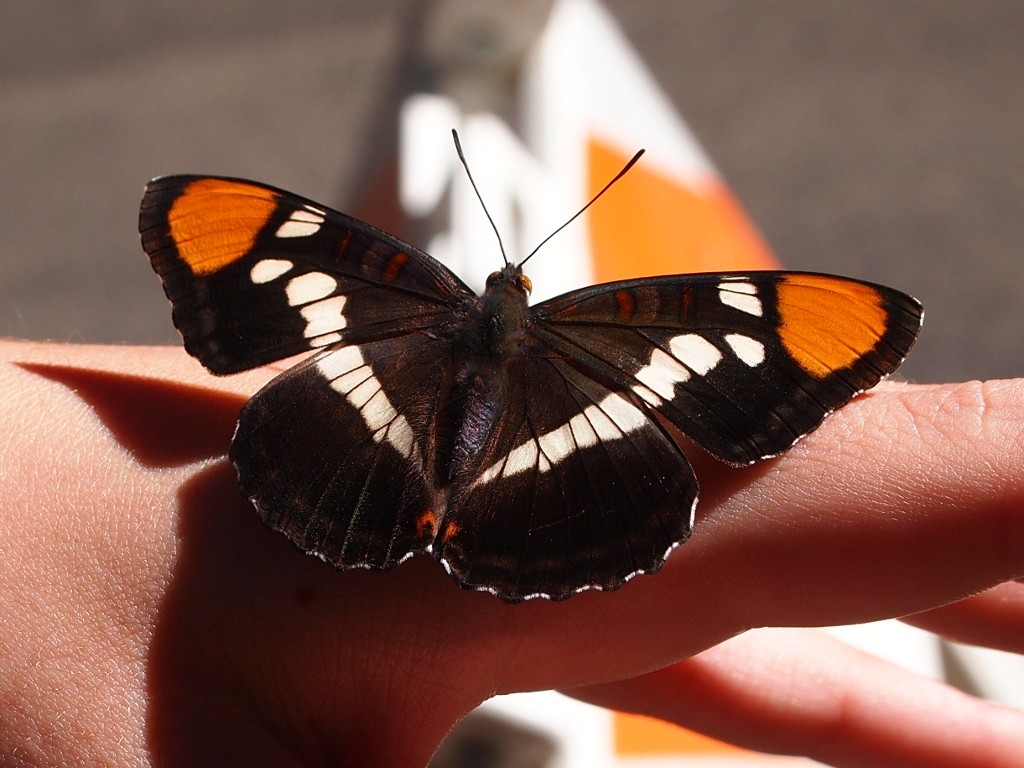
10. California sister
Adelpha eulalia belongs to the serpa species group in the genus Adelpha (sisters). It was previously treated as a subspecies of Bredow's sister (Adelpha bredowii). Recent phylogenetic studies, however, conclude that morphological, geographical, and genetic evidence make it clear that it is a separate species. 

More







