




Top 20 Most Common Insects in Shasta Lake
Welcome, insect enthusiasts and curious readers alike! Insects, diverse creatures marked by their exoskeleton, segmented bodies, and jointed legs, find a unique habitat within Shasta Lake. Their role in Shasta Lake's ecosystem, ranging from pesky pests to beneficial pollinators, mirrors the city's diverse environments. Stay tuned for our list of the 20 most common insects here, each playing a leading part in Shasta Lake's intricate ecological stage!

Most Common Insects
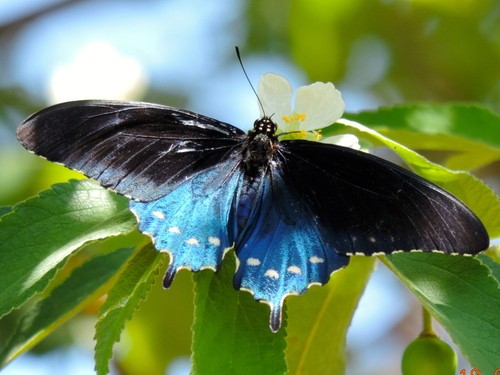
1. Pipevine Swallowtail
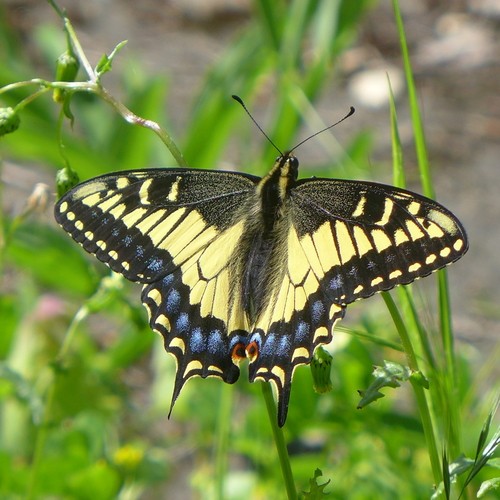
The pipevine Swallowtail (Battus philenor) is an insect that is protected globally but is considered a species of special concern in the northern part of their range in Michigan. The name pipevine Swallowtail comes from the common plants that they are hosts of. They are also known as the blue swallowtail due to their brilliant, blue color.
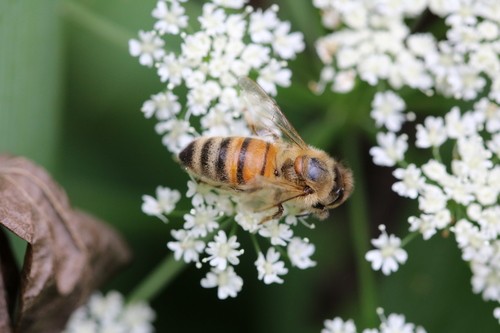
2. Western honey bee
Western honey bee(Apis mellifera) is the most common species of honeybee in the world. Among the first domesticated insects, its cultural and economic impact on humanity has been vast and far-reaching, providing honey, wax and its services as a pollinator. Western honey bee faces challenges worldwide, such as colony collapse disorder, and populations are thought to be decreasing.
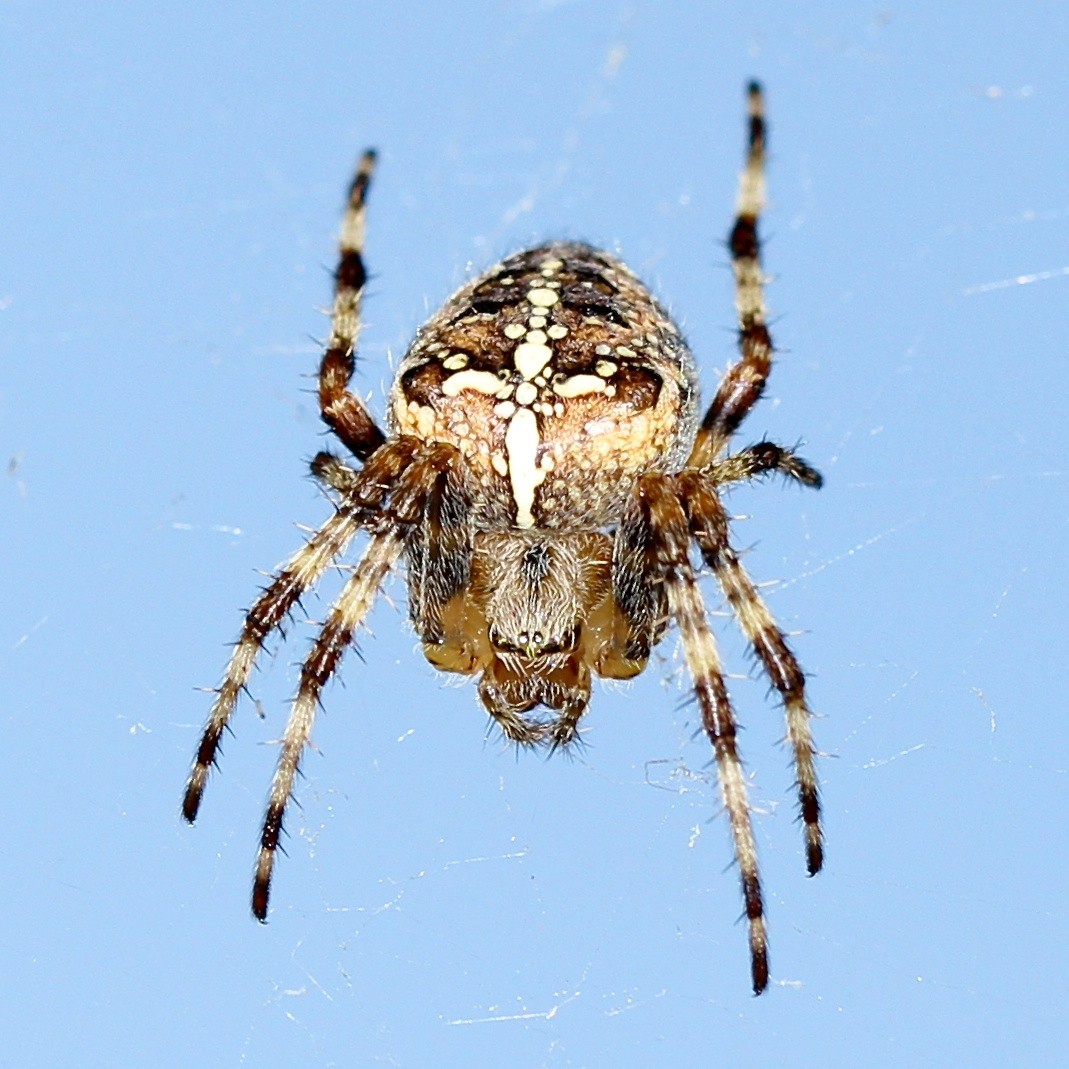
3. Crowned orbweaver
A common species of orb-weaver, crowned orbweaver (Araneus diadematus) builds large and noticeable webs. Only the females build webs, and they may prey upon their mates before, during or after engaging in sexual intercourse. Crowned orbweaver is reluctant to bite humans and will not do so unless scared or provoked. It avoids danger by vibrating in its web until it becomes a blur, confusing predators.
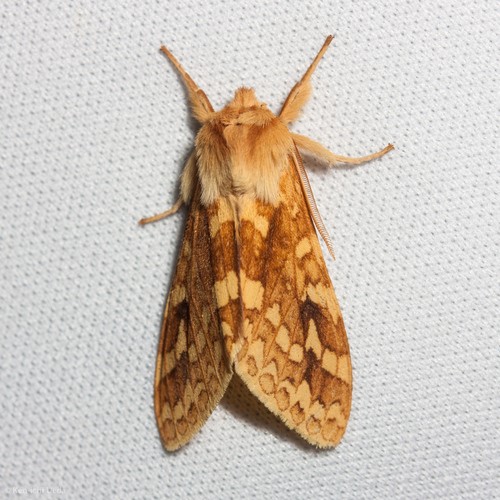
4. Spotted tussock moth
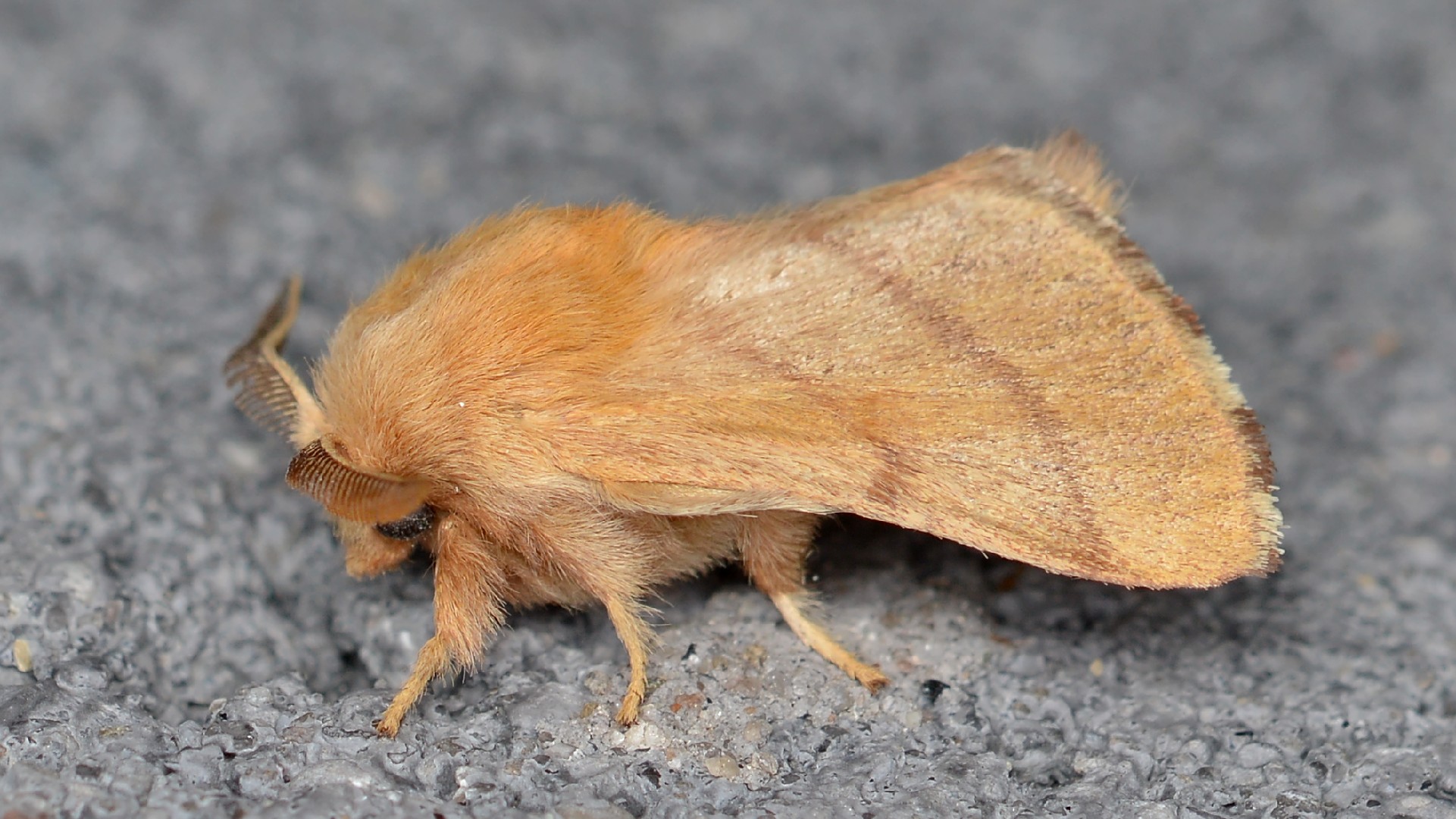
The spotted tussock moth (Lophocampa maculata) gets its name from the long tufts of hair it has as a caterpillar. The adults are a mix of yellow and brown while the larvae are a fuzzy pattern of yellow and black. These larvae are pests because they consume a wide range wood, including birch, oak, maple, and willow.
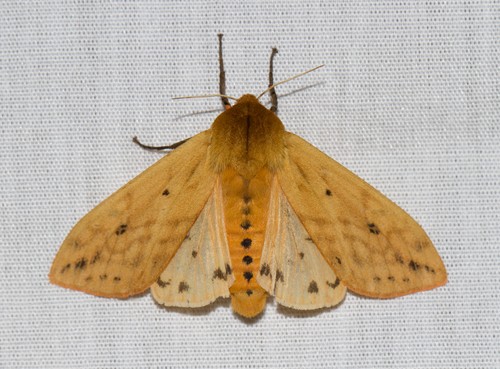
5. Isabella Tiger Moth
The isabella Tiger Moth (Pyrrharctia isabella) grows into the Isabella Tiger Moth. In folklore, the amount of brown on their band is said to determine the length of the upcoming winter. Over the winter it freezes completely. It prevents the damage of tissue by producing a liquid that preserves the tissue.
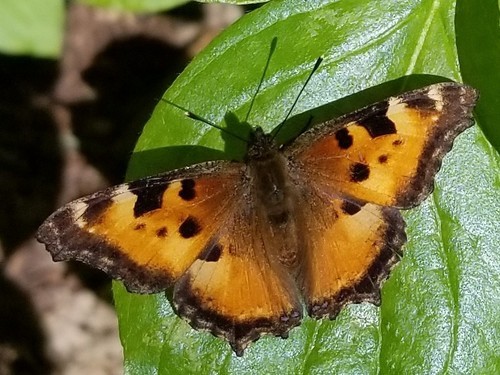
6. California tortoiseshell
It is recognized for the top of its wings being orange with big black spots (used mainly for camouflage). The browns and grays of the wing underside make it resemble a dead leaf when the wings are closed. Its wingspan varies from 1.25–2.75 in. 
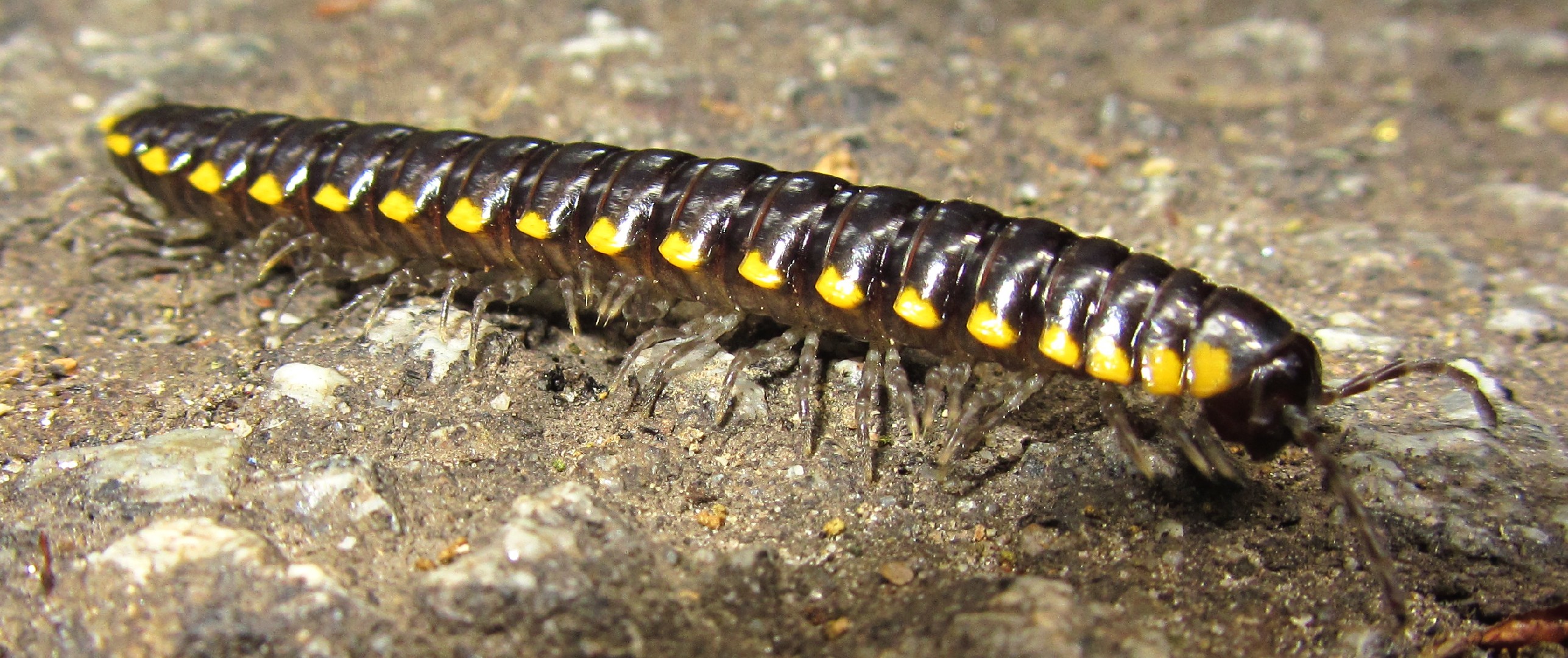
7. Yellow-spotted millipede
Harpaphe haydeniana reach a length of 4 - 5 cm when mature. The upper surface of the body is black to olive green, and is distinctively marked along the sides with patches of a yellowish colour. Harpaphe haydeniana has approximately twenty body segments, bearing a total of 30 (males) or 31 (females) pairs of legs. The difference between males and females is due to one pair of legs on the seventh segment in males being modified to form gonopods used for sperm transfer.
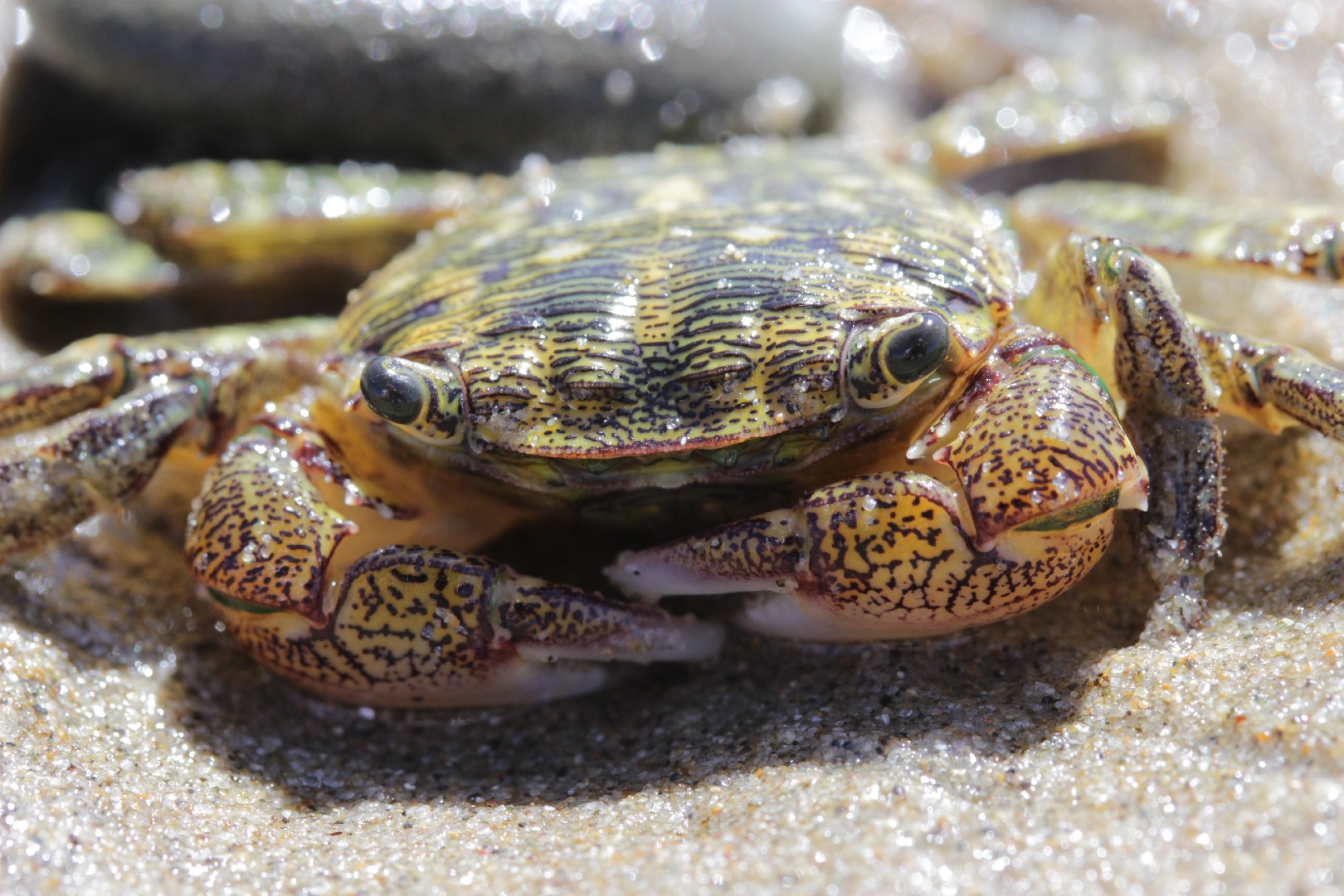
8. The striped shore crab
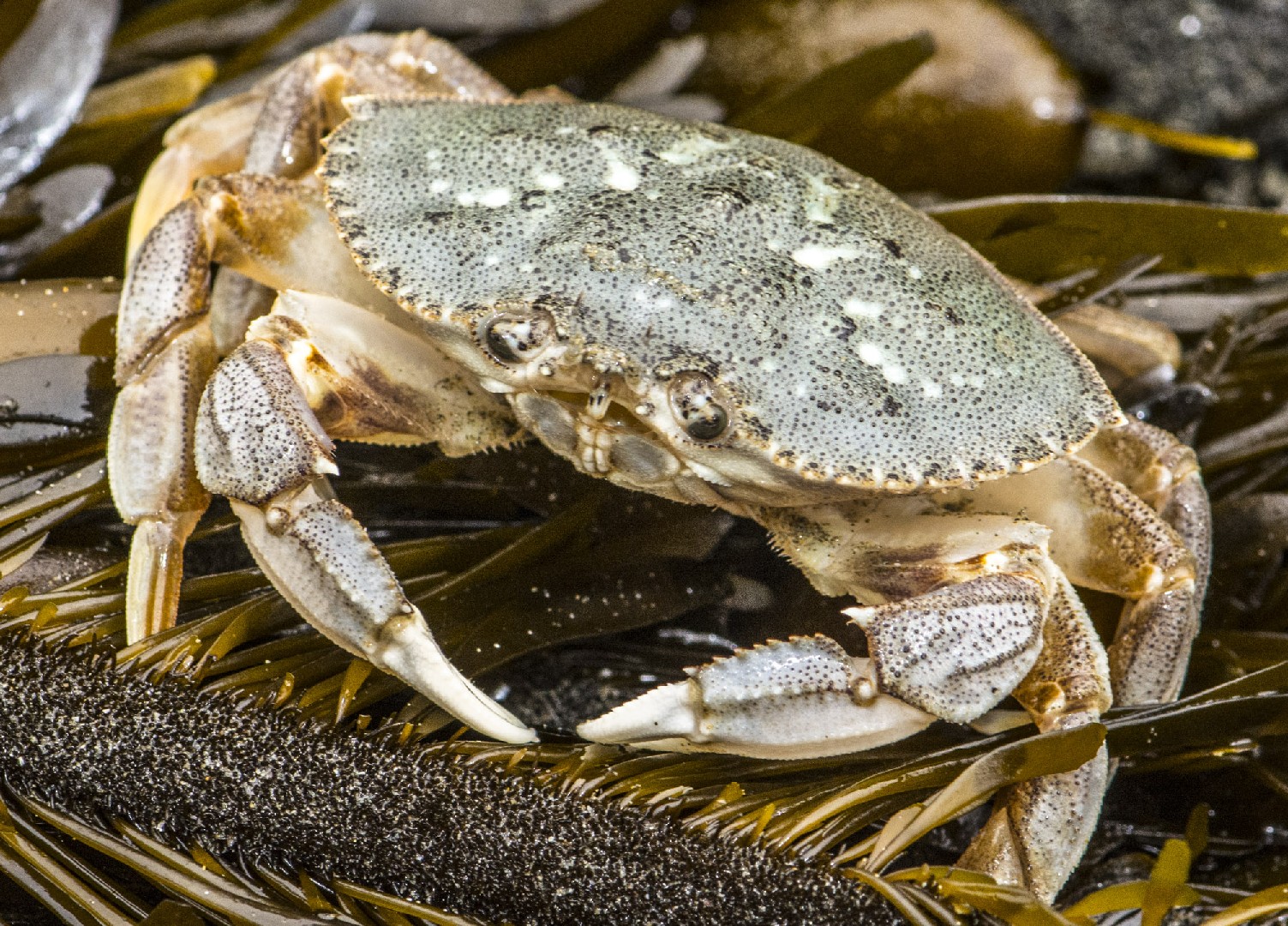
The striped shore crab spends half of its time out of the water, usually hiding in small cracks among rocks. It is well adapted to semi-terrestrial life and said to be able to thrive on land for up to 70 hours. When night falls and its predators are not active, the the striped shore crab emerges out from rock cervices, seeking food.
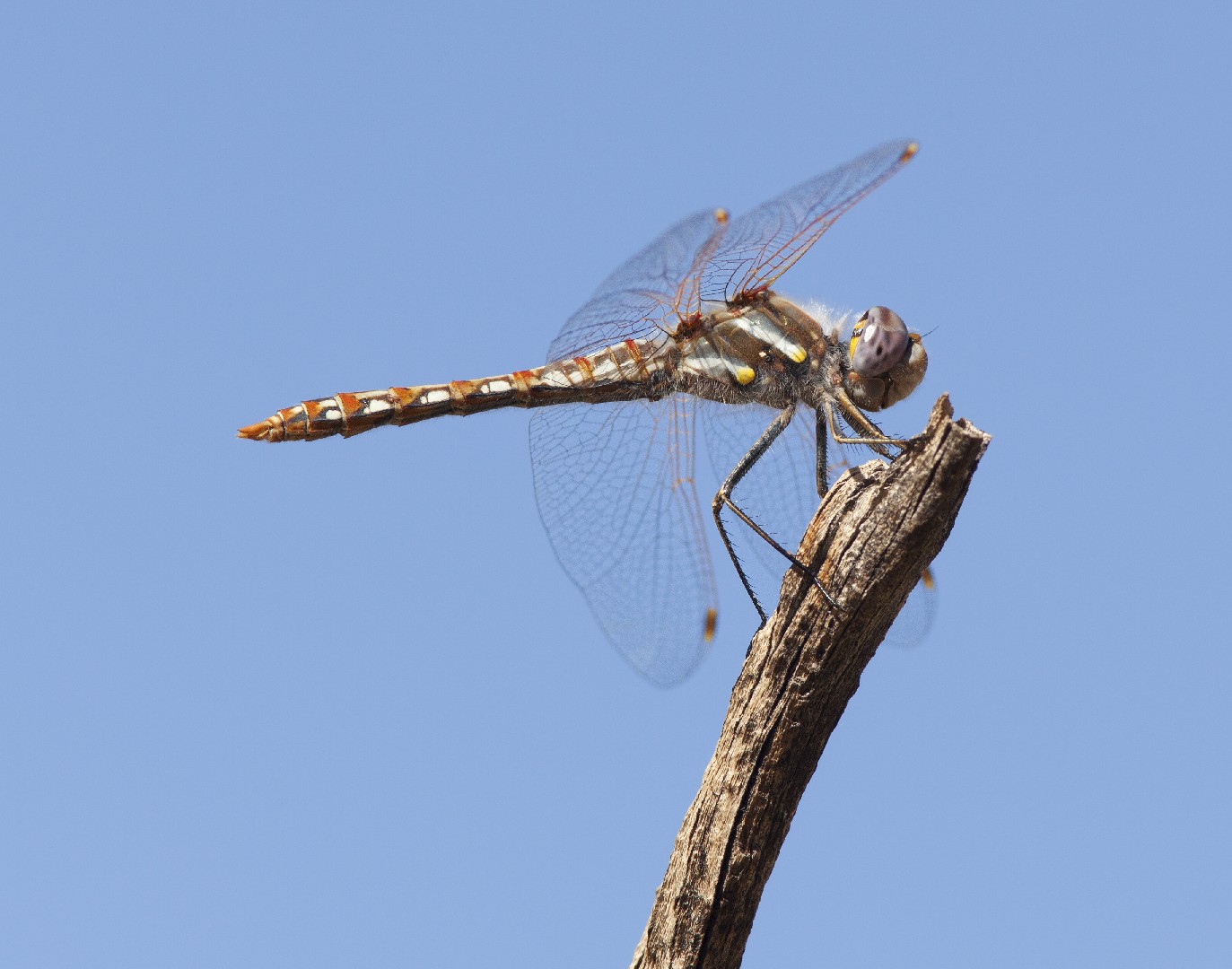
9. Variegated meadowhawk
The variegated meadowhawk is a small to medium-sized dragonfly with a slender abdomen, often reaching a length of 4.5 - 23 cm. The male is commonly dark brownish black with an abdomen of bright red, pink, and golden brown. The thorax may be marked with a pair of yellow dots on each side. The leading edges of the wings are marked with pinkish. The females are similar in color but not as brightly colored, with gray and yellow replacing the red of the male. Young variegated meadowhawks are much paler and mottled with pale green, pale yellow, golden brown, and orange.
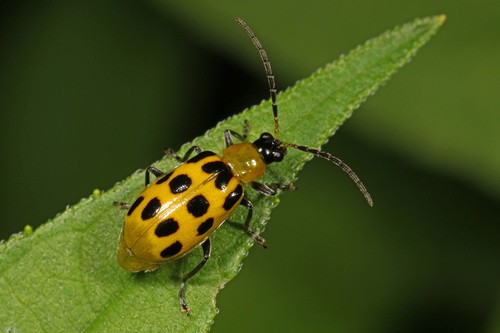
10. Spotted Cucumber Beetle
The spotted Cucumber Beetle (Diabrotica undecimpunctata) is an agricultural pest with a bright yellow body and dark spots. It causes damage to corn and other crops by feeding on roots, seedlings, and flowers. Its larvae are often called "rindworms" because they also damage the rind and skin of fruits.
More







