




Top 20 Most Common Insects in Sonora
Insects, with their unique physiologies and habitats, offer a vibrant spectacle of nature in Sonora. These tiny beings play substantial roles in our ecosystem, from being pesky intruders to beneficial pollinators. Our list of Top 20 most common insects underscores this intricate city-insect relationship, inviting you to discover the hidden world of Sonora through a buggy lens.

Most Common Insects
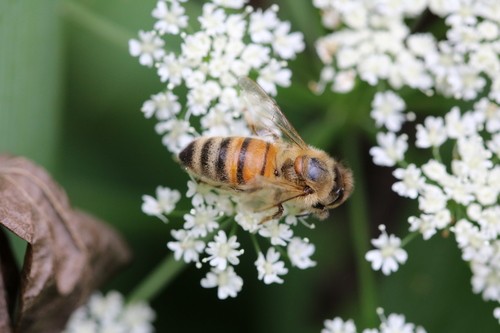
1. Western honey bee
Western honey bee(Apis mellifera) is the most common species of honeybee in the world. Among the first domesticated insects, its cultural and economic impact on humanity has been vast and far-reaching, providing honey, wax and its services as a pollinator. Western honey bee faces challenges worldwide, such as colony collapse disorder, and populations are thought to be decreasing.
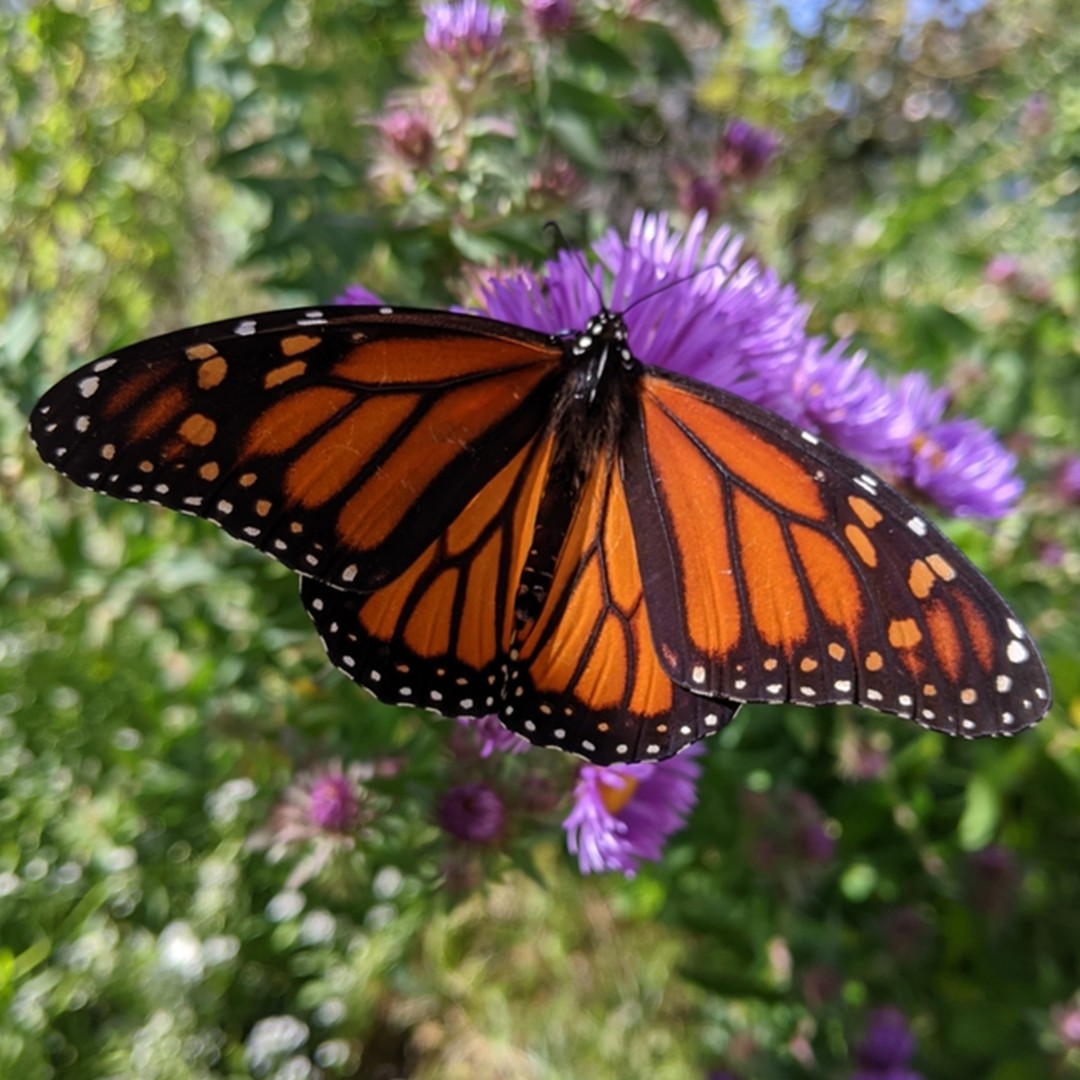
2. Monarch butterfly
The monarch butterfly (Danaus plexippus) is the most recognizable butterfly in North America. It is best known for its appearance, but should be better known for the fact that it has a 3000-mile migration that takes the butterfly 4 generations to complete. Their diet is also a natural deterrent for predators, as they eat milkweed, a poison that induces vomiting.
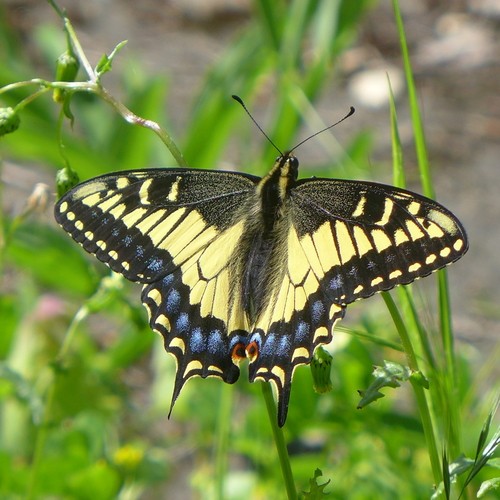
3. Anise swallowtail
The anise swallowtail (Papilio zelicaon) is often confused with the Tiger swallowtail. They are differentiated by being smaller in size and lacking the stripping patterns. They like flat plains or hills and are often seen hanging around the vacant lots of towns.
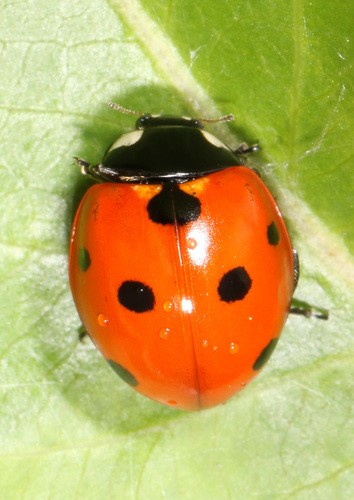
4. Seven-spotted ladybug
Seven-spotted ladybug (Coccinella septempunctata), known in North America as the "seven-spotted ladybug," is the most common species of ladybird in Europe and the official state insect of five U.S. states. While not native to North America, it has established itself there after being introduced to control aphid populations. Its bright coloring deters predators, and it may also play dead or secrete foul-smelling liquids to discourage consumption.
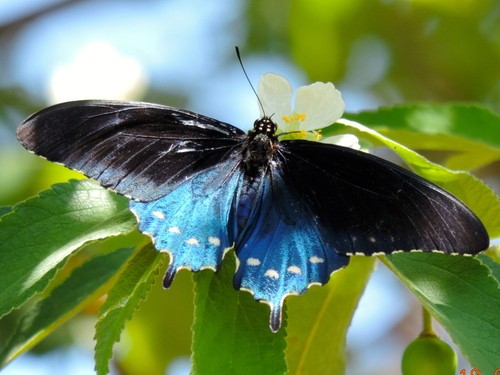
5. Pipevine Swallowtail
The pipevine Swallowtail (Battus philenor) is an insect that is protected globally but is considered a species of special concern in the northern part of their range in Michigan. The name pipevine Swallowtail comes from the common plants that they are hosts of. They are also known as the blue swallowtail due to their brilliant, blue color.
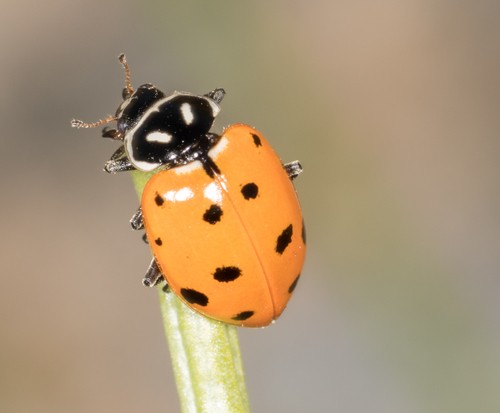
6. Convergent lady beetle
The convergent lady beetle (Hippodamia convergens) is one of the most common lady beetles in North America, which is a great thing given that it is a common biological control agent of aphids. They lay a good chunk of eggs over a couple of months. If you have ever seen a small, black alligator-like insect, you may have seen one of its larva.
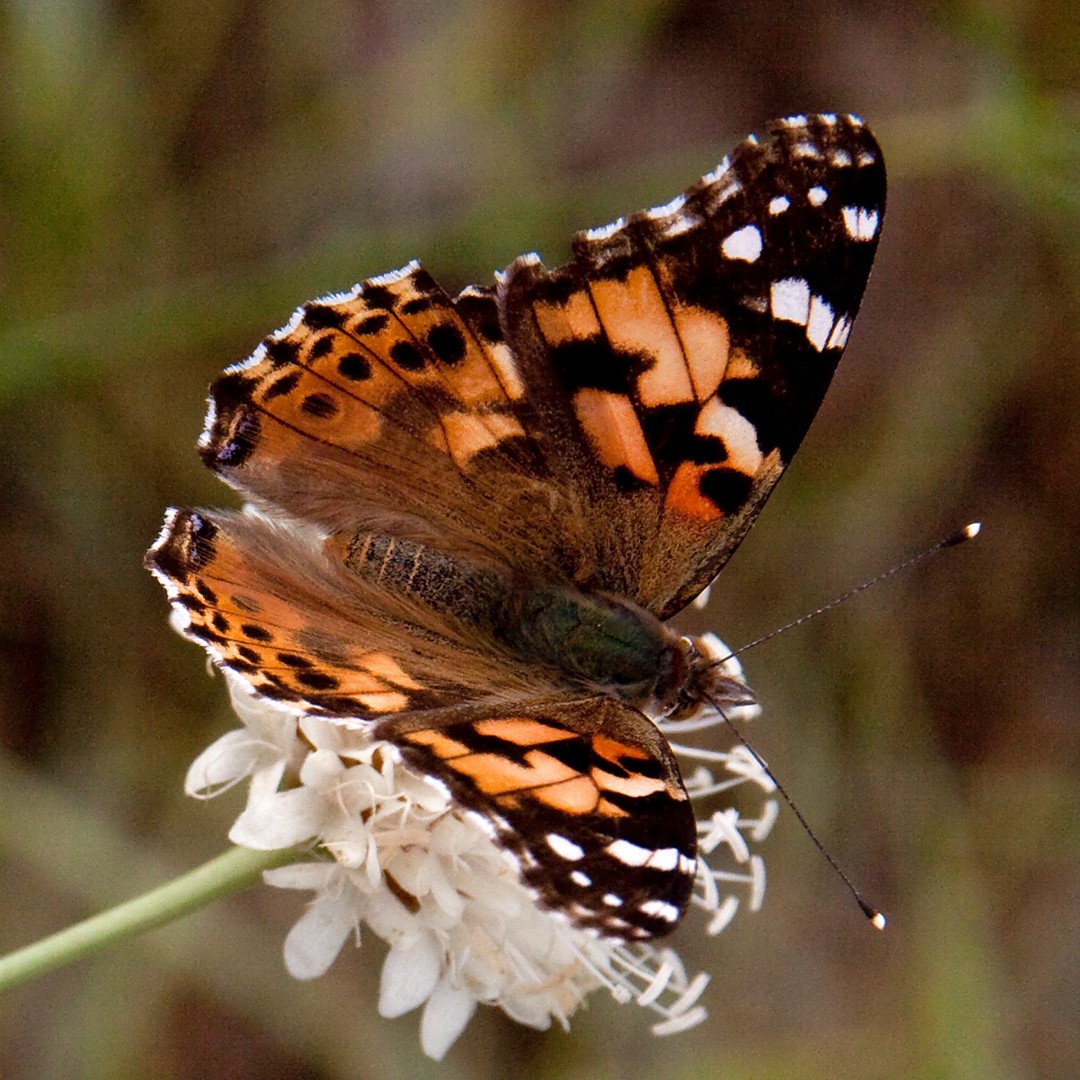
7. Painted lady
The painted lady is a migratory butterfly that spends part of the year in Northern Africa and then migrates to Europe during the warmer months. Although the adults feed on nectar from flowers, the larvae feed on the leaves of nettles and thistles.
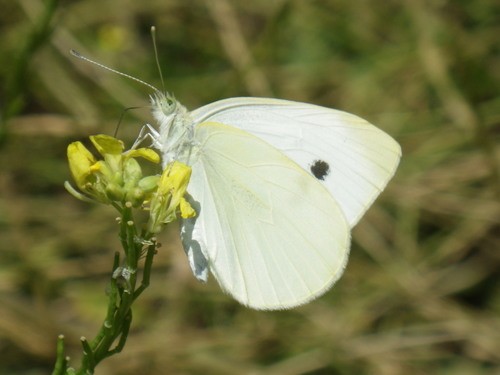
8. Cabbage white
Cabbage white (Pieris rapae) derives its common name from its habits as a caterpillar, which is a ferocious pest for cabbage, kale and broccoli farmers. In North America, it is one of the first butterflies to emerge in spring, heralding the beginning of the season.
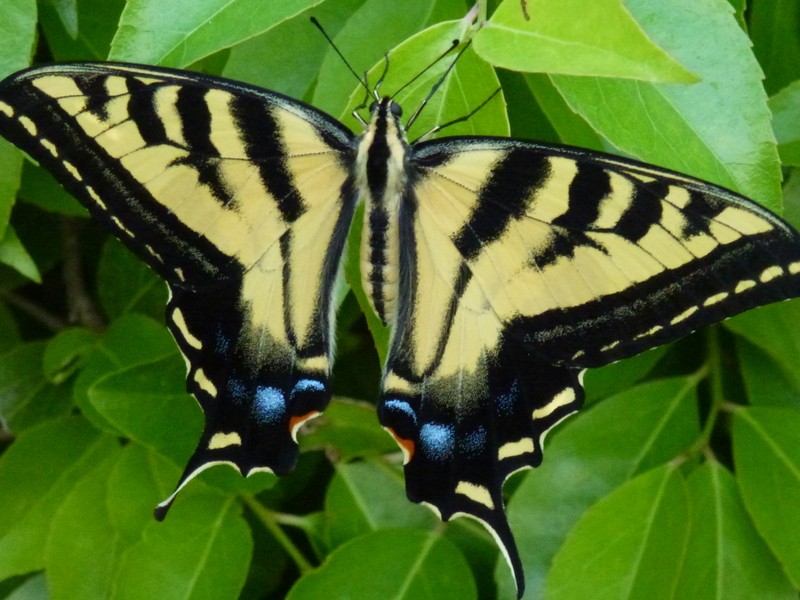
9. Western tiger swallowtail
It is a large, brightly colored and active butterfly, rarely seen at rest; its wingspan is 8 - 10 cm, and its wings are yellow with black stripes, and it has blue and orange spots near its tail. It has the "tails" on the hindwings that are often found in swallowtails. The eggs are deep green, shiny, and spherical. Young caterpillars resemble bird droppings, and as they molt, they eventually turn bright green, with a pair of large yellow eyespots with black and blue pupils. The caterpillars molt five times, eventually reaching a length up to 5 cm before pupating. 
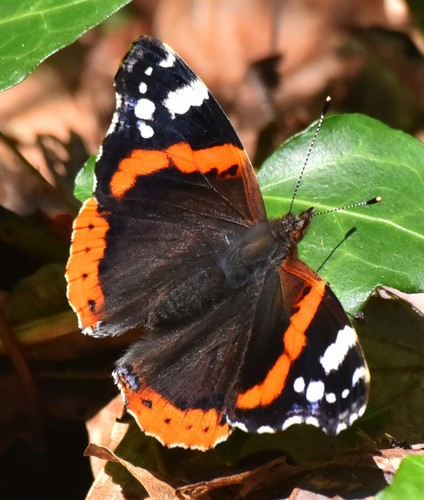
10. Red admiral
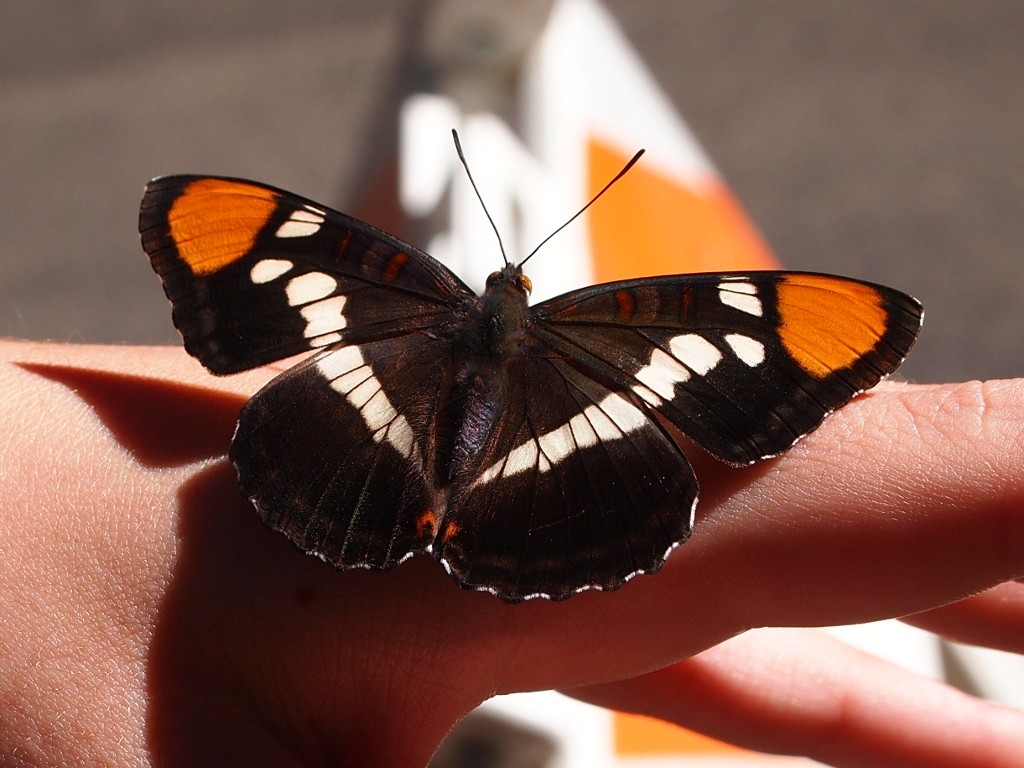
Red admiral (Vanessa atalanta) is a visually striking species of butterfly. Unusually territorial, males will compete for choice areas, and females will only mate with males that maintain their own territories. This butterfly is known for being particularly patient with human interactions, even to the point of perching on clothing or flesh.

More







