




Top 20 Most Common Insects in South Lake Tahoe
Insects, with their distinctive morphology and diverse habitats, make up a significant part of South Lake Tahoe's unique ecosystem. These creatures, often perceived as pests, actually play crucial roles in preserving biodiversity and maintaining equilibrium. Our list of '20 most common insects in South Lake Tahoe' will explore the extraordinary life of these often overlooked small wonders, underlining both their ecological importance and their roles in our urban lives.

Most Common Insects
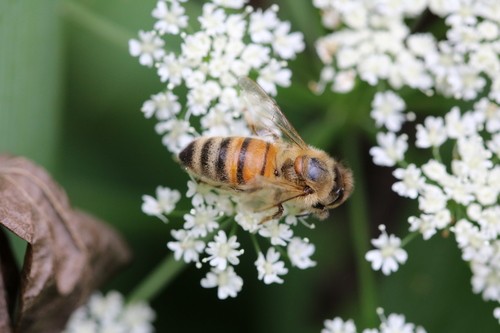
1. Western honey bee
Western honey bee(Apis mellifera) is the most common species of honeybee in the world. Among the first domesticated insects, its cultural and economic impact on humanity has been vast and far-reaching, providing honey, wax and its services as a pollinator. Western honey bee faces challenges worldwide, such as colony collapse disorder, and populations are thought to be decreasing.
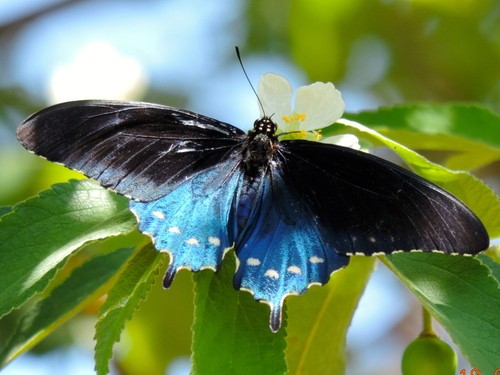
2. Pipevine Swallowtail
The pipevine Swallowtail (Battus philenor) is an insect that is protected globally but is considered a species of special concern in the northern part of their range in Michigan. The name pipevine Swallowtail comes from the common plants that they are hosts of. They are also known as the blue swallowtail due to their brilliant, blue color.
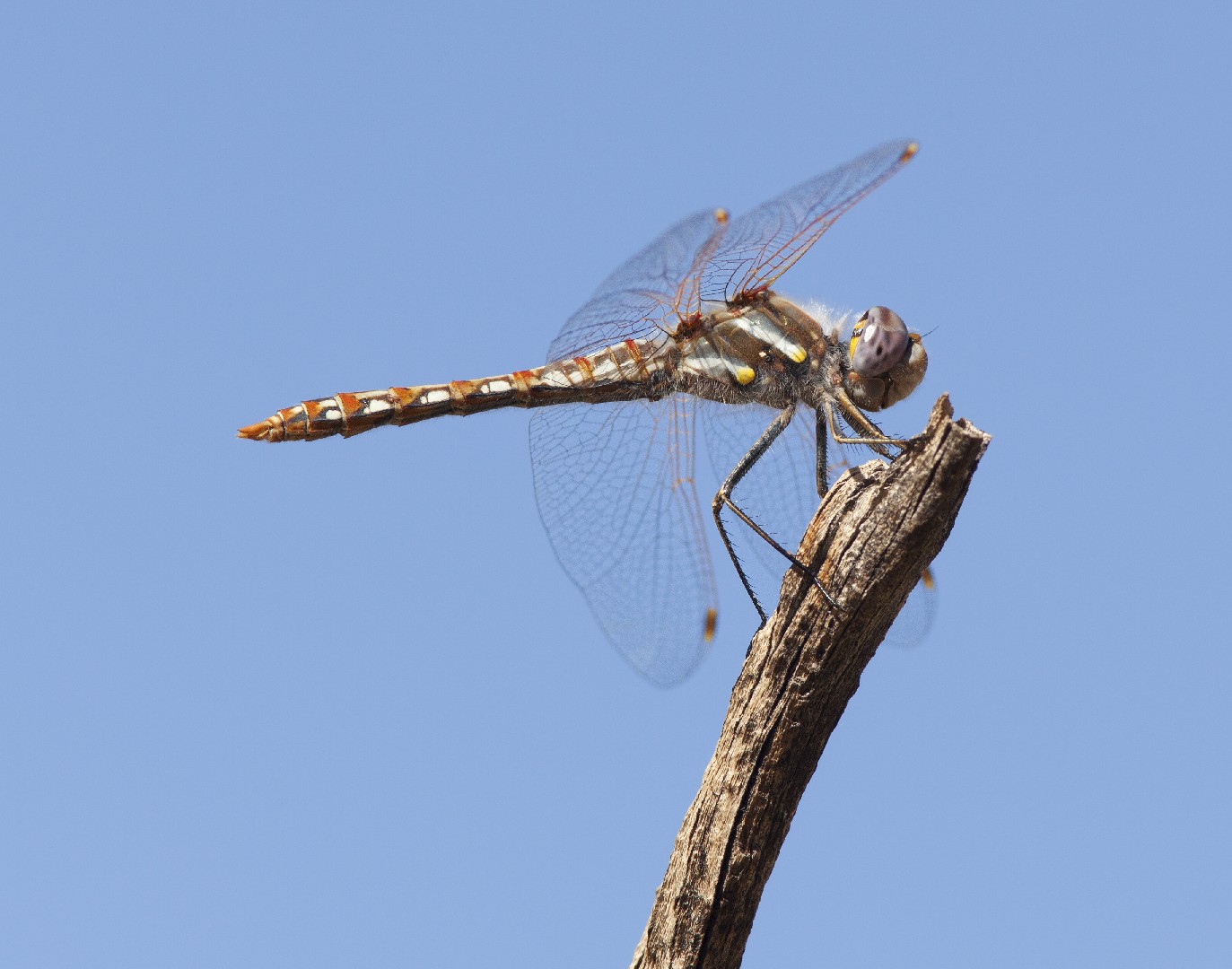
3. Variegated meadowhawk
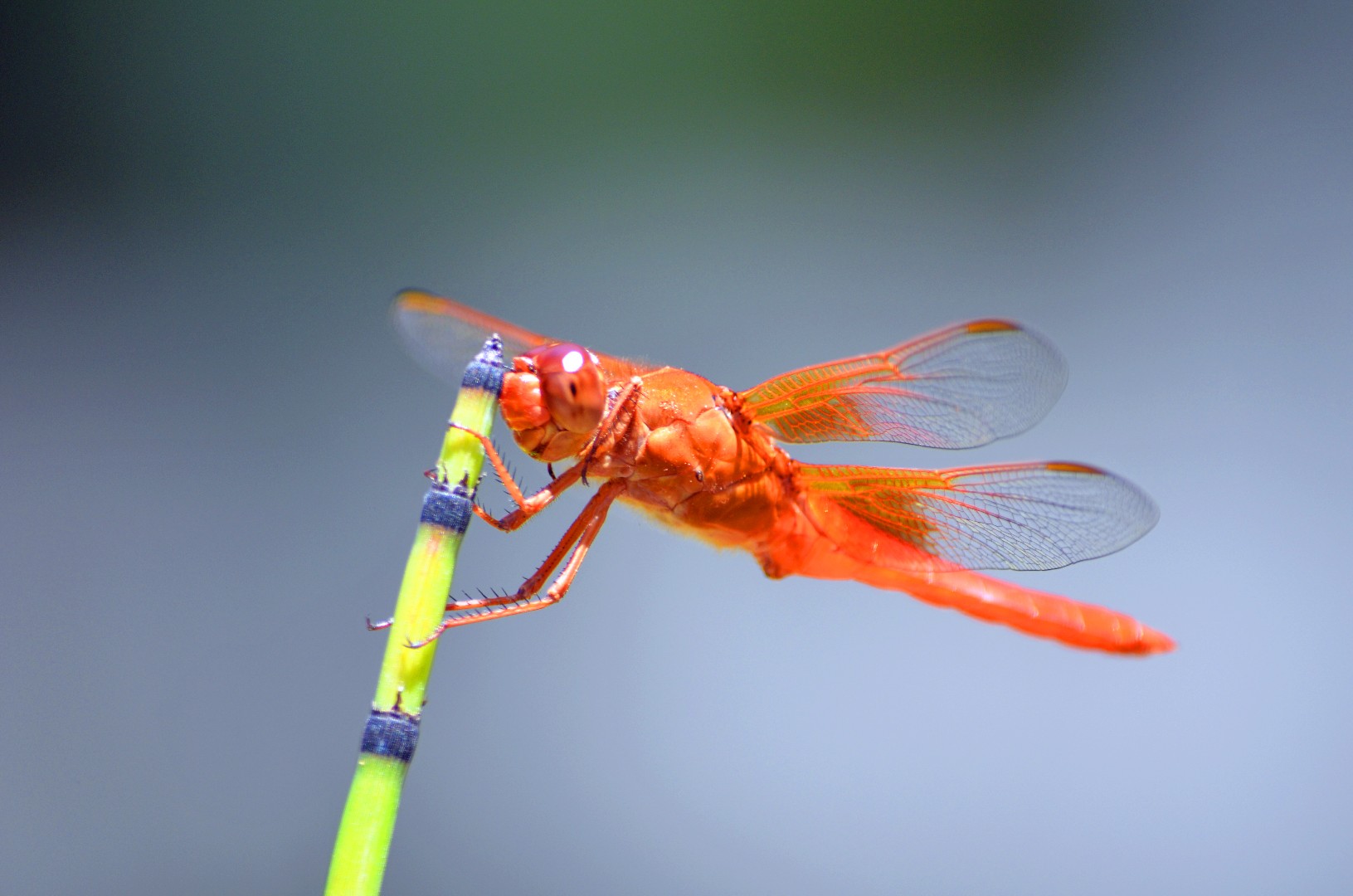
The variegated meadowhawk is a small to medium-sized dragonfly with a slender abdomen, often reaching a length of 4.5 - 23 cm. The male is commonly dark brownish black with an abdomen of bright red, pink, and golden brown. The thorax may be marked with a pair of yellow dots on each side. The leading edges of the wings are marked with pinkish. The females are similar in color but not as brightly colored, with gray and yellow replacing the red of the male. Young variegated meadowhawks are much paler and mottled with pale green, pale yellow, golden brown, and orange. 
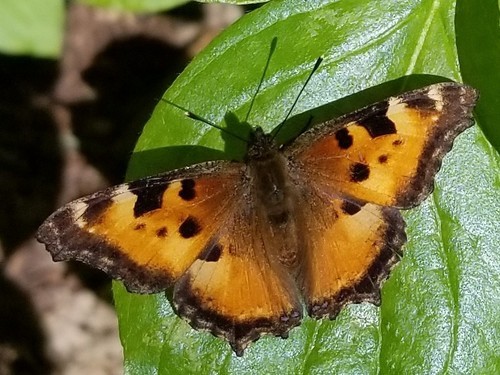
4. California tortoiseshell
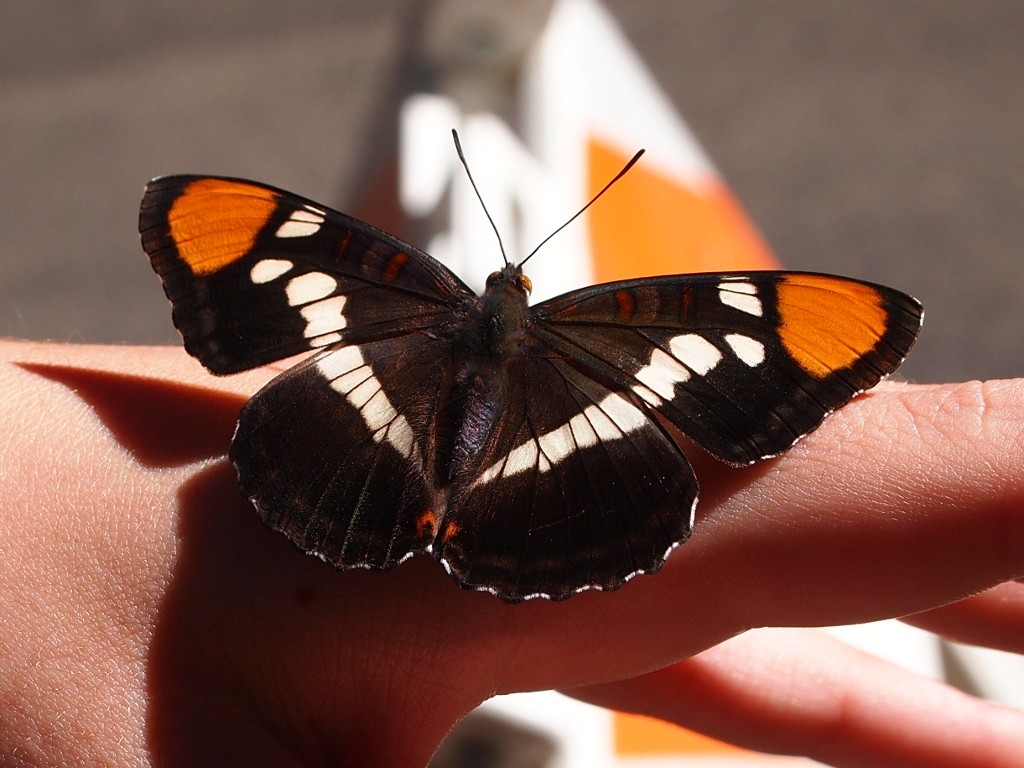
It is recognized for the top of its wings being orange with big black spots (used mainly for camouflage). The browns and grays of the wing underside make it resemble a dead leaf when the wings are closed. Its wingspan varies from 1.25–2.75 in.
5. Convergent lady beetle
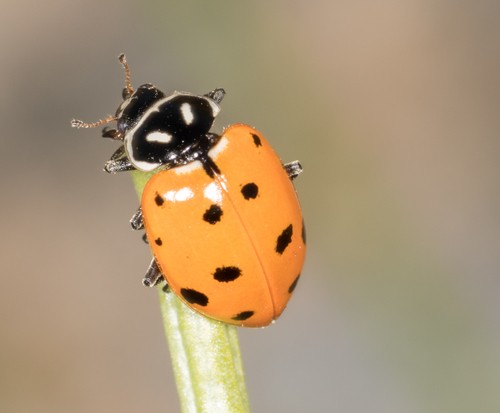
The convergent lady beetle (Hippodamia convergens) is one of the most common lady beetles in North America, which is a great thing given that it is a common biological control agent of aphids. They lay a good chunk of eggs over a couple of months. If you have ever seen a small, black alligator-like insect, you may have seen one of its larva.
6. Yellow-faced bumble bee
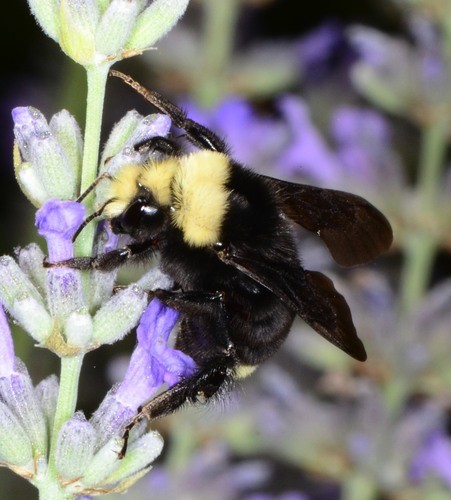
The yellow-faced bumble bee (Bombus vosnesenskii) is known for its mostly black body with a yellow face. Their population is not dropping, but continued expansion of urban human populations is causing some difficulty for this bee to make nests. But what it does find it tends to monopolize due to its early arrival in the season.
7. Black-tailed bumble bee
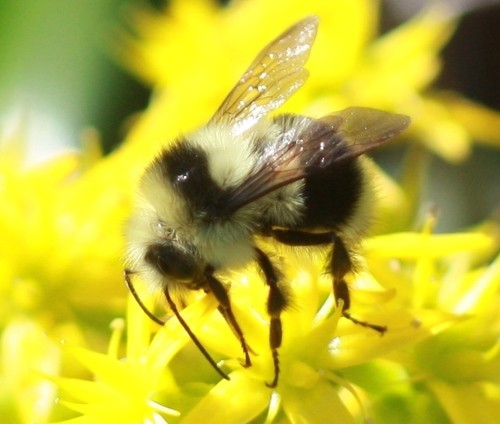
Bombus melanopygus is a non-woven insect from the family of bees and bumblebees (Apidae). The scientific name of the species was first validly published in 1848 by Nylander.
8. Western tiger swallowtail
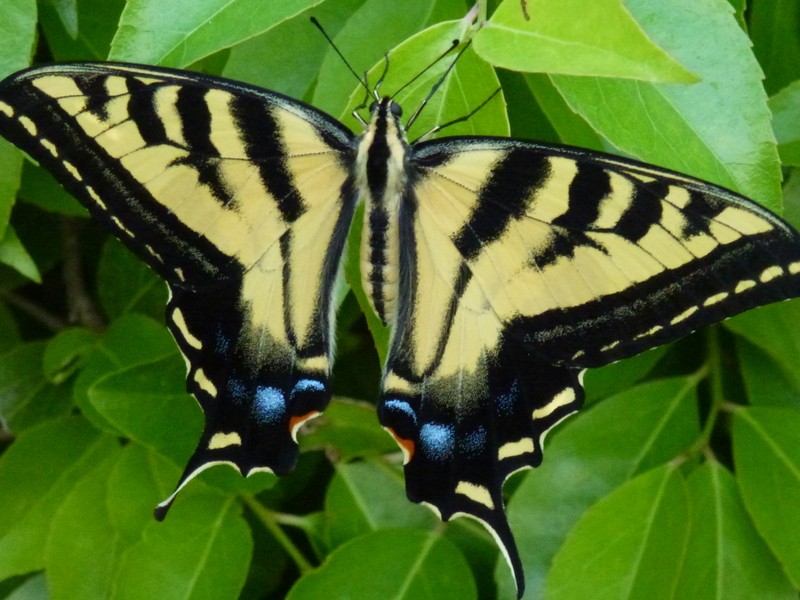
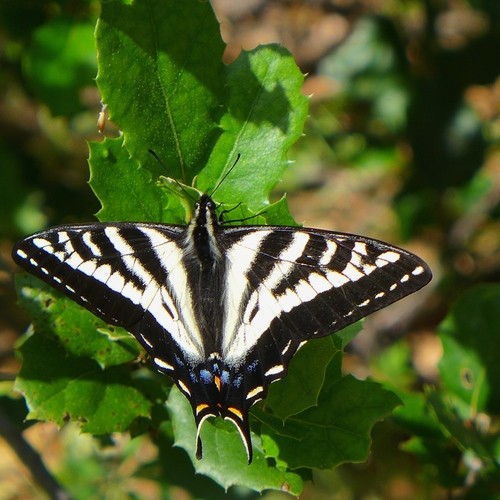
It is a large, brightly colored and active butterfly, rarely seen at rest; its wingspan is 8 - 10 cm, and its wings are yellow with black stripes, and it has blue and orange spots near its tail. It has the "tails" on the hindwings that are often found in swallowtails. The eggs are deep green, shiny, and spherical. Young caterpillars resemble bird droppings, and as they molt, they eventually turn bright green, with a pair of large yellow eyespots with black and blue pupils. The caterpillars molt five times, eventually reaching a length up to 5 cm before pupating.
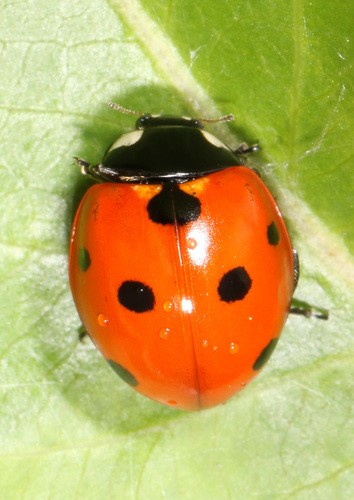
9. Seven-spotted ladybug
Seven-spotted ladybug (Coccinella septempunctata), known in North America as the "seven-spotted ladybug," is the most common species of ladybird in Europe and the official state insect of five U.S. states. While not native to North America, it has established itself there after being introduced to control aphid populations. Its bright coloring deters predators, and it may also play dead or secrete foul-smelling liquids to discourage consumption.
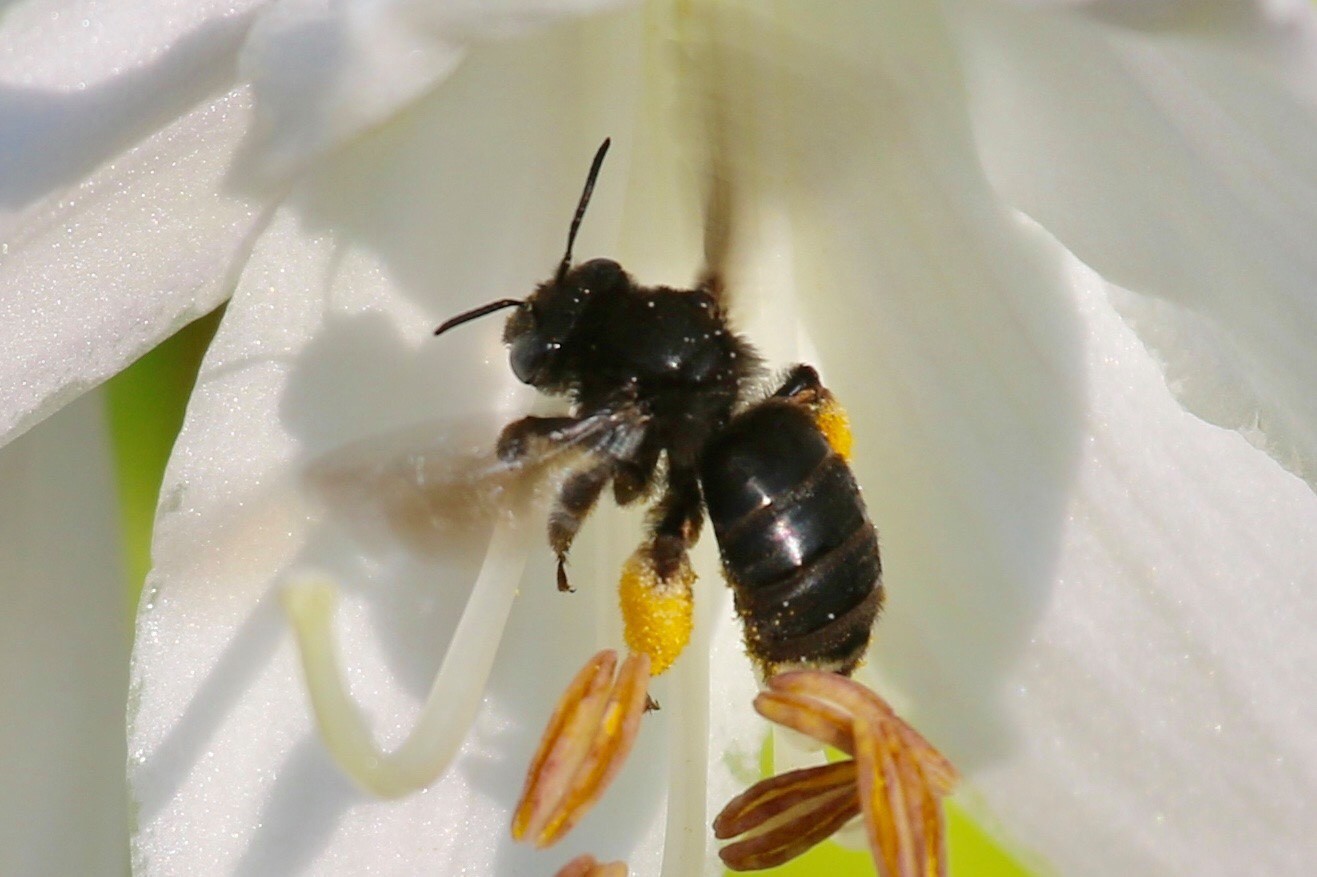
10. Horsefly-like carpenter bee
The horsefly-like carpenter bee (Xylocopa tabaniformis) looks and acts like a carpenter bee. Its ability as a natural actor allows it to get access to flowers that Carpenter bees (Xylocopa) would normally get. The "horsefly-like" portion of its name comes from its pitch-black appearance making it similar to some horseflies.

More







