




Top 20 Most Common Insects in Brighton
Insects, nature's bulky Pride and Joy, are abundant and conspicuous across Brighton. Their exceptional adaptability lets them thrive in various environments, from lush parks to urban buildings. Notable for their roles in the ecosystem, such as pollination and pest control, their presence is critical to Brighton's unique ecological footprint. Stay with us as we explore the 20 most common insects in Brighton, unveiling the intricate relationships between these tiny creatures and their city haunts.

Most Common Insects
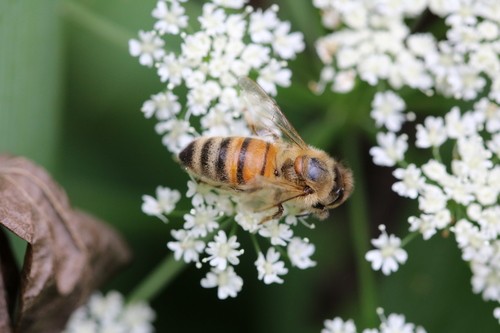
1. Western honey bee
Western honey bee(Apis mellifera) is the most common species of honeybee in the world. Among the first domesticated insects, its cultural and economic impact on humanity has been vast and far-reaching, providing honey, wax and its services as a pollinator. Western honey bee faces challenges worldwide, such as colony collapse disorder, and populations are thought to be decreasing.
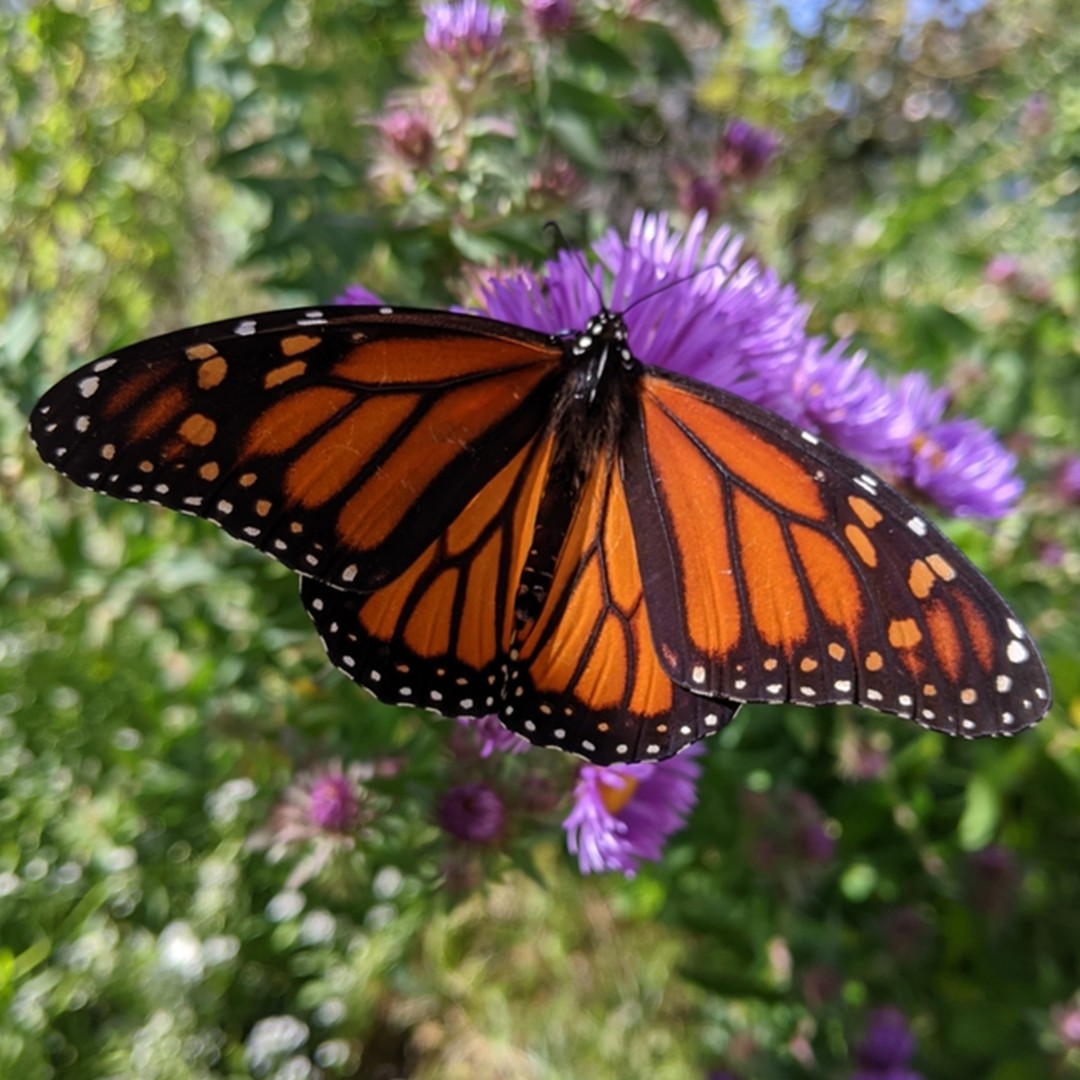
2. Monarch butterfly
The monarch butterfly (Danaus plexippus) is the most recognizable butterfly in North America. It is best known for its appearance, but should be better known for the fact that it has a 3000-mile migration that takes the butterfly 4 generations to complete. Their diet is also a natural deterrent for predators, as they eat milkweed, a poison that induces vomiting.
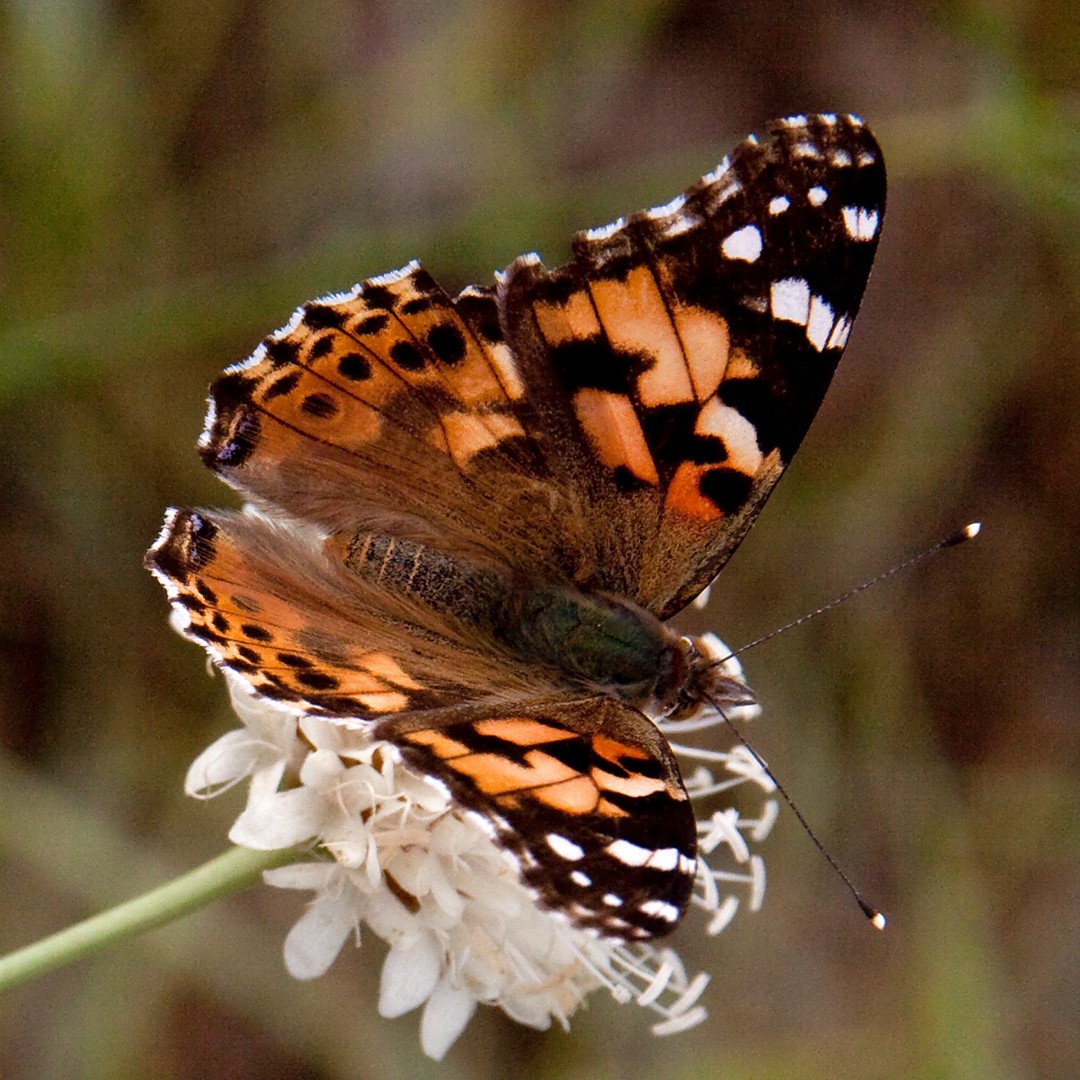
3. Painted lady
The painted lady is a migratory butterfly that spends part of the year in Northern Africa and then migrates to Europe during the warmer months. Although the adults feed on nectar from flowers, the larvae feed on the leaves of nettles and thistles.
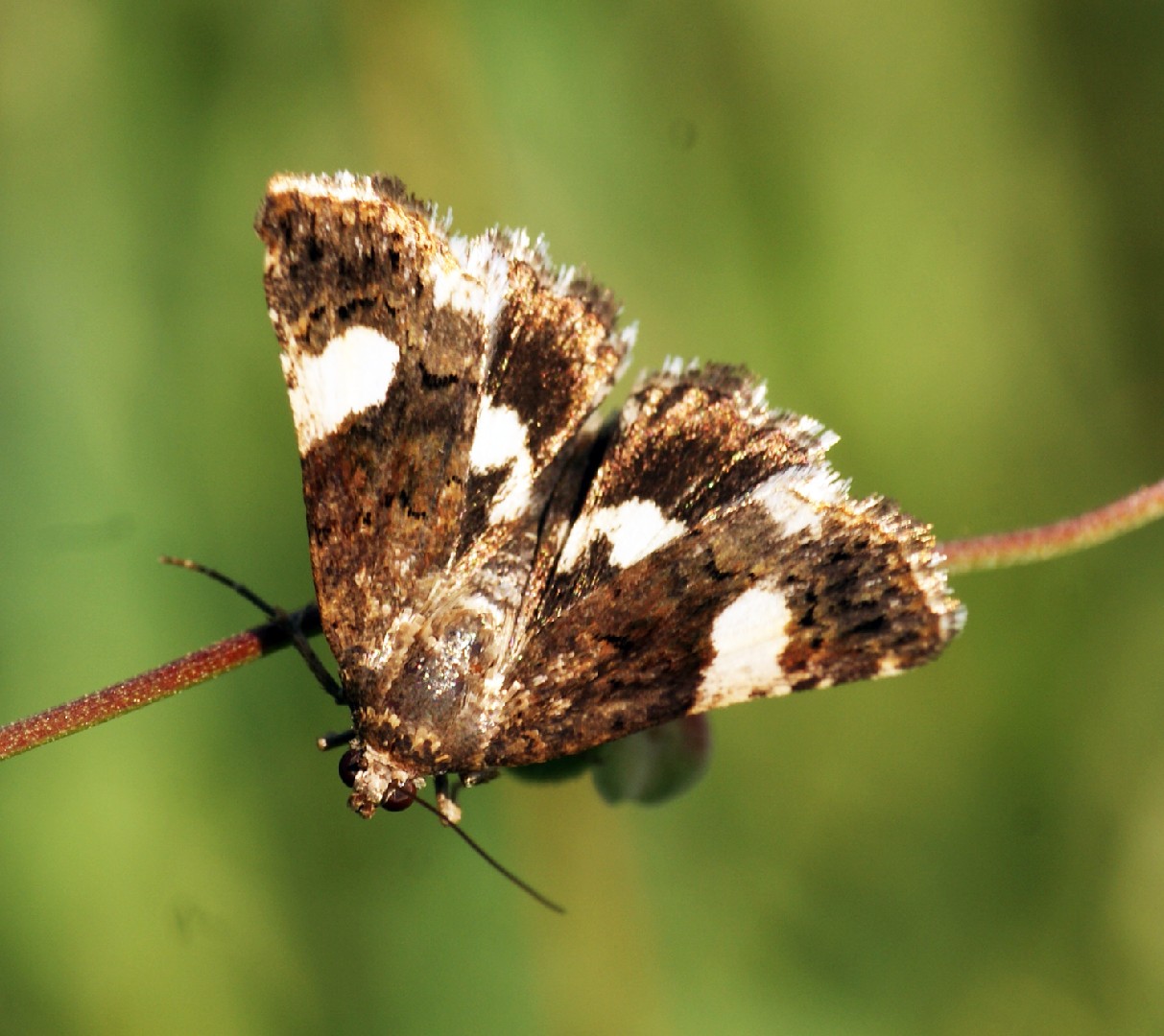
4. Four-spotted moth
The adult moth is about 1.1 cm long and dark brown with one large white spot on each of its four wings. 
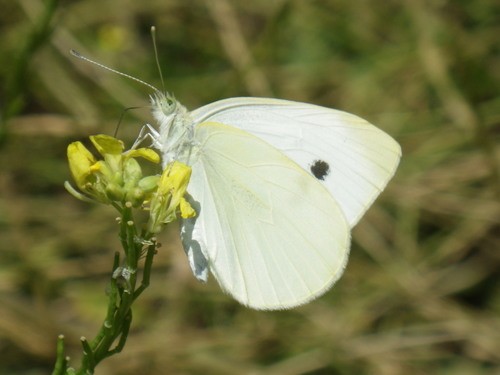
5. Cabbage white
Cabbage white (Pieris rapae) derives its common name from its habits as a caterpillar, which is a ferocious pest for cabbage, kale and broccoli farmers. In North America, it is one of the first butterflies to emerge in spring, heralding the beginning of the season.
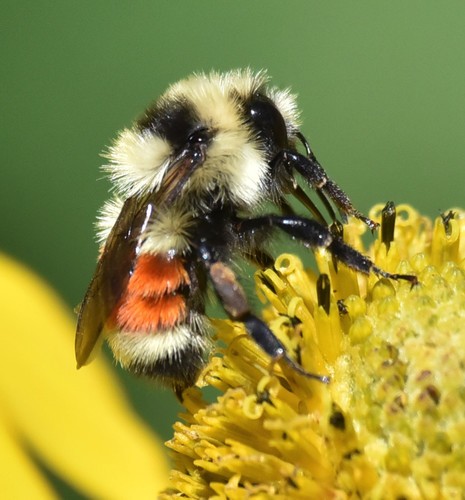
6. Hunt's bumble bee
Bombus huntii is a non-woven insect from the family of bees and bumblebees (Apidae). The scientific name of the species was first validly published in 1860 by Greene.
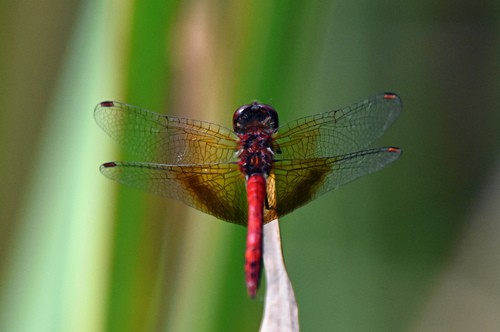
7. Band-winged meadowhawk
Sympetrum semicinctum can reach a length of 2.5 - 3.5 cm, with a wingspan of 4.5 - 6 cm. The male has a bright red abdomen with black markings on the lower sides and on the top of the segments 8 and 9, creating a U like pattern. The thorax is brownish red and the sides show three irregular black stripes. Face and eyes are dark red. The legs are black. The hind wings have a rusty patch at the base, covering one-third of the wings, while the front wings are almost completely transparent. Pterostigma is blackish red. The female is mainly greenish-yellowish or orange, with red over green on eyes and extended blackish markings on the abdomen. Mature females sometimes turn red like males, while immature males are yellow like females and slowly reach their red coloration.
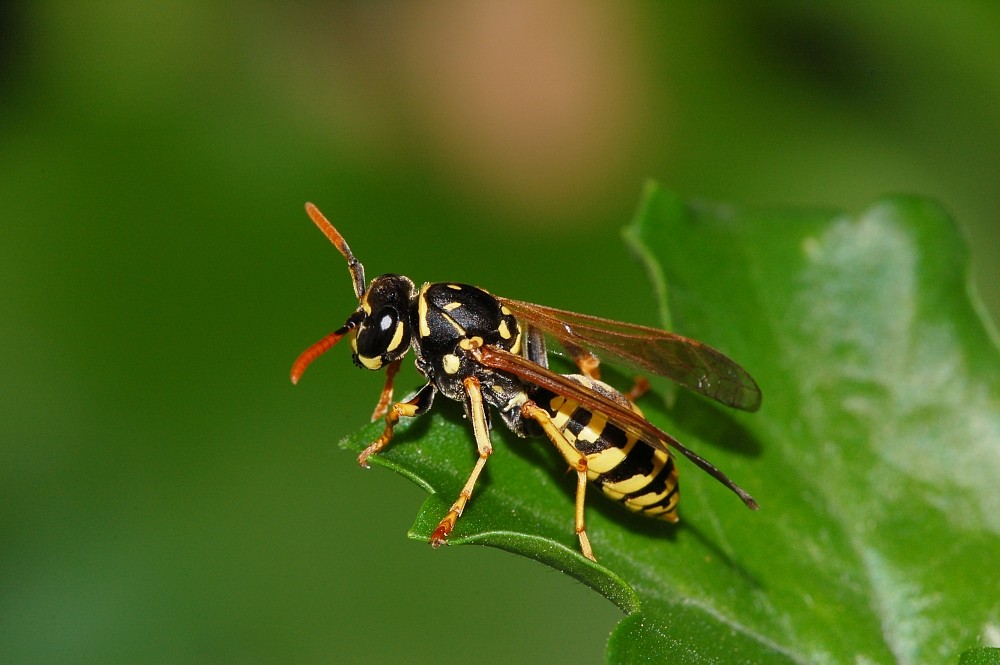
8. European paper wasp
A particularly hated invasive species in North America, european paper wasp (Polistes dominula) is well-known for its tendency to nest on human porches and sting if approached. Nests are controlled by a dominant female queen, who lays most of the eggs. Dominance among individuals can be predicted by the shape, size and number of spots they display, with more spots signaling greater dominance within the nest.
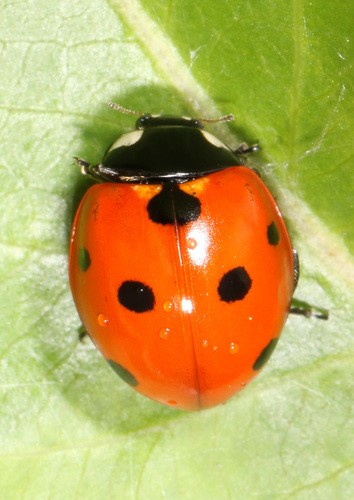
9. Seven-spotted ladybug
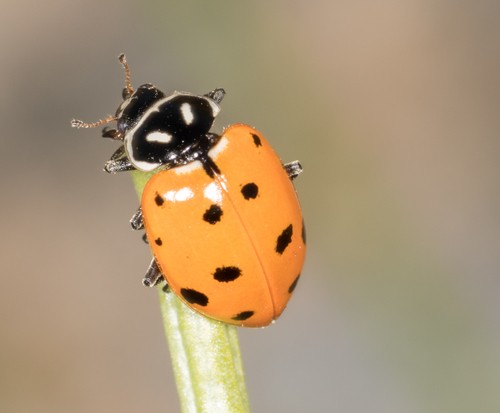
Seven-spotted ladybug (Coccinella septempunctata), known in North America as the "seven-spotted ladybug," is the most common species of ladybird in Europe and the official state insect of five U.S. states. While not native to North America, it has established itself there after being introduced to control aphid populations. Its bright coloring deters predators, and it may also play dead or secrete foul-smelling liquids to discourage consumption.
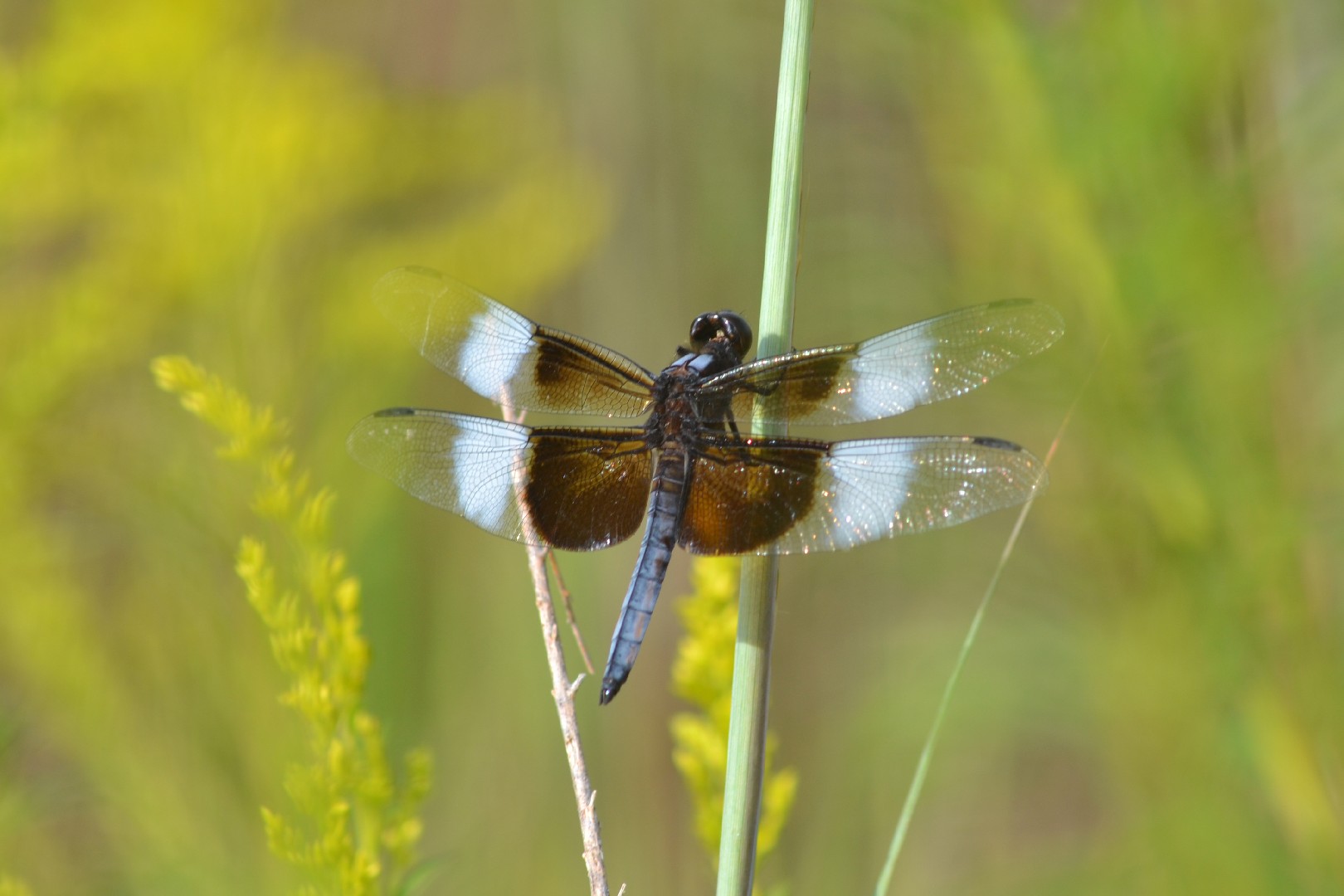
10. Widow skimmer
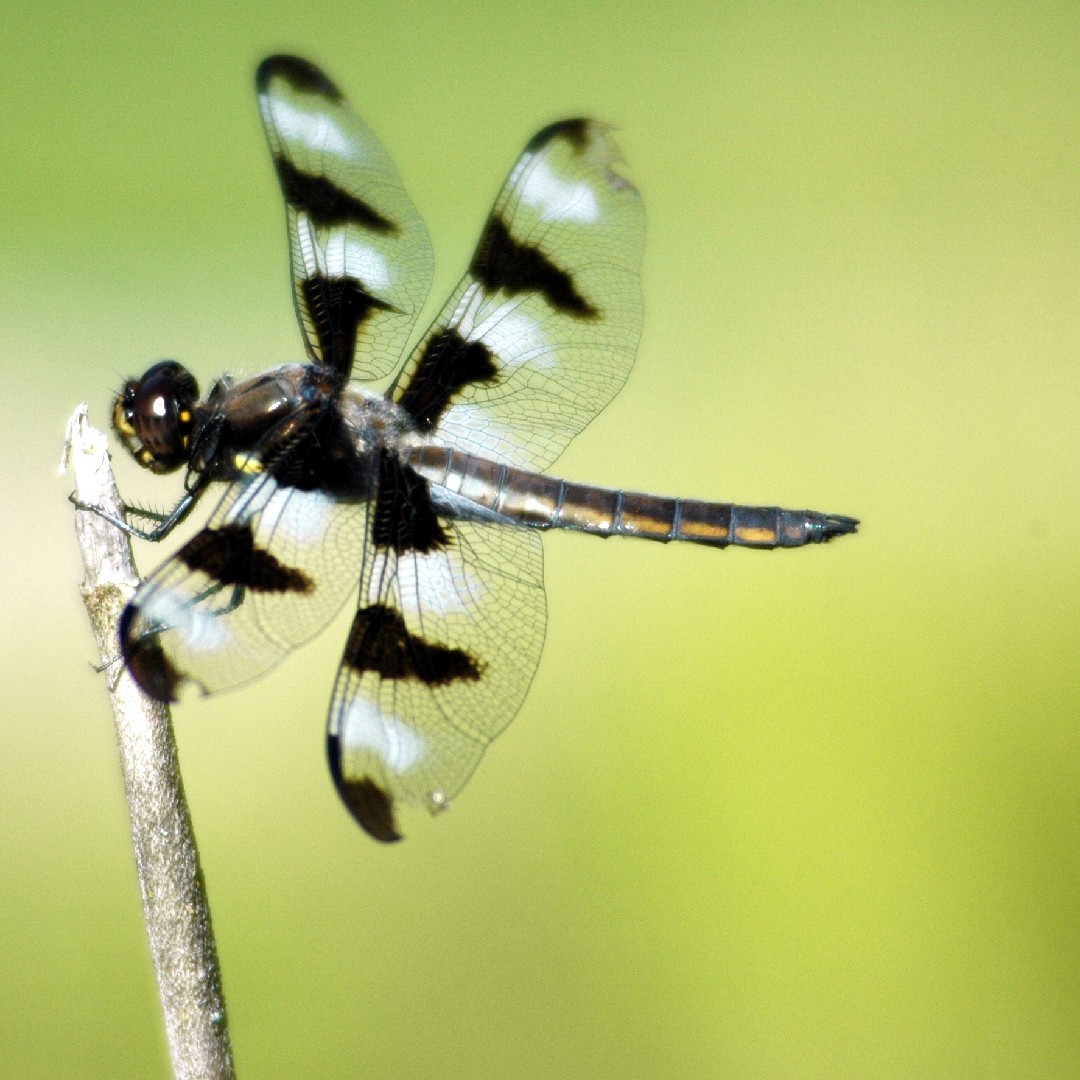
The widow skimmer (Libellula luctuosa) is a large insect that grows to be incredibly large with a bulbous head and body. As they age, they are known to grow whitish, much like our grandparents' hair. They live in the water until their final molt, where they reveal their wings, it is at this point it reveals why it has part of a group called the king skimmers.


More







