




Top 20 Most Common Insects in Connecticut
Insects, blessed with distinguishing traits and adaptability, find Connecticut an attractive habitat. The diversity of insect life varies across the area, influenced by Connecticut's distinct geographical conditions. Insects play critical roles in the ecosystem, acting both as pests and beneficial creatures. The interaction between Connecticut's environments and its insects is a noteworthy exploration, which will anchor our forthcoming list of 20 most common insects.

Most Common Insects
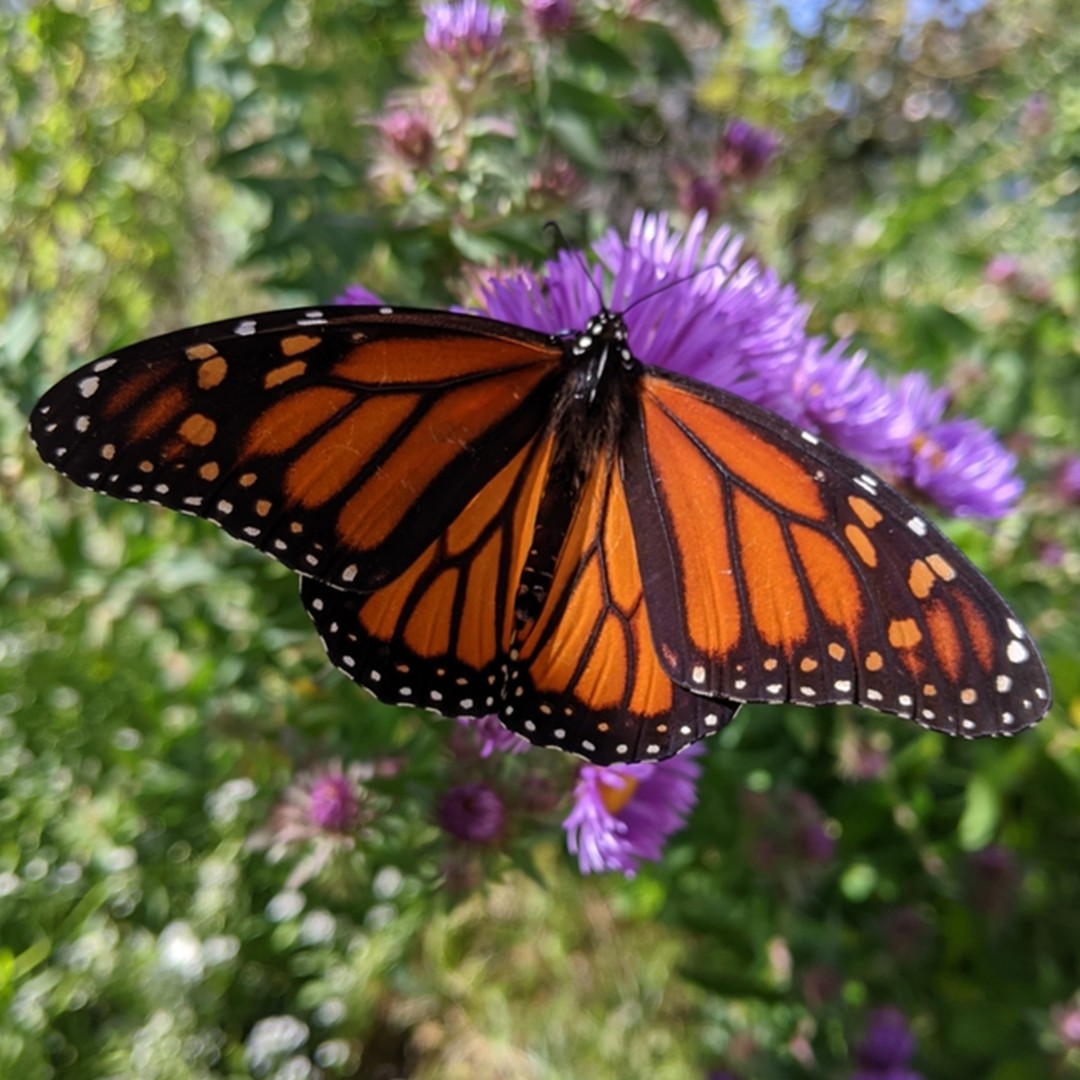
1. Monarch butterfly
The monarch butterfly (Danaus plexippus) is the most recognizable butterfly in North America. It is best known for its appearance, but should be better known for the fact that it has a 3000-mile migration that takes the butterfly 4 generations to complete. Their diet is also a natural deterrent for predators, as they eat milkweed, a poison that induces vomiting.
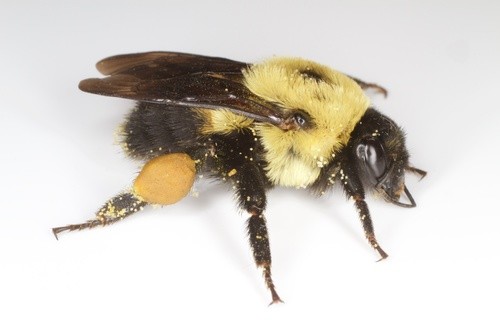
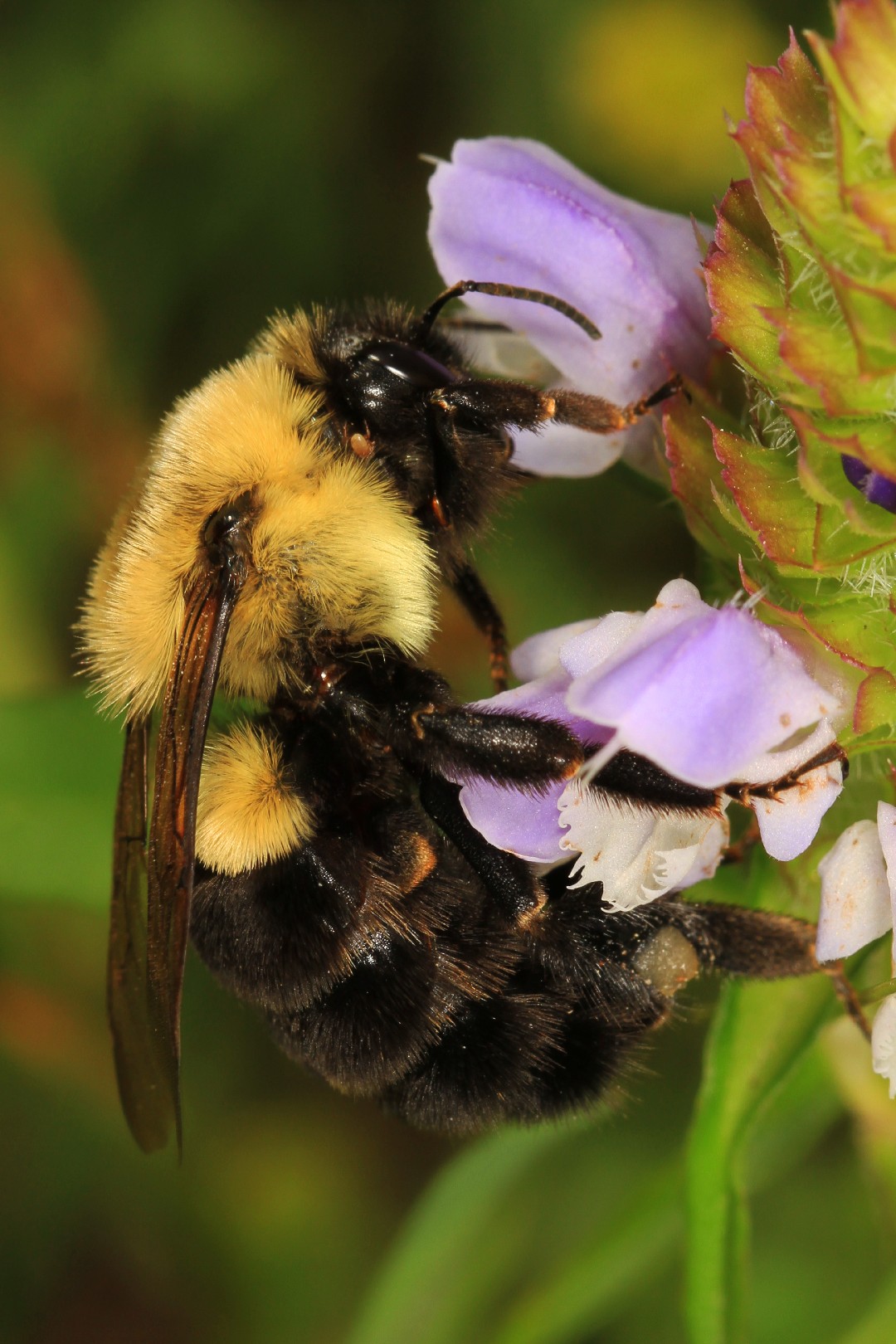
2. Common Eastern Bumble Bee
The common Eastern Bumble Bee (Bombus impatiens) is one of the most important pollinator bees in North America. A decline in the bee population will lead to financial hardships for farmers and reduced food yield. Their efficiency in pollination and foraging comes from their ability to drop "traplines." These lines guide other bees to the correct path for food while informing them of depleted locations.

3. Multicolored asian ladybeetle
Often confused for the ladybug, multicolored asian ladybeetle (Harmonia axyridis) is a separate species that, unlike the ladybug, is a household pest. It is considered particularly annoying for its habit of returning to places from which it is removed. One of the most variable species in the world, there are many different colors and patterns multicolored asian ladybeetle may display, making identification potentially difficult.
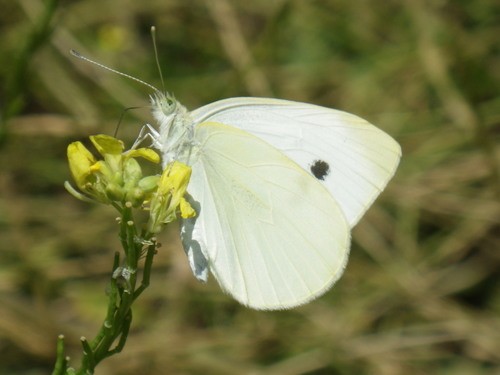
4. Cabbage white
Cabbage white (Pieris rapae) derives its common name from its habits as a caterpillar, which is a ferocious pest for cabbage, kale and broccoli farmers. In North America, it is one of the first butterflies to emerge in spring, heralding the beginning of the season.
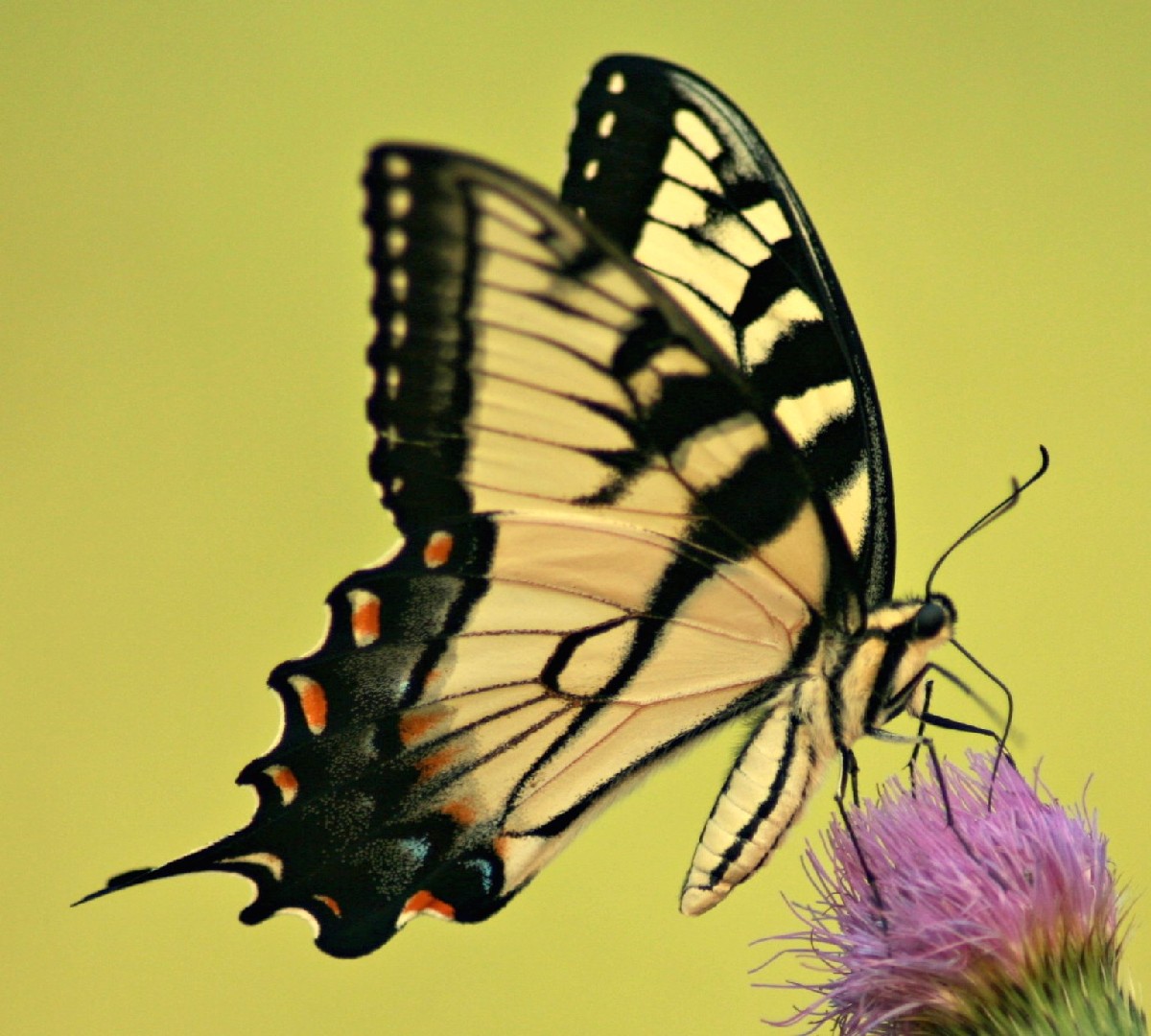
5. Eastern tiger swallowtail
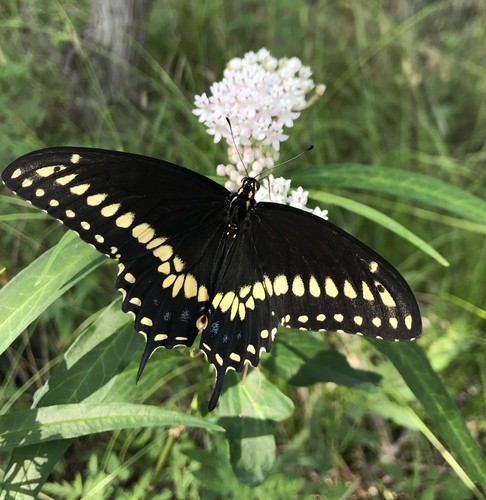
Eastern tiger swallowtail (Papilio glaucus) is among the most recognizable butterflies in the eastern United States, where it inhabits a variety of habitats. This species is diurnal and usually solitary, preferring to fly high above the ground until the time comes to mate. Caterpillars display eyespots to deter birds in between some molting phases.
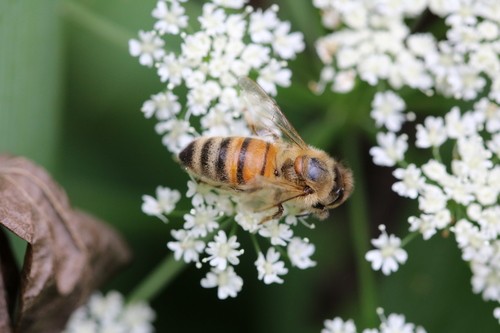
6. Western honey bee
Western honey bee(Apis mellifera) is the most common species of honeybee in the world. Among the first domesticated insects, its cultural and economic impact on humanity has been vast and far-reaching, providing honey, wax and its services as a pollinator. Western honey bee faces challenges worldwide, such as colony collapse disorder, and populations are thought to be decreasing.

7. Spicebush swallowtail
The spicebush swallowtail (Papilio troilus) is a butterfly with an extreme love for plants in the Lauraceae family, such as spicebushes. Their preference is so strong that an experiment proved they would rather die than choose another host. Their two subspecies, *T. troilus *troilus and *T. troilus *ilioneus, differ based on location. The *T. troilus *ilioneus has more bluish spots and prefers redbay and swampbay plants.

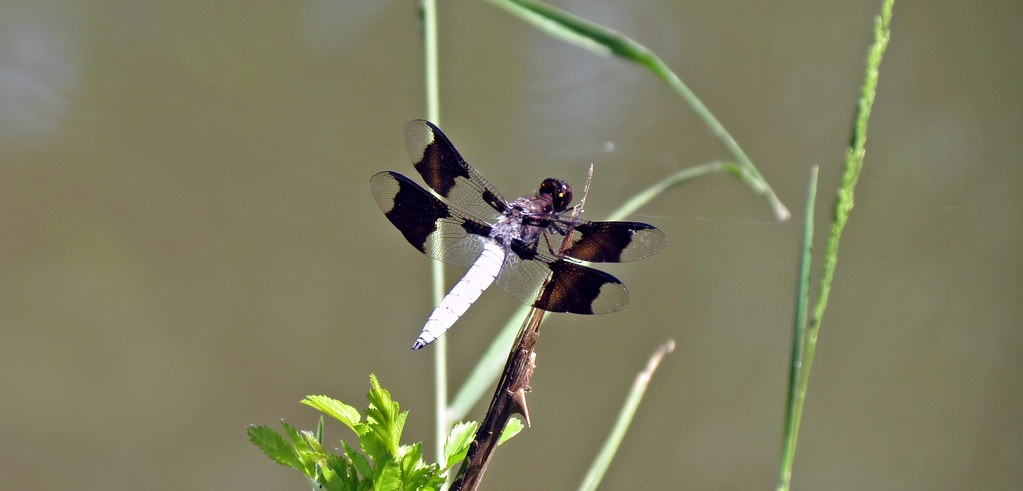
8. Blue dasher
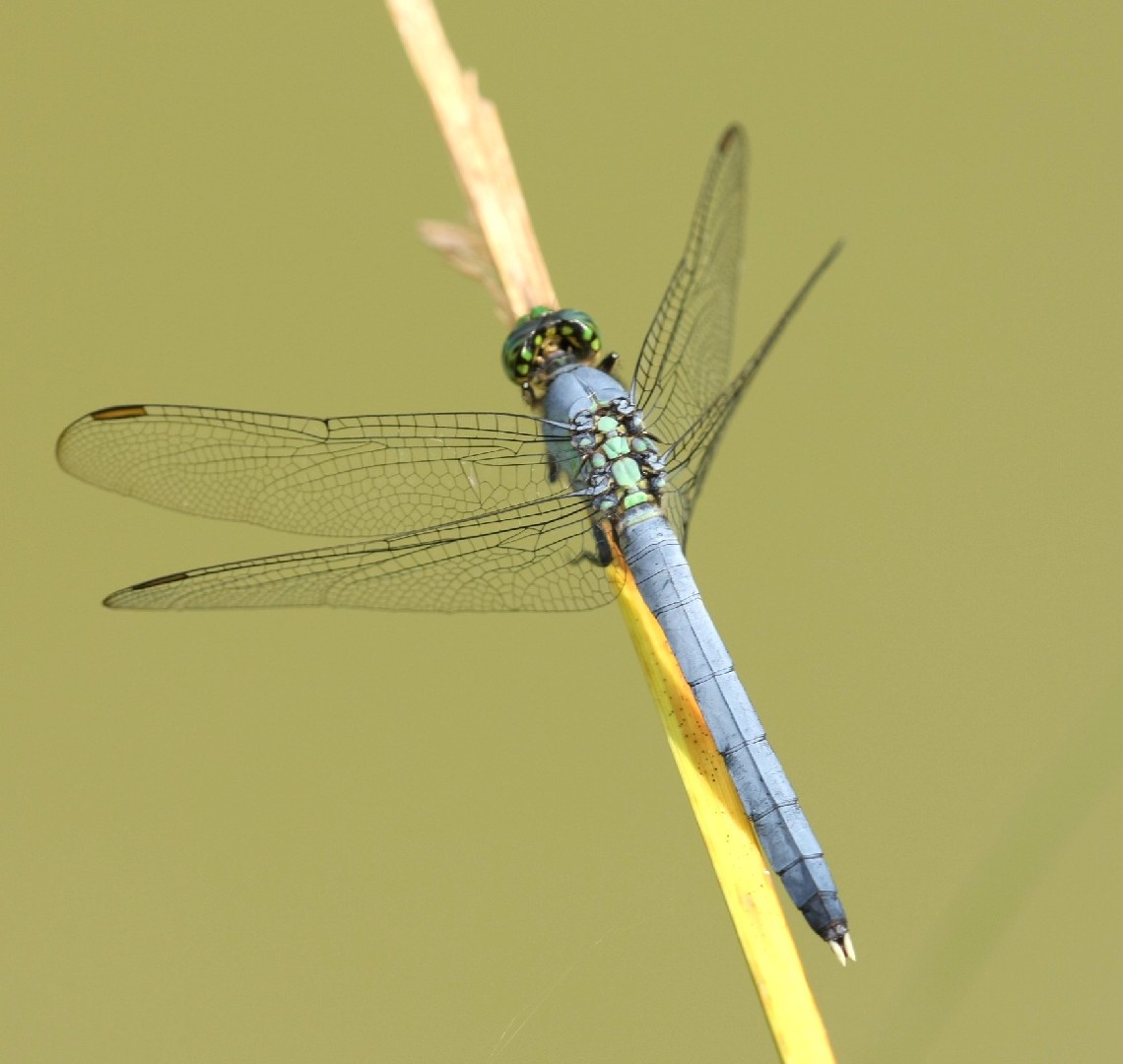
The name Pachydiplax longipennis implies that the blue dasher has long wings due to the "longipennis" section literally translating to it. But this would be misleading, as the insect does not have particularly long wings. Instead, they stick out with vibrant blue colors. The dasher part of their name may be in reference to their voracious diet, as they can eat up to 10 percent of their body weight daily.
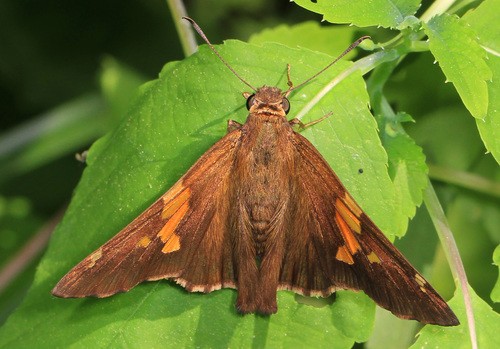
9. Silver-spotted skipper
The silver-spotted skipper (Epargyreus clarus) constructs a series of nests throughout its development that depends on its growth stage. Its caterpillar form is considered a major homebody, as they rarely leave the spot they call home. When they are adults, males perch on high branches in order to claim and defend favorable territory. Unusually, silver-spotted skipper adults never visit yellow flowers.
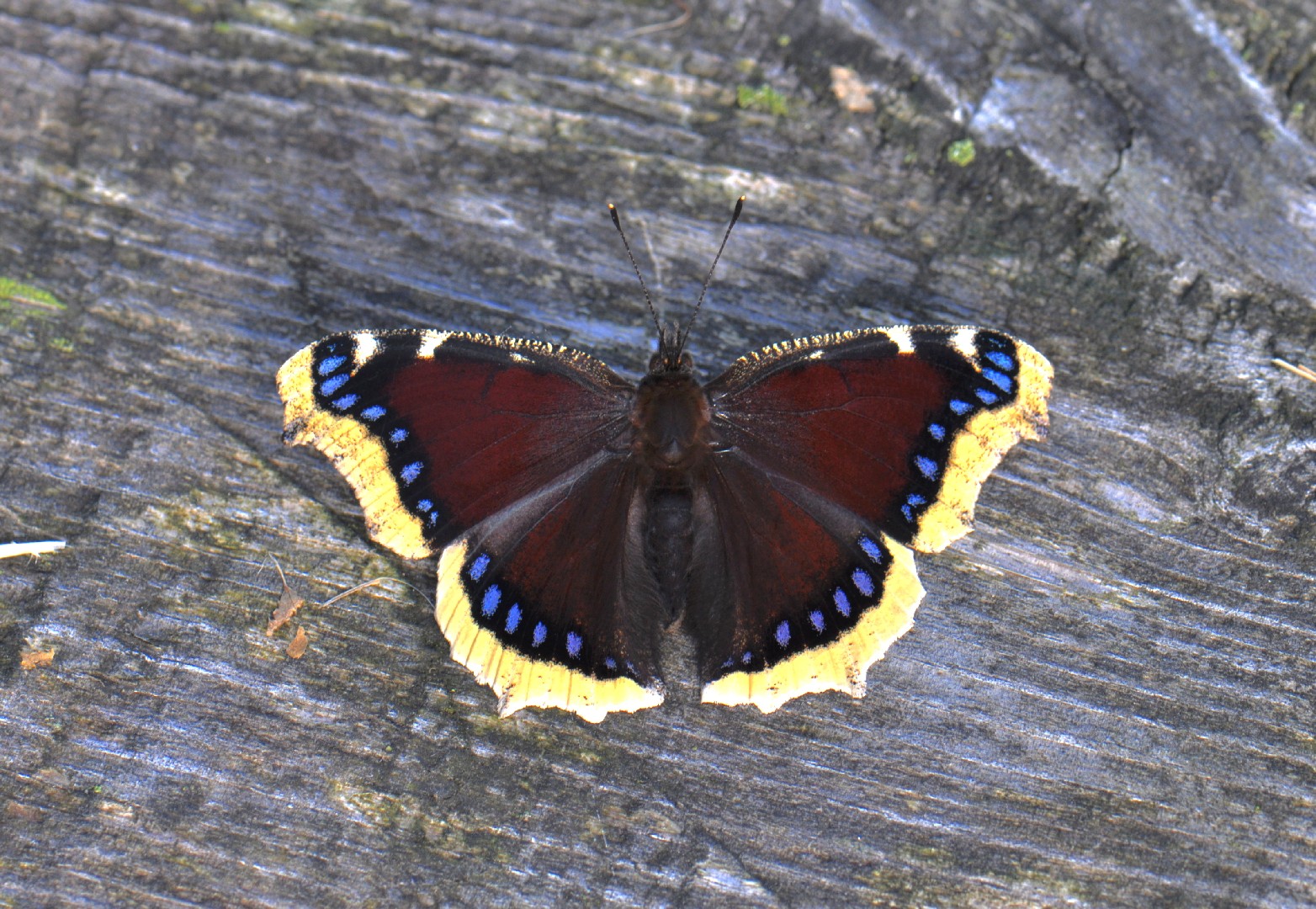
10. Mourning cloak
The state insect of Montana, mourning cloak (Nymphalis antiopa) owes its name to a visual comparison with a girl who, disliking mourning, allows a few inches of color to show from under her mourning garb. Among the longest-lived butterflies, individuals may persist for as long as eleven to twelve months. It is a powerful flier, with vagrants often found many miles from the usual migration paths.
More







