




Top 20 Most Common Insects in Clermont
Insects, with their array of colors and abilities, are integral to Clermont's thriving ecosystem. Their vast presence, from diligent pollinators to pesky invaders, reflects the diversity of Clermont's environments. Unveiling the '20 most common insects in Clermont', we'll discover a fascinating world, highlighting stories of both harmony and conflict between these tiny creatures and our urban landscape.

Most Common Insects
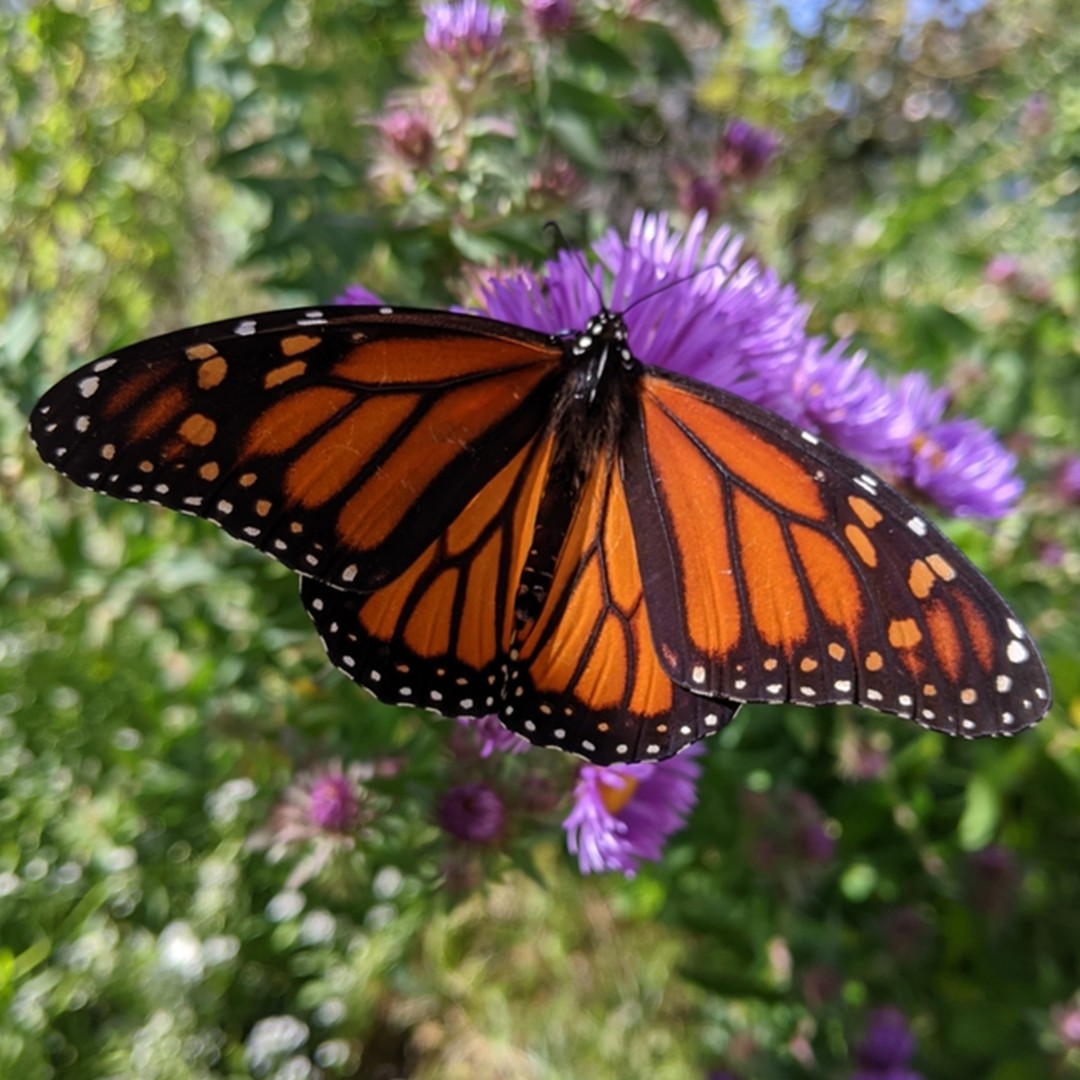
1. Monarch butterfly
The monarch butterfly (Danaus plexippus) is the most recognizable butterfly in North America. It is best known for its appearance, but should be better known for the fact that it has a 3000-mile migration that takes the butterfly 4 generations to complete. Their diet is also a natural deterrent for predators, as they eat milkweed, a poison that induces vomiting.
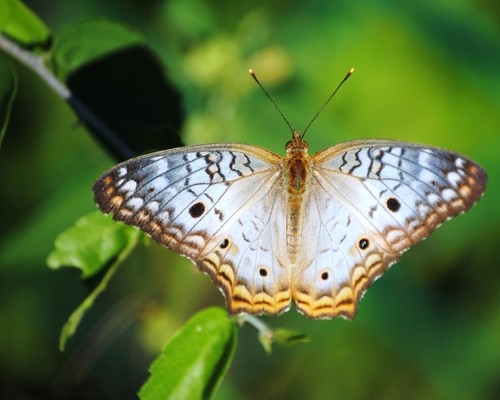
2. White peacock
The wingspan of the moths is 51 to 70 millimeters. The basic color is whitish. On the forewings there is a black, circular spot near the inner angle. At the front edge, two to three oblong, yellow-brown spots stand out. The Submarginalregion is also yellow-brown colored and crossed by dark lines. On the hind wings are two more small, black, circular spots near the tawny and dark-colored submarginal region. A short tail is more or less strong. The wing underside shows similar drawing elements as the top, but these are paler and weaker pronounced.
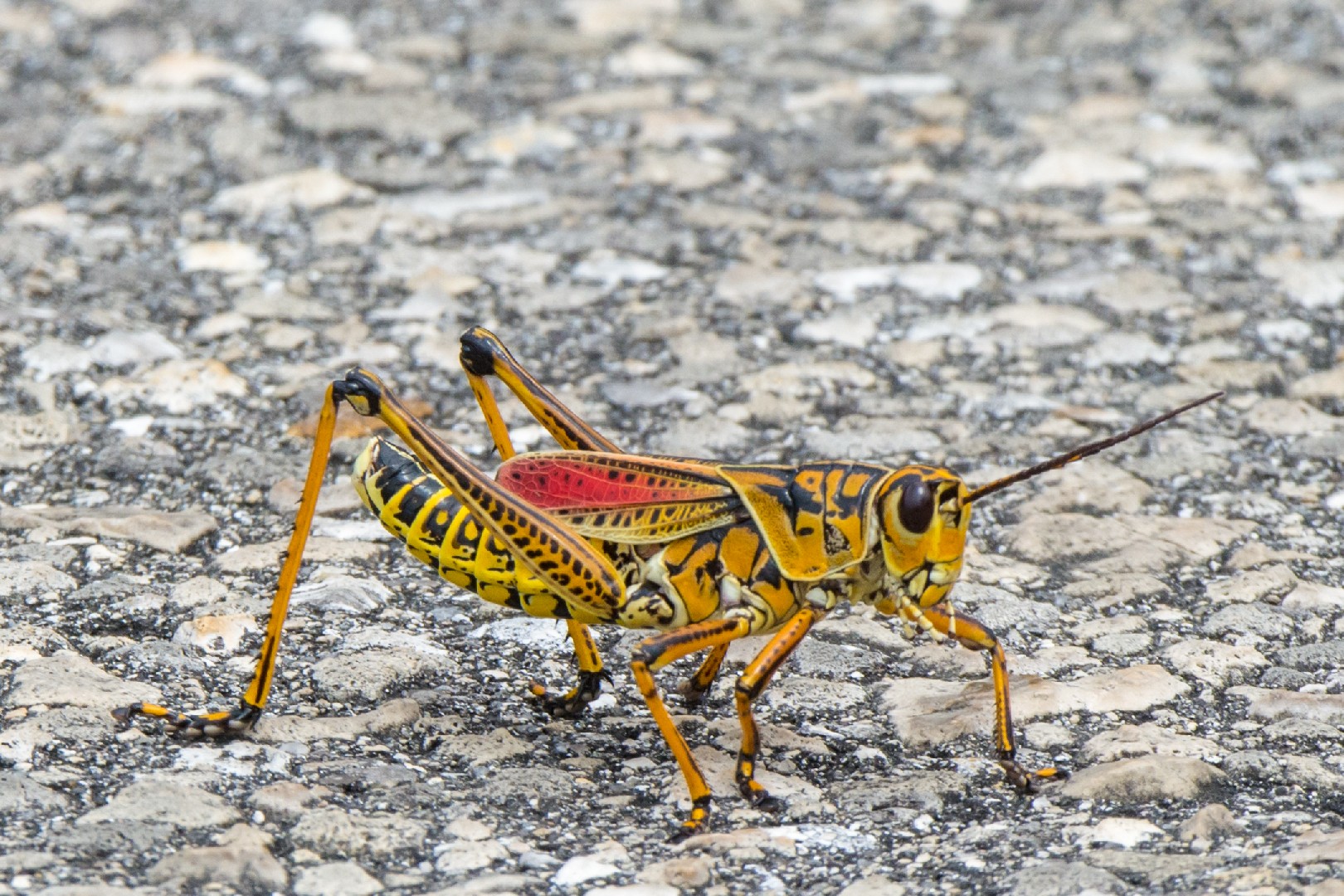
3. Eastern Lubber Grasshopper
The eastern Lubber Grasshopper ( Romalea microptera) is the most distinctive grasshopper within the south-eastern United States. This large and brightly colored insect can emit a noxious dark-colored foamy secretion from the thorax when it is disturbed. A bird would feel very regretful after ate this insect by mistake.
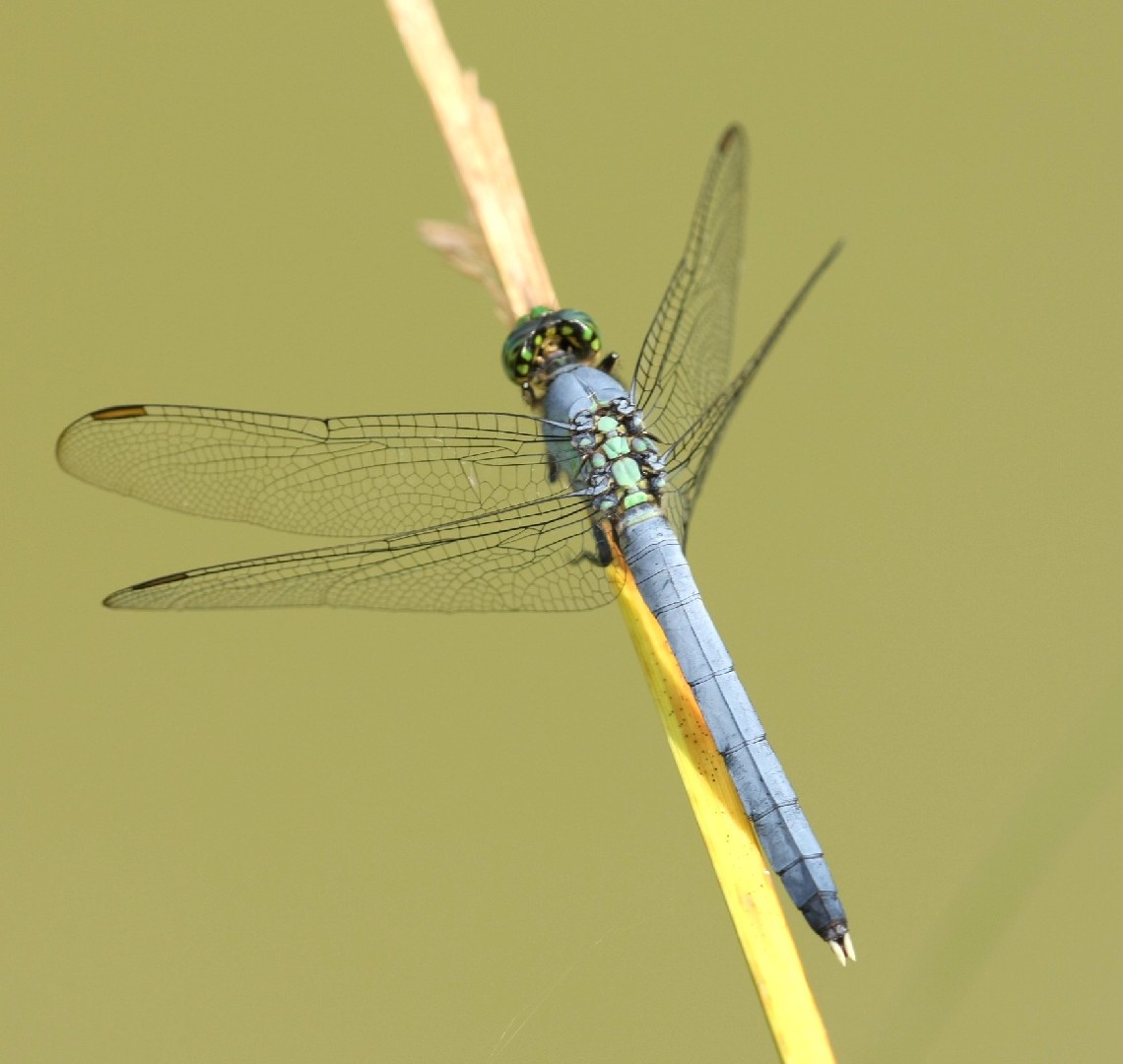
4. Eastern pondhawk
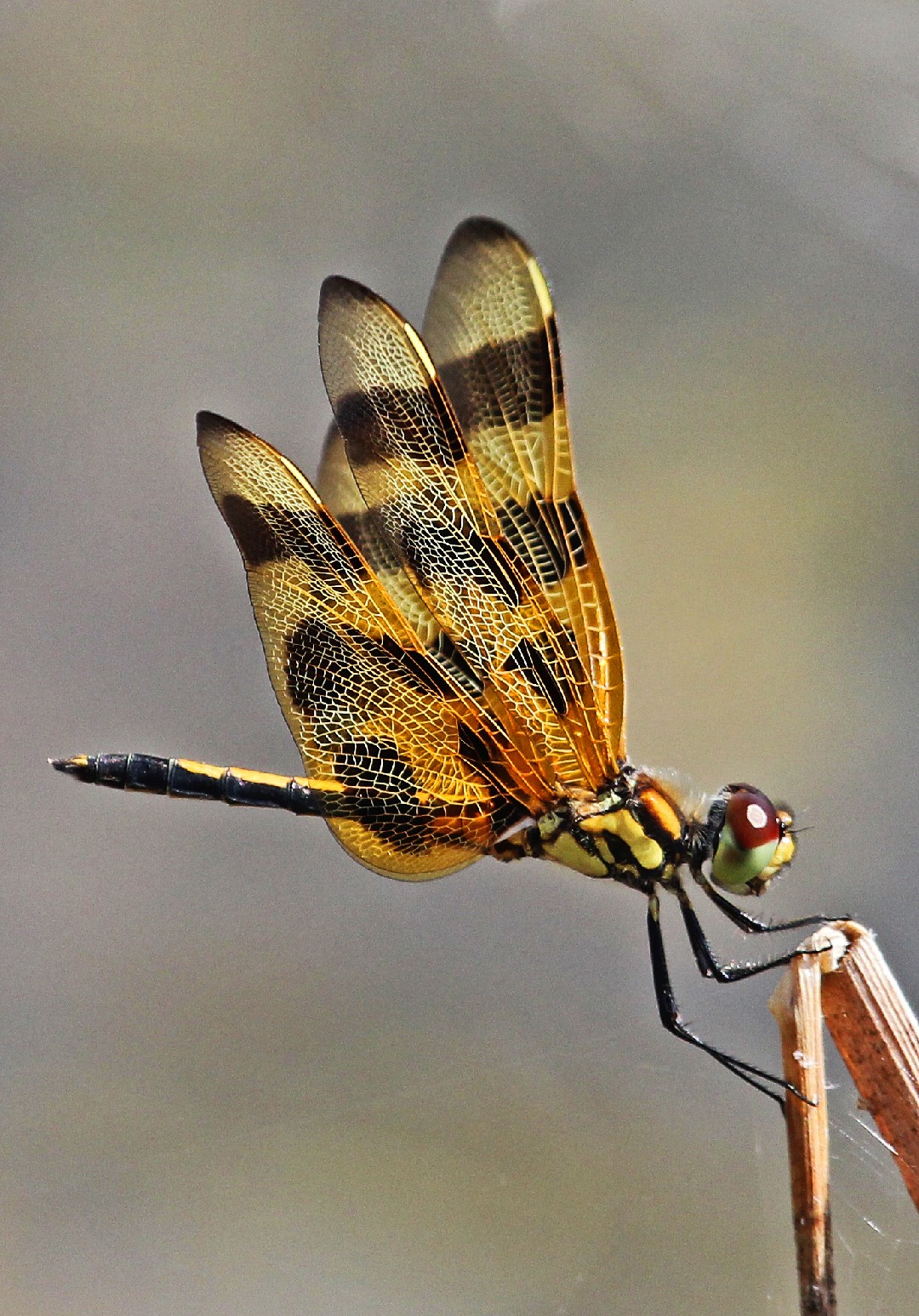
The eastern pondhawk (Erythemis simplicicollis) has much in common with American fishermen, they love living near the sides of ponds. They are a beautiful insect that is easy to distinguish when it comes to different genders. Females are bright green with bands around the abdomen and the males are bright blue with a green face.

5. Blue dasher
The name Pachydiplax longipennis implies that the blue dasher has long wings due to the "longipennis" section literally translating to it. But this would be misleading, as the insect does not have particularly long wings. Instead, they stick out with vibrant blue colors. The dasher part of their name may be in reference to their voracious diet, as they can eat up to 10 percent of their body weight daily.
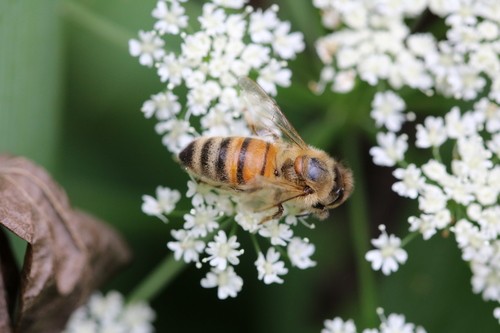
6. Western honey bee
Western honey bee(Apis mellifera) is the most common species of honeybee in the world. Among the first domesticated insects, its cultural and economic impact on humanity has been vast and far-reaching, providing honey, wax and its services as a pollinator. Western honey bee faces challenges worldwide, such as colony collapse disorder, and populations are thought to be decreasing.
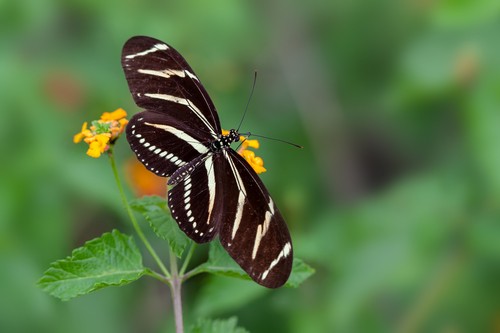
7. Zebra longwing
The zebra longwing (Heliconius charithonia) is a beautiful butterfly that has a texture resembling a zebra. They feast and pollen and nectar, using the pollen to produce chemicals that poison predators if they are eaten, deterring most predators from attack. Unfortunately, their populations have been decimated after being caught in the crossfire of sprays meant to control mosquitos.
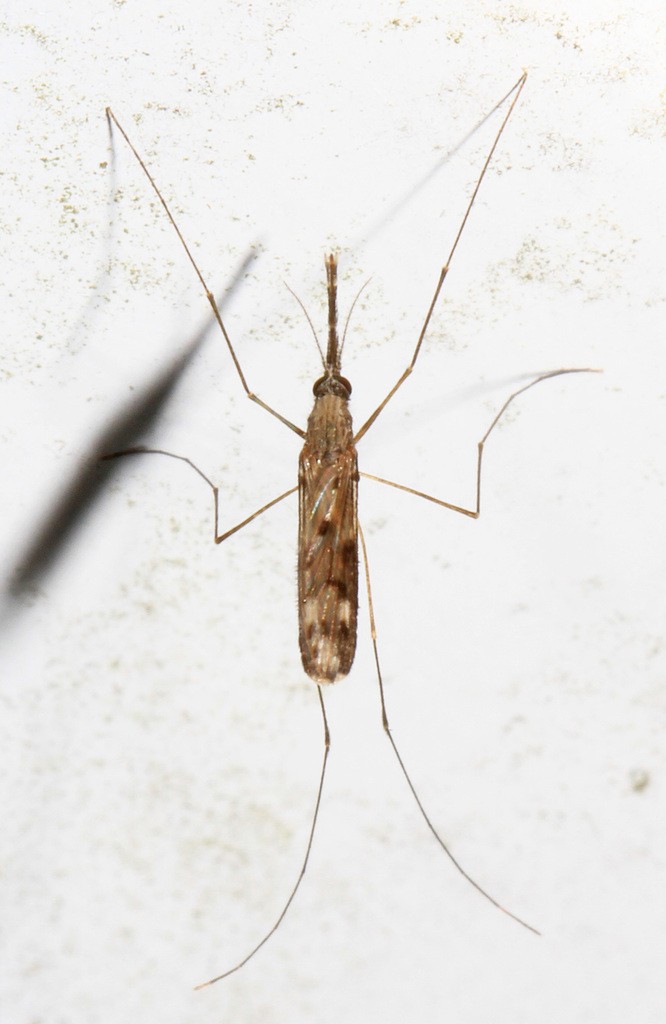
8. Anopheles crucians
Anopheles crucians is a mosquito that exists in aquatic environments under areas with little light presence. The preferred environment for A. crucians is areas with acidic water such as that found in cypress swamps. The mosquito breeds in semipermanent and permanent pools, ponds, lakes and swamps. It may be a vector for malaria. Walter Reed Biosystematic Unit Characteristics, Bionomics, Medical Importance GeoSpecies Knowledge Base University of Wisconsin 
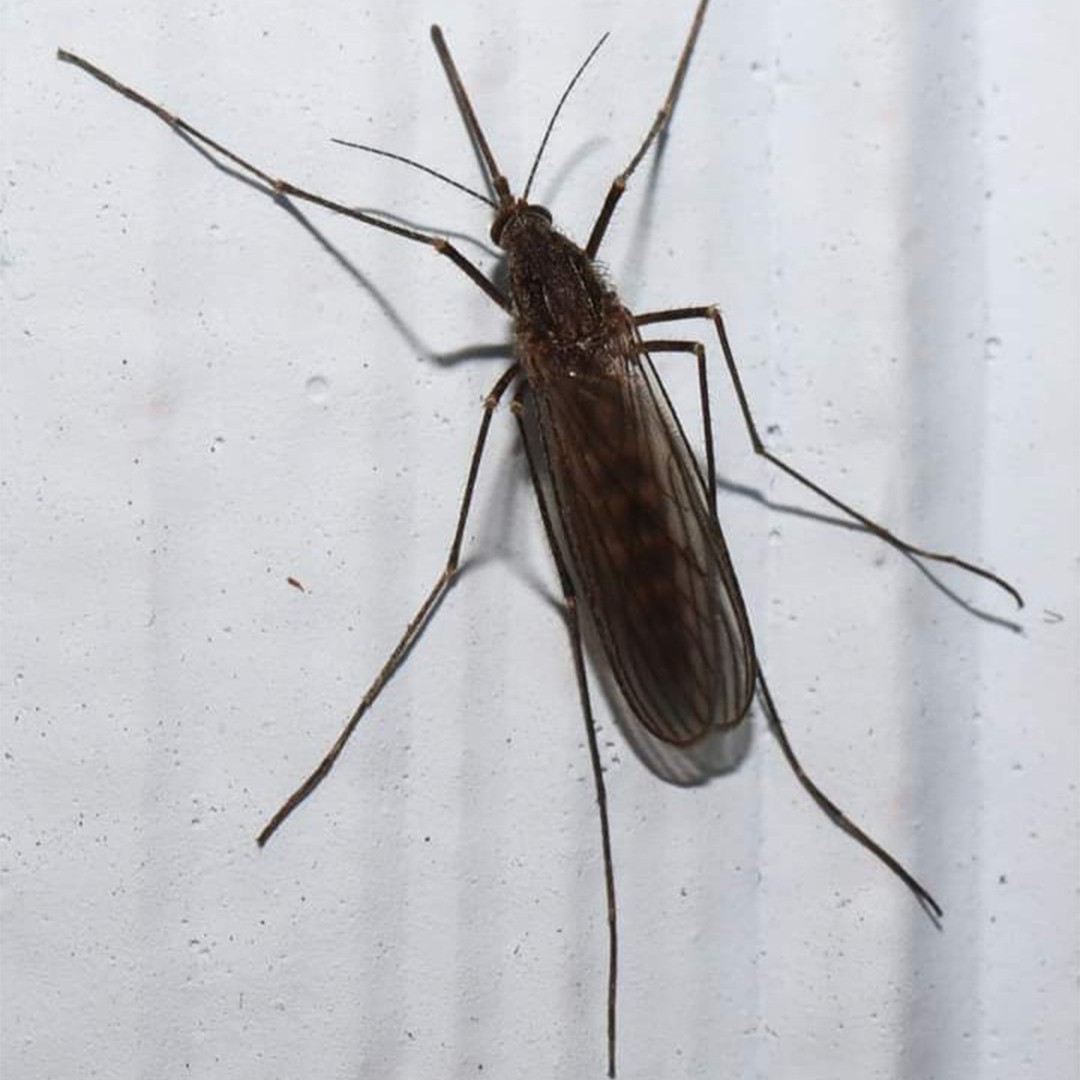
9. Erratic Mosquito
Culex erraticus is a species of mosquito in the family Culicidae.
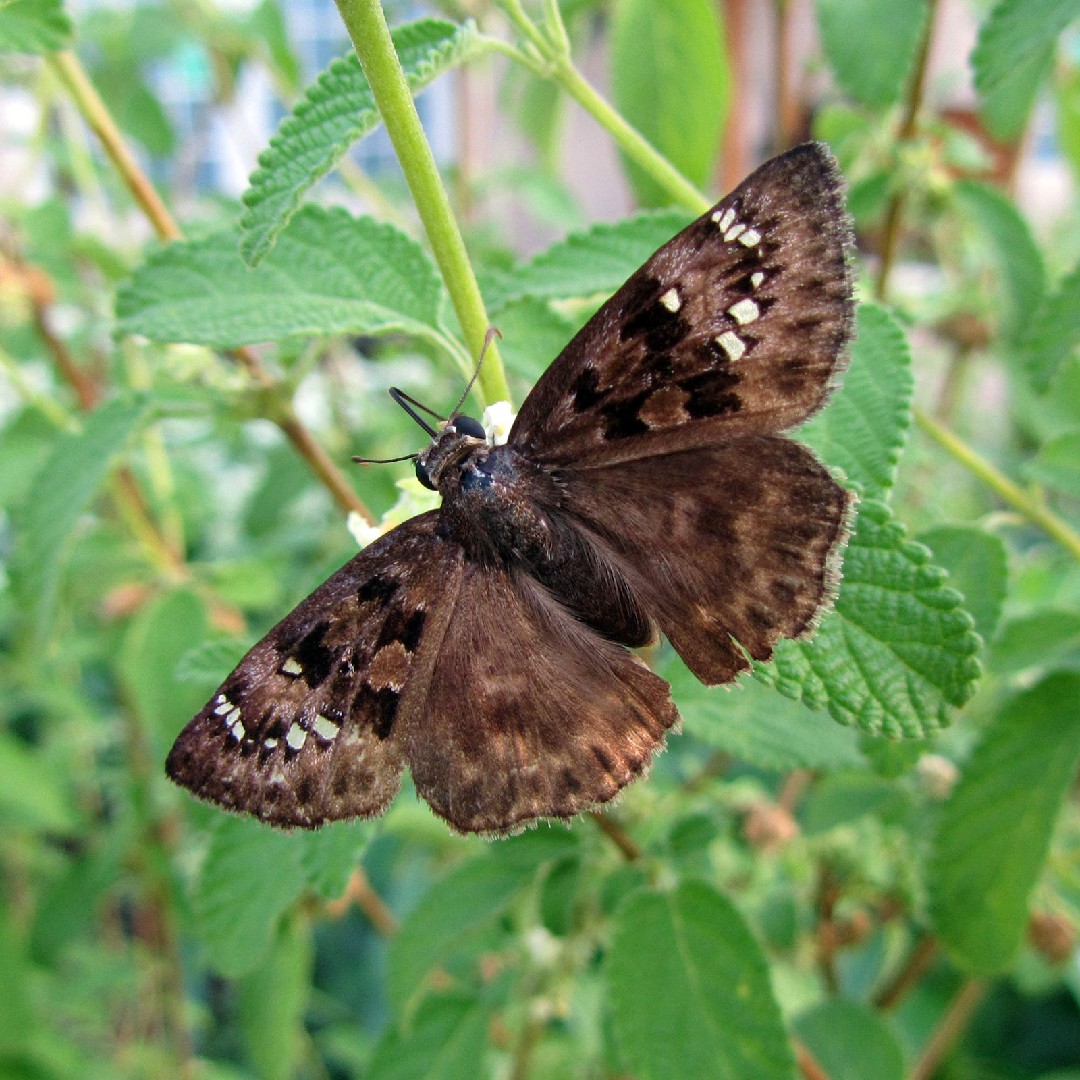
10. Horace's duskywing
Fringes are brown. Upperside of male forewing is dark brown with little contrast and no white overscaling. Upperside of female forewing is light brown with a contrasting pattern and large transparent spots. Underside of hindwing is usually without two spots below the apex. The male has a costal fold containing yellow scent scales; the female has a patch of scent scales on the 7th abdominal segment. The wingspan is 3.5 - 5 cm.


More







