




Top 20 Most Common Insects in Key West
Insects, vibrant symbols of biodiversity, thrive vibrantly in the unique ecosystems of Key West, playing pivotal roles in its environmental harmony. Our 'Top 20 Most Common Insects' list will lift the veil on these tiny creatures, exploring everything from notorious pests to wildlife allies. Familiarizing yourself with them deepens your understanding of Key West's dynamic natural world. So, gear up! It's time to appreciate these often misunderstood residents in a new light!

Most Common Insects
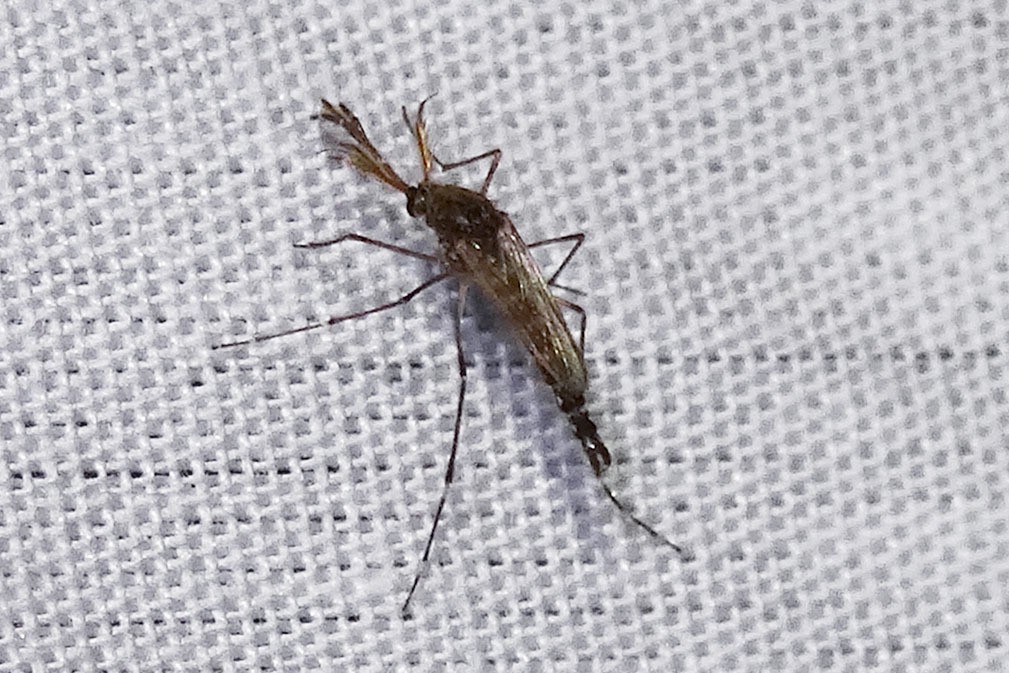
1. Black saltmarsh mosquito
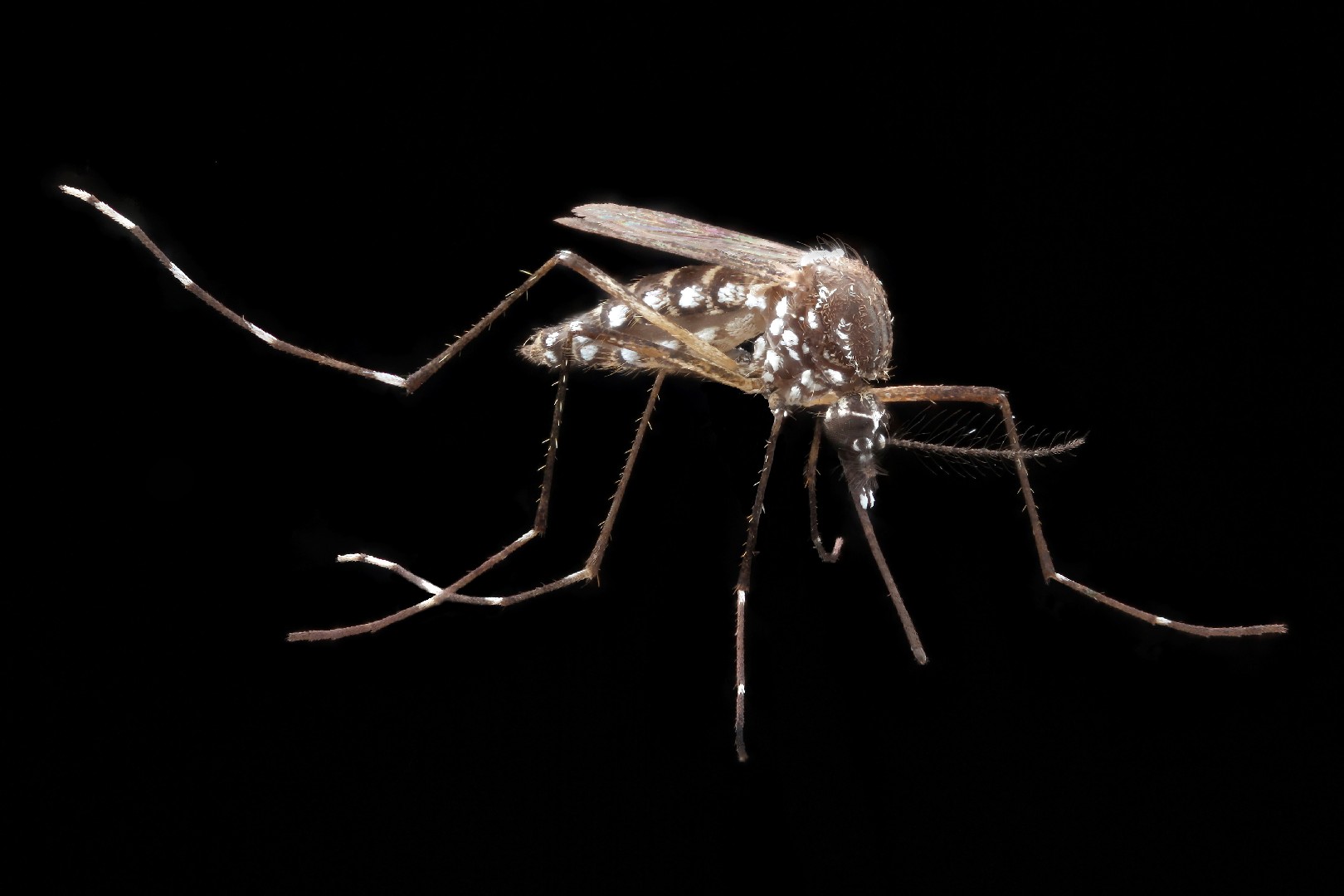
Ae. taeniorhynchus adults are mostly black with areas of white banding. A single white band appears at the center of the proboscis, multiple white bands span the distal ends of the legs following the leg joints, and the last hind leg joints are completely colored white. Ae. taeniorhynchus wings are long and narrow with scaled wing veins. Experimental investigation of evolutionary coloration of Ae. taeniorhynchus yielded negative results. Mosquitoes reared in conditions of darkness, backgrounds colored black, white, or green, and lighting conditions of fluorescent light or sunlight, showed no color changes in the fat body nor in the head capsule, saddle, or siphon. This lack of cryptic coloring is suggested to be due to a lack of threat to the species; because the species habitat is a temporary water source used for larval growth, this temporary environment has few predators and relatively little danger. Males and females can be distinguished based on their antennae: males have plumose (feather-like) antennae while females antennae are sparsely haired. 

2. Southern House Mosquito
The southern House Mosquito is the common pest of the tropical and subtropical world and has spread worldwide from old sailing ships. This nuisance biter makes a meal out of all types of birds and mammals (humans included) and is the main spreader of the disabling disease lymphatic filariasis. The southern House Mosquito has caused massive losses in terms of health and economic damage because of its disease-ridden bites.
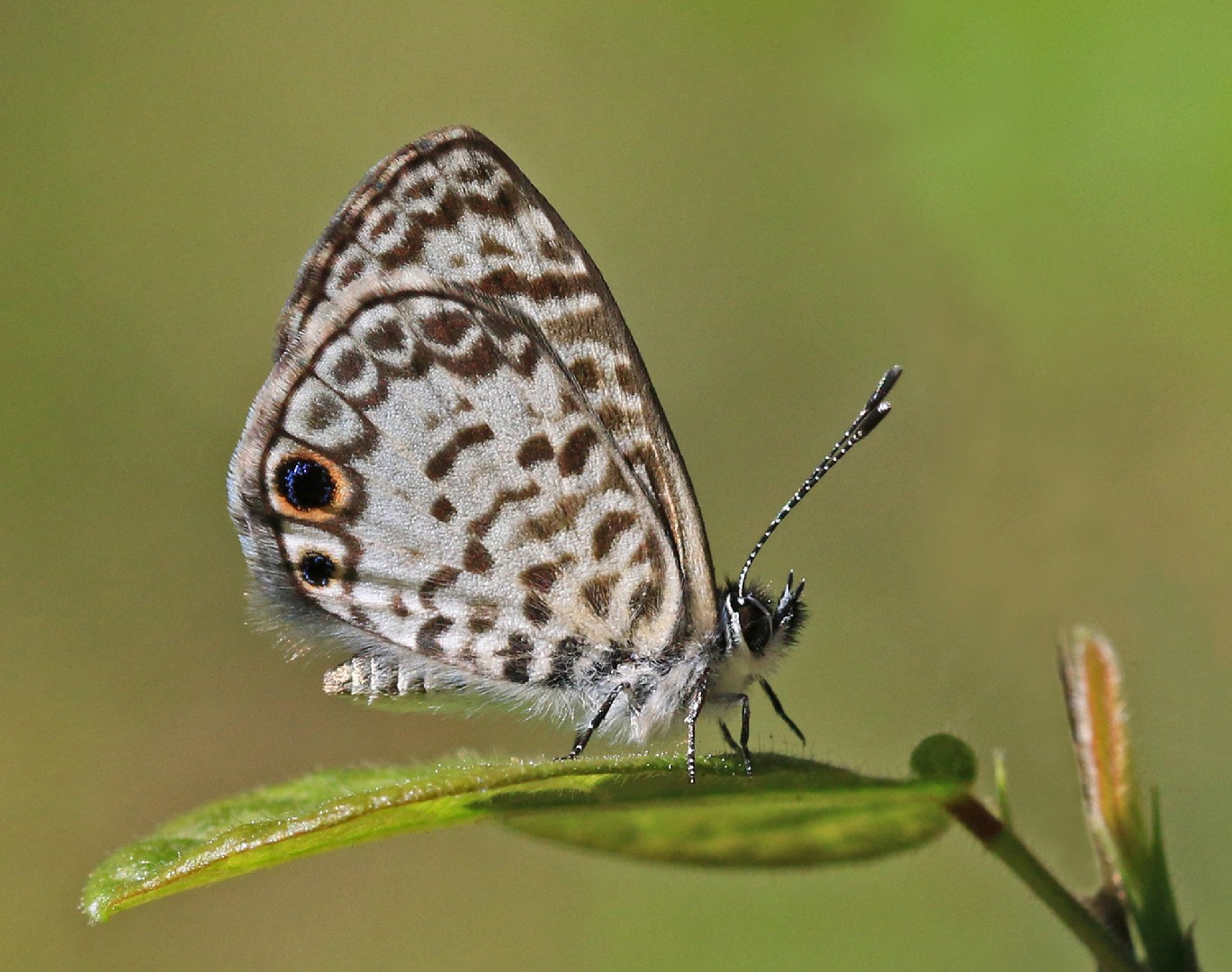
3. Cassius blue
The wingspan is 2 - 3.5 cm.
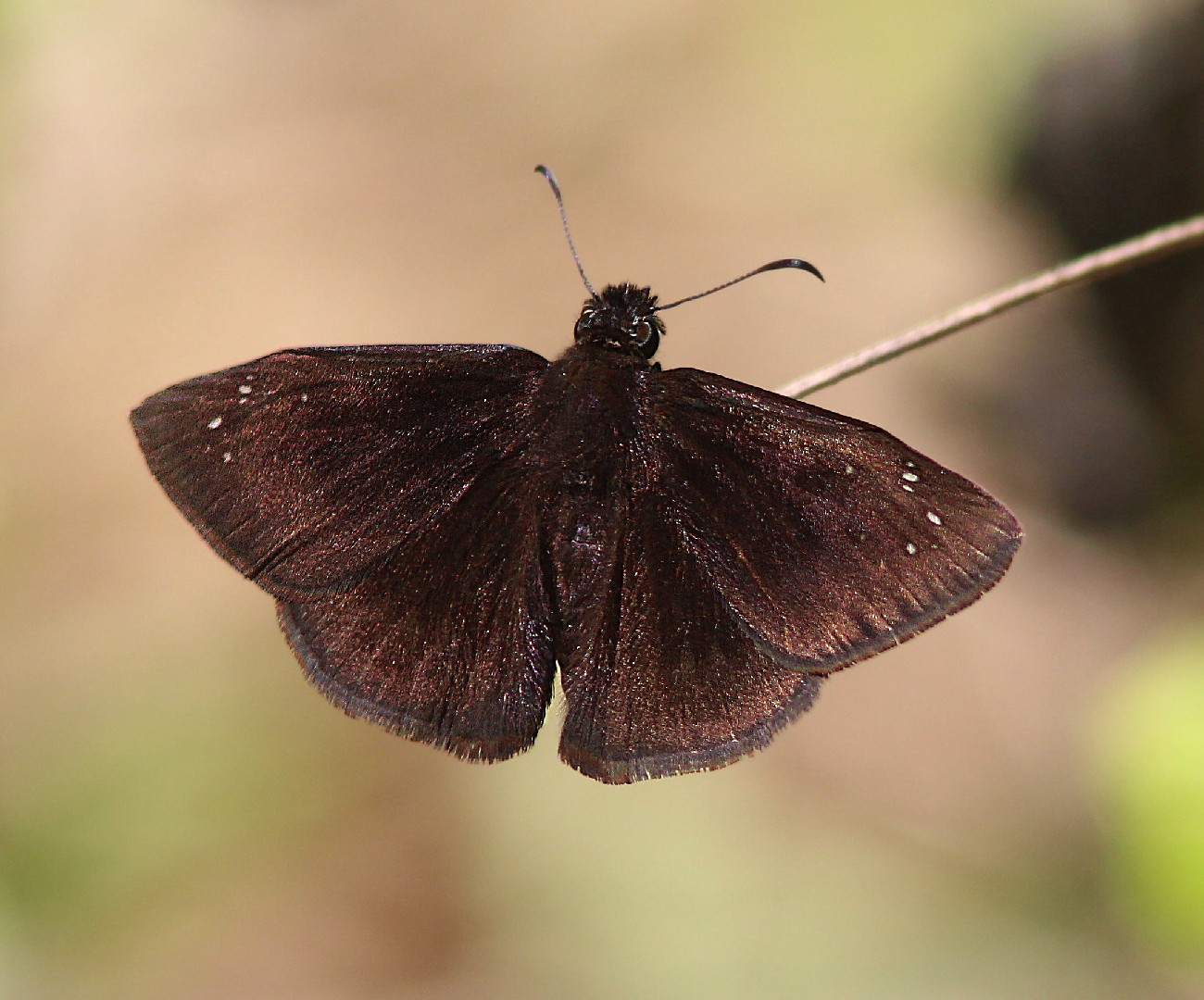
4. Florida duskywing
The duskywing skipper has a wingspan of around 4.5 cm. The dorsal side of the male's wing is dark brown with a sheen, and a circle of white transparent spots near the apex with a broad lighter brown margin on the hindwing. The dorsal side of the female's wing is brown with dark mottling and dark outer margins. Females have larger and more numerous dorsal spots than males. When freshly emerged, both sexes have a purplish sheen on the dorsal side of the forewing. The caterpillar is a small and translucent green. The head is black with orange patches on the sides and upper face. A dark line bordered in yellow is on the back with yellow lines along the sides and multiple small yellow spots.
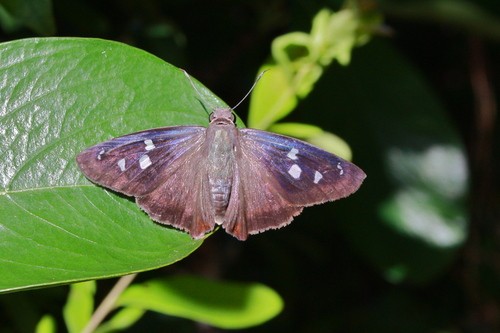
5. Hammock skipper
Polygonus leo is a butterfly from the family of Polygonus leo (Hesperiidae). The scientific name of the species was first validly published in 1790 by Johann Friedrich Gmelin.
6. Large orange sulphur
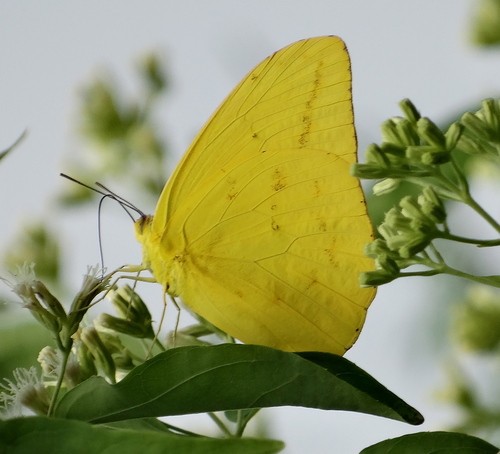
The wingspan is 6 - 9 cm. The upper surface of the males is bright orange without markings. There are two female forms, a pink-white and yellow-orange form. The underside of the forewings of both sexes has a straight submarginal line. There are two seasonal forms: the winter form has heavier underside markings.
7. Mangrove skipper
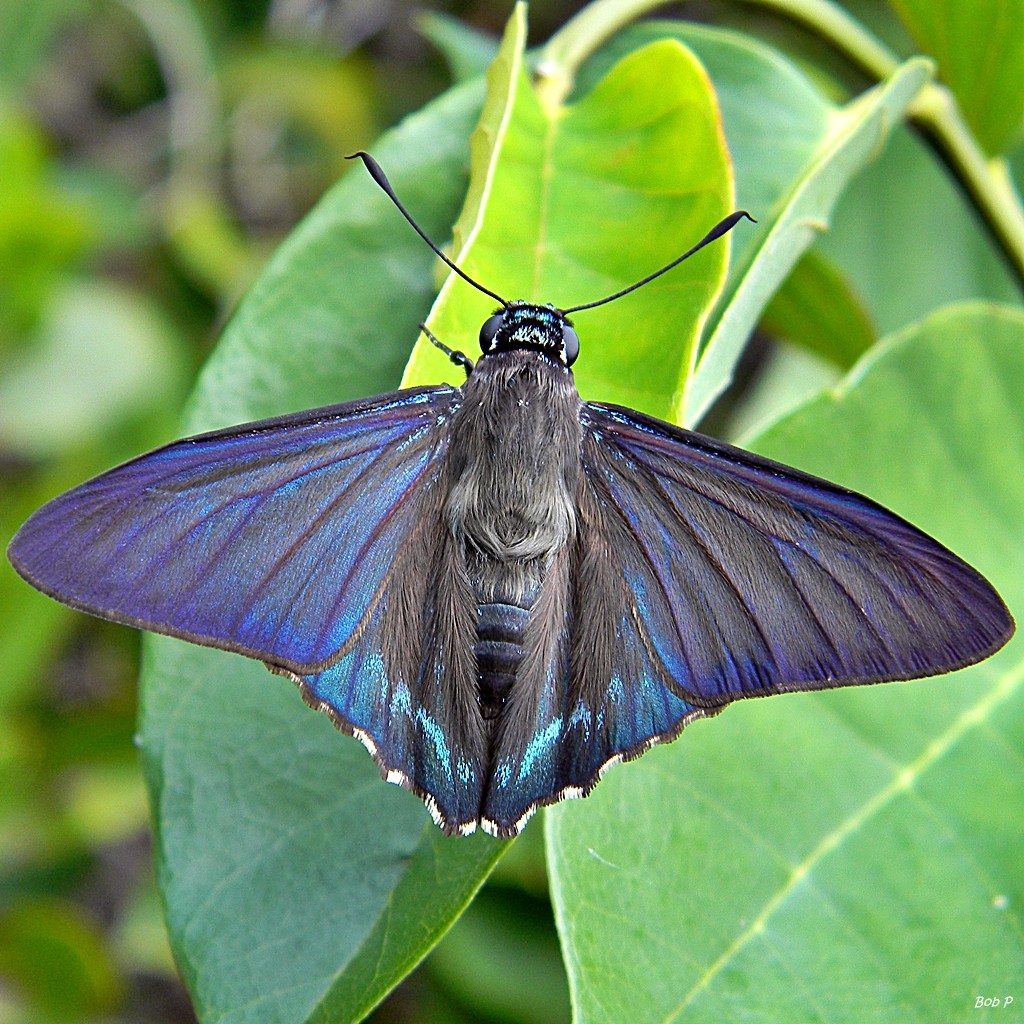
The wingspan is 5 - 7 cm.
8. Caribbean hermit crab
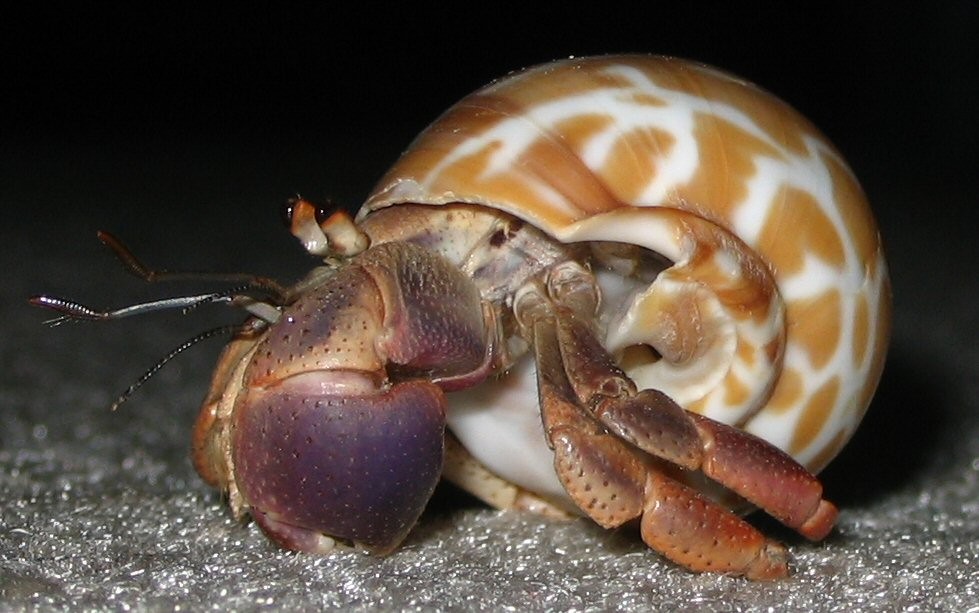
Caribbean hermit crab (Coenobita clypeatus) is a land hermit crab found in many parts of the western Atlantic and the Caribbean sea. This herbivorous and scavenging crab uses modified gills to breathe air. It prefers the shells of West Indian top snail (Cittarium pica). The caribbean hermit crab is one of the two species of hermit crabs found in the pet trade in the US.
9. Monk skipper
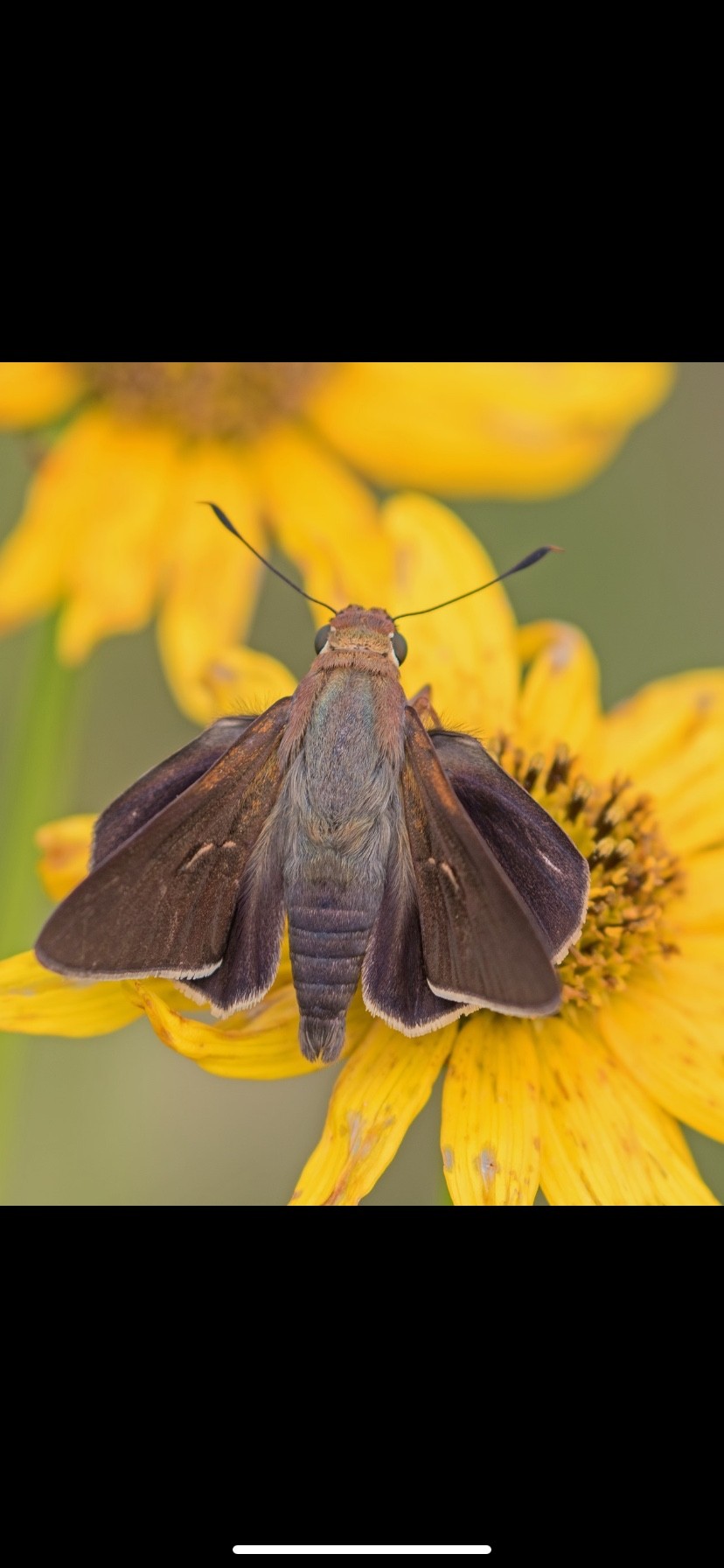
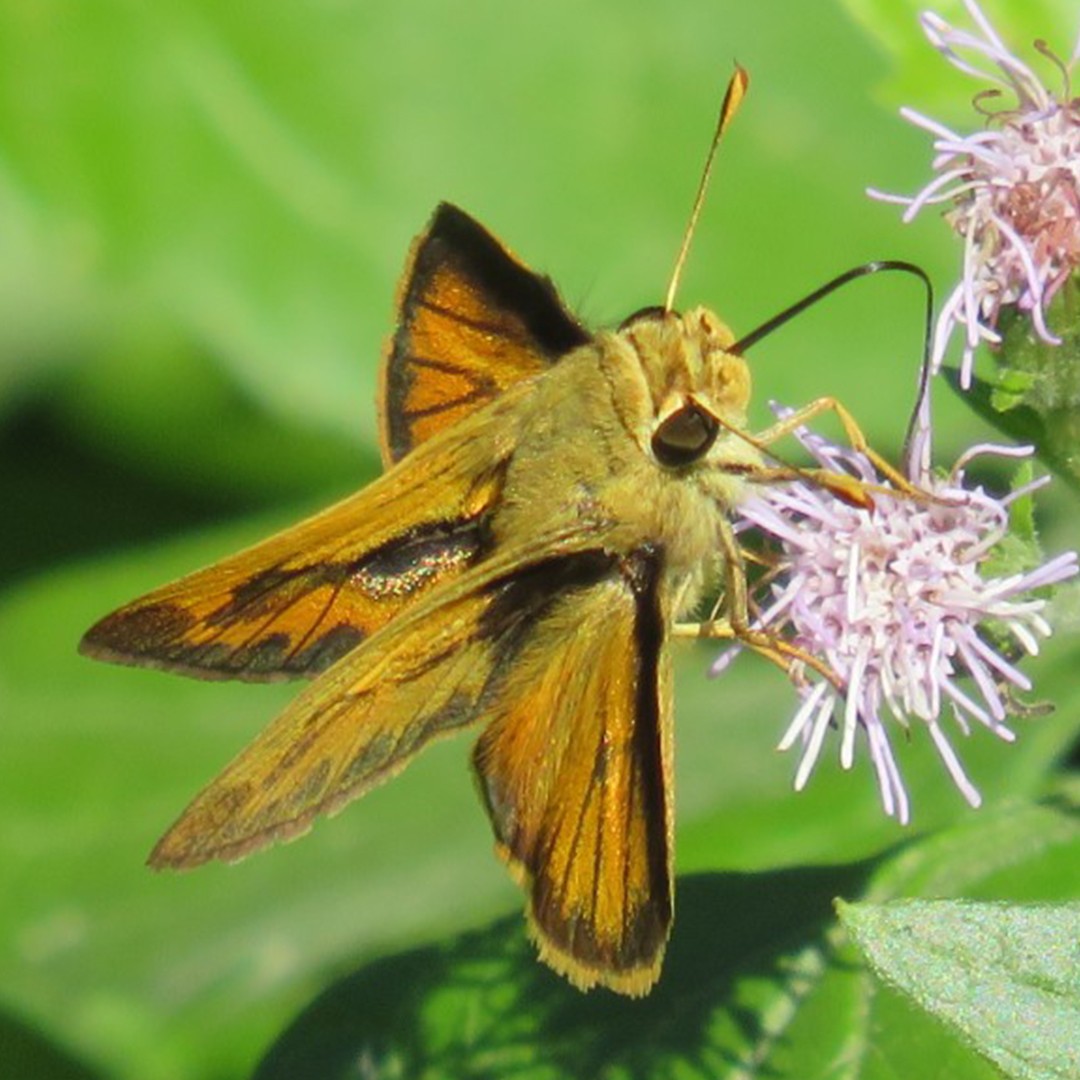
Asbolis capucinus is a butterfly from the family of the Asbolis capucinus (Hesperiidae). The scientific name of the species was first validly published in 1856 by Lucas.
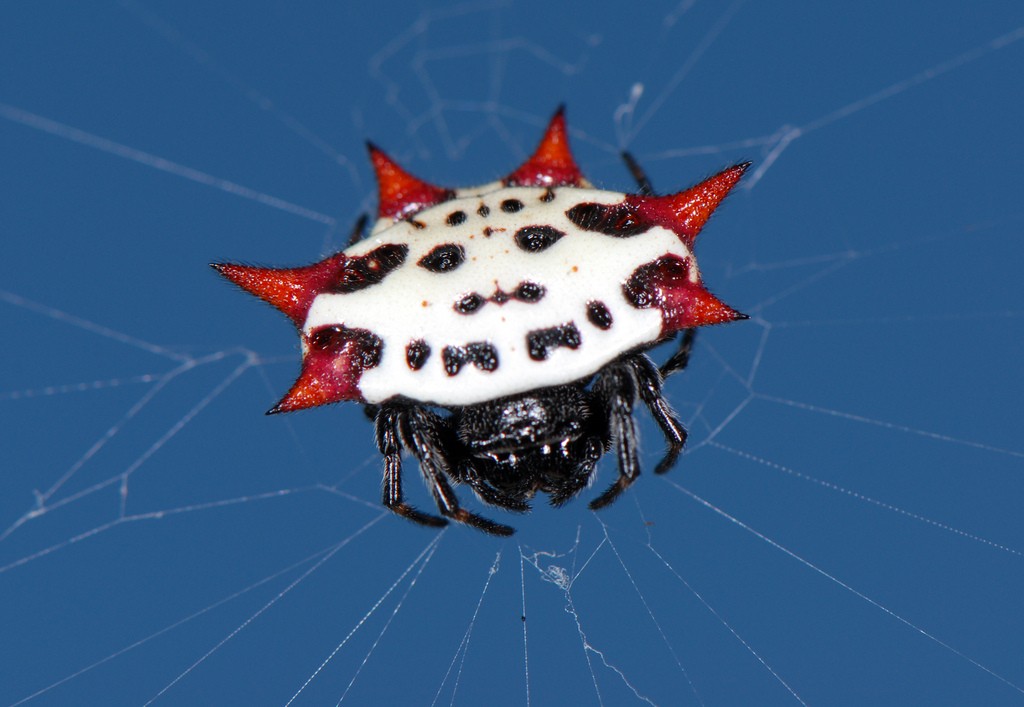
10. Spinybacked Orbweaver
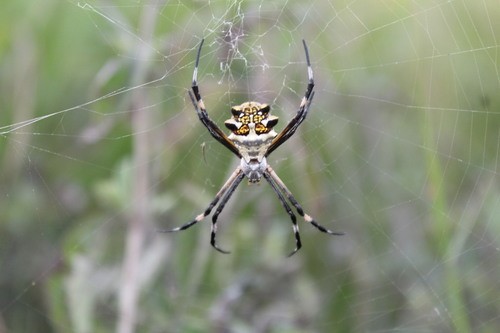
The spinybacked Orbweaver (Gasteracantha cancriformis) has a crab-like structure with six spines on its abdomen. The color of this species varies based on where it lives, and the colors are usually red, orange, yellow, or white. Males and females communicate by creating patterns of vibration on their webs.
More







