




Top 20 Most Common Insects in Lake Wales
Insects, renowned for their resilience and diversity, thrive in various habitats within Lake Wales, marking a critical part of its ecosystem. These creatures, ranging from pests to beneficial pollinators, significantly influence Lake Wales's environment. Discover the fascinating world of Lake Wales's 20 most common insects, and understand their vital roles in shaping this bustling city's vibrant ecosystem.

Most Common Insects
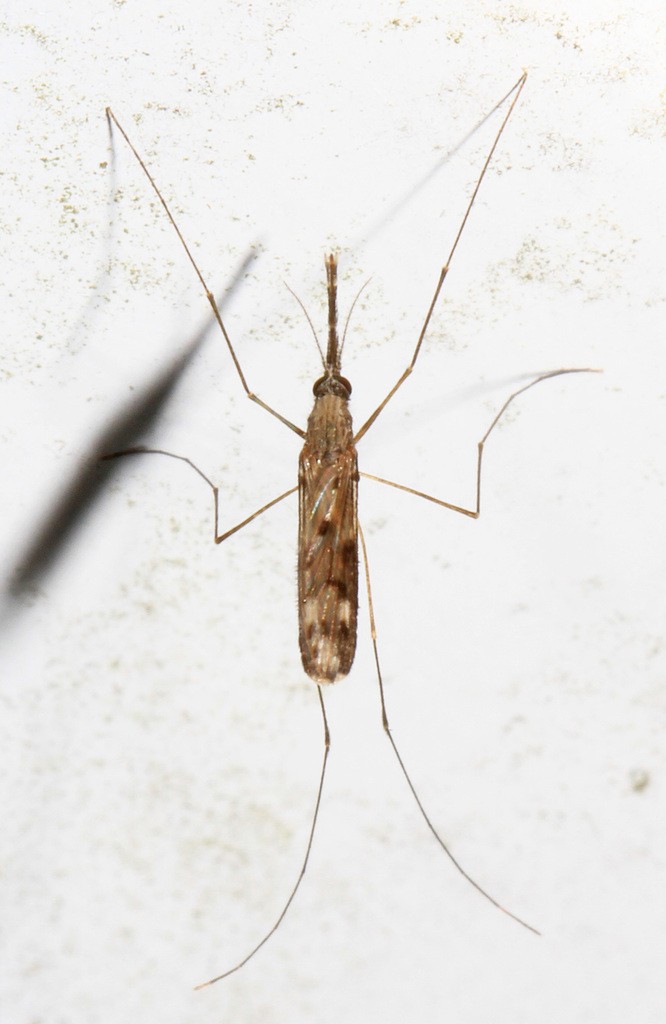
1. Anopheles crucians
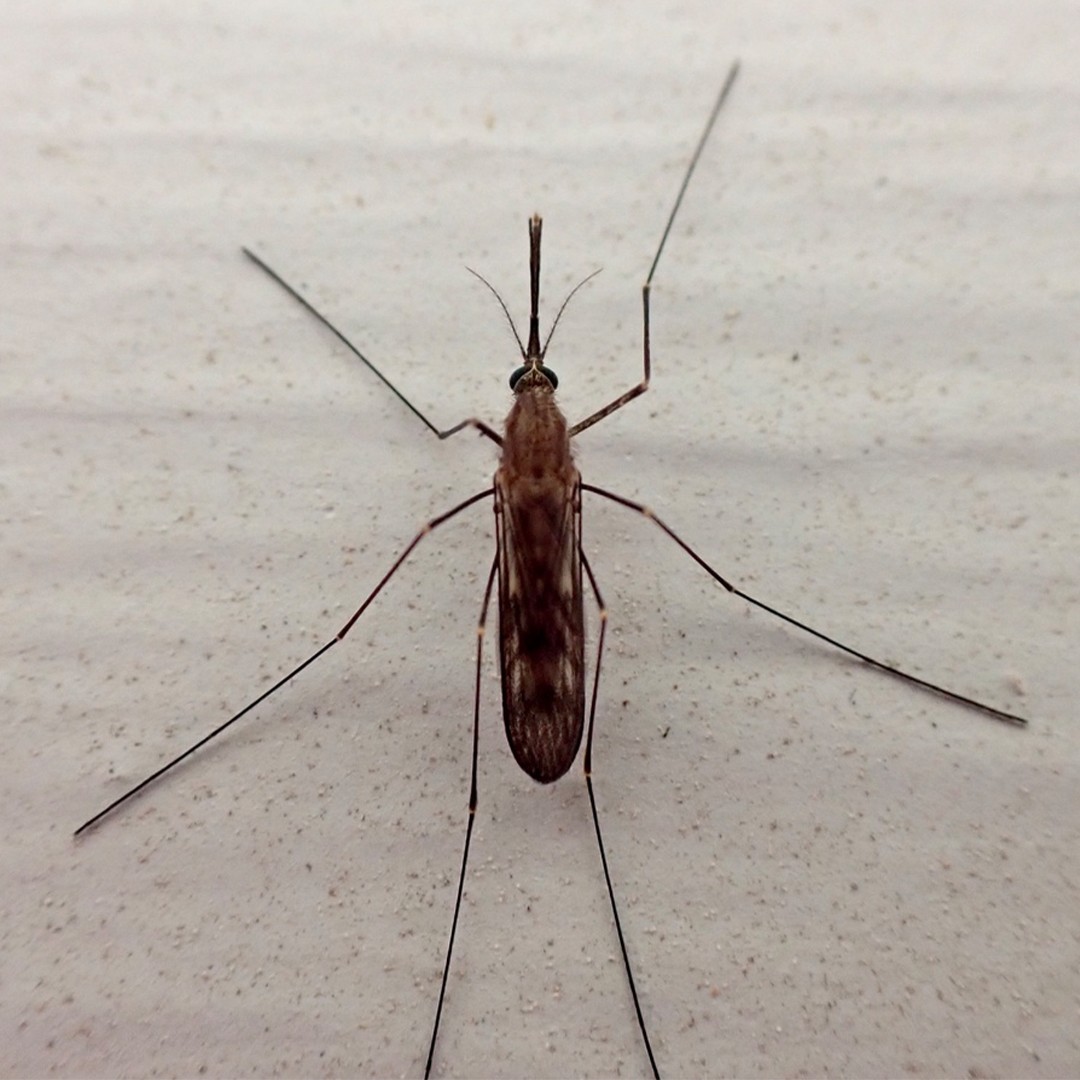
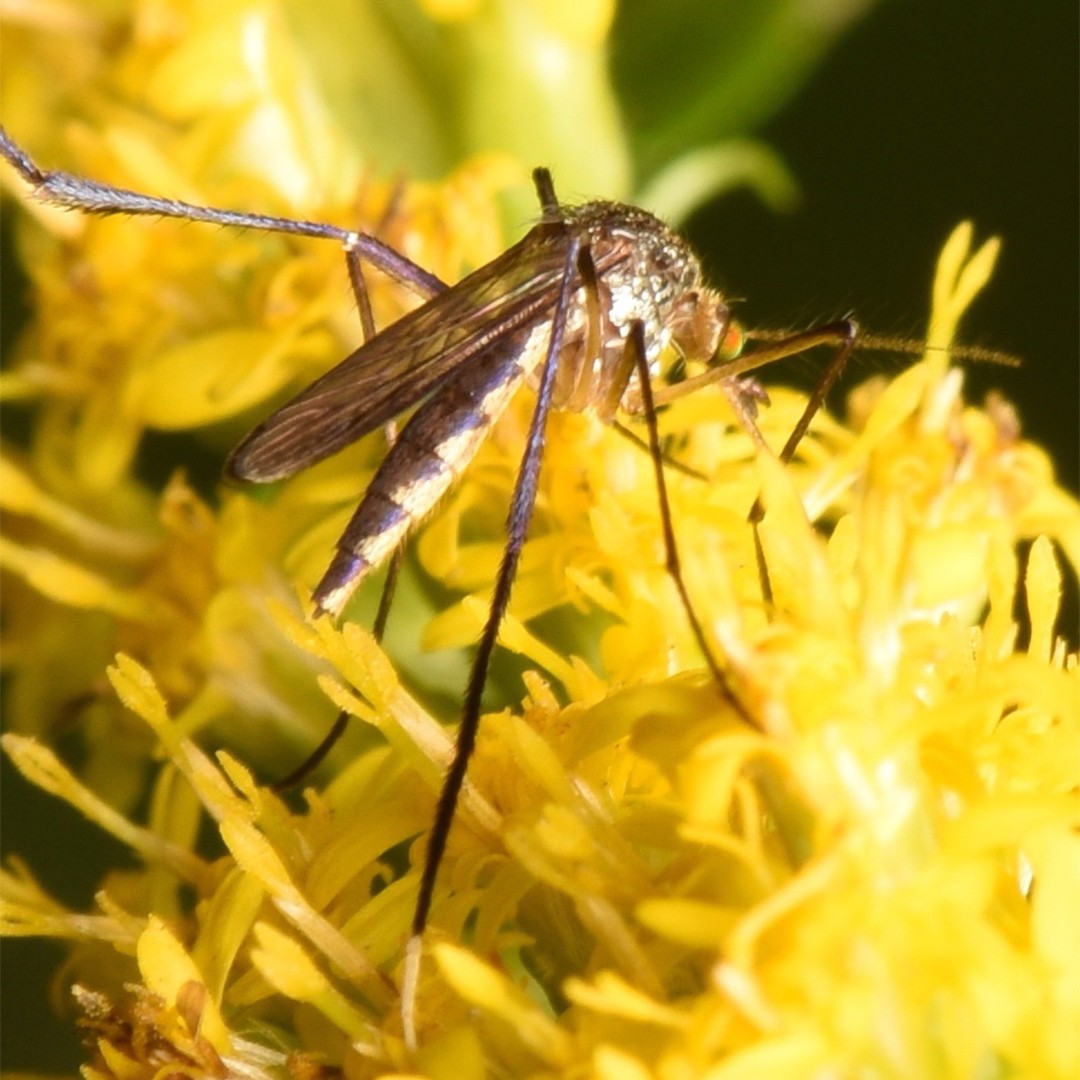
Anopheles crucians is a mosquito that exists in aquatic environments under areas with little light presence. The preferred environment for A. crucians is areas with acidic water such as that found in cypress swamps. The mosquito breeds in semipermanent and permanent pools, ponds, lakes and swamps. It may be a vector for malaria. Walter Reed Biosystematic Unit Characteristics, Bionomics, Medical Importance GeoSpecies Knowledge Base University of Wisconsin 
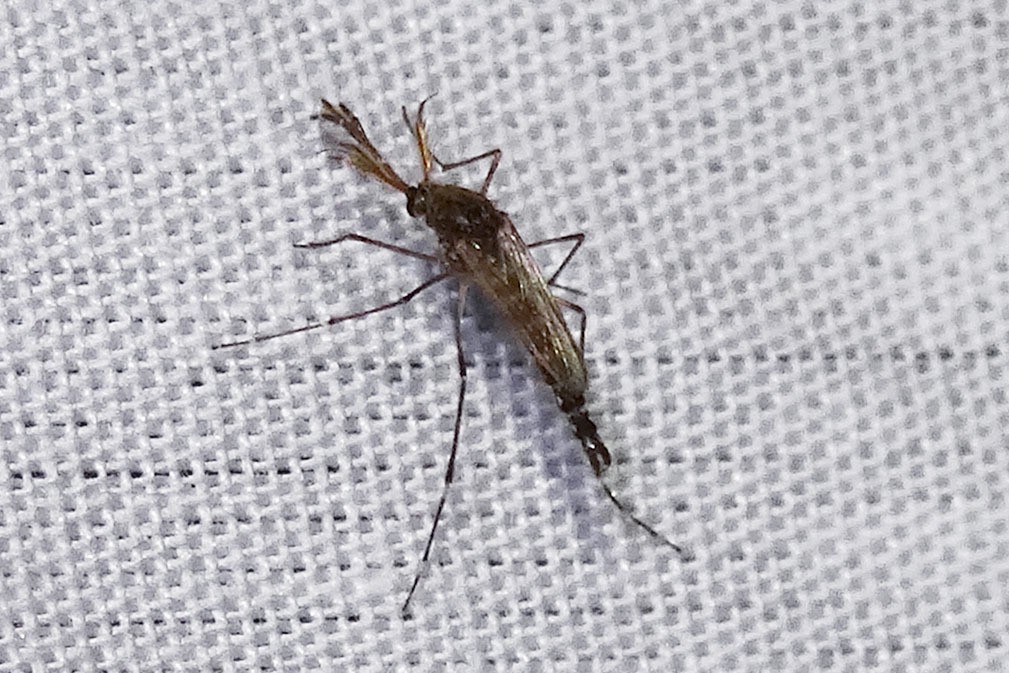
2. Black saltmarsh mosquito
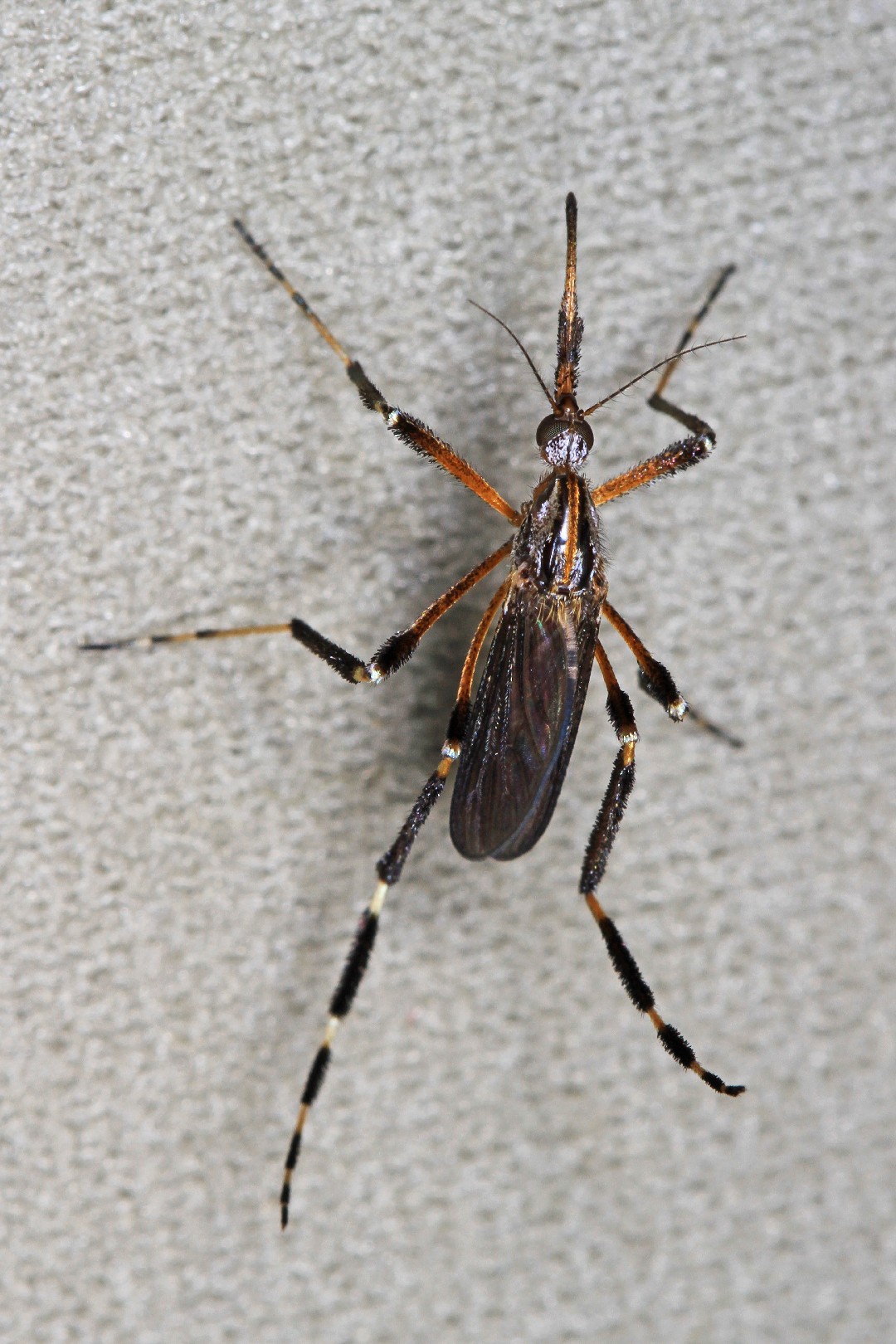
Ae. taeniorhynchus adults are mostly black with areas of white banding. A single white band appears at the center of the proboscis, multiple white bands span the distal ends of the legs following the leg joints, and the last hind leg joints are completely colored white. Ae. taeniorhynchus wings are long and narrow with scaled wing veins. Experimental investigation of evolutionary coloration of Ae. taeniorhynchus yielded negative results. Mosquitoes reared in conditions of darkness, backgrounds colored black, white, or green, and lighting conditions of fluorescent light or sunlight, showed no color changes in the fat body nor in the head capsule, saddle, or siphon. This lack of cryptic coloring is suggested to be due to a lack of threat to the species; because the species habitat is a temporary water source used for larval growth, this temporary environment has few predators and relatively little danger. Males and females can be distinguished based on their antennae: males have plumose (feather-like) antennae while females antennae are sparsely haired.
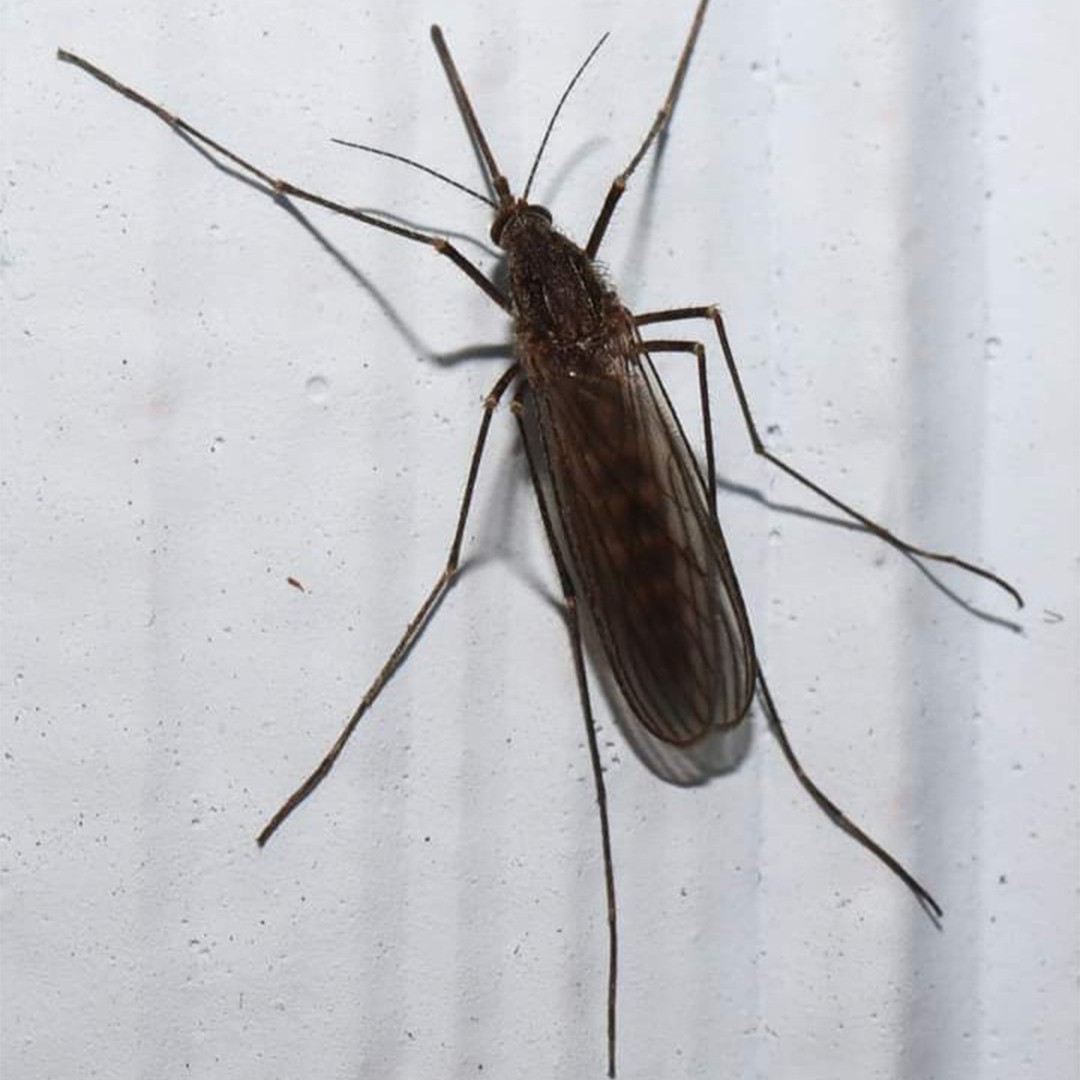
3. Erratic Mosquito
Culex erraticus is a species of mosquito in the family Culicidae.

4. Dark ricefield mosquito
Psorophora columbiae, known generally as the dark ricefield mosquito or glades mosquito, is a species of mosquito in the family Culicidae.

5. Mansonia titillans
Mansonia titillans is a species of mosquito in the family Culicidae.
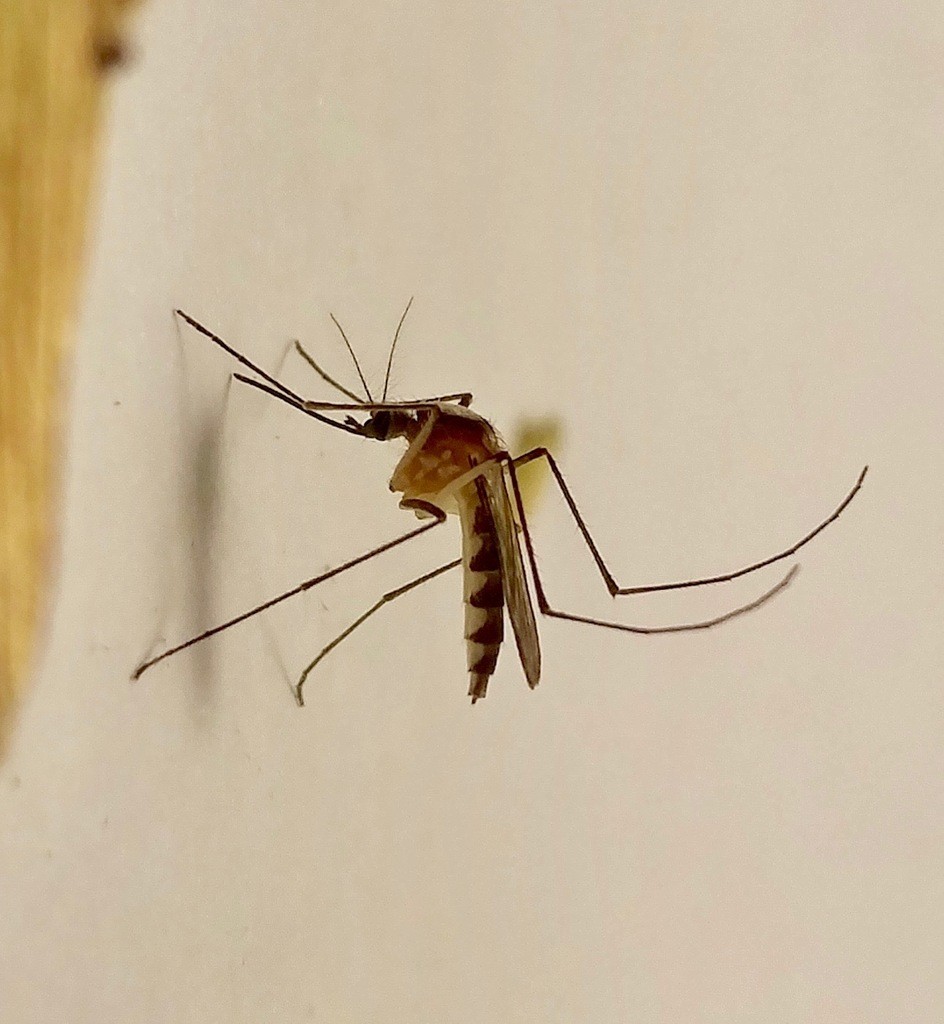
6. Aedes infirmatus
Aedes infirmatus is a species of mosquito that is found in woodland environments in parts of Central America, Mexico, and the southern United States, with a type locality in Baton Rouge, Louisiana. In the United States, they have been found as far west as Texas and as far north as New Jersey.
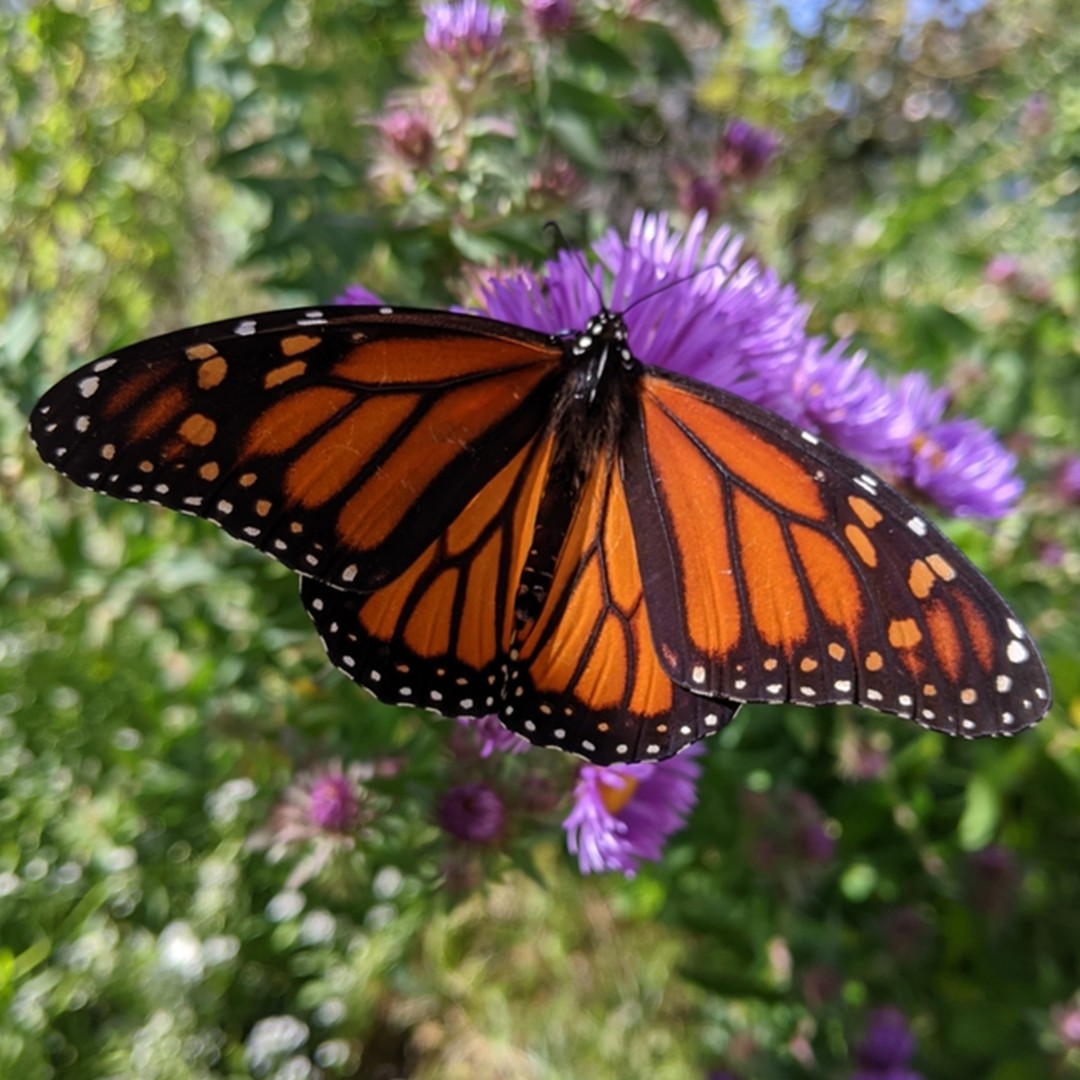
7. Monarch butterfly
The monarch butterfly (Danaus plexippus) is the most recognizable butterfly in North America. It is best known for its appearance, but should be better known for the fact that it has a 3000-mile migration that takes the butterfly 4 generations to complete. Their diet is also a natural deterrent for predators, as they eat milkweed, a poison that induces vomiting.
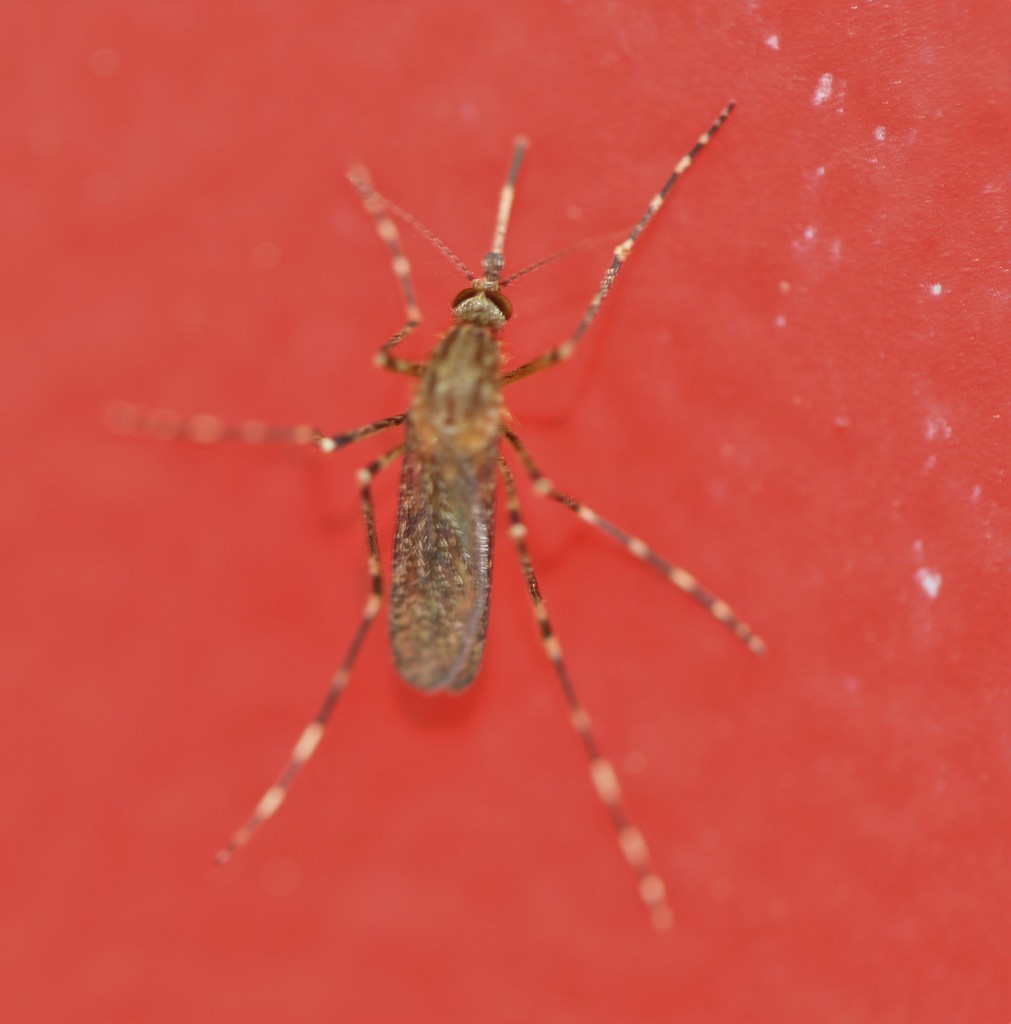
8. Cattail mosquito
Coquillettidia perturbans is a species of mosquito that have been documented in Africa, Asia, Australia, Europe, North America, and South America. This mosquito is a known as a vector of West Nile virus and Eastern equine encephalomyelitis. The geographic range of C. perturbans is increasing due to the growing extensity of the feeding area. They are known to exist throughout the United States, mainly with a southern distribution, and are mammalophilic.
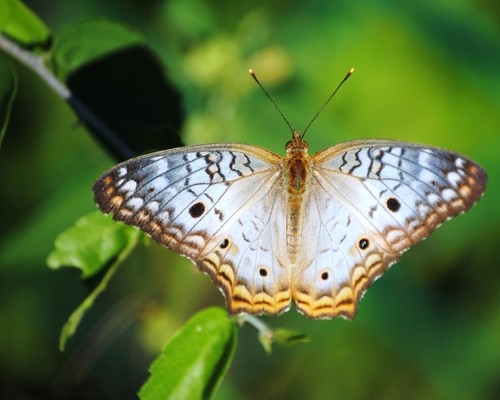
9. White peacock
The wingspan of the moths is 51 to 70 millimeters. The basic color is whitish. On the forewings there is a black, circular spot near the inner angle. At the front edge, two to three oblong, yellow-brown spots stand out. The Submarginalregion is also yellow-brown colored and crossed by dark lines. On the hind wings are two more small, black, circular spots near the tawny and dark-colored submarginal region. A short tail is more or less strong. The wing underside shows similar drawing elements as the top, but these are paler and weaker pronounced.
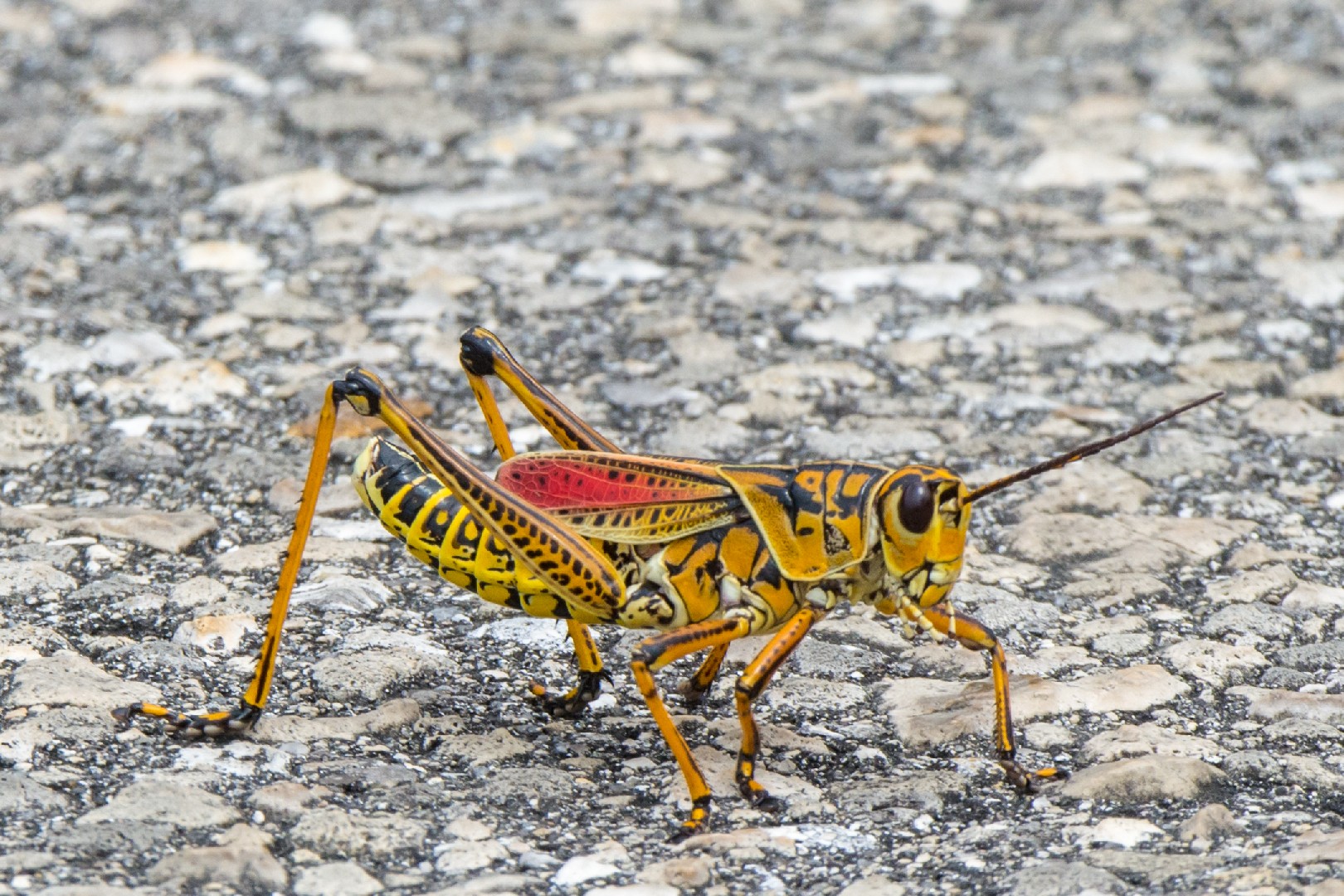
10. Eastern Lubber Grasshopper
The eastern Lubber Grasshopper ( Romalea microptera) is the most distinctive grasshopper within the south-eastern United States. This large and brightly colored insect can emit a noxious dark-colored foamy secretion from the thorax when it is disturbed. A bird would feel very regretful after ate this insect by mistake.


More







