




Top 20 Most Common Insects in Naples
Insects, the ubiquitous creatures characterized by exoskeletons and segmented bodies, form a vibrant part of Naples's ecosystem. These creatures play vital roles, acting as both crucial pollinators and pesky intruders. Understanding Naples's insect diversity, including the 20 most common species, provides insight into the ecological balance within our city, showing just how intertwined our environments are.

Most Common Insects
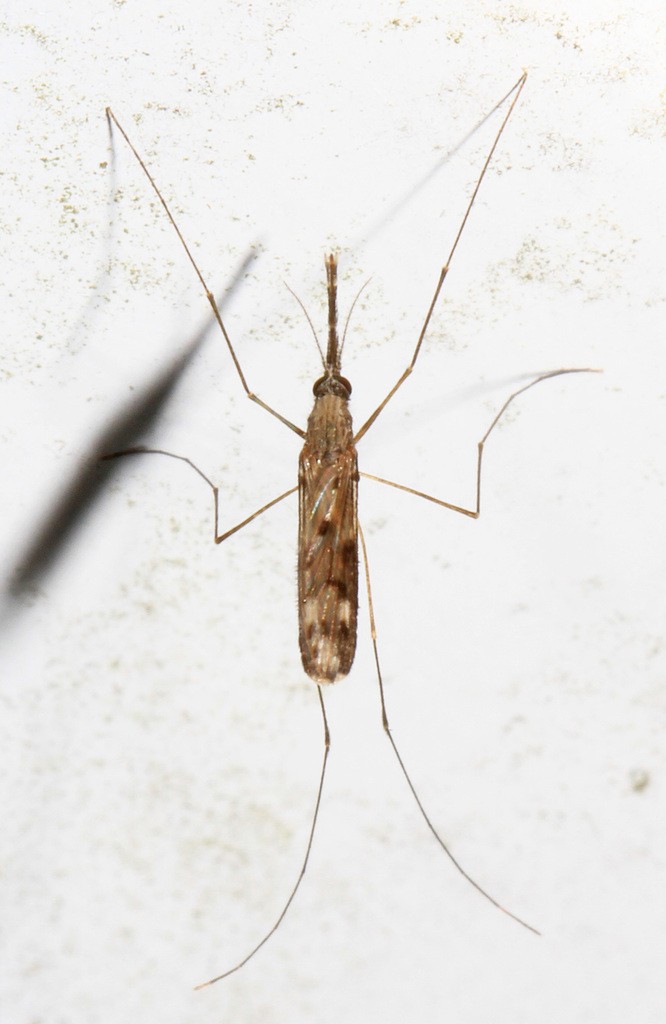
1. Anopheles crucians
Anopheles crucians is a mosquito that exists in aquatic environments under areas with little light presence. The preferred environment for A. crucians is areas with acidic water such as that found in cypress swamps. The mosquito breeds in semipermanent and permanent pools, ponds, lakes and swamps. It may be a vector for malaria. Walter Reed Biosystematic Unit Characteristics, Bionomics, Medical Importance GeoSpecies Knowledge Base University of Wisconsin 
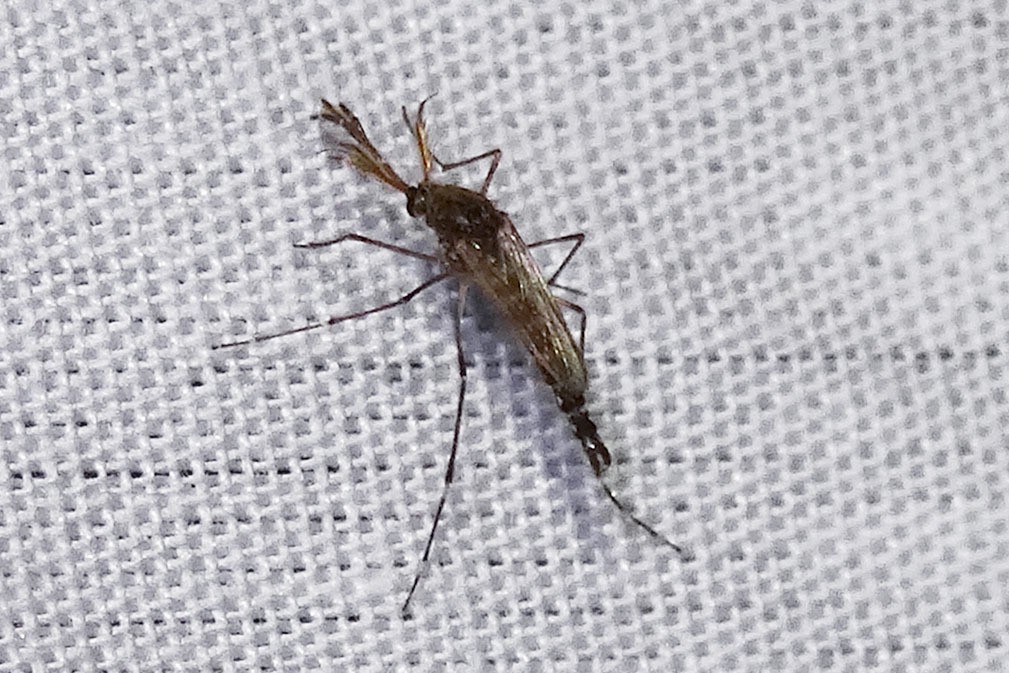
2. Black saltmarsh mosquito
Ae. taeniorhynchus adults are mostly black with areas of white banding. A single white band appears at the center of the proboscis, multiple white bands span the distal ends of the legs following the leg joints, and the last hind leg joints are completely colored white. Ae. taeniorhynchus wings are long and narrow with scaled wing veins. Experimental investigation of evolutionary coloration of Ae. taeniorhynchus yielded negative results. Mosquitoes reared in conditions of darkness, backgrounds colored black, white, or green, and lighting conditions of fluorescent light or sunlight, showed no color changes in the fat body nor in the head capsule, saddle, or siphon. This lack of cryptic coloring is suggested to be due to a lack of threat to the species; because the species habitat is a temporary water source used for larval growth, this temporary environment has few predators and relatively little danger. Males and females can be distinguished based on their antennae: males have plumose (feather-like) antennae while females antennae are sparsely haired.
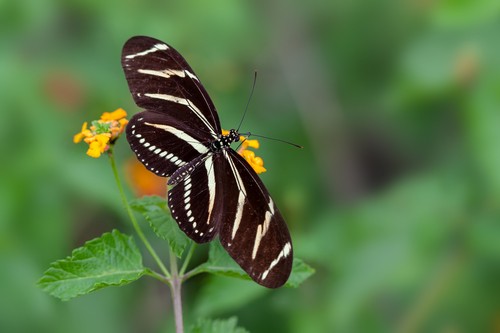
3. Zebra longwing
The zebra longwing (Heliconius charithonia) is a beautiful butterfly that has a texture resembling a zebra. They feast and pollen and nectar, using the pollen to produce chemicals that poison predators if they are eaten, deterring most predators from attack. Unfortunately, their populations have been decimated after being caught in the crossfire of sprays meant to control mosquitos.
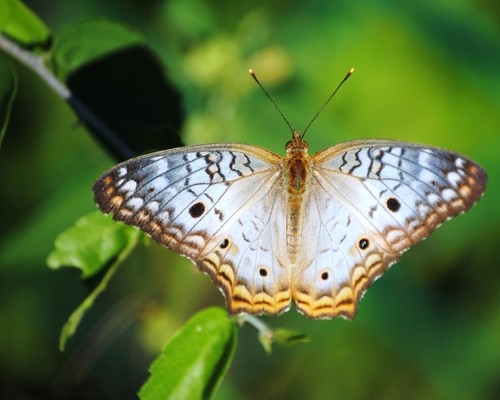
4. White peacock
The wingspan of the moths is 51 to 70 millimeters. The basic color is whitish. On the forewings there is a black, circular spot near the inner angle. At the front edge, two to three oblong, yellow-brown spots stand out. The Submarginalregion is also yellow-brown colored and crossed by dark lines. On the hind wings are two more small, black, circular spots near the tawny and dark-colored submarginal region. A short tail is more or less strong. The wing underside shows similar drawing elements as the top, but these are paler and weaker pronounced.
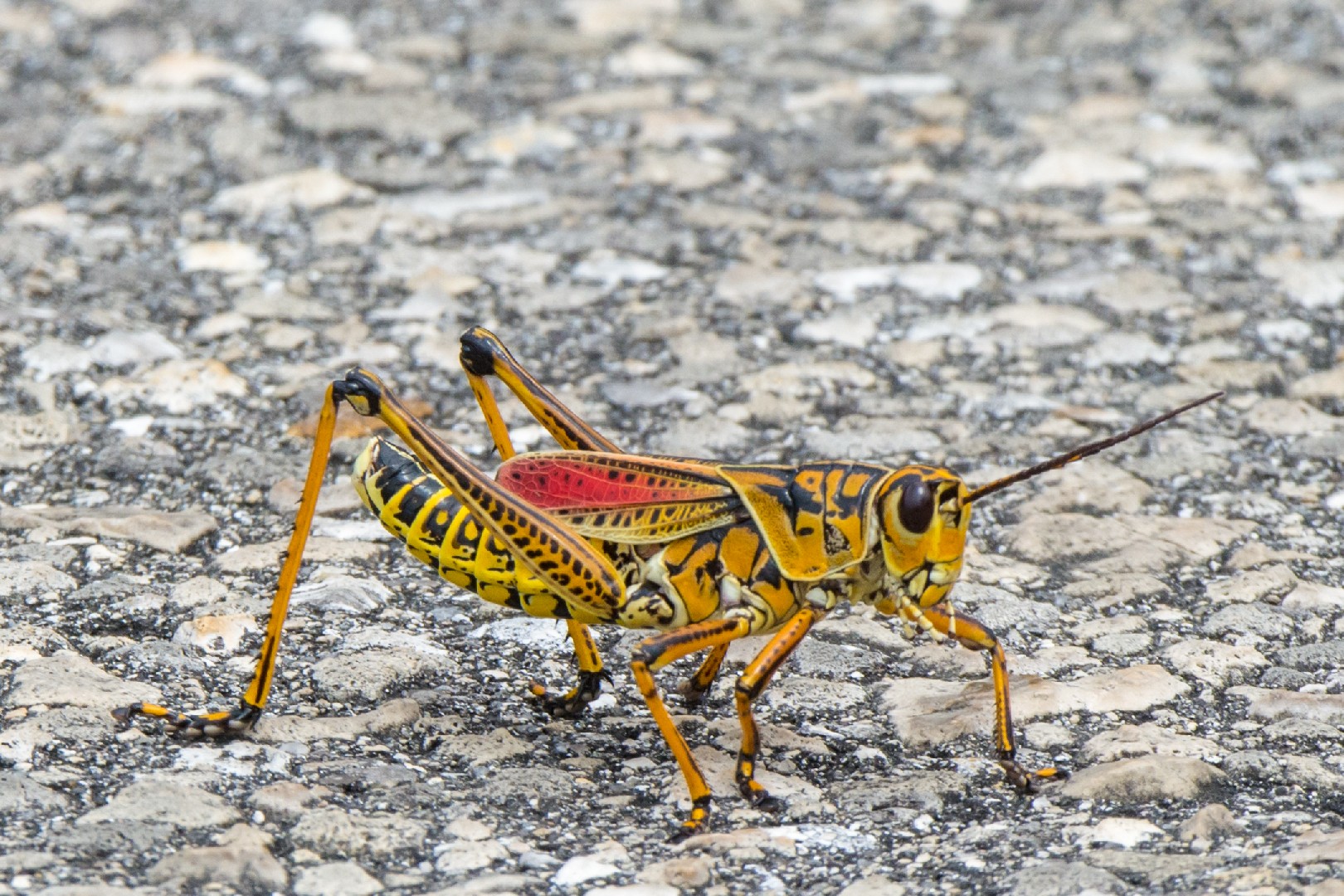
5. Eastern Lubber Grasshopper
The eastern Lubber Grasshopper ( Romalea microptera) is the most distinctive grasshopper within the south-eastern United States. This large and brightly colored insect can emit a noxious dark-colored foamy secretion from the thorax when it is disturbed. A bird would feel very regretful after ate this insect by mistake.
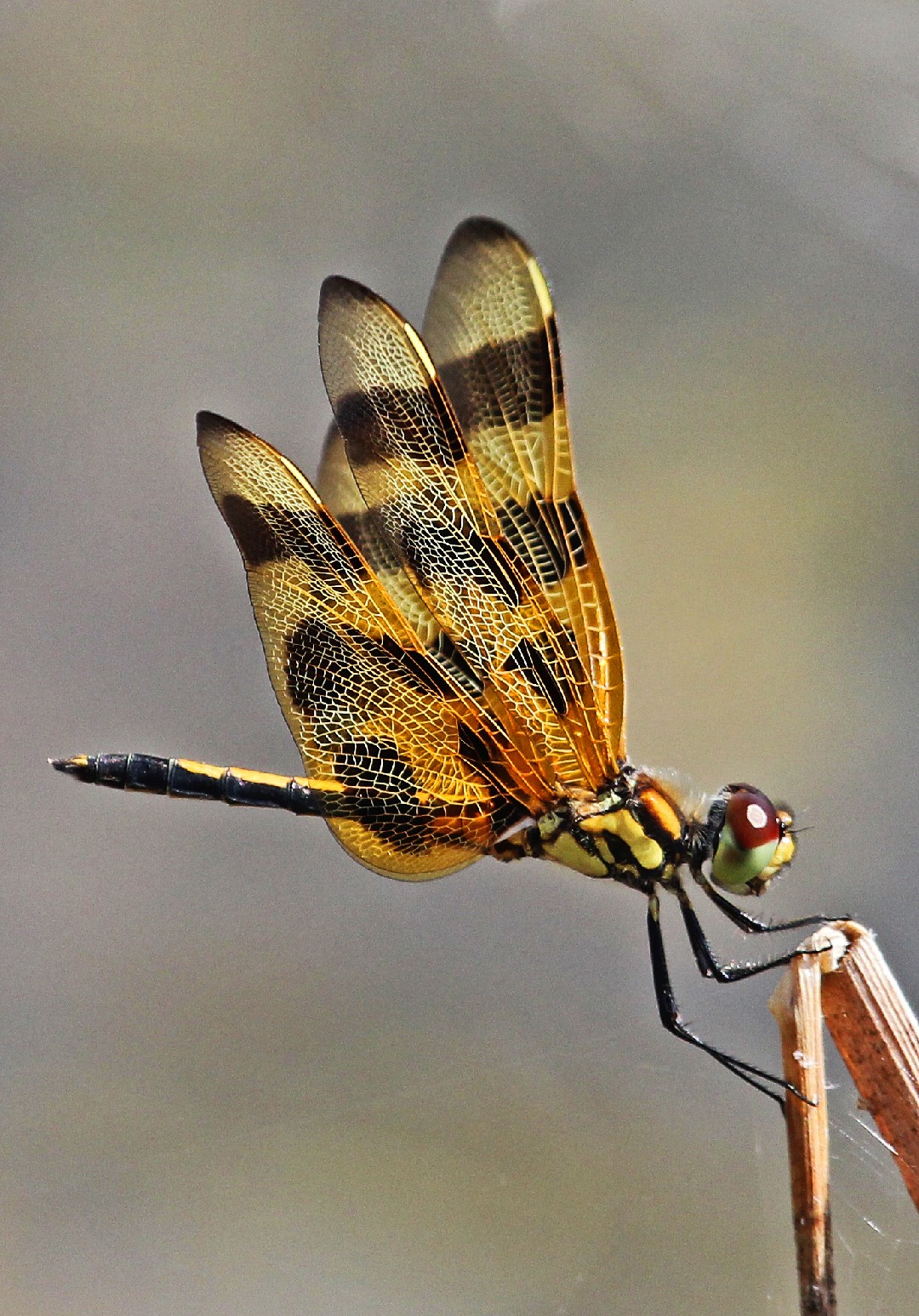
6. Halloween pennant
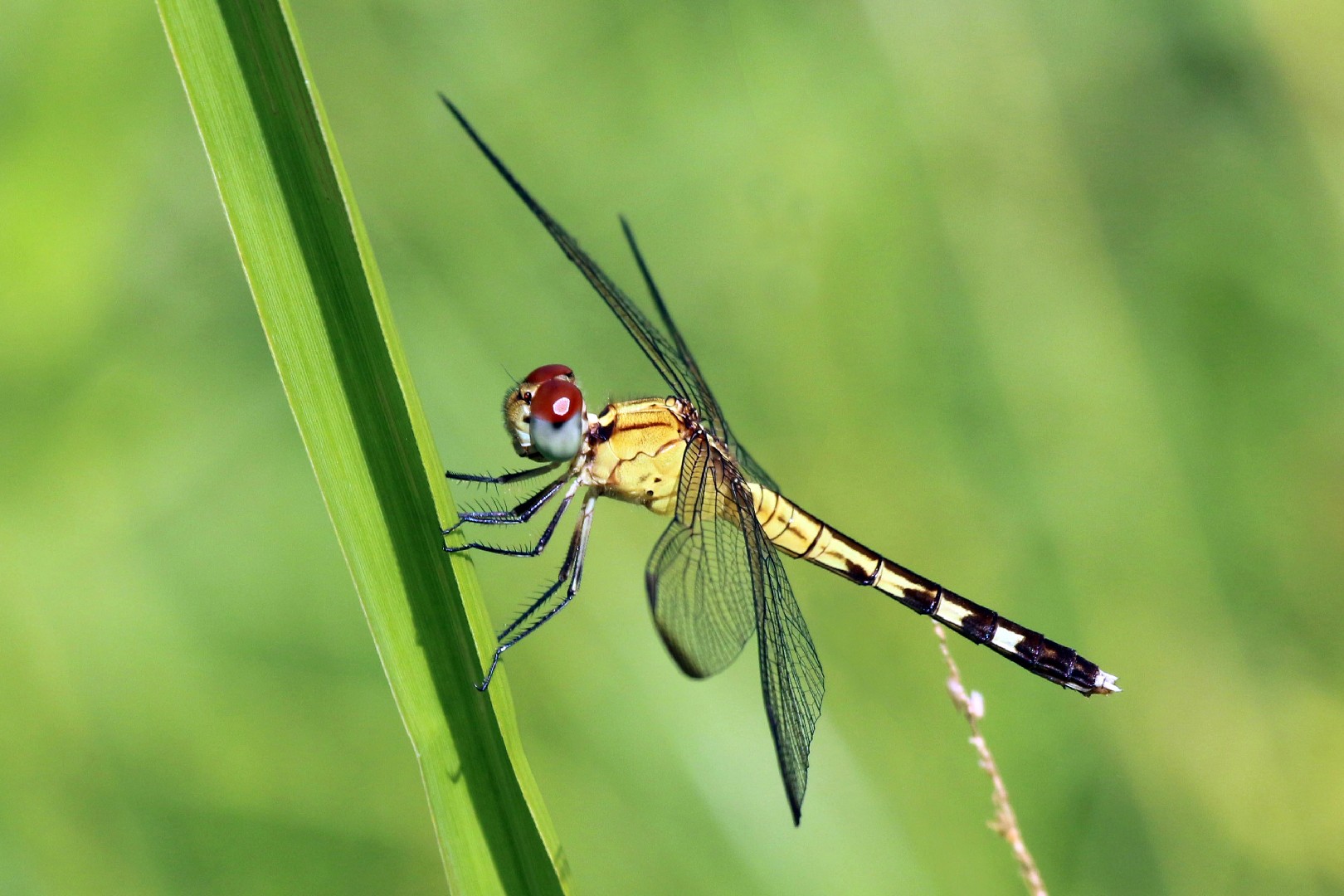
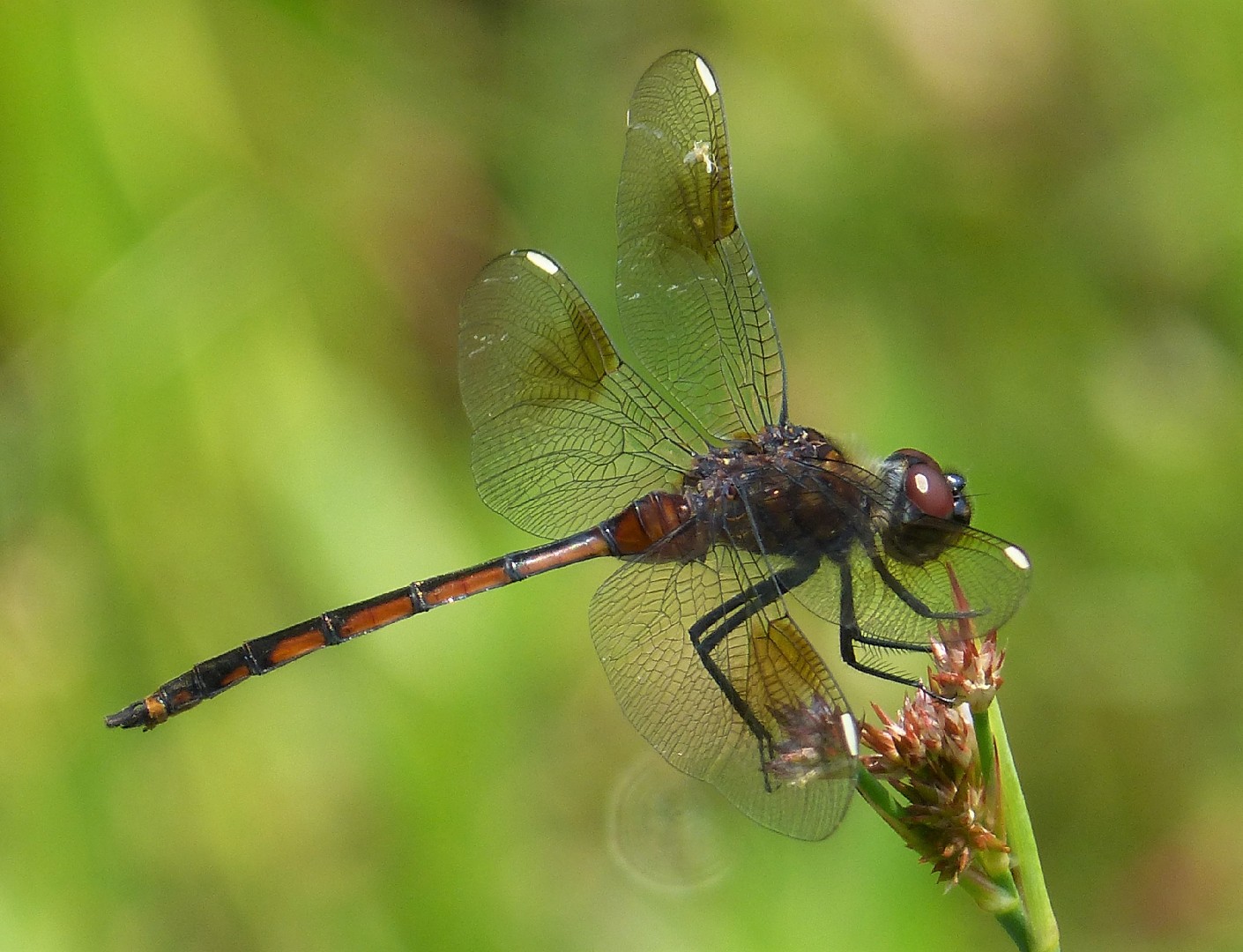
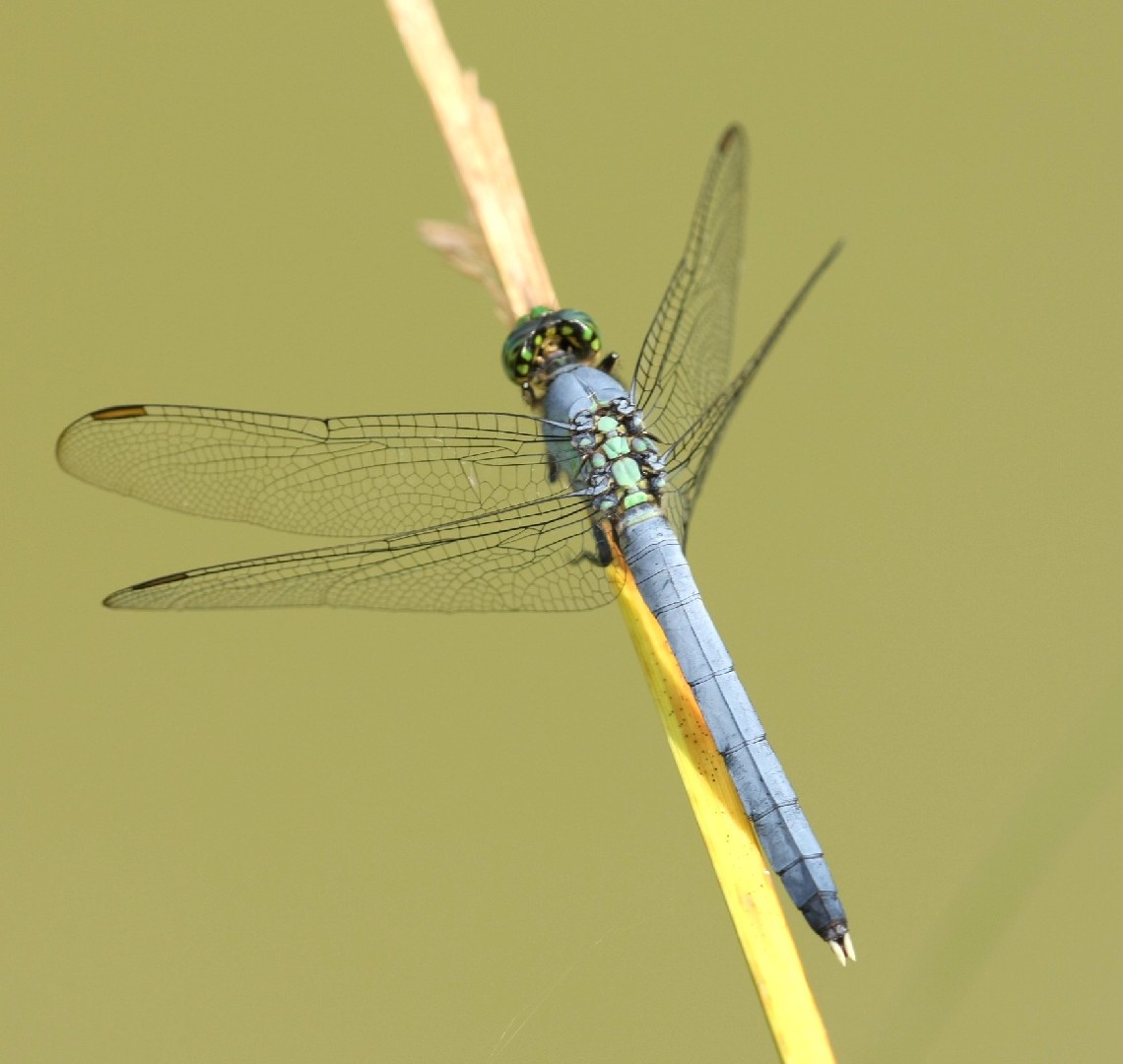
The halloween pennant (Celithemis eponina) isn't considered spooky. The only thing that relates it to Halloween is the orange color that these tend to come with. Females lay their eggs in open water with the males still attached to them. They are also strong fliers that can sustain themselves in many storms.

7. Dark ricefield mosquito
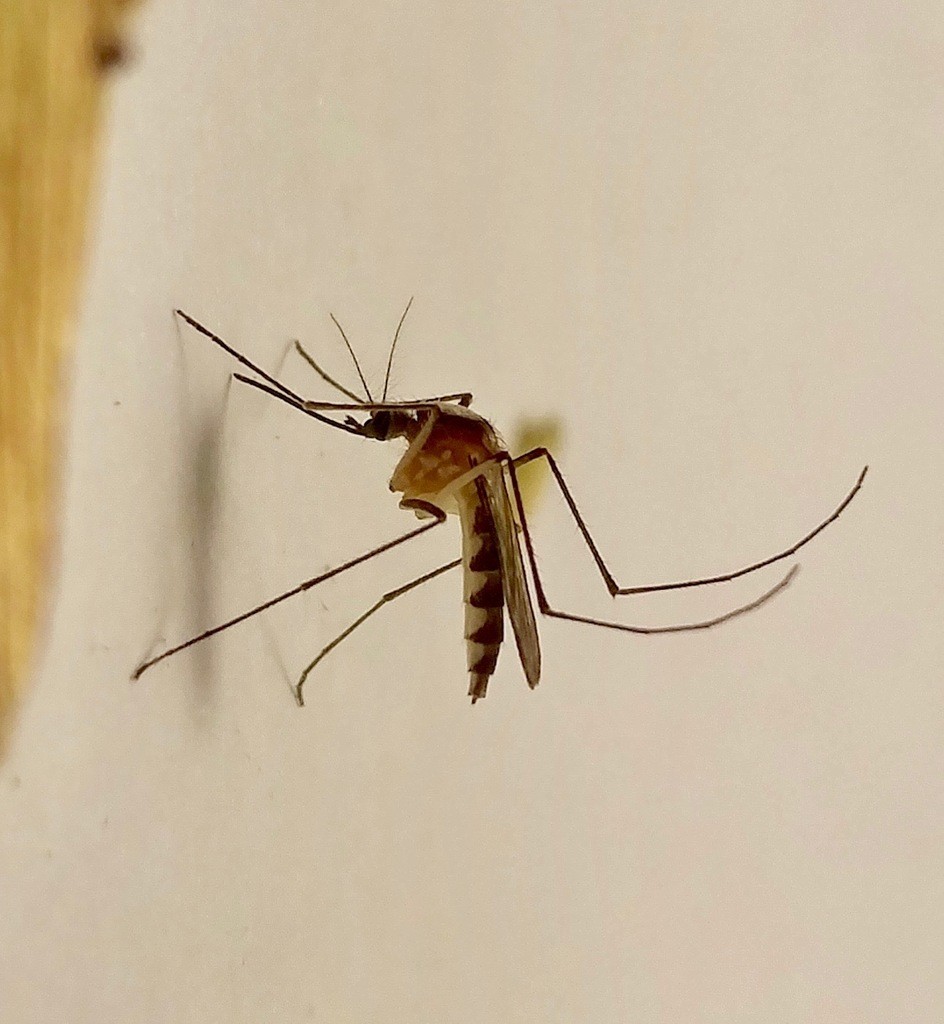
Psorophora columbiae, known generally as the dark ricefield mosquito or glades mosquito, is a species of mosquito in the family Culicidae.
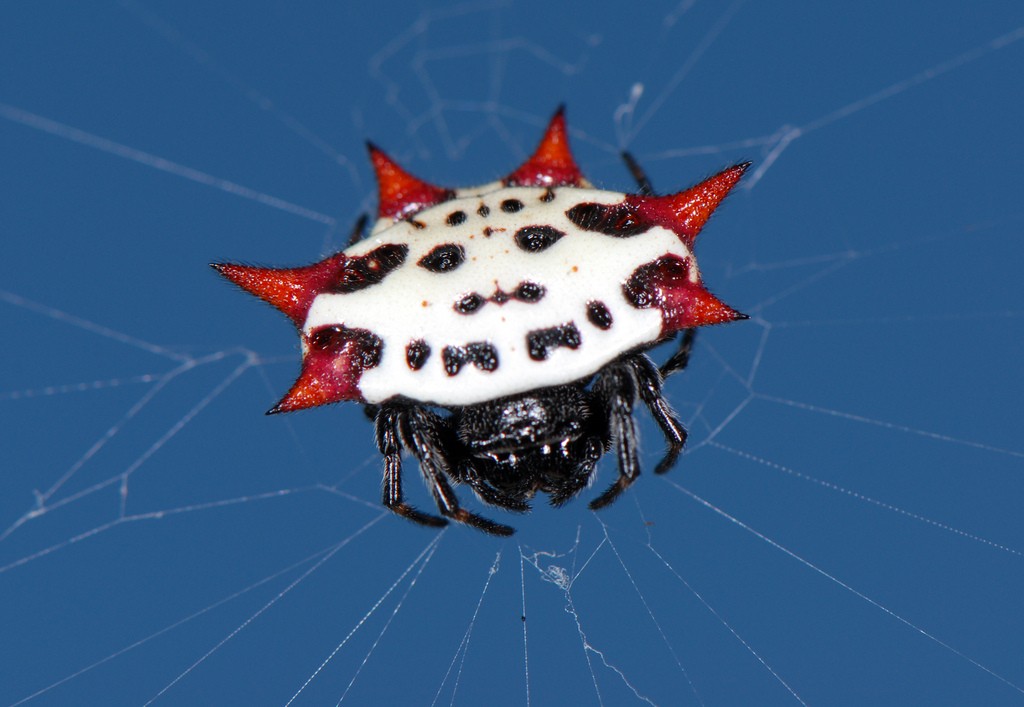
8. Spinybacked Orbweaver
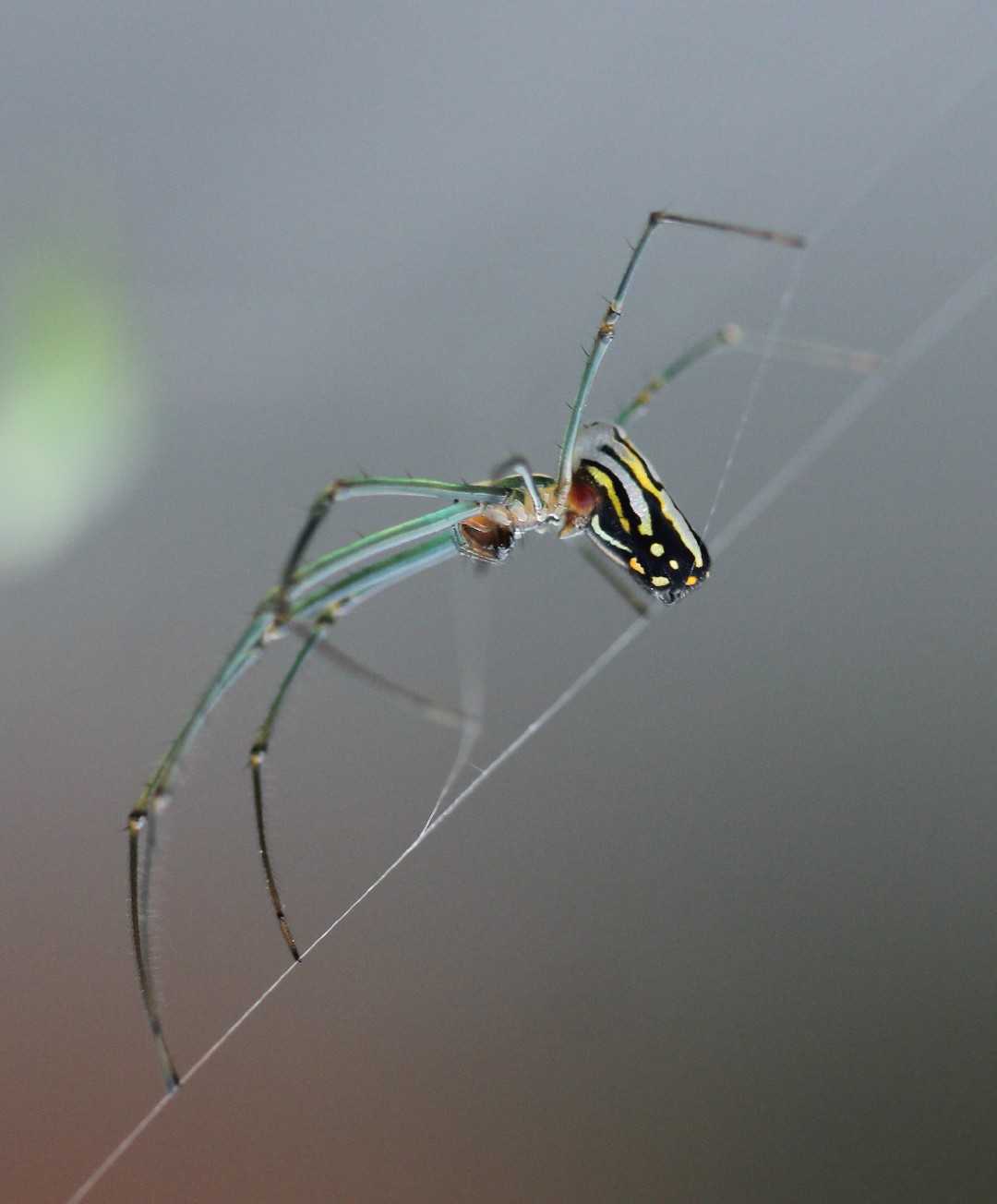
The spinybacked Orbweaver (Gasteracantha cancriformis) has a crab-like structure with six spines on its abdomen. The color of this species varies based on where it lives, and the colors are usually red, orange, yellow, or white. Males and females communicate by creating patterns of vibration on their webs.
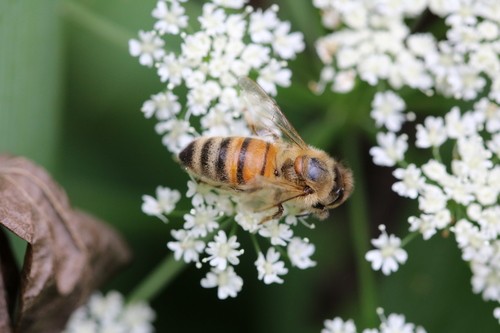
9. Western honey bee
Western honey bee(Apis mellifera) is the most common species of honeybee in the world. Among the first domesticated insects, its cultural and economic impact on humanity has been vast and far-reaching, providing honey, wax and its services as a pollinator. Western honey bee faces challenges worldwide, such as colony collapse disorder, and populations are thought to be decreasing.
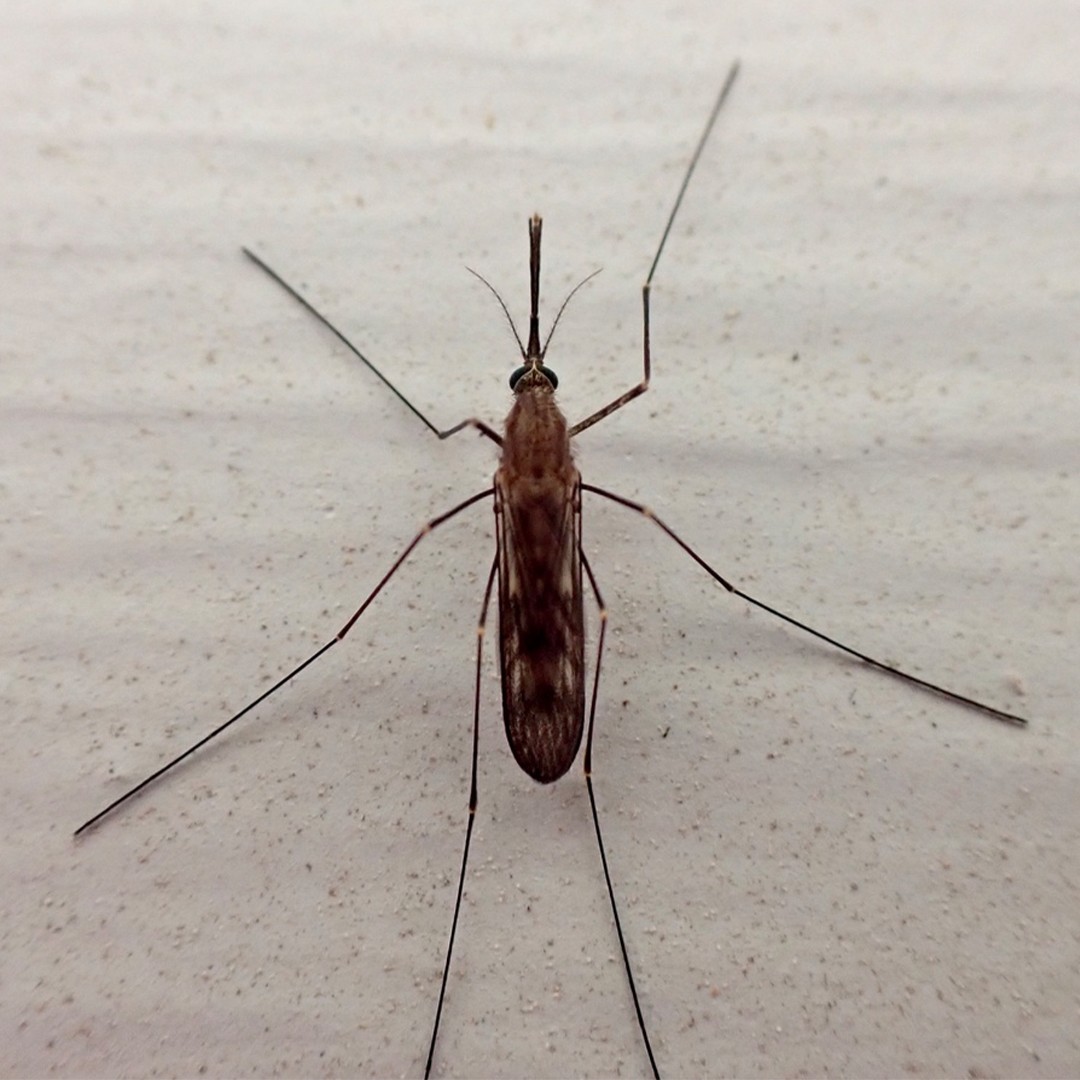
10. North american malaria mosquito
Anopheles (/əˈnɒfɪliːz/) is a genus of mosquito first described and named by J. W. Meigen in 1818. About 460 species are recognised; while over 100 can transmit human malaria, only 30–40 commonly transmit parasites of the genus Plasmodium, which cause malaria in humans in endemic areas. Anopheles gambiae is one of the best known, because of its predominant role in the transmission of the most dangerous malaria parasite species (to humans) – Plasmodium falciparum. The name comes from the Ancient Greek word ἀνωφελής anōphelḗs 'useless', derived from ἀν- an-, 'not', 'un-' and ὄφελος óphelos 'profit'. Mosquitoes in other genera (Aedes, Culex, Culiseta, Haemagogus, and Ochlerotatus) can also serve as vectors of disease agents, but not human malaria.

More







