




Top 20 Most Common Insects in Panama City Beach
Insects are a fascinating part of our world, diverse in form and function, and Panama City Beach is no exception. Their significant role, from pollinating plants to reducing waste, truly anchor Panama City Beach's ecosystem. This guide examines the top 20 most common insects in Panama City Beach, striking a balance between beneficial bugs and pesky pests. Their existence reflects our city's unique environment, acting as tiny bioindicators of our city's health and diversity.

Most Common Insects
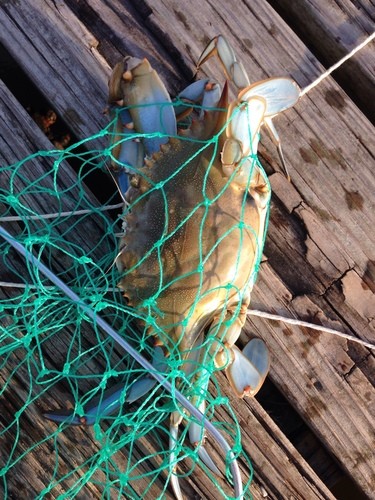
1. Blue crab
Thanks to its sapphire blue claws, blue crab is famous for its attractive appearance. Despite its lovely looks, the crab shows aggressive nature when it feels threatened. Blue crab has important commercial value and it's harvested for culinary use. Many people find its meat to be sweet and delicious.
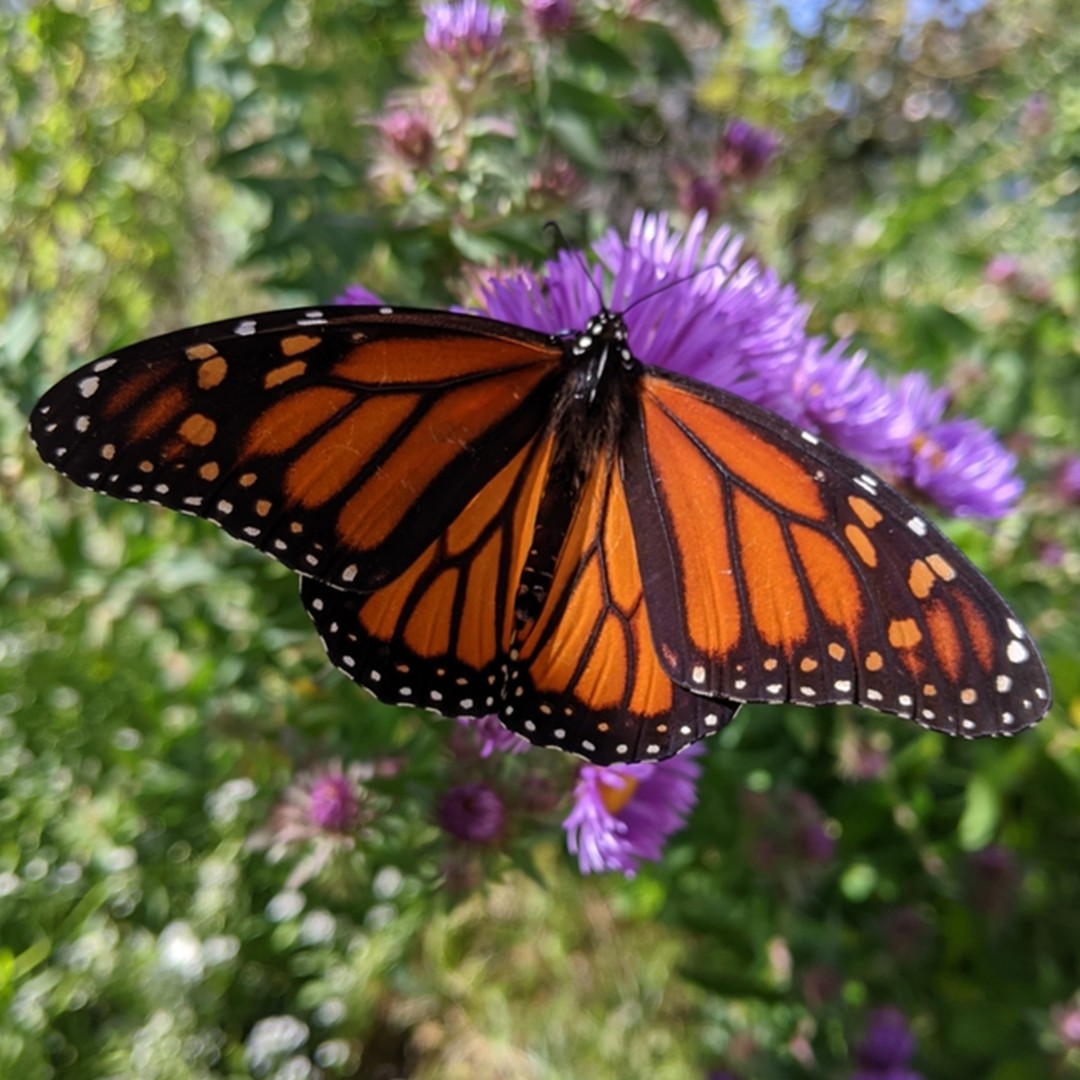
2. Monarch butterfly
The monarch butterfly (Danaus plexippus) is the most recognizable butterfly in North America. It is best known for its appearance, but should be better known for the fact that it has a 3000-mile migration that takes the butterfly 4 generations to complete. Their diet is also a natural deterrent for predators, as they eat milkweed, a poison that induces vomiting.
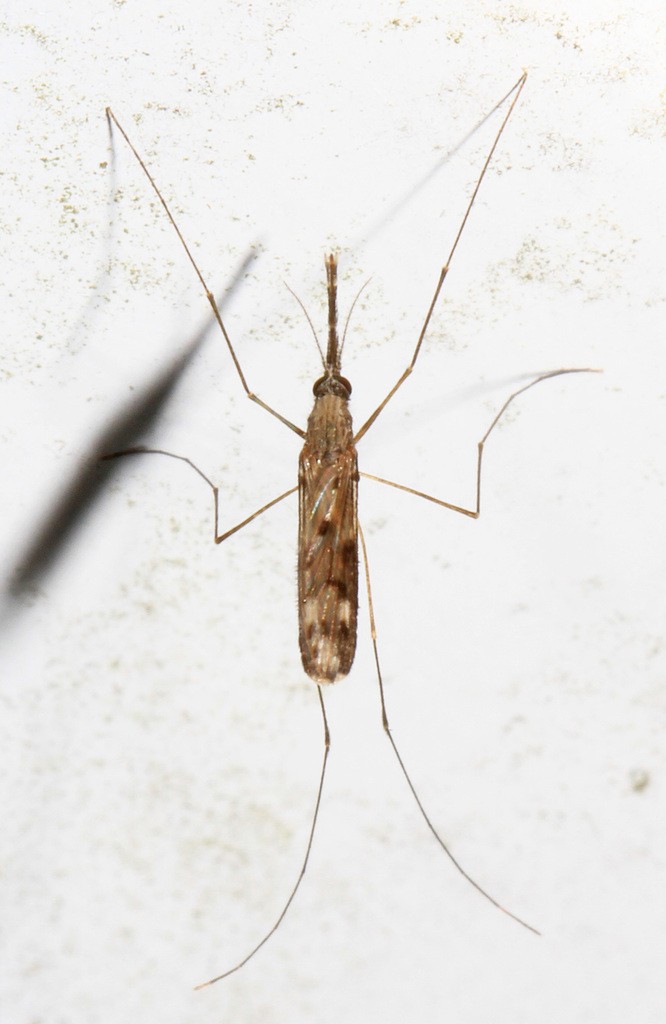
3. Anopheles crucians
Anopheles crucians is a mosquito that exists in aquatic environments under areas with little light presence. The preferred environment for A. crucians is areas with acidic water such as that found in cypress swamps. The mosquito breeds in semipermanent and permanent pools, ponds, lakes and swamps. It may be a vector for malaria. Walter Reed Biosystematic Unit Characteristics, Bionomics, Medical Importance GeoSpecies Knowledge Base University of Wisconsin 

4. Blue dasher
The name Pachydiplax longipennis implies that the blue dasher has long wings due to the "longipennis" section literally translating to it. But this would be misleading, as the insect does not have particularly long wings. Instead, they stick out with vibrant blue colors. The dasher part of their name may be in reference to their voracious diet, as they can eat up to 10 percent of their body weight daily.
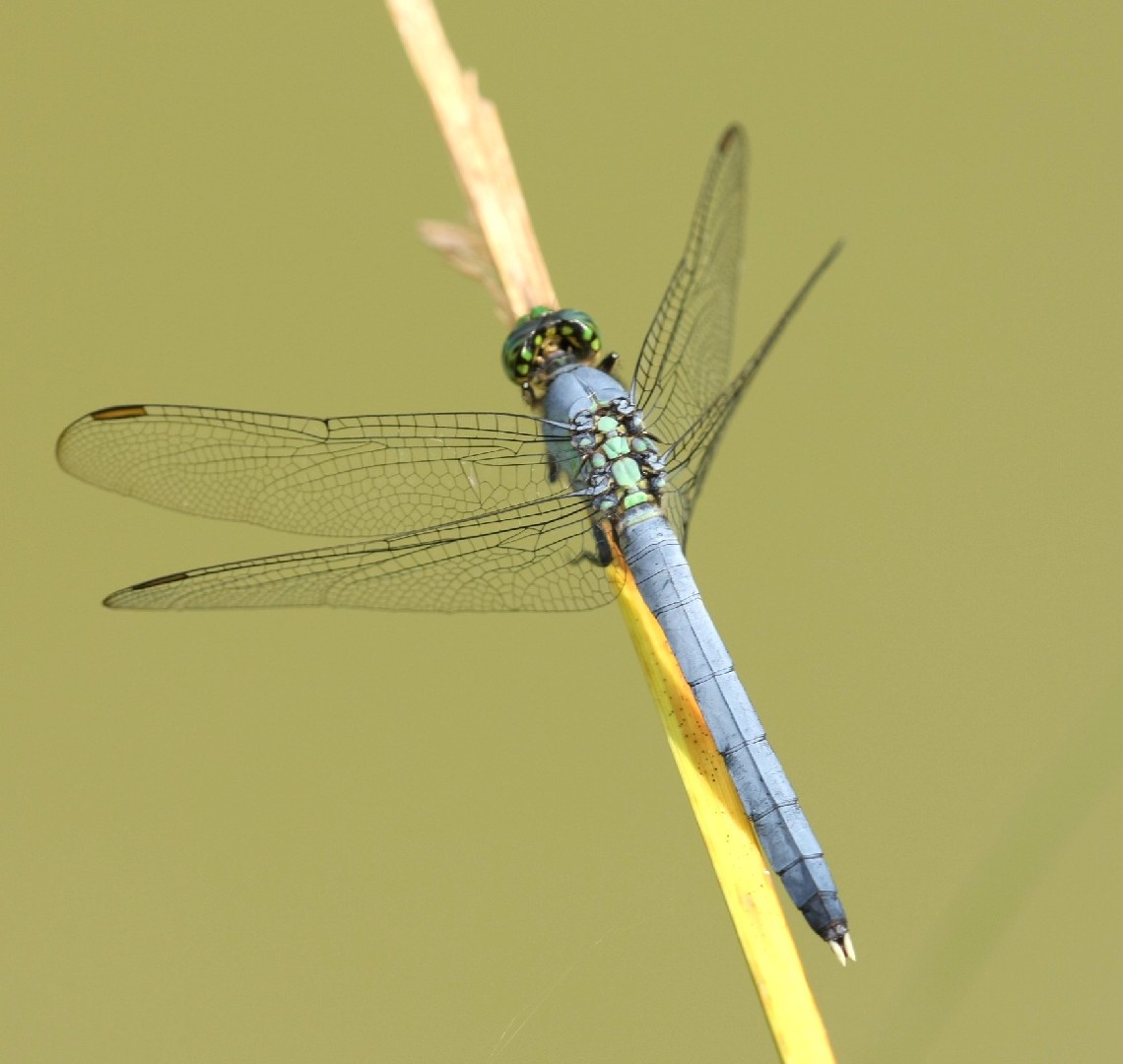
5. Eastern pondhawk
The eastern pondhawk (Erythemis simplicicollis) has much in common with American fishermen, they love living near the sides of ponds. They are a beautiful insect that is easy to distinguish when it comes to different genders. Females are bright green with bands around the abdomen and the males are bright blue with a green face.

6. Atlantic ghost crab
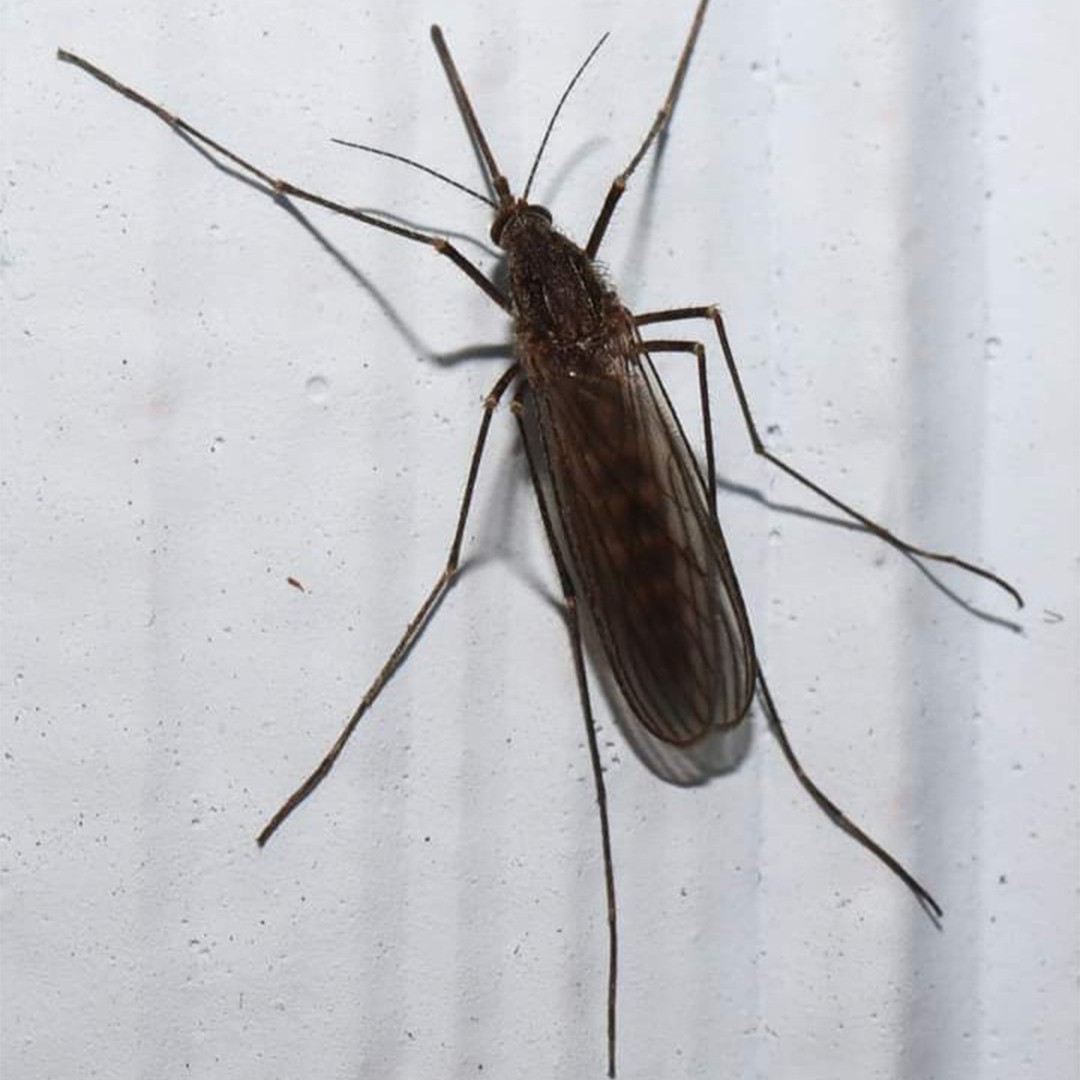
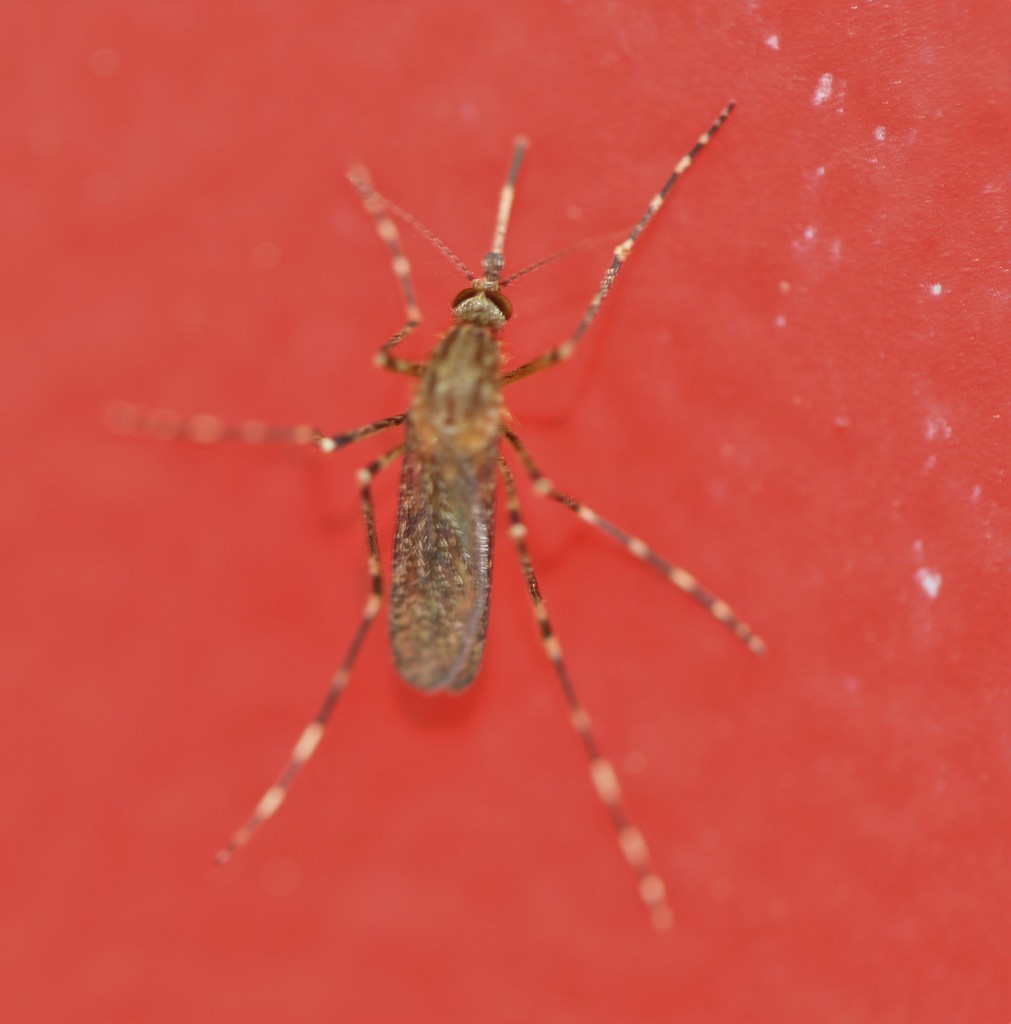
7. Erratic Mosquito
Culex erraticus is a species of mosquito in the family Culicidae.
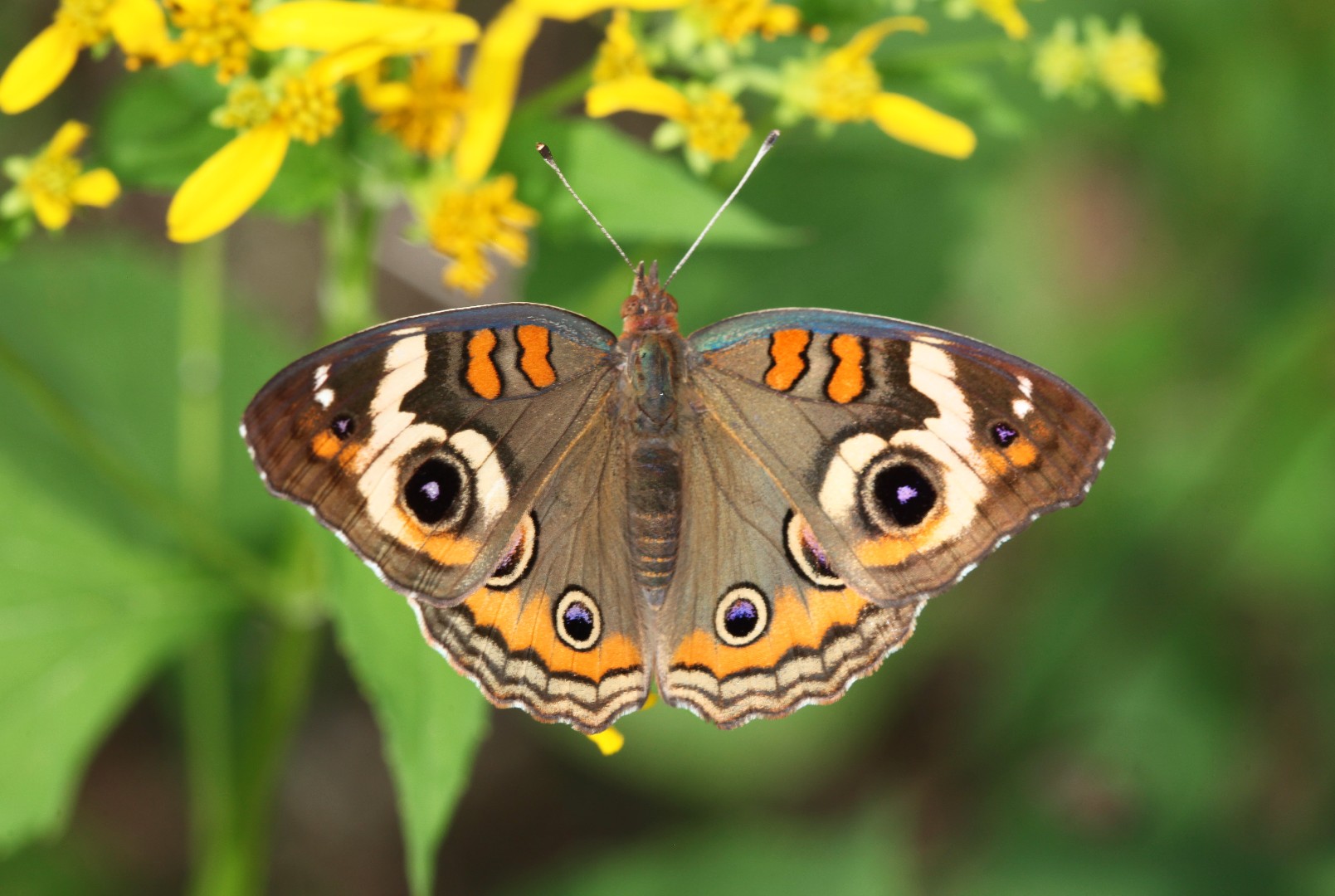
8. Common Buckeye
The common Buckeye (Junonia coenia) has distinguishable target-shaped spots on its dark wings, along with patches of orange and white. It produces multiple generations each year as it migrates to sunny landscapes. When it flies, it moves rapidly in an irregular pattern, often low to the ground.
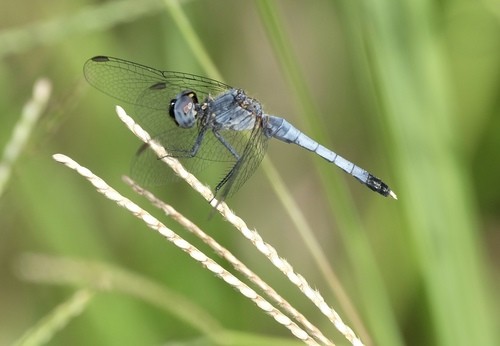
9. Little blue dragonlet
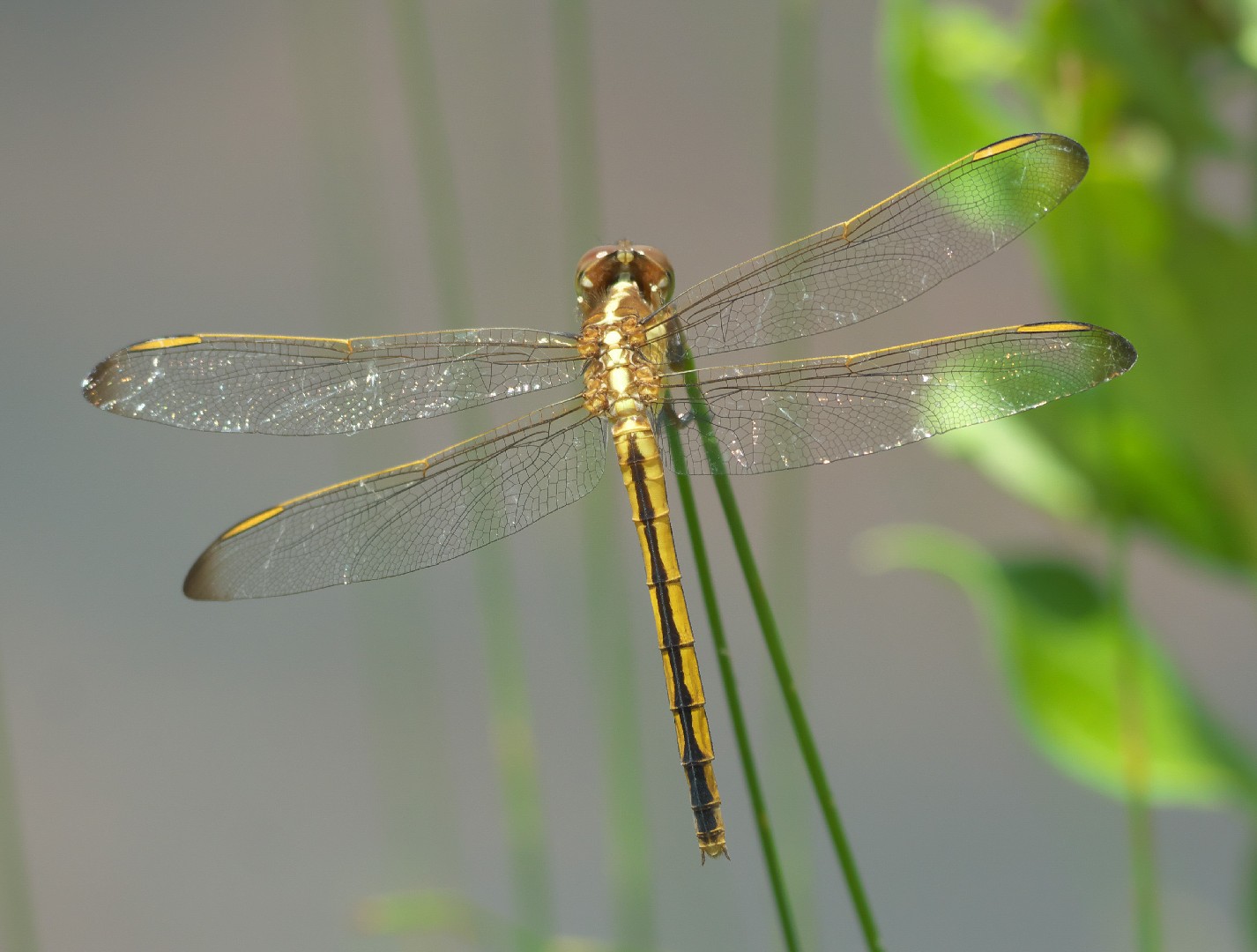
Erythrodiplax minuscula or Erythrodiplax connata minuscula is a species of dragonfly of the genus Erythrodiplax from the subfamily Sympetrinae. It occurs in the eastern United States and Argentina.
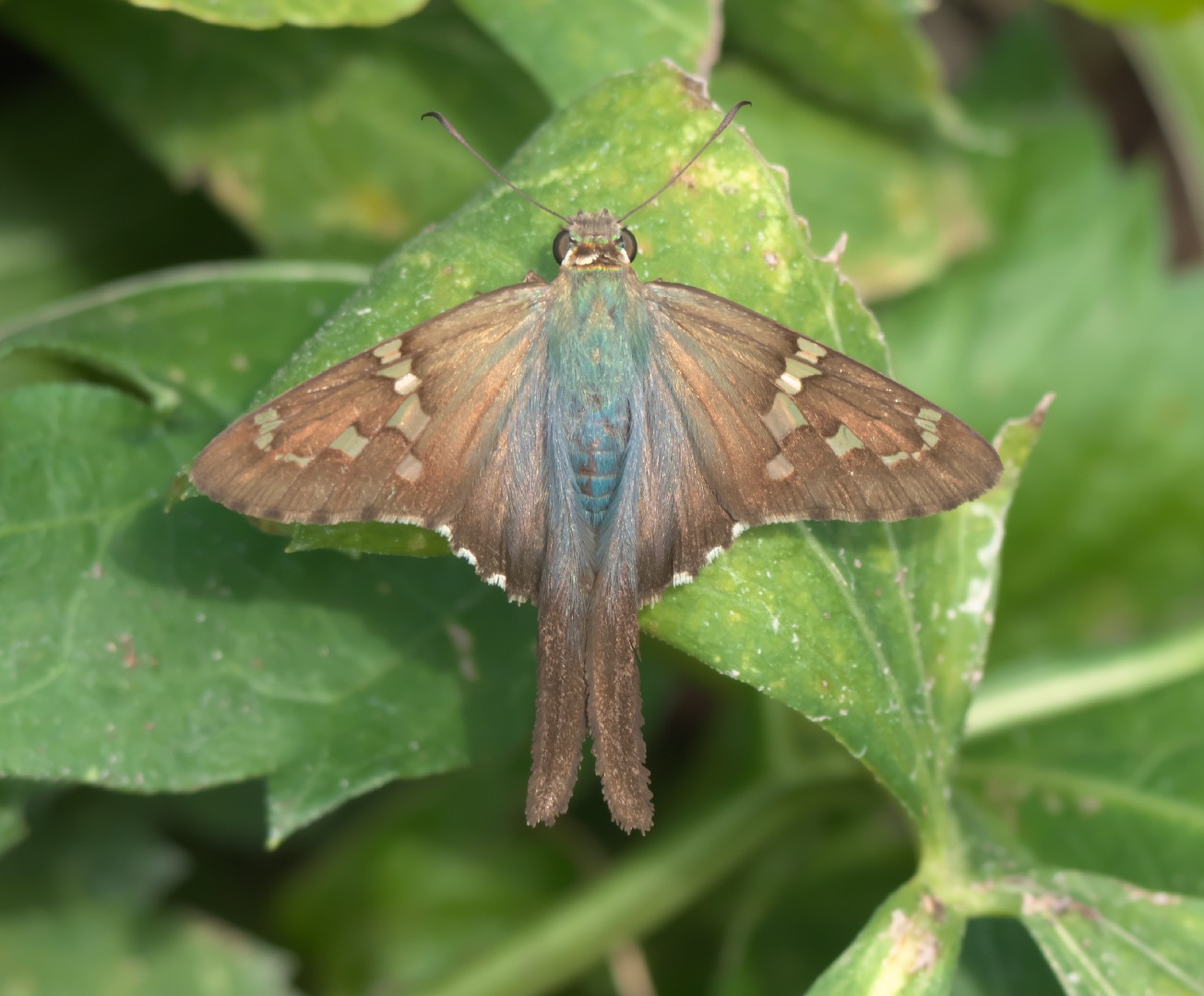
10. Long-tailed skipper
It is a showy butterfly, with wings of light brown tinted with iridescent blue, and two long tails extending from the hindwings. The robust body is light blue dorsally. It has a large head, prominent eyes, and a wingspan between 4.5 cm and 6 cm.




More







