




Top 20 Most Common Insects in Savannah
Insects, with their remarkable adaptability and diverse features, have found a welcoming habitat in Savannah. Amidst the city's bustling life, insects play an important role, from pollinators aiding local flora to pest species shaping control strategies. Today, we explore the 20 most common insects in Savannah, reflecting the unique balance of nature in urban environments.

Most Common Insects
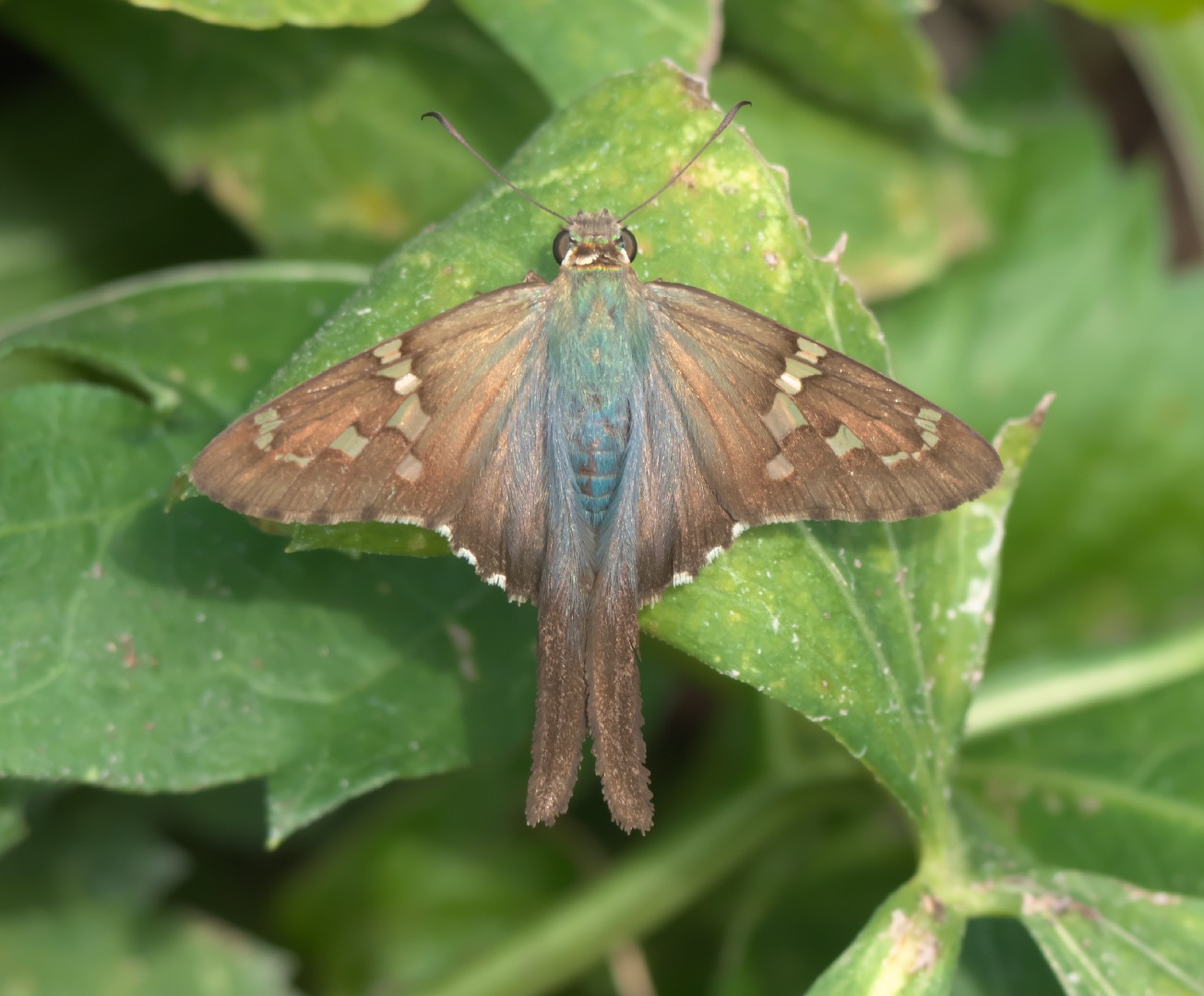
1. Long-tailed skipper
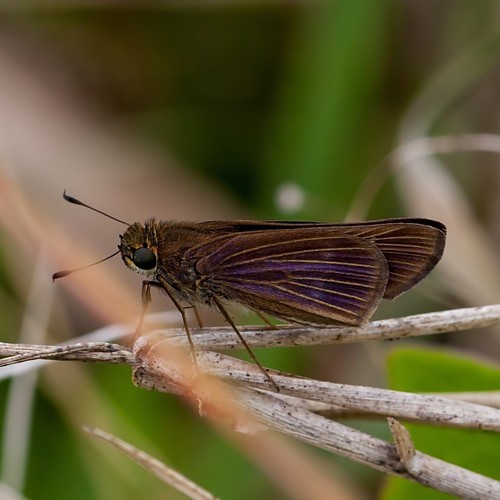
It is a showy butterfly, with wings of light brown tinted with iridescent blue, and two long tails extending from the hindwings. The robust body is light blue dorsally. It has a large head, prominent eyes, and a wingspan between 4.5 cm and 6 cm. 
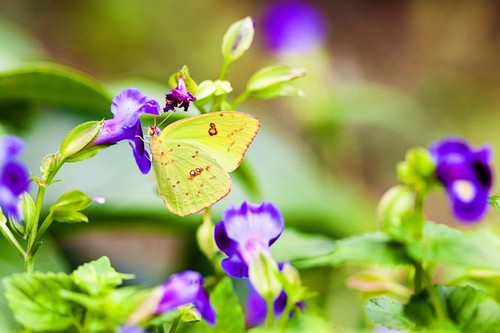
2. Cloudless sulphur
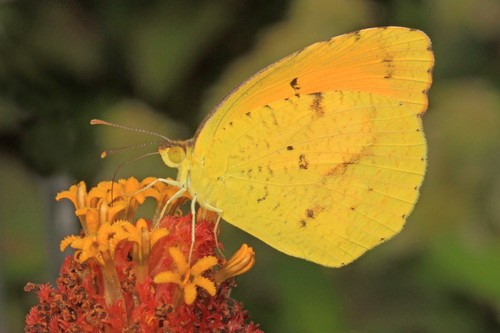
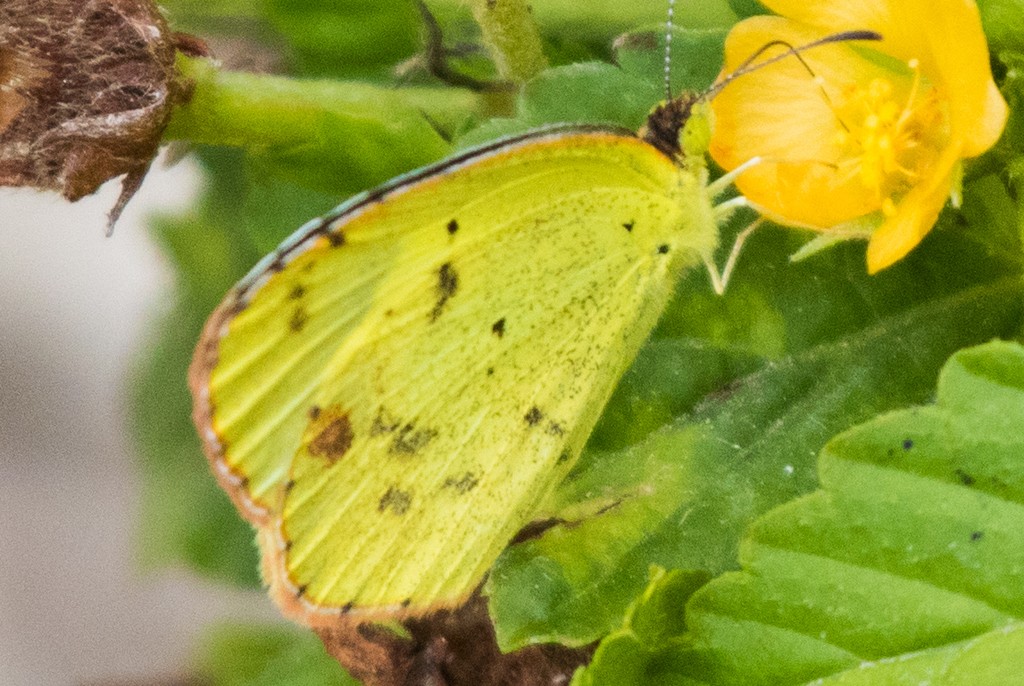
The cloudless sulphur (Phoebis sennae) is known for being a small, yellow butterfly with two dots on either wing. Despite it not being very extravagant, there are those that may think that to be cute. They are known to be long-tongued butterflies that can reach the nectar in tubular flowers.
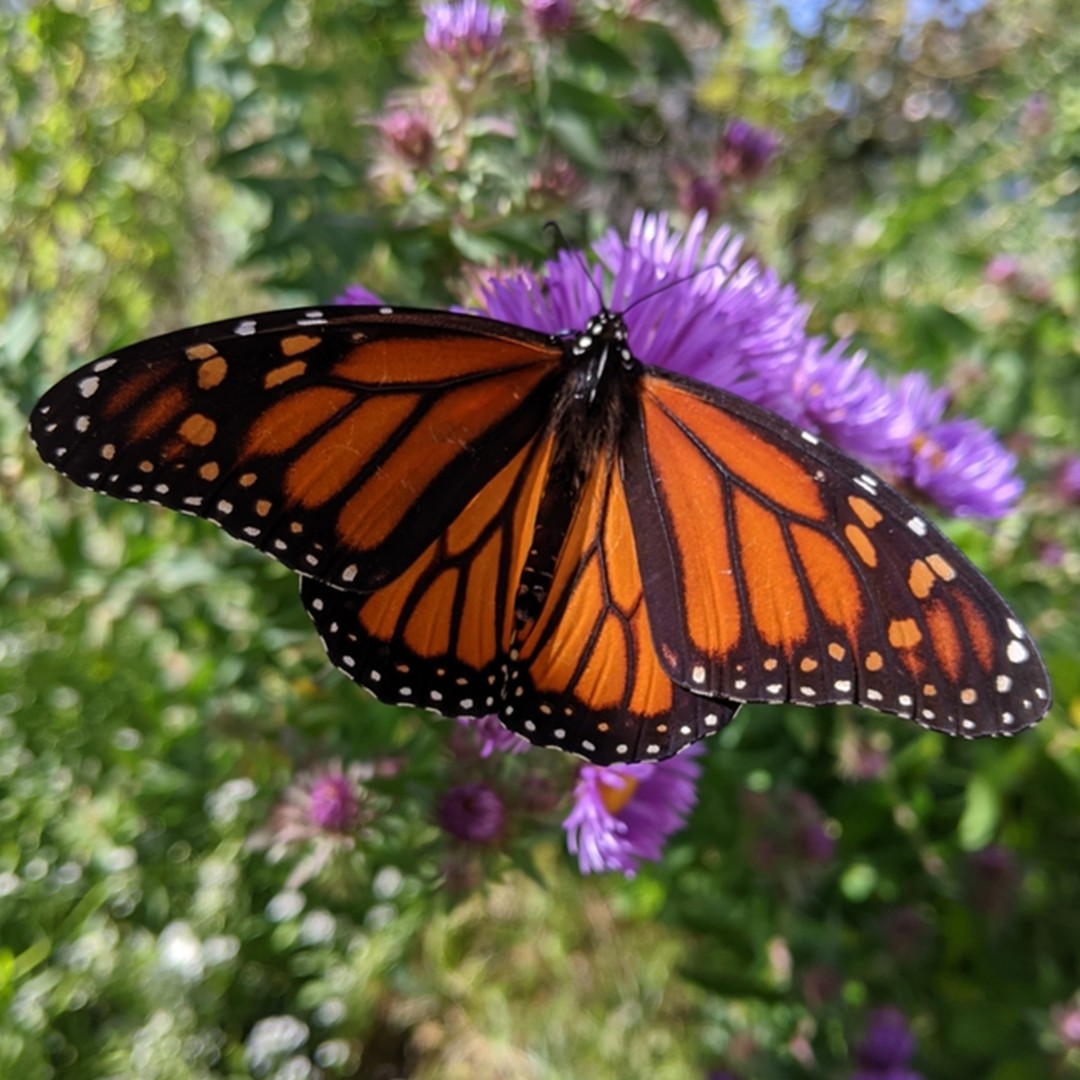
3. Monarch butterfly
The monarch butterfly (Danaus plexippus) is the most recognizable butterfly in North America. It is best known for its appearance, but should be better known for the fact that it has a 3000-mile migration that takes the butterfly 4 generations to complete. Their diet is also a natural deterrent for predators, as they eat milkweed, a poison that induces vomiting.
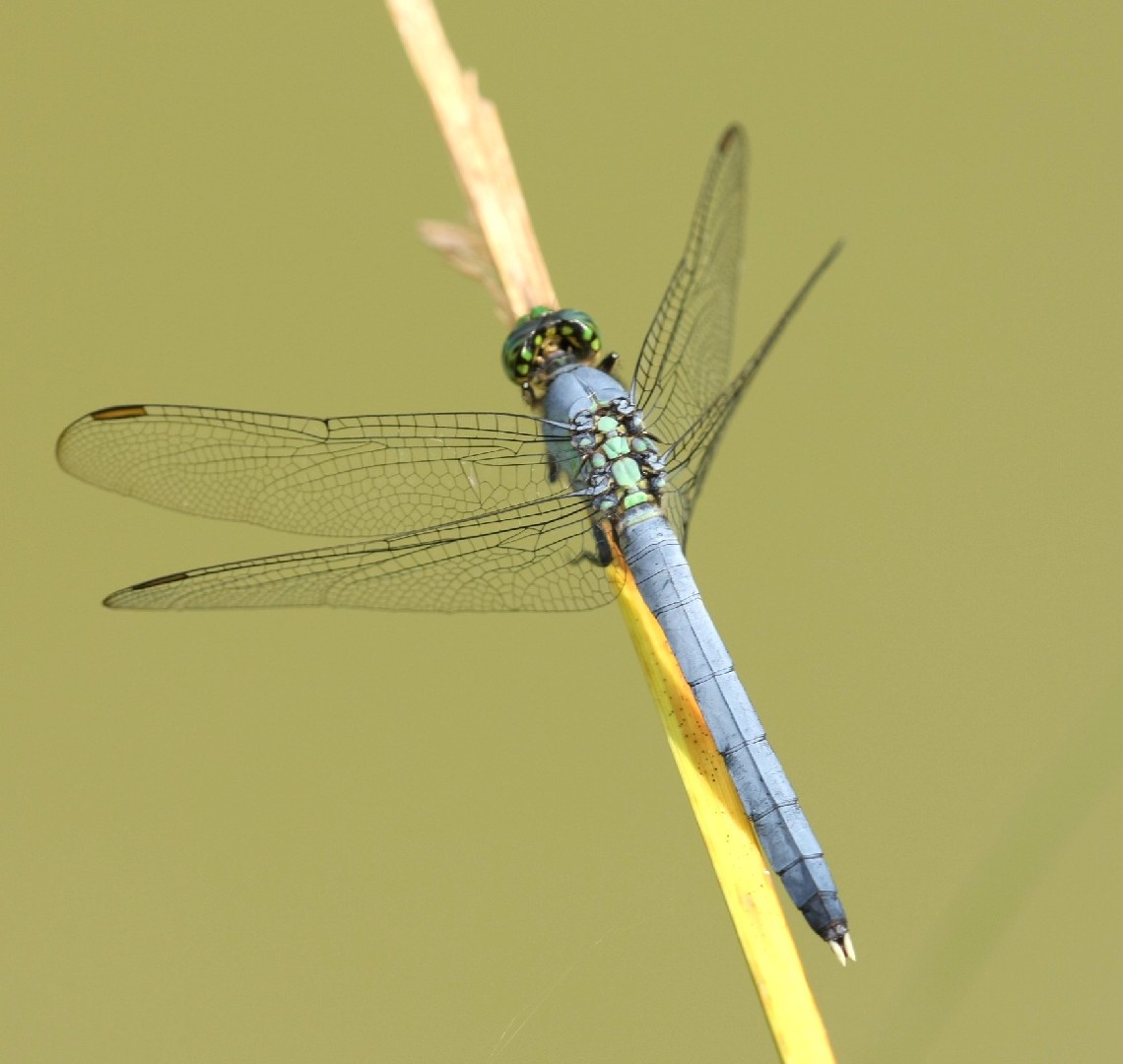
4. Eastern pondhawk
The eastern pondhawk (Erythemis simplicicollis) has much in common with American fishermen, they love living near the sides of ponds. They are a beautiful insect that is easy to distinguish when it comes to different genders. Females are bright green with bands around the abdomen and the males are bright blue with a green face.
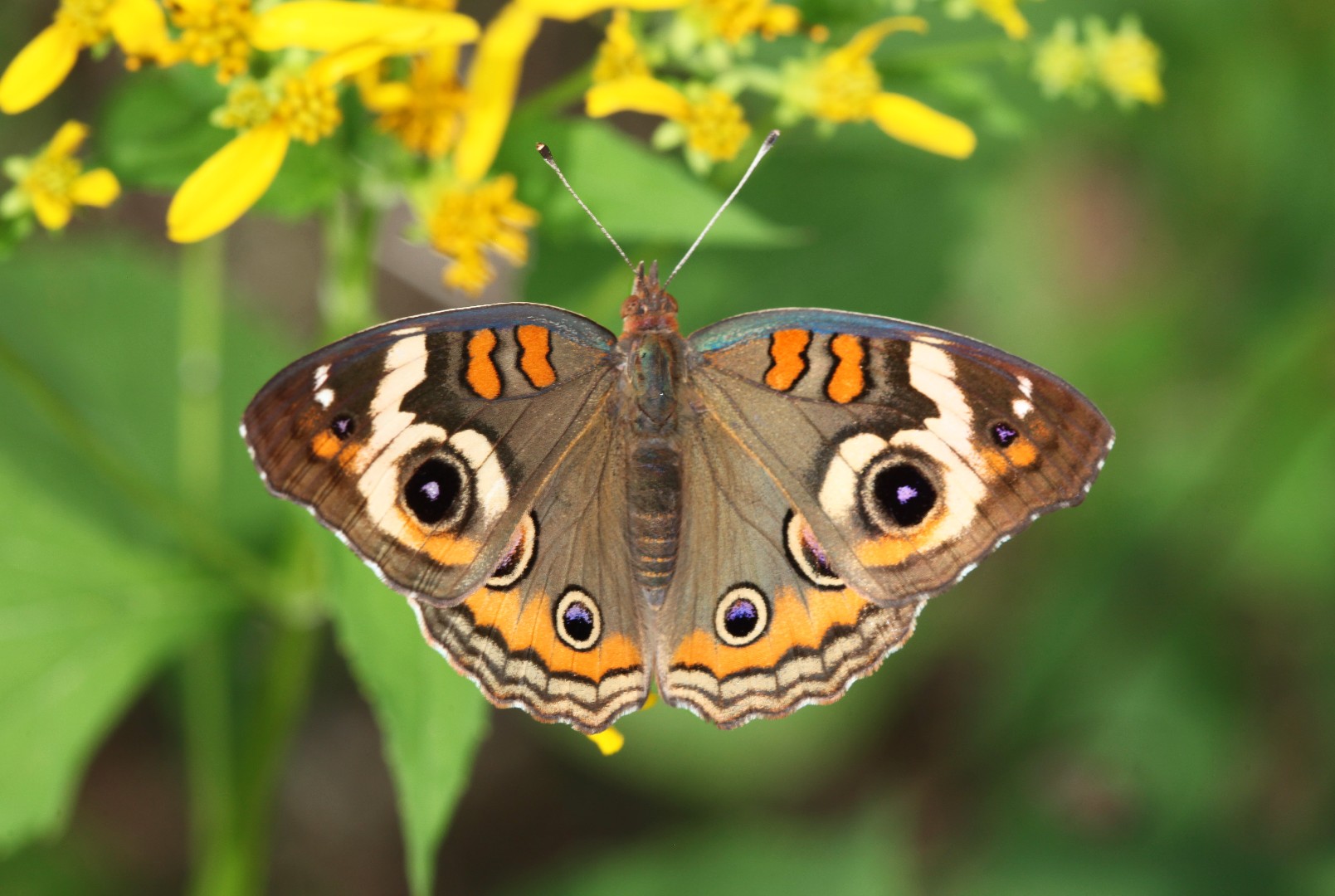
5. Common Buckeye
The common Buckeye (Junonia coenia) has distinguishable target-shaped spots on its dark wings, along with patches of orange and white. It produces multiple generations each year as it migrates to sunny landscapes. When it flies, it moves rapidly in an irregular pattern, often low to the ground.
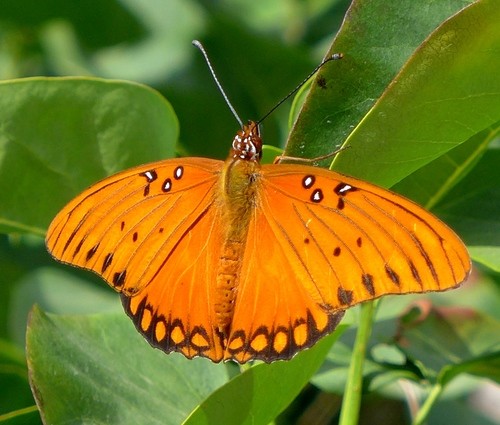
6. Gulf fritillary
The gulf fritillary (Agraulis vanillae) is a bright orange butterfly with small black spots, but the larvae are bright orange with multiple black spines. The larvae are big fans of passionflower, they feed on the leaves. These beautiful butterflies are most commonly seen in fields, pastures, yards, and parks.

7. Blue dasher
The name Pachydiplax longipennis implies that the blue dasher has long wings due to the "longipennis" section literally translating to it. But this would be misleading, as the insect does not have particularly long wings. Instead, they stick out with vibrant blue colors. The dasher part of their name may be in reference to their voracious diet, as they can eat up to 10 percent of their body weight daily.
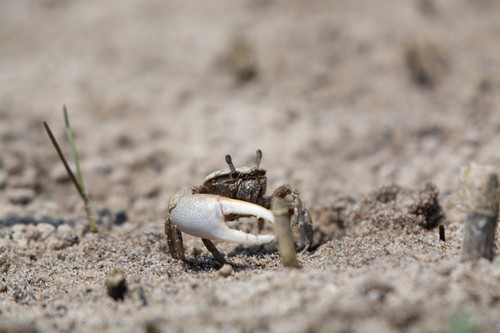
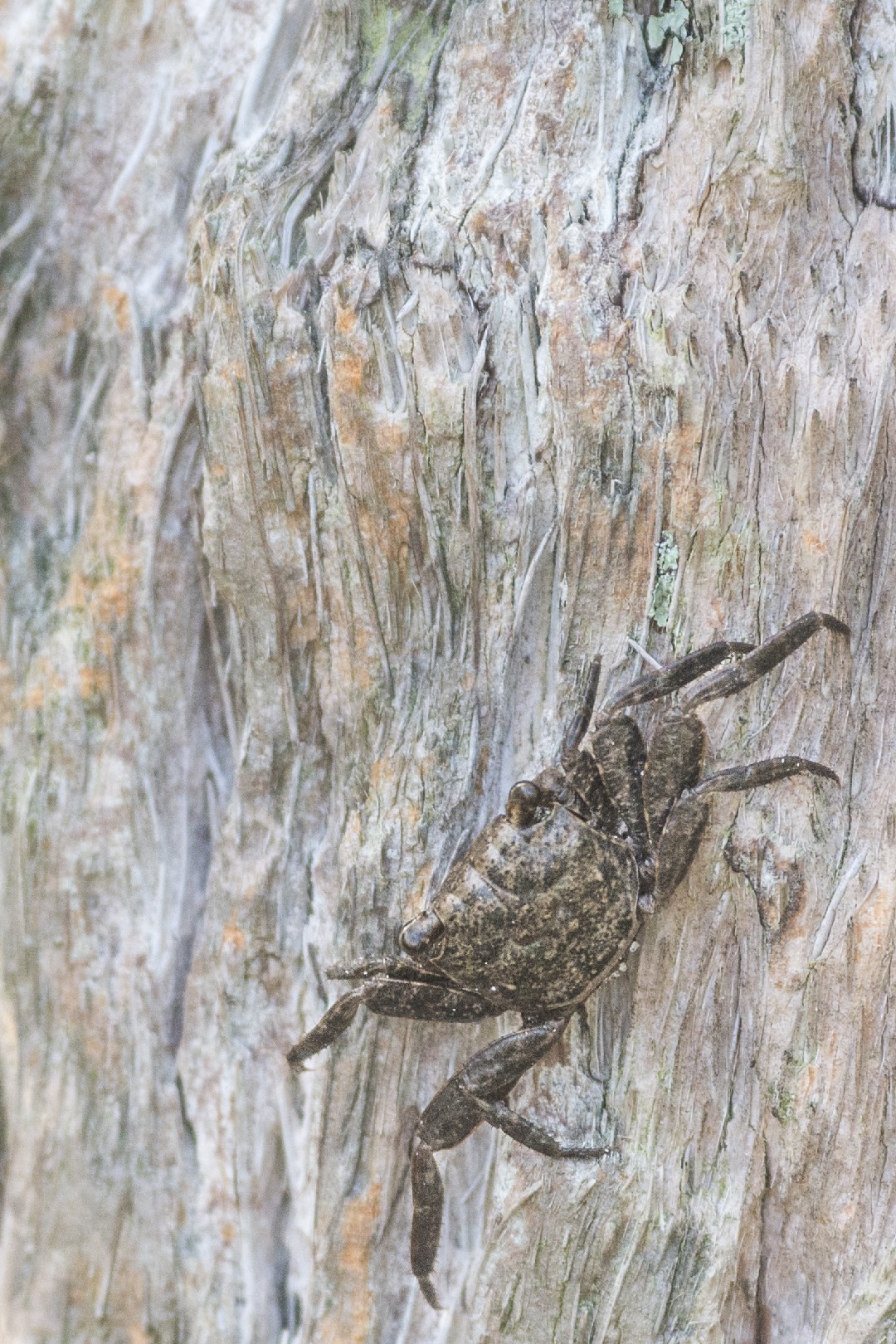
8. Atlantic sand fiddler crab
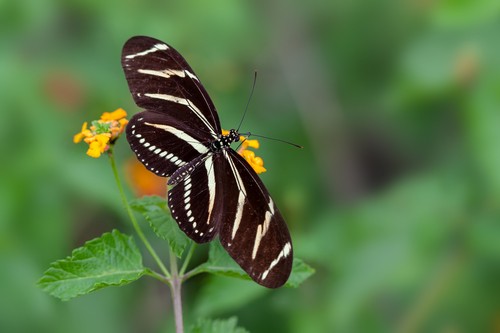
9. Zebra longwing
The zebra longwing (Heliconius charithonia) is a beautiful butterfly that has a texture resembling a zebra. They feast and pollen and nectar, using the pollen to produce chemicals that poison predators if they are eaten, deterring most predators from attack. Unfortunately, their populations have been decimated after being caught in the crossfire of sprays meant to control mosquitos.
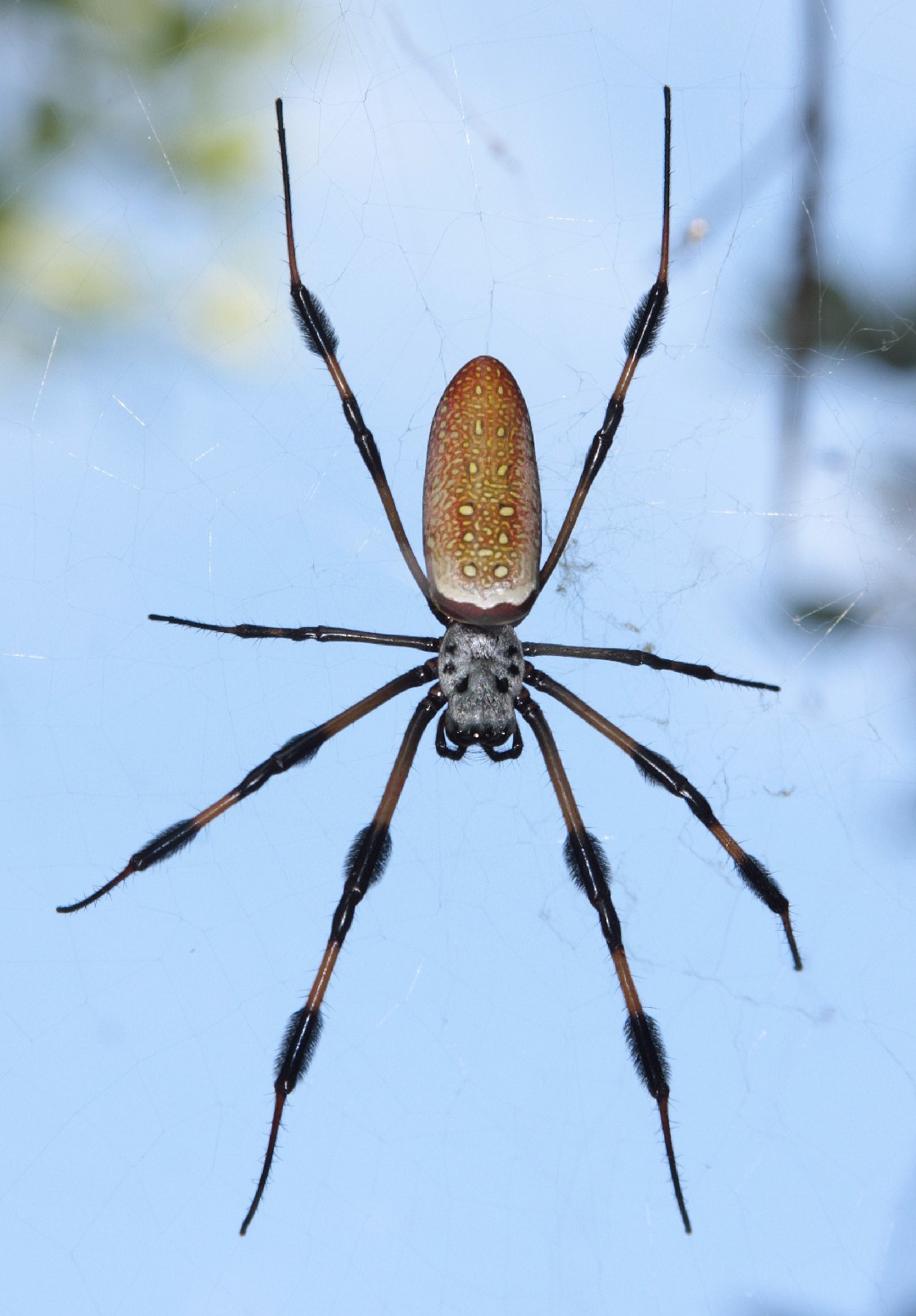
10. Banana spider
The banana spider (Nephila clavipes) is called that because it is commonly found in banana shipments leading from South America. There are many spiders that fit this category (often found in banana shipments), so this one is also called the Golden silk orb-weaver to distinguish them. This name is more related to the strength of its silk, which is stronger than steel based on tensile strength.


More







