




Top 20 Most Common Insects in Coeur d'Alene
Welcome, insect enthusiasts! In Coeur d'Alene, myriad insects inhabit varied environments due to unique features like exoskeleton and high breeding rate. Their roles, from pollinators to pests, significantly impact the ecosystem. Our list of 20 common insects in Coeur d'Alene underscores this fascinating relationship between urban spaces and their tiny residents.

Most Common Insects
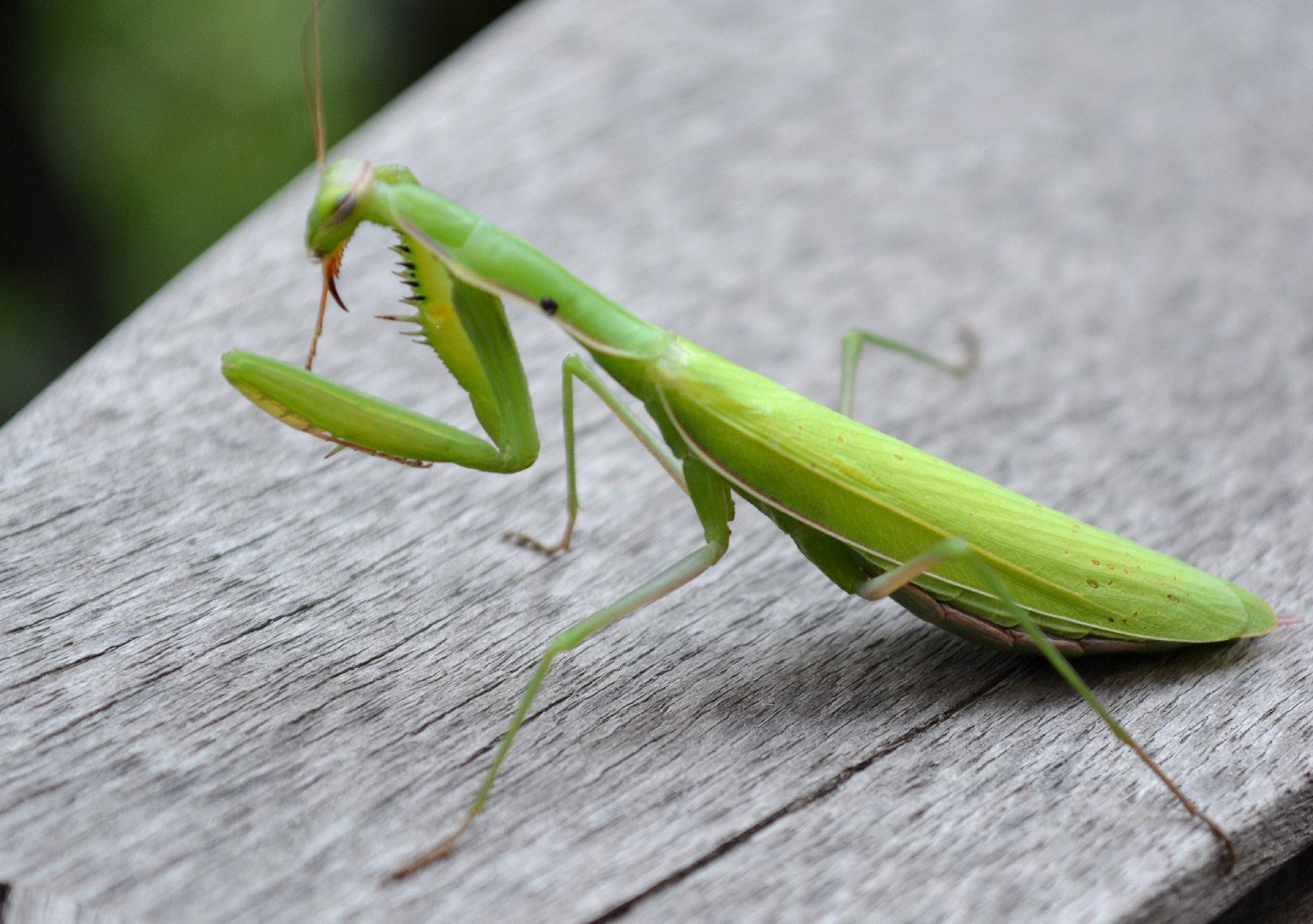
1. European mantis
The european mantis (Mantis religiosa) is a bright green mantis that can be distinguished by the two black spots with single white spots inside on its front legs. These spots resemble the eyes of a predator. If it's threatened, it will raise its wings and show off these intimidating "eyes". Also, it's a fierce species that will chase down its prey to catch it.
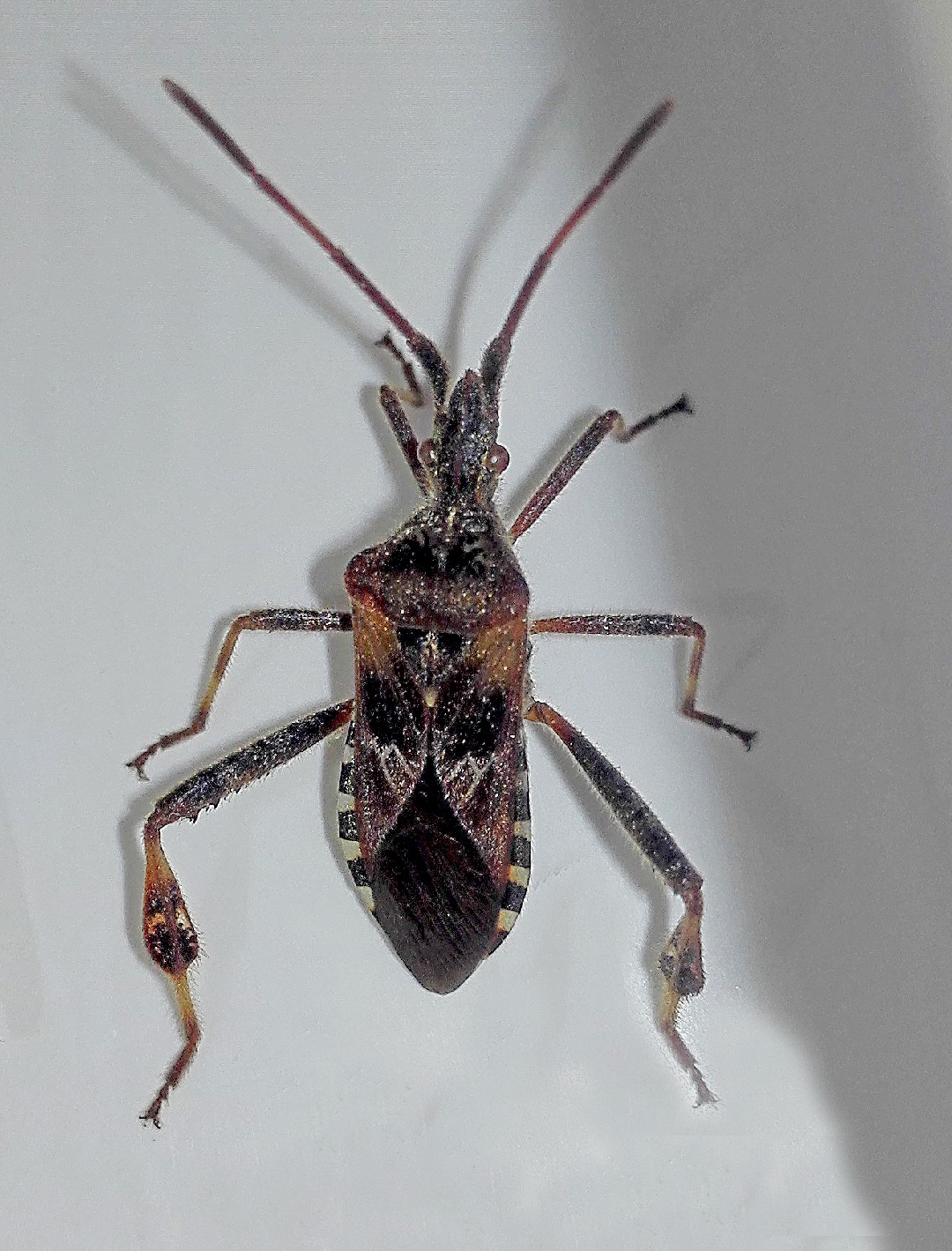
2. Western conifer seed bug
Although often identified as a "stink bug," western conifer seed bug (Leptoglossus occidentalis) is not a true member of that family despite its ability to exude a foul odor if disturbed. It lives in the vicinity of conifer forests, on which it feeds. Although it may attempt to stab predators with a long appendage from their head, it is too weak to cause physical pain to humans.
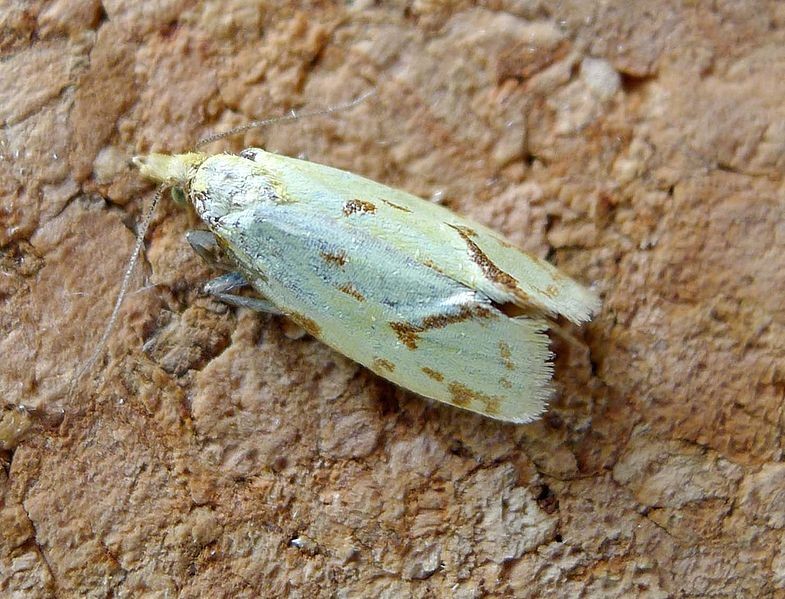
3. Knapweed root moth
Agapeta zoegana is a species of moth known as the sulphur knapweed moth and the yellow-winged knapweed root moth. It is used as an agent of biological pest control against noxious knapweeds, particularly spotted knapweed (Centaurea maculosa) and diffuse knapweed (Centaurea diffusa). The adult moth is bright yellow with areas of brown on its wings. It is about 11 millimeters long. Meyrick describes it -The forewing with costa moderately arched; bright yellow or yellowish-ferruginous ; costal edge, a small subdorsal spot before middle, and a large terminal blotch with angulated edge including a spot of ground-colour ferruginous-fuscous. Hindwings are dark grey.Julius von Kennel provides a full description. The adult lives for only a few days, during which time the female lays eggs on stems and leaves. The larva, a root miner, moves to the root of the plant and tunnels through the cortex as it feeds. This causes moderate damage to the plant. This moth is native to Eurasia. It was introduced to the western and west-central United States starting in the 1980s and it is now established in knapweed populations. It reduces the spread of the plants in areas where mechanical and chemical control is not practical. It lives on spotted and diffuse knapweed and has not been found to damage other plants. Flight is from May to August from dusk, and is attracted to light. 
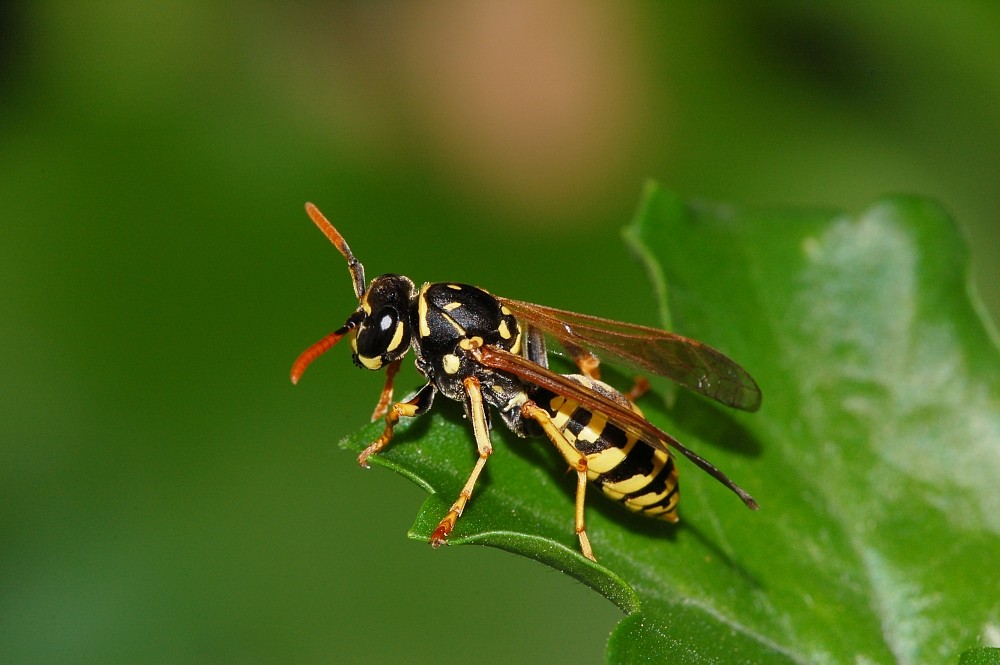
4. European paper wasp
A particularly hated invasive species in North America, european paper wasp (Polistes dominula) is well-known for its tendency to nest on human porches and sting if approached. Nests are controlled by a dominant female queen, who lays most of the eggs. Dominance among individuals can be predicted by the shape, size and number of spots they display, with more spots signaling greater dominance within the nest.
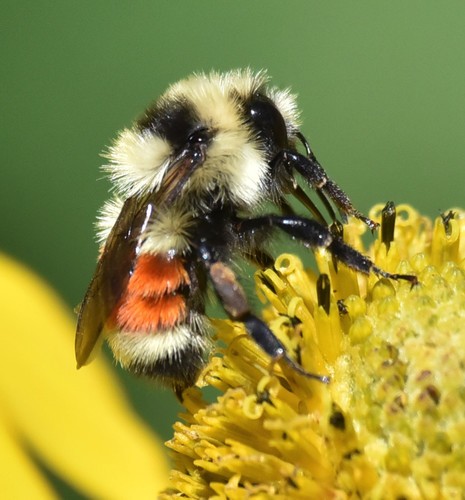
5. Hunt's bumble bee
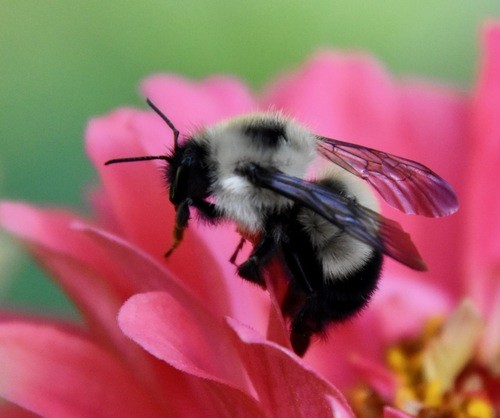
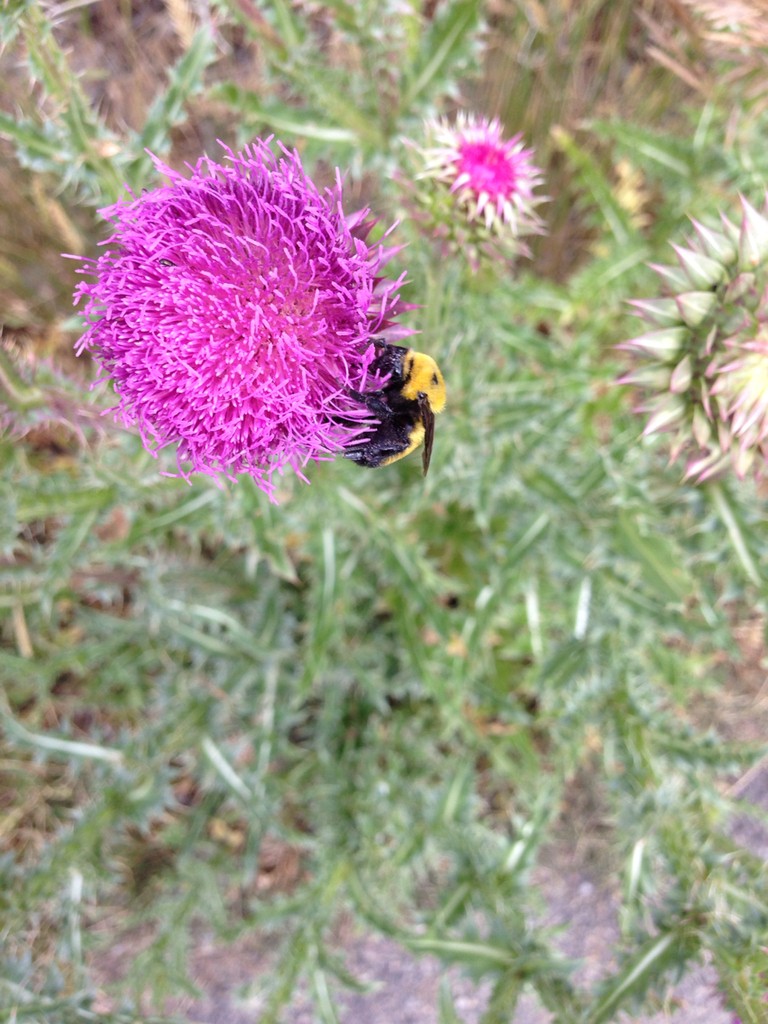
Bombus huntii is a non-woven insect from the family of bees and bumblebees (Apidae). The scientific name of the species was first validly published in 1860 by Greene.

6. Multicolored asian ladybeetle
Often confused for the ladybug, multicolored asian ladybeetle (Harmonia axyridis) is a separate species that, unlike the ladybug, is a household pest. It is considered particularly annoying for its habit of returning to places from which it is removed. One of the most variable species in the world, there are many different colors and patterns multicolored asian ladybeetle may display, making identification potentially difficult.
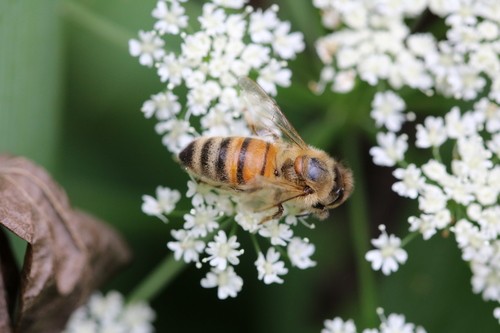
7. Western honey bee
Western honey bee(Apis mellifera) is the most common species of honeybee in the world. Among the first domesticated insects, its cultural and economic impact on humanity has been vast and far-reaching, providing honey, wax and its services as a pollinator. Western honey bee faces challenges worldwide, such as colony collapse disorder, and populations are thought to be decreasing.
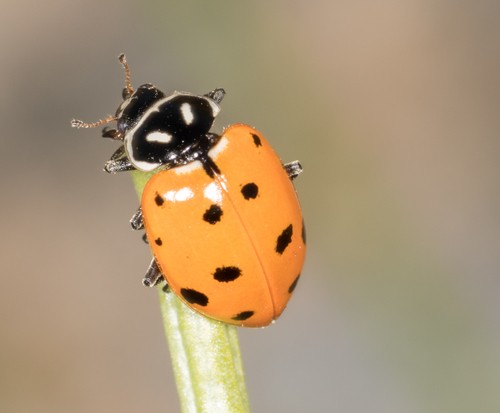
8. Convergent lady beetle
The convergent lady beetle (Hippodamia convergens) is one of the most common lady beetles in North America, which is a great thing given that it is a common biological control agent of aphids. They lay a good chunk of eggs over a couple of months. If you have ever seen a small, black alligator-like insect, you may have seen one of its larva.
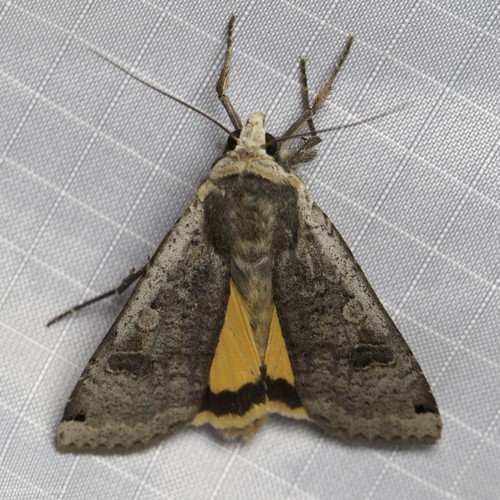
9. Large yellow underwing
An unusually large and heavy species of moth, large yellow underwing (Noctua pronuba) is dreaded by gardeners for the larvae's habit of causing fatal damage to the base of virtually any herbaceous plant. Large migrations occur some years, but how those years are determined is not yet known. Its contrasting colors (yellow-orange and brown) are thought to confuse would-be predators.
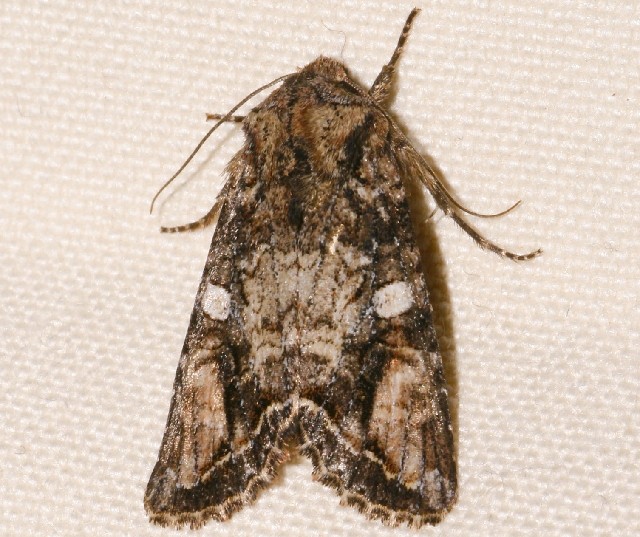
10. Brown Woodling
Egira perlubens, the brown woodling, is a species of cutworm or dart moth in the family Noctuidae. It is found in North America. The MONA or Hodges number for Egira perlubens is 10515.

More







