




Top 20 Most Common Insects in Streator
Insects, known for their diversity and adaptability, fit effortlessly into the varied ecosystems of Streator. These tiny creatures, ranging from pestilent nuisances to invaluable pollinators, play pivotal roles shaping Streator's environmental landscape. Delving into the '20 Most Common Insects in Streator', we highlight the extraordinary relationship between these city-dwelling insects and their unique habitats.

Most Common Insects
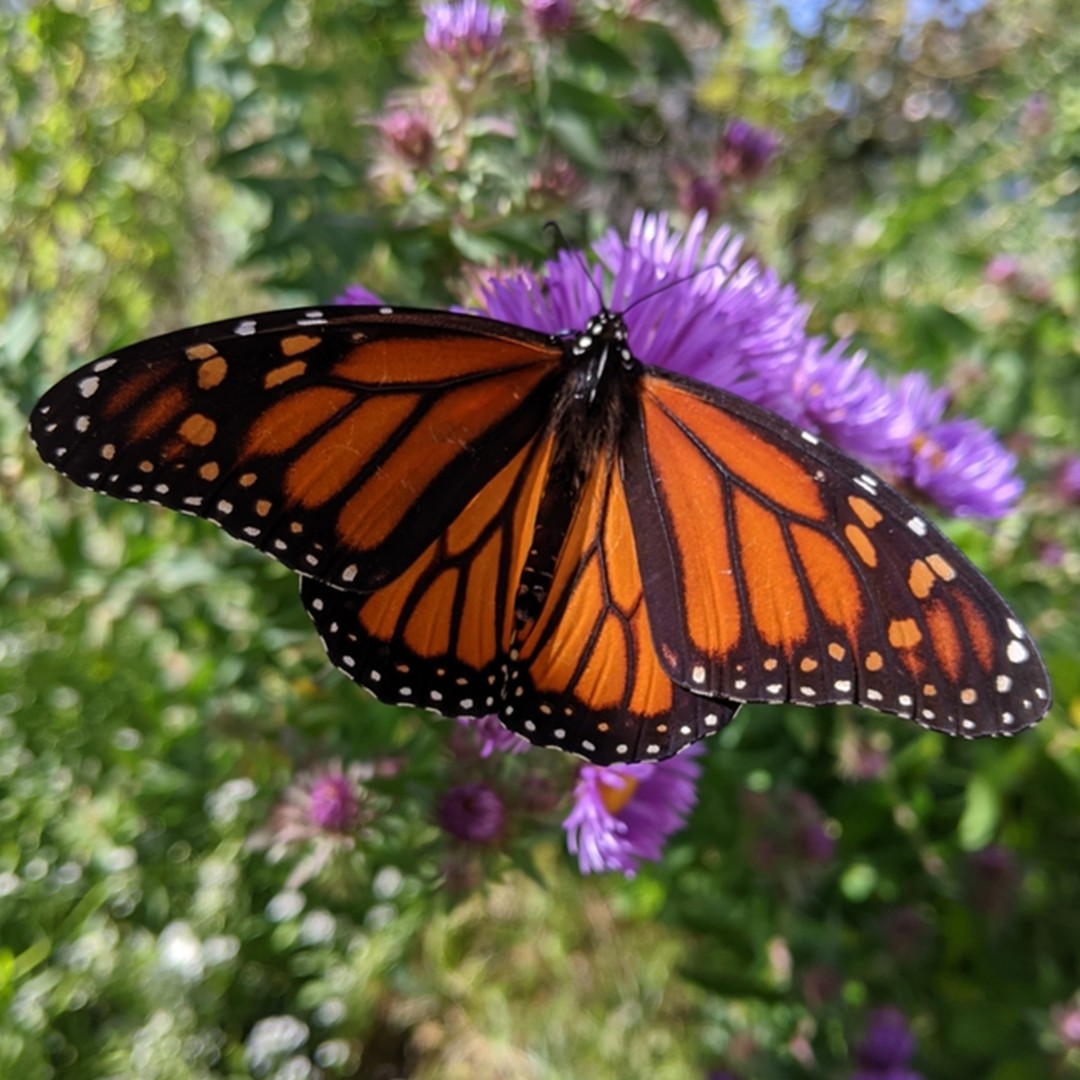
1. Monarch butterfly
The monarch butterfly (Danaus plexippus) is the most recognizable butterfly in North America. It is best known for its appearance, but should be better known for the fact that it has a 3000-mile migration that takes the butterfly 4 generations to complete. Their diet is also a natural deterrent for predators, as they eat milkweed, a poison that induces vomiting.
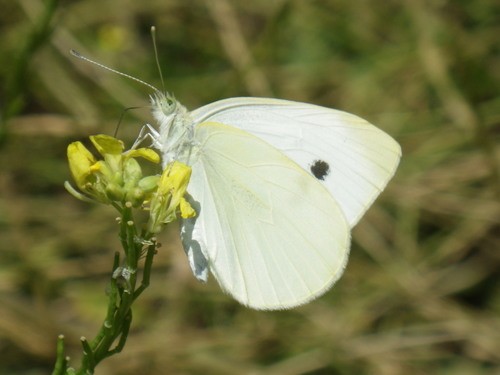
2. Cabbage white
Cabbage white (Pieris rapae) derives its common name from its habits as a caterpillar, which is a ferocious pest for cabbage, kale and broccoli farmers. In North America, it is one of the first butterflies to emerge in spring, heralding the beginning of the season.
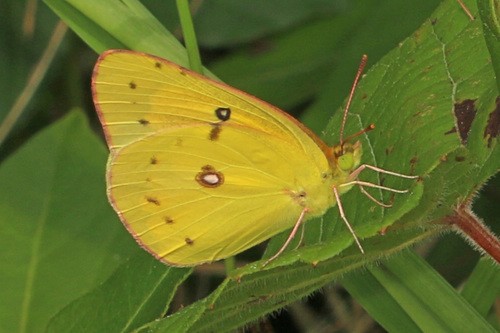
3. Orange sulphur
The Colias eurytheme, also known as the orange sulphur butterfly, is widely distributed in North America. It is easily found and recognized in the fields and gardens owing to its special characteristics. If you look carefully at it, you will see obvious orange color on the top of the wings and solid black borders, as well as a black spot on each forewing.
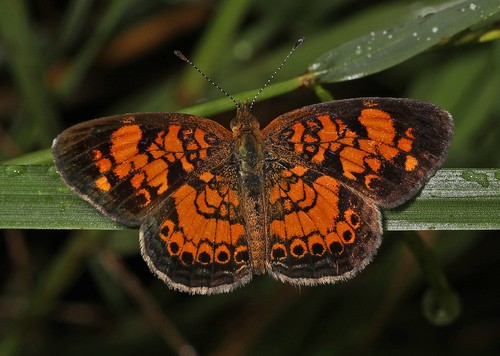
4. Pearl crescent
The pearl crescent (Phyciodes tharos) is an orange butterfly that lives in open areas that are generally moist and sunny. These butterflies are attracted to puddles, and the males will often fight with other male butterflies that land near the same puddle. However, females are not as aggressive and prefer to stay in groups.
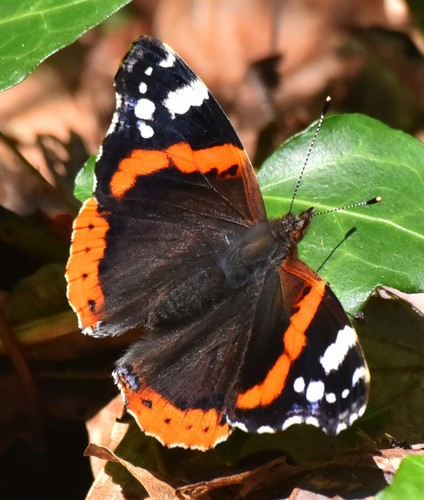
5. Red admiral
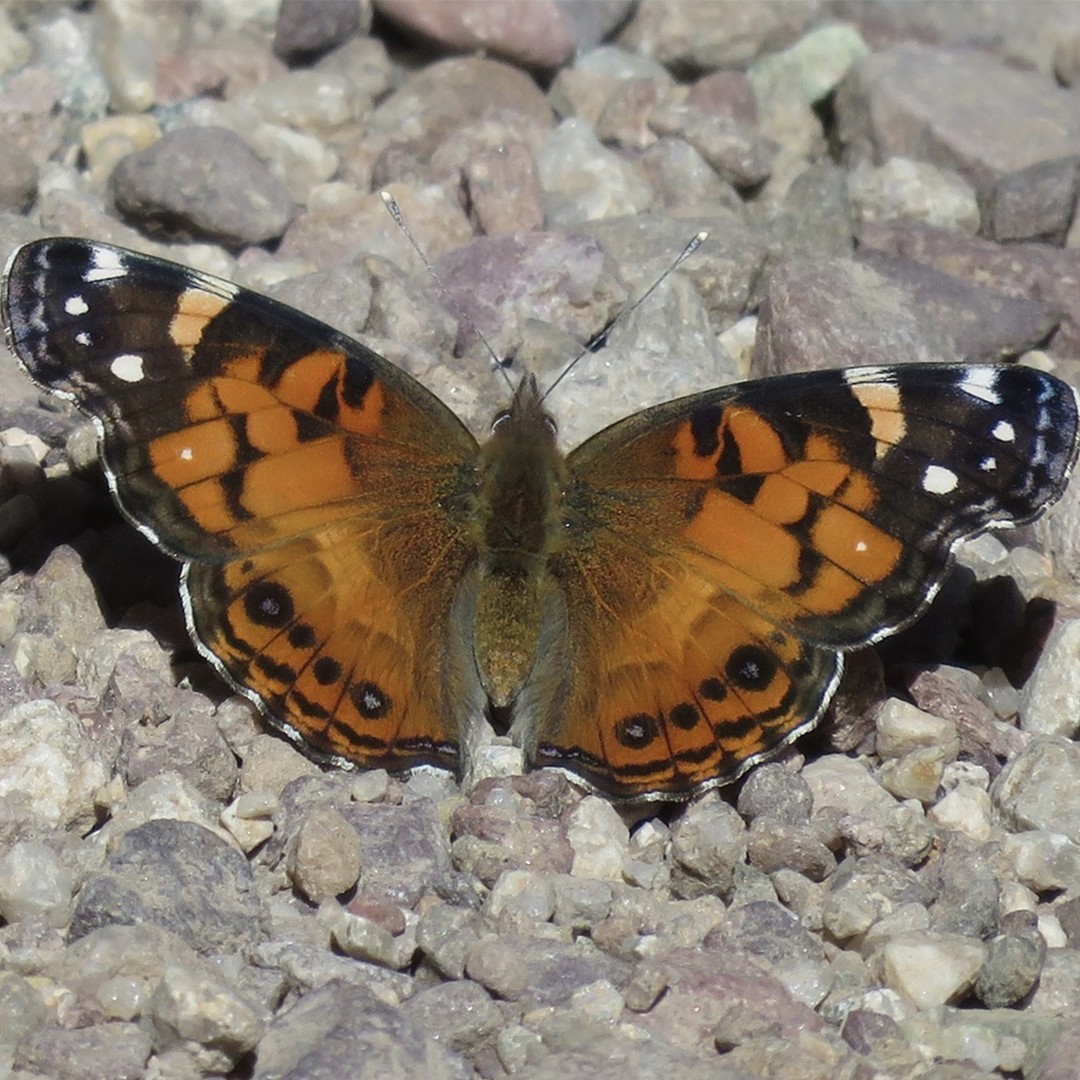
Red admiral (Vanessa atalanta) is a visually striking species of butterfly. Unusually territorial, males will compete for choice areas, and females will only mate with males that maintain their own territories. This butterfly is known for being particularly patient with human interactions, even to the point of perching on clothing or flesh.
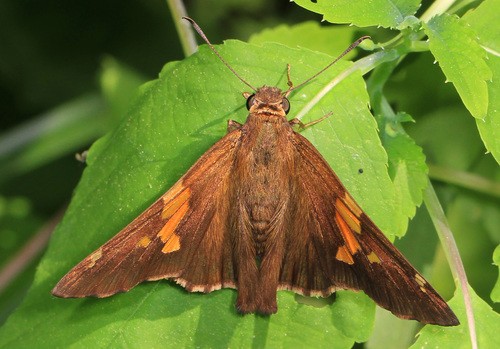
6. Silver-spotted skipper
The silver-spotted skipper (Epargyreus clarus) constructs a series of nests throughout its development that depends on its growth stage. Its caterpillar form is considered a major homebody, as they rarely leave the spot they call home. When they are adults, males perch on high branches in order to claim and defend favorable territory. Unusually, silver-spotted skipper adults never visit yellow flowers.
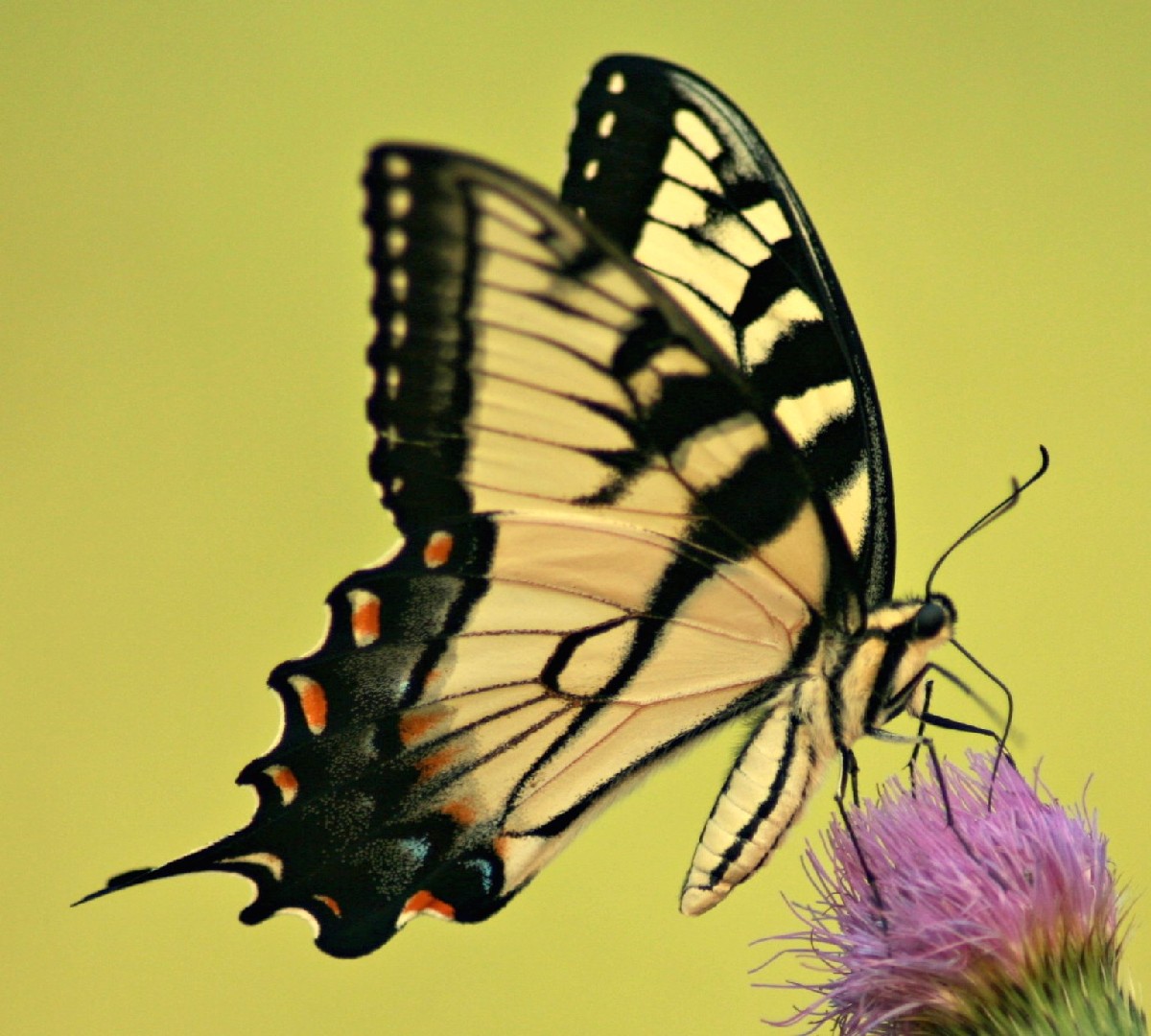
7. Eastern tiger swallowtail
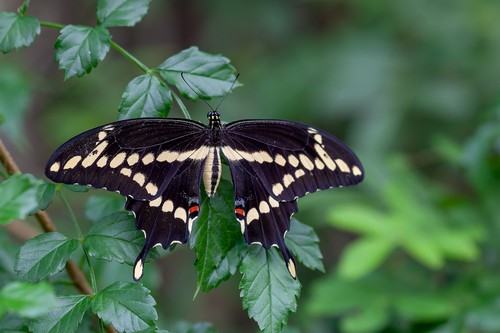
Eastern tiger swallowtail (Papilio glaucus) is among the most recognizable butterflies in the eastern United States, where it inhabits a variety of habitats. This species is diurnal and usually solitary, preferring to fly high above the ground until the time comes to mate. Caterpillars display eyespots to deter birds in between some molting phases.
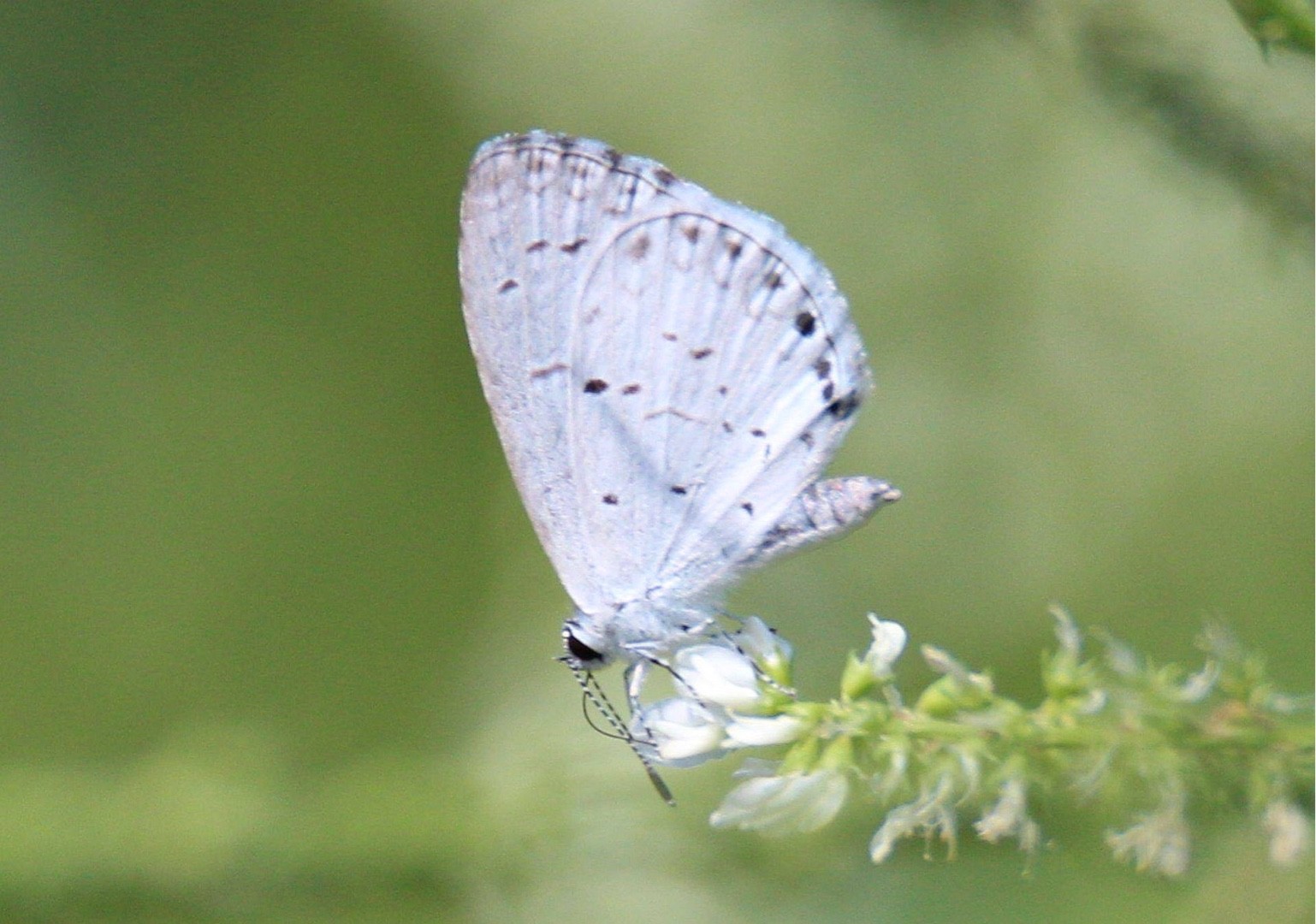
8. Spring azure
Celastrina argiolus ladon is a butterfly from the Lycaenidae family, the small pages, fire butterflies and blues. This subspecies used to be considered as a separate species, but in a revision it is classified as a subspecies of the blue tree. This revision is not accepted by all authors.
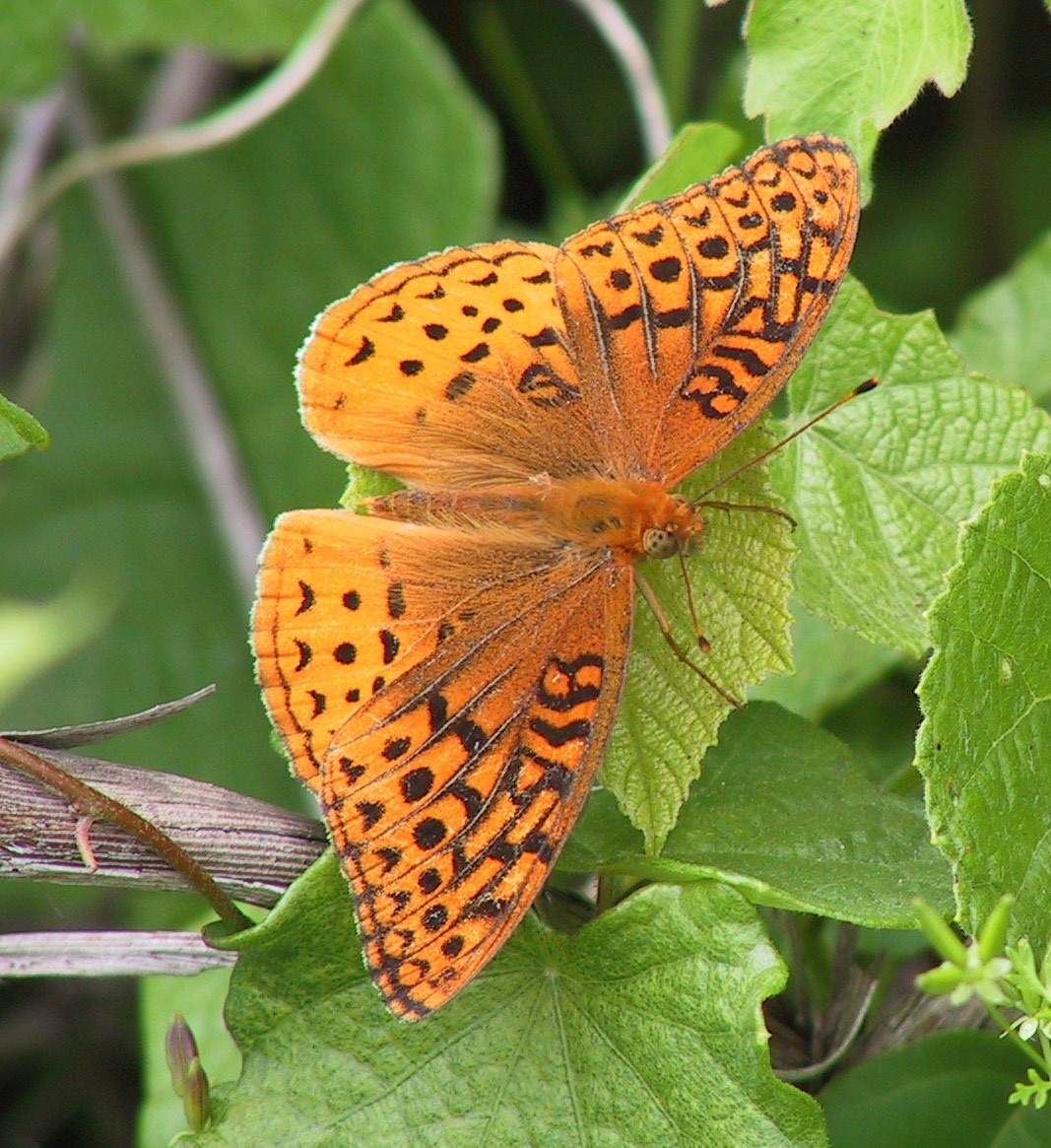
9. Great spangled fritillary
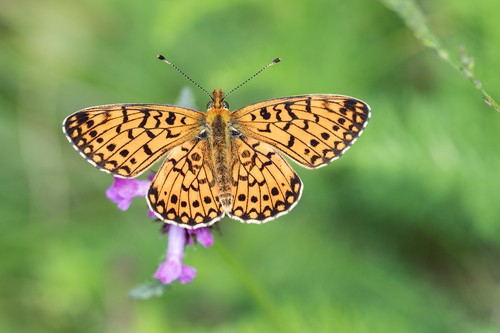
The great spangled fritillary (Speyeria cybele) is a beautiful butterfly that is orange in color and has a variety of spots on its body like a leopard. Females tend to be a bit darker than their male counterparts. Their caterpillars are black with orange spots and often caught feeding on violets.
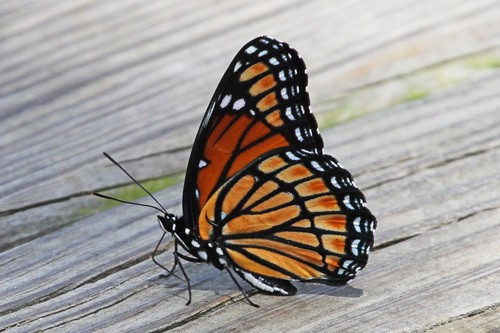
10. Viceroy
The viceroy (Limenitis archippus) is a butterfly that mimics the Monarch Butterfly. The viceroy is distinct because it is smaller than the Monarch. Still, it manages to use this to ward off most predators. There is also polymorphism, meaning that the colors of this butterfly can change depending on the territory.




More







