




Top 20 Most Common Insects in Goshen
Insects, defined by their segmented bodies and six spindly legs, are staple residents in the bustling ecosystems within Goshen. They play crucial roles, such as pest control and pollination, solidifying the city's vibrant biodiversity. Our list of the 20 most common insects will familiarize you with these mini-heroes and notorious pests alike, underlining the fascinating relationship between urban environments and their insect inhabitants.

Most Common Insects
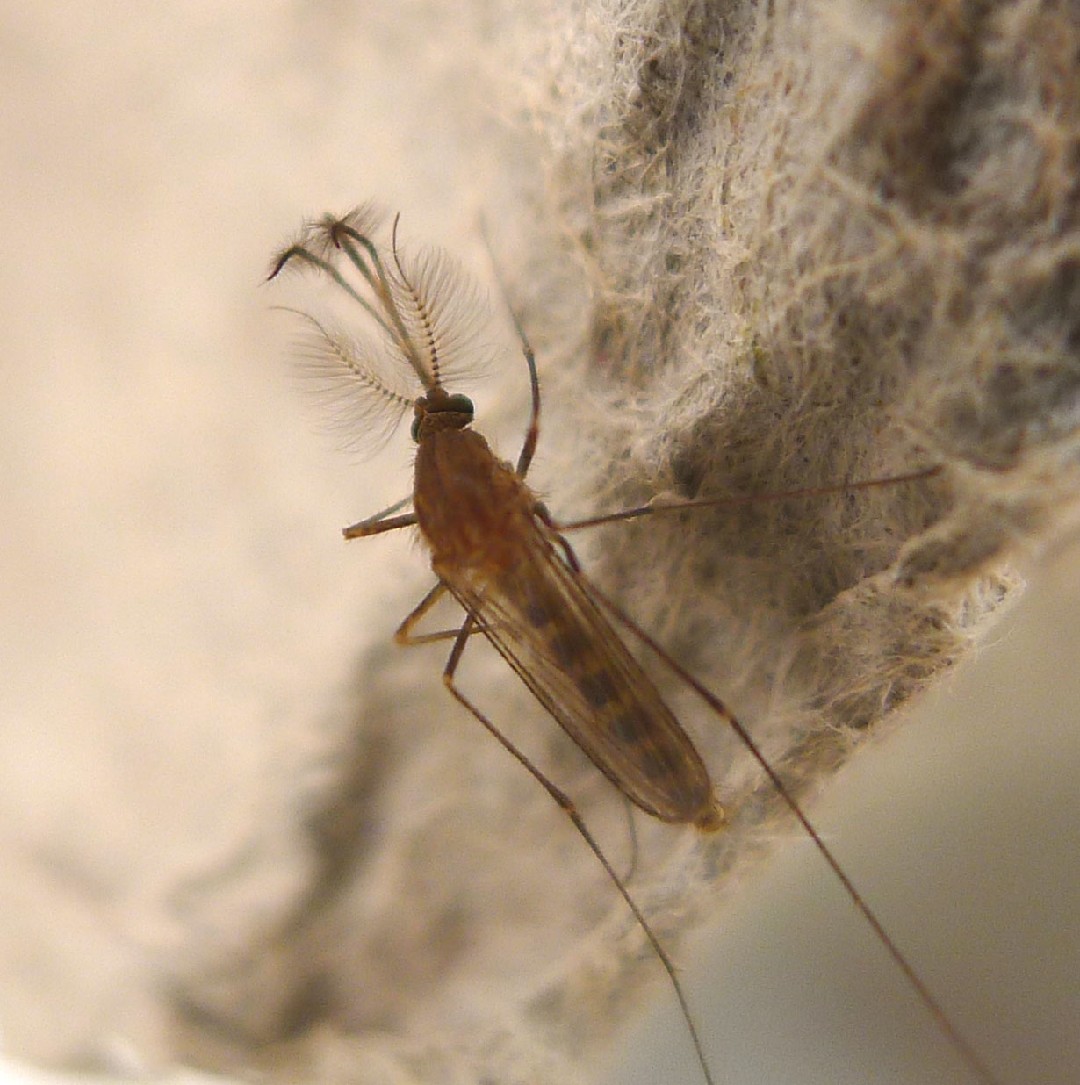
1. Common house mosquito
Among the most common mosquitos in the Unites States, common house mosquito (Culex pipiens) is a ubiquitous biting pest. It has adapted to thrive in human-touched conditions and even to feed on the blood of avian species closely connected to humans, such as pigeons and doves. However, only females consume blood; the males survive on sap and nectar.
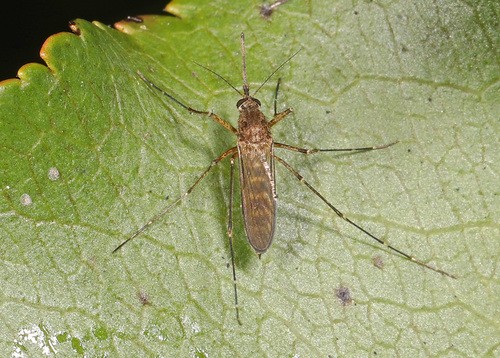
2. Inland floodwater mosquito
A common species of mosquito, inland floodwater mosquito (Aedes vexans) is often encountered near areas containing water such as grassy pools, shallow ponds, and even wet ditches. Only the females bite humans for their blood, as males subsist upon nectar and sap. Inland floodwater mosquito is a noted carrier of diseases such as Zika virus and myxomatosis.
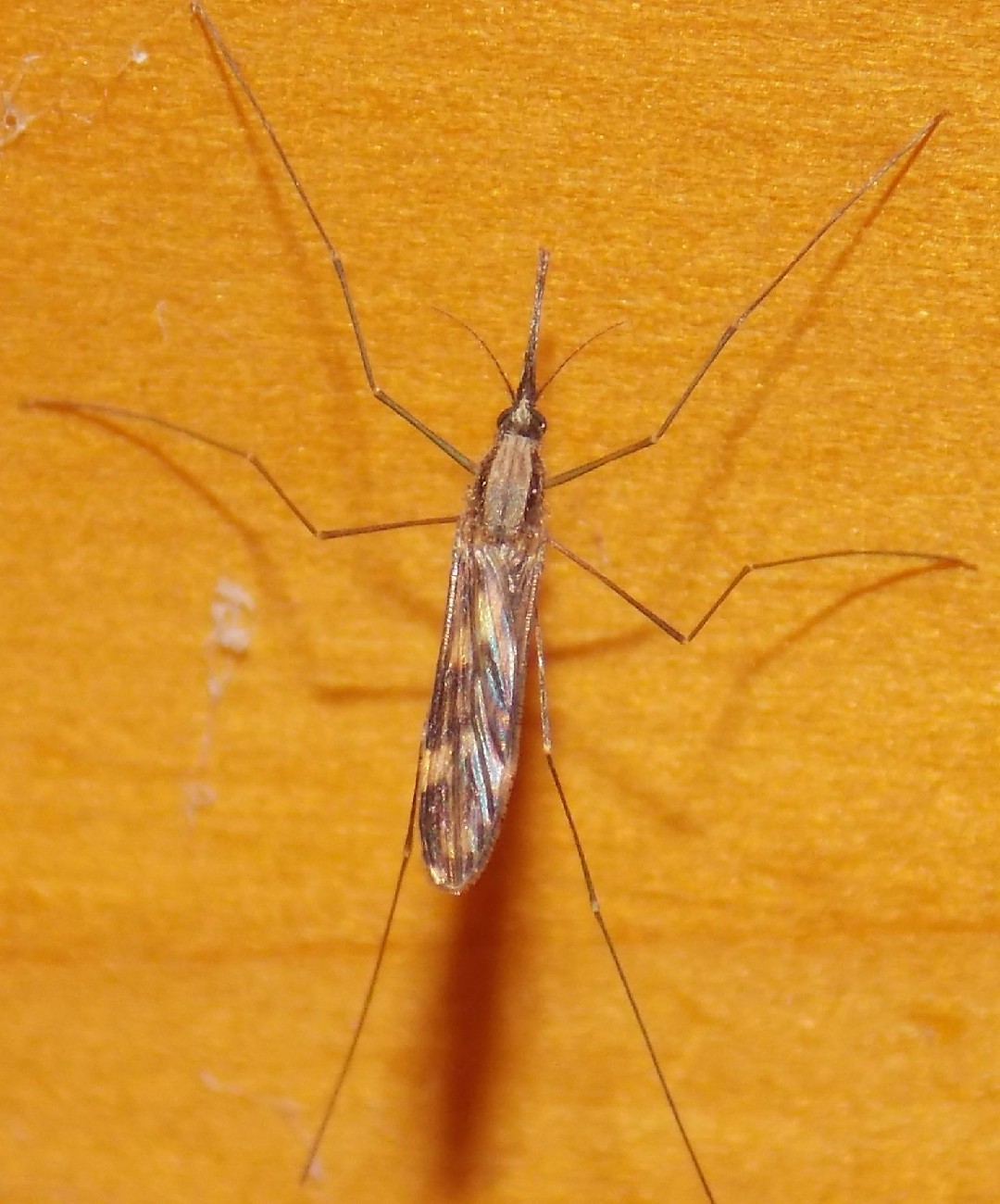
3. Woodland malaria mosquito
The woodland malaria mosquito (Anopheles punctipennis) is identified with a unique wing pattern when compared to other mosquitos. Otherwise, they are known to live inside of abandoned buildings or tree stumps during the winter period, which is why they enjoy woodlands. As stated by the name, it is also a vector for malaria, which is concerning given females enjoy blood meals.
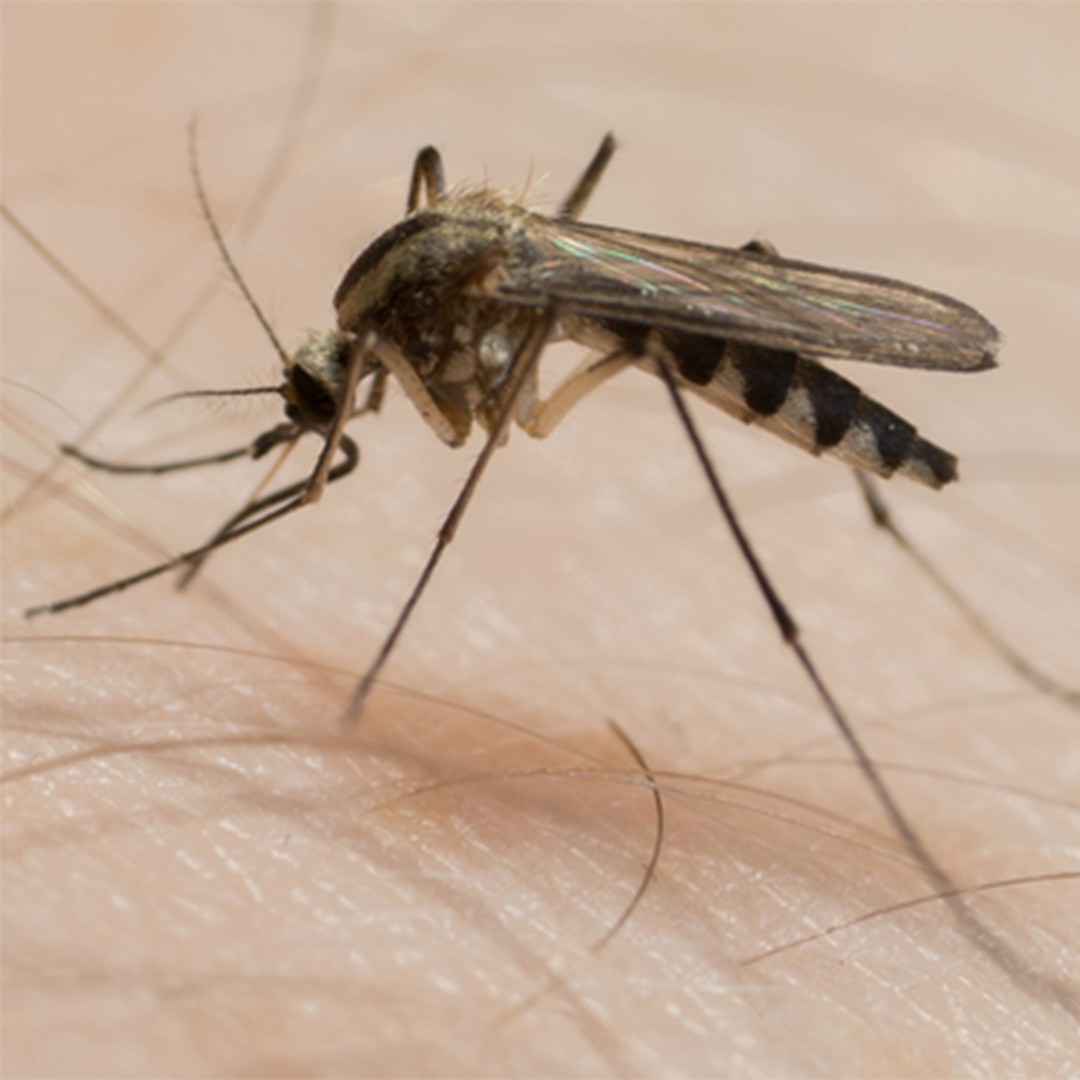
4. Plains floodwater mosquito
Plains floodwater mosquito has the unique ability to rapidly proliferate in floodwater, hence its name. This mosquito is both a voracious feeder and a vector, spreading diseases such as La Crosse Encephalitis with its bite. Its population spikes are directly connected to the frequency of floods, making it a species highly responsive to weather changes. Their presence offers a warning of ecological shifts and populations often serve as food for bats and birds, highlighting their dual role in ecosystem dynamics as both predator and prey.
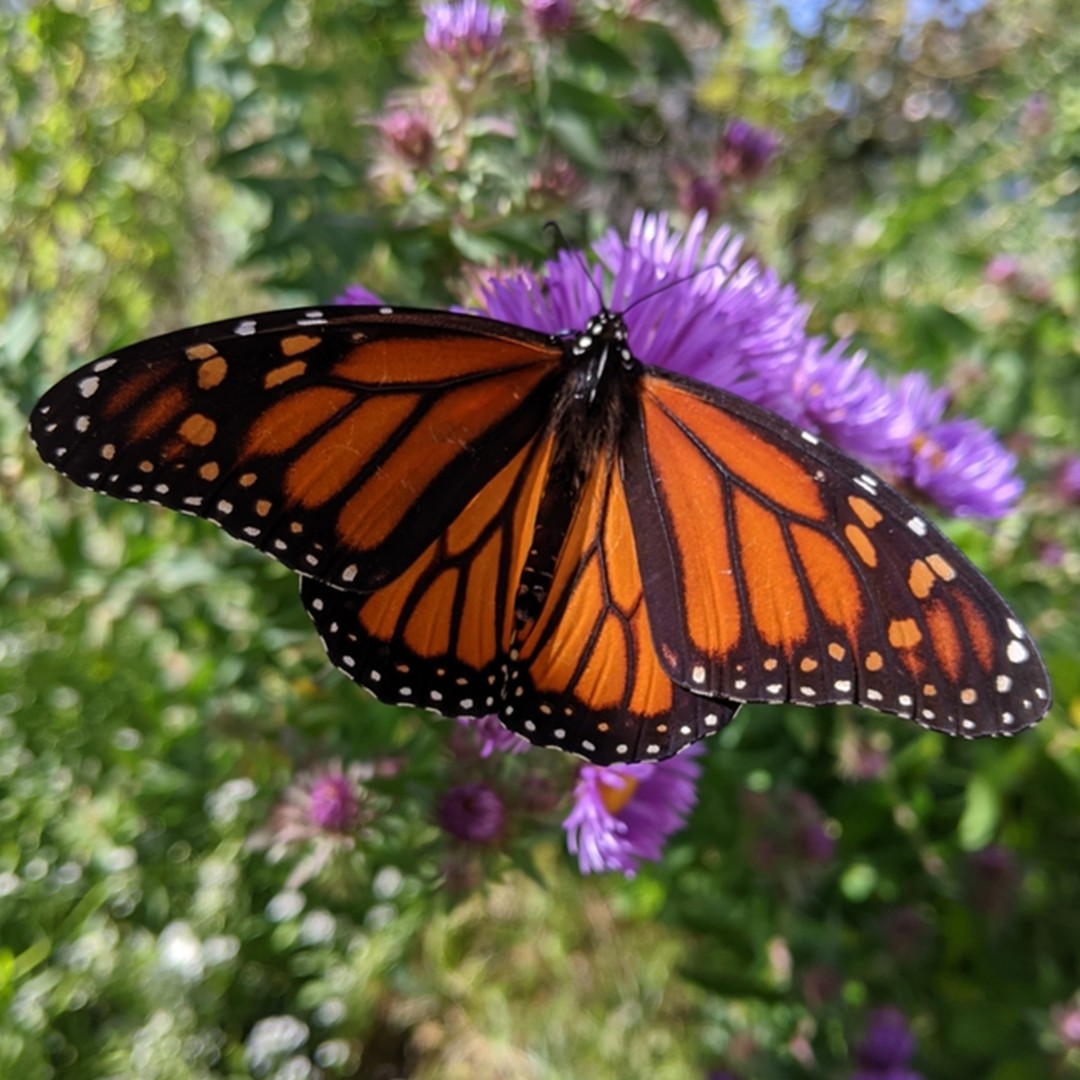
5. Monarch butterfly
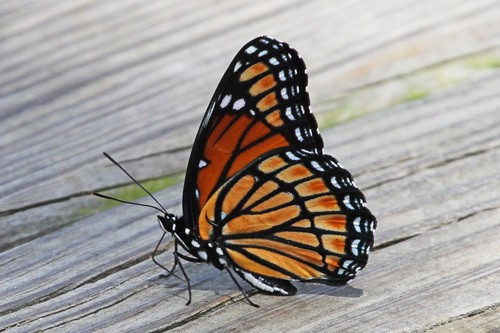
The monarch butterfly (Danaus plexippus) is the most recognizable butterfly in North America. It is best known for its appearance, but should be better known for the fact that it has a 3000-mile migration that takes the butterfly 4 generations to complete. Their diet is also a natural deterrent for predators, as they eat milkweed, a poison that induces vomiting.
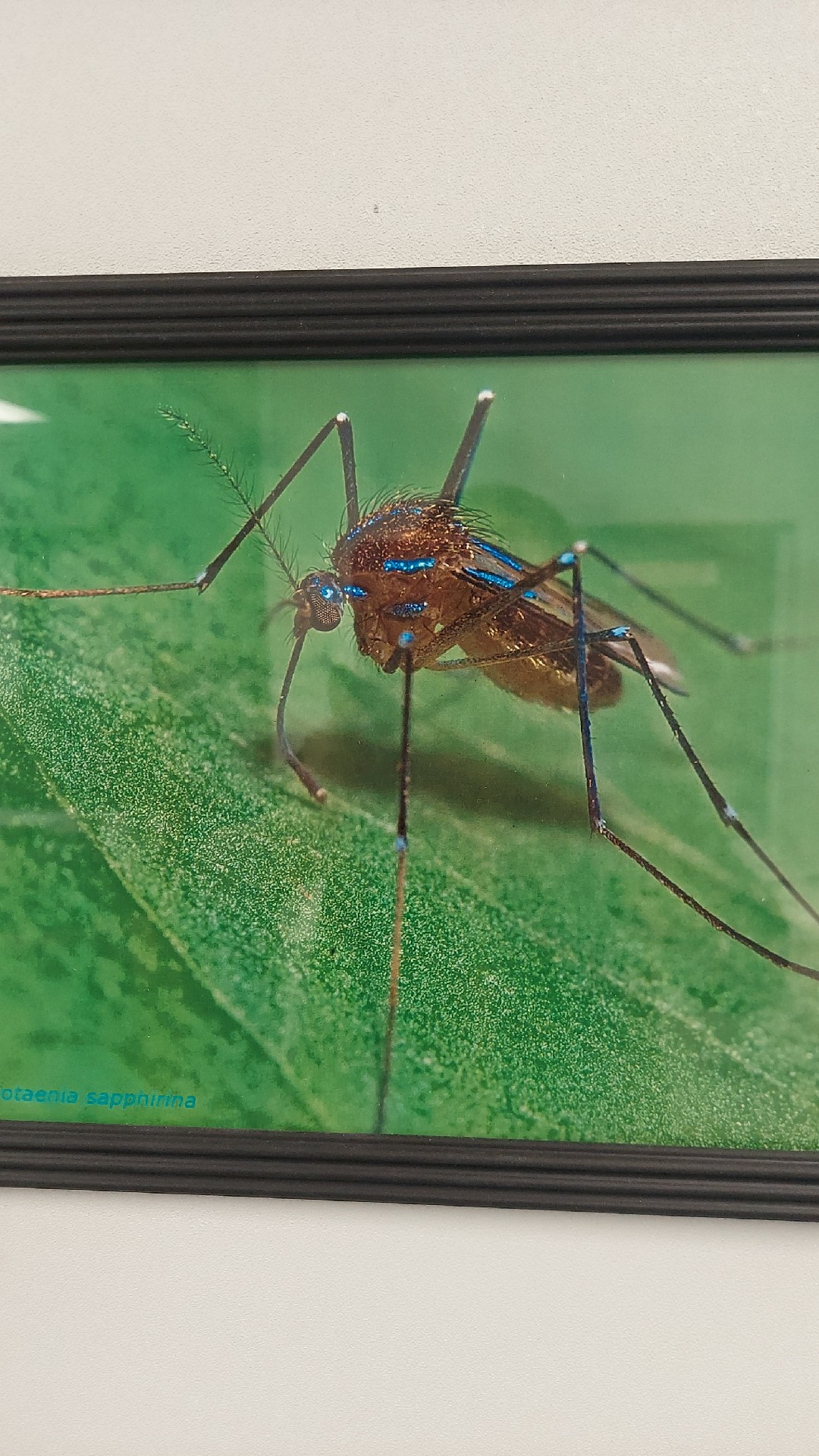
6. Uranotaenia sapphirina
Uranotaenia sapphirina is a species of mosquito in the family Culicidae. 
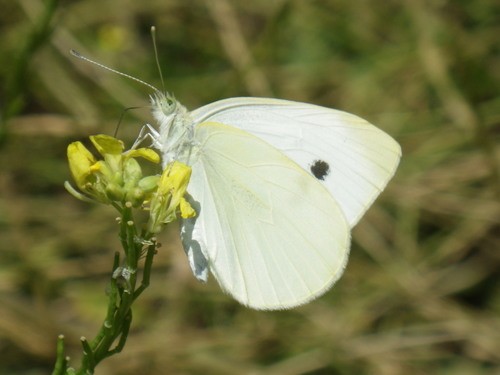
7. Cabbage white
Cabbage white (Pieris rapae) derives its common name from its habits as a caterpillar, which is a ferocious pest for cabbage, kale and broccoli farmers. In North America, it is one of the first butterflies to emerge in spring, heralding the beginning of the season.
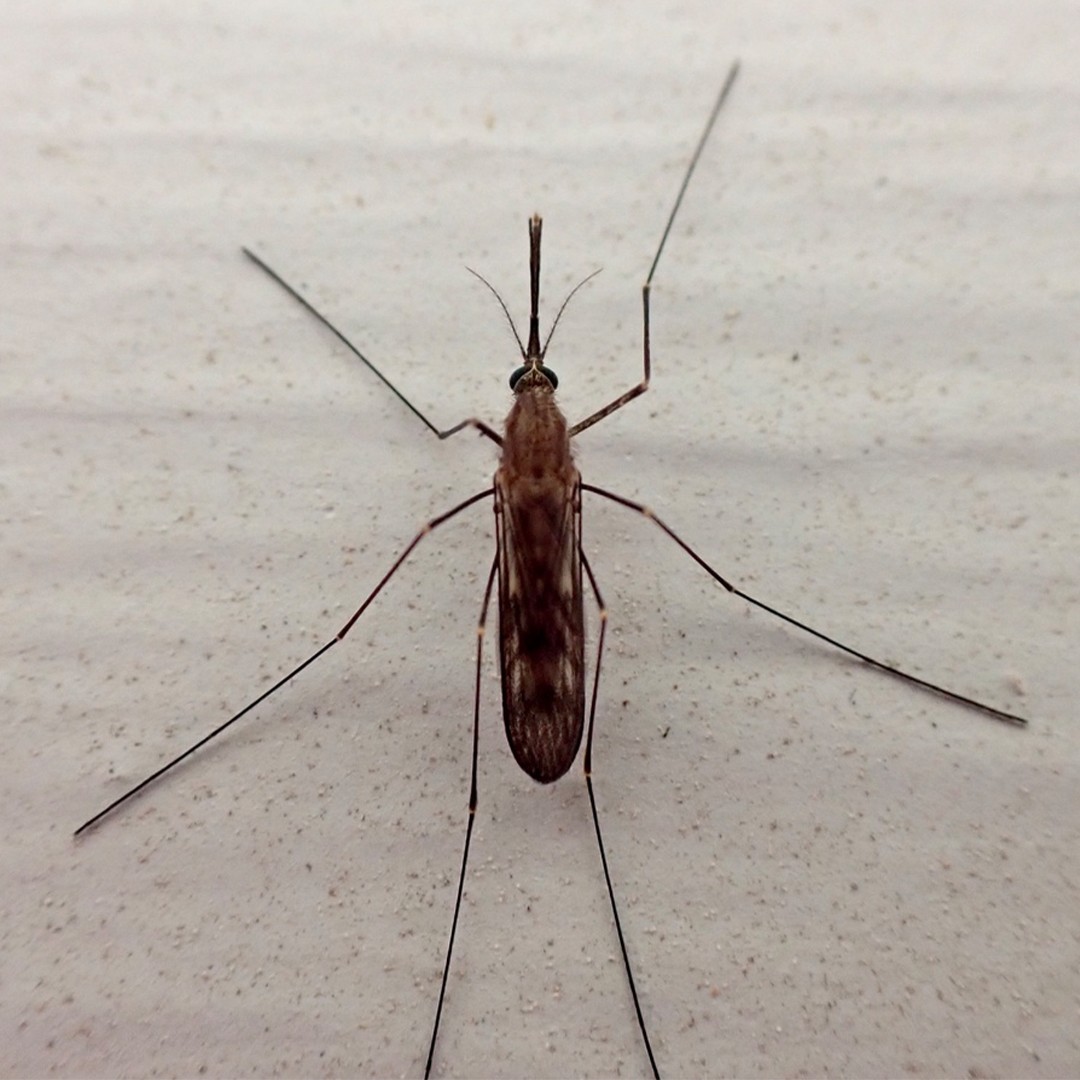
8. North american malaria mosquito
Anopheles (/əˈnɒfɪliːz/) is a genus of mosquito first described and named by J. W. Meigen in 1818. About 460 species are recognised; while over 100 can transmit human malaria, only 30–40 commonly transmit parasites of the genus Plasmodium, which cause malaria in humans in endemic areas. Anopheles gambiae is one of the best known, because of its predominant role in the transmission of the most dangerous malaria parasite species (to humans) – Plasmodium falciparum. The name comes from the Ancient Greek word ἀνωφελής anōphelḗs 'useless', derived from ἀν- an-, 'not', 'un-' and ὄφελος óphelos 'profit'. Mosquitoes in other genera (Aedes, Culex, Culiseta, Haemagogus, and Ochlerotatus) can also serve as vectors of disease agents, but not human malaria.
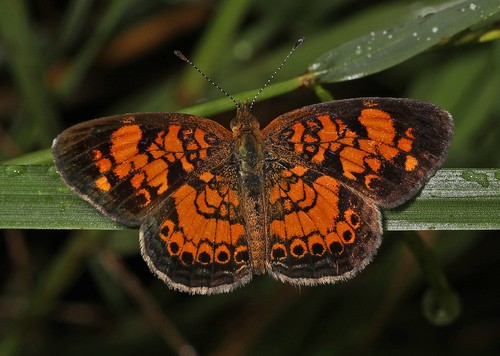
9. Pearl crescent
The pearl crescent (Phyciodes tharos) is an orange butterfly that lives in open areas that are generally moist and sunny. These butterflies are attracted to puddles, and the males will often fight with other male butterflies that land near the same puddle. However, females are not as aggressive and prefer to stay in groups.
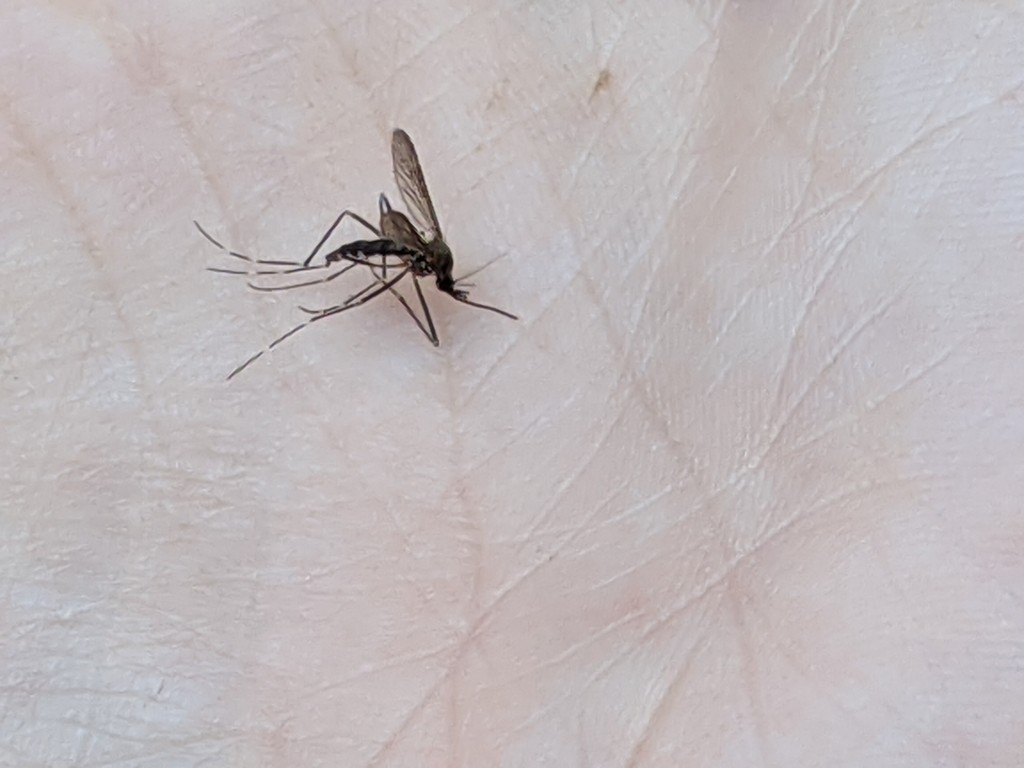
10. Asian Bush Mosquito
Adults have a distinctive bronze-colored, lyre-shaped pattern on the scutum, and larvae have a linear arrangement of branched frontal setae and a strongly spiculated anal saddle.

More







