




Top 20 Most Common Insects in Martinsville
Welcome to the fascinating world of insects, known for their distinct characteristics and unique dwelling habits in Martinsville. Here, these tiny creatures hold great ecological significance. They can be both pests causing damage and allies aiding in pollination and decomposition. This list invites you to explore the 20 most common insects in Martinsville, providing a glimpse into the crucial interplay of urban environments and insect ecosystems.

Most Common Insects
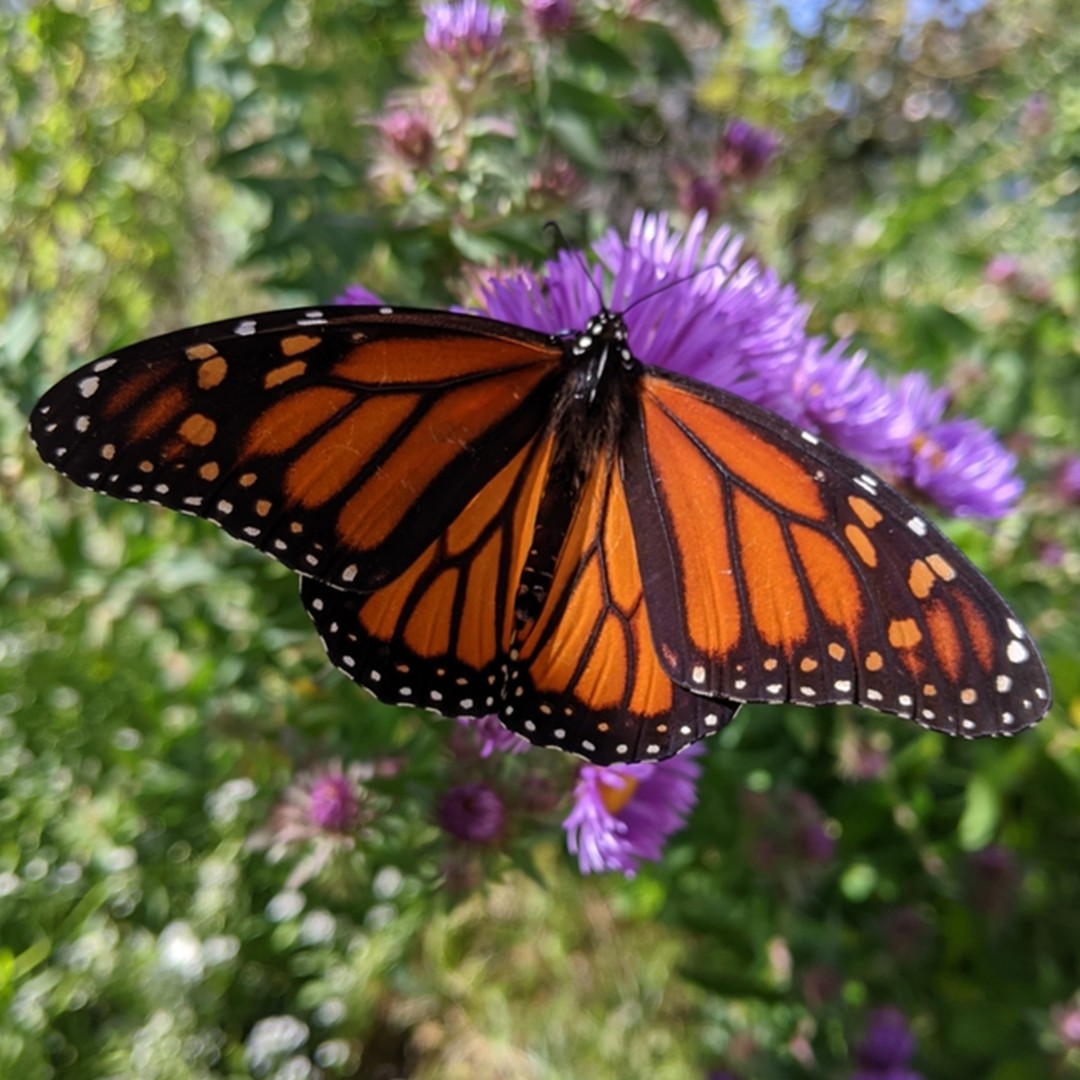
1. Monarch butterfly
The monarch butterfly (Danaus plexippus) is the most recognizable butterfly in North America. It is best known for its appearance, but should be better known for the fact that it has a 3000-mile migration that takes the butterfly 4 generations to complete. Their diet is also a natural deterrent for predators, as they eat milkweed, a poison that induces vomiting.
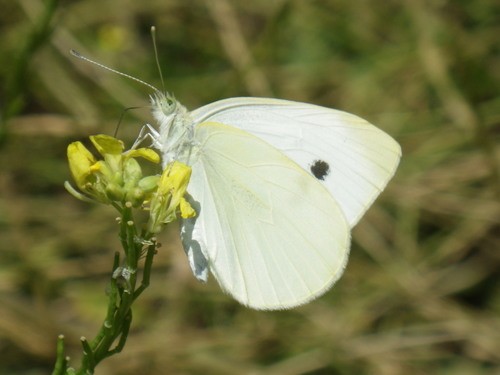
2. Cabbage white
Cabbage white (Pieris rapae) derives its common name from its habits as a caterpillar, which is a ferocious pest for cabbage, kale and broccoli farmers. In North America, it is one of the first butterflies to emerge in spring, heralding the beginning of the season.
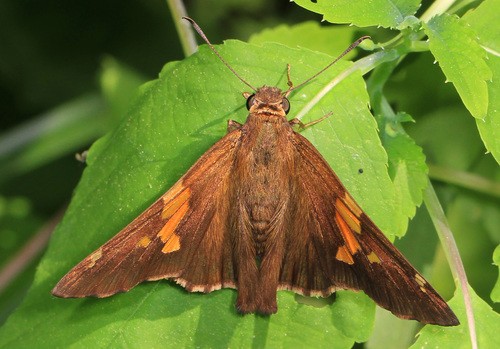
3. Silver-spotted skipper
The silver-spotted skipper (Epargyreus clarus) constructs a series of nests throughout its development that depends on its growth stage. Its caterpillar form is considered a major homebody, as they rarely leave the spot they call home. When they are adults, males perch on high branches in order to claim and defend favorable territory. Unusually, silver-spotted skipper adults never visit yellow flowers.
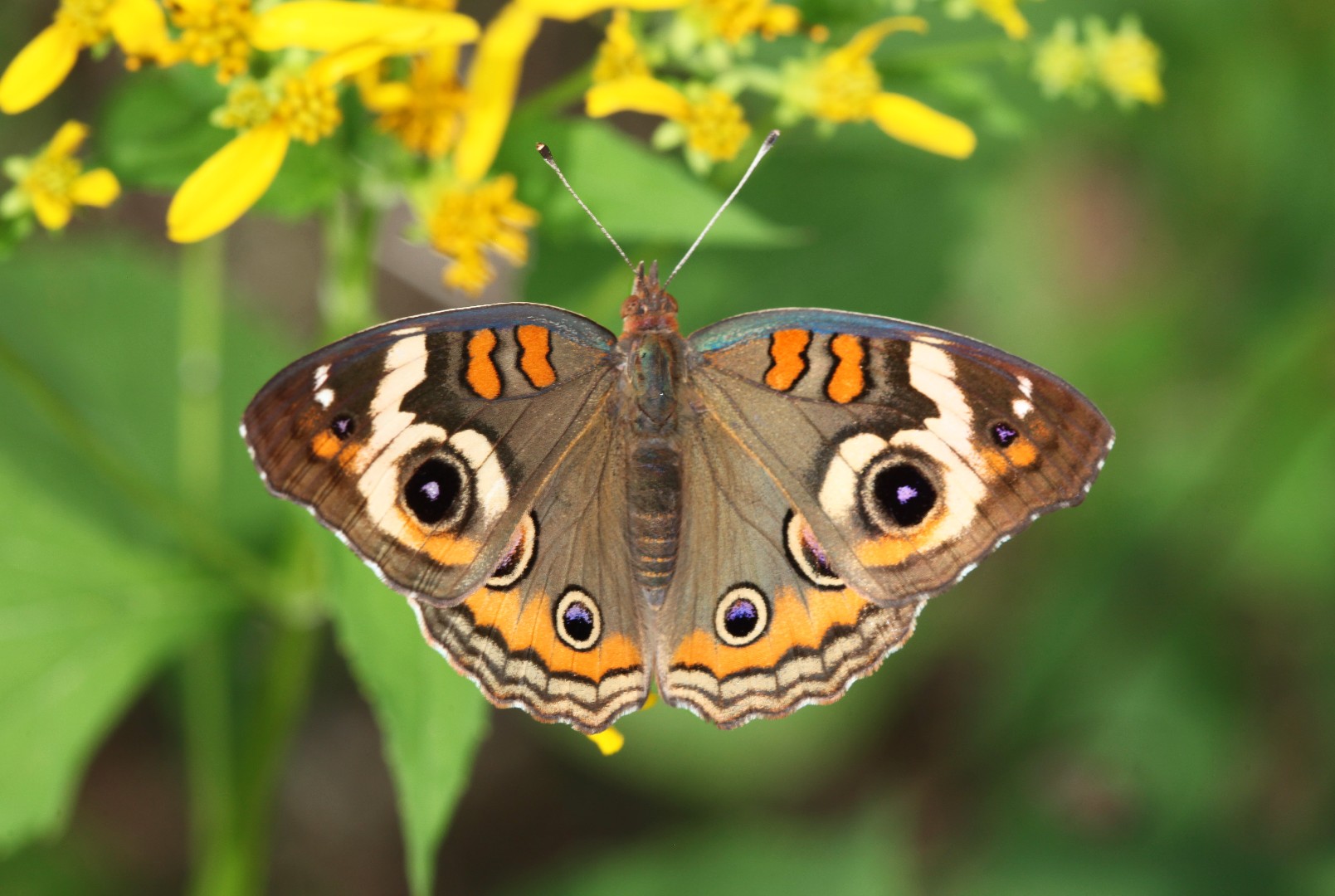
4. Common Buckeye
The common Buckeye (Junonia coenia) has distinguishable target-shaped spots on its dark wings, along with patches of orange and white. It produces multiple generations each year as it migrates to sunny landscapes. When it flies, it moves rapidly in an irregular pattern, often low to the ground.
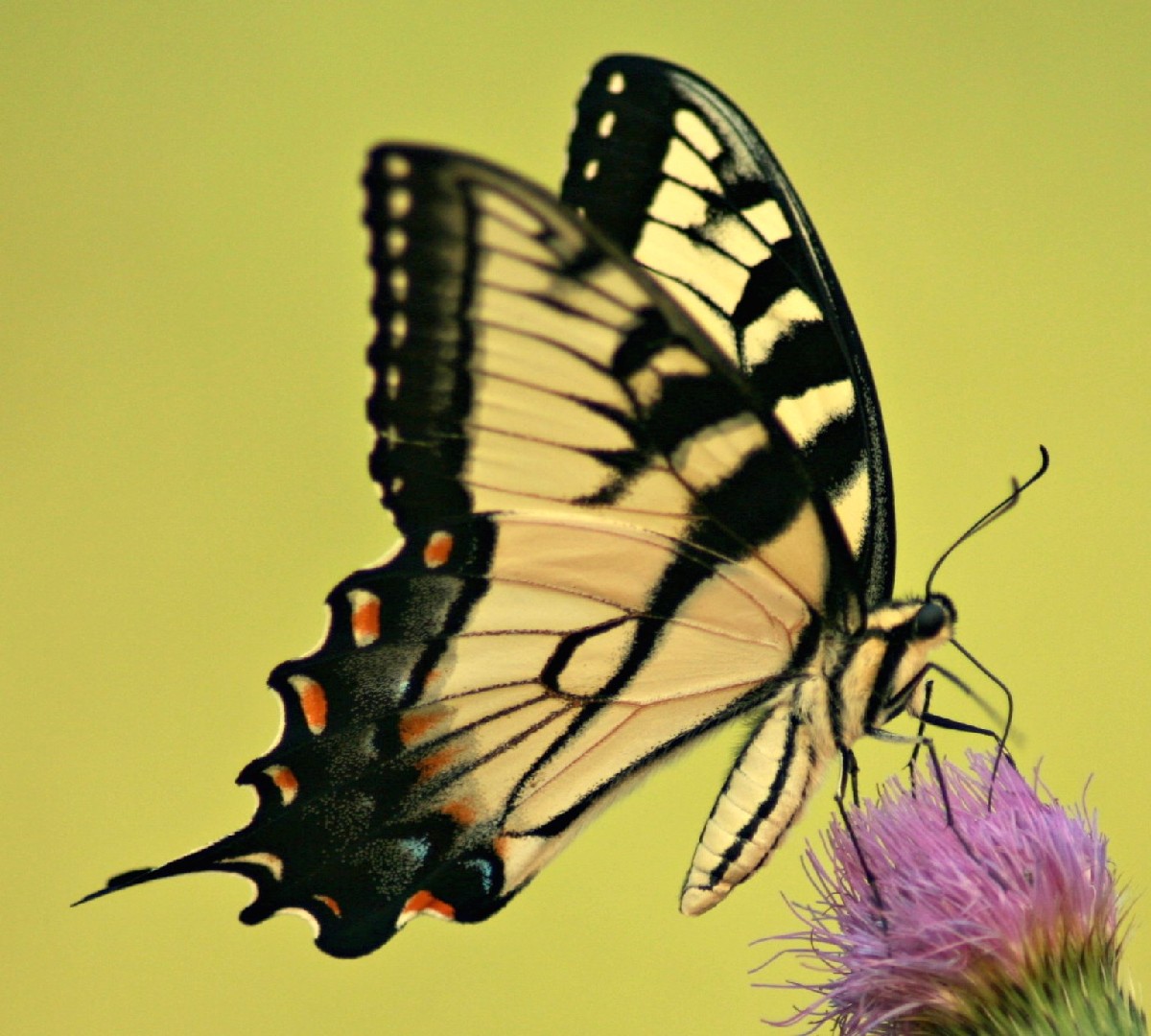
5. Eastern tiger swallowtail
Eastern tiger swallowtail (Papilio glaucus) is among the most recognizable butterflies in the eastern United States, where it inhabits a variety of habitats. This species is diurnal and usually solitary, preferring to fly high above the ground until the time comes to mate. Caterpillars display eyespots to deter birds in between some molting phases.
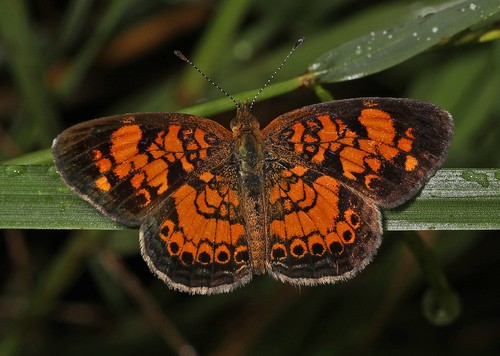
6. Pearl crescent
The pearl crescent (Phyciodes tharos) is an orange butterfly that lives in open areas that are generally moist and sunny. These butterflies are attracted to puddles, and the males will often fight with other male butterflies that land near the same puddle. However, females are not as aggressive and prefer to stay in groups.
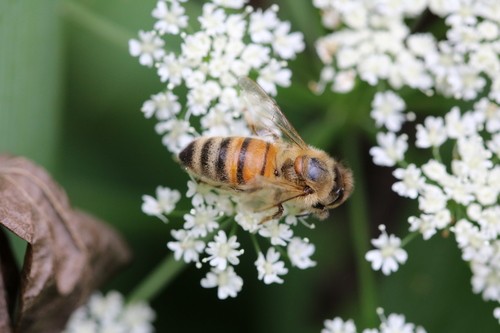
7. Western honey bee
Western honey bee(Apis mellifera) is the most common species of honeybee in the world. Among the first domesticated insects, its cultural and economic impact on humanity has been vast and far-reaching, providing honey, wax and its services as a pollinator. Western honey bee faces challenges worldwide, such as colony collapse disorder, and populations are thought to be decreasing.
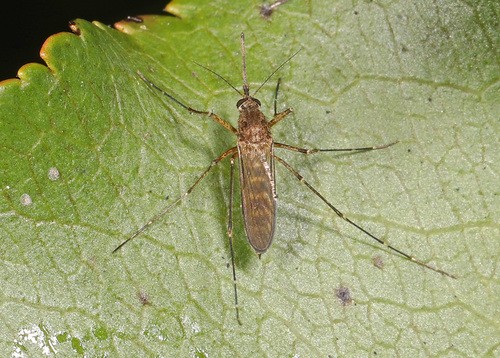
8. Inland floodwater mosquito
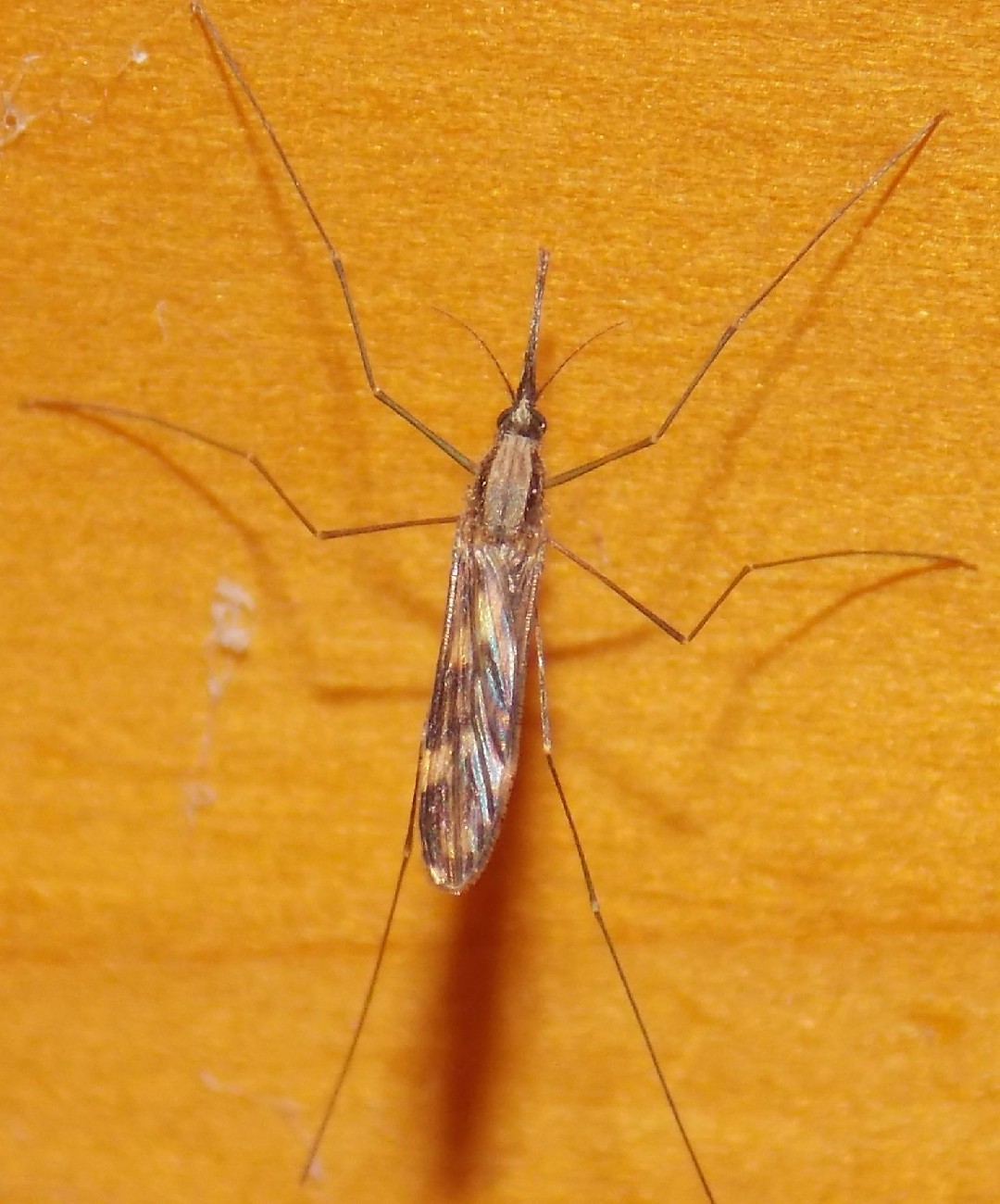
A common species of mosquito, inland floodwater mosquito (Aedes vexans) is often encountered near areas containing water such as grassy pools, shallow ponds, and even wet ditches. Only the females bite humans for their blood, as males subsist upon nectar and sap. Inland floodwater mosquito is a noted carrier of diseases such as Zika virus and myxomatosis.
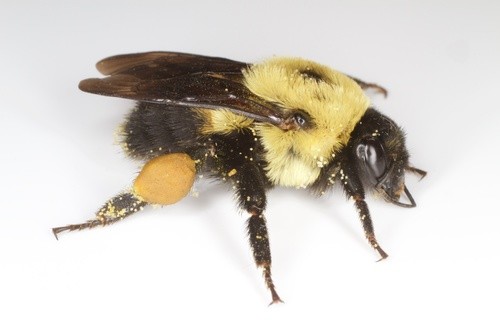
9. Common Eastern Bumble Bee
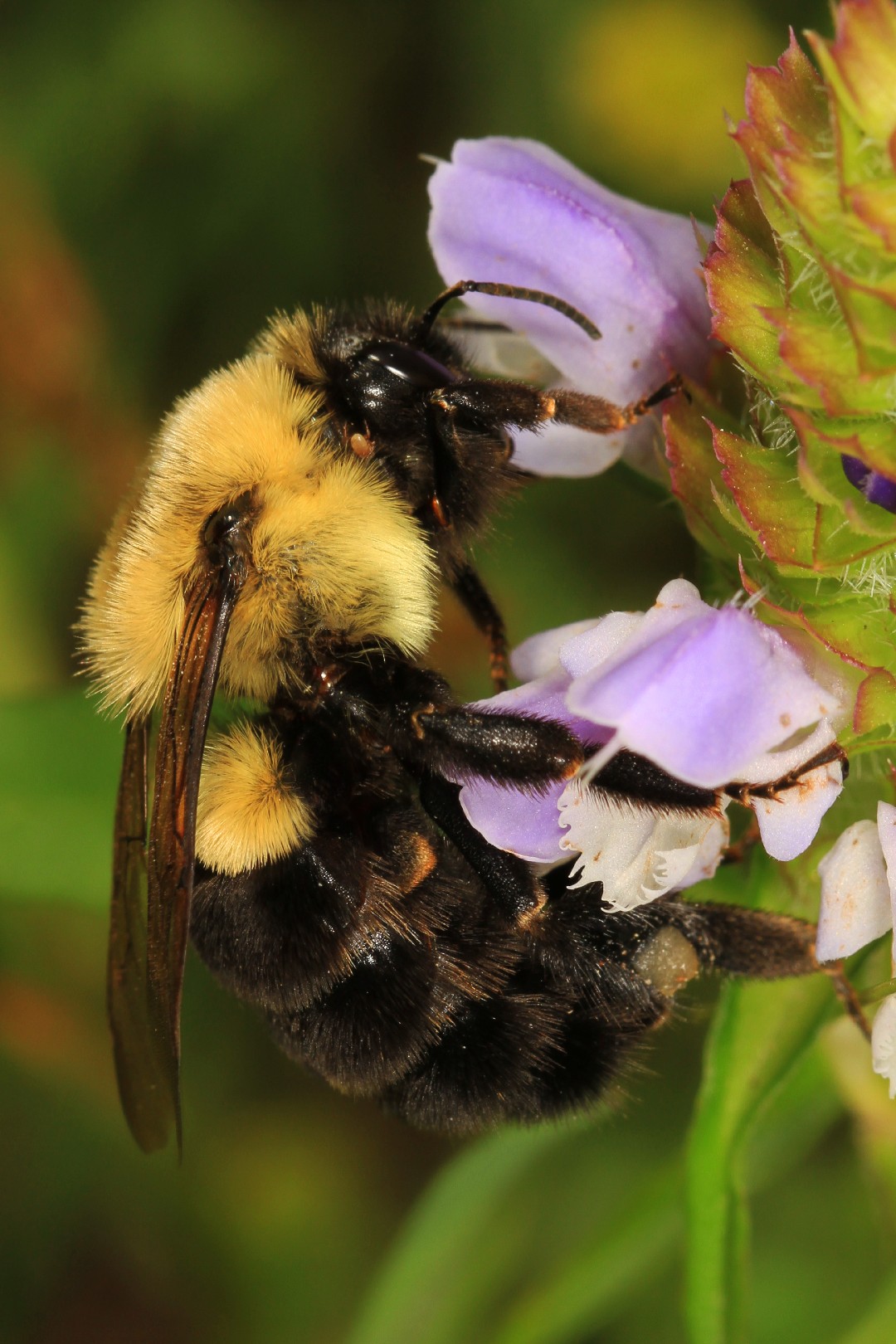
The common Eastern Bumble Bee (Bombus impatiens) is one of the most important pollinator bees in North America. A decline in the bee population will lead to financial hardships for farmers and reduced food yield. Their efficiency in pollination and foraging comes from their ability to drop "traplines." These lines guide other bees to the correct path for food while informing them of depleted locations.
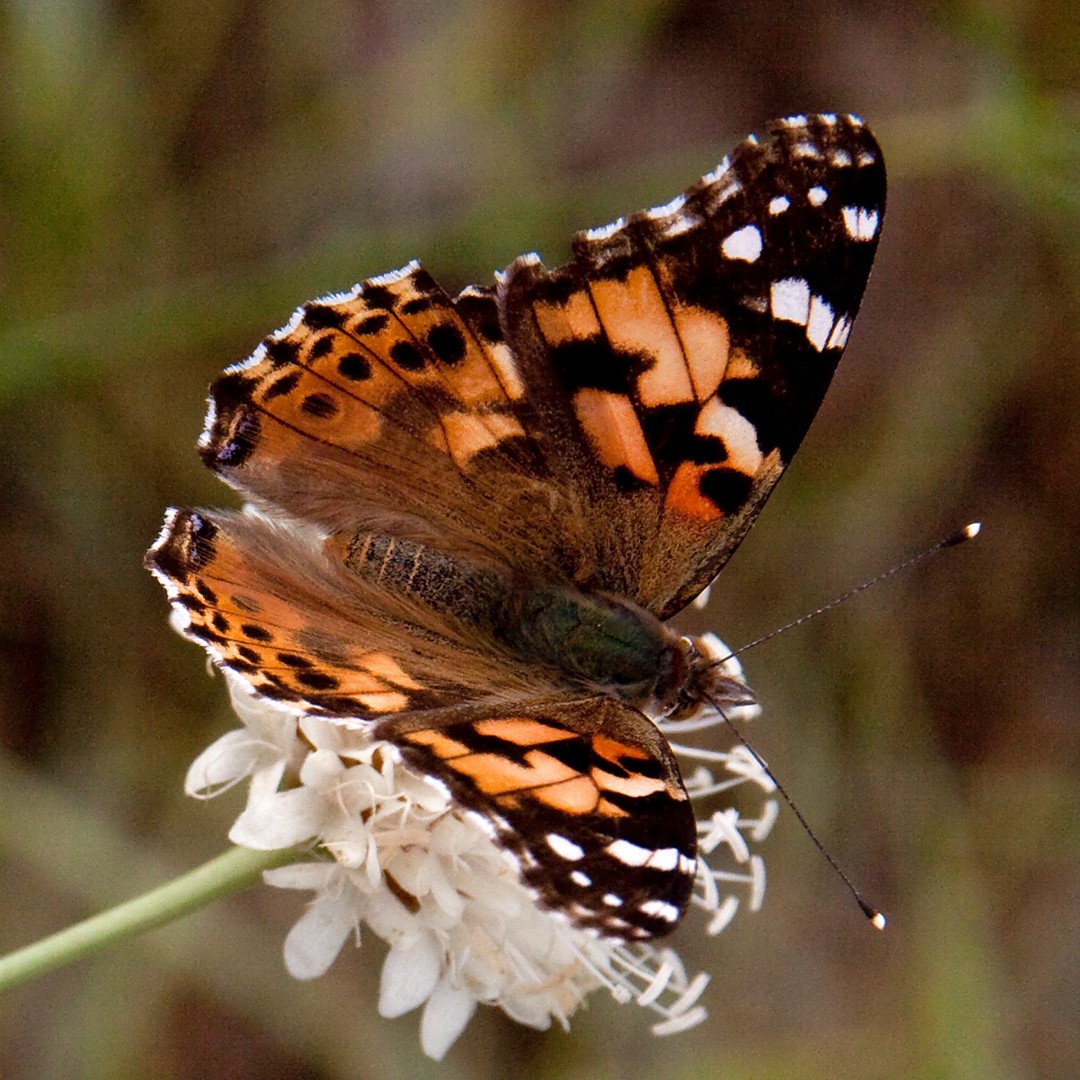
10. Painted lady
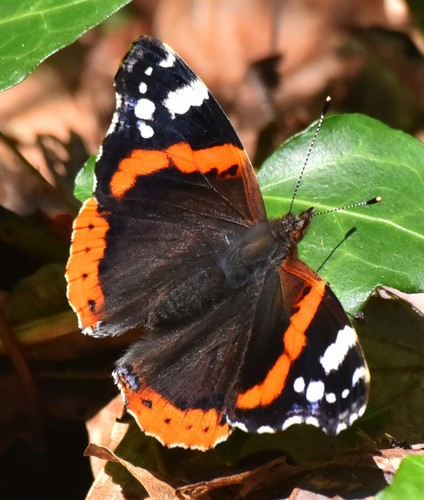
The painted lady is a migratory butterfly that spends part of the year in Northern Africa and then migrates to Europe during the warmer months. Although the adults feed on nectar from flowers, the larvae feed on the leaves of nettles and thistles.


More







